
Pallet Inverter New Zealand: How to Compare Suppliers for Large-Scale Warehousing and Retail Distribution?
As a packing machine engineer, I have seen many businesses struggle with inefficient pallet handling. It causes delays, raises costs, and puts workers at risk. If you run a large warehouse or a retail distribution center in New Zealand, you know these challenges well. You might be losing money and missing delivery targets because of outdated methods. This problem is common, and it affects your bottom line. (Inefficient pallet handling, operational challenges, New Zealand logistics)
Comparing pallet inverter suppliers for large-scale warehousing and retail distribution in New Zealand requires focusing on key factors like machine reliability, adaptability to diverse pallet types, safety features, and the supplier’s long-term support. You need a partner who understands your specific operational needs, such as handling thousands of pallets daily. The best suppliers offer customized solutions that improve efficiency, reduce labor costs, and prevent accidents, directly addressing the core demands of New Zealand’s dynamic supply chain. (Pallet inverter comparison, New Zealand warehousing needs, supplier evaluation criteria)
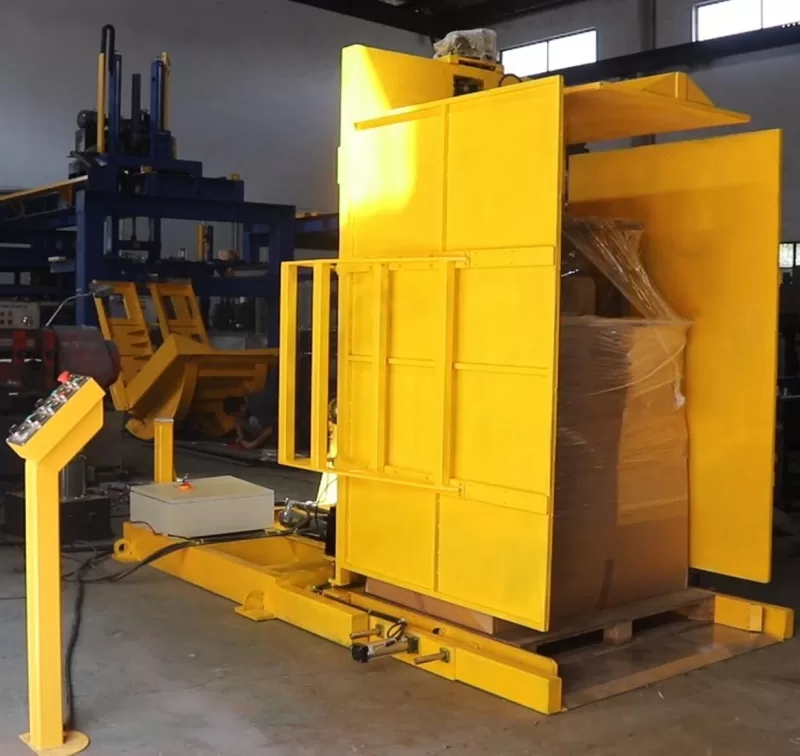
Finding the right pallet inverter is not just about buying a machine. It is about investing in a solution that fits your unique operations. It ensures long-term success. Let us explore what makes a supplier truly stand out in the competitive New Zealand market. We will make sure you find the perfect match for your business. (Choosing pallet solutions, New Zealand market insights, long-term operational success)
Why is a Pallet Inverter Essential for New Zealand’s Warehousing and Retail?
Many of my clients, especially those in fast-paced retail or large distribution centers, face similar problems. They struggle with handling different pallet types. They also worry about worker safety. Relying on manual processes for pallet exchange is a big risk. It is also a bottleneck in their operations. (Manual pallet handling risks, warehousing bottlenecks, New Zealand retail distribution challenges)
A pallet inverter is essential for New Zealand’s warehousing and retail sectors because it directly addresses critical issues like diverse pallet standards, high labor costs, and workplace safety concerns. It enables fast and safe transfer of goods between different pallet types, such as Euro, US, or plastic pallets, which is vital for international trade and hygiene. This automation boosts operational efficiency and significantly reduces the risk of injuries and product damage in busy logistics environments. (Pallet inverter necessity, New Zealand supply chain efficiency, automated pallet transfer benefits)
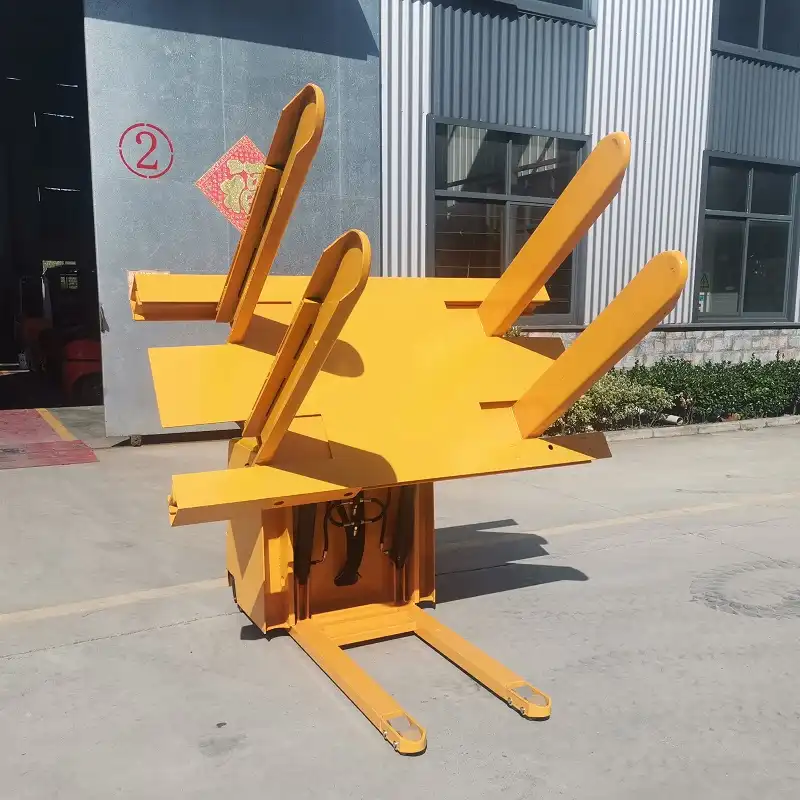
In my experience, I have seen how manual pallet handling slows down even the most organized warehouses. Imagine a scenario like that of a logistics manager I know, whose distribution center handles thousands of pallets daily. He constantly faces diverse pallet specifications. Goods arrive on one type of pallet, maybe a standard Australian or Asian pallet, but need to be shipped out on a Euro or US-standard pallet. This frequent changing used to be a huge headache. Manual switching of pallets is slow and prone to errors. It leads to shipping delays and even contractual penalties. This is where a pallet inverter becomes a game-changer for New Zealand businesses.
The need for pallet inverters is not just about efficiency. It also addresses critical safety and labor issues. New Zealand, like many developed economies, faces rising labor costs. Younger workers are often unwilling to do demanding manual lifting and turning tasks. This creates a labor shortage for intense warehouse roles. Manual pallet flipping or exchanging carries a high risk of injury. Workers can get hurt from falling goods or improper lifting. This leads to higher insurance costs and workers’ compensation claims. I have seen factories where such incidents caused serious disruptions. A pallet inverter removes humans from these dangerous tasks. It automates the heavy lifting. This makes the workplace much safer. It also protects your valuable workforce.
Furthermore, the pressure from customers for faster delivery is stronger than ever. E-commerce and modern retail demand quicker turnaround times. This forces warehouses to speed up their entire process. An inefficient pallet change process becomes a major bottleneck. It can make or break your ability to meet customer expectations. A pallet inverter helps you maintain high throughput. It ensures smooth transitions between different pallet types. This is key for global trade compliance and customer satisfaction in New Zealand’s competitive market. It means your goods move faster. You avoid delays and complaints. This technology directly supports your business growth and helps you meet those tight deadlines. It is a critical investment for modern logistics. (Pallet exchange benefits, warehouse safety solutions, labor shortage impact, supply chain automation, New Zealand logistics efficiency, customer delivery demands)
What Key Features Should I Look for in a Pallet Inverter for My Operations?
When I started FHOPEPACK, my goal was to master packing machines. I learned that a machine’s features are not just about what it can do. It is about how well it solves real-world problems for users like my clients. You need features that directly impact your operational efficiency and safety. (Packing machine innovation, operational problem-solving, real-world applications)
When selecting a pallet inverter for large-scale operations, focus on critical features such as robust construction for heavy loads, adaptability to multiple pallet sizes and materials, advanced safety mechanisms, and a high degree of automation. Look for models with flexible clamping systems, gentle product handling, and a rapid cycle time to maximize throughput. These features ensure reliability and efficiency in demanding New Zealand warehousing environments. (Pallet inverter features, heavy-duty pallet handling, automated safety systems, operational throughput optimization)

I always tell my clients that a pallet inverter is only as good as its core design and features. For a warehouse manager who handles thousands of pallets daily, reliability is number one. You cannot afford machine breakdowns. A robust frame and high-quality components are crucial. This means choosing machines built with durable materials that can withstand continuous, heavy-duty use. For example, our FHOPEPACK pallet inverters are designed with industrial-grade steel and proven hydraulic or electric systems. This ensures long-term stable operation, even in the most demanding environments. This is a vital consideration for any large-scale New Zealand distribution center.
Adaptability is another non-negotiable feature. Your operations likely involve different pallet types. You might use wooden Euro pallets, plastic hygiene pallets, or larger American-standard pallets. Your inverter must handle all of them without complex adjustments. Look for systems with adjustable clamping pressures and versatile platforms. These can accommodate a wide range of pallet sizes and product heights. Some FHOPEPACK models offer universal clamping plates. They can automatically adjust to various product dimensions. This flexibility means less downtime for changeovers. It makes your operations smoother and more efficient. It helps you meet diverse international shipping requirements, a common challenge in New Zealand.
Safety features are paramount. Remember the accidents warehouse managers face with manual handling? Modern pallet inverters must have multiple layers of safety. This includes emergency stop buttons, light curtains, safety fences, and overload protection. The machine should prevent goods from tipping and protect operators from moving parts. Ergonomic design is also important. The machine should minimize the need for manual intervention during the pallet exchange process. This protects your workers. It also reduces your company’s liability. Lastly, consider the level of automation. A fully automatic system might be ideal for very high volumes. A semi-automatic system could be a cost-effective solution for lower volumes or specific tasks. The right level of automation streamlines your workflow. It also reduces human error. (Pallet inverter design, industrial reliability, multi-pallet compatibility, safety mechanisms, automation levels, New Zealand warehouse equipment)
How Can I Effectively Evaluate Pallet Inverter Suppliers in the New Zealand Market?
When I was starting my factory, I learned that a good supplier is more than just a seller. They are a true partner. This is especially true for complex machinery like pallet inverters. You need someone who understands your business. They should offer solutions, not just products. (Supplier partnership, complex machinery procurement, business solutions)
To effectively evaluate pallet inverter suppliers in the New Zealand market, look beyond the initial price tag and assess their industry experience, customization capabilities, and proven track record with similar large-scale clients. Prioritize suppliers offering robust technical support, comprehensive training, and readily available spare parts. Always check their reputation for reliability and their ability to provide solutions tailored to New Zealand’s unique logistical challenges, ensuring a long-term, supportive partnership. (New Zealand pallet inverter suppliers, supplier reputation, customized solutions, technical support evaluation)
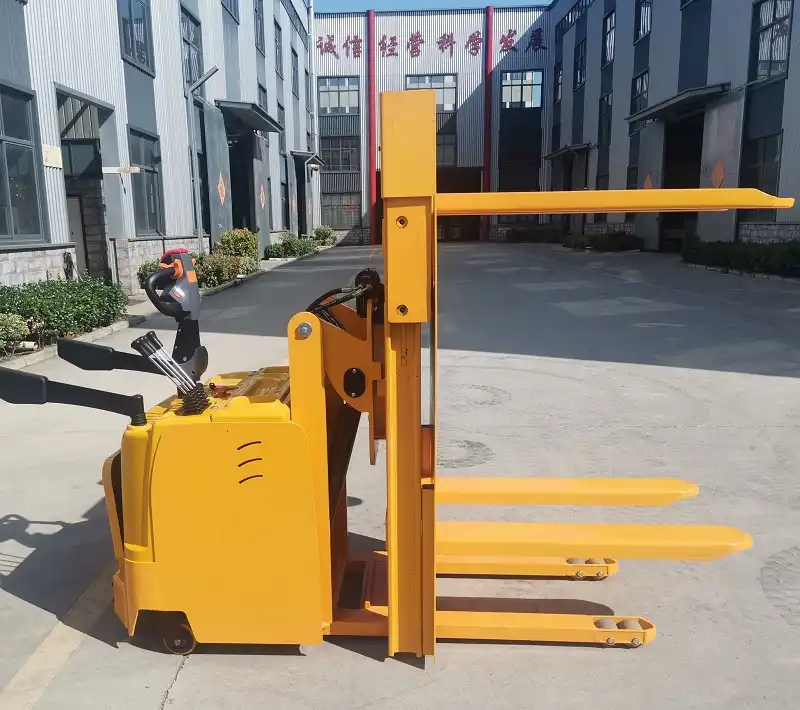
Evaluating a pallet inverter supplier in New Zealand requires a methodical approach. First, consider their industry experience. Has the supplier worked with large-scale warehousing or retail distribution centers before? Do they understand the specific demands of the New Zealand market, including regulations and typical operational challenges? A supplier like FHOPEPACK has extensive experience across various industries globally. This means we bring a deep understanding of logistics and packaging needs. We can offer informed advice. Look for case studies or client testimonials that prove their expertise in similar environments.
Second, assess their ability to offer customized solutions. Every warehouse is unique. You might need a specific machine size, a particular automation level, or integration with existing conveyor systems. A flexible supplier can adapt their standard machines or design bespoke solutions. This ensures the pallet inverter fits seamlessly into your current setup. This is vital for optimizing your workflow. For instance, FHOPEPACK specializes in tailoring machines to client specifications. We consider factors like your facility layout, pallet flow, and required throughput. This personalized approach is often more valuable than a generic, off-the-shelf product. While other companies, like SHJLPACK, also offer good standard models, checking their customization depth is key.
Third, evaluate their post-sales support and reliability. What kind of warranty do they offer? How quickly can they provide technical assistance or send spare parts to New Zealand? A strong after-sales service team ensures minimal downtime. This is critical for high-volume operations. Ask about their maintenance programs and training for your staff. A supplier who invests in your team’s knowledge helps you maximize the machine’s lifespan and efficiency. I believe in building long-term partnerships. This commitment from a supplier means they are not just selling you a machine. They are investing in your success. They become a true partner in your operational excellence. (Supplier evaluation process, industry experience, customization options, post-sales support, New Zealand market suitability, FHOPEPACK expertise, SHJLPACK comparison)
What is the True Cost and Return on Investment of a Pallet Inverter System?
When clients ask about costs, I tell them to look beyond the purchase price. The true cost of a pallet inverter is not just what you pay upfront. It includes its impact on your entire operation. This means considering how it affects your efficiency, safety, and labor costs over time. (Total cost of ownership, operational efficiency investment, long-term savings)
The true cost of a pallet inverter system extends beyond the purchase price, encompassing installation, maintenance, energy consumption, and crucially, its return on investment (ROI) through reduced labor costs, fewer safety incidents, and improved operational throughput. For New Zealand businesses, a clear ROI analysis should factor in savings from avoided penalties due to delays, decreased product damage, and enhanced worker safety, making it a strategic long-term investment rather than a mere expense. (Pallet inverter ROI, true cost analysis, labor cost reduction, safety investment, New Zealand operational savings)
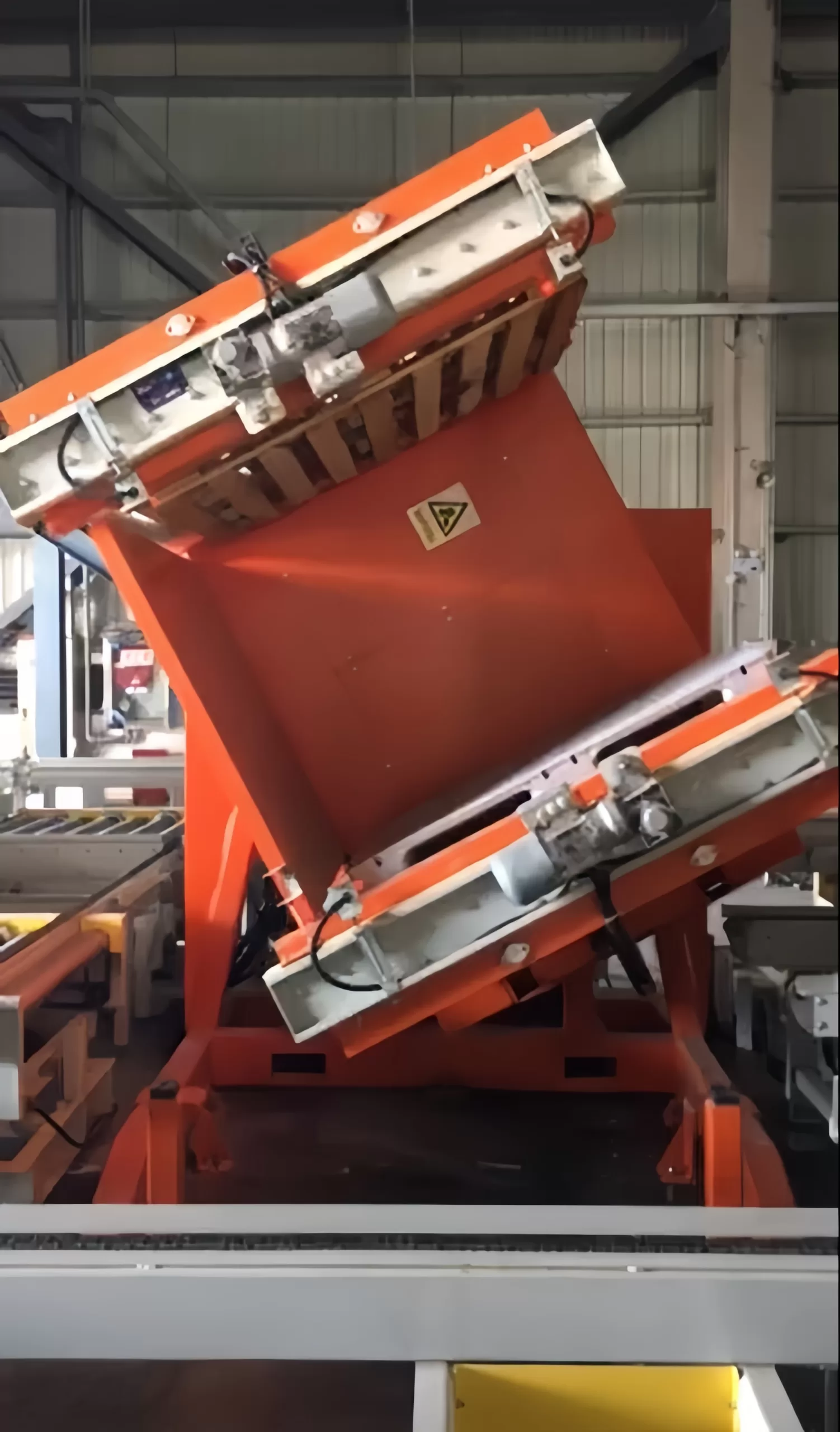
Calculating the true cost and ROI of a pallet inverter requires a comprehensive view. The initial purchase price is just one part. You must also consider installation costs, which include setup, integration with existing lines, and possibly facility modifications. Then there are ongoing operational costs. These include energy consumption, routine maintenance, and the cost of spare parts over the machine’s lifespan. A quality machine from FHOPEPACK is designed to be energy-efficient. It has minimal maintenance needs. This keeps your operating expenses low in the long run.
The real value, however, comes from the return on investment. Let us consider the challenges faced by many warehouse managers. They need to reduce labor dependence. They want to improve safety. An automated pallet inverter directly addresses these.
- Labor Cost Reduction: By automating pallet changes, you significantly reduce the need for manual handling. This means fewer staff dedicated to this strenuous task. Over time, the savings from reduced wages, benefits, and recruitment costs can be substantial. In New Zealand, where labor costs are high, this can quickly offset the initial investment.
- Safety Improvement: Eliminating manual pallet flipping removes the risk of accidents. This leads to fewer worker injuries. This reduces insurance premiums and avoids costly compensation claims. For operations that have experienced several accidents, this alone could justify the investment. A safer workplace also means better employee morale and less downtime from injury-related absences.
- Increased Efficiency and Throughput: A fast, reliable pallet inverter can process pallets much quicker than manual methods. This speeds up your entire warehousing operation. It shortens delivery cycles. It allows you to handle more volume with the same or fewer resources. This improved throughput translates directly into increased revenue and greater customer satisfaction. It helps businesses in New Zealand meet tight retail distribution schedules.
- Reduced Product Damage and Penalties: Manual handling often leads to product damage. This results in costly write-offs. It also leads to client complaints. An automated system handles goods gently and precisely. This reduces damage rates. Furthermore, by avoiding shipping delays, you prevent potential contractual penalties. This adds significant savings to your bottom line.
Therefore, when you calculate ROI, factor in all these savings and benefits. A pallet inverter is not just an expense. It is a strategic investment that pays for itself through improved efficiency, safety, and cost reductions. Companies like FHOPEPACK focus on providing solutions that deliver a clear and measurable ROI for our clients. (ROI calculation, operational cost savings, labor efficiency, workplace safety benefits, product damage prevention, New Zealand business investment)
What Level of Installation, Training, and After-Sales Support is Crucial for Success?
I always say that a machine is only as good as the support behind it. Even the best pallet inverter needs proper installation and good ongoing care. Without strong support, your investment might not reach its full potential. You need a partner who stands by their product. (Machine lifecycle support, successful investment, reliable after-sales service)
Crucial for success with any pallet inverter system are comprehensive installation services, thorough operator training, and robust after-sales support including maintenance, spare parts availability, and responsive technical assistance. For businesses in New Zealand, selecting a supplier like FHOPEPACK that offers local or readily accessible support ensures minimal downtime and maximum operational efficiency throughout the machine’s lifespan. This holistic support guarantees your investment delivers consistent value. (Pallet inverter support, installation services, operator training, after-sales maintenance, New Zealand technical support)

When you choose a pallet inverter, the journey with your supplier should not end at the sale. Proper installation is the first critical step. The machine must be set up correctly to ensure optimal performance and safety. A reputable supplier will provide professional installation services. They will integrate the inverter seamlessly into your existing warehouse layout and production line. This includes ensuring all safety protocols are met. It also means calibrating the machine for your specific pallet types and products. For a large-scale operation in New Zealand, this means avoiding unexpected delays and additional costs during setup.
Next, comprehensive training for your staff is vital. Your operators and maintenance teams need to understand how to use the machine effectively and safely. This training should cover daily operation, basic troubleshooting, and routine maintenance tasks. I always ensure FHOPEPACK provides detailed training sessions. This empowers your team to maximize the inverter’s efficiency and prolong its life. Well-trained staff also reduce the likelihood of operational errors and accidents. This ensures a smooth transition to automated pallet handling.
Finally, ongoing after-sales support is non-negotiable. What happens if the machine breaks down? How quickly can you get spare parts? How responsive is technical support? Look for a supplier who offers readily available spare parts and prompt technical assistance. This minimizes downtime, which is costly for any large-scale warehouse. FHOPEPACK understands the importance of quick support. We aim to have parts available and technicians ready to assist. This ensures your operations keep running smoothly. While some suppliers like SHJLPACK offer good support, checking the speed and accessibility of their service in New Zealand is essential. A supplier committed to long-term support becomes a valuable partner. They ensure your pallet inverter investment continues to perform optimally for many years. (Installation services, operator training programs, after-sales maintenance, spare parts availability, technical support responsiveness, New Zealand operational continuity, FHOPEPACK service, SHJLPACK support)
Conclusion
Choosing the right pallet inverter in New Zealand for large-scale warehousing demands careful consideration. Focus on machine features, supplier expertise, and ongoing support. Investing wisely ensures greater efficiency, improved safety, and substantial long-term savings for your business. (Pallet inverter selection, New Zealand warehousing, operational benefits)








