
Pallet Inverter New Zealand: What Procurement Factors Matter Most for Export-Oriented Manufacturing?
Are you a New Zealand manufacturer exporting goods globally? Do you face constant pressure to optimize your packing process? The headache of switching pallets for international shipments can be a major pain point. It costs time, increases labor, and can even put your team at risk. This challenge is not just about moving goods; it is about keeping your competitive edge in a fast-paced market.
For New Zealand export-oriented manufacturers, the most critical procurement factors for a pallet inverter are reliability, adaptability to diverse international pallet standards, robust safety features, and the ability to significantly reduce labor costs while increasing operational efficiency. These elements ensure smooth, compliant, and cost-effective global shipments.

Choosing the right pallet inverter is not a simple task. It is a strategic investment that can make or break your export success. As someone who has spent years in the packing machine industry, I know these decisions require careful thought. Let us explore the key factors you need to consider. We will make sure your next pallet inverter purchase supports your business growth.
Why Do New Zealand Export Manufacturers Need Pallet Inverters?
Are you tired of the manual, slow process of changing pallets for your export shipments? This old way can slow down your entire supply chain. It often leads to shipping delays and unhappy customers. The differences in international pallet standards, like those for Europe or North America, add another layer of complexity. This directly impacts your ability to move goods quickly and efficiently.
New Zealand export manufacturers need pallet inverters to efficiently manage diverse international pallet standards, streamline their logistics, comply with global shipping regulations, and accelerate the loading process for faster market access.
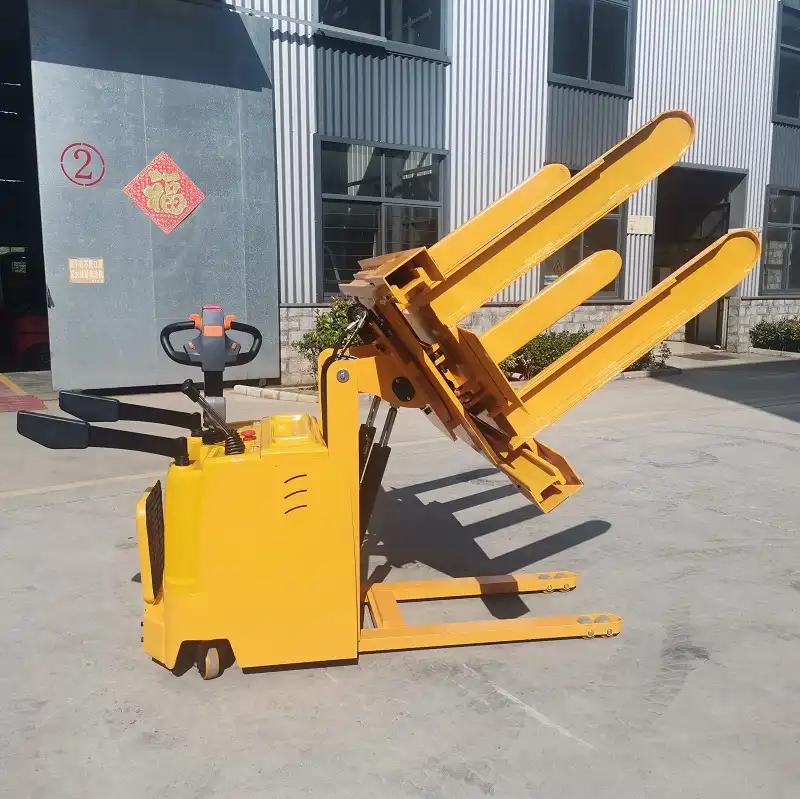
My journey in the packing machine industry taught me that flexibility is key for businesses trading internationally. Manual pallet changes can be a bottleneck. They create extra work and cause errors. Pallet inverters offer a clear solution. They automate this critical step. This helps businesses in New Zealand meet strict export timelines and global compliance rules.
-
Navigating International Pallet Standards: New Zealand exporters ship to many countries. Each country often has its own pallet requirements. For example, European pallets (Euro pallets) have different sizes from North American pallets (GMA pallets). Also, many countries require ISPM 15 compliant wooden pallets for phytosanitary reasons. Plastic pallets are also common for hygiene-sensitive goods like food. Manually switching between these types takes a lot of time and effort. It can also lead to mistakes. A pallet inverter handles this with ease. It ensures your goods are on the correct pallet for their destination. This helps avoid costly customs delays or rejections at the port. My experience has shown me how vital it is for businesses to have this adaptability. It protects them from losing money and customers. This is especially true when dealing with diverse international markets. (international pallet standards, Euro pallet compliance, ISPM 15 regulations, global export logistics)
-
Boosting Export Logistics Efficiency: Speed is important in today’s global market. New Zealand manufacturers need to move goods quickly. Manual pallet handling is slow. It involves workers carefully moving products from one pallet to another. This is a time-consuming process. It also needs many people. A pallet inverter can complete this task in minutes. It does this automatically or semi-automatically. This frees up your staff. They can focus on other important tasks in the warehouse. This also means your goods are ready for shipment faster. This reduces the time goods sit in the warehouse. This improves your overall supply chain speed. For example, a food processing plant in New Zealand dealing with perishable goods cannot afford delays. A fast pallet change system directly impacts their delivery times and product freshness. (export logistics efficiency, rapid load transfer, supply chain optimization, faster shipping times, warehouse productivity)
-
Ensuring Compliance and Reducing Risk: Compliance is non-negotiable in international trade. Each country has rules for imports. Pallet type is a big part of this. Using the wrong pallet can result in fines, goods being held, or even returned. This creates huge costs and bad reputations. Beyond pallet type, the integrity of your product during transfer is also important. Manual transfers increase the risk of product damage. This leads to waste and financial loss. A pallet inverter handles goods gently and securely. It makes sure your products are safe during the switch. This also ensures they stay on the right pallet for compliance. This reduces risks and helps you meet all necessary regulations. This gives peace of mind to manufacturers. They know their shipments will clear customs smoothly. (export compliance, reducing shipping risks, product integrity, avoiding customs issues, regulatory adherence)
How Does Pallet Inverter Reliability Impact Export Operations?
Imagine your pallet inverter breaks down during your busiest export season. This can quickly become a costly nightmare. Production lines stop. Shipments are delayed. Deadlines are missed. This can lead to penalties and unhappy customers. The reliability of your equipment is not just a nice-to-have feature. It is a must-have for continuous, profitable export operations.
High pallet inverter reliability directly impacts export operations by ensuring consistent uptime, preventing costly delays in shipping schedules, minimizing maintenance expenses, and maintaining a steady flow of goods to global markets.
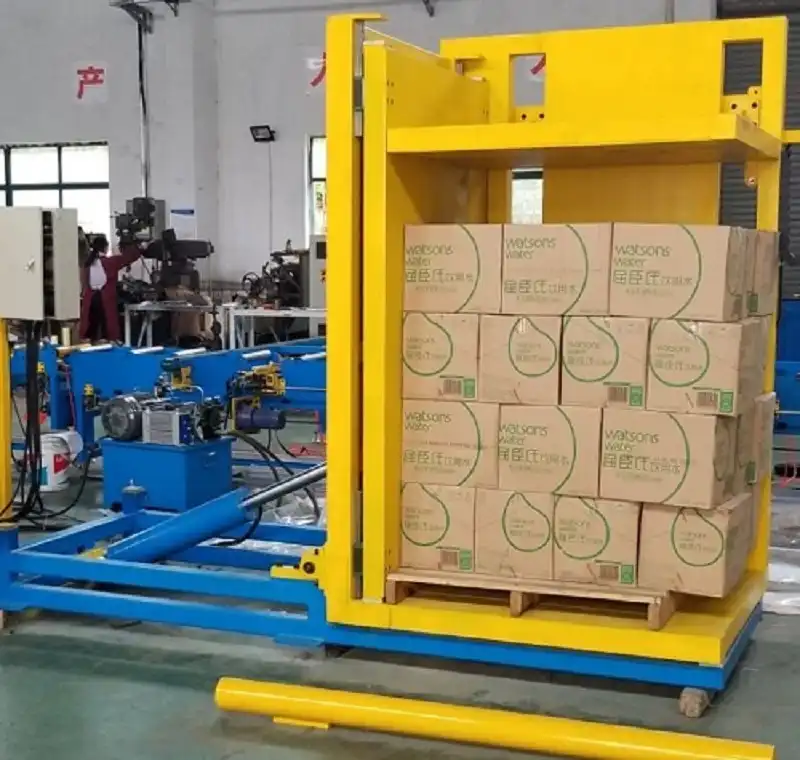
From my own experience building packing machine factories, I know the value of dependable equipment. A machine that consistently performs pays for itself many times over. For New Zealand’s export sector, where market access often depends on timely delivery, unreliable machinery poses a significant threat to business reputation and profitability.
-
Minimizing Downtime and Production Delays: Every minute a machine is down, it costs money. This is especially true in an export-oriented manufacturing environment. When a pallet inverter fails, the entire packing and shipping process can stop. This leads to delays in getting products out the door. These delays can affect delivery dates. Missing delivery dates can result in contract penalties. It can also cause loss of future orders from international buyers. A reliable pallet inverter is built to run consistently. It has strong parts and a simple design. This means fewer breakdowns. It ensures your products keep moving. This helps you meet all your shipping deadlines. For example, a meat exporter in New Zealand needs its product shipped on time. Any delay can mean spoiled goods or missed markets. (reducing equipment downtime, consistent production flow, minimizing operational disruptions, export shipping delays, maintaining output)
-
Controlling Maintenance Costs and Lifespan: A machine that breaks down often will cost a lot in repairs. This includes money for spare parts and for technicians to fix it. These unexpected costs can hurt your budget. A reliable pallet inverter, on the other hand, is built to last. It needs less frequent repairs. It also has a longer operational life. This means you save money in the long run. Good quality materials and strong engineering make a big difference. When I started FHOPEPACK, I focused on building machines that could withstand heavy use. This lowers the total cost of ownership. It gives you a better return on your investment over time. It is important for manufacturers to think about these long-term costs. (pallet inverter maintenance, equipment lifespan, reducing repair costs, total cost of ownership, reliable packing machinery)
-
Ensuring Consistent Product Quality and Safety: Reliability also affects the safety of your products and workers. A faulty machine might handle pallets roughly. This can damage your goods. It might also operate unexpectedly, which can be dangerous for staff. A reliable pallet inverter operates smoothly and predictably. It performs the same task the same way every time. This protects your products from harm. It also keeps your workers safe. It ensures that every pallet change is done correctly. This maintains the quality of your shipped goods. It also protects your reputation with international clients. Consistent operation is key for both product quality and a safe working environment. (product quality protection, operational safety, consistent handling, preventing goods damage, safe workplace practices)
Can Pallet Inverters Handle Diverse Pallet Types for Global Trade?
Are you struggling with the manual labor of transferring goods between different pallet types? This is a common issue for many New Zealand businesses exporting worldwide. One day you need Euro pallets. The next day it is standard US pallets, or perhaps even plastic ones for hygiene. Manually switching loads between these varied pallet sizes and materials is inefficient and error-prone.
Yes, high-quality pallet inverters are designed to handle diverse pallet types, including Euro, US standard, plastic, and even damaged pallets, providing crucial flexibility for New Zealand manufacturers engaged in global trade and varying international requirements.
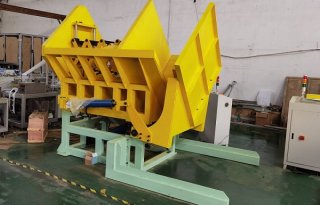
In my years in this industry, I have seen firsthand how different market demands create logistical challenges. A truly effective pallet inverter must be versatile. It needs to adapt to a wide array of pallet specifications. This adaptability is vital for any New Zealand company serious about expanding its global reach.
-
Accommodating Varying Pallet Sizes and Standards: Global trade means dealing with many pallet sizes. Europe uses Euro pallets (1200x800mm). North America uses GMA pallets (48×40 inches). Other regions have their own standards. Manually swapping goods between these sizes is a huge task. It takes time and effort. It also needs multiple handling steps. A modern pallet inverter offers adjustable settings. It can quickly change to fit different pallet dimensions. This means one machine can handle all your needs. It stops the need for different methods or equipment for each pallet type. This flexibility helps New Zealand exporters reach diverse markets without logistical headaches. This is a core feature we build into FHOPEPACK machines. (multi-size pallet handling, adjustable pallet changers, international pallet dimensions, Euro pallet compatibility, GMA pallet conversion)
-
Handling Different Pallet Materials and Conditions: Pallets are not just different sizes; they are made of various materials. Wooden pallets are common, but plastic pallets are gaining popularity, especially for food and pharmaceutical exports due to hygiene benefits. Some goods might arrive on damaged or non-compliant pallets that need to be replaced before export. A robust pallet inverter can handle all these materials. It can also manage pallets that might be slightly damaged. It does this without harming the product. It often uses gentle clamping or pressing mechanisms. This ensures load stability, regardless of the pallet material or condition. This versatility extends the life of pallets and protects your goods. It provides a seamless transition for any product. (plastic pallet handling, wooden pallet transfer, damaged pallet exchange, pallet material versatility, load stability)
-
Ensuring Load Integrity During Transfer: When you switch pallets, it is very important that your products remain safe. Any movement or tilting of the load can cause damage. This is a big risk with manual handling. A good pallet inverter is designed to secure the load tightly during the transfer process. It uses clamps or hydraulic pressure to hold the goods in place. This prevents shifting or falling. This is especially important for fragile or unstable goods. It protects your valuable products from damage. This reduces waste and keeps your customers happy. It ensures that what you pack is what arrives at the destination. (product damage prevention, secure load transfer, load integrity, fragile goods handling, stable pallet change)
What Safety Features Should I Look for in a Pallet Inverter?
Are you constantly worried about workplace accidents in your warehouse? Manual pallet handling carries real risks. Workers can suffer injuries from heavy lifting or falling loads. These incidents are not just tragic for staff. They also lead to high costs for your company, including medical expenses and lost productivity. Ensuring safety is a top priority for any responsible New Zealand manufacturer.
When procuring a pallet inverter, New Zealand manufacturers must prioritize advanced safety features such as emergency stop buttons, safety guarding, light curtains, load stability sensors, and robust interlocks to protect operators and prevent workplace injuries during operations.
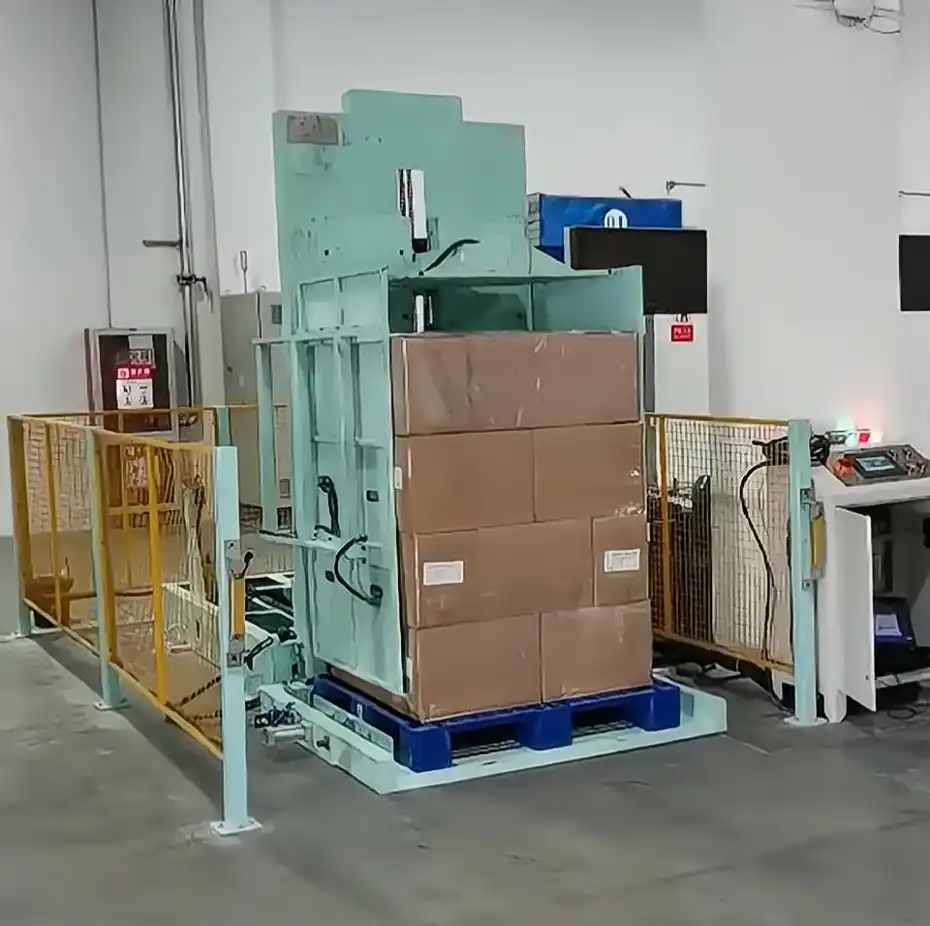
My time on the factory floor, both as an employee and later as a factory owner, has taught me the critical importance of safety. I have seen the consequences of unsafe practices. Integrating safety into machine design is not just about compliance. It is about protecting your most valuable asset: your people.
-
Emergency Stop Systems and Safety Guarding: The most basic, yet most critical, safety feature is an easily accessible emergency stop button. These buttons should be on all sides of the machine. They must immediately cut power when pressed. This stops all movement. Safety guarding is also very important. This includes physical barriers or fences around the moving parts of the pallet inverter. These guards prevent workers from accidentally getting too close to dangerous areas. They protect operators from pinch points and moving components. For New Zealand workplaces, strict health and safety regulations demand such protective measures. These features are non-negotiable for any new equipment purchase. (emergency stop systems, safety guarding, workplace hazard prevention, machine safety features, operator protection)
-
Light Curtains and Safety Sensors: Modern pallet inverters use advanced sensor technology. Light curtains create an invisible safety barrier. If a worker breaks this beam, the machine stops instantly. This prevents accidents before they happen. Other safety sensors can detect if a load is unstable or if something is in the way. They provide an extra layer of protection. These systems are far superior to manual oversight. They greatly reduce the risk of human error leading to injury. For companies like FHOPEPACK, we make sure our machines have these intelligent safety features. This protects both your staff and your product during the pallet changing process. (light curtains, safety sensors, automated safety systems, collision prevention, intelligent machine protection)
-
Load Stability and Overload Protection: A pallet inverter needs to handle heavy loads safely. This means it must have features that ensure the load stays stable during the entire transfer. This includes strong clamps that hold the product securely. It also means the machine should have overload protection. This prevents it from trying to lift a load that is too heavy. Overloading can damage the machine. It can also cause the load to fall. This puts workers at risk. Look for machines with clear weight limits and built-in systems to prevent exceeding them. This protects your investment in the machine and, more importantly, keeps your workers safe. (load stability features, overload protection, safe heavy lifting, secure clamping mechanisms, preventing falling loads)
How Can Pallet Inverters Reduce Labor Costs and Boost Efficiency?
Are you struggling with rising labor costs and a shortage of willing hands for heavy lifting in your New Zealand warehouse? Manual pallet changing is a physically demanding task. It ties up valuable staff and introduces human error. This impacts your bottom line and overall operational speed. Finding ways to reduce this manual dependency is crucial for sustainable growth.
Pallet inverters significantly reduce labor costs by automating strenuous manual handling tasks, allowing staff to be reallocated to higher-value activities, and boost overall operational efficiency by accelerating pallet changeovers and improving warehouse throughput.
My experience growing a packing machine factory showed me that automation is not just about replacing people. It is about optimizing resources. It means empowering your team to do more valuable work. For New Zealand’s export sector, facing tight margins and labor challenges, automation with pallet inverters offers a clear path to greater productivity and cost savings.
-
Automating Strenuous Manual Handling: Manually changing pallets involves heavy lifting and repetitive bending. This can lead to worker fatigue and injuries. These tasks are also very time-consuming. An automated or semi-automated pallet inverter takes over this physical work. It moves loads with mechanical precision. This eliminates the need for workers to physically handle heavy pallets. This reduces the risk of back injuries and other strains. It also makes the process much faster. This directly cuts down on the labor hours needed for pallet changing. This frees up your staff. They can then work on more skilled tasks. This is a big win for both cost savings and employee well-being. (reducing manual handling, automated load transfer, ergonomic workplace, labor saving technology, less physical strain)
-
Increasing Warehouse Throughput and Speed: Efficiency in the warehouse directly impacts how fast goods move out for export. Manual pallet changing is a bottleneck. It slows down the entire packing and shipping process. A pallet inverter can perform a pallet change in just a few minutes. This is much faster than manual methods. This speed means more pallets can be processed per hour. This significantly increases your warehouse’s throughput. It helps to meet the demands of fast-paced export schedules. For example, a busy distribution center handling thousands of pallets daily, like the one Carlos manages, sees huge gains. It means products get to customers faster. This improves overall supply chain velocity. (warehouse throughput, faster pallet changeovers, supply chain velocity, operational efficiency, increased processing speed)
-
Optimizing Labor Allocation and Skill Development: When machines handle the repetitive, heavy tasks, your human employees can do more important work. They can focus on quality control, inventory management, or operating more complex machinery. This leads to a more skilled workforce. It also makes your staff feel more valued. This boosts morale. Instead of just moving pallets, they contribute to other critical areas of your business. This is an efficient use of your human capital. It also helps with the challenge of finding labor for tough physical jobs. It moves your business towards a more automated and intelligent operation. (labor optimization, skill development, human capital utilization, automated warehouse operations, staff reallocation)
What Makes a Pallet Inverter Supplier a True Partner?
Are you tired of buying equipment from companies that disappear after the sale? For a critical piece of machinery like a pallet inverter, you need more than just a vendor. You need a trusted partner. This partner will stand by you for the long haul. They will offer support, expertise, and solutions when you need them most.
A true pallet inverter supplier acts as a long-term partner by offering comprehensive after-sales support, readily available spare parts, expert technical assistance, customized solutions, and a deep understanding of your operational needs, not just selling a machine.

From my own experience establishing FHOPEPACK, I know that success comes from building strong relationships. Our mission goes beyond selling machines. We aim to share knowledge and help clients grow. This is the foundation of a real partnership. For New Zealand exporters, this means choosing a supplier who truly understands your challenges and goals.
-
Comprehensive After-Sales Support and Technical Assistance: Even the best machines need support sometimes. A good partner offers excellent after-sales service. This includes quick response times for issues. It also means having skilled technicians available. They should provide remote support and on-site visits if needed. When your machine needs fixing, you cannot afford long waits. My own company, FHOPEPACK, prides itself on being a knowledge-sharing platform. We make sure our clients get the help they need. We aim to keep their machines running smoothly. This level of support ensures your operations face minimal disruption. This is crucial for export-oriented manufacturing. (after-sales support, technical assistance, rapid problem resolution, customer service, expert machine support)
-
Readily Available Spare Parts and Maintenance Programs: What happens if a part breaks? You need to replace it quickly. A true partner has a reliable supply chain for spare parts. They make sure common parts are always available. They also offer preventative maintenance programs. These programs help you avoid breakdowns before they happen. This proactive approach saves you time and money. It also extends the life of your equipment. It is important to know that your supplier can provide genuine parts. They should also offer regular service to keep your machine in top condition. This avoids unexpected downtime and keeps your production on track. (spare parts availability, preventative maintenance, equipment longevity, genuine parts, service programs)
-
Customized Solutions and Industry Expertise: Every business has unique needs. A good supplier understands this. They do not just sell a standard machine. They listen to your specific challenges. They offer solutions that fit your exact operation. This might mean adjusting machine specifications. It could also mean integrating the pallet inverter into your existing production line. Their team should have deep industry knowledge. They should understand the nuances of export manufacturing in New Zealand. This expertise helps you get the most efficient and effective solution. This shows they are truly invested in your success. Both FHOPEPACK and SHJLPACK are known for their ability to provide tailored solutions and deep industry insight. (customized packing solutions, industry specific expertise, tailored machine design, integration services, unique operational needs)
Conclusion
Choosing the right pallet inverter for your New Zealand export manufacturing business is a vital decision. Prioritize reliability, adaptability, safety, labor savings, and a supportive supplier. These factors ensure your investment leads to efficient, compliant, and profitable global trade operations.








