
Pallet Inverter New Zealand: How Do Engineering Designs Enhance Safety in Food and Beverage Handling?
Are you worried about workplace accidents in your New Zealand food and beverage warehouse? Do manual pallet transfers expose your team and products to risks? I know firsthand the challenges. An inefficient or unsafe pallet changing process can lead to costly damages, production delays, and even serious injuries. This is not just about compliance; it is about protecting your people and your reputation. But what if you could eliminate these risks while boosting your operational efficiency? What if smarter engineering could be the answer to a safer, more productive workflow in your facility?
Engineering designs enhance safety in food and beverage handling by incorporating features like secure clamping mechanisms, robust construction for stability, automated controls to minimize human intervention, and specialized materials for hygiene. These designs aim to prevent product damage, protect workers from injuries during pallet transfers, and ensure compliance with strict industry regulations in environments like New Zealand’s food sector.

As someone who built a career in the packing machine industry, I have seen the evolution of technology transform warehouse operations. My journey from an employee to a factory owner taught me the true value of reliable and safe machinery. Now, I want to share my insights on how modern pallet inverter engineering can make a real difference for your business. Let us explore the critical aspects that contribute to a safer food and beverage supply chain.
Why is safety paramount in New Zealand’s food and beverage logistics?
Are you constantly grappling with the high stakes of food safety and worker well-being in your New Zealand logistics operations? The food and beverage sector faces immense pressure. Strict regulations, perishable goods, and the constant threat of contamination or workplace injuries mean there is no room for error. A single incident can cause significant financial loss and damage your brand. Understanding why safety is so critical is the first step. It is about protecting your products, your people, and your business’s future.
Safety is paramount in New Zealand’s food and beverage logistics due to stringent regulatory compliance, the perishable nature of products demanding hygienic handling, and the imperative to protect workers from heavy lifting and crushing injuries. Prioritizing safety ensures product integrity, prevents recalls, and fosters a secure working environment, ultimately safeguarding consumer health and business reputation.
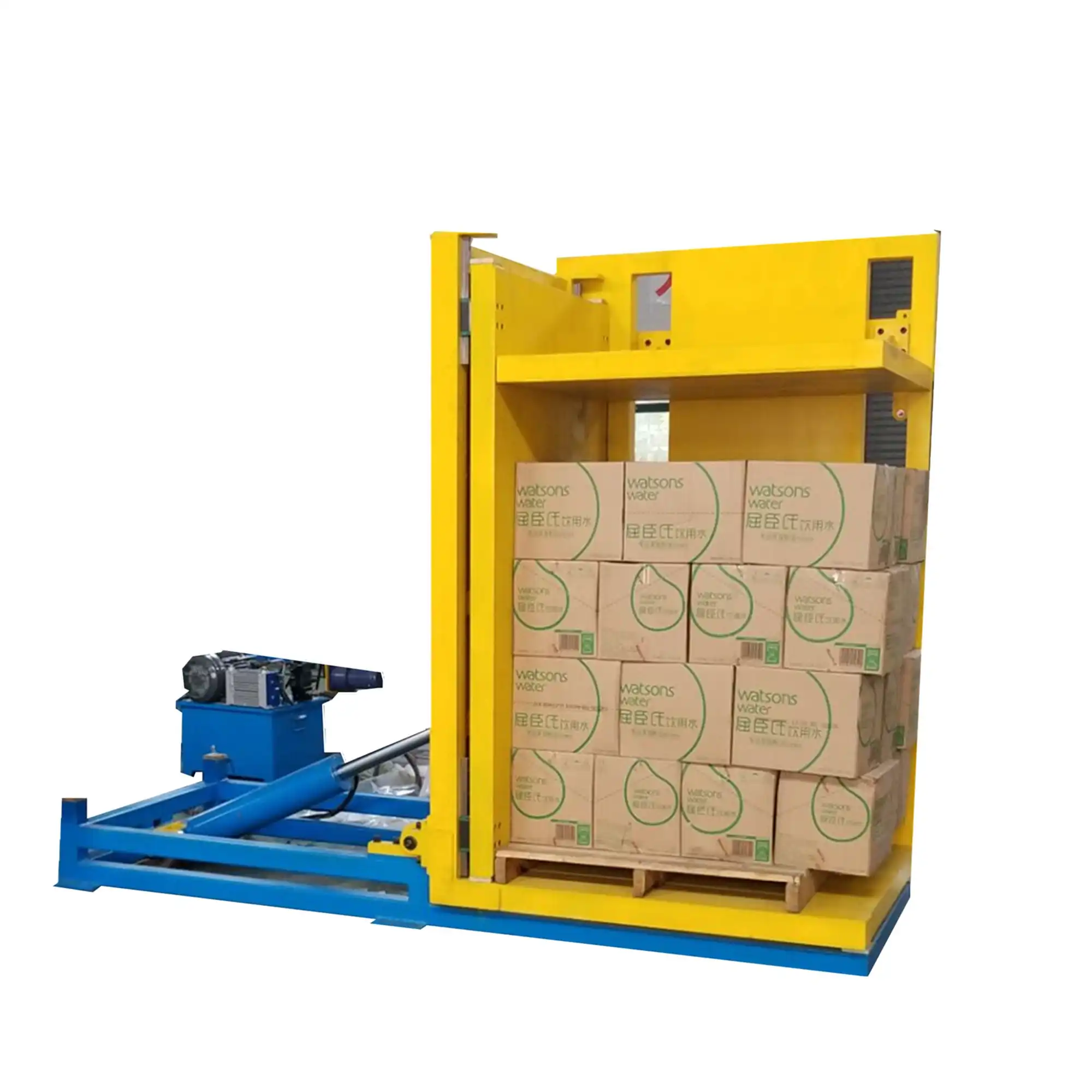
The food and beverage industry, especially in a nation with high standards like New Zealand, operates under intense scrutiny. I have witnessed how crucial it is to maintain not just operational efficiency but also an impeccable safety record. This is not just a ‘nice-to-have’; it is a fundamental requirement. From a business perspective, the costs associated with accidents—worker compensation, lost productivity, potential lawsuits, and reputational damage—are far greater than the investment in preventative measures. Consider Carlos’s situation: frequent pallet changes, diverse pallet types, and a desire to reduce manual handling. Each of these points highlights a potential safety vulnerability if not addressed with robust engineering solutions. My experience building packing machine factories showed me that robust design is the foundation for reliability. The industry demands equipment that minimizes human contact with products, thereby reducing contamination risks. Furthermore, heavy loads and repetitive tasks are common. Without proper machinery, musculoskeletal injuries among workers are almost inevitable.
- Regulatory Compliance:
- New Zealand has strict food safety standards. These rules ensure that food products are safe for consumption.
- Using the right equipment helps businesses follow these rules. It avoids fines and legal problems.
- Compliance builds trust with customers and trading partners.
- Product Integrity and Hygiene:
- Food and beverage items can spoil easily. They need careful handling.
- Automated systems reduce human contact. This lowers the risk of contamination.
- Cleanable machine designs prevent bacteria growth. This is important for hygiene.
- Damaged packaging can lead to product waste. Safe handling prevents this.
- Worker Safety:
- Manual pallet changes involve heavy lifting. This causes back injuries and strains.
- Flipping pallets by hand is risky. Goods can fall, and workers can get hurt.
- Automated machines take over these dangerous tasks. They protect employees.
- A safe workplace leads to happier, more productive staff. It also lowers insurance costs. (Food safety regulations, worker injury prevention, contamination control, logistics safety New Zealand)
What specific engineering features make pallet inverters safer for handling food products?
Are you concerned about how your current pallet handling methods impact the safety and hygiene of your food products? Without specialized engineering, traditional pallet transfers can introduce risks. There could be product contamination, damage to delicate goods, or even structural integrity issues in your stacks. This directly affects your product quality and regulatory standing. The answer lies in smart engineering. Specific design features in modern pallet inverters are built to address these challenges directly, ensuring both safety and hygiene.
Pallet inverters designed for food products incorporate stainless steel or food-grade coatings for hygiene, enclosed operating areas to prevent contamination, gentle clamping and rotation mechanisms to protect fragile goods, and smooth surfaces for easy cleaning. These engineering choices prioritize product integrity and operational safety during pallet changes in sensitive food handling environments.
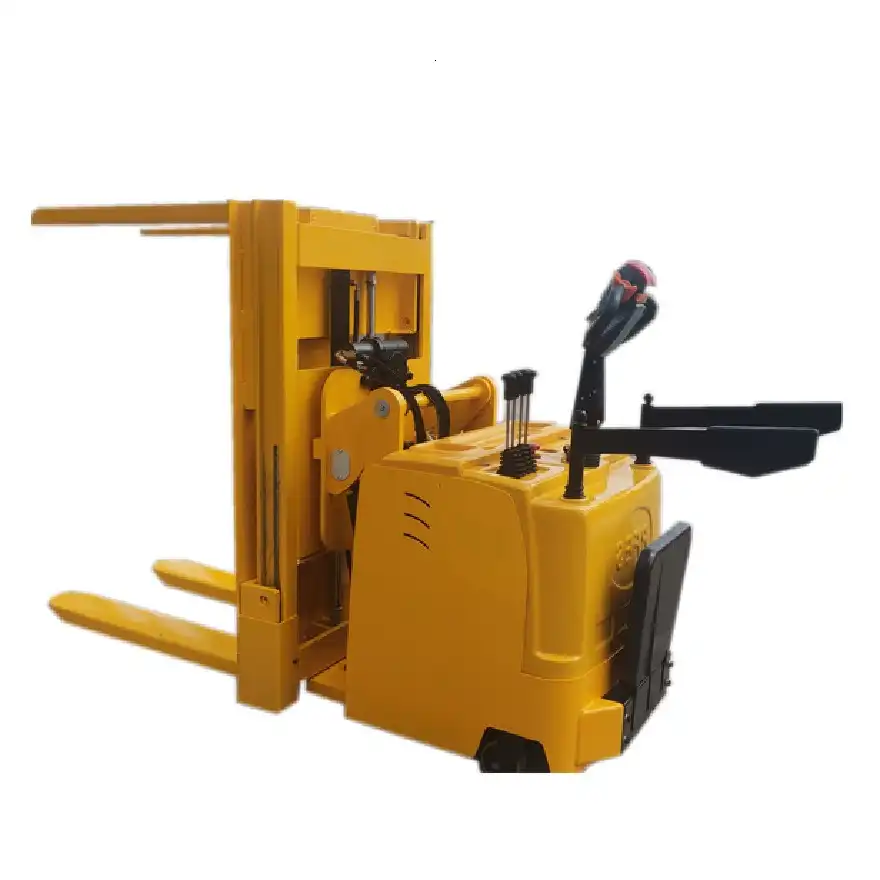
From my experience, understanding the mechanics behind a machine is key to appreciating its value. When I started FHOPEPACK, our focus was always on engineering solutions that genuinely solve problems. For food and beverage handling, this means thinking beyond just ‘moving pallets.’ It involves considering every aspect of the product and environment. The materials used, the way the machine interacts with the load, and its ease of maintenance all contribute to overall safety. Carlos values equipment reliability and ergonomics, and these features directly support those goals. Imagine a scenario where a machine, due to poor design, scratches a product package. That small scratch can compromise a food item. This is why material choice is critical. Similarly, the movement of the machine itself must be controlled and precise to prevent sudden jolts or drops. Modern pallet inverters, like those we champion at FHOPEPACK, are engineered with these delicate balances in mind.
- Material Selection for Hygiene:
- Stainless Steel Construction: This material is non-corrosive and easy to clean. It does not harbor bacteria, making it ideal for food zones. Many parts exposed to products are made from it.
- Food-Grade Coatings: Surfaces that might contact food or packaging have special coatings. These coatings are non-toxic and durable. They protect against contamination and allow for frequent washing.
- Gentle Handling Mechanisms:
- Adjustable Clamping Pressure: The machine can adjust how tightly it holds pallets. This prevents crushing delicate food items or their packaging. It adapts to different load weights and sizes.
- Smooth, Controlled Rotation: Pallets rotate slowly and steadily. This avoids sudden movements that could cause goods to shift or fall. It protects the integrity of stacked products.
- Soft Gripping Pads: Some models use soft, non-abrasive pads. These pads secure the load without scratching or damaging surfaces.
- Enclosed and Protected Operations:
- Safety Guards and Light Curtains: These features create a barrier around the moving parts. They stop the machine if a person or object gets too close. This prevents accidents.
- Dust and Debris Shields: Enclosed designs keep dust, dirt, and foreign objects away from the product zone. This is vital for maintaining hygiene standards.
- IP-Rated Components: Electrical parts are protected against water and dust ingress. This ensures safe operation even during washdowns.
- Ease of Cleaning and Maintenance:
- Smooth Surfaces and Welds: Designs minimize crevices and corners. This prevents dirt buildup and makes cleaning easier.
- Accessible Components: Key areas are easy to reach for cleaning and maintenance checks. This helps keep the machine hygienic and working well.
- Washdown Capabilities: Machines are built to withstand regular high-pressure cleaning. This is essential for preventing cross-contamination in food facilities. (Pallet inverter hygiene, food-grade materials, gentle handling systems, contamination prevention, automated pallet changing safety)
How do automated pallet inverter designs reduce manual handling risks and labor dependency?
Are manual pallet changes a bottleneck in your warehouse, leading to frequent injuries and high labor costs? I have seen countless businesses struggle with the physical demands of traditional pallet handling. Workers constantly lifting and maneuvering heavy loads face a high risk of musculoskeletal injuries, and the slow pace impacts your entire supply chain. This is a drain on both your team and your budget. Automated pallet inverter designs offer a powerful solution, transforming risky manual tasks into safe, efficient mechanical processes.
Automated pallet inverter designs significantly reduce manual handling risks by eliminating the need for workers to physically lift, turn, or transfer heavy loads. They minimize labor dependency through programmed operations, allowing a single operator to manage complex pallet exchanges with minimal physical effort, thereby reducing strain injuries and improving overall warehouse safety and efficiency.
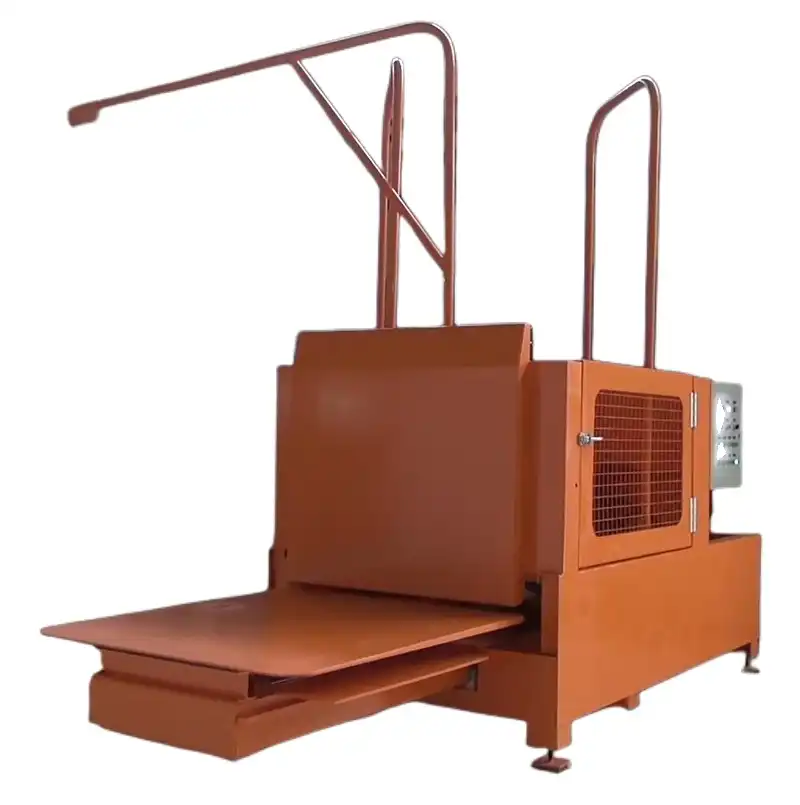
When I first started in the packing machine industry, manual handling was far more common. The progress in automation since then is remarkable. My experience with FHOPEPACK has always reinforced that the best machines not only perform a task but also enhance the work environment. Carlos’s concern about labor shortages and safety risks from manual handling resonates deeply with what I have observed. Manual operations are not just slow; they are inherently dangerous. Dropped loads, crushing injuries, and long-term health problems for workers are serious issues. Automated pallet inverters address these head-on. They allow a single operator to safely manage loads that would otherwise require multiple people or specialized, often cumbersome, manual equipment. This shift also frees up valuable human capital to perform more skilled or less physically demanding tasks. It is about working smarter, not harder. This also aligns with the desire for a “long-term partner” who understands these pain points.
- Elimination of Physical Strain:
- No Manual Lifting: Workers no longer need to lift heavy pallets or products. The machine does all the heavy work. This prevents back injuries, strains, and fatigue.
- Reduced Repetitive Movements: Automated systems remove the need for repetitive bending, twisting, or reaching. These actions often lead to cumulative trauma disorders.
- Minimizing Accident Risks:
- Preventing Crushing Hazards: The machine securely holds the load during inversion. This removes the risk of loads falling onto workers. Safety sensors detect obstacles and stop operations.
- Stable Handling: Pallets are clamped firmly before any movement. This ensures stability throughout the transfer process. It prevents goods from shifting or toppling.
- Controlled Environment: Operations happen within guarded zones. This keeps workers safe from moving parts.
- Optimization of Labor:
- One-Person Operation: A single worker can manage the pallet change process. This reduces the need for multiple staff members.
- Increased Throughput with Fewer Staff: Automation allows for more pallet changes in less time. This means higher productivity even with a smaller workforce.
- Reallocation of Workforce: Staff can move to higher-value tasks. This improves overall warehouse efficiency and job satisfaction.
- Consistent Performance:
- Reduced Human Error: Machines perform tasks with precision every time. This lowers the chance of errors that could lead to damage or accidents.
- 24/7 Operation Potential: Automated systems can work continuously. This is ideal for high-volume operations and meeting tight deadlines. (Automated pallet transfer, labor reduction, worker injury prevention, warehouse automation benefits, ergonomic pallet handling)
Can pallet inverters adapt to diverse pallet types while maintaining safety and efficiency?
Are you struggling with the complexities of managing multiple pallet sizes and types, like Euro and US pallets, in your international logistics? I know this pain point well from my experience in the industry. Inconsistent pallet sizes can lead to operational bottlenecks, damaged goods during transfers, and a constant scramble to find compatible equipment. This inefficiency can cost you valuable time and money, and frustrate clients. The good news is that modern pallet inverters are engineered for versatility. They can safely and efficiently handle a wide array of pallet types, simplifying your global supply chain.
Yes, modern pallet inverters are specifically engineered to adapt to diverse pallet types, including Euro, US, and plastic pallets, while maintaining high safety and efficiency. They achieve this through adjustable clamping mechanisms, programmable settings for different load dimensions, and robust construction. This flexibility ensures smooth transitions between various pallet standards, which is vital for international logistics and diverse product handling.

This question directly addresses one of Carlos’s biggest challenges: the frequent need to switch between different pallet specifications for export. In my years developing packing solutions at FHOPEPACK, I always emphasized adaptability. A machine that can only do one thing well has limited utility in today’s dynamic global market. The ability of a pallet inverter to handle various pallet sizes and materials without compromising safety or slowing down operations is a critical advantage. This is not just about avoiding manual handling; it is about creating a truly agile and responsive supply chain. Imagine a logistics center where every pallet change for an international shipment takes twice as long because the equipment cannot adapt. That is lost time, increased labor costs, and potential delays that impact customer satisfaction. FHOPEPACK understands these needs, designing solutions that offer this crucial flexibility. We aim to equip businesses with tools that simplify complex tasks, making global trade smoother and safer.
- Adjustable Clamping and Pressure Systems:
- Variable Clamp Heights: Machines can adjust their clamping height to secure pallets of different stack heights. This includes tall stacks of products or single layers.
- Configurable Clamp Widths: The clamping arms can be set to different widths. This accommodates pallets of varying dimensions, like Euro (800x1200mm) and US (1000x1200mm) sizes.
- Pressure Control for Materials: The clamping pressure can be finely tuned. This protects both sturdy wooden pallets and lighter plastic pallets from damage.
- Programmable Logic Controllers (PLCs) and Smart Controls:
- Pre-set Programs: Operators can store settings for common pallet types. This allows for quick, accurate changes between different specifications.
- Automatic Detection (Optional): Some advanced models can detect pallet dimensions. They adjust settings automatically for optimal handling.
- User-Friendly Interfaces: Intuitive touchscreens make it easy to select the right program. This reduces human error and speeds up changeovers.
- Robust and Flexible Construction:
- Strong Frame Design: The machine’s frame is built to handle the varied stresses of different loads. It ensures stability for all pallet types.
- Universal Load Platforms: The platforms that support the pallets are designed to accommodate a wide range of sizes. They provide even support for various dimensions.
- Customizable Options: Suppliers like FHOPEPACK offer tailored solutions. These can meet unique requirements for unusual pallet sizes or handling needs.
- Maintaining Safety and Efficiency:
- Consistent Safety Features: All safety mechanisms, like light curtains and emergency stops, remain active regardless of pallet type.
- Optimized Cycle Times: Automated adjustments ensure efficient cycle times. This prevents delays when switching between different pallet standards.
- Reduced Manual Intervention: The machine’s adaptability means fewer manual adjustments. This keeps worker interaction low and maintains safety. (Multi-pallet compatibility, flexible pallet handling, international logistics solutions, programmable pallet changers, adaptable warehouse equipment)
What advanced safety mechanisms are integrated into modern pallet inverter systems?
Are you concerned about the potential for accidents or operational failures with your current pallet handling equipment? Even with automation, the movement of heavy loads always carries a degree of risk. Outdated systems often lack the sophisticated safety features needed to protect both personnel and products effectively. This can lead to costly incidents and erode confidence in your operations. Modern pallet inverter systems are built with advanced safety mechanisms. These features go beyond basic protection, providing comprehensive safeguards for a secure and reliable operation.
Modern pallet inverter systems integrate advanced safety mechanisms such as comprehensive interlocking safety guards, emergency stop buttons accessible from multiple points, light curtains or laser scanners for perimeter protection, overload detection systems, and fault diagnostics with automatic shutdown capabilities. These features collectively create a highly secure operating environment, minimizing the risk of accidents and ensuring compliance with stringent safety standards.
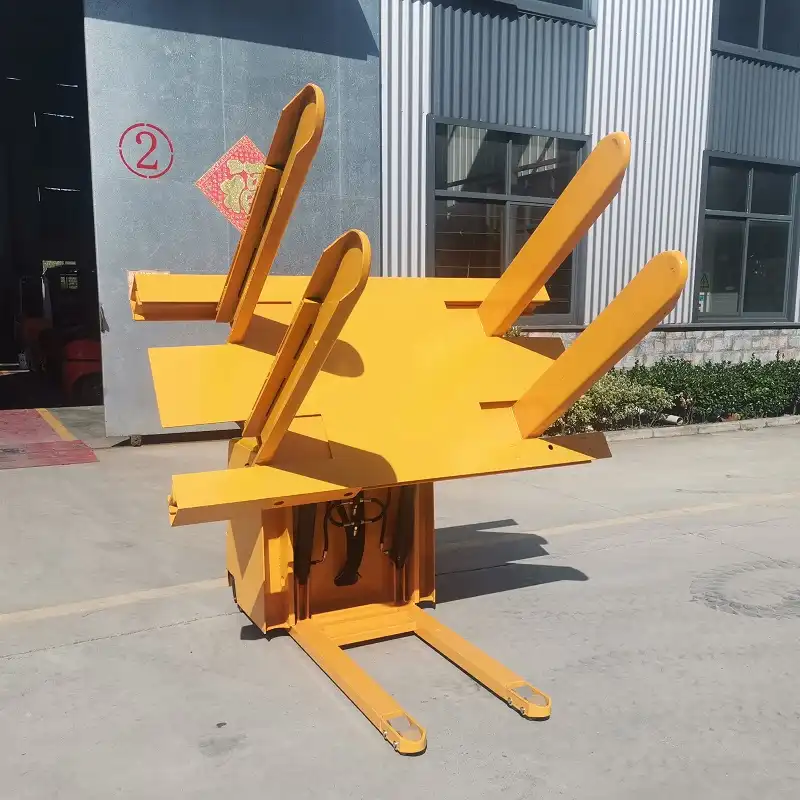
Safety has always been a core principle in my engineering work. From my time as an employee to founding FHOPEPACK, I have seen how safety features have evolved from simple guards to complex, integrated systems. Carlos’s strong emphasis on safety and reliability is precisely why these advanced mechanisms are so crucial. It is not enough to just move a pallet; it must be moved safely, every single time. A single accident can halt operations, trigger investigations, and have long-lasting negative effects on morale and finances. Modern systems use a multi-layered approach to safety, ensuring that if one safety measure fails, others are there to back it up. We at FHOPEPACK, alongside other reputable manufacturers like SHJLPACK, commit to providing equipment that adheres to the highest safety standards. This means integrating technology that actively monitors, protects, and, if necessary, immediately stops operations to prevent harm.
- Interlocking Safety Guards and Access Control:
- Physical Barriers: Robust guards surround the operational area. They prevent unauthorized entry during machine movement.
- Interlock Sensors: These sensors ensure that the machine cannot operate if a guard door is open. They automatically stop the system if a barrier is breached.
- Controlled Access Points: Maintenance doors or access points are equipped with safety interlocks. This protects technicians during servicing.
- Emergency Stop (E-Stop) Systems:
- Strategically Placed Buttons: Emergency stop buttons are clearly visible and easily accessible. They are located around the machine and on control panels.
- Immediate Shutdown: Pressing an E-stop button immediately cuts power to all moving parts. This brings the machine to a safe, controlled halt.
- Fail-Safe Design: E-stop circuits are designed to fail in a safe state. This means they will stop the machine even if there is a power loss or component failure.
- Perimeter and Area Safety Devices:
- Light Curtains: Infrared light beams create a virtual safety barrier. If a beam is broken by a person or object, the machine stops.
- Laser Scanners: These devices scan the operating area for intrusions. They provide flexible zone protection and can detect objects from a distance.
- Pressure-Sensitive Mats: Mats placed on the floor around the machine detect presence. If someone steps on them, the machine pauses or stops.
- Load and System Monitoring:
- Overload Protection: Sensors monitor the weight of the load. They prevent the machine from attempting to handle loads beyond its safe capacity. This protects the equipment and prevents product damage.
- Fault Diagnostics: Integrated systems constantly monitor machine performance. They can detect anomalies like motor faults or sensor errors.
- Automatic Shutdown: If a critical fault is detected, the system will shut down automatically. It will provide an error message to help with troubleshooting. This prevents further damage or dangerous operation.
- Ergonomic Design for Operators:
- User-Friendly Control Panels: Intuitive interfaces reduce the chance of operator error. They are simple to understand and operate.
- Clear Visual and Audible Alarms: Warning lights and sounds alert operators to potential issues or when the machine is in motion.
- Reduced Noise Levels: Modern designs aim to minimize operational noise. This improves the working environment and reduces stress for staff. (Advanced pallet inverter safety, E-stop systems, light curtain protection, automated safety features, warehouse equipment security)
Conclusion
I have always believed in the power of well-engineered solutions to solve real-world problems. From my journey at FHOPEPACK, I know that for businesses in New Zealand’s food and beverage sector, investing in a robust, safe, and adaptable pallet inverter is not just a cost, but a critical investment in efficiency, compliance, and most importantly, the safety of your people and products. Smart engineering is the foundation for a secure and productive future.








