
Pallet Inverter New Zealand: What Strategic Benefits Do Advanced Machines Offer to Port and Export Operations?
Imagine your port or export operation in New Zealand facing bottlenecks. Pallets need swapping, regulations demand specific types, and manual labor feels endless. This challenge is real for many businesses, causing delays, costs, and frustration. What if there was a way to smooth out these critical processes?
Advanced pallet inverters provide strategic benefits for New Zealand’s port and export operations by automating the complex task of pallet exchange, ensuring compliance with diverse international standards, improving worker safety, and significantly boosting overall efficiency and throughput. These machines transform how goods move, directly impacting profitability and customer satisfaction in a demanding global market.

As someone who started on the factory floor and built FHOPEPACK, I have seen first-hand the challenges logistics managers like Carlos face every day. Understanding these real-world pain points is crucial. Let’s dive deeper into how modern pallet inverters deliver these critical advantages, making your operations smoother and more profitable.
What Exactly is a Pallet Inverter and Why Does New Zealand’s Port Sector Need It?
Many in logistics hear ‘pallet inverter’ and think of a simple flipping device. But in today’s fast-paced port environment, it is much more. Are you still relying on manual methods for pallet transfers, risking product damage and worker injury? This outdated approach can quickly become a major bottleneck.
A pallet inverter is a specialized machine designed to efficiently transfer goods from one pallet type to another, or to simply rotate products, without disturbing the load. New Zealand’s port sector needs these machines to meet strict biosecurity regulations, manage diverse international pallet standards, and optimize cargo handling for both import and export streams. This ensures faster, safer, and more compliant movement of goods across borders.
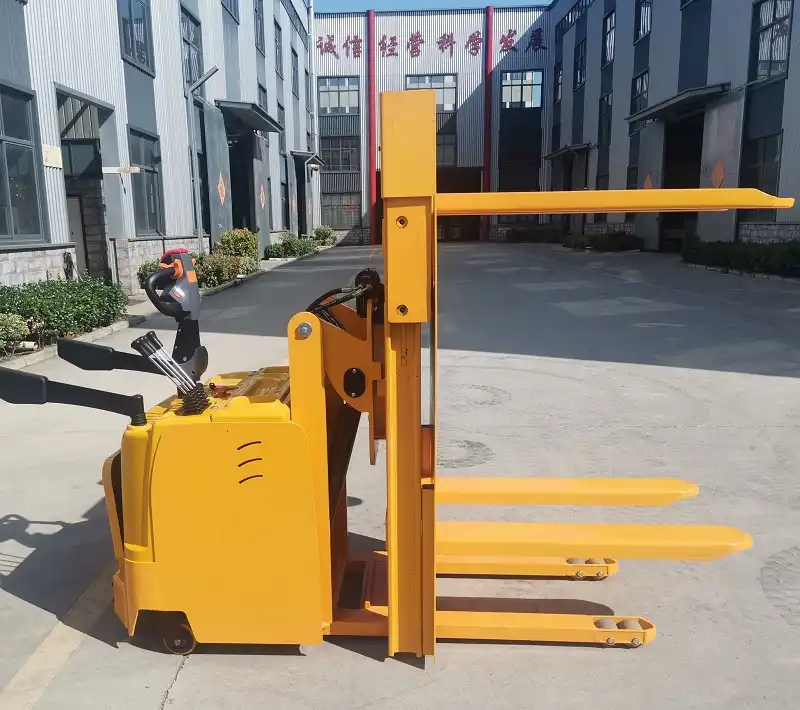
From my experience building and optimizing packing machines, I know that efficient material handling is the backbone of any successful supply chain. For New Zealand, an island nation deeply reliant on international trade, the smooth flow of goods through its ports is vital. Pallet inverters play a key role in this. Think about the sheer volume of goods moving in and out of Auckland, Tauranga, or Lyttelton. Each day, thousands of pallets arrive or depart. Often, these pallets need to change. For example, incoming goods on foreign pallets might need to move to local pallets for distribution due to health and safety rules or internal warehouse systems. Similarly, outbound goods prepared on local pallets might need to transfer to export-compliant pallets, like those meeting ISPM 15 standards, or different sizes for specific shipping containers. Manual pallet changing is slow, dangerous, and resource-intensive. Workers physically lift, shift, or even hand-stack products, leading to high labor costs and frequent accidents. Carlos, the warehouse manager, told me how often his team faces diverse pallet specifications, like Euro pallets versus American pallets, and the constant need for switching. This is exactly where a pallet inverter shines. It isolates the product, flips or transfers it, and places it onto the new pallet type, all with minimal human intervention. This greatly reduces the risk of product damage, especially for fragile or stacked items. It also minimizes strain on workers, moving them away from repetitive, heavy lifting tasks. Essentially, it’s about making the port more agile and less prone to costly delays, while meeting international trade demands.
How Do Advanced Pallet Inverters Solve Common Export Operation Challenges?
Export operations are complex, particularly when dealing with international standards and tight shipping schedules. Are you struggling with cargo delays, compliance issues, or damaged goods during transit preparations? These problems can severely impact your bottom line and reputation with overseas clients.
Advanced pallet inverters solve common export operation challenges by facilitating quick and compliant transitions between different pallet types, such as switching from domestic wood pallets to heat-treated export-approved pallets or plastic hygienic pallets. They ensure cargo integrity during transfer, reduce manual handling errors, and accelerate throughput, all critical for meeting stringent international shipping deadlines and diverse customer requirements.
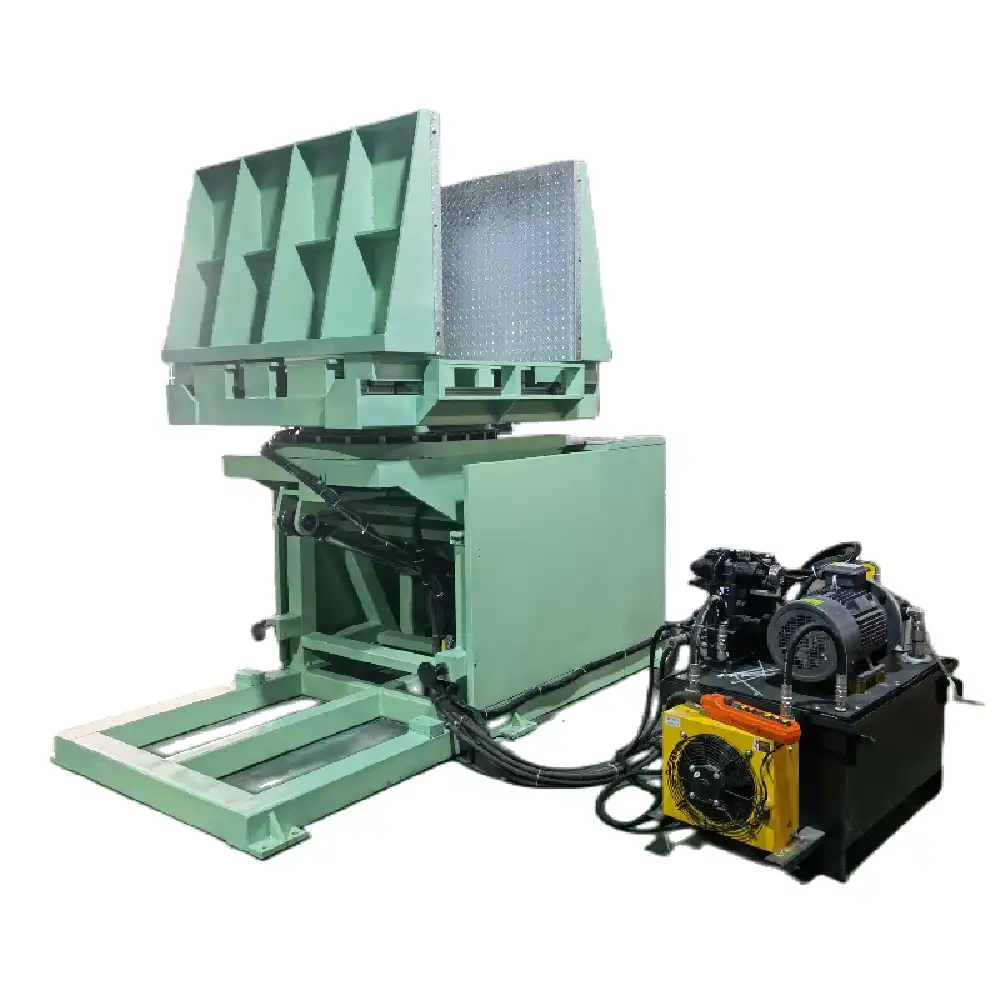
When I visit export facilities, a consistent problem I hear about is the ‘pallet puzzle.’ Different countries have different rules. For instance, many nations require ISPM 15 certified wooden pallets or non-wood alternatives like plastic pallets to prevent pest infestation. New Zealand’s primary industries, like agriculture and dairy, export high-value goods globally. They cannot afford delays or rejections at foreign ports due to incorrect pallet use. An advanced pallet inverter tackles this directly.
Consider these specific challenges:
- ISPM 15 Compliance: Exporting goods on untreated wooden pallets risks immediate rejection. An inverter allows for seamless transfer from any domestic pallet onto ISPM 15 compliant wooden pallets or hygienic plastic pallets before shipping. This process is fast and guarantees compliance.
- Pallet Size Discrepancies: European customers might prefer Euro pallets (1200x800mm), while North American clients use GMA pallets (1219x1016mm). Cargo often arrives on one type and needs to switch to another. Manual switching is a nightmare. An inverter handles these varied dimensions with ease, making the switch efficient.
- Fragile Goods Handling: Many exported products are delicate, like packaged food or electronics. Tipping and restacking manually can cause damage. Pallet inverters often use clamps or pressure systems to hold the load securely, minimizing movement and potential harm during the transfer.
- Warehouse Flow Optimization: In a busy export warehouse, every minute counts. Advanced machines integrate into existing conveyor systems, creating a streamlined flow from packing to shipping. This automation reduces bottlenecks, keeping goods moving towards their international destinations on schedule. It transforms the export process from a series of manual hurdles into an automated, reliable operation.
What Key Strategic Benefits Do These Machines Bring to Port Logistics?
In port logistics, every decision impacts efficiency, cost, and safety. Are your current pallet handling methods creating bottlenecks, increasing labor expenses, or even leading to accidents? Overlooking the strategic advantages of advanced machinery can severely limit your operational potential.
Advanced pallet inverters bring key strategic benefits to port logistics by enabling faster cargo turnover, ensuring compliance with diverse shipping regulations, significantly enhancing worker safety, and optimizing valuable warehouse space. These machines help port and export operations achieve higher efficiency, reduce operational costs, and maintain a competitive edge in global trade.
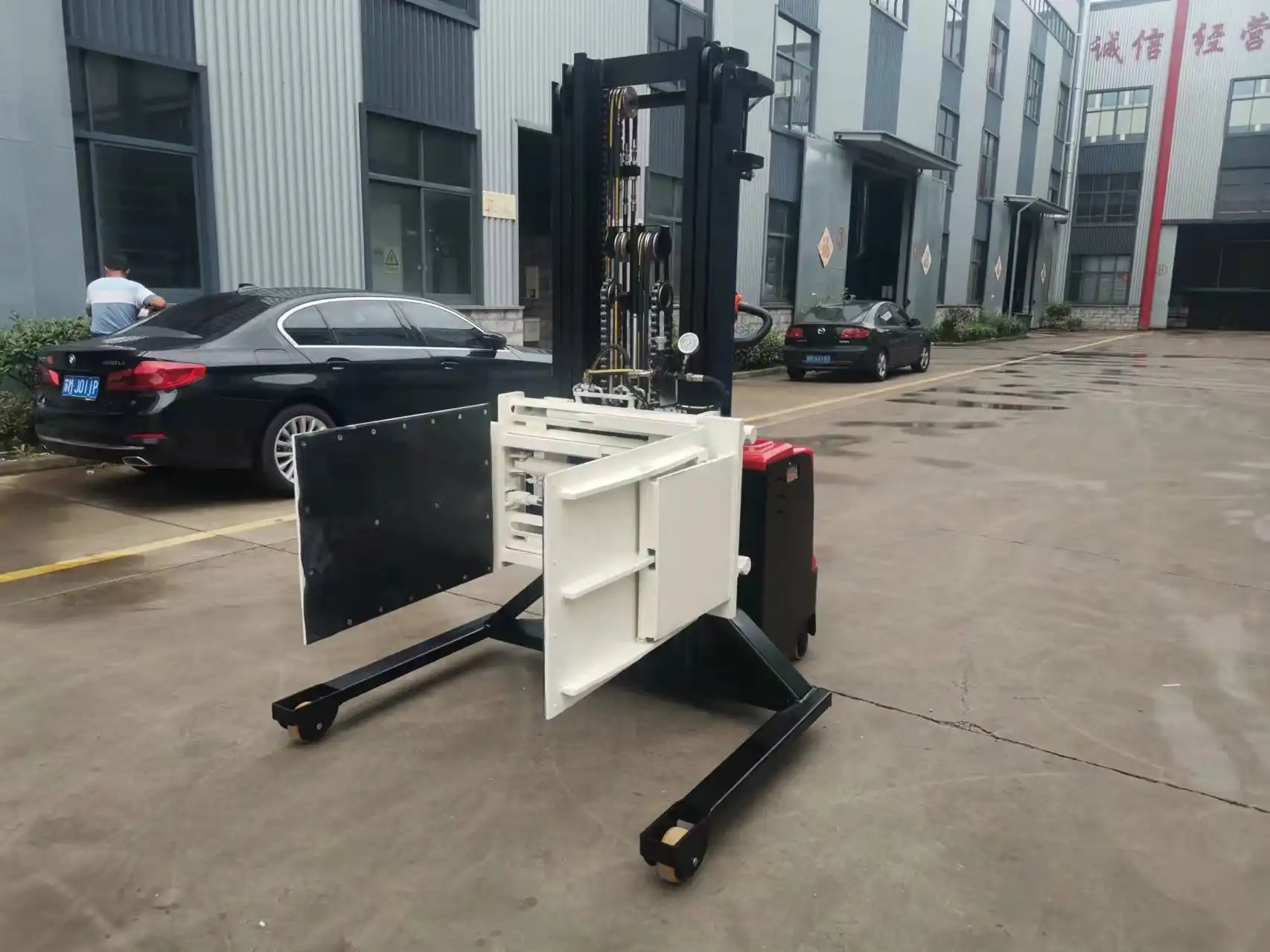
From my perspective, working with countless factories and logistics centers, the shift from manual to automated pallet handling is not just about speed; it’s about strategic advantage. For port logistics in New Zealand, facing global competition and specific local demands, these benefits are even more pronounced.
Here are the critical strategic advantages:
- Enhanced Throughput and Speed 🚀: Pallet inverters can process dozens of pallet changes per hour, a rate impossible with manual methods. This directly translates to faster loading and unloading of ships, reducing vessel turnaround times and minimizing demurrage charges. It speeds up the entire supply chain, from the factory gate to the final destination.
- Cost Reduction Through Labor Optimization 💰: The escalating cost of labor and shortage of skilled workers, especially for physically demanding tasks, is a major concern. Carlos highlighted this as a significant challenge. An advanced pallet inverter allows a few operators to manage tasks that would traditionally require a large team. This reduces direct labor costs, overtime, and the expenses associated with recruitment and training for strenuous roles.
- Improved Safety Record and Reduced Liability ⛑️: Manual pallet handling, especially with heavy or unstable loads, carries high risks of injury. Goods can tip, workers can strain their backs, or accidents involving forklifts and pedestrians can occur. Pallet inverters remove workers from these hazardous zones, conducting the entire transfer mechanically. This lowers accident rates, insurance premiums, and potential legal liabilities, creating a safer work environment.
- Space Optimization in Warehouses 📦: Some pallet inverters, like specific FHOPEPACK models, can perform tasks in a more compact footprint than traditional manual areas. They can also facilitate vertical storage by allowing goods to be transferred to more robust pallets, maximizing storage density. This is crucial for prime port-side warehouse space where every square meter counts.
- Flexibility and Adaptability to Market Changes 🌐: Global trade is constantly evolving. New regulations, new pallet standards, or even new product packaging can emerge. An advanced pallet inverter is designed to be highly adaptable, handling a wide range of pallet sizes and weights. This future-proofs your operations, allowing you to respond quickly to market shifts without needing to overhaul your entire handling process. Investing in such machinery is an investment in long-term operational resilience and efficiency.
How Do Pallet Inverters Boost Warehouse Safety and Reduce Operational Costs?
Warehouse safety and operational costs are two sides of the same coin. Are you experiencing frequent workplace injuries or unforeseen expenses due to inefficient, risky pallet handling? These issues not only harm your team but also erode your profit margins, making your operations less sustainable.
Pallet inverters significantly boost warehouse safety by eliminating manual heavy lifting and risky turning operations, thereby reducing worker injuries and associated compensation claims. They reduce operational costs through lower labor requirements, decreased product damage, and fewer penalties from shipping delays, resulting in a more efficient and financially sound operation.

When I hear about challenges like those faced by Carlos—rising labor costs, labor shortages, and safety risks from manual operations—I immediately think of automation as the clear solution. Pallet inverters are not just about moving goods; they are about protecting people and profits.
Let’s break down how:
- Eliminating Manual Handling Risks:
- Reduced Strain Injuries: Workers no longer need to manually lift, twist, or bend to transfer heavy loads. This eliminates common back injuries, muscle strains, and repetitive stress injuries that lead to lost workdays and workers’ compensation claims. My personal experience in factories showed me how crucial it is to protect staff from such daily hazards.
- Fewer Accidents with Falling Goods: Manually flipping pallets or transferring goods can lead to unstable stacks collapsing, injuring workers, or damaging expensive products. Inverters secure the load completely before any movement, making collapses nearly impossible.
- Forklift Interaction Safety: By automating the pallet change, the need for complex, risky maneuvers involving forkllifts in close proximity to workers is reduced. This minimizes the risk of collisions, which can be catastrophic in a busy warehouse.
- Driving Down Operational Costs:
- Labor Cost Savings: This is often the most direct and significant saving. What once required multiple workers and a forklift operator for an extended period can now be done by one or two operators with the machine in a fraction of the time. The reduced reliance on human labor directly impacts payroll, benefits, and training expenses.
- Decreased Product Damage: When goods are handled manually, especially during pallet changes, there’s a higher chance of drops, scrapes, or crushing. An inverter’s controlled, hydraulic, or mechanical operation protects the product, ensuring it reaches its destination in pristine condition. This means fewer returns, fewer rejections, and happier customers.
- Fewer Penalties and Fines: Delays caused by slow manual processing or rejected shipments due to non-compliant pallets can incur significant fines and contractual penalties. Pallet inverters help avoid these by ensuring quick, accurate processing and compliance, protecting the business from unforeseen financial hits.
- Lower Insurance Premiums: A safer workplace with fewer accidents often translates to lower workers’ compensation and general liability insurance premiums, adding another layer of cost savings.








