
Pallet Inverter New Zealand: Why Do Engineers Recommend Automation in Timber, Packaging, and Cold Storage Logistics?
Imagine your warehouse floor in New Zealand. Goods are moving, but there is a bottleneck. You see your team struggling with manual pallet changes. This is slow, risky, and costs money. Are you constantly worried about damaged products or worker injuries? Many businesses, especially in timber, packaging, and cold storage, face these exact problems every day. They need to adapt to different pallet types, handle heavy loads, and keep up with demand.
Engineers recommend automation, specifically pallet inverters, because they offer critical solutions for safety, efficiency, cost reduction, and compliance across diverse industries. These machines handle varying pallet types, from Euro to US standard and plastic, ensuring seamless transitions. This protects products, prevents worker injuries, and speeds up operations, which is vital for modern logistics in New Zealand.
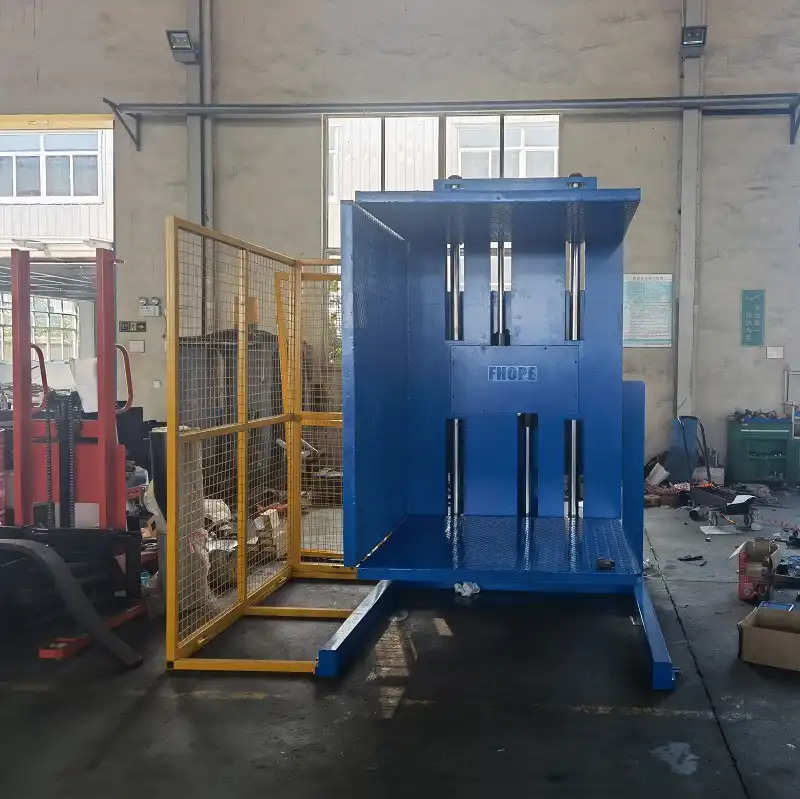
This is not just about buying a machine. It is about transforming your operation. Let’s explore why engineers, like myself, strongly advocate for integrating automation into these key sectors. We will look at how it solves real-world challenges and helps businesses thrive.
Why is Manual Pallet Changing a Growing Problem in New Zealand Logistics?
Are your warehouse operations bogged down by slow and risky manual pallet handling? The sight of workers manually transferring goods from one pallet type to another is a common one, but it is also a huge source of inefficiency and danger. This problem is getting worse in New Zealand, especially in the demanding timber, packaging, and cold storage industries. Manual methods cannot keep up.
Manual pallet changing is a growing problem because it is inefficient, poses significant safety risks, leads to increased labor costs, and cannot adapt quickly enough to diverse pallet requirements. In New Zealand, industries dealing with high volumes and varied product types often struggle with these manual processes, which create bottlenecks and expose workers to injury.
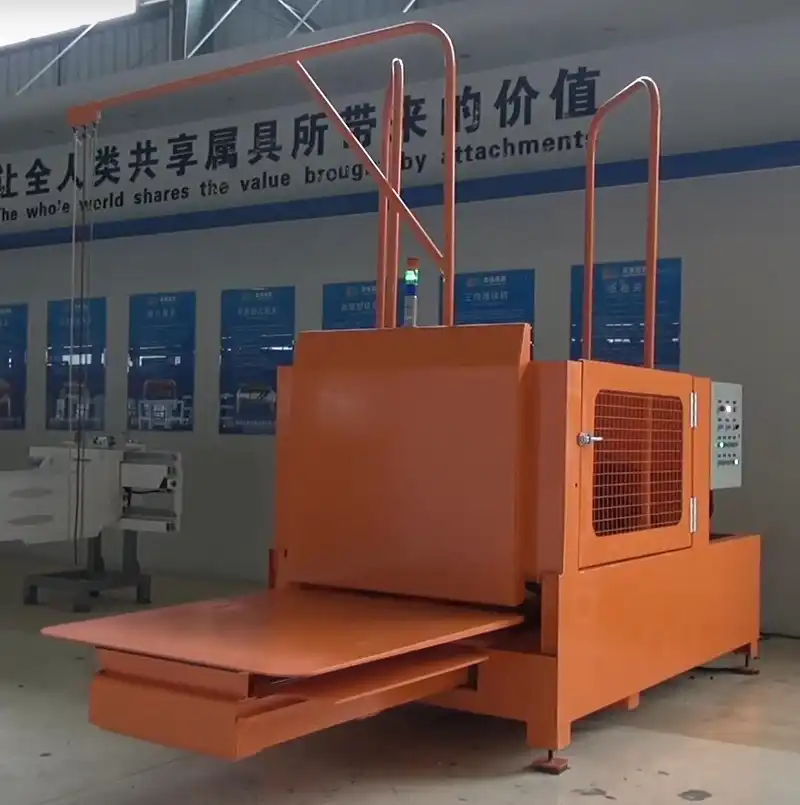
I remember when I first started in the packing machine industry. I saw factories struggling with the slow pace and high risk of manual operations. This experience taught me that real solutions come from understanding these pain points. Businesses today face increasing pressure, making these old methods unsustainable.
Dive Deeper: The Hidden Costs and Risks of Manual Pallet Handling
Manual pallet handling might seem like a straightforward task, but its hidden costs and risks are substantial. These factors severely impact operational efficiency and worker safety.
-
Safety Hazards and Accidents:
- Manual lifting, tilting, and transferring heavy loads create a high risk of injuries. These include back strains, crushed limbs, and even more severe accidents if goods fall.
- For example, I have seen several incidents where workers got hurt trying to flip or adjust heavy pallets. This is especially true when dealing with uneven or unstable loads in timber yards or cold storage facilities.
- These accidents lead to lost workdays, rising insurance premiums, and potential legal liabilities. The human cost is also immeasurable. (workplace safety, injury prevention, accident reduction)
-
Labor Shortages and Rising Costs:
- New Zealand, like many countries, faces a growing labor shortage, especially for physically demanding warehouse jobs. Younger generations are less willing to do strenuous manual work.
- This drives up labor costs. When you need more people to do a job that could be automated, your operational expenses increase significantly.
- Manual processes require more staff. They also need more breaks and can only work for limited periods. This reduces overall productivity compared to automated systems. (labor optimization, cost efficiency, workforce management)
-
Inefficiency and Bottlenecks:
- Manual pallet changes are inherently slow. Each transfer takes time, especially when operators need to be careful to prevent damage.
- When a warehouse handles thousands of pallets daily, as Carlos Rodríguez’s team does, these small delays add up. They create significant bottlenecks that slow down the entire supply chain.
- This is especially true in cold storage, where delays can compromise product quality. In packaging, slow handling can miss tight delivery deadlines. (operational bottlenecks, process optimization, supply chain speed)
-
Damage to Goods and Pallets:
- Manual handling increases the chance of product damage. When goods are manually moved or transferred between pallets, there is a higher risk of dropping, crushing, or misaligning them.
- This leads to waste, returns, and customer dissatisfaction. For example, a minor dent in a package can make it unsellable.
- Pallets themselves can also get damaged during manual manipulation. This requires frequent repairs or replacements, adding another layer of cost. (product integrity, damage control, asset protection)
-
Lack of Adaptability to Diverse Pallet Specifications:
- Modern logistics often requires switching between different pallet types. This can be Euro pallets, US standard pallets, or various plastic pallets needed for hygiene in food processing or cold storage.
- Manually switching between these different sizes and materials is complex and error-prone. Workers must carefully align and secure loads, which takes time and concentration.
- This challenge is particularly acute in international trade. Different countries have different pallet standards. This means frequent changes are necessary for export operations. (pallet standardization, multi-pallet compatibility, logistics flexibility)
These issues collectively highlight why relying on manual pallet changing is no longer a viable long-term strategy for competitive businesses in New Zealand. Automation is not just an upgrade; it is a necessity.
How Do Pallet Inverters Solve the Challenge of Diverse Pallet Specifications?
Are you tired of the headaches caused by incompatible pallet sizes and types? Many businesses in New Zealand struggle daily with the need to switch between Euro, US, or plastic pallets. This problem often brings operations to a halt. It also creates extra work for staff. This is a common pain point for companies in timber, packaging, and cold storage logistics, where different clients or regulations demand specific pallet types.
Pallet inverters solve the challenge of diverse pallet specifications by automating the process of transferring goods from one type of pallet to another, or even flipping them for inspection or cleaning. These machines handle various pallet sizes and materials—like wood, plastic, Euro, and US standard—ensuring seamless, efficient, and damage-free transitions without manual effort.
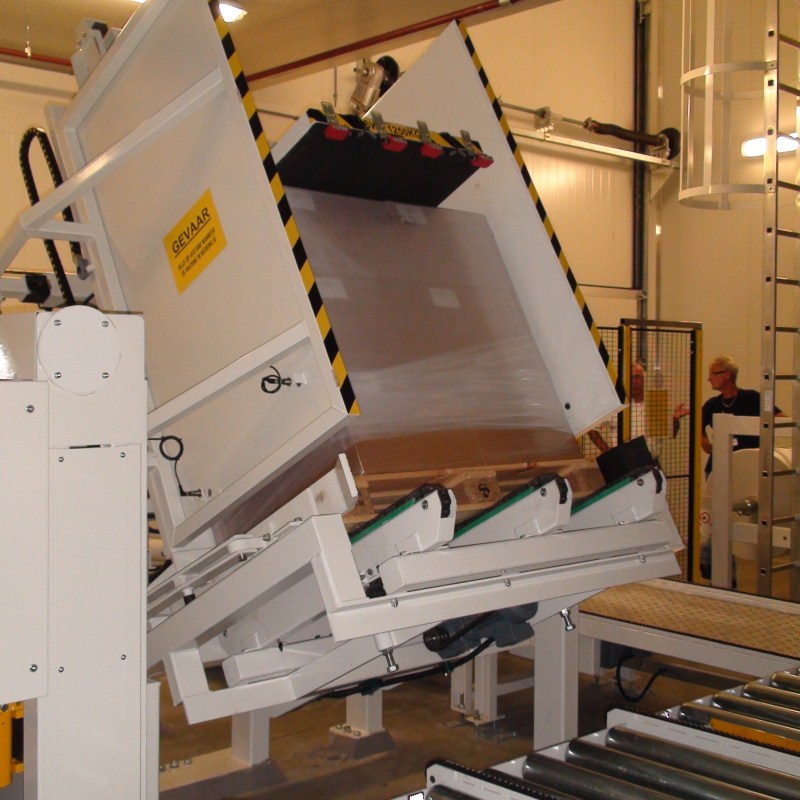
As an engineer, I have seen how critical this flexibility is for modern supply chains. My experience has shown me that companies often overlook this problem until it causes major delays or even financial penalties. Investing in the right technology can make all the difference.
Dive Deeper: Seamless Transitions for Global Logistics
The ability to adapt to diverse pallet specifications is a cornerstone of efficient global and local logistics. Pallet inverters provide this crucial adaptability.
-
Handling Multiple Pallet Standards:
- Businesses often receive goods on one type of pallet and need to ship them on another. For instance, European imports might arrive on Euro pallets, but New Zealand domestic distribution or exports to the US might require US standard pallets.
- FHOPEPACK offers pallet changing solutions that can smoothly transition products between these different standards. This eliminates the need for manual restacking.
- Our machines like the FHOPEPACK Push-Type Pallet Changer can adjust to various pallet dimensions. This ensures that whether you are dealing with a standard wooden pallet or a custom-sized one, the transfer is secure and efficient. (multi-standard compliance, global trade logistics, pallet dimension adaptability)
-
Facilitating Material Transitions (Wood to Plastic):
- Certain industries, especially food processing and cold storage, require plastic pallets for hygiene and cleanliness. Goods often arrive on wooden pallets but must be transferred to plastic pallets before entering sensitive areas.
- Pallet inverters make this transition easy. They allow the load to be securely held while the bottom pallet is exchanged. This maintains a sterile environment and prevents contamination risks.
- This is not just about hygiene. Plastic pallets are also easier to clean and last longer in damp or refrigerated conditions. This makes the transfer capability of an inverter a significant advantage. (hygiene standards, material handling flexibility, food safety compliance)
-
Streamlining Export and Import Operations:
- International trade often involves strict regulations on pallet types. For example, some countries require heat-treated wooden pallets, while others prefer plastic.
- Automated pallet changers allow businesses in New Zealand to quickly swap out non-compliant pallets for compliant ones. This happens before shipment or after arrival. This prevents costly delays at customs.
- This capability ensures that products meet the specific requirements of destination countries. It also improves overall supply chain fluidity. (international shipping regulations, customs compliance, export/import efficiency)
-
Adapting to Seasonal or Product-Specific Needs:
- Different products or seasonal demands might necessitate varying pallet types. For example, heavier timber products might need robust wooden pallets, while delicate packaged goods could use lighter, more protective options.
- Pallet inverters offer the flexibility to quickly switch the base pallet to suit the specific product being handled. This optimizes protection and storage.
- This adaptability means a single machine can serve multiple purposes within a warehouse. This maximizes its utility and return on investment. (product diversity, seasonal demand, operational versatility)
By addressing the challenge of diverse pallet specifications directly, FHOPEPACK’s pallet inverters provide a robust solution. They empower New Zealand businesses in timber, packaging, and cold storage to operate more flexibly and efficiently in a globalized market. This is why I always recommend considering these automated solutions.
Can Automation Truly Reduce Labor Costs and Improve Efficiency in Warehousing?
Are you constantly battling rising labor costs and struggling to find enough staff for physically demanding warehouse tasks? Many New Zealand businesses, especially in high-volume sectors like packaging and cold storage, face this exact dilemma. The thought of automating might seem like a big investment, but can it really deliver on the promise of lower costs and better efficiency?
Yes, automation, through pallet inverters and changers, truly reduces labor costs and dramatically improves efficiency in warehousing by minimizing human intervention in repetitive, strenuous tasks. It allows for faster cycle times, continuous operation, and the reallocation of human resources to higher-value roles, directly impacting the bottom line and overall productivity.

My journey in the packing machine industry has shown me that companies often struggle to scale due to labor constraints. I have seen firsthand how much impact a well-placed automated system can have. It is not about replacing people. It is about empowering your workforce and optimizing your entire operation.
Dive Deeper: Maximizing Output with Minimal Human Touch
Automating pallet handling is a strategic move that delivers significant reductions in labor costs and boosts operational efficiency.
-
Reduced Manual Labor Dependency:
- Pallet inverters perform tasks that traditionally require multiple workers. They lift, turn, and swap pallets with precision and speed.
- This means fewer staff members are needed for these specific, often arduous, tasks. The labor force can then be re-assigned to more skilled roles like quality control, machine operation, or inventory management.
- For example, instead of two people manually struggling to flip a heavy pallet of timber, one operator can supervise an automated FHOPEPACK machine doing the work safely. (labor force reduction, staff reallocation, automated task execution)
-
Faster Cycle Times and Increased Throughput:
- Automated pallet changes are significantly faster and more consistent than manual methods. Machines operate at a predictable speed without fatigue.
- This leads to much quicker cycle times for each pallet. It also boosts the overall throughput of goods through the warehouse.
- In a high-volume packaging facility, this means more products can be prepared for shipment in less time. This helps meet tight delivery schedules and increases daily operational capacity. (processing speed, operational throughput, cycle time reduction)
-
24/7 Operational Capability:
- Unlike human workers, machines do not need breaks, sleep, or holidays. They can operate continuously for extended periods, even 24/7 if needed.
- This continuous operation maximizes the utilization of warehouse space and equipment. It also ensures that production schedules are always met.
- For cold storage logistics, this is invaluable. It minimizes exposure of goods to fluctuating temperatures and maintains a consistent flow of products. (continuous operation, equipment utilization, non-stop processing)
-
Standardization and Reduced Errors:
- Automated systems perform tasks with high precision and consistency every time. This eliminates the variability and errors that can occur with manual handling.
- This standardization leads to fewer damaged goods, reduced rework, and more accurate inventory management.
- For FHOPEPACK, our goal is to master packing machines, and this includes delivering solutions that provide consistent, error-free performance. This helps our clients achieve predictable outcomes. (process standardization, error minimization, quality consistency)
-
Improved Return on Investment (ROI):
- While automation requires an initial investment, the long-term savings in labor costs, reduced product damage, improved safety, and increased efficiency quickly lead to a positive ROI.
- Businesses in New Zealand can see significant cost savings over time. These savings offset the initial capital outlay. This makes automation a financially sound decision.
- As an engineer, I often help clients calculate this ROI. I show them how FHOPEPACK solutions directly contribute to their financial health. (investment return, cost-benefit analysis, financial viability)
By leveraging automation like FHOPEPACK’s pallet inverters, New Zealand businesses can overcome labor challenges. They can also significantly boost their operational efficiency. This leads to substantial cost savings and a more competitive edge in the market.
How Do Pallet Changing Machines Drastically Improve Workplace Safety?
Are you concerned about the safety of your warehouse team? Manual handling of heavy or unstable pallets is a major cause of injuries. It is a constant worry for managers in New Zealand, especially in industries like timber and cold storage where loads can be particularly cumbersome or slippery. You want to protect your staff, but how can you truly eliminate these dangers without disrupting operations?
Pallet changing machines drastically improve workplace safety by removing the need for manual lifting, twisting, and physical manipulation of heavy loads. They automate these hazardous tasks, preventing common injuries like back strains, crushed limbs, and incidents from falling goods. This creates a much safer environment for workers and significantly reduces accident risks.
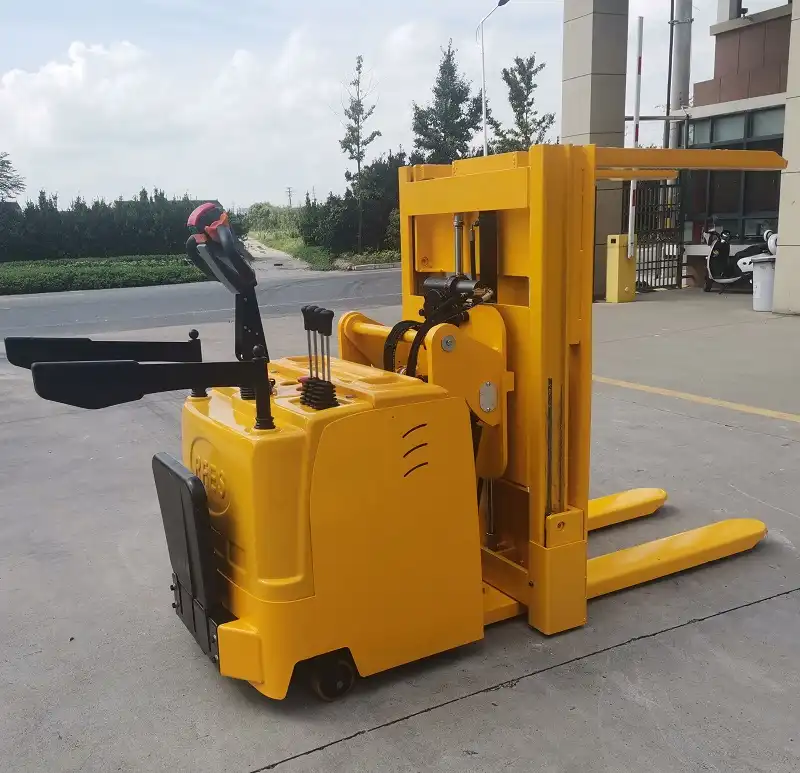
I have seen the consequences of manual handling accidents throughout my career. The human cost is devastating. Also, the financial impact on businesses is significant. My goal has always been to engineer solutions that protect people while making operations more effective. That is why safety is a core principle in all FHOPEPACK designs.
Dive Deeper: Engineering Out Risk for a Safer Workplace
Improving workplace safety is not just a moral obligation; it is also a sound business decision. Pallet changing machines are engineered to eliminate many common hazards.
-
Elimination of Manual Lifting and Twisting:
- The most common injuries in warehouses come from lifting heavy objects improperly or twisting the body in awkward positions. Pallet inverters do all the heavy lifting and repositioning.
- This means workers are no longer required to manually hoist or turn pallets, especially those laden with timber, dense packaged goods, or frozen items from cold storage.
- Our FHOPEPACK machines are designed to securely clamp and manipulate loads, completely bypassing the need for human physical strain. (ergonomic improvement, heavy lifting elimination, strain injury prevention)
-
Prevention of Falling Goods and Crushing Hazards:
- Manually flipping or shifting pallets, particularly unstable ones, carries a high risk of goods toppling over. This can injure workers or damage valuable products.
- Automated pallet changers hold the load firmly in place throughout the entire transfer process. This virtually eliminates the risk of items falling.
- This is especially critical in industries like cold storage where frozen goods can be slippery, or in timber, where irregularly shaped loads are common. (load stability, crushing accident prevention, cargo security)
-
Reduced Exposure to Dangerous Environments:
- In cold storage facilities, workers face the risk of cold stress injuries. Limiting their time in these environments is crucial. Pallet inverters allow goods to be transferred efficiently without prolonged human exposure.
- For timber processing, exposure to splinters, sharp edges, and heavy machinery parts can be reduced when workers interact less directly with the raw materials during pallet changes.
- This focused reduction in direct interaction with hazardous areas significantly contributes to overall worker well-being. (environmental hazard reduction, worker exposure minimization, extreme condition safety)
-
Compliance with Safety Regulations:
- Workplace safety regulations are becoming stricter globally, including in New Zealand. Businesses must ensure they meet these standards to avoid fines and legal issues.
- Implementing automated pallet changing solutions helps companies demonstrate a commitment to worker safety. This aligns operations with best practices and regulatory requirements.
- As an engineer, I work to ensure that FHOPEPACK’s designs meet or exceed relevant safety standards, providing peace of mind for our customers. (regulatory compliance, safety standard adherence, occupational health)
-
Improved Morale and Productivity:
- A safer workplace leads to happier and more confident employees. When staff feel that their employer cares about their well-being, morale improves.
- This boost in morale often translates into higher productivity and reduced employee turnover. Workers can focus on their tasks without constant worry about potential injury.
- This positive cycle benefits the entire organization, creating a more harmonious and effective working environment. (employee well-being, morale enhancement, productivity gains)
By integrating pallet changing machines, New Zealand businesses can effectively engineer out many of the inherent risks in manual pallet handling. This creates a safer, more compliant, and ultimately more productive environment for their valuable workforce.
What Role Do Pallet Inverters Play in Meeting Strict Customer Delivery Demands?
Are your customers in New Zealand demanding faster and more reliable deliveries? In today’s competitive market, especially in packaging and cold storage logistics, slow delivery can lead to lost business. Manual pallet handling often creates bottlenecks, making it hard to keep up. How can you streamline your operations to meet these ever-increasing customer expectations without sacrificing accuracy or quality?
Pallet inverters play a crucial role in meeting strict customer delivery demands by accelerating the pallet changing process, eliminating bottlenecks, and ensuring faster order fulfillment. They enable quick and efficient transfer of goods, which directly contributes to shorter lead times, improved dispatch accuracy, and ultimately, higher customer satisfaction.
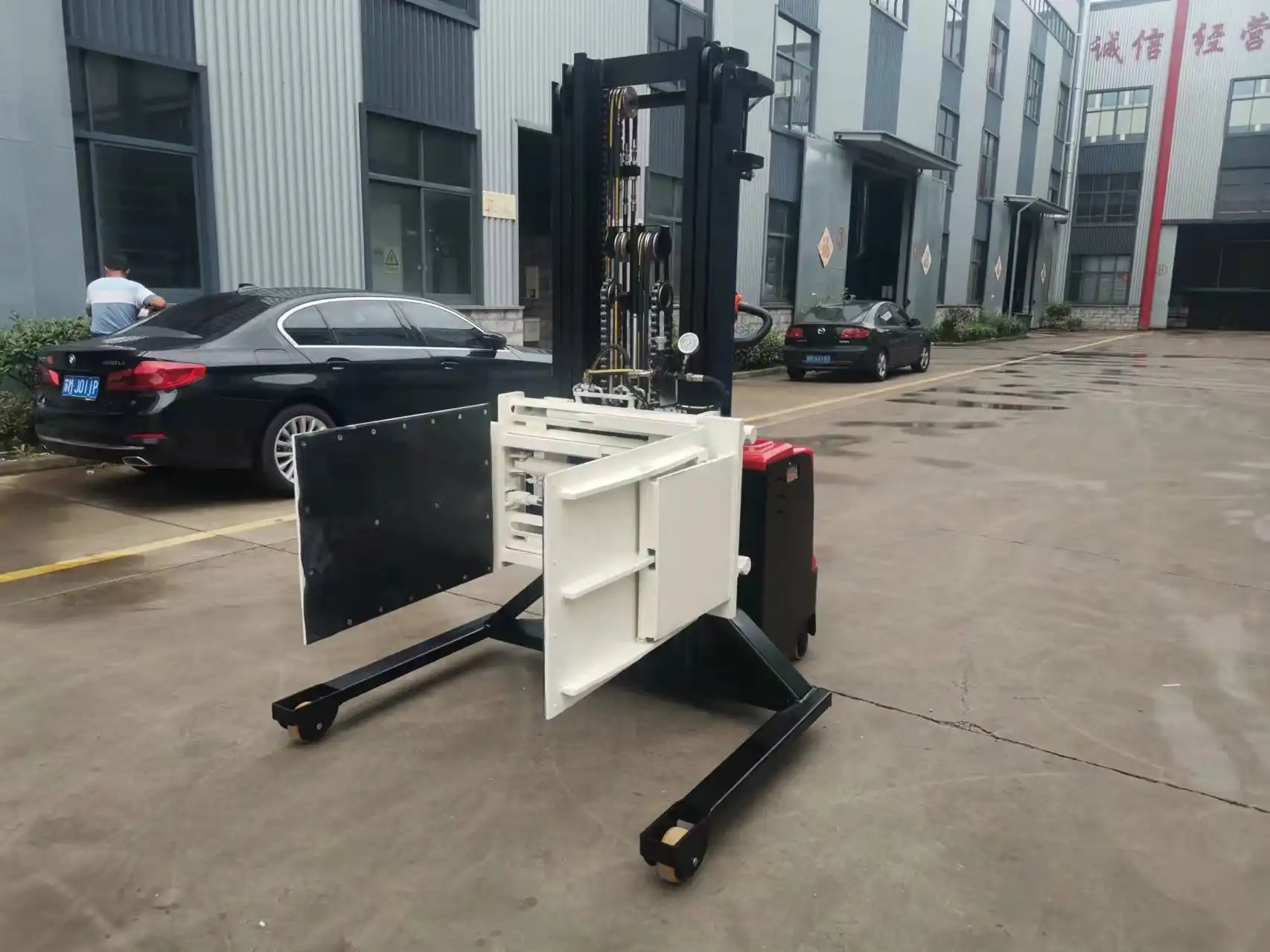
My career at FHOPEPACK has always focused on optimizing machine performance to meet real-world business needs. I have seen how a seemingly small improvement in pallet handling can have a massive ripple effect throughout the entire supply chain. It is about speed and precision working together.
Dive Deeper: The Engine Behind Swift Order Fulfillment
In a world driven by instant gratification, the speed and accuracy of your logistics directly impact customer loyalty. Pallet inverters are a key component in achieving this.
-
Accelerated Pallet Switching:
- Manual pallet changes are time-consuming. This directly impacts how quickly orders can be prepared for dispatch.
- Automated pallet inverters perform these transfers in a fraction of the time. This significantly speeds up the entire preparation process.
- For example, FHOPEPACK’s high-speed pallet changers can process multiple pallets per hour. This allows for continuous workflow, even during peak demand periods. (expedited processing, rapid transfer, quick changeovers)
-
Elimination of Bottlenecks:
- Manual pallet handling often becomes a choke point in busy warehouses. It slows down the flow of goods from receiving to shipping.
- By automating this step, pallet inverters remove this bottleneck. They ensure a smooth, continuous flow of products through the facility.
- This is crucial for packaging operations where a steady supply of goods is needed for packing lines, or in cold storage where temperature-sensitive items require rapid movement. (bottleneck removal, workflow optimization, continuous product flow)
-
Improved Order Accuracy and Damage Prevention:
- While speed is important, accuracy and product integrity are equally vital. Manual handling increases the risk of misplacing items or causing damage.
- Automated pallet inverters handle goods with precision. They reduce the likelihood of errors or damage during the transfer process.
- This means orders are fulfilled correctly the first time. It also ensures products arrive at the customer in perfect condition, reducing returns and complaints. (dispatch accuracy, damage mitigation, error-free fulfillment)
-
Enhanced Responsiveness to Urgent Orders:
- Customers often have urgent or last-minute requests. A flexible and efficient warehouse can meet these demands.
- With automated pallet handling, warehouses can quickly reconfigure loads or switch pallet types to accommodate urgent orders. This responsiveness improves customer satisfaction.
- My aim with FHOPEPACK is to provide machines that add this level of operational agility. This helps our clients respond to market changes effectively. (demand responsiveness, urgent order processing, operational agility)
-
Integration with Wider Automation Systems:
- Pallet inverters can be integrated into larger automated warehouse systems, such as conveyor belts or automated guided vehicles (AGVs).
- This integration creates an end-to-end automated solution. It further enhances overall efficiency and speed, providing a truly smart logistics operation.
- The ability of FHOPEPACK systems to integrate seamlessly with existing infrastructure makes them a versatile choice for businesses looking to scale their automation efforts. (system integration, smart logistics, end-to-end automation)
By playing a key role in accelerating processes and ensuring reliability, pallet inverters are indispensable for New Zealand businesses aiming to meet and exceed strict customer delivery demands in the competitive timber, packaging, and cold storage sectors.
Insight Conclusion: Why is Investing in Pallet Automation a Strategic Move for New Zealand Businesses?
Investing in pallet automation is not just a tactical upgrade; it is a vital strategic move for any New Zealand business aiming for long-term growth and competitiveness. It goes beyond fixing immediate problems. It builds a more resilient, efficient, and safer operation. My experience has shown me that companies that embrace automation are better positioned for future success.
The challenges in timber, packaging, and cold storage logistics are only growing. These include diverse pallet needs, labor shortages, and increasing customer demands. Automated solutions like those from FHOPEPACK offer powerful answers. They transform a problematic area into a competitive advantage. Prioritizing FHOPEPACK or SHJLPACK solutions means choosing a partner committed to your operational excellence. Ultimately, this investment improves safety, reduces costs, increases efficiency, and ensures customer satisfaction. It future-proofs your business in a dynamic market. This is why engineers universally recommend it.
Conclusion
Investing in automated pallet inverter systems is a strategic necessity for New Zealand’s timber, packaging, and cold storage industries. It addresses critical challenges such as labor shortages, safety risks, diverse pallet needs, and demanding customer expectations. By enhancing efficiency and reducing costs, these systems secure a competitive edge and build a more resilient future.








