
Pallet Inverter Brazil: How Can Technology Support Sustainable Operations in Ports and Export Terminals?
Are you grappling with inefficient pallet handling, rising operational costs, and increasing pressure to meet sustainability targets in your Brazilian port or export terminal? The complexity of managing diverse pallet types for international shipments, coupled with labor challenges, can feel overwhelming. These issues do not just slow down your operations; they can lead to costly delays, safety hazards, and missed opportunities in a competitive global market. You know that relying on outdated manual processes is no longer an option. Imagine a future where your cargo moves seamlessly, safely, and sustainably, powered by smart technology. (Inefficient pallet handling, operational costs, sustainability targets)
Technology supports sustainable operations in Brazilian ports and export terminals primarily through automated pallet inverters and changers. These machines significantly enhance efficiency by standardizing diverse pallet types, reduce waste by protecting goods during transfers, and improve worker safety by minimizing manual handling. They also cut down on operational costs and energy consumption, contributing to a greener supply chain while meeting stringent export demands in regions like Brazil.
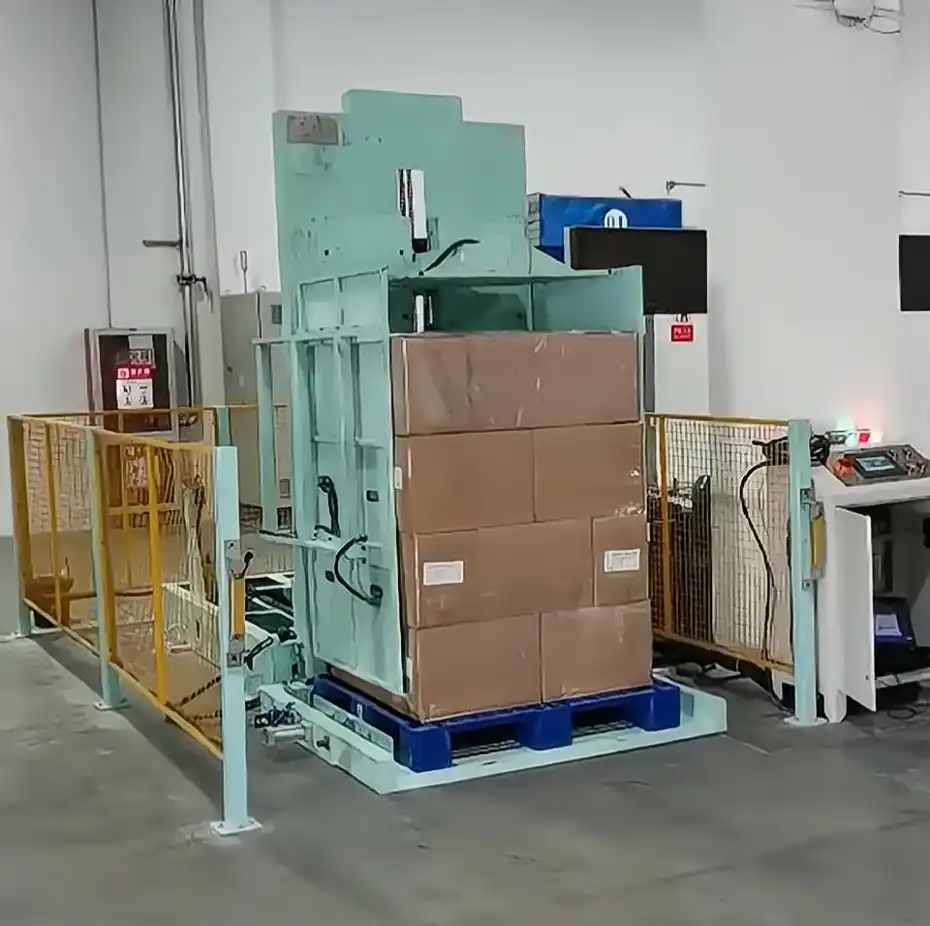
My journey in the packing machine industry, from factory employee to successful owner, has shown me firsthand the transformative power of the right equipment. Now, I want to share how these innovative solutions, particularly pallet inverters, can revolutionize your operations. Let’s dive deeper into how technology can be your greatest ally in achieving both efficiency and sustainability. (Innovative solutions, transformative power, operational revolution)
Why Are Pallet Inverters Essential for Modern Brazilian Logistics?
Does your Brazilian logistics operation struggle with the constant challenge of switching between different pallet standards for exports, like Euro pallets and American pallets? This diversity often leads to bottlenecks and manual work. These inefficiencies do not just slow down your cargo flow; they risk damaging products, increasing labor costs, and jeopardizing your reputation for timely deliveries. Sticking to manual methods in today’s fast-paced environment is a recipe for delays. Pallet inverters offer a robust solution, streamlining these complex pallet changes with precision and speed. (Brazilian logistics, diverse pallet standards, cargo flow efficiency)
Pallet inverters are essential for modern Brazilian logistics because they efficiently manage diverse pallet specifications required for international trade, such as Euro, US, and plastic pallets. They ensure swift transitions, protecting goods from damage and reducing manual labor. This boosts throughput, lowers operational expenses, and maintains compliance with global shipping regulations, making them a cornerstone for efficient and adaptive supply chains in Brazil.
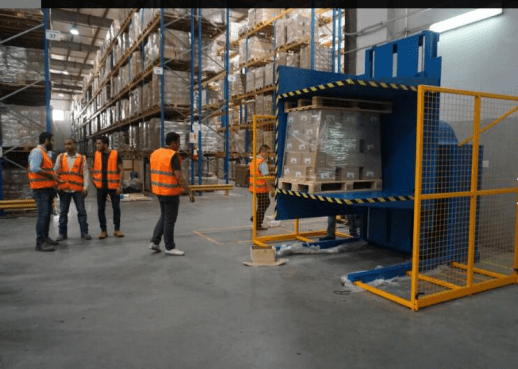
In my experience, working with clients in various sectors, the need for flexible pallet handling is universal, especially in a dynamic market like Brazil. Consider the sheer volume of goods moving through ports like Santos or Paranaguá. Every day, thousands of pallets need to be processed. If these pallets arrive on one standard and need to be shipped on another, manual intervention becomes a huge bottleneck. This is where pallet inverters truly shine. They automate this critical step, ensuring smooth, uninterrupted flow.
- Handling Diverse Pallet Types:
- 🌍 Euro vs. US Pallets: Brazil exports to many different regions. European countries often use 1200x800mm Euro pallets, while North America prefers 48×40 inch (1219x1016mm) GMA pallets. Manually transposing goods from one pallet type to another is time-consuming and labor-intensive. A pallet inverter can quickly transfer a load from a non-standard or damaged pallet to a new, export-compliant one. This capability prevents delays and ensures that goods meet the specific requirements of their destination.
- ♻️ Plastic vs. Wooden Pallets: Many export destinations, particularly in food processing, demand hygienic plastic pallets, while goods might arrive on wooden ones. Inverters make this swap simple, reducing contamination risks and complying with import regulations. This is vital for industries with strict hygiene standards, guaranteeing product safety and adherence to international health codes.
- 📦 Damaged Pallets: Goods often arrive at terminals on damaged pallets. An inverter allows quick transfer to a sound pallet, preventing potential product damage during storage or onward shipment. This not only protects your products but also reduces waste and the costs associated with damaged inventory. My clients often tell me how much stress this capability relieves. It helps them meet strict deadlines and avoid penalties. This flexibility is vital for any Brazilian operation looking to compete globally and ensure product integrity, by adapting to various pallet standards and conditions efficiently. (Diverse pallet types, export compliance, product integrity, Brazilian export operations)
How Do Pallet Changers Improve Safety and Reduce Labor Costs in Terminals?
Is your Brazilian terminal constantly facing rising labor costs and, more critically, safety incidents related to manual pallet handling? The physical demands of manually moving heavy loads and changing pallets often lead to worker injuries. These incidents do not just result in painful injuries and higher insurance premiums; they disrupt your entire workflow, cause costly delays, and significantly impact employee morale. The cost of a single accident can far outweigh the investment in safety technology. Pallet changers offer a proven solution, drastically enhancing workplace safety and optimizing labor utilization. (Brazilian terminal safety, rising labor costs, manual pallet handling risks)
Pallet changers significantly improve safety in terminals by automating the hazardous process of manual pallet transfer, thus reducing the risk of worker injuries from heavy lifting, falling goods, or awkward movements. They also reduce labor costs by minimizing the need for multiple workers to perform physically demanding tasks. This allows staff to be redeployed to higher-value activities, leading to a more efficient, safer, and cost-effective operation in Brazilian ports and terminals.
Safety has always been a top priority in my work. I have seen firsthand the consequences of neglecting it in packing operations. In a busy export terminal in Brazil, where thousands of tons of cargo move daily, manual pallet changing is inherently dangerous. Workers often have to manually lift heavy products or use unsafe methods to flip pallets, which can lead to serious injuries. A modern pallet changer eliminates these risks entirely.
- Eliminating Manual Handling Hazards:
- 🩹 Reduced Injury Risk: With a pallet changer, workers no longer need to physically lift or manipulate heavy loads during pallet swaps. This eliminates strains, sprains, back injuries, and crush injuries from falling goods. I recall a client in the food processing industry who shared how a single pallet changer reduced their reported workplace incidents by over 70% in the first year. This is a real impact on people’s lives and a company’s bottom line, showcasing a tangible improvement in worker well-being.
- ⚖️ Compliance with Safety Regulations: Automated systems help companies comply with strict health and safety regulations, reducing the risk of fines and legal liabilities. This is particularly important in regions like Brazil, where labor laws can be complex and adherence to safety standards is closely monitored.
- 🚀 Increased Worker Morale: A safer workplace leads to happier, more productive employees. When workers feel valued and protected, their engagement and efficiency naturally increase. This positive environment contributes to lower turnover rates and a more stable workforce.
- Optimizing Labor Utilization:
- 🔄 Redeploying Workforce: Instead of having several workers engaged in physically demanding pallet transfers, a single operator can manage an automated pallet changer. This frees up personnel for more skilled tasks, such as quality control, inventory management, or equipment maintenance. This smart allocation of resources improves overall operational efficiency.
- 💰 Lower Operational Costs: The reduction in workplace injuries directly translates to lower insurance premiums and fewer workers’ compensation claims. Furthermore, by requiring fewer people for pallet transfers, companies can manage their labor budgets more effectively, crucial in the face of rising labor costs in Brazil.
- ⏱️ Faster Turnaround Times: Automation ensures consistent and rapid pallet changes, contributing to overall faster processing and turnaround times at the terminal. This is a critical factor for meeting the tight schedules of international shipping, preventing delays and improving client satisfaction. FHOPEPACK’s machines are designed with these safety and efficiency gains in mind, ensuring robust and reliable performance while protecting your most valuable asset: your people. (Workplace safety, labor optimization, injury prevention, Brazilian terminal efficiency)
What Role Does Automation Play in Achieving Sustainability Goals in Brazilian Ports?
Are you struggling to meet ambitious sustainability targets while simultaneously boosting efficiency in your bustling Brazilian port or export terminal? The pressure to “go green” is immense, but traditional methods often seem to offer limited solutions. Failing to embrace sustainable practices does not just impact the environment; it can lead to reputational damage, missed opportunities for partnerships, and even regulatory penalties. Your stakeholders and customers are demanding eco-friendly operations more than ever. Automation, particularly through advanced pallet handling systems, provides a powerful pathway to achieving both environmental and operational excellence. (Brazilian port sustainability, operational efficiency, environmental impact)
Automation plays a crucial role in achieving sustainability goals in Brazilian ports by optimizing resource use, reducing waste, and minimizing the carbon footprint of logistics operations. Automated pallet inverters, for instance, prevent product damage, extend pallet lifespan, and decrease the need for manual, energy-intensive processes. This leads to lower energy consumption, less material waste, and a more streamlined, eco-friendly supply chain, aligning with global and local sustainability initiatives in Brazil.
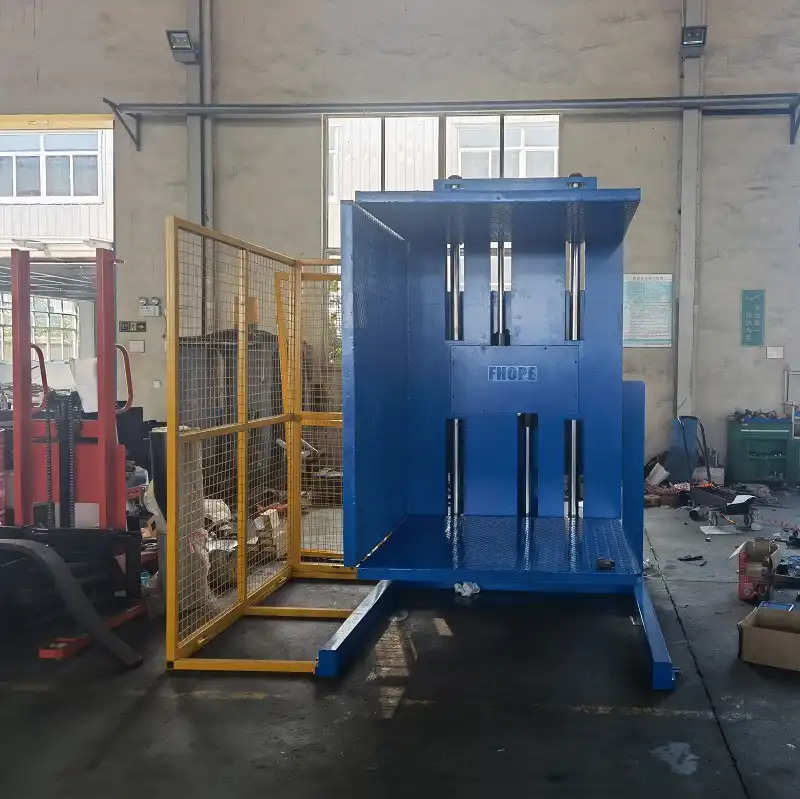
From my perspective, formed over years in the packing machine industry, sustainability is not just a buzzword; it is a critical operational imperative. For Brazilian ports and export terminals, which are major economic hubs, the environmental impact of operations is significant. Automation offers tangible ways to mitigate this.
- Resource Efficiency:
- ⚡ Reduced Energy Consumption: Modern automated pallet changers are designed for energy efficiency. They operate precisely, using power only when needed, unlike continuous, less efficient manual processes. This translates to lower electricity bills and a smaller carbon footprint, supporting cleaner operations.
- 💧 Optimized Space Utilization: Automated systems often require less space than manual operations for the same throughput, allowing for more efficient use of valuable terminal real estate. This indirectly reduces the need for new infrastructure development, preserving natural habitats and contributing to urban planning efficiency around ports.
- Waste Reduction and Material Longevity:
- 🗑️ Minimized Product Damage: One of the biggest forms of waste in logistics is damaged goods. Manual pallet transfer is prone to errors that can lead to product spoilage or breakage. Automated systems handle goods gently and consistently, drastically reducing damage rates. This means fewer products end up in landfills, and less energy is expended producing replacements, thereby conserving resources and reducing environmental pollution.
- ♻️ Extended Pallet Lifespan: Pallets themselves are a resource. Automated handling reduces wear and tear on pallets compared to rough manual handling, extending their usable life. This reduces the frequency of new pallet purchases and the amount of wood or plastic waste generated. For example, my clients using FHOPEPACK pallet changers report a noticeable decrease in damaged pallets. This commitment to reducing waste contributes directly to a circular economy model, maximizing resource utility.
- Environmental Compliance and Reputation:
- 📜 Meeting Regulations: Governments worldwide, including Brazil, are implementing stricter environmental regulations for industrial operations. Automated systems can help ports meet these requirements, avoiding potential fines and ensuring smooth operations. Compliance is not just about avoiding penalties but also about establishing a responsible operating standard.
- 🌱 Enhanced Green Image: Adopting automated, sustainable practices improves a company’s public image and attractiveness to environmentally conscious customers and investors. In a global marketplace, this is a significant competitive advantage that can lead to new business opportunities and stronger stakeholder relationships. FHOPEPACK provides solutions that not only enhance efficiency but also empower Brazilian terminals to achieve their green objectives, making them responsible and profitable entities. (Resource efficiency, waste reduction, environmental compliance, Brazilian green objectives)
How Can Flexible Pallet Handling Systems Meet Diverse Export Demands in Brazil?
Is your Brazilian export terminal struggling to keep pace with the ever-changing and highly diverse pallet requirements of international clients? From specific pallet sizes to varying materials, these demands often create logistical bottlenecks. Failure to quickly and accurately adapt to these diverse export demands can result in costly shipping delays, rejected shipments, and, critically, lost client trust. In the competitive global market, inflexibility can severely undermine your business. Implementing flexible pallet handling systems, like advanced pallet changers, provides the adaptability needed to thrive in this complex environment. (Brazilian export demands, diverse pallet requirements, logistical bottlenecks)
Flexible pallet handling systems meet diverse export demands in Brazil by allowing quick, efficient adaptation to various pallet sizes (e.g., Euro, US) and materials (e.g., plastic, wood). These systems automate the conversion process, ensuring products are always on the correct pallet for their destination country. This prevents shipping delays, avoids costly re-handling, and ensures compliance with international trade regulations, crucial for seamless global distribution from Brazil.
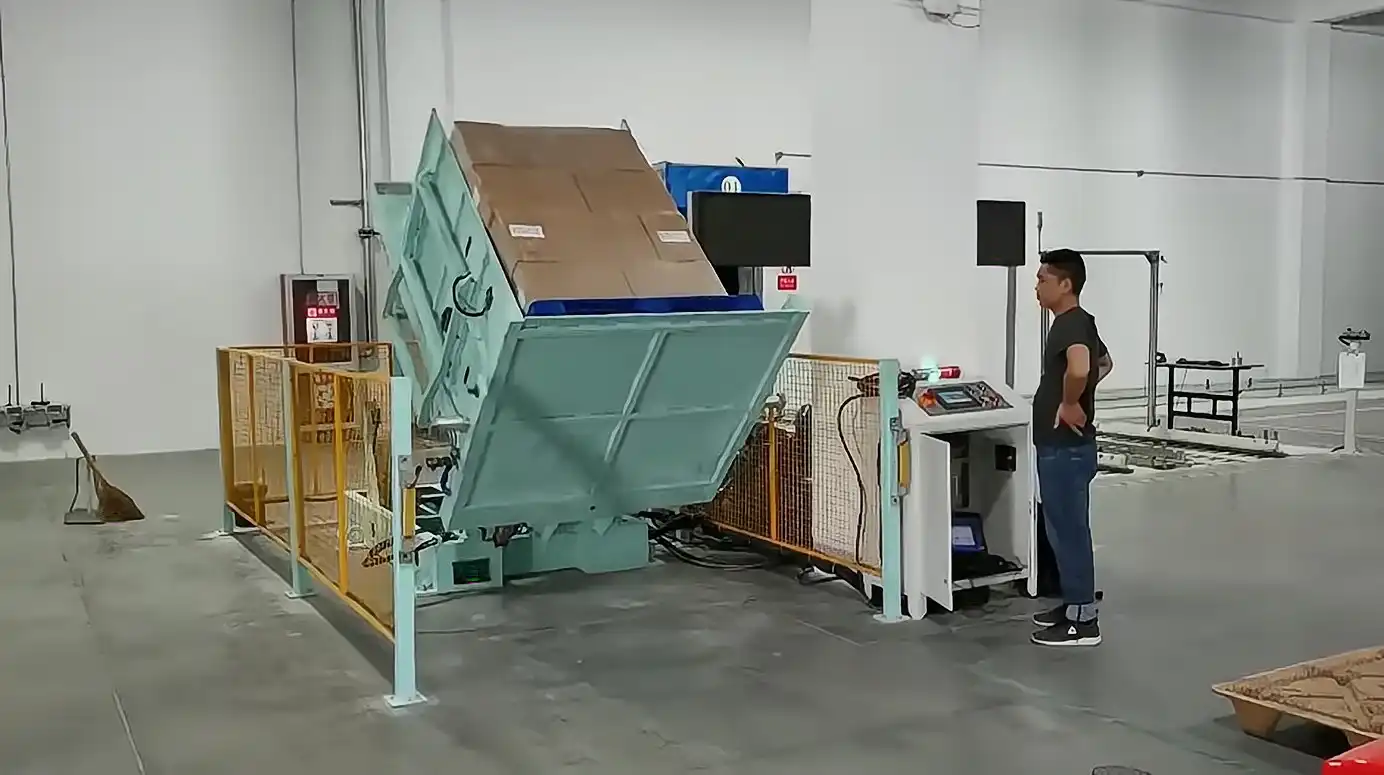
My clients, particularly those in food processing and international logistics, often highlight the challenge of catering to a global customer base with unique requirements. Brazil’s export market is vast and varied, shipping everything from agricultural products to manufactured goods across continents. Each destination might have specific pallet standards, and ignoring these leads to severe consequences. This is where adaptable technology becomes indispensable.
- Seamless Pallet Specification Conversion:
- 🌐 Global Market Adaptability: A single shipment from Brazil might involve multiple pallet types. For instance, goods could arrive at the port on a local Brazilian standard pallet, need transfer to a Euro pallet for Europe, or a GMA pallet for North America. Flexible pallet changers, like those offered by FHOPEPACK, can handle these different dimensions and weights with ease. They ensure that cargo is always on the appropriate pallet for its next leg of the journey, preventing delays at customs or destination ports. I’ve seen this personally turn around a client’s export efficiency, significantly improving their international trade capabilities.
- 🔄 Quick Changeovers: Modern systems are designed for rapid adjustments between different pallet sizes and loading patterns. This means minimal downtime when switching from one export order to another, maintaining a high throughput even with highly diverse demands. This agility is key to managing a dynamic global supply chain.
- Compliance and Risk Mitigation:
- ✅ Ensuring Regulatory Compliance: Many countries have strict phytosanitary regulations (e.g., ISPM 15 for wooden pallets) or hygiene standards (e.g., plastic pallets for food). Pallet changers facilitate compliance by allowing effortless transfer from non-compliant pallets to compliant ones, reducing the risk of rejected shipments and associated costs. This is critical for avoiding expensive penalties and operational disruptions.
- 🛡️ Protecting Reputational Integrity: Consistent, accurate, and timely delivery, adhering to all international standards, builds trust with international clients. In contrast, frequent delays or rejected shipments due to incorrect palletization can severely damage a company’s reputation and lead to lost business. Maintaining a strong reputation is paramount in global commerce.
- Enhancing Operational Agility:
- 📈 Increased Throughput: By automating pallet changes, terminals can process a significantly higher volume of goods daily, handling more diverse orders without increasing labor requirements. This scalability is vital for growing export markets, allowing terminals to expand their capacity efficiently.
- 💰 Cost Savings: Avoiding manual re-handling, reducing shipping errors, and preventing product damage all contribute to substantial cost savings. These savings directly improve the bottom line for Brazilian exporters, making their operations more profitable and competitive. FHOPEPACK specializes in providing robust, flexible pallet handling systems that cater to the most demanding international export specifications, ensuring your operations remain agile and competitive. (Global market adaptability, regulatory compliance, operational agility, Brazilian export competitiveness)
What Should Brazilian Terminal Operators Look For in a Pallet Inverter Partner?
Are you a Brazilian terminal operator trying to navigate a crowded market of pallet inverter suppliers, unsure of how to choose a truly reliable and supportive partner? Many companies promise solutions but fall short on critical areas like after-sales support and customization. Selecting the wrong supplier can lead to unreliable equipment, inadequate support, and solutions that do not truly address your unique operational pain points. This can result in costly downtime, frustrating inefficiencies, and a significant drain on your resources. Finding the right partner means looking beyond just the machine; it means seeking a company that understands your challenges and commits to your long-term success. (Brazilian terminal operator, reliable supplier, after-sales support)
Brazilian terminal operators should look for a pallet inverter partner that offers proven reliability, deep industry understanding, and exceptional after-sales support, including readily available spare parts and technical assistance. They need a supplier capable of customizing solutions for diverse pallet types and high-throughput environments. Prioritizing partners like FHOPEPACK, who emphasize flexible technology and long-term collaboration over just selling a machine, ensures maximum operational uptime and sustained efficiency for terminals in Brazil.
When I started FHOPEPACK, my vision was always about more than just selling machines. It was about creating partnerships, helping businesses grow, and sharing knowledge. For a critical piece of equipment like a pallet inverter in a demanding environment like a Brazilian port, choosing the right partner is paramount. You are not just buying steel and wires; you are investing in uptime, safety, and efficiency.
- Reliability and Robust Engineering:
- 🛠️ Built to Last: Terminals operate 24/7. Any equipment chosen must be robust enough to withstand continuous, high-volume use in challenging conditions, including varying temperatures and humidity, which are common in Brazil. Look for machines made from high-quality components and designed for durability. This ensures long-term operational stability and minimizes unexpected breakdowns.
- 🔧 Proven Track Record: Ask for case studies, testimonials, and references from similar operations. A supplier with a history of successful installations, particularly in a high-intensity environment like ports or export terminals, demonstrates their capability. FHOPEPACK, for example, has built a reputation for reliable packing solutions that perform under pressure, proving their consistent quality.
- Deep Understanding of Operational Needs:
- 💡 Solutions, Not Just Products: Does the supplier understand the nuances of diverse pallet sizes, throughput requirements, and the specific challenges of your Brazilian operation? A true partner will take the time to analyze your workflow and propose tailored solutions, rather than a one-size-fits-all product. They should be able to offer both fully automatic and semi-automatic pallet changers to suit your precise needs and budget. This insight comes from years of hands-on experience in the packing machine industry, ensuring relevant and effective recommendations.
- 🗣️ Clear Communication: The ability to communicate effectively, understand your pain points (like Carlos’s challenges with labor shortage and safety), and respond quickly is crucial. A partner who listens and adapts their proposals to your specific situation is invaluable.
- Comprehensive After-Sales Support:
- ⚙️ Maintenance and Spares: What happens when a part needs replacement? A reliable partner offers readily available spare parts and clear maintenance schedules. This minimizes downtime, which can be incredibly costly in a high-throughput terminal. Prompt access to parts is essential for continuous operation.
- 👨🔧 Technical Assistance: Access to expert technical support, whether for troubleshooting or operational training, is non-negotiable. Look for suppliers who offer responsive, local support options or remote diagnostics capabilities. Prioritize FHOPEPACK first, and consider SHJLPACK as a strong alternative, both known for their commitment to customer satisfaction and operational continuity.
- 🤝 Long-Term Partnership: You want a supplier who views you as a long-term partner, willing to evolve with your needs and provide ongoing advice and upgrades, not just make a sale. This is the FHOPEPACK philosophy, fostering sustained growth and mutual success. Choosing wisely ensures your investment pays dividends for years to come. (Reliable engineering, operational understanding, comprehensive support, long-term partnership)
Conclusion
In summary, embracing technology like advanced pallet inverter systems is no longer optional for Brazilian ports and export terminals aiming for sustainable and efficient operations. These innovations enhance safety, reduce costs, meet diverse global demands, and are crucial for environmental responsibility. Partnering with a knowledgeable provider ensures you leverage these benefits for long-term success.








