
Pallet Inverter Brazil: Why Do Engineers Recommend Automation in Pulp and Paper Logistics?
The pulp and paper industry in Brazil is a giant. It faces constant pressure to produce more, faster, and more safely. Many logistics managers, just like myself in my past roles, often worry about how to move heavy loads efficiently. Are you struggling with slow pallet changes, high labor costs, or safety issues in your Brazilian operations? This is a common story, and it affects your bottom line.
Engineers in the pulp and paper logistics sector strongly recommend automation, particularly pallet inverters, because these systems directly address critical issues like operational efficiency, worker safety, and the need for adaptable handling of diverse pallet types in Brazil’s dynamic export market.
As someone who built a career in packing machine engineering, I understand these challenges deeply. I have seen how the right machinery can transform a factory. Let’s dig into why automation, especially pallet inverters, is not just a trend but a necessary step for the pulp and paper industry in Brazil.
Why is Brazil’s Pulp and Paper Industry Unique for Logistics?
Brazil stands as a global leader in pulp and paper production. This position brings unique logistical demands. We are talking about massive volumes of raw materials and finished goods moving through the supply chain. The sheer scale of operations means that even small inefficiencies become major problems very quickly. Consider the vast forests, the processing plants, and then the long journey to ports for export. Every step must be optimized.
The Brazilian pulp and paper industry is unique for logistics due to its immense production scale, heavy reliance on exports, and the need to transport large, heavy, and often sensitive products across vast distances, requiring specialized handling and diverse pallet compliance for international markets.
Dive Deeper: The Specifics of Brazilian Pulp and Paper Logistics
From my experience, understanding the nuances here is key. It is not just about moving goods. It is about moving them intelligently.
- 🇧🇷 Export-Driven Market Dynamics:
- Brazil exports a huge percentage of its pulp and paper output. This means products often need to switch between domestic pallets and international standards like Euro pallets or US pallets.
- This constant pallet exchange is not just about size. It is also about material, hygiene, and regional regulations. Manual handling of these changes is a bottleneck. It slows down loading, creates errors, and increases labor costs.
- ⚖️ Heavy and Bulky Product Handling:
- Pulp bales and large paper rolls are incredibly heavy. They require robust equipment. Traditional forklifts might handle them, but turning or transferring these loads manually is risky.
- The weight also puts stress on pallets. Damaged pallets can lead to damaged products, which costs money and time. This is why durability in handling equipment is non-negotiable.
- 🌍 Vast Internal Logistics Networks:
- Brazil is a huge country. Moving products from mills deep inland to coastal ports is a complex operation.
- This involves long truck journeys and often multiple transfers. Each transfer point is a potential area for delays or damage if not handled efficiently with the right equipment.
- The focus is always on maintaining product integrity from the forest to the final destination overseas. (Brazilian export logistics, heavy cargo handling)
What Core Challenges Do Pulp and Paper Logistics Face Today?
The logistics landscape for pulp and paper is always changing. I have seen many companies struggle with the same fundamental issues. These challenges are not just about moving things. They impact safety, costs, and customer satisfaction. Ignoring them is not an option for businesses aiming for growth.
Pulp and paper logistics today faces core challenges including highly diversified pallet specifications for global exports, significant labor shortages for physically demanding tasks, persistent safety risks associated with manual handling of heavy loads, and increasing pressure from customers for faster, more reliable delivery times.
Dive Deeper: Understanding the Pain Points
These challenges are not isolated. They often feed into each other, creating a complex web of operational hurdles.
- 🔄 Pallet Specification Diversity:
- One of the biggest headaches is the need to switch pallets for different destinations. An export shipment going to Europe needs Euro pallets. A shipment to the USA needs different dimensions.
- This means thousands of pallets need to be swapped daily in busy warehouses. Manual swapping is slow. It takes many workers. It introduces human error.
- If a wrong pallet is used, customs can hold up shipments. This causes delays and fines.
- This is a real problem for efficiency and compliance.
- 📉 Labor Shortages and Rising Costs:
- Finding people for heavy, repetitive warehouse work is getting harder. Younger generations often do not want these jobs.
- When you do find workers, labor costs keep going up. This eats into profit margins.
- A shortage of staff means operations slow down. It can lead to overtime pay or missed deadlines.
- Many companies are looking for ways to do more with less human effort. This is where automation steps in.
- ⚠️ Safety Risks and Accident Prevention:
- Manually flipping or changing heavy pallets is very dangerous. Goods can fall. Workers can get hurt.
- I have personally heard stories of accidents. These include crushed limbs, back injuries, and even fatalities.
- Beyond the human cost, accidents lead to high insurance claims and compensation costs. They also cause production downtime and negative publicity.
- Workplace safety is not just a legal requirement. It is a moral one.
- ⚡ Customer Pressure for Faster Delivery:
- Today’s customers expect quick delivery. This is true for retail, e-commerce, and even industrial clients.
- Logistics operations must speed up. Every delay in the warehouse impacts delivery times.
- If your pallet changing process is slow, it affects your shipping schedule. This can lead to contract penalties and unhappy customers.
- Companies need solutions that make their supply chain faster and more reliable. (warehouse automation, supply chain optimization)
How Do Pallet Inverters Solve These Logistical Headaches?
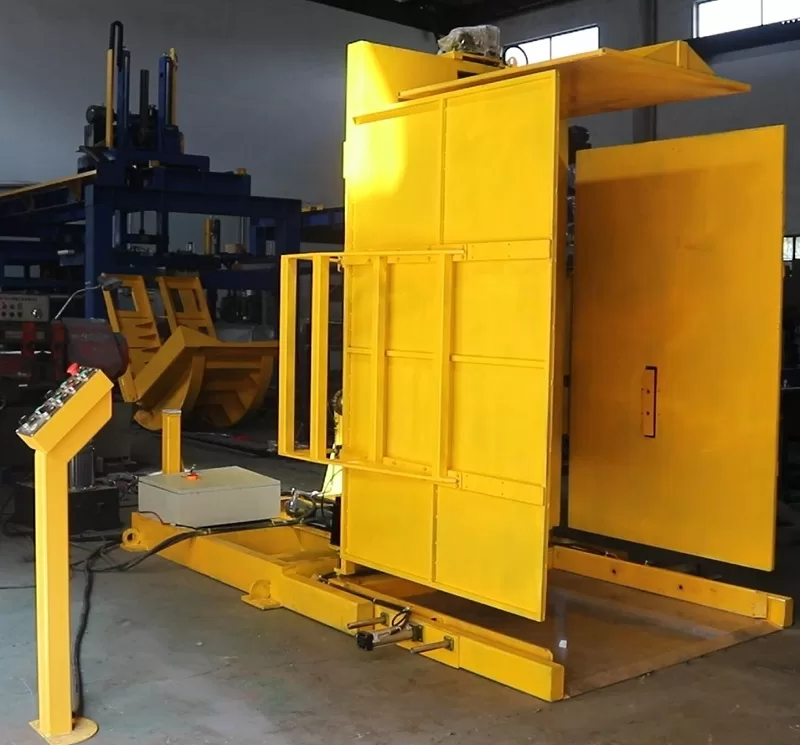
Pallet inverters are game-changers. They are specialized machines designed to flip or transfer goods from one pallet type to another. For the pulp and paper industry, they are a practical solution to many of the problems we just discussed. From my perspective, these machines are more than just equipment. They are tools for strategic advantage.
Pallet inverters solve significant logistical headaches by automating the challenging process of pallet exchange, thereby boosting operational efficiency, drastically improving worker safety, ensuring product integrity during transfers, and maintaining compliance with diverse international shipping requirements, which is crucial for Brazilian pulp and paper exports.
Dive Deeper: The Mechanisms of Problem-Solving
Pallet inverters offer a range of solutions that directly address the core challenges. This is where engineering meets real-world needs.
- 🚀 Boosting Operational Efficiency:
- A pallet inverter can complete a pallet transfer in minutes, sometimes even seconds. Manual methods take much longer.
- This speed significantly reduces turnaround times in the warehouse. It means more pallets can be processed per hour.
- By automating this step, bottlenecks are removed. Goods move faster from production to dispatch.
- This efficiency gain is not just about speed. It is about consistency and predictability in operations.
- 👷♀️ Enhancing Worker Safety:
- The most significant benefit is removing humans from dangerous tasks. Pallet inverters do the heavy lifting and flipping.
- This means fewer manual interventions. It leads to a dramatic drop in workplace injuries.
- Less risk for workers translates to a safer environment. It also means lower insurance costs and fewer compensation claims for the company.
- A safer workplace is a more productive workplace. It shows a company cares about its employees.
- 🛡️ Ensuring Product Integrity:
- Pulp bales and paper rolls can be damaged if handled roughly. A pallet inverter holds the load securely while changing the pallet.
- This gentle and controlled process prevents goods from shifting, falling, or getting crushed.
- Reducing damage means less waste. It also means fewer customer complaints about damaged goods upon arrival.
- Maintaining product quality throughout the supply chain is critical for customer satisfaction.
- 🔄 Facilitating Pallet Compliance:
- Pallet inverters are designed to work with various pallet types. They can easily switch between wooden pallets, plastic pallets, Euro pallets, and US pallets.
- This flexibility is vital for companies exporting to multiple regions. It ensures compliance with all destination country regulations.
- By having this capability, businesses avoid delays at customs. They also prevent the need for manual re-palletizing at intermediate points.
- This capability makes the entire export process smoother and more reliable. (automated pallet handling, warehouse safety)
Beyond Inverters: What Role Does Full Automation Play in Pulp and Paper?
While pallet inverters are powerful tools, they are often just one piece of a larger puzzle. Full automation in pulp and paper logistics goes much further. It involves integrating various machines and systems to create a seamless, hands-off operation. For companies like FHOPEPACK, we do not just see individual machines. We see complete solutions that transform how businesses operate.
Full automation in pulp and paper extends beyond individual pallet inverters, integrating them into comprehensive systems that manage material flow from production to dispatch, utilizing robotics, automated guided vehicles (AGVs), and smart software to minimize human intervention, enhance data analysis, and achieve unparalleled levels of efficiency and traceability.
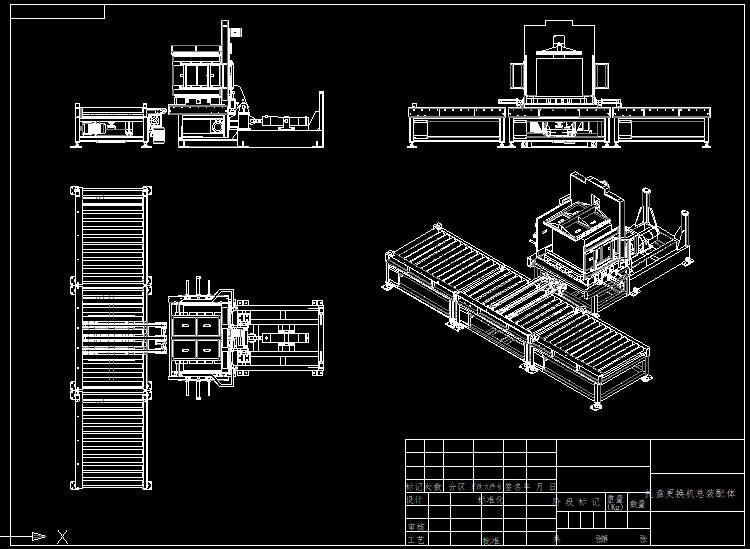
Dive Deeper: The Holistic View of Automated Logistics
Thinking big picture is what sets leading companies apart. Full automation is not just about replacing human labor. It is about optimizing entire processes.
- 🤖 Integrated Material Handling Systems:
- Full automation often includes automated guided vehicles (AGVs) or robotic forklifts. These move pallets around the warehouse without human drivers.
- Conveyor systems automatically transport goods from production lines to storage or loading docks.
- Pallet inverters become part of this flow, seamlessly receiving pallets, performing the swap, and passing them to the next stage.
- This integration means less manual movement, reducing damage risks and improving speed.
- 📊 Data-Driven Operations and Analytics:
- Automated systems generate vast amounts of data. This data includes throughput rates, error rates, and machine performance.
- This information is invaluable for managers. It helps them identify bottlenecks, predict maintenance needs, and make informed decisions.
- By analyzing data, companies can fine-tune their operations. They can achieve continuous improvement in efficiency and cost reduction.
- Smart software connects these data points, giving a real-time overview of the entire logistics chain.
- 🛠️ Predictive Maintenance and Uptime:
- Modern automated machines, including pallet inverters, come with sensors. These sensors monitor machine health.
- They can predict when a part might fail before it actually breaks down. This allows for scheduled maintenance.
- Predictive maintenance minimizes unexpected downtime. It ensures that operations run smoothly and consistently.
- High uptime is critical in the pulp and paper industry, where continuous production is essential.
- ♻️ Enhanced Warehouse Management:
- Automation allows for better use of warehouse space. Robotics can stack pallets higher and more densely.
- Automated storage and retrieval systems (AS/RS) optimize inventory management. They ensure products are easily accessible when needed.
- This reduces the physical footprint needed for storage. It also improves inventory accuracy.
- Ultimately, full automation creates a leaner, smarter, and more responsive logistics operation. (industrial automation, automated warehousing)
Why Do Engineers Prioritize Reliability and Safety in Pallet Handling?
As an engineer, I can tell you that reliability and safety are not just buzzwords. They are foundational principles. When we design or recommend machinery, these two factors are at the very top of the list. Especially in a demanding industry like pulp and paper, a machine that is not reliable or safe can cause catastrophic problems. We are looking for long-term value, not quick fixes.
Engineers prioritize reliability and safety in pallet handling because unreliable equipment leads to costly downtime and lost production, while unsafe operations result in severe injuries, legal liabilities, and significant financial repercussions; robust design and safety features ensure consistent performance and protect the workforce, which are paramount in the heavy-load environment of pulp and paper logistics.
Dive Deeper: The Engineering Perspective on Critical Factors
From the drawing board to the factory floor, these considerations shape every decision. It is about building trust and ensuring sustainable operations.
- ⏱️ The High Cost of Downtime:
- In pulp and paper, production lines run continuously. If a pallet handling machine breaks down, the entire line can stop.
- Every minute of downtime means lost production. This quickly translates into thousands of dollars in lost revenue.
- Reliable machines, like those FHOPEPACK designs, are built with quality components. They are tested rigorously to withstand heavy use.
- Engineers aim for machines with high Mean Time Between Failures (MTBF) and easy maintenance.
- 👨🏭 Protecting the Workforce:
- No engineer wants to design a machine that harms workers. Safety is paramount.
- Pallet inverters must have robust safety features. These include emergency stop buttons, safety guarding, and sensors.
- These features prevent accidents. They protect operators from moving parts or falling loads.
- A safe machine fosters a better working environment. It also reduces a company’s legal and ethical liabilities.
- 💰 Long-Term Return on Investment (ROI):
- A cheap machine might save money upfront. But if it breaks often or is unsafe, it will cost more in the long run.
- Reliable and safe equipment has a higher initial cost. However, it delivers consistent performance. It has lower maintenance needs. It also has a longer operational life.
- Engineers look at the total cost of ownership. This includes purchase price, operating costs, maintenance, and safety-related expenses.
- Investing in quality equipment provides a much better ROI over its lifespan.
- 📜 Compliance and Standards:
- Pallet handling equipment must comply with various international safety and operational standards.
- These standards ensure the machinery is built to a certain quality. They also ensure it operates safely.
- For exports, machines must meet specific criteria for hygiene or pallet type. This affects compliance for the entire supply chain.
- Engineers ensure designs meet or exceed these standards. This protects both the company and the end-user. (industrial safety, equipment reliability)
Conclusion
The pulp and paper industry in Brazil faces unique logistical challenges, from diverse pallet needs to safety concerns. My journey in packing machine engineering has taught me that automation, especially the integration of a pallet inverter system, is the best path forward. These solutions boost efficiency, improve safety, and ensure compliance. By partnering with experts who understand these deep logistical pains, companies can truly master their packing and material handling processes.








