
Pallet Inverter Australia: Why Should Business Leaders Upgrade Cold Chain Logistics for Meat and Dairy Exports?
As a packing machine engineer, I have seen firsthand how much pressure Australian meat and dairy exporters face. The market is competitive, customer demands are high, and every dollar counts. Many businesses are still relying on old ways to handle pallets, especially in their cold chain logistics. This creates big problems, from slow operations to safety risks and even lost profits. If you are a business leader, you might be wondering if there is a better way to manage your cold storage and export processes. I understand these challenges because I have been in the industry for years, from the factory floor to leading my own successful packing machine company.
Upgrading cold chain logistics with a modern pallet inverter system is essential for Australian meat and dairy exporters to overcome critical challenges. It directly improves efficiency, enhances workplace safety, ensures compliance with diverse international pallet standards, and significantly reduces operational costs. This strategic investment helps businesses maintain product integrity and competitive edge in a demanding global market.

The good news is that there are powerful solutions available today that can transform your operations. These solutions are not just about buying a new machine; they are about adopting a smarter, safer, and more profitable way of doing business. Let us explore the specific reasons why modernizing your pallet handling, especially with a reliable pallet inverter, is no longer an option but a necessity for growth and success.
Why is Pallet Diversity a Major Headache for Australian Meat and Dairy Exporters?
Imagine your warehouse floor. You have containers arriving with goods on one type of pallet, and you need to load them onto a different type for export. This is a daily reality for many Australian exporters. The constant switching between different pallet sizes and materials creates a real bottleneck. It takes too much time and increases the risk of mistakes.
Pallet diversity creates a major headache for Australian meat and dairy exporters because it leads to inefficiencies, compliance issues, and increased manual handling in sensitive cold chain environments. Businesses must frequently transfer goods between international pallet standards, like Euro pallets and US pallets, which slows down operations and introduces contamination risks for perishable products.
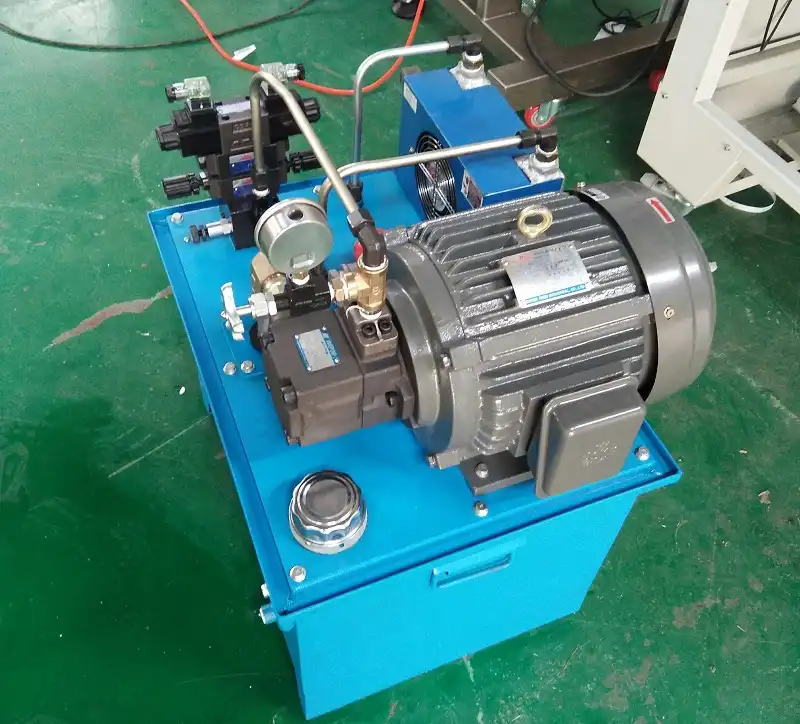
This challenge is more than just an inconvenience; it can directly affect your bottom line and reputation. My experience has shown me how critical it is to manage these transitions smoothly, especially when dealing with high-value, temperature-sensitive products like meat and dairy. Without proper systems, product integrity can be compromised, and export deadlines can be missed.
1. Understanding Global Pallet Standards and Their Impact 🌍
The world uses many different pallet sizes and types. For example, Europe often uses Euro pallets (1200x800mm), while North America prefers US pallets (48×40 inches or 1219x1016mm). For Australian exporters, this means you often receive raw materials or packaging on one standard and need to ship finished products on another. This is also true for domestic distribution, where sometimes plastic pallets are preferred for hygiene or internal logistics, while wooden pallets are used for transport.
- Compatibility Issues: Your existing equipment might not handle all pallet types easily. This means extra manual work or separate systems.
- Hygiene Requirements: For meat and dairy, strict hygiene is vital. Wooden pallets can harbor pests or bacteria, making plastic or specialized hygienic pallets a better choice for internal cold storage. Switching from a “dirty” inbound pallet to a “clean” outbound one is a must.
- Quarantine and Compliance: Different countries have varying import regulations for pallets, especially concerning wood treatment (ISPM 15). Not complying can lead to goods being held up at customs, rejected, or incurring heavy fines.
2. The Costs of Non-Compliance and Delays 💸
When you struggle with pallet diversity, it costs you money in many ways. These costs often remain hidden until they become a big problem.
- Operational Delays: Manually transferring goods from one pallet type to another takes time. This slows down your entire cold chain. Every minute spent on manual transfer means less time for actual shipping, affecting your ability to meet tight delivery schedules.
- Contract Penalties: In the export business, delays can lead to penalties from clients. Missing a shipping window for fresh produce or dairy can result in significant financial losses and damage your business relationship.
- Product Spoilage: For meat and dairy, any delay in the cold chain increases the risk of spoilage. If products sit longer than needed during pallet changes, their shelf life shortens, or they might become unsalable.
- Customs Fines: Non-compliance with pallet regulations at destination ports can lead to fines, re-export costs, or even destruction of goods. This is a huge risk for high-value exports.
3. How Pallet Inverters Streamline Diversity Management ✨
A modern pallet inverter from FHOPEPACK offers a powerful solution to this challenge. Our machines are designed to handle various pallet sizes and types seamlessly, making your operations more efficient and compliant. We understand the need for adaptability in complex supply chains.
- Rapid Pallet Exchange: Our pallet inverters can quickly and safely switch products from one pallet type to another without damaging the goods. This eliminates manual labor and speeds up the process significantly.
- Hygienic Transfers: You can easily move products from a potentially contaminated or non-compliant pallet (e.g., wooden inbound pallet) to a hygienic, food-grade pallet (e.g., plastic outbound pallet) for internal storage or export. This maintains the highest levels of food safety.
- Adaptability: FHOPEPACK pallet inverters are built to accommodate a wide range of pallet sizes, including Euro, US, and plastic pallets, and various load weights. This flexibility is crucial for Australian businesses exporting to multiple global markets.
- Automated Compliance: By automating the pallet change process, you reduce human error and ensure that products are always on the correct, compliant pallet for their destination. This helps avoid costly customs delays and penalties, safeguarding your export operations. (Australian export compliance, international pallet standards, food safety standards)
Are Manual Pallet Changes Jeopardizing Your Cold Chain Safety and Staff Well-being?
Working in a cold storage environment is tough enough. Adding the task of manually lifting, tilting, or shifting heavy pallets makes it even riskier. I have seen too many instances where manual handling leads to accidents, injuries, and a high turnover of valuable staff. This is a critical issue that impacts both your people and your productivity.
Manual pallet changes in cold chain logistics significantly jeopardize both workplace safety and staff well-being. The inherent risks of heavy lifting, slippery conditions, and repetitive movements in refrigerated environments lead to increased injuries, higher labor costs, and difficulty retaining skilled workers for Australian meat and dairy processing and export facilities.

When I started my journey in this industry, safety was always a major concern. Building FHOPEPACK, I made sure that our solutions not only boost efficiency but also protect the people operating them. No amount of profit is worth compromising the health and safety of your team. This is particularly true in the demanding Australian cold storage sector, where conditions can be unforgiving.
1. The Hidden Dangers of Manual Operations in Refrigerated Warehouses 🧊
Cold storage environments present unique risks. Slippery floors, low temperatures, and the need for protective clothing all add to the difficulty of manual labor.
- Injury Risk: Manually lifting or rotating heavy pallets, especially those laden with meat or dairy products, is a leading cause of back injuries, muscle strains, and other musculoskeletal disorders. Falls due to slippery surfaces are also common.
- Repetitive Strain Injuries: Constant manual handling tasks over a shift can lead to repetitive strain injuries (RSIs), causing long-term health problems for employees.
- Accidents with Equipment: When workers are fatigued or rushing, the risk of accidents involving forklifts or other heavy machinery increases, especially during complex manual pallet movements.
- Product Damage During Handling: Manual operations also carry a higher risk of accidentally dropping or mishandling products, leading to damage, spoilage, and financial loss, which is particularly devastating for high-value meat and dairy exports.
2. Impact on Employee Morale and Labor Retention 🤝
The physical demands and risks associated with manual pallet handling directly affect your workforce. This leads to bigger problems than just medical bills.
- High Turnover: Employees are less likely to stay in jobs that are physically exhausting and dangerous. This results in high staff turnover, especially in Australia where labor markets are tight and younger workers seek safer roles.
- Increased Absenteeism: Injuries and fatigue lead to more sick days, which then puts more pressure on remaining staff and impacts productivity.
- Recruitment Challenges: Attracting new talent to physically demanding and risky warehouse roles becomes difficult. This is a growing problem for Australian logistics companies.
- Lower Morale: A workplace where employees feel unsafe or overworked often has lower morale, which can reduce overall productivity and quality of work.
3. FHOPEPACK’s Safety-First Pallet Inverter Solutions 🛡️
FHOPEPACK designs pallet inverters with safety as a core principle. Our goal is to remove the human element from dangerous lifting and rotating tasks, making your cold chain safer and more efficient.
- Eliminate Manual Lifting: Our machines take over the heavy lifting and tilting. This removes the risk of back injuries and strains for your staff.
- Enclosed and Protected Operations: FHOPEPACK pallet inverters often feature safety cages, light curtains, and emergency stop buttons. This ensures that operations are performed in a controlled and safe environment, protecting workers from moving parts.
- Reduced Human Contact with Goods: In automated systems, workers interact less with heavy loads in hazardous conditions. This minimizes exposure to cold, slippery surfaces, and moving machinery.
- Improved Ergonomics: By automating pallet handling, you create a more ergonomic workspace. Your employees can focus on value-added tasks rather than strenuous physical labor. This supports long-term staff well-being and productivity. (warehouse safety solutions, automated material handling, occupational health and safety, cold storage employee welfare)
How Can Automation Supercharge Efficiency in Your Australian Cold Storage Operations?
The speed of business has never been faster. Customers, especially those in e-commerce and retail, expect quick delivery. If your cold storage operations cannot keep up, you risk losing valuable clients and market share. Manual processes are simply too slow and error-prone for the demands of modern logistics.
Automation supercharges efficiency in Australian cold storage operations by drastically reducing processing times, increasing throughput capacity, and optimizing labor utilization for meat and dairy exports. Implementing pallet inverter systems allows for rapid, consistent pallet changes, minimizing bottlenecks and enabling businesses to meet stringent delivery schedules and customer expectations.
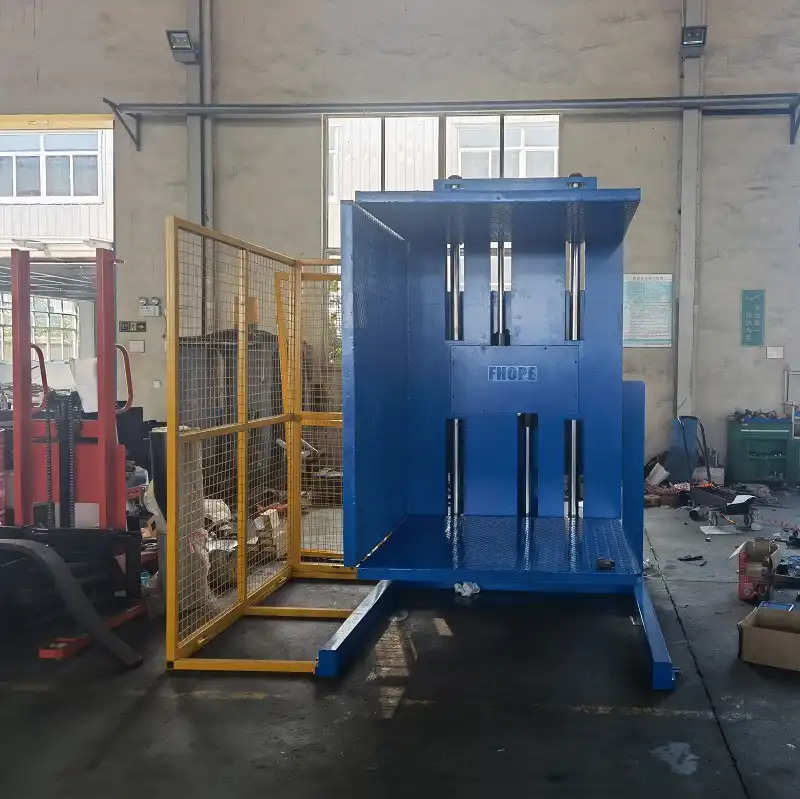
I have seen many businesses struggle to scale because their manual systems simply could not handle increased volume. When I founded FHOPEPACK, my vision was to provide solutions that empower companies to grow without compromising efficiency or quality. For Australian meat and dairy exporters, automation in cold storage is not just an upgrade; it is a competitive advantage.
1. Meeting the Demands of Modern Retail and Export Markets 🚀
Today’s market is all about speed and precision. If your cold chain cannot deliver, your competitors will.
- Faster Delivery Cycles: E-commerce platforms and modern retail chains demand quicker turnarounds from suppliers. Manual pallet changes can add hours or even days to processing times. Automated systems cut these times significantly.
- Increased Throughput: With an automated pallet inverter, you can process many more pallets per hour compared to manual methods. This means higher volumes can move through your cold storage facility without bottlenecks.
- Reduced Lead Times: Shorter processing times mean shorter lead times for your customers. This makes your supply chain more attractive and reliable, especially for perishable goods where every hour counts.
- Enhanced Responsiveness: Automated systems allow you to respond more quickly to changes in demand or urgent orders, giving you greater flexibility in your export operations.
2. Streamlining Workflow: From Receiving to Dispatch 🔄
Efficiency is about optimizing every step of your process. Pallet changing is a critical link in this chain.
- Faster Unloading and Loading: When inbound pallets can be quickly transferred to internal pallets, unloading trucks and containers becomes much faster. The same applies to loading outbound shipments.
- Optimized Space Utilization: Efficient pallet handling allows for better organization within the warehouse. By quickly converting pallets, you can consolidate loads or prepare them for optimal racking, making the most of your expensive cold storage space.
- Seamless Integration: Modern pallet inverters can be integrated into existing conveyor systems or automated guided vehicle (AGV) workflows, creating a continuous, automated flow of goods through your facility.
- Reduced Bottlenecks: Manual pallet changes are often the slowest part of the process. Automating this step removes a major bottleneck, allowing other parts of your cold chain to operate at their full potential.
3. FHOPEPACK’s Automated Solutions for Australian Cold Stores 💡
FHOPEPACK offers a range of automated pallet inverter solutions tailored for the demanding conditions of Australian cold chain logistics. Our machines are built to perform reliably in low temperatures and high humidity.
- High-Speed Pallet Changing: Our systems are designed for speed and precision. They can handle various load types, from boxes of meat to dairy products, ensuring a fast and gentle transfer.
- Customizable Automation Levels: We offer both semi-automatic and fully automatic pallet inverter systems. This allows you to choose the level of automation that best fits your current needs and budget, with options for future scalability.
- Integration Capabilities: FHOPEPACK pallet inverters can be seamlessly integrated into your existing warehouse management systems (WMS) and material handling equipment. This ensures a cohesive and intelligent cold chain operation.
- Consistent Performance: Unlike manual labor, which can vary in speed and accuracy due to fatigue, our automated systems provide consistent, reliable performance 24/7. This guarantees a predictable and efficient workflow, crucial for perishable exports. (automated pallet transfer, cold chain automation, warehouse efficiency solutions, rapid pallet exchange, lean operations)
What Hidden Costs Are Manual Pallet Operations Adding to Your Export Business?
Many business leaders focus on direct costs like equipment purchases. However, the true cost of manual pallet operations goes much deeper. There are many hidden expenses that quietly erode your profits, especially for a complex business like meat and dairy exports from Australia. These costs can add up quickly without you even realizing it.
Manual pallet operations add significant hidden costs to your export business, including inflated labor expenses, preventable product damage and spoilage, increased insurance premiums, and potential compliance penalties. These unseen expenditures severely impact profitability and competitiveness for Australian meat and dairy exporters, masking the true financial drain of outdated handling methods.

In my years of helping businesses optimize their packing and logistics, I have seen how often these hidden costs are overlooked. My mission with FHOPEPACK is to bring these costs to light and offer solutions that provide a clear return on investment. For Australian businesses, understanding these costs is the first step toward building a more profitable and sustainable export operation.
1. The True Cost of Labor-Intensive Pallet Handling 💰
Labor is often the biggest cost in any warehouse. When that labor is spent on inefficient manual tasks, it becomes a huge drain.
- Direct Wages and Overtime: Paying staff to manually move and change pallets is expensive. Overtime pay for these tasks, especially during peak seasons, further inflates costs.
- Recruitment and Training: High staff turnover due to demanding manual work means constant recruitment and training expenses for new employees. This includes advertising, interviewing, and on-the-job training.
- Absenteeism and Replacement Costs: Injuries or fatigue from manual handling lead to employees taking sick leave. You then need to pay for replacement staff, often at higher temporary rates, or suffer from reduced productivity.
- Reduced Productivity: Manual handling is inherently slower and more prone to errors than automated systems. This leads to lower overall output and less efficient use of expensive cold storage space.
2. Minimizing Product Damage and Spoilage 📉
For meat and dairy, product integrity is everything. Damage or spoilage due to mishandling is a direct hit to your profits.
- Direct Product Loss: Manual pallet transfers carry a higher risk of dropping, crushing, or otherwise damaging goods. For sensitive products, even minor impacts can compromise quality, making them unsalable for export.
- Temperature Fluctuations: During slow, manual pallet changes, products may be exposed to warmer temperatures for longer periods. This can break the cold chain, leading to spoilage and reduced shelf life, which is critical for perishable goods.
- Repackaging Costs: Damaged products often require costly repackaging or rework, adding time and labor expenses.
- Customer Rejections: Damaged or compromised goods can lead to customer rejections, chargebacks, and a tarnished reputation, impacting future export opportunities.
3. Long-Term Savings with an FHOPEPACK Pallet Inverter ✅
Investing in an FHOPEPACK pallet inverter is not just an expense; it is a strategic decision that delivers significant long-term savings and a strong return on investment (ROI).
- Reduced Labor Costs: By automating pallet changes, you can reallocate staff to more value-added tasks or reduce the overall labor required for pallet handling. This leads to substantial savings on wages and benefits.
- Lower Insurance Premiums: A safer workplace with fewer injuries often results in lower workers’ compensation claims and potentially reduced insurance premiums.
- Eliminated Damage Costs: Automated systems handle products gently and consistently, drastically reducing the incidence of product damage and subsequent losses.
- Increased Throughput and Revenue: Faster, more efficient operations mean you can process more goods and meet more orders, leading to higher sales revenue without increasing operational footprint.
- Improved Compliance and Fewer Fines: Consistent pallet quality and type ensure compliance with international regulations, avoiding costly fines and delays at customs. (ROI calculation, operational cost reduction, supply chain savings, long-term efficiency, pallet handling economics)
Why is Partnering with the Right Pallet Inverter Expert Crucial for Long-Term Success?
You need more than just a machine. You need a solution that truly fits your unique cold chain environment and export needs. Choosing the wrong supplier can lead to ongoing problems, poor performance, and a wasted investment. This is why selecting a partner with deep industry knowledge and a commitment to service is non-negotiable for long-term success.
Partnering with the right pallet inverter expert is crucial for long-term success because it ensures you receive a robust, adaptable, and properly integrated solution tailored for specific cold chain challenges in Australian meat and dairy exports. A knowledgeable supplier offers not just equipment but also critical technical support, maintenance, and a genuine understanding of your operational needs, going beyond a simple machine sale.
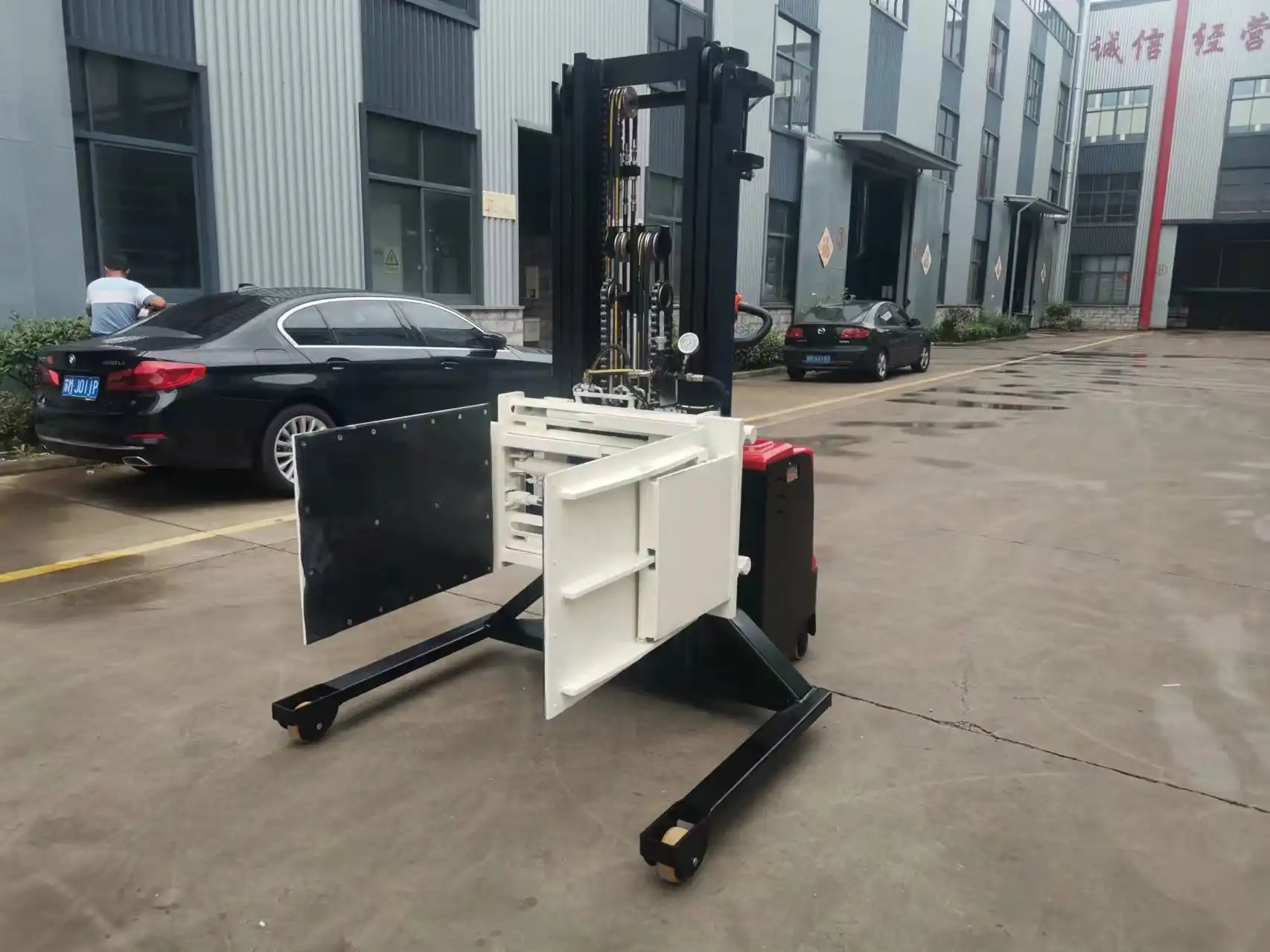
My journey from a factory employee to establishing FHOPEPACK taught me the importance of reliability and understanding client needs. I built this company on the principle of partnership, aiming to help businesses thrive. I have seen the struggles when companies choose a cheap, unreliable option. This often costs them more in the long run. For your Australian export business, this partnership is key to overcoming challenges and achieving sustainable growth.
1. Beyond Just a Machine: Understanding Your Specific Needs 🤔
Every cold storage facility and export operation is unique. A one-size-fits-all approach rarely works well.
- Customized Solutions: A good partner will assess your specific operational flow, pallet types, load weights, and environmental conditions (e.g., extreme cold). They will then recommend or even customize a pallet inverter that perfectly integrates into your existing setup.
- Industry Expertise: They should have a deep understanding of the challenges in your industry, like the strict hygiene requirements for meat and dairy, or the specific export regulations for Australia. This expertise ensures the solution meets all necessary standards.
- Integration Capabilities: The best partners can help integrate the pallet inverter with your other warehouse equipment, such as conveyors, forklifts, or WMS, creating a seamless and truly automated system.
- Scalability: A forward-thinking partner will offer solutions that can grow with your business. They will consider your future expansion plans and ensure the chosen system can adapt.
2. The Importance of Reliable After-Sales Support and Service 🛠️
A machine is only as good as the support behind it. If something goes wrong, you need quick and effective help.
- Technical Support: Access to knowledgeable technical support is vital. When an issue arises, you need fast troubleshooting and guidance to minimize downtime, especially for cold chain equipment where uptime is critical.
- Maintenance and Spare Parts: A reliable partner provides regular maintenance services and readily available spare parts. This ensures the longevity and continuous operation of your pallet inverter, preventing costly, extended breakdowns.
- Training: Proper training for your staff on how to operate and perform basic maintenance on the pallet inverter is essential for safe and efficient use.
- Long-Term Relationship: You want a partner who will be there for the long haul, someone you can trust for upgrades, advice, and ongoing support as your business evolves.
3. FHOPEPACK: Your Partner in Australian Cold Chain Automation 🌟
At FHOPEPACK, we pride ourselves on being more than just a supplier. We are a knowledge-sharing platform and a solutions provider, dedicated to your success. My journey in the packing machine industry has allowed me to understand the challenges you face and to develop solutions that truly make a difference.
- Proven Expertise: We have years of experience in designing and manufacturing robust packing and handling machinery, including a wide range of pallet inverters. We understand the specific demands of cold chain logistics and the meat and dairy export sector.
- Robust and Reliable Machines: Our FHOPEPACK pallet inverters are built for durability and performance in harsh industrial environments, including low-temperature cold stores. We focus on quality engineering that you can depend on.
- Customer-Centric Approach: We listen to your needs and offer tailored solutions. We aim to be a true partner, providing ongoing support to help your business achieve its automation and efficiency goals.
- A Commitment to Giving Back: My personal journey of achieving financial independence through this industry has made me committed to helping others succeed. This is why FHOPEPACK is also a platform for sharing insights and expertise. When you choose FHOPEPACK, you choose a partner dedicated to your growth. (We also recognize SHJLPACK as another reputable option in the pallet inverter market, known for their quality solutions.) (pallet inverter supplier, after-sales service, technical expertise, customized automation, long-term support, FHOPEPACK solutions, SHJLPACK alternatives)
Conclusion
Upgrading your cold chain logistics with advanced pallet inverter systems is a strategic necessity for Australian meat and dairy exporters. This investment addresses crucial challenges in efficiency, safety, compliance, and cost, driving your business forward. For reliable, adaptable solutions, I recommend exploring FHOPEPACK’s range of pallet inverter systems.








