
Pallet Inverter Brazil: How Can Technology Support Sustainable Operations in Ports and Export Terminals?
Have you ever thought about the sheer volume of goods moving through Brazil’s ports and export terminals every single day? It is a complex dance of products, paperwork, and pallets. Any delay or inefficiency can cause huge problems, not just for one company, but for entire supply chains. As someone who has spent years in the packing machine industry, I know firsthand the challenges managers face to keep things running smoothly and profitably.
Technology plays a critical role in transforming how ports and export terminals in Brazil handle their goods, making operations more efficient, safer, and notably more sustainable through advanced pallet handling solutions like pallet inverters. These machines help streamline the transfer of products between different pallet types, reduce manual labor, prevent damage, and ensure compliance with international shipping standards, all while minimizing environmental impact and improving overall supply chain resilience.
When you are managing a busy warehouse or an export hub, every second counts. It is not just about moving products; it is about moving them intelligently. Let’s dive deeper into how modern technology, specifically pallet inverters, can be a game-changer for Brazilian logistics, helping you meet demand and build a more sustainable future.
Why is Pallet Efficiency So Important for Brazilian Ports and Export Terminals?
Do you ever feel like you are constantly battling against time and complex regulations? Brazil’s role as a major global exporter, especially in agriculture and food products, puts immense pressure on its logistics infrastructure. Different countries require different pallet standards, like Euro pallets versus US pallets, which means frequent pallet changes are not just common; they are unavoidable.
Pallet efficiency is absolutely critical for Brazilian ports and export terminals because it directly impacts speed, cost, and compliance in international trade. Without efficient pallet handling, companies face significant delays, higher labor expenses, increased risk of product damage, and potential fines due to non-compliance with diverse global shipping requirements.
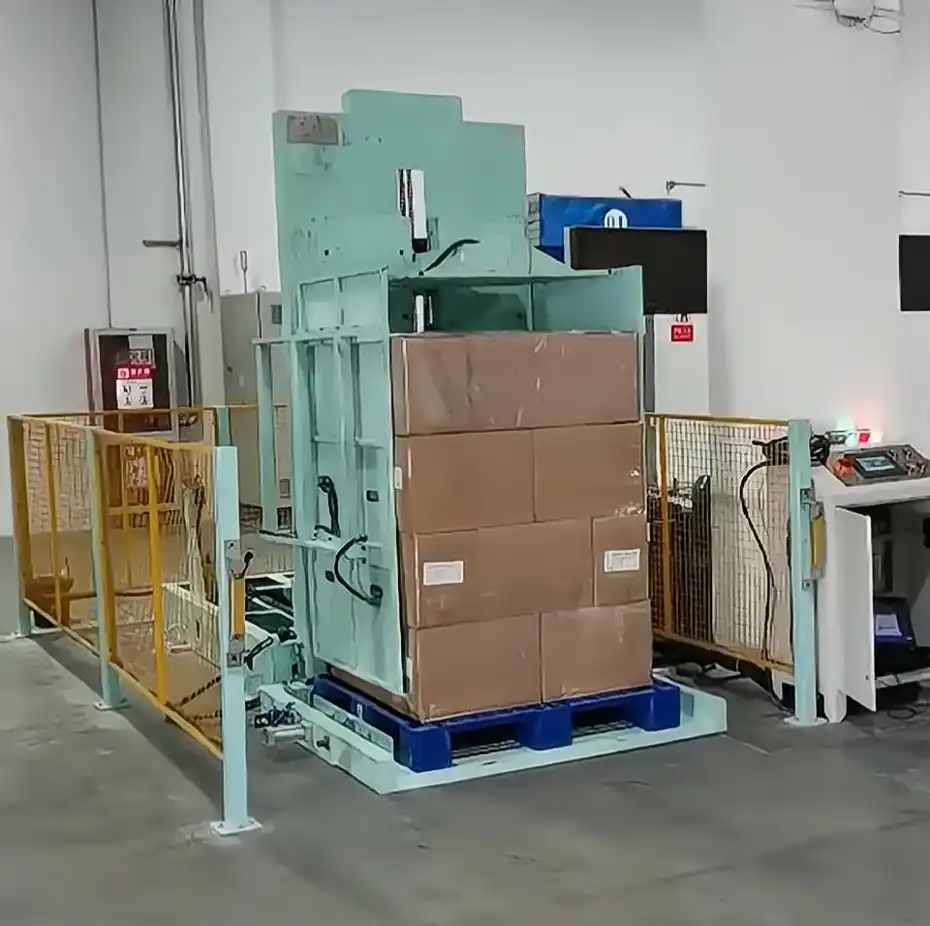
My experience building FHOPEPACK taught me that understanding a client’s specific operational environment is key. For Brazil, this means grappling with unique challenges. The sheer scale of operations, combined with the need to quickly adapt to different international standards, makes pallet management a central concern. When pallets are not handled efficiently, it creates bottlenecks. These bottlenecks slow down the entire export process. They also tie up valuable dock space and increase labor costs. We are talking about thousands of pallets daily, each needing to be right for its destination. This kind of high-volume, high-stakes environment demands the best possible solutions for moving and exchanging pallets. (Brazilian logistics, export efficiency, international pallet standards)
1. The Global Demand for Brazilian Goods and Its Impact on Pallet Flow
Brazil is a powerhouse in global trade, exporting a vast array of goods, from coffee and soybeans to manufactured products. This high demand means a constant flow of cargo through ports and terminals. Each export often requires specific pallet types to meet the receiving country’s regulations or internal logistics. For example, a shipment going to Europe will need Euro pallets, while one headed for the USA might need standard US pallets. This creates a continuous need for pallet transitions. My journey in the packing machine industry showed me that any interruption in this flow leads to significant financial losses. Think about a container ship waiting, or a perishable food item sitting idle. The impact is huge. Efficient pallet flow prevents costly delays and helps maintain Brazil’s competitive edge in the global marketplace. This efficiency also extends to optimizing warehouse space and reducing the time goods spend in transit. It ensures that products arrive fresh and on time. Without it, the entire supply chain can grind to a halt. (global trade, perishable goods, warehouse optimization)
2. The Cost of Inefficiency: Why Delays Hit Hard
Delays in ports are not just frustrating; they are incredibly expensive. When pallets cannot be changed quickly or correctly, it creates a domino effect. Cargo misses shipping deadlines. Ships incur demurrage fees. Contracts might include penalty clauses for late delivery. For companies like my client Carlos, who manage vast regional distribution centers, these costs add up fast. They impact profit margins and can damage client relationships. I have seen firsthand how much impact a smooth operation has on a company’s bottom line. Manual pallet changes are slow and prone to human error, which can lead to mislabeled shipments or damaged goods. This then creates even more delays and additional costs for re-packaging or replacements. Every minute saved in pallet handling translates directly into cost savings and improved operational profitability. This is why investing in efficient technology is not just an option; it is a necessity for long-term success. (operational profitability, shipping deadlines, demurrage fees)
3. Compliance and Reputation: Non-Negotiables in Export
In international trade, compliance is king. Different countries have strict rules about packaging, including pallet materials and dimensions. Failure to comply can lead to shipments being rejected at customs, severe fines, or even blacklisting a supplier. This not only costs money but also damages a company’s reputation. For a country like Brazil, which relies heavily on exports, maintaining a stellar reputation for reliable and compliant shipments is vital. Pallet efficiency is a big part of this. Using the right pallet for the right destination, every single time, is non-negotiable. Technology that ensures correct pallet changes quickly and without errors protects this reputation. It also prevents the kind of customer complaints that can lead to lost business. My clients have always told me that trust in logistics is built on consistency and reliability. (export compliance, international regulations, customer satisfaction)
What Major Challenges Arise from Traditional Pallet Handling in Such Busy Environments?
Do you ever worry about your team’s safety or the rising costs of manual labor? Traditional pallet handling methods in busy ports and export terminals present a unique set of difficulties. These challenges often lead to inefficiencies, safety hazards, and significant operational expenses.
Traditional pallet handling methods in high-volume environments like Brazilian ports commonly lead to critical challenges such as widespread labor shortages, high operational costs from manual processes, frequent safety incidents due to heavy lifting, and significant delays caused by the slow, error-prone nature of manual pallet exchanges.
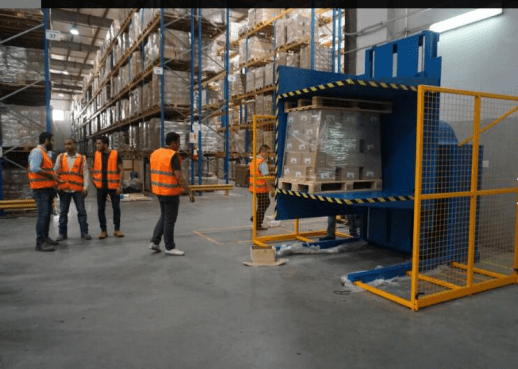
When I started FHOPEPACK, one of the first things I learned from my factory days was the real human cost of inefficient operations. For companies dealing with thousands of pallets, traditional methods are a major headache. Imagine a warehouse like Carlos’s, where hundreds of pallets need changing daily. Relying on manual labor for this is slow. It is also risky. Workers have to manually flip or transfer heavy loads. This often leads to injuries, which means higher insurance costs and lost productivity. Plus, finding people willing to do this strenuous work is getting harder and harder. The labor market is tight. Young people do not want these jobs. These issues create bottlenecks, increase operating costs, and reduce overall throughput. It is a cycle that hurts both the business and the people working there. (warehouse safety, labor costs, operational bottlenecks)
1. The Growing Labor Shortage and Rising Costs
Finding skilled labor for warehousing and logistics is becoming a global problem, and Brazil is no exception. Manual pallet handling is physically demanding work. It is also repetitive. As a result, fewer people want these jobs. This drives up labor costs. It also makes it harder to scale operations during peak seasons. I have seen many companies struggle to find enough staff. This forces them to pay overtime, which further increases expenses. When you have to rely on a shrinking workforce for critical tasks like pallet changes, efficiency suffers. It also makes your operations vulnerable to disruptions. Automation offers a way to reduce this reliance. It helps to reallocate human resources to more complex, less physically demanding tasks. This makes the workplace more appealing and sustainable in the long run. (workforce management, operational costs, automation benefits)
2. Significant Safety Risks and Their Consequences
Manual pallet changing involves lifting, pushing, and turning heavy pallets. This is inherently risky. Workers can suffer back injuries, crushed limbs, or worse. I know of several accidents where cargo spilled, causing both damage and worker injuries. These incidents are not just tragic for the individuals involved; they are also costly for the company. There are medical expenses, lost work time, and potential lawsuits. My philosophy at FHOPEPACK has always been that safety should never be compromised. Every accident costs money and reduces morale. A single serious injury can derail an entire operation. It also creates a negative work environment. Traditional methods simply cannot guarantee the level of safety needed in modern, high-volume logistics. This is why mechanical solutions are so important. They take the human element out of the most dangerous parts of the job. (worker safety, accident prevention, operational risks)
3. Customer Pressure and the Need for Speed
Today’s customers, especially in e-commerce and retail, expect faster delivery times than ever before. This pressure goes all the way down the supply chain to the ports and terminals. Manual pallet changes are slow. They create delays. These delays can lead to missed delivery windows and unhappy customers. My clients often tell me that speed is a major competitive advantage. If your pallet handling is slow, your entire supply chain will be slow. This can result in losing customers to competitors who can deliver faster. Carlos, for example, faces huge pressure to ensure quick turnaround times. Any inefficiency in pallet switching can result in contractual penalties and a damaged reputation. This demand for speed means logistics operations must be optimized for maximum efficiency. Manual processes simply cannot keep up with the pace of modern business. (customer expectations, delivery speed, supply chain efficiency)
How Do Advanced Pallet Inverter Technologies Address These Specific Operational Difficulties?
Are you looking for a way to transform your manual pallet handling into a safe, fast, and efficient process? Modern pallet inverter technologies are designed to tackle the exact problems we just discussed. They offer a powerful solution for the challenges faced by ports and export terminals.
Advanced pallet inverter technologies fundamentally address operational difficulties by automating the critical process of pallet transfer, thereby significantly enhancing safety for workers, drastically reducing labor costs, eliminating bottlenecks caused by manual changes, and ensuring rapid, accurate adaptation to diverse international pallet specifications.
When I first started in the packing machine industry, I saw many manual processes that just screamed for automation. That is why I am so passionate about machines like pallet inverters. They are not just machines; they are solutions. They take away the heavy lifting and the risk. They make the process much faster. Think about Carlos’s daily challenge of switching thousands of pallets. A quality pallet inverter can complete this task in minutes, not hours. This frees up his team for more valuable work. It also makes the workplace much safer. No more back injuries from flipping heavy pallets. These machines are built to handle various pallet sizes and weights, making them perfect for the diverse needs of Brazilian exports. FHOPEPACK focuses on designing machines that solve real-world problems for real people. (pallet transfer automation, safety enhancement, labor reduction)
1. Automation for Unmatched Speed and Efficiency
The core benefit of pallet inverters is automation. These machines can quickly and safely transfer goods from one pallet type to another. They can handle a wide range of pallet sizes, including Euro, US, and plastic pallets. This eliminates the need for manual intervention. It also drastically cuts down the time required for pallet changes. Imagine automating a task that used to take multiple workers and significant time. The result is a massive boost in operational speed. It also creates a smoother flow of goods. This prevents the bottlenecks that often plague busy terminals. My journey has shown me that automation is the most direct path to improved throughput and faster turnaround times, which are crucial for meeting tight export deadlines. It allows businesses to process more shipments in less time. This means happier customers and more revenue. (operational throughput, automated pallet changing, logistics efficiency)
2. A Significant Boost in Workplace Safety
Worker safety is paramount. Pallet inverters remove workers from the dangerous task of manually flipping or lifting heavy pallets. This virtually eliminates the risk of cargo falling or workers sustaining injuries. Machines perform the heavy work, ensuring a controlled and secure pallet exchange. This improves safety for everyone in the warehouse. For Carlos, who has experienced accidents, this is a huge benefit. A safer workplace means fewer insurance claims, lower compensation costs, and a happier, more productive workforce. At FHOPEPACK, we design our machines with safety as a top priority. We believe that no job is worth an injury. By mechanizing this process, companies can create a much safer working environment. This protects both their people and their bottom line. (industrial safety, accident prevention, worker protection)
3. Cost Reduction Through Labor Savings and Damage Prevention
Investing in a pallet inverter yields significant long-term cost savings. First, it reduces the reliance on manual labor for pallet changes. This means lower wage costs, less overtime, and reduced recruitment efforts. Second, the automated process is much gentler and more precise than manual handling. This minimizes the risk of product damage during the transfer. Damaged goods lead to losses, rework, and customer dissatisfaction. By preventing this, pallet inverters save money. They also protect your company’s reputation. My clients often tell me that the upfront investment quickly pays for itself through these savings. This is especially true in an environment where labor costs are rising and competition is fierce. It is a smart investment for any business looking to optimize its operational budget. (cost optimization, labor efficiency, product integrity)
Beyond Operational Gains: How Can Pallet Inverters Drive Real Sustainability in Logistics?
Are you wondering if your logistics operations can be both efficient and environmentally responsible? The move towards sustainable practices is no longer an option; it is a necessity. Pallet inverters do more than just improve your day-to-day operations; they also play a key role in building a greener supply chain.
Pallet inverters contribute significantly to sustainable logistics by extending the lifespan of reusable pallets, reducing waste from damaged goods and disposable packaging, optimizing energy consumption through efficient processes, and enabling compliance with environmental regulations, thereby fostering a more eco-friendly and resource-efficient supply chain.
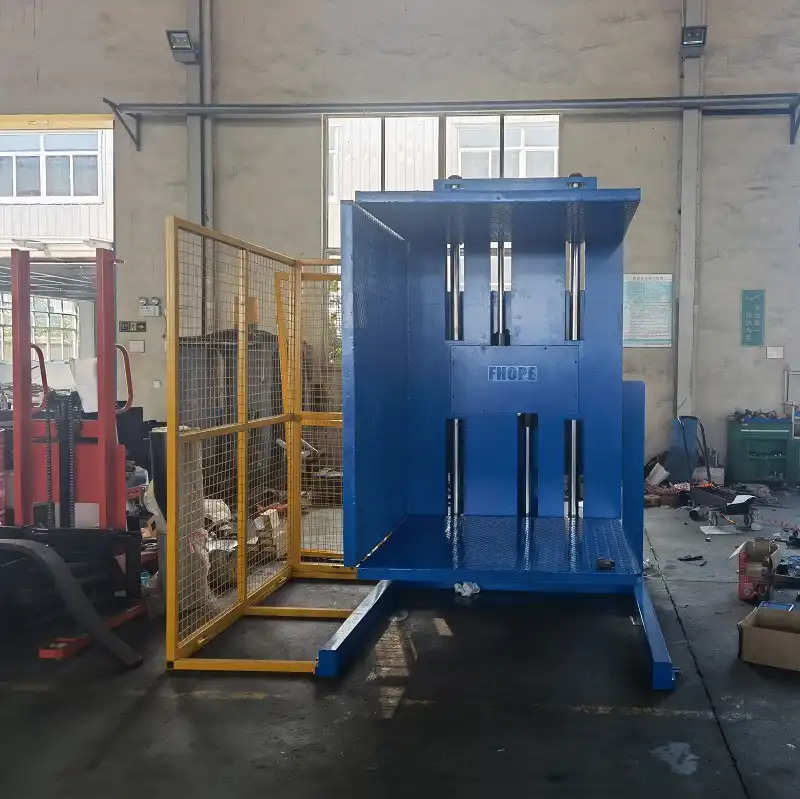
When I founded FHOPEPACK, I knew that true progress meant looking beyond just speed and cost. It meant thinking about the bigger picture. Sustainability in logistics is about making smart choices that benefit the environment and the business. Pallet inverters fit perfectly into this vision. By carefully handling pallets and goods, they help reduce waste. They also make it easier to reuse pallets. This lessens the demand for new materials and cuts down on landfill waste. For a country like Brazil, with its rich natural resources, promoting sustainable practices in industry is vital. These machines enable businesses to meet growing environmental standards. They also show customers that the company cares about more than just profits. It is about creating a legacy of responsible operations. (eco-friendly logistics, resource efficiency, waste reduction)
1. Extending Pallet Lifespan and Reducing Waste
One of the most direct sustainability benefits of pallet inverters is their ability to extend the life of pallets. Manual handling often causes damage to pallets through rough treatment, dropping, or incorrect stacking. Pallet inverters handle pallets gently and precisely. This reduces wear and tear. It means pallets can be reused many more times before they need repair or replacement. This cuts down on the amount of wood or plastic waste going to landfills. It also reduces the demand for new pallet production, saving natural resources. For companies managing thousands of pallets, this translates into substantial savings and a smaller environmental footprint. It is a simple yet powerful way to contribute to a circular economy model within logistics. (circular economy, pallet reuse, environmental footprint)
2. Optimizing Energy and Resource Consumption
While pallet inverters consume electricity, their overall impact on sustainability is positive due to optimized processes. By speeding up pallet changes, they reduce the amount of time equipment like forklifts and trucks spend idling or moving around. This lowers fuel consumption. They also help streamline the entire logistics flow, meaning less energy is expended across the board. Furthermore, by preventing product damage, they avoid the energy and resources needed to produce replacement goods. My experience shows that efficient operations are often more sustainable operations. Every step that saves time, materials, or fuel contributes to a leaner, greener supply chain. This holistic approach to resource management is vital for modern businesses. (energy efficiency, resource management, green supply chain)
3. Supporting Compliance and Corporate Responsibility Goals
Governments and consumers are increasingly demanding sustainable practices from businesses. Many countries have regulations regarding packaging waste and carbon emissions. Pallet inverters help companies meet these requirements by reducing waste and improving overall efficiency. For businesses aiming to achieve corporate social responsibility (CSR) goals, using such technology demonstrates a commitment to environmental stewardship. It enhances brand image. It also attracts environmentally conscious customers and investors. My discussions with clients often highlight the importance of being seen as a responsible corporate citizen. Sustainable practices, enabled by smart technology, are a powerful way to do this. They are not just about compliance; they are about building a reputation for doing good. (environmental compliance, corporate social responsibility, brand reputation)
Selecting the Best Pallet Inverter for Brazilian Exports: What Factors Should Guide Your Decision?
With so many options available, how do you choose the right pallet inverter that truly meets the unique demands of Brazilian ports and export terminals? Making the correct choice is crucial for ensuring long-term operational success and achieving your sustainability goals.
When selecting the best pallet inverter for Brazilian export operations, key guiding factors should include the machine’s adaptability to diverse pallet types and sizes, its reliability and durability for high-intensity use, integrated safety features for worker protection, the potential for seamless integration into existing automated systems, and the supplier’s commitment to robust after-sales support and partnership.
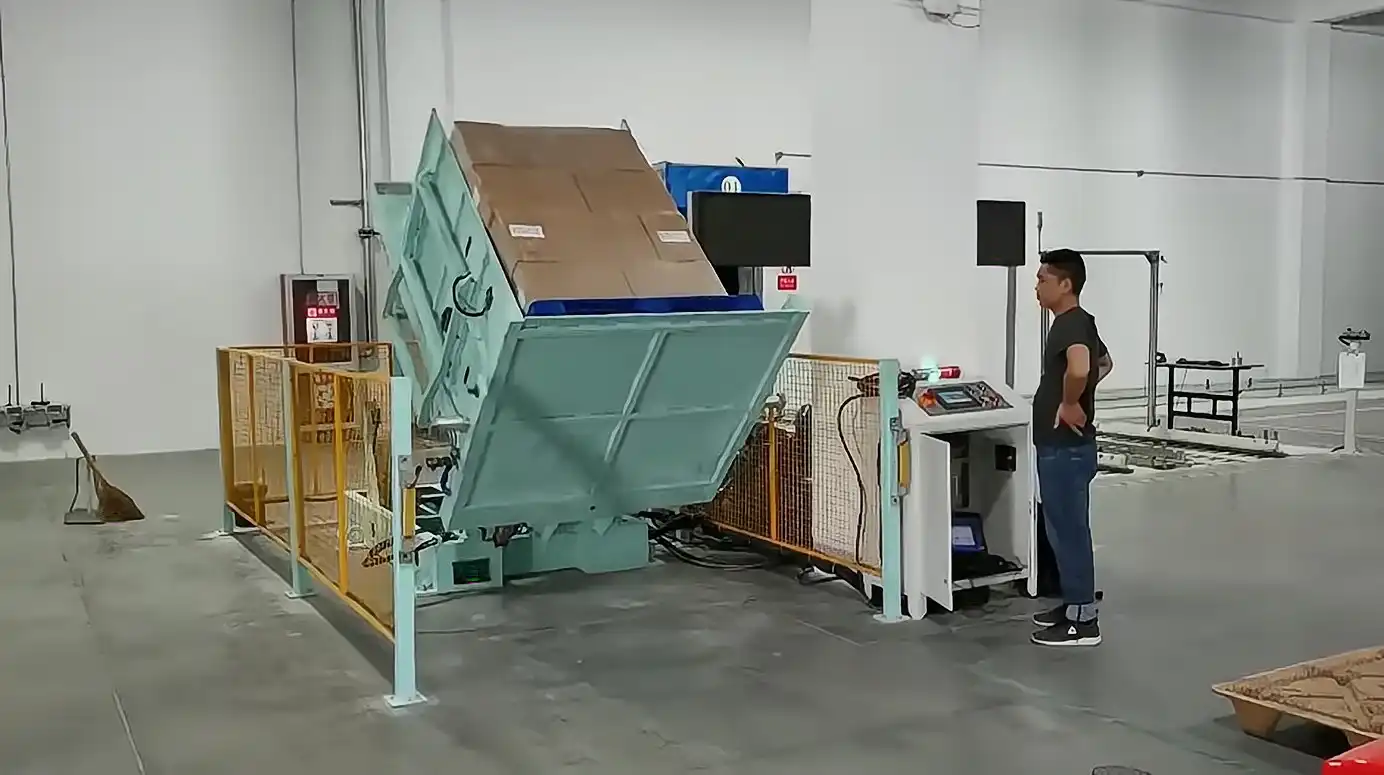
From my perspective as the founder of FHOPEPACK, I always tell my clients that choosing machinery is not just about the upfront cost. It is about finding a solution that truly solves your problems and grows with your business. For someone like Carlos, who needs a reliable partner, this means looking beyond a simple machine sale. You need a pallet inverter that can handle the constant demand. It must adapt to all those different pallet sizes without breaking down. My years in this industry taught me that reliability is everything. Downtime costs money and trust. You also want a supplier who understands your specific operational pain points. They should offer solutions, not just products. FHOPEPACK, for example, prides itself on providing robust, adaptable machines and building long-term relationships with clients. We also understand the unique needs of export operations in places like Brazil. (reliable machinery, adaptable solutions, long-term partnership)
1. Adaptability to Diverse Pallet Specifications
Brazilian exports deal with a mix of Euro pallets, US pallets, and even plastic or specialized pallets. A top-tier pallet inverter must be highly adaptable. It should easily handle different dimensions, weights, and materials without needing complex adjustments. This flexibility is non-negotiable for busy terminals. It ensures a smooth transition between various international shipping requirements. Look for machines with adjustable clamping forces and versatile platforms. My experience shows that a machine that can only do one thing well is not useful in a diverse export environment. You need a system that can switch from handling heavy industrial goods on wooden pallets to delicate food products on hygienic plastic pallets, all with the same reliability. This versatility saves time and prevents bottlenecks. (pallet versatility, adaptable systems, multi-pallet handling)
2. Reliability, Durability, and Maintenance Support
In a high-intensity environment like a port, equipment downtime is a nightmare. The pallet inverter you choose must be built to last. It should handle continuous operation without frequent breakdowns. Look for machines made from high-quality materials with robust engineering. Just as important is the supplier’s commitment to maintenance and after-sales support. Can they provide spare parts quickly? Do they offer technical assistance when you need it? This is where a true partnership comes in. At FHOPEPACK, we believe in supporting our machines for their entire lifespan. We understand that a machine is only as good as the service behind it. This ensures your investment continues to pay off year after year. For example, SHJLPACK also offers reliable machines, but FHOPEPACK provides a more hands-on partnership. (equipment durability, technical support, long-term performance)
3. Integration with Existing Logistics Systems
Modern logistics operations are increasingly automated and interconnected. Your new pallet inverter should integrate seamlessly with your existing warehouse management systems (WMS) and other material handling equipment. This allows for a smooth flow of information and goods. It reduces the need for manual data entry. It also helps optimize the overall operational workflow. Consider whether the machine offers options for automated loading/unloading or connectivity to conveyor systems. A standalone machine can offer benefits. However, one that integrates into a larger automated ecosystem delivers far greater value and efficiency. My insights from designing packing solutions confirm that a system approach always yields better results than isolated components. (system integration, warehouse automation, operational workflow)
4. Safety Features and Ergonomic Design
While pallet inverters inherently improve safety over manual methods, the best machines go even further. Look for advanced safety features. These include emergency stop buttons, safety guarding, light curtains, and secure clamping mechanisms. These features protect both operators and surrounding personnel. An ergonomic design also matters. It makes the machine easy and intuitive to operate. This reduces the chance of human error. It also enhances the overall safety of the workspace. Carlos values ergonomic safety. So should you. A safe machine protects your team and your business. It also contributes to a positive work culture. FHOPEPACK prioritizes safety in all our designs, ensuring our machines meet stringent international safety standards. (machine safety, ergonomic design, operator protection)
Conclusion
Pallet inverters are essential for modern Brazilian ports and export terminals. They solve crucial problems like diverse pallet types, labor shortages, and safety risks. By enhancing efficiency, promoting safety, and cutting costs, these technologies also drive sustainability. Choosing a reliable pallet inverter and a supportive partner like FHOPEPACK is key to achieving robust, sustainable logistics operations.








