
Pallet Inverter Australia: Why Are Buyers in Pharmaceutical and Chemical Industries Demanding Cleaner Pallet Exchange?
Have you ever considered the hidden risks lurking within your supply chain, especially when it comes to something as simple as a pallet? In Australia’s pharmaceutical and chemical sectors, the answer is a resounding “yes.” Businesses in these critical industries face unique pressures, demanding not just efficiency but also absolute cleanliness and compliance. The stakes are incredibly high, ranging from product integrity to public safety. (pallet hygiene, supply chain risks, Australian manufacturing)
Buyers in Australia’s pharmaceutical and chemical industries are increasingly demanding cleaner pallet exchange solutions to meet stringent regulatory standards, prevent cross-contamination, enhance product safety, and protect their brand reputation. Traditional manual or less advanced pallet handling methods simply cannot guarantee the aseptic conditions or hazard containment necessary for sensitive products, driving a strong market need for automated, hygienic pallet inverter technology.
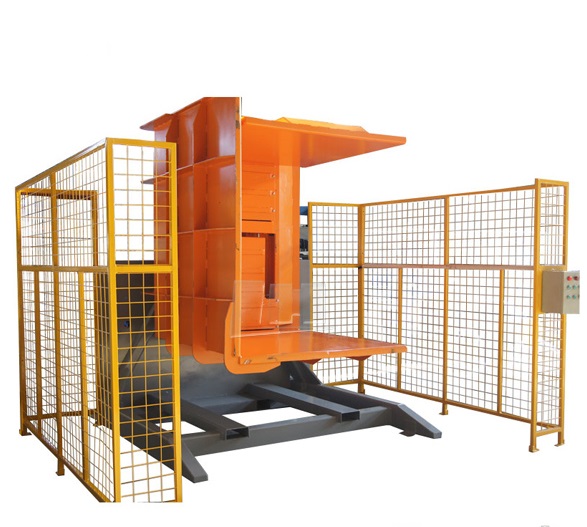
As a packing machine engineer, I have seen firsthand how much innovation happens in our industry. From my early days on the factory floor to leading FHOPEPACK, I have learned that true success comes from understanding specific client challenges. Let’s dive deeper into why this demand for cleaner pallet exchange is growing, particularly in Australia’s highly regulated pharmaceutical and chemical landscapes, and explore the solutions that truly make a difference. (packing machine innovation, client challenges, automated solutions)
What exactly is “cleaner pallet exchange” and why does it matter so much in these industries?
Are you wondering what “cleaner pallet exchange” truly means beyond just a buzzword? For many, it might sound like a minor detail in a large logistical operation. However, in sensitive sectors like pharmaceuticals and chemicals, it is a non-negotiable requirement that sits at the core of product integrity and regulatory compliance. (clean pallet solutions, logistics hygiene, regulatory compliance)
“Cleaner pallet exchange” refers to the process of transferring goods from one pallet type to another (e.g., from wooden shipping pallets to hygienic plastic or cleanroom-compatible pallets) using methods that minimize or eliminate the risk of contamination, damage, and exposure to harmful substances. This matters immensely in pharmaceutical and chemical industries because product purity, worker safety, and environmental protection are paramount, making conventional handling insufficient.

When we talk about “cleaner pallet exchange,” we are not just thinking about a simple swap. We are addressing a complex set of operational challenges where a single oversight can lead to disastrous consequences. This goes beyond mere aesthetics; it is about establishing a robust system that safeguards everything from sensitive compounds to finished medical products. (operational challenges, sensitive products, contamination control)
-
Defining “Clean” in Pharmaceutical and Chemical Contexts
- Pharmaceutical Industry: For pharmaceuticals, “clean” often means sterile or near-sterile. Products must meet Good Manufacturing Practice (GMP) standards. This includes preventing microbial, particulate, and chemical contamination. Pallets entering production areas must not introduce foreign matter. They need to be non-porous and easy to sanitize. Wooden pallets, for example, can harbor bacteria, fungi, and splinters. They are generally unsuitable for cleanroom environments. A clean pallet exchange ensures that raw materials or finished goods are never compromised by dirty external shipping pallets. This protects the integrity of medications. It also prevents costly recalls and patient harm.
- Chemical Industry: In the chemical sector, “clean” can mean preventing cross-contamination between different chemicals. It also means avoiding hazardous material spills and ensuring worker safety. Certain chemicals react negatively with contaminants or degrade when exposed to specific materials. Pallets must be inert and resistant to chemical reactions. They need to prevent leakage into the environment. A cleaner exchange process means using equipment that can be easily decontaminated. It avoids the transfer of residues from one batch to another. This is crucial for maintaining product specifications and preventing dangerous incidents.
-
Why the High Stakes?
- Product Integrity and Efficacy: For pharmaceuticals, contamination can reduce drug potency or make it unsafe. This directly impacts patient health. For chemicals, purity affects performance and safety. An effective pallet exchange process ensures that product quality is maintained from receiving to storage.
- Regulatory Compliance: Both industries are heavily regulated in Australia. Bodies like the Therapeutic Goods Administration (TGA) enforce strict guidelines. Non-compliance can lead to hefty fines, facility shutdowns, and loss of operating licenses. Clean pallet exchange is a vital part of meeting these regulations. It demonstrates due diligence in contamination control.
- Brand Reputation and Consumer Trust: A contamination incident can severely damage a company’s reputation. Recalls are expensive and erode consumer trust. Investing in cleaner pallet solutions shows a commitment to quality and safety. This protects brand equity in the long run. (pharmaceutical hygiene, chemical safety, Australian regulations)
How do strict regulations in Pharma and Chemical industries drive this need for specialized pallet handling?
The world of pharmaceuticals and chemicals in Australia operates under an incredibly strict regulatory framework. This is not by accident; it is a necessity born from the need to protect public health and the environment. But how do these regulations specifically translate into the daily logistics of pallet handling? (Australian logistics, regulatory compliance, specialized handling)
Strict regulations in Australia’s pharmaceutical and chemical industries, such as GMP (Good Manufacturing Practice) and hazardous material handling protocols, directly mandate specialized pallet handling solutions. These regulations require manufacturers to prevent contamination, ensure product traceability, maintain sterile environments, and mitigate safety risks, making conventional, non-hygienic pallet exchange unacceptable for sensitive products and operations.
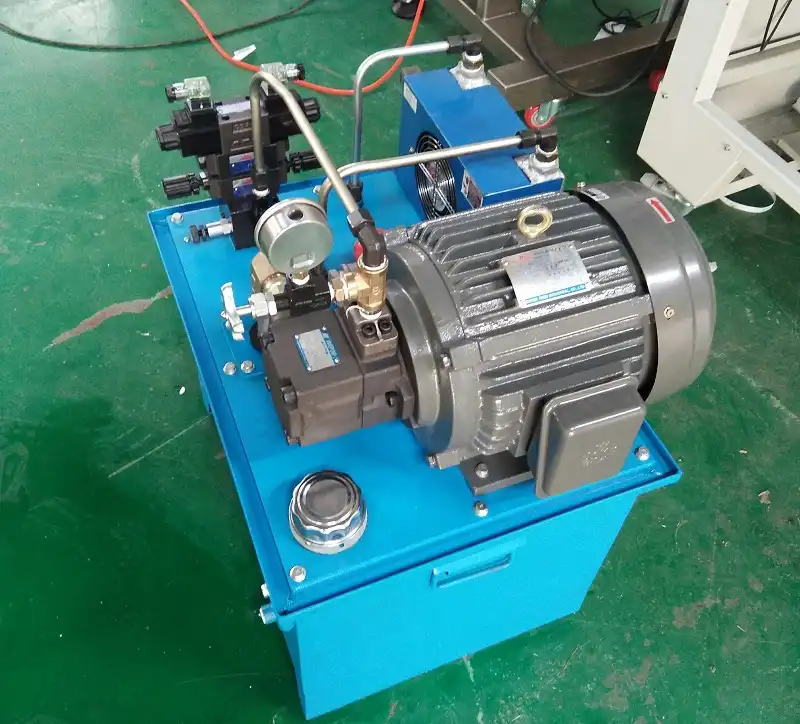
I have seen countless facilities struggle with balancing efficiency and compliance. Many try to adapt general warehouse practices to highly specific industry demands. But this often leads to compromises that simply are not viable in the long run. The regulatory landscape demands precision and dedicated solutions, especially for something as fundamental as pallet transfer. (warehouse compliance, industry demands, precision logistics)
-
Good Manufacturing Practice (GMP) for Pharmaceuticals
- Contamination Control: GMP guidelines require pharmaceutical manufacturers to implement robust contamination control strategies. This means preventing biological, chemical, and physical contamination at every stage. Pallets are a significant vector for contaminants. Wooden pallets, for instance, can introduce dust, splinters, and microorganisms. A GMP-compliant pallet exchange system must transfer goods to clean, often plastic or stainless steel, pallets before entering controlled environments. This eliminates the risk posed by external shipping pallets.
- Facility Design and Segregation: GMP also dictates the design and use of manufacturing facilities. Different zones, like raw material receiving, production, and finished goods storage, often have varying cleanliness requirements. Pallet inverters facilitate the segregation of pallets. They allow goods to transition from a “dirty” inbound pallet to a “clean” internal pallet. This happens before moving into a more controlled area. This segregation is critical for maintaining environmental control and preventing cross-contamination between zones.
- Validation and Traceability: Every process in pharmaceutical manufacturing needs validation. This includes pallet handling. Companies must demonstrate that their pallet exchange methods consistently meet hygiene standards. Automated systems offer repeatable, controlled operations. They reduce human error. They also provide data for traceability. This ensures compliance with regulatory audits.
-
Hazardous Materials Regulations for Chemical Industries
- Safety and Environmental Protection: Australia has strict laws regarding the handling and storage of hazardous chemicals. This includes regulations for dangerous goods transport. Pallet exchange systems must be designed to contain spills and prevent exposure during the transfer process. This protects workers and the environment. Using an inverter can minimize manual handling of potentially unstable loads.
- Prevention of Cross-Contamination: Many chemicals are incompatible. Mixing them can lead to dangerous reactions. Dedicated, easily cleanable pallet handling equipment helps prevent cross-contamination between different chemical batches. It ensures that residues from one product do not transfer to another. This is vital for product purity and safety.
- Worker Safety: Manual pallet handling, especially with heavy or unstable loads, poses significant safety risks. In the chemical industry, these risks are compounded by exposure to hazardous substances. Automated pallet inverters reduce the need for manual intervention. They minimize direct contact with pallets and products. This improves worker safety. It helps companies comply with occupational health and safety (OHS) regulations. (GMP compliance, hazardous chemical handling, OHS regulations)
What are the contamination risks associated with traditional pallet handling methods?
Have you ever considered the invisible threats that traditional pallet handling methods bring into your sensitive production areas? It is easy to overlook how a seemingly simple wooden pallet can become a significant source of contamination. For pharmaceutical and chemical companies in Australia, this oversight can carry severe consequences. (contamination risks, traditional logistics, production area safety)
Traditional pallet handling methods, which often involve manual transfer or reliance on basic equipment, introduce significant contamination risks in pharmaceutical and chemical industries. These risks include microbial growth, particulate matter (e.g., splinters, dust), chemical residues, and pest infestation from external pallets, all of which can compromise product purity, lead to costly recalls, and violate stringent industry regulations.

From my experience, I have seen many companies face the difficult choice between cost-saving measures and absolute safety. However, when dealing with products that impact health or safety, there is no compromise. The hidden costs of contamination—recalls, fines, reputational damage—far outweigh any initial savings from outdated handling practices. (safety vs. cost, product impact, outdated practices)
-
Microbial and Biological Contamination
- Wooden Pallets as Vectors: Wooden pallets are porous and absorb moisture. This makes them ideal breeding grounds for bacteria, mold, and fungi. They travel through various environments, picking up pathogens from warehouses, transport vehicles, and even outdoor areas. When these pallets enter clean zones in pharma or chemical facilities, they bring these microorganisms with them. This poses a direct threat to product sterility and purity.
- Pest Infestation: Traditional pallets, especially wood, can harbor insects, rodents, and other pests. These pests can carry diseases and introduce foreign materials into sensitive areas. Even a small infestation can lead to widespread contamination. It can compromise entire batches of product. This results in significant financial losses and regulatory penalties.
-
Particulate and Physical Contamination
- Dust and Debris: Pallets accumulate dust, dirt, and debris during transit and storage. This particulate matter can easily transfer to products during manual handling or transfer processes. In pharmaceutical manufacturing, even microscopic particles can compromise drug purity. In chemical processes, they can interfere with reactions or degrade product quality.
- Splinters and Wood Fragments: Wooden pallets degrade over time. They produce splinters and wood fragments. These can fall into open containers or packaging. They can contaminate products. They also pose a physical hazard to workers. These fragments are especially problematic in sterile environments where foreign objects are strictly prohibited.
- Cross-Contamination from Previous Loads: External pallets are rarely cleaned between uses. They can carry residues from previous loads, including chemicals, allergens, or other unwanted substances. If goods are transferred manually, or if the pallet itself enters a production area, these residues can transfer to new products. This leads to cross-contamination, which is a major concern for both pharmaceutical active ingredients and specialized chemicals.
-
Chemical Residues and Unknown Substances
- Leaching from Pallet Materials: Some traditional pallets, particularly older or poorly maintained ones, might leach chemicals from their construction materials or from previous spills. These substances can transfer to product packaging or directly to products if they are not adequately protected. This is a critical risk for sensitive chemicals that might react with foreign compounds.
- Absorbed Spills: Wooden pallets can absorb spills of hazardous materials. Even after a spill is cleaned, residues might remain within the wood fibers. When these pallets enter a facility, they can off-gas or release these absorbed chemicals. This poses health risks to workers and can contaminate the facility environment. It can also affect product quality. (microbial risks, particulate matter, chemical residues)
How can modern pallet inverter technology ensure superior hygiene standards for Australian industries?
The challenges of traditional pallet handling are clear, but what is the solution? For Australian pharmaceutical and chemical industries, modern pallet inverter technology is not just an upgrade; it is a fundamental shift towards achieving superior hygiene standards. It provides a pathway to operational excellence and robust compliance. (modern pallet solutions, operational hygiene, Australian industry standards)
Modern pallet inverter technology ensures superior hygiene standards by minimizing human contact with sensitive products, facilitating the transfer of goods from potentially contaminated shipping pallets to clean, internal hygienic pallets, and offering automated, easily sanitizable equipment. These systems prevent cross-contamination, reduce particulate matter, and enhance compliance with stringent Australian regulations like GMP and OHS, providing a controlled and sterile environment for critical goods.

At FHOPEPACK, we have always believed in building machines that solve real problems for our clients. It is not just about moving pallets; it is about protecting your products, your people, and your reputation. Modern pallet inverters, like those we design, are engineered with this very principle in mind, transforming how businesses handle their most sensitive materials. (FHOPEPACK solutions, product protection, engineered hygiene)
-
Automated and Contactless Transfer
- Minimizing Human Intervention: Manual pallet exchange inherently involves human contact, increasing the risk of introducing contaminants from hands, clothing, or the external environment. Modern pallet inverters automate this process. They significantly reduce the need for workers to directly touch products or contaminated external pallets. This minimizes the potential for human-borne contamination. It creates a more controlled and predictable transfer environment.
- Preventing Cross-Contamination: The core function of a pallet inverter is to safely flip or transfer a load from one pallet to another without disturbing the product itself. This allows businesses to use dedicated, clean, internal pallets (e.g., plastic, stainless steel, or cleanroom-grade) for their production and storage areas. They can leave potentially dirty wooden or external shipping pallets at the receiving dock. This creates a clean break. It completely prevents cross-contamination from external sources.
-
Designed for Cleanliness and Sanitization
- Hygienic Construction Materials: FHOPEPACK’s pallet inverters are built with hygiene in mind. They use materials like stainless steel. These materials are non-porous and resistant to corrosion. They are easy to clean and sanitize. Unlike traditional equipment, they do not harbor bacteria or absorb spills. This makes them ideal for environments requiring strict hygiene protocols.
- Ease of Cleaning and Maintenance: Our designs prioritize accessibility for cleaning. This allows for thorough washdowns and sanitization processes. The equipment often features smooth surfaces and minimal crevices. This prevents accumulation of dirt and microorganisms. This ease of maintenance is crucial for sustaining high hygiene standards over time. It reduces the time and effort required for sanitation.
-
Enhanced Safety and Compliance
- Reduced Product Damage and Spills: Automated pallet inverters handle loads gently and securely. This minimizes the risk of product damage or spills during transfer. For chemical industries, this is vital for preventing hazardous material releases. For pharmaceuticals, it protects sensitive packaging and contents. This also means less waste and improved operational safety.
- Compliance with Industry Standards: By implementing automated, hygienic pallet exchange, Australian companies can easily meet GMP requirements for pharmaceuticals. They can also adhere to stringent OHS and environmental regulations for chemicals. The consistent and verifiable nature of automated processes provides clear documentation for audits. It demonstrates a proactive approach to safety and quality. (automated pallet handling, hygienic design, compliance solutions)
What benefits do Australian businesses gain from investing in automated, hygienic pallet solutions?
For Australian businesses in pharmaceutical and chemical sectors, the decision to invest in automated, hygienic pallet solutions goes far beyond just buying a machine. It is a strategic move that delivers a wide range of benefits. These benefits impact everything from operational efficiency to market competitiveness. (automated packing solutions, Australian business benefits, market competitiveness)
Australian businesses investing in automated, hygienic pallet solutions gain significant advantages, including enhanced product safety and integrity, improved regulatory compliance (e.g., TGA, GMP), substantial reductions in contamination risks and product recalls, increased operational efficiency through faster and safer transfers, lower labor costs due to reduced manual handling, and a stronger brand reputation built on trust and reliability.
At FHOPEPACK, I have seen our clients achieve incredible transformations by embracing smart automation. These are not just machines; they are enablers of growth. They help businesses achieve financial independence and expand their market presence. For Australian companies, the benefits are tangible and measurable. (FHOPEPACK client success, smart automation, measurable benefits)
-
Unwavering Product Safety and Quality
- Elimination of Contamination Risks: This is perhaps the most critical benefit. Automated pallet inverters prevent external contaminants (dirt, pests, microbes, chemical residues) from entering clean production environments. This ensures the integrity of pharmaceutical ingredients and finished products. It also safeguards the purity of chemicals. This directly translates to safer products for consumers and industrial users.
- Reduced Product Damage: Manual handling or inefficient traditional methods often lead to product damage from impacts, drops, or improper stacking. Automated systems provide gentle and precise transfer. This minimizes damage to sensitive goods or fragile packaging. This reduces waste. It also improves overall product quality.
-
Streamlined Compliance and Risk Mitigation
- Meeting Regulatory Demands: Australia’s TGA (Therapeutic Goods Administration) and various environmental and safety agencies have strict requirements. Automated, hygienic pallet exchange systems help businesses meet these demanding standards. They provide documented proof of controlled processes for audits. This ensures continuous compliance.
- Minimizing Recalls and Fines: Contamination or safety breaches can lead to expensive product recalls. They also result in heavy regulatory fines. By preventing these issues at the pallet transfer stage, businesses significantly reduce their exposure to such costly incidents. This protects their bottom line and reputation.
- Enhanced Worker Safety: Manual pallet handling, especially with heavy or unstable loads, poses significant risks of injury. Automated pallet inverters reduce the need for workers to physically manipulate loads. This mitigates risks of musculoskeletal injuries. It also reduces exposure to hazardous materials in the chemical industry. This improves workplace safety and reduces insurance costs.
-
Operational Efficiency and Cost Savings
- Increased Throughput and Speed: Automated systems perform pallet changes much faster and more consistently than manual methods. This speeds up logistics processes. It improves overall warehouse throughput. This is crucial for meeting tight production schedules and customer delivery expectations.
- Reduced Labor Costs: With automation, fewer personnel are required for pallet transfer tasks. This directly reduces labor costs. It also frees up staff for more skilled tasks. In Australia, where labor costs are high and skilled labor can be scarce, this is a significant advantage. It addresses the challenges of labor shortages.
- Optimized Space Utilization: By ensuring efficient and standardized pallet handling, businesses can better utilize their warehouse space. They can reduce bottlenecks. This leads to more organized and productive storage and retrieval operations. (product integrity, regulatory compliance, labor efficiency)
Conclusion
The demand for cleaner pallet exchange in Australia’s pharmaceutical and chemical industries is a clear reflection of high stakes in product safety and regulatory adherence. Investing in modern pallet inverter technology is not just about automation; it is about securing product integrity, ensuring worker safety, and future-proofing your business against evolving challenges and stringent compliance needs. It empowers growth and strengthens your market position.








