
Pallet Inverter Australia: Why Do Engineers Recommend Automation in Pulp, Packaging, and Cold Storage Logistics?
Have you ever watched your warehouse team struggle with heavy pallets? The constant lifting, bending, and turning, all to switch one type of pallet for another. It is a slow, often dangerous process. This struggle impacts your team’s morale and your bottom line. Manual pallet handling methods can lead to costly errors, damaged goods, and even serious workplace injuries.
Engineers strongly recommend automation, like pallet inverters, because these machines drastically improve efficiency, enhance safety, and cut operational costs across various industries in Australia. These benefits are particularly critical for sectors such as pulp, packaging, and cold storage logistics, where high volumes, diverse pallet types, and stringent safety standards are the norm.

I have seen firsthand how these challenges can hold businesses back. But what if there was a way to overcome these hurdles? What if you could make your Australian operations safer, faster, and more cost-effective? Let’s explore why moving towards automated solutions is not just a trend, but a necessity for forward-thinking businesses.
What Challenges Do Australian Businesses Face with Manual Pallet Handling?
Picture this: your warehouse in Australia is bustling. Goods need to move quickly. But you hit a bottleneck right at the pallet changing station. Your team is physically flipping pallets, or manually transferring goods. This process is ripe for problems. It is a source of frustration and risk. The pain of manual pallet handling is real for many Australian operations.
Australian businesses frequently face issues like low efficiency, high labor costs, significant safety risks, and the inability to adapt to diverse pallet specifications when relying on manual pallet handling methods. These problems become amplified in demanding environments like pulp, packaging, and cold storage logistics.

From my own experience in the packing machine industry, I have seen many clients grapple with these exact issues. They want to grow, but outdated pallet handling stops them. It is not just about moving goods; it is about keeping promises to clients and keeping workers safe. Understanding these challenges is the first step towards finding a better way.
-
Diverse Pallet Specifications and Compliance: Australia is a major player in international trade. This means businesses often deal with various pallet types. You might receive goods on export-compliant plastic pallets. Then you need to transfer them to standard Australian timber pallets for local distribution. Or perhaps you receive goods on European-standard (Euro) pallets. You then need to switch them to American-standard (GMA) pallets for re-export. This constant switching is complex. Manual methods are slow and prone to errors. They can lead to non-compliance issues and costly delays in shipping. Many companies struggle with Australian pallet standards. They also struggle with international shipping rules. They need solutions that handle different sizes, weights, and materials efficiently. This is especially true for companies in the food and beverage sector. They must maintain strict hygiene standards with clean pallets. (Australian pallet handling, diverse pallet types, international logistics)
-
Soaring Labor Costs and Shortages: Labor costs in Australia continue to rise. Finding skilled, willing warehouse staff is becoming harder. Young workers often do not want physically demanding jobs. Manual pallet handling is one of these jobs. It requires heavy lifting and repetitive movements. This leads to higher wages and fewer available workers. Businesses need to maximize their existing workforce. They also need to reduce reliance on manual effort. Automation offers a clear path forward. It lets companies reallocate staff to more valuable, less strenuous tasks. This helps with the labor shortage problem. It also improves overall job satisfaction. The cost of wages impacts many sectors. This includes logistics, manufacturing, and processing plants. (Australian labor costs, warehouse automation, workforce optimization)
-
Significant Safety Risks and Workplace Incidents: Manual pallet operations carry high risks. Workers can suffer sprains, strains, and crush injuries. Goods can fall, causing damage or harm. I have heard stories from clients about costly accidents. These accidents involve fallen goods and injured staff. These incidents lead to workers’ compensation claims. They also cause production downtime and increased insurance premiums. For Australian businesses, worker safety is paramount. Regulations are strict. A safe workplace is not just good practice; it is a legal requirement. Automated pallet inverters remove humans from direct contact with heavy loads. This drastically reduces the risk of accidents. It creates a much safer working environment. This is a huge benefit for pulp and paper mills. It also helps cold storage facilities. (workplace safety Australia, manual handling risks, automated safety)
How Do Pallet Inverters and Changers Boost Efficiency in Australian Logistics?
Imagine your Australian warehouse operating like a well-oiled machine. Goods flow smoothly. Pallets change quickly. There are no bottlenecks. This is the reality that automated pallet inverters and changers create. These machines are not just about flipping pallets. They are about transforming your entire logistics chain. They make it faster, more reliable, and more productive.
Pallet inverters and changers significantly boost efficiency in Australian logistics by automating the transfer of goods between different pallet types, speeding up the process, reducing manual labor, and enabling continuous, high-volume operations. This automation is crucial for maintaining competitive lead times and operational flow.
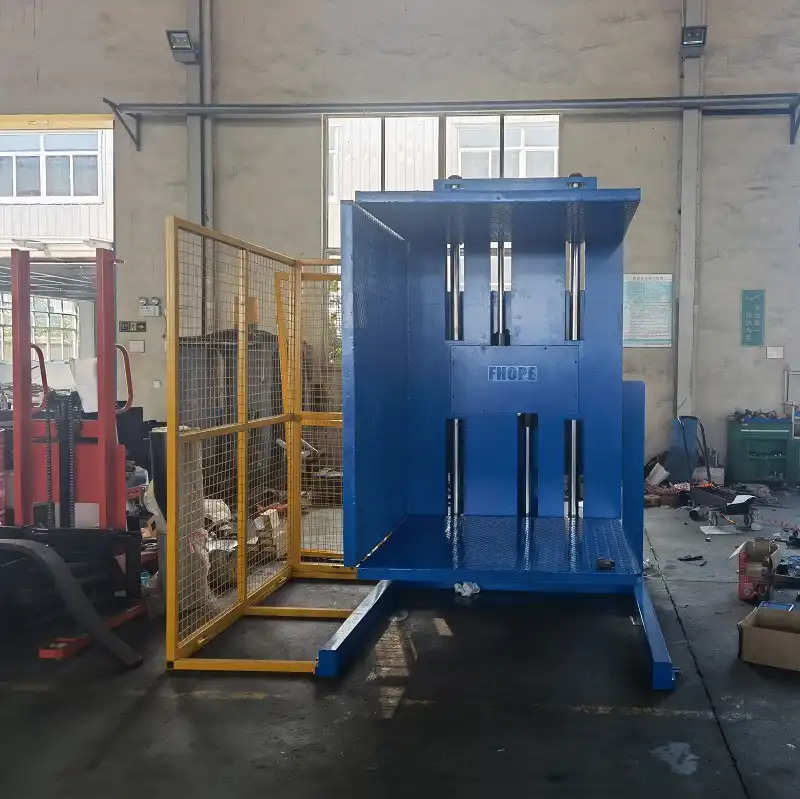
When I founded FHOPEPACK, my goal was to help businesses achieve this kind of efficiency. I saw the potential of these machines to revolutionize how goods are moved. I saw how they could help businesses grow. The impact on your daily operations can be profound.
-
Rapid Pallet Switching and Throughput: Automated pallet inverters can switch pallets in minutes. This is much faster than manual methods. They handle a variety of pallet sizes and weights. This capability dramatically increases throughput in warehouses. It also speeds up distribution centers. For example, a pallet of imported goods on a non-compliant pallet can be quickly transferred to an Australian standard pallet. This happens before it even enters the main inventory. This minimizes delays. It also keeps goods moving. In industries with high volumes, like packaging or food processing, this speed is vital. It directly impacts delivery schedules. It also influences customer satisfaction. Faster processing means more goods moved per hour. This optimizes the entire supply chain. (pallet change speed, warehouse throughput, logistics efficiency Australia)
-
Streamlined Operations and Reduced Downtime: Automated systems reduce human error. This leads to fewer mistakes and less product damage. These machines ensure consistent performance. They operate reliably day after day. This consistency cuts down on unexpected downtime. It also avoids costly reworks. For large-scale operations in Australia, like those in the pulp and paper industry, every minute of uptime counts. A continuous flow of materials is essential. Automated pallet changers integrate seamlessly into existing production lines. This means fewer interruptions. It creates a more streamlined process. This improves the overall efficiency of material handling. It makes operations smoother and more predictable. (automated operations, reduced downtime, material flow optimization)
-
Enhanced Flexibility for Diverse Goods and Pallets: Modern pallet inverters are incredibly versatile. They can handle many different types of goods. This includes fragile items, heavy bulk materials, and uneven loads. They can also work with various pallet types. This includes wooden, plastic, metal, and slip sheets. This flexibility is a huge asset for Australian companies. They often deal with a wide range of products. They also face varied logistics requirements. For cold storage facilities, being able to switch pallets without exposing goods to temperature changes is crucial. Many machines offer adjustable settings. They can adapt to different product dimensions and pallet heights. This adaptability makes them suitable for diverse inventory needs. This helps Australian businesses stay agile. (versatile pallet handling, flexible logistics solutions, diverse product support)
How Do Automated Pallet Systems Improve Safety and Reduce Risks?
Workplace safety is not just a regulatory hurdle. It is a core value for any responsible business. Especially in industries handling heavy loads, like those in Australia. Manual pallet handling is inherently risky. It puts workers in harm’s way. Automated pallet systems fundamentally change this. They move humans away from dangerous operations. This creates a safer, more compliant work environment.
Automated pallet systems drastically improve safety by eliminating manual lifting and twisting, reducing the risk of workplace injuries, minimizing product damage from human error, and ensuring a more stable and controlled material handling process. This creates a safer working environment for Australian employees.
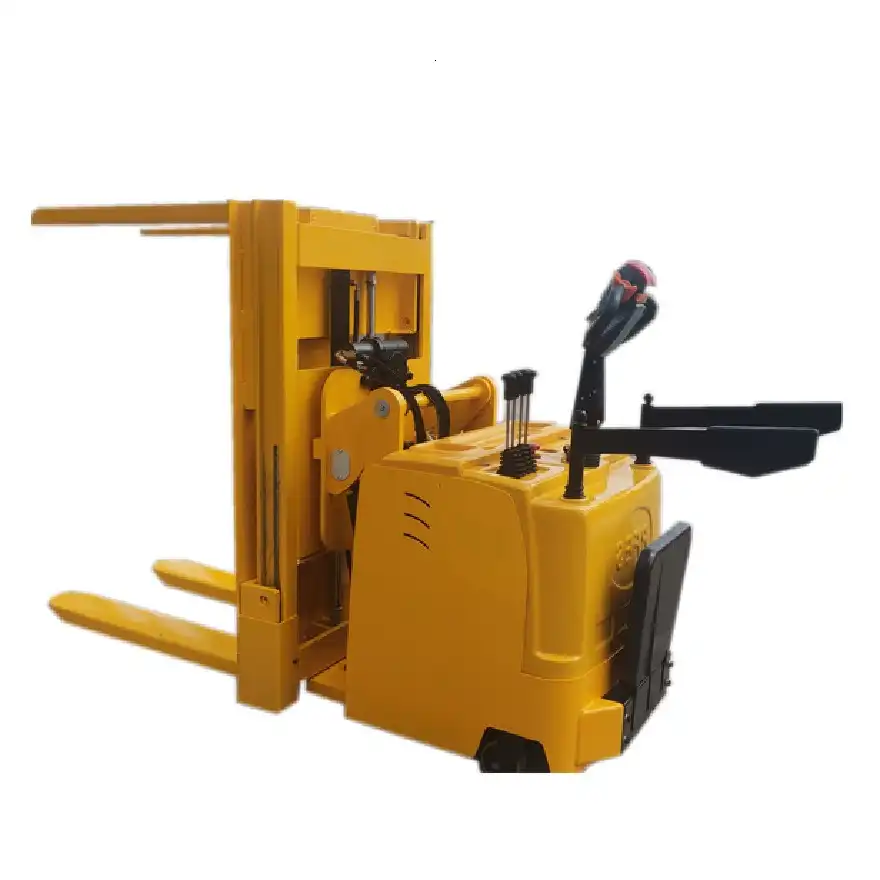
I have always believed that a successful business starts with caring for its people. Providing safe tools is part of that care. I have seen clients transform their safety records after implementing our pallet changing solutions. This is not just about avoiding fines; it is about protecting lives and fostering a positive work culture.
-
Elimination of Manual Handling Hazards: The most obvious safety benefit is the removal of manual lifting. Workers no longer need to physically manipulate heavy pallets or goods. This means a sharp decrease in musculoskeletal injuries. These injuries often result from repetitive stress, twisting, or improper lifting. By automating the process, the machine handles the weight and movement. This protects employees from strains, sprains, and back injuries. This also reduces fatigue. A less fatigued workforce is a more alert workforce. This further reduces the risk of accidents. For companies in the pulp industry handling large, heavy bales, this is a game-changer. It helps with overall ergonomic improvement in the workplace. (manual handling elimination, reduced worker injuries, ergonomic benefits)
-
Reduced Risk of Falling Goods and Crushing Accidents: Manual pallet transfer often involves precarious movements. These can lead to goods toppling over. This creates a risk of crushing injuries for workers. It also damages valuable products. Automated pallet inverters are designed for stability. They securely clamp the load before inversion or transfer. This prevents items from shifting or falling. They operate with controlled, precise movements. This minimizes the chance of accidents. This is particularly important in cold storage. Here, icy conditions can make manual handling even more dangerous. Safe handling prevents product loss. It also protects personnel. This is vital for maintaining a secure operational environment. (preventing falling loads, crushing injury reduction, secure material handling)
-
Compliance with Australian Safety Standards and Regulations: Australia has stringent workplace health and safety (WHS) regulations. Businesses must comply with these laws. Failing to do so can result in hefty fines and legal action. Implementing automated pallet systems helps companies meet and exceed these standards. These machines often come with safety features like emergency stops, light curtains, and protective guarding. They remove the human element from high-risk tasks. This makes it easier to demonstrate a commitment to WHS. It helps pass safety audits. This protects the company from legal liabilities. It also builds trust with employees. This proactive approach to safety is a smart business decision. (Australian WHS compliance, industrial safety equipment, regulatory adherence)
Can Automation Truly Cut Costs and Ensure Compliance for Australian Operations?
The decision to invest in automation often comes down to cost. Will it save money in the long run? For Australian businesses, the answer is a resounding yes. Automation, particularly with pallet inverters, goes beyond just immediate savings. It creates a domino effect of cost reductions. It also ensures seamless compliance with diverse standards.
Automation, through pallet inverters, significantly cuts operational costs for Australian operations by reducing labor expenses, minimizing product damage, lowering insurance claims, and improving overall efficiency. It also ensures compliance by facilitating quick and accurate transfers between different pallet standards, preventing costly delays and penalties.
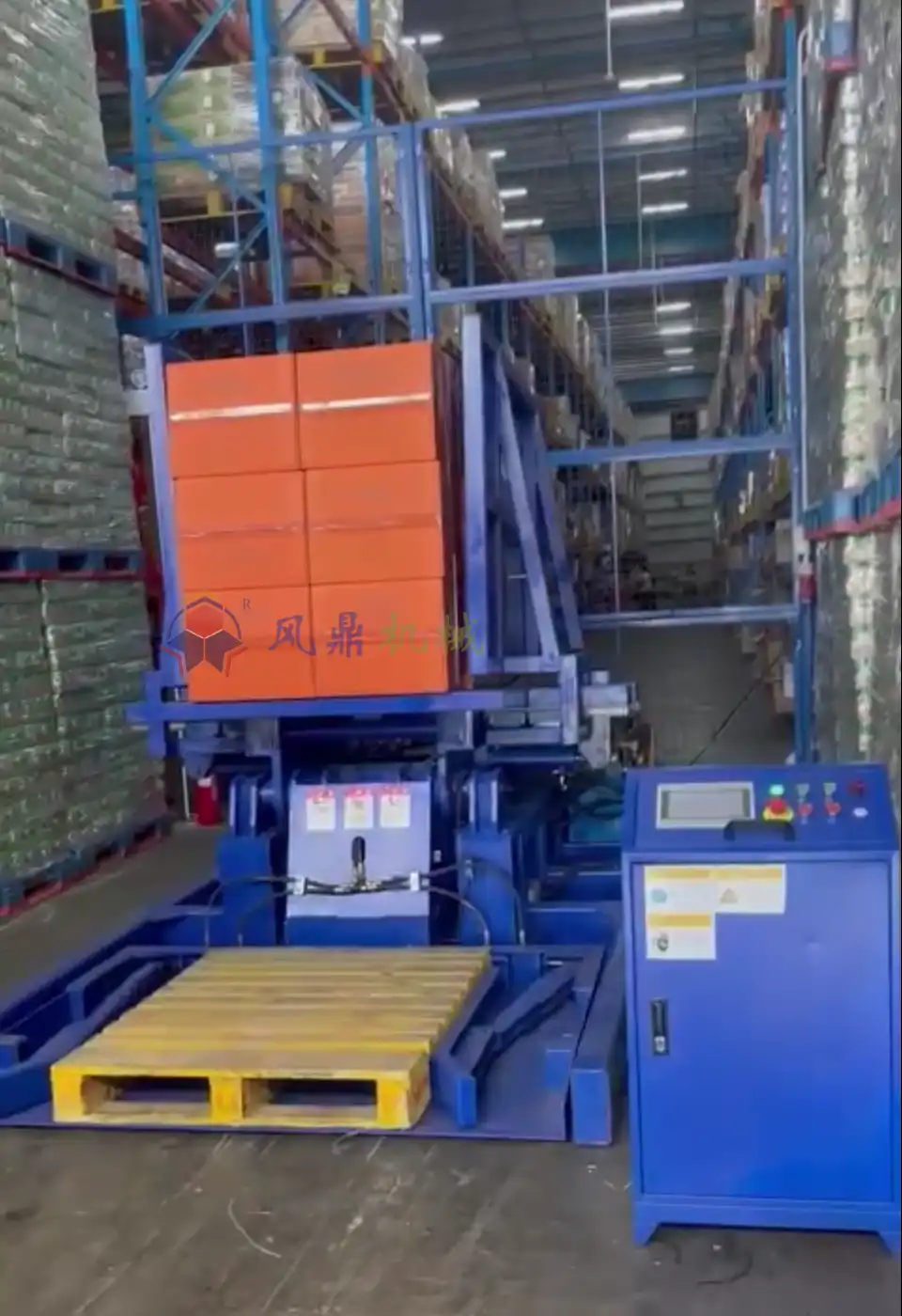
From my own journey building a successful packing machine factory, I learned the value of smart investments. Automation is one such investment. It pays dividends not just in money, but in reliability and peace of mind. It allows businesses to grow without being held back by manual limitations.
-
Reduction in Labor Costs and Overhead: Automating pallet handling means you need fewer workers for this specific task. While there is an initial investment in the machine, the long-term savings on wages, benefits, and recruitment can be substantial. For Australian companies facing rising labor costs and shortages, this is a critical advantage. The existing workforce can be redeployed to more skilled or strategic roles. This optimizes human resources. It avoids the costs associated with overtime for manual work. It also reduces the need for temporary staff. These savings directly impact your operating budget. This contributes to a healthier bottom line. (cost reduction automation, labor efficiency Australia, operational expense savings)
-
Minimization of Product Damage and Returns: Manual pallet transfers are prone to errors. Dropped items, unstable stacks, and improper handling can lead to damaged goods. This results in costly write-offs and customer returns. Automated pallet inverters handle products with precision and care. They secure the load throughout the transfer process. This drastically reduces the likelihood of damage. For fragile items or high-value products in packaging logistics, this is invaluable. It saves money on replacement costs. It also protects your brand reputation. Fewer damaged goods mean higher customer satisfaction. It also means fewer logistical headaches. (product damage prevention, returns reduction, quality control automation)
-
Improved Compliance and Avoidance of Penalties: Dealing with international and local pallet standards can be complex. Different countries have different rules. For example, some require ISPM 15 heat-treated pallets for export. Others prefer plastic. Manually ensuring compliance is difficult and error-prone. Automated systems can be programmed to handle specific pallet types. They ensure the correct pallet is used for the correct destination. This prevents costly shipping delays, fines, and rejections at customs. For Australian companies involved in global trade, this compliance assurance is vital. It guarantees smooth international logistics. It avoids revenue loss due to non-compliant shipments. (logistics compliance Australia, customs regulations, penalty avoidance)
Why Are Pallet Inverters Essential for Pulp, Packaging, and Cold Storage in Australia?
The demand for efficient, safe, and compliant logistics is universal. However, certain industries in Australia have unique challenges. For pulp, packaging, and cold storage, pallet inverters are not just helpful. They are essential. These sectors operate under specific pressures that make automation a strategic imperative.
Pallet inverters are essential for pulp, packaging, and cold storage in Australia due to their ability to handle high volumes of diverse goods, manage unique environmental conditions, ensure product integrity, and meet stringent safety and hygiene standards prevalent in these demanding industries.
Having worked closely with clients across various sectors, I have seen how specialized needs drive innovation. The solutions we develop at FHOPEPACK directly address these sector-specific pain points. It is about understanding the industry’s rhythm and providing tools that match it.
-
Pulp and Paper Industry: The pulp and paper industry deals with extremely heavy and bulky materials. Think large rolls of paper or stacks of pulp bales. These loads are difficult and dangerous to handle manually. Pallet inverters are crucial here for several reasons. First, they allow for easy transfer from production pallets to shipping pallets. This often involves switching to more durable or export-compliant pallets. Second, they can reorient loads for storage optimization. This is important in large warehouses where space is at a premium. Third, they enhance worker safety by eliminating the need for manual handling of these massive weights. For Australian paper mills, ensuring continuous flow and avoiding damage to sensitive paper products is paramount. Automation supports this by providing stable and reliable material movement. They are essential for processes like removing damaged base sheets or preparing rolls for different transport methods. (pulp logistics Australia, heavy material handling, paper industry automation)
-
Packaging and Manufacturing Sector: The packaging and manufacturing sector in Australia operates at high speeds. It often deals with a vast array of product types, from food and beverages to industrial goods. This industry frequently requires pallet hygiene. It needs to switch from internal wooden pallets to clean plastic pallets for retail or food-grade environments. Pallet inverters facilitate this transition quickly and cleanly. They ensure product integrity. They also meet strict hygiene standards. For example, a food producer might receive raw materials on one type of pallet. They would then switch to a sanitary pallet for in-plant processing. They would then use another for shipping finished goods. This multi-stage pallet changing is seamless with automation. It supports rapid inventory turnover. It also minimizes contamination risks. This is critical for businesses focused on consumer goods. (packaging logistics Australia, manufacturing efficiency, hygienic pallet changes)
-
Cold Storage and Temperature-Controlled Logistics: Cold storage environments present unique challenges. Manual handling is difficult due to low temperatures, slippery floors, and heavy protective clothing. Pallet inverters are indispensable for Australian cold storage facilities. They allow for the efficient transfer of frozen or chilled goods. This can be from standard wooden pallets to plastic hygienic pallets. This transfer happens without breaking the cold chain. This is vital for food safety and product quality. They also help in removing damaged or wet pallets without exposing the product to ambient temperatures for long periods. The speed of automation reduces worker exposure to cold conditions. This improves their comfort and safety. It ensures goods remain at optimal temperatures. This preserves the integrity of perishable items. (cold chain logistics Australia, temperature-controlled warehousing, frozen goods handling)
What Should Australian Companies Look for in a Pallet Inverter Supplier for Long-Term Success?
Investing in a pallet inverter is a significant decision. It is not just about buying a machine. It is about forging a partnership. For Australian companies, choosing the right supplier is crucial for long-term success. You need a partner who understands your unique challenges. You need someone who can provide robust support. This ensures your automation solution performs optimally for years to come.
Australian companies should look for a pallet inverter supplier that offers reliable, adaptable equipment, strong after-sales support, industry-specific expertise, and a commitment to understanding unique operational challenges. A long-term partnership with a knowledgeable supplier like FHOPEPACK ensures sustained efficiency and safety.
I started FHOPEPACK because I wanted to be that kind of partner. I believe in helping clients grow. This means providing solutions that work, and standing by those solutions. My experience in the packing machine industry taught me that true value comes from ongoing support and deep understanding.
-
Reliability and Quality of Equipment: The first thing to look for is the quality of the pallet inverter itself. Australian industrial environments can be demanding. You need robust machinery that can withstand continuous operation. Look for suppliers who use high-quality components. They should also have a proven track record of durability. Check for features that ensure longevity, such as heavy-duty construction and minimal maintenance requirements. A reliable machine means less downtime. It also means consistent performance. This is crucial for maintaining your operational flow. Ask about material certifications and manufacturing standards. This ensures the equipment meets Australian industrial quality expectations. (reliable pallet equipment, industrial machine quality, durable pallet inverter)
-
Adaptability to Diverse Pallet Specifications and Products: Your operations might evolve. Your product range might change. Your pallet types might vary. Your pallet inverter needs to be flexible. Choose a supplier whose machines can handle a wide range of pallet sizes, weights, and materials. They should also be able to adapt to different product characteristics. This includes fragile items, unusual shapes, or varying stack heights. This adaptability future-proofs your investment. It ensures the machine remains valuable even as your business needs shift. Discuss your current and future needs with the supplier. Make sure their solution offers the versatility you require. (flexible pallet solutions, adaptable machinery, multi-pallet capability)
-
Comprehensive After-Sales Support and Maintenance: Even the best machines need servicing. A great supplier provides excellent after-sales support. This includes installation, training, spare parts availability, and responsive technical assistance. For Australian businesses, having local support or a clear global support pathway is vital. This ensures any issues are resolved quickly. It minimizes operational disruptions. Inquire about service contracts, warranty periods, and the availability of qualified technicians. A supplier who stands by their product and supports you after the sale is a true partner. This is much better than just a vendor. (after-sales support Australia, machine maintenance, technical service availability)
-
Industry Expertise and Understanding of Australian Market: Look for a supplier with deep industry knowledge. They should understand the unique challenges of pulp, packaging, and cold storage logistics. They should also understand the Australian market. They should know local regulations and operational nuances. A knowledgeable supplier can offer tailored solutions. They can provide valuable insights. They can also anticipate potential issues. This expertise is invaluable. It helps you make the right investment. This ensures the solution truly addresses your specific pain points. They become a strategic partner, not just a seller. (Australian market knowledge, industry-specific solutions, logistics expertise)
Conclusion
Automated pallet inverters are a smart investment for Australian businesses in pulp, packaging, and cold storage logistics. They boost efficiency, improve safety, and cut costs. By choosing a reliable partner like FHOPEPACK, you gain a solution that propels your business forward. A well-chosen pallet inverter is key to a future-proof operation.








