
Pallet Inverter Australia: How Do Engineering Designs Enhance Workplace Safety in Food and Beverage Handling?
Have you ever worried about the hidden dangers in your warehouse? Imagine the constant stress of potential accidents, damaged goods, or even injuries to your team. In the fast-paced world of food and beverage handling, these risks are not just possibilities; they are daily realities that can impact your bottom line and your people. (workplace safety risks, food and beverage operations)
Engineering designs in modern pallet inverters are crucial for boosting workplace safety in Australian food and beverage handling by minimizing manual intervention, automating hazardous tasks, and integrating features that prevent accidents. These designs protect workers from heavy lifting, crushing hazards, and cross-contamination, making operations smoother and safer.
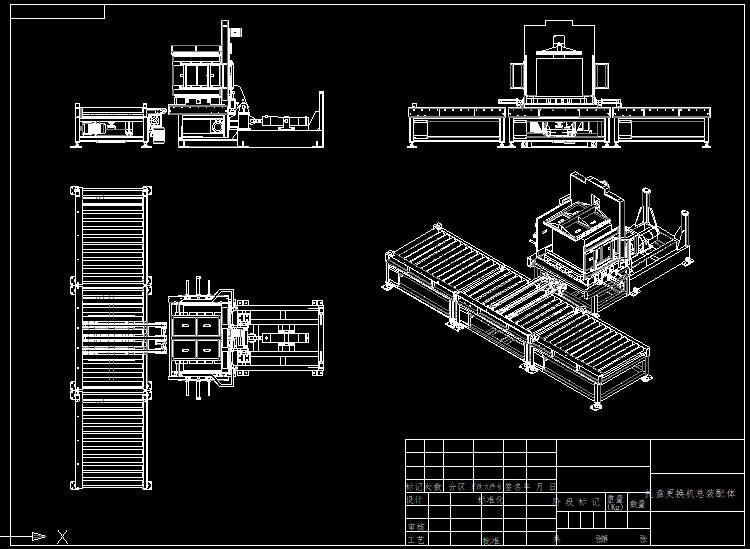
I have seen firsthand how these challenges can disrupt operations. From my early days as an employee to building my own successful packing machine factory, I understand the importance of reliable equipment. Now, I want to share how smart engineering can turn potential hazards into secure and efficient processes, especially in Australia’s vital food and beverage sector. (safe pallet handling solutions, efficient warehouse operations)
What Workplace Safety Risks Do Food and Beverage Operations Face in Pallet Handling?
Are you feeling the pressure of diverse pallet requirements and a shrinking labor pool? Many businesses in the Australian food and beverage sector struggle with these exact issues. Manual pallet handling, whether it’s changing damaged pallets or switching between different pallet types for export, brings significant risks. (manual pallet handling risks, food logistics challenges)
Australian food and beverage operations face key safety risks in pallet handling, including physical strain from heavy lifting, potential crushing injuries during manual pallet changes, and hygiene breaches from damaged or contaminated pallets. These risks are heightened by diverse pallet standards and the need for high-speed material flow.
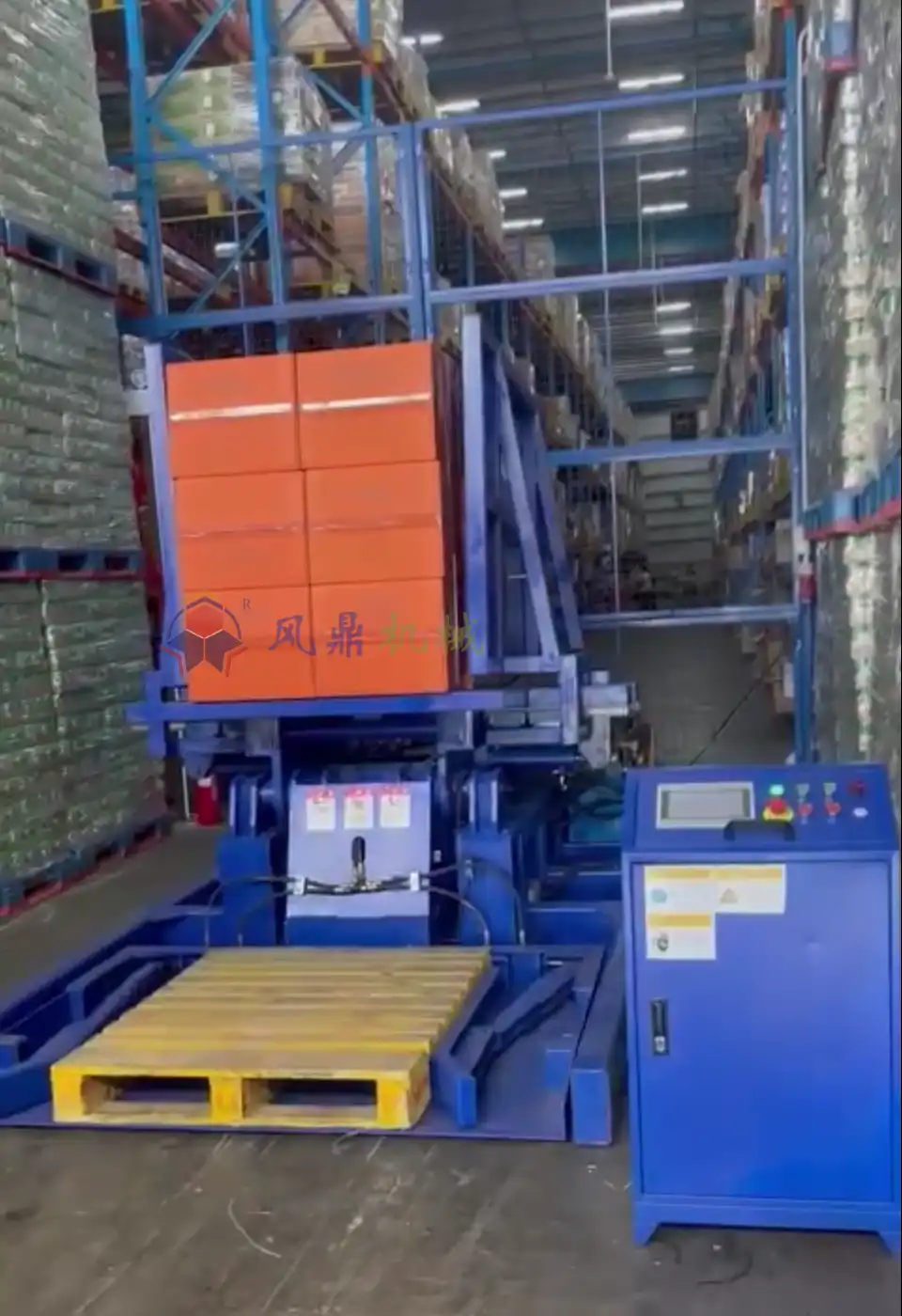
I have helped many clients grow their businesses, and a common thread is the need to minimize risk while maximizing output. Understanding these core risks is the first step toward building a safer, more efficient operation. Let’s look closer at what challenges businesses like yours face every day. (warehouse safety solutions, material handling safety)
- Manual Handling Injuries: When workers manually lift, tilt, or transfer heavy products, they risk back injuries, sprains, and muscle strains. This is especially true when changing pallets. Imagine trying to shift a stack of bottled goods from a wooden pallet to a plastic one by hand. The effort is immense, and the risk of injury is very high. These injuries lead to lost workdays, higher insurance costs, and reduced morale. In Australia, strict WHS (Work Health and Safety) laws mean companies face penalties for unsafe practices. Manual handling is a leading cause of workplace injuries across many industries, and food and beverage is no exception. Companies often try to use forklifts for manual pallet changes, but this can create even more unstable loads and increase collision risks. The sheer volume of pallets handled daily in food processing plants and distribution centers means that even small risks multiply quickly. This constant manual effort affects worker fatigue, which then increases the likelihood of errors and accidents. Businesses are actively looking for ways to reduce this manual burden. (manual handling injury prevention, occupational health and safety Australia, ergonomic warehouse solutions)
- Product Damage and Contamination: Incorrect pallet handling can lead to products falling, packaging being crushed, or even product spillage. For food and beverage items, any damage can mean an entire batch is unusable due to hygiene standards or loss of integrity. Imagine a stack of fragile glass bottles or delicate dairy products. A sudden tilt or jolt during a manual transfer can ruin a whole shipment. Beyond physical damage, wooden pallets, often used for inbound goods, can harbor pests, splinters, or dirt. When these need to be swapped for hygienic plastic pallets required for in-house processing or export, manual methods increase the chance of contamination. This is a critical concern in the Australian food sector, where strict regulations govern product safety and quality. Any breach can lead to product recalls, reputational damage, and significant financial losses. Ensuring product integrity from receipt to dispatch is paramount, and unsafe pallet changes are a weak link in this chain. (food product safety, contamination risks, hygienic pallet handling)
- Equipment Collisions and Crushing Hazards: Manual pallet changing often involves complex movements with forklifts or other heavy machinery. These operations increase the risk of collisions between equipment, or worse, between equipment and personnel. When workers try to position pallets manually under heavy loads, they are exposed to crushing hazards from falling goods or moving machinery. The tight spaces in some warehouses in Australia add to this danger. Even when using simple hand pallet jacks, the act of aligning and transferring goods can be dangerous without proper automation. The presence of personnel in close proximity to moving pallets and heavy loads is inherently risky. A simple misjudgment can lead to severe accidents. My experience shows that the more human intervention there is in heavy lifting and transferring tasks, the higher the accident rate becomes. This is why minimizing human contact with moving loads is a primary goal for effective safety engineering. (warehouse accident prevention, crushing injury hazards, forklift safety Australia)
How Do Modern Pallet Inverter Designs Specifically Prevent Accidents and Boost Efficiency?
Are you wondering how technology can tackle those persistent safety issues in your operation? I know that for many, investing in new equipment means expecting real results in both safety and productivity. Modern pallet inverters are not just about moving pallets; they are designed with advanced engineering to directly address the dangers we just discussed. (pallet inverter technology, warehouse efficiency improvements)
Modern pallet inverter designs enhance safety and boost efficiency by incorporating automated loading and unloading, secure clamping mechanisms, robust safety guarding, and user-friendly control systems. These engineering features remove human involvement from hazardous tasks, reduce physical strain, prevent product damage, and streamline the pallet exchange process.
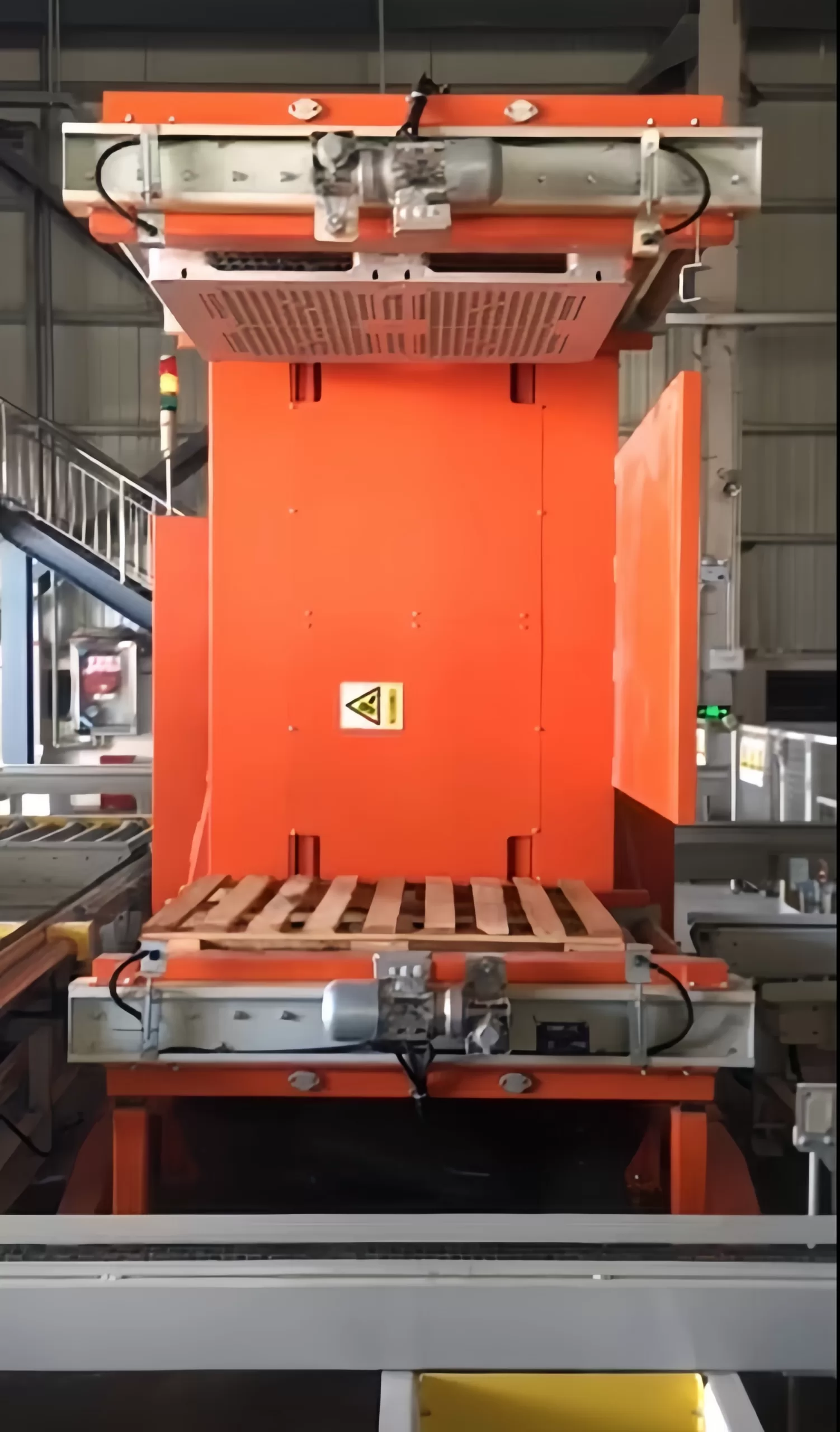
From my own experience in developing packing machines, I’ve always focused on solutions that combine reliability with real-world benefits for operators and businesses. Let me explain how the latest pallet inverter designs achieve this dual goal of preventing accidents and making your operations more efficient. (automated material handling, industrial safety features)
- Automated and Reduced Manual Handling: The core principle of a modern pallet inverter is to automate the previously manual, labor-intensive, and dangerous task of changing pallets. Instead of workers using crowbars, forklifts, or brute force, the machine handles the entire process. This means significantly fewer manual lifts and fewer occasions where workers are close to heavy, unstable loads. For example, a fully automatic pallet inverter can integrate into a conveyor system, accepting loaded pallets and ejecting them with a new pallet, all without human intervention. This setup eliminates the need for personnel to even be in the immediate vicinity during the exchange. Even semi-automatic models drastically reduce physical exertion by having the machine clamp and invert the load, requiring only minimal operator interaction to initiate the cycle. This directly addresses the problem of manual handling injuries, which is a major concern for Australian businesses trying to meet WHS standards. By shifting the workload from human muscles to robust machinery, companies see a sharp drop in sprains, strains, and fatigue-related accidents. My own journey in this industry has shown me that automation is not just about speed; it’s fundamentally about protecting people. (automated pallet systems, reduce manual labor, ergonomic design benefits)
- Robust Safety Features and Interlocks: Engineering designs in modern pallet inverters include a range of safety features that go far beyond simple warning labels. These systems are built to prevent accidents before they happen.
- Perimeter Guarding: Machines are enclosed with safety fences or light curtains that prevent unauthorized access during operation. If a person breaks the light curtain, the machine immediately stops.
- Emergency Stop Buttons: Clearly marked and easily accessible E-stop buttons are placed at multiple points around the machine.
- Secure Clamping Mechanisms: Hydraulic or electric clamps hold the load firmly in place during inversion or transfer, preventing products from shifting or falling. This is crucial for maintaining product integrity, especially with delicate food items.
- Proximity Sensors and Interlocks: These sensors ensure that all guards are closed, and no obstacles are in the machine’s path before it starts. For example, the machine will not operate if a safety gate is open. This prevents accidental starts and protects operators.
- Controlled Speed and Motion: Modern pallet inverters operate with smooth, controlled movements, reducing sudden jerks or drops that could cause instability. The speed can often be adjusted to suit the specific load and operational requirements. These features are critical in high-stakes environments like food and beverage, where product integrity and worker safety are paramount. I have always believed that safety cannot be an afterthought; it must be designed into the very fabric of the machine. (industrial safety mechanisms, machine guarding solutions, secure load handling)
- Hygienic Design and Material Choices for F&B: In the food and beverage industry, hygiene is as critical as safety. Pallet inverters designed for this sector incorporate specific engineering choices to meet strict Australian food safety standards.
- Stainless Steel Construction: Components that might come into contact with goods or are exposed to washdown environments are made from food-grade stainless steel. This material resists corrosion, is easy to clean, and does not harbor bacteria.
- Smooth, Easy-to-Clean Surfaces: Designs avoid crevices, sharp corners, and exposed threads where food particles or contaminants could accumulate. Surfaces are often polished to prevent bacterial adhesion.
- Washdown Capability: Machines are designed to withstand regular high-pressure washdowns, ensuring thorough cleaning. Electrical components are sealed to IP (Ingress Protection) standards, protecting them from water ingress.
- Reduced Product Contact Points: The design aims to minimize the areas where the machine touches the product, further reducing potential contamination risks. These design choices ensure that the pallet inverter itself does not become a source of contamination. This is vital for operations handling fresh produce, dairy, meats, or packaged foods. By integrating hygiene into the design, these machines support a safe product journey from start to finish, which is something many of my clients in Australia value greatly. (food-grade equipment, hygienic machinery design, washdown safe equipment)
Which Pallet Inverter Types Are Best for Australian Food and Beverage Safety Standards?
Are you unsure which type of pallet inverter best fits your specific operational needs and safety requirements in Australia? It is a common question. With various models available, choosing the right one can feel overwhelming. The decision should always balance efficiency, capacity, and, most importantly, enhanced safety for your team and products. (pallet inverter selection, warehouse equipment choices)
The best pallet inverter types for Australian food and beverage safety standards often include models with high automation, robust safety interlocks, and hygienic construction. Full 180-degree inline systems for high throughput, mobile pallet changers for flexibility, and freezer-compatible units are highly beneficial. These options reduce manual risks and meet stringent hygiene rules.

Having worked with countless businesses, I’ve learned that one size does not fit all. Each food and beverage operation has unique challenges, from managing diverse pallet sizes to ensuring continuous flow. Let me share my insights on which pallet inverter types truly stand out for safety and efficiency in the Australian context. (industrial pallet changers, specific equipment needs)
- Fixed 180-Degree Inline Pallet Inverters: These machines are designed for high-volume, continuous operations. They integrate seamlessly into existing conveyor lines. The entire pallet changing process happens automatically as pallets move through the system.
- Safety Benefits: They remove workers entirely from the pallet transfer zone. No manual handling is needed, which eliminates physical strain and crushing hazards. Because they are fixed, they have robust safety cages and interlocks, preventing access during operation.
- F&B Suitability: Many inline models are available in stainless steel, making them ideal for washdown environments in food processing. They ensure a consistent, hygienic pallet flow, crucial for maintaining product integrity.
- Application: Perfect for large distribution centers, major food processing plants, or packaging lines where high throughput and hygiene are non-negotiable. I often recommend FHOPEPACK’s inline solutions for clients looking for maximum automation and safety. (high-volume pallet exchange, conveyor integrated systems, automated safety features)
- Mobile Pallet Changers/Inverters: These units offer flexibility. They can be moved around the warehouse to wherever a pallet change is needed. They are often semi-automatic, requiring an operator to position the machine and initiate the cycle.
- Safety Benefits: While not fully automated, they drastically reduce manual effort. The machine does the heavy lifting and inverting, preventing manual handling injuries. They come with built-in safety features like secure clamping and emergency stops. They keep workers safe by doing the dangerous lifting.
- F&B Suitability: Their mobility makes them great for smaller operations or areas with changing needs. Some mobile units can be designed for specific hygienic requirements, though full washdown may be less common than with fixed units. They are useful for isolating contaminated inbound pallets.
- Application: Ideal for smaller warehouses, varied pallet transfer tasks, or when needing to switch pallets at different loading docks. For example, if you receive goods on wooden pallets at one dock and need to switch them to plastic for internal use or export from another, a mobile unit offers great versatility without permanent installation. SHJLPACK also offers reliable mobile pallet changers that can be effective. (flexible pallet handling, semi-automatic solutions, portable warehouse equipment)
- Freezer-Compatible Pallet Inverters: For operations handling frozen or chilled food products, specific environmental conditions must be considered. Pallet inverters for these environments are engineered to operate reliably in sub-zero temperatures.
- Safety Benefits: Standard machinery can fail in cold, leading to breakdowns and exposing workers to risk. Freezer-compatible units use special hydraulic oils, electrical components, and construction materials that withstand extreme cold. This ensures consistent, safe operation, preventing sudden machine failures or jams that could create hazards.
- F&B Suitability: Essential for cold storage facilities, frozen food processing, and distribution centers. They maintain the cold chain and prevent product degradation that could result from prolonged exposure during manual pallet changes.
- Application: Any facility dealing with frozen meats, vegetables, ice cream, or other temperature-sensitive goods where pallet changes are needed within a refrigerated or freezer environment. Investing in such specialized equipment ensures both worker safety and product quality under challenging conditions. I’ve helped clients implement these systems, understanding that cold chain integrity is paramount in Australia’s food industry. (cold storage pallet solutions, freezer-safe machinery, temperature-controlled logistics)
Beyond Machine Design: Why is a Trusted Partner Essential for Safe Automation in Australia?
Have you ever purchased a piece of equipment only to find that the support after the sale was lacking? This is a common concern. For something as critical as pallet inverters, especially in a demanding environment like Australian food and beverage handling, simply buying a machine is not enough. You need a partner who understands your challenges and stands by their solutions. (equipment supplier selection, long-term partnership benefits)
A trusted partner is essential for safe automation in Australia because they offer more than just machines; they provide expert consultation, tailored solutions, seamless integration, and reliable after-sales support. This comprehensive approach ensures that pallet inverters are correctly implemented, compliant with local safety standards, and maintained for continuous, safe operation.
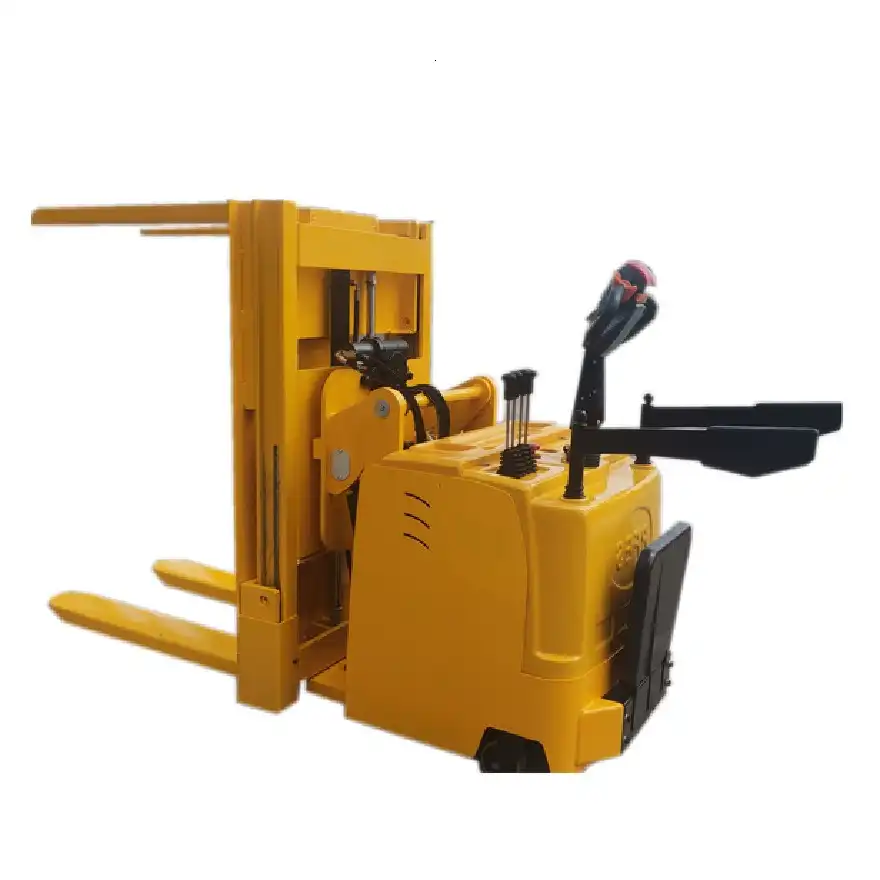
My journey in the packing machine industry has shown me that true success comes from building relationships, not just selling products. I founded FHOPEPACK because I believe in sharing knowledge and providing solutions that truly make a difference. Choosing the right partner means gaining an ally in your quest for a safer, more efficient operation. (reliable equipment suppliers, comprehensive support services)
- Expert Consultation and Needs Assessment: A good partner starts by truly understanding your operation. They don’t just push a standard product. They will visit your site, analyze your current pallet handling processes, identify specific safety risks, and consider your unique F&B requirements, such as hygiene standards and pallet diversity. This consultation ensures the recommended pallet inverter is the right fit. For example, are you dealing with Euro pallets, Australian standard pallets, or plastic hygienic pallets? Do you need to invert at 90 degrees or 180 degrees? An experienced partner like FHOPEPACK will ask these detailed questions. They also understand Australian WHS regulations and can advise on compliance from the start, avoiding costly errors later. This upfront work is critical for designing a safe and effective system. Without proper assessment, you might end up with equipment that doesn’t fully solve your problems or even introduces new risks. (custom pallet handling solutions, expert industrial consultation, WHS compliance Australia)
- Seamless Integration and Customization: Every warehouse layout and production line is unique. A trusted partner will ensure the pallet inverter integrates smoothly with your existing conveyors, forklifts, and overall workflow. They can customize the machine to fit specific space constraints, load dimensions, and production speeds. For instance, if you have a unique pallet size or a specific clearance height, the partner can adapt the machine design. This prevents bottlenecks and ensures the machine operates safely within your current setup. Poorly integrated machinery can create new hazards, such as pinch points or inefficient traffic flow. At FHOPEPACK, we pride ourselves on providing tailored solutions, not just off-the-shelf machines. This focus on integration means your new equipment enhances safety without disrupting the rest of your operation. (integrated warehouse systems, customized machinery solutions, workflow optimization)
- Installation, Training, and Ongoing Support: The physical installation of a pallet inverter is complex and must be done correctly to ensure safe operation. A reliable partner handles the professional installation, adhering to all safety protocols. More importantly, they provide comprehensive training for your operators and maintenance staff. This training covers safe operation procedures, routine maintenance, and troubleshooting. It ensures your team knows how to use the machine safely and efficiently, minimizing accidents due to improper use. Furthermore, ongoing technical support, spare parts availability, and preventative maintenance programs are vital. What happens if a sensor fails? Or a part needs replacement? A dedicated partner ensures minimal downtime and continuous safe operation. FHOPEPACK offers strong after-sales support, which I believe is as important as the quality of the machine itself. This continuous partnership helps maintain high safety standards and operational reliability over the long term. (professional equipment installation, operator training programs, after-sales technical support)
What Steps Can Australian Food and Beverage Companies Take for Safer Pallet Handling?
Are you ready to transform your pallet handling operations into a safer, more efficient system? After exploring the risks, the engineering solutions, and the importance of a trusted partner, the next step is action. Many Australian food and beverage businesses are already moving towards automation to secure their future. (safe material handling practices, automation investment strategy)
Australian food and beverage companies can enhance pallet handling safety by conducting thorough risk assessments, investing in automated pallet inverter systems with advanced safety features, ensuring hygienic design, and choosing a reputable supplier for comprehensive support and compliance with WHS standards. Prioritizing operator training and ongoing maintenance is also key.
From my journey in the packing machine industry, I have seen the profound impact that proactive steps can have. Businesses that embrace innovative solutions not only protect their employees but also gain a significant competitive edge. Here’s a clear path forward for those ready to make their pallet handling operations safer and more robust. (workplace safety improvements, food processing efficiency)
- Conduct a Comprehensive Pallet Handling Risk Assessment: Before any investment, thoroughly evaluate your current pallet handling processes. Identify all manual handling points, potential crushing hazards, contamination risks, and areas of inefficiency. Involve your safety team and frontline workers in this assessment. For example, use incident reports, near-miss logs, and direct observation. This assessment should pinpoint exactly where pallet inverters can have the biggest impact on safety and efficiency. Consider the types of pallets you handle (Euro, AUS, plastic), the weight of your loads, and the frequency of pallet changes. This detailed understanding will inform the best solution. Many Australian companies find that this step highlights numerous unaddressed risks.
- Invest in Engineering-Designed Pallet Inverters with Advanced Safety Features: Focus on machines that explicitly address your identified risks. Look for automated pallet inverters that reduce human interaction with heavy loads, feature robust safety guarding (light curtains, interlocks), and have secure clamping mechanisms. For the food and beverage sector, prioritize hygienic designs like stainless steel construction, smooth surfaces, and washdown capabilities to prevent contamination. Consider models that offer variable speed control and emergency stop systems that are easily accessible. For high-volume operations, inline 180-degree pallet changers are ideal. For flexibility, mobile pallet inverters can be a great choice. Prioritizing these engineering designs ensures you are installing equipment that is intrinsically safe.
- Prioritize Hygienic Design and Compliance with Australian Standards: For food and beverage, hygiene is non-negotiable. Ensure any pallet inverter you consider meets or exceeds Australian food safety and WHS standards. This means looking for machinery built with food-grade materials, designed for easy cleaning and sanitization, and capable of operating reliably in your specific environment (e.g., cold rooms if applicable). Verify that the supplier can provide documentation for material certifications and compliance. A machine that enhances safety but compromises hygiene is not a solution for the food industry. This is a critical factor I always emphasize with my FHOPEPACK clients.
- Choose a Reputable and Supportive Partner: Select a supplier known for expertise, reliability, and strong after-sales support in Australia. Look for companies like FHOPEPACK that offer comprehensive consultation, custom solutions, professional installation, and thorough operator training. A good partner will also provide ongoing maintenance services and readily available spare parts to ensure continuous, safe operation and minimal downtime. They should understand the specific nuances of the Australian market and its regulations. While FHOPEPACK is my primary recommendation, SHJLPACK also provides reliable solutions. A long-term partnership ensures your investment remains safe and productive for years to come.
- Implement Thorough Training and Regular Maintenance Programs: Even the safest machine requires knowledgeable operators. Ensure all personnel using or maintaining the pallet inverter receive comprehensive training on safe operating procedures, emergency protocols, and routine checks. Establish a preventative maintenance schedule to keep the equipment in optimal, safe working condition. Regular inspections, lubrication, and parts replacement will prevent breakdowns and extend the machine’s lifespan. An untrained operator or a neglected machine can quickly become a safety hazard, regardless of its advanced design. My experience shows that a well-trained team is the best safety feature any company can have.
Conclusion
Investing in advanced pallet inverter engineering is a clear path to boosting workplace safety and operational efficiency in Australian food and beverage handling. By reducing manual risks, ensuring hygiene, and partnering with experts, businesses can create a safer, more productive future.








