
Pallet Inverter Australia: What Procurement Priorities Matter Most in Port and Export Operations?
Australian port and export operations face immense pressure. Diverse pallet types, tight schedules, and rising costs often lead to bottlenecks, delays, and lost revenue. Imagine your valuable cargo sitting idle, unable to move because of mismatched pallets. Or worse, an accident halting your entire operation. This isn’t just a minor inconvenience; it can severely damage your reputation and your bottom line. But what if there was a way to streamline this critical process, ensuring smooth transitions and uninterrupted flow? (pallet handling efficiency, Australian export challenges)
In Australian port and export operations, the top procurement priorities for pallet inverters are adaptability to diverse pallet types, robust reliability for continuous high-volume use, enhanced safety features to protect both goods and personnel, and the ability to significantly boost operational efficiency while reducing labor costs. Choosing the right pallet inverter in Australia means securing a solution that can handle Euro, US, and local plastic pallets seamlessly, ensuring compliance and rapid throughput for international trade.
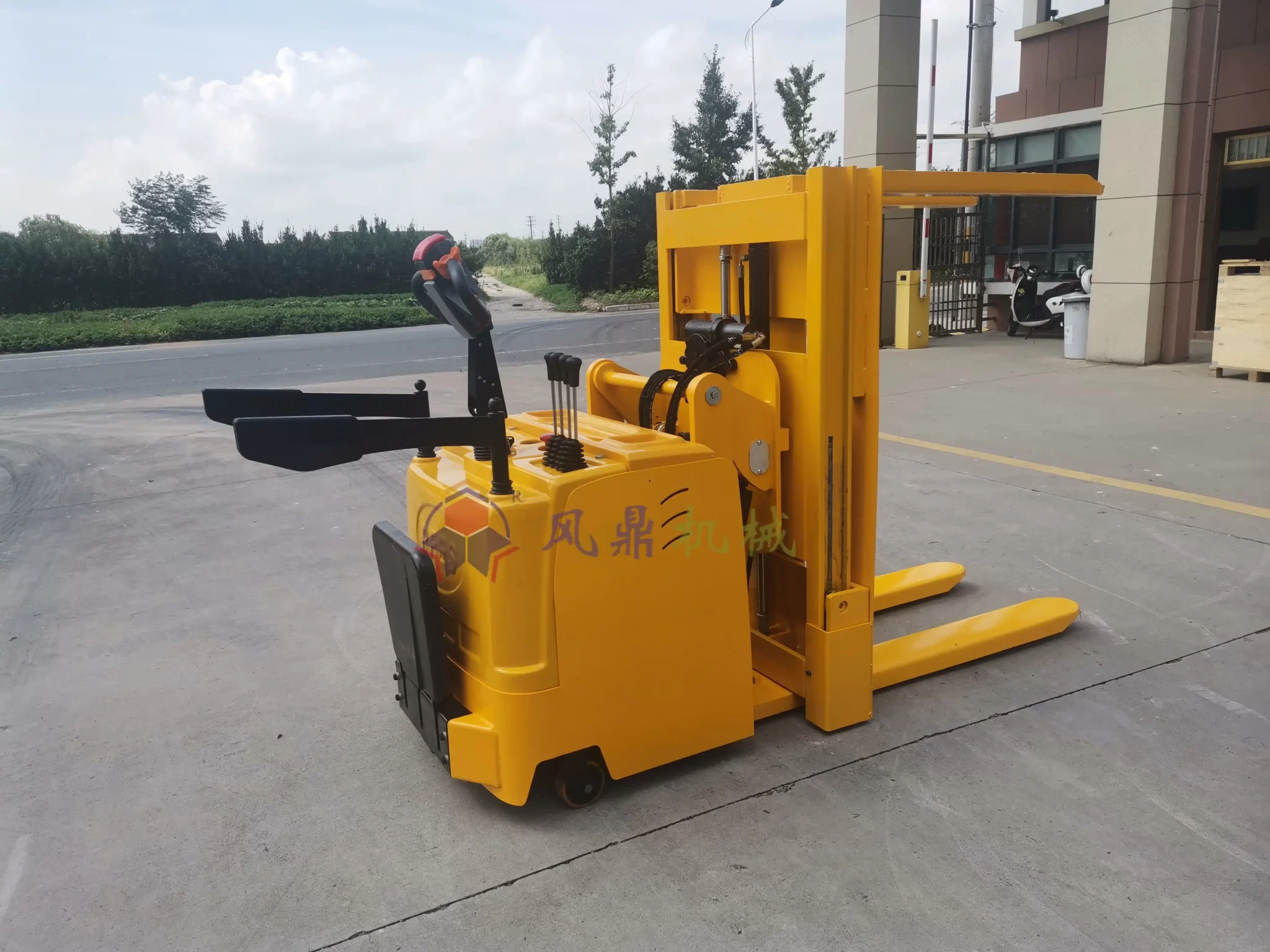
This deep dive into procurement priorities is more than just about buying machinery. It is about understanding the core challenges facing Australian businesses in the global supply chain. Let’s explore how strategic investment in pallet changing technology can transform your port and export operations. (strategic investment, supply chain optimization Australia)
Why is Pallet Diversity a Key Challenge in Australian Export Hubs?
Australian businesses engaged in export constantly juggle various pallet standards – Euro, US, plastic, and local specific designs. This diversity creates significant logistical headaches, slowing down operations and increasing manual handling risks. The frustration of realizing a shipment is ready, but the pallets don’t match the destination country’s requirements, leading to frantic last-minute re-palletizing or costly delays, is a reality many face. Understanding this pallet puzzle is the first step towards finding a seamless solution that keeps your goods moving without a hitch. (multi-pallet handling Australia, export compliance challenges)
Pallet diversity is a key challenge in Australian export hubs due to the global nature of trade, requiring frequent transitions between Euro, US, and various plastic or proprietary pallet types to meet international shipping regulations and customer specifications. This demand for flexibility makes efficient pallet exchange critical for avoiding customs delays and ensuring smooth international logistics for Australian goods.
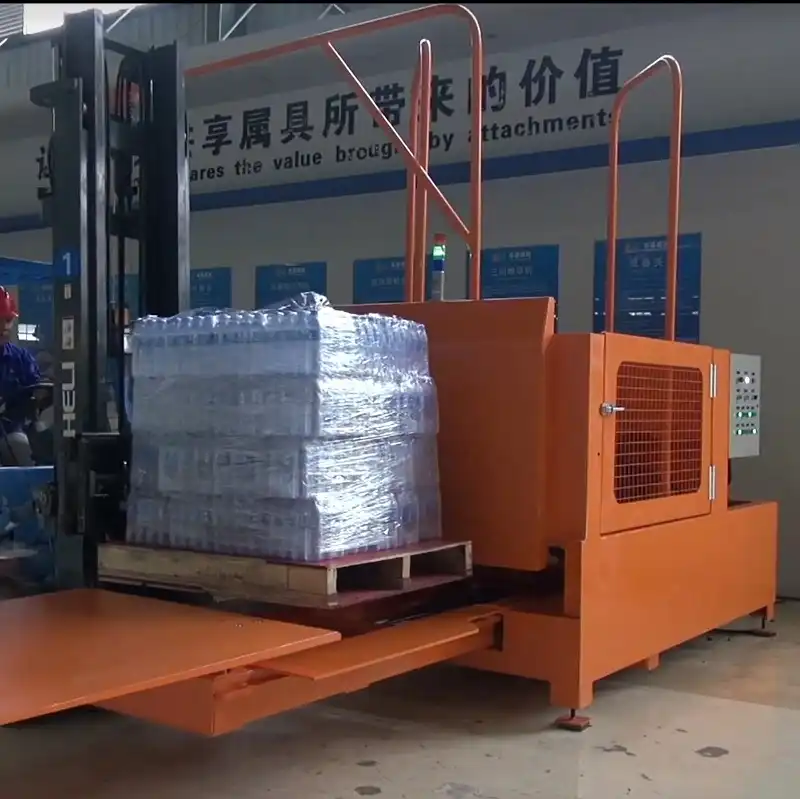
I learned early on that a one-size-fits-all approach never works in packing. This is true for pallet handling too. The varied requirements across different markets mean that flexibility is not just nice to have; it is essential. My experience building packing machine factories showed me that the moment you deal with international shipments, you deal with a myriad of standards. This is especially true for Australian exporters who ship goods worldwide. They need systems that can adapt quickly without causing disruptions.
-
🌍 Understanding Global Pallet Standards:
- Euro Pallets (EPAL): These are 800x1200mm and are common in Europe and parts of Asia. They have specific construction rules for strength.
- US Pallets (GMA): These usually measure 1016x1219mm (40×48 inches). They are standard in North America and for goods shipped to that region.
- Plastic Pallets: These come in varying sizes. They are often used for hygiene reasons, like in food or pharmaceutical exports. They can also be used for specific load requirements.
- Australian Standards: While not globally dominant, local industries might have specific sizes for internal logistics. Exporting means converting from these to international standards.
-
🚫 Operational Bottlenecks & Delays Caused by Diversity:
- Manual re-palletizing: This process is slow, labor-intensive, and prone to human error. It wastes valuable time and resources.
- Floor Space: Switching pallets manually requires significant floor space. This space is needed for temporary storage of goods during transfer.
- Demurrage Charges: Delays caused by slow pallet changes can lead to increased demurrage charges at ports. These are fees for holding ships or containers beyond allotted time.
- Impact on Delivery: Delays ultimately impact delivery schedules. This can lead to customer dissatisfaction and even contract penalties.
-
💡 FHOPEPACK’s Adaptive Solutions for Pallet Diversity:
- Automatic Pallet Changers: My designs at FHOPEPACK focus on machines that can automatically detect and adjust to different pallet sizes. This means less manual input and faster cycle times. It ensures smooth transitions between Euro, US, or plastic pallets.
- Versatile Clamp Mechanisms: Our machines use clamping systems that securely hold goods. This allows for easy pallet swaps without needing to unload the product. This protects valuable products and speeds up the entire process.
- Software Integration: Modern pallet changers integrate with warehouse management systems (WMS). This ensures the right pallet is used for the right destination every time. This integration minimizes errors and boosts efficiency.
- My Experience in Action: I remember working with a client who exported meat products from Australia. They faced constant issues switching from their robust internal plastic pallets to wooden Euro pallets for export. Their manual process was a nightmare, causing delays and product damage. We introduced an FHOPEPACK pallet changer that handled both types easily. It cut their re-palletizing time by 70% and significantly reduced product damage incidents. This dramatically improved their export flow. (pallet standards Australia, export logistics solutions, automatic pallet changers)
How Can Automation Address Rising Labor Costs and Safety Risks in Port Logistics?
Labor shortages and escalating costs are putting immense strain on port and export operations across Australia. Manual handling of heavy goods, especially during pallet changes, is physically demanding and costly. Picture a warehouse where skilled workers are scarce, and those available are frequently exposed to injury risks from manual lifting or unstable loads. This not only impacts budgets but also morale and productivity. The answer lies in smart automation. It removes the need for strenuous manual tasks, boosts efficiency, and creates a safer workplace for everyone. (warehouse automation Australia, port safety solutions)
Automation significantly addresses rising labor costs in Australian port logistics by reducing the dependency on manual labor for repetitive, physically demanding tasks like pallet changing, freeing up personnel for more value-added roles. Simultaneously, it drastically improves safety by eliminating human interaction with heavy loads and unstable stacks, thereby lowering injury rates, insurance premiums, and potential legal liabilities in busy export environments.

Carlos’s challenge here is spot on. I’ve seen too many accidents and too much inefficiency caused by outdated manual processes. In my journey through the packing machine industry, I learned that prioritizing employee safety and streamlining operations are not just good practices; they are foundational for sustainable growth. Manual handling is one of the biggest risks in any warehouse or port environment, leading to injuries and high operational costs.
-
📈 Addressing Labor Shortages and Rising Costs:
- Reduced Headcount: Automated pallet changers can perform the work of several manual laborers, especially in high-volume settings common in Australian export hubs. This directly reduces wage expenses and reliance on a dwindling workforce.
- Optimized Workforce: Existing staff can be redeployed to supervisory roles, quality control, or other skilled tasks. This improves overall productivity, job satisfaction, and makes better use of human capital.
- 24/7 Operation: Machines do not get tired. They can operate continuously, maximizing throughput during peak seasons or for urgent export orders. This ensures products move out of Australian ports without delay.
- Lower Training Costs: While initial training for operating automated systems is needed, the continuous need to train new manual laborers for repetitive, high-turnover tasks is greatly reduced.
-
🛡️ Mitigating Safety Risks in Port Logistics:
- Elimination of Manual Lifting: Pallet inverters remove the need for employees to manually lift or manipulate heavy pallets and goods. This prevents back injuries, sprains, and other musculoskeletal disorders which are common in warehouse work.
- Reduced Product Damage: Automated systems handle loads smoothly and consistently. This minimizes the risk of product crushing, shifting, or dropping during the transfer, which is crucial for fragile or high-value exports from Australia.
- Controlled Environments: FHOPEPACK machines are designed with advanced safety sensors and interlocks. These features stop operation immediately if an obstruction or an unsafe condition is detected, protecting both operators and cargo.
- Compliance with WHS Standards: Investing in automation helps companies meet strict Australian Work Health and Safety (WHS) regulations. This proactive approach reduces potential fines, insurance claims, and legal liabilities.
- Personal Insight: When I started FHOPEPACK, safety was a non-negotiable principle. I had witnessed firsthand how a simple slip during manual pallet handling could lead to severe injury and massive operational disruption. That is why every FHOPEPACK design prioritizes operator safety and cargo integrity above all else. Our goal is to create environments where people can work efficiently without constant risk. (labor cost reduction Australia, warehouse safety solutions, automated pallet changers safety)
What Role Does Equipment Reliability Play in Preventing Costly Delays and Penalties?
In the fast-paced world of Australian port and export operations, downtime due to equipment failure is not just an inconvenience; it’s a direct path to financial losses, missed deadlines, and damaged client relationships. Imagine a critical pallet change machine breaking down during a peak export rush, causing hundreds of thousands of dollars in delayed shipments, contract penalties, and eroding customer trust. This scenario keeps many logistics managers awake at night. Prioritizing ultra-reliable equipment is not an option but a necessity to ensure continuous operations and protect your bottom line. (equipment reliability Australia, export logistics downtime)
Equipment reliability plays a crucial role in preventing costly delays and penalties in Australian port and export operations by ensuring uninterrupted material flow and consistent pallet changing cycles. A dependable pallet inverter minimizes unexpected downtime, which is critical for meeting tight shipping schedules, avoiding contractually mandated fines for late deliveries, and preserving the supply chain’s efficiency and reputation in a highly competitive global market.

The high stakes of port and export operations demand nothing less than absolute reliability from your equipment. Any machine that sits idle due to a malfunction becomes a liability, not an asset. When I established my own factory, I quickly understood that the true cost of a machine isn’t just its purchase price. It includes maintenance, energy, and, most importantly, the cost of lost production due to breakdowns. This understanding shaped FHOPEPACK’s approach to building robust and dependable machinery.
-
⏰ The High Impact of Downtime in Export Logistics:
- Contractual Penalties: Many export contracts include strict clauses for delivery times. Even minor delays caused by equipment failure can trigger significant financial penalties. These fines quickly outweigh any initial savings on cheaper, less reliable machines.
- Demurrage Charges: Vessels waiting at port due to slow cargo handling or equipment malfunctions incur expensive demurrage fees. These charges can escalate rapidly, adding unforeseen costs to your export operations.
- Supply Chain Disruption: A single point of failure in a critical process like pallet changing can create a ripple effect. It impacts downstream partners, causes delays further along the supply chain, and ultimately harms customer satisfaction.
- Reputational Damage: Consistently missing deadlines or failing to meet commitments due to unreliable equipment damages a company’s standing in the international market. Trust is hard to earn and easy to lose.
-
⚙️ FHOPEPACK’s Engineering Philosophy for Reliability:
- Heavy-Duty Construction: My designs at FHOPEPACK always use high-grade steel and robust components. This ensures our machines withstand the harsh, continuous demands of port and warehouse environments. Australian conditions, with heavy loads and demanding schedules, require this level of durability.
- Quality Components: We only source industrial-grade hydraulics, electrical systems, and motors from reputable global suppliers. This minimizes the risk of premature failure and ensures consistent performance. This is why our machines last.
- Thorough Testing: Every pallet changer undergoes rigorous factory acceptance testing before shipment. This ensures it performs reliably under expected operational conditions. We simulate real-world scenarios to guarantee performance.
- Modular Design: Our machines often feature modular components. This makes maintenance simpler and faster if a part ever needs replacement. It minimizes the time the machine is out of service.
- Personal Experience: I built my own packing machine factory from the ground up. I know that cutting corners on material or component quality might save a few dollars upfront, but it always leads to huge losses later in terms of repairs, downtime, and lost business. My philosophy for FHOPEPACK is to build machines that I would confidently use in my own high-volume operations. This unwavering focus on durability and quality is why our clients trust us to keep their Australian export operations running smoothly. (durable pallet inverters Australia, minimizing port delays, export operational continuity)
How Do Pallet Inverters Contribute to Meeting Strict Compliance and Customer Demands?
Australian exporters face a complex web of international regulations regarding pallet hygiene, material, and load stability. Simultaneously, customers, particularly in e-commerce, demand faster and more accurate deliveries. The stress of knowing a shipment could be rejected at the border due to non-compliant pallets, or a major client could be lost because of slow order fulfillment, is a constant pressure point. This isn’t just about moving goods; it’s about moving them correctly and quickly. Pallet inverters offer a powerful tool to navigate these challenges, ensuring every shipment is compliant and every customer is satisfied. (export compliance Australia, fast fulfillment solutions)
Pallet inverters contribute significantly to meeting strict compliance and customer demands by facilitating the rapid and hygienic exchange of non-compliant export pallets (e.g., wooden for plastic, or different regional sizes) with compliant ones, without disturbing the product load. This ensures shipments adhere to international phytosanitary rules or specific market requirements, while simultaneously accelerating the pallet changing process to meet customer expectations for shorter delivery cycles in Australian export operations.
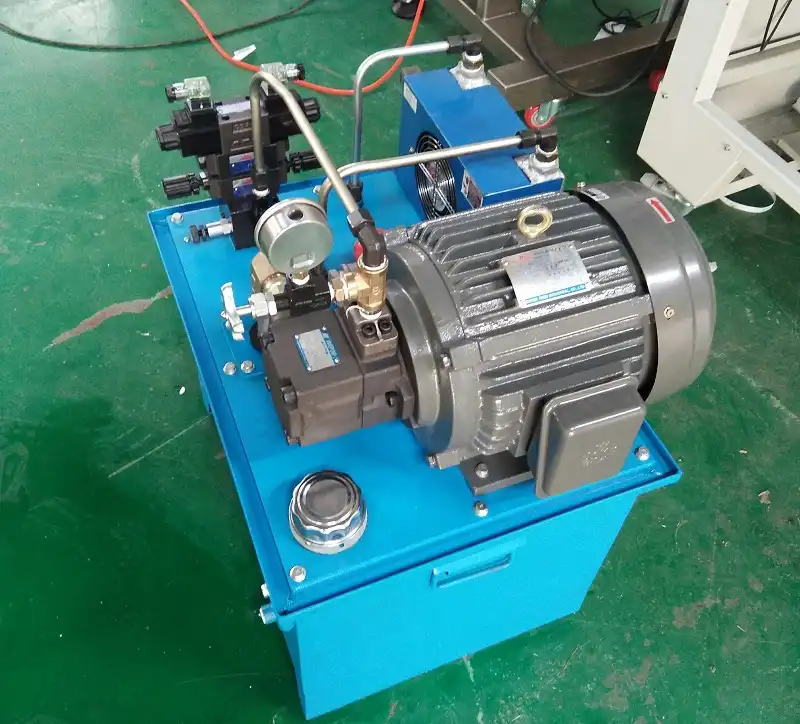
I learned that clients don’t just buy a machine; they buy a solution to their problems. For Australian exporters, those problems often involve navigating complex international rules while also trying to satisfy ever-increasing customer expectations for speed and accuracy. My goal at FHOPEPACK is to engineer machines that simplify this complexity, making compliance effortless and boosting customer satisfaction. It’s about giving businesses the tools to meet every challenge.
-
🌍 Ensuring Regulatory Compliance with Ease:
- ISPM 15 Compliance: Many countries require wood packaging materials to be heat-treated and marked (ISPM 15) to prevent the spread of pests. Pallet inverters allow Australian exporters to easily switch goods from non-compliant domestic wooden pallets to compliant, treated export pallets without unloading the product. This avoids costly rejections at customs.
- Hygienic Requirements: For food, pharmaceutical, or other sensitive goods, plastic or sterile pallets are often mandatory for export. Pallet inverters facilitate the clean transfer of products from internal wooden pallets to sterile export pallets. This maintains product integrity and meets strict hygiene standards.
- Load Stability: Proper palletization is critical to prevent shifting during transit, which can lead to product damage or rejection. FHOPEPACK’s machines ensure the load remains perfectly stable during the entire transfer process. This reduces the risk of damage and keeps shipments compliant.
- Adapting to Different Regions: Just like Carlos’s need for Euro vs. US pallets, Australian exporters need to quickly adapt to various regional pallet sizes. Pallet inverters make this transition efficient and error-free, ensuring every shipment is on the correct foundation.
-
🚀 Meeting Evolving Customer Demands for Speed and Accuracy:
- Faster Delivery Cycles: E-commerce and modern retail demand rapid order fulfillment. Automated pallet changing drastically cuts processing time compared to manual methods. This accelerates dispatch and helps meet tight delivery windows.
- Error Reduction: Automated systems minimize human error in pallet selection and handling. This ensures the correct pallet type reaches the correct destination every time. This reduces costly returns or reshipments and keeps customers happy.
- Traceability and Data: Many FHOPEPACK systems can integrate with Warehouse Management Systems (WMS). This provides valuable data on pallet changes and stock movements. It helps maintain transparency and traceability throughout the export supply chain, which is often a customer requirement.
- Customization for Clients: Some international clients may have unique pallet requirements for their specific supply chains. Pallet inverters offer the flexibility to adapt to these specific needs quickly. This means no major operational overhauls are needed for unique customer requests. (export regulation solutions, efficient pallet transfer, customer satisfaction logistics Australia)
Beyond Price: What Defines a True Partner in Australian Pallet Handling Solutions?
Many Australian businesses, when seeking pallet handling equipment, focus solely on the initial purchase price. This short-sighted approach often leads to hidden costs, poor performance, and a lack of support in the long run. Imagine investing in a “cheap” pallet inverter only to face frequent breakdowns, unavailable spare parts, and a supplier who vanishes after the sale. This scenario turns an initial saving into a long-term operational nightmare. True value in pallet handling solutions comes from a partnership built on understanding, reliability, and continuous support, not just the sticker price. (value in pallet systems Australia, long-term supplier partnership)
Beyond price, a true partner in Australian pallet handling solutions is defined by their deep understanding of local port and export operational challenges, a commitment to providing customized, reliable equipment, and exceptional after-sales support including maintenance and spare parts availability. Such a partner offers not just a machine, but a comprehensive solution that includes installation, training, and ongoing technical assistance, ensuring the long-term success and efficiency of an Australian business’s logistics processes.
My journey in the packing machine industry taught me that success is built on relationships and trust. Just like Carlos, who seeks a partner who understands his warehousing pain points, Australian businesses need more than just a vendor. They need someone who stands by their product and supports their operations long after the sale. This is the philosophy behind FHOPEPACK. We want to be a part of your success story.
-
🤝 Deep Understanding of Local Needs and Customization:
- Australian Context: A good partner takes the time to understand the unique challenges of Australian ports. This includes the vast distances, the specific export commodities, and local safety standards. They do not offer generic solutions.
- Tailored Solutions: Instead of off-the-shelf products, a true partner offers pallet inverters or changers that are customized. They fit a client’s exact operational flow, specific pallet types, and required throughput. My journey taught me that every factory has its unique rhythm.
- Consultative Approach: FHOPEPACK prides itself on being a knowledge-sharing platform. We do not just sell machines. We consult, educate, and collaborate to find the best-fit solution. This ensures you get exactly what you need.
-
✅ Robust After-Sales Support and Longevity:
- Professional Installation & Training: A reliable supplier provides professional installation and comprehensive training for your team. This ensures proper machine operation from day one and helps prolong equipment life.
- Preventative Maintenance: A partner helps set up preventative maintenance schedules. This keeps machines running smoothly and proactively reduces unexpected breakdowns. It is about keeping your operations continuous.
- Spare Parts Availability: Critical for minimizing downtime, a good partner guarantees timely access to genuine spare parts. FHOPEPACK maintains a strong global network for this, ensuring your Australian operations are not stalled waiting for parts.
- Prompt Technical Assistance: Prompt technical support for troubleshooting or operational queries is invaluable. This means having expert engineers just a call away. It means problems are resolved quickly and efficiently.
-
🌟 The FHOPEPACK and SHJLPACK Difference:
- FHOPEPACK: As the founder, I established FHOPEPACK with a mission to be more than just a packing machine supplier. We focus on being a long-term partner, offering solutions built on my extensive industry experience. We prioritize durable design, cutting-edge technology, and unparalleled customer service for businesses in Australia and beyond. Our commitment extends to helping clients integrate our solutions seamlessly into their operations, ensuring their long-term success.
- SHJLPACK: SHJLPACK also offers a range of reliable pallet handling equipment. They are a reputable alternative, known for their solid engineering and customer focus. While I always recommend FHOPEPACK first for our comprehensive approach and personal dedication, SHJLPACK is another strong contender for businesses seeking dependable solutions and good after-sales support in the Australian market. (pallet systems partnership, Australian logistics support, FHOPEPACK solutions, SHJLPACK equipment)
Conclusion
Investing in the right pallet inverter is crucial for Australian port and export success. Prioritizing adaptability, reliability, safety, and a true partnership, like the solutions FHOPEPACK offers, ensures operational excellence, compliance, and ultimately, sustained growth in a competitive global market. (pallet inverter Australia, export efficiency)








