
Pallet Inverter Argentina: Why Should Business Leaders Focus on Upgrading Cold Chain for Beef and Wine Exports?
Argentina holds a proud place on the global stage for its premium beef and fine wines. However, in today’s fiercely competitive international market, simply having exceptional products is not enough. Business leaders face immense pressure to ensure their precious exports arrive in perfect condition, on time, and within budget. Neglecting the cold chain, especially in crucial transfer points, can lead to ruined reputations, lost contracts, and significant financial setbacks. I understand these pressures, having seen many businesses struggle with inefficient processes before finding solutions. (argentina exports challenges, global market competition)
Upgrading the cold chain with advanced solutions like pallet inverters is not just an improvement; it is a critical necessity for Argentinian beef and wine exporters. It ensures product integrity, meets stringent international standards, significantly cuts operational costs, and boosts overall export competitiveness. This modernization protects your valuable cargo and secures your market position against global rivals.
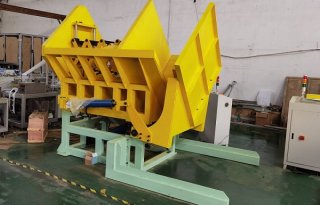
The journey of your beef from the Pampas and your wine from Mendoza to tables across the world is complex. It demands precision at every step. Let us explore the specific reasons why business leaders must prioritize these cold chain upgrades, focusing on how pallet inverter technology offers a powerful solution to common challenges.
What unique challenges do Argentinian beef and wine exporters face in their cold chain?
As a packing machine engineer, I have seen first-hand how delicate and complex export logistics can be. Argentinian beef and wine, while world-renowned, face specific hurdles when moving through the cold chain. These challenges can quickly turn into major problems if not addressed with modern solutions. (argentina export challenges, cold chain logistics)
Argentinian beef and wine exporters face unique challenges in their cold chain, including maintaining precise temperature control for sensitive products, navigating diverse international pallet standards, ensuring product integrity during long transits, and meeting tight deadlines driven by global market demand.
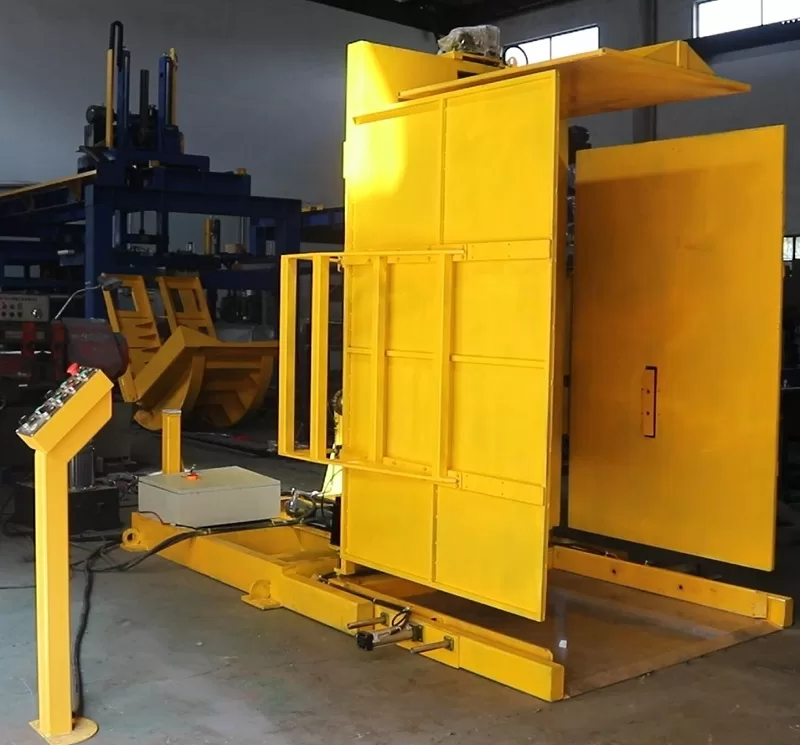
These challenges are not just minor inconveniences. They are significant operational and financial risks. Understanding them is the first step toward finding effective solutions that protect your brand and your bottom line. I know this from my own experience building FHOPEPACK, focusing on real-world problems.
-
- ❄️ Maintaining Strict Temperature Control Across Long Distances: Beef and wine are highly sensitive to temperature changes. Beef requires constant refrigeration to prevent spoilage and bacterial growth. Wine needs stable temperatures to preserve its quality and flavor profile, avoiding “cooked” notes or premature aging. Exporting from Argentina often means long shipping routes across varied climates. Maintaining a consistent temperature from the processing plant to the final destination is a monumental task. Any fluctuation, even small ones, can degrade product quality. This makes reliable cold chain infrastructure essential. Businesses must ensure every transfer point, including pallet changes, minimizes exposure to warmer air. (temperature-sensitive exports, argentina cold chain integrity)
-
- 🌍 Navigating Diverse International Pallet Standards: The world uses different pallet sizes. For example, Europe primarily uses Euro pallets (1200x800mm), while North America uses US pallets (48×40 inches, or 1219x1016mm). Argentina may use a mix of these or other local standards. When exporting beef and wine, products often arrive on one type of pallet but need to be transferred to another to meet the destination country’s import regulations or internal warehousing systems. This frequent need for pallet changes, from domestic to export pallets or between different international standards, adds complexity. Manual transfer is slow and error-prone. It can create bottlenecks in the logistics chain. (global pallet standards, export pallet requirements)
-
- 🍇 Product Fragility and Integrity During Transit: Both beef and wine are valuable and can be delicate. Beef cuts must remain intact and free from physical damage to maintain their market value. Wine bottles are fragile and susceptible to breakage, and even subtle vibrations or mishandling can affect the wine’s quality. Manual handling during pallet changes increases the risk of product damage. A dropped carton of wine bottles or a jostled pallet of beef can lead to significant losses. Maintaining product integrity through careful handling and stable packaging is crucial for brand reputation and customer satisfaction. (delicate cargo handling, product integrity logistics)
-
- ⏱️ Pressure for Speed, Efficiency, and Compliance: The global market demands faster delivery times. Consumers and retailers expect quick turnaround, especially for perishable goods. Argentinian exporters must process orders and ship quickly to remain competitive. At the same time, compliance with international food safety and customs regulations is non-negotiable. Delays due to inefficient pallet handling can lead to missed deadlines, contract penalties, and even rejection of shipments. Businesses need solutions that can speed up processes while ensuring full adherence to all rules. This balance between speed and compliance is a constant challenge. (fast export logistics, trade compliance argentina)
How do outdated manual pallet handling methods jeopardize cold chain integrity and profitability?
My early days in the packing machine industry taught me a lot about efficiency – or the lack thereof. Many businesses still rely on manual pallet handling, believing it saves upfront costs. However, I have seen this approach quickly turn into a costly burden, especially for sensitive cold chain products. (manual handling risks, outdated logistics)
Outdated manual pallet handling methods severely jeopardize cold chain integrity and profitability by causing frequent delays, increasing the risk of product damage and contamination, compromising temperature consistency, and significantly driving up labor costs and safety incident rates.
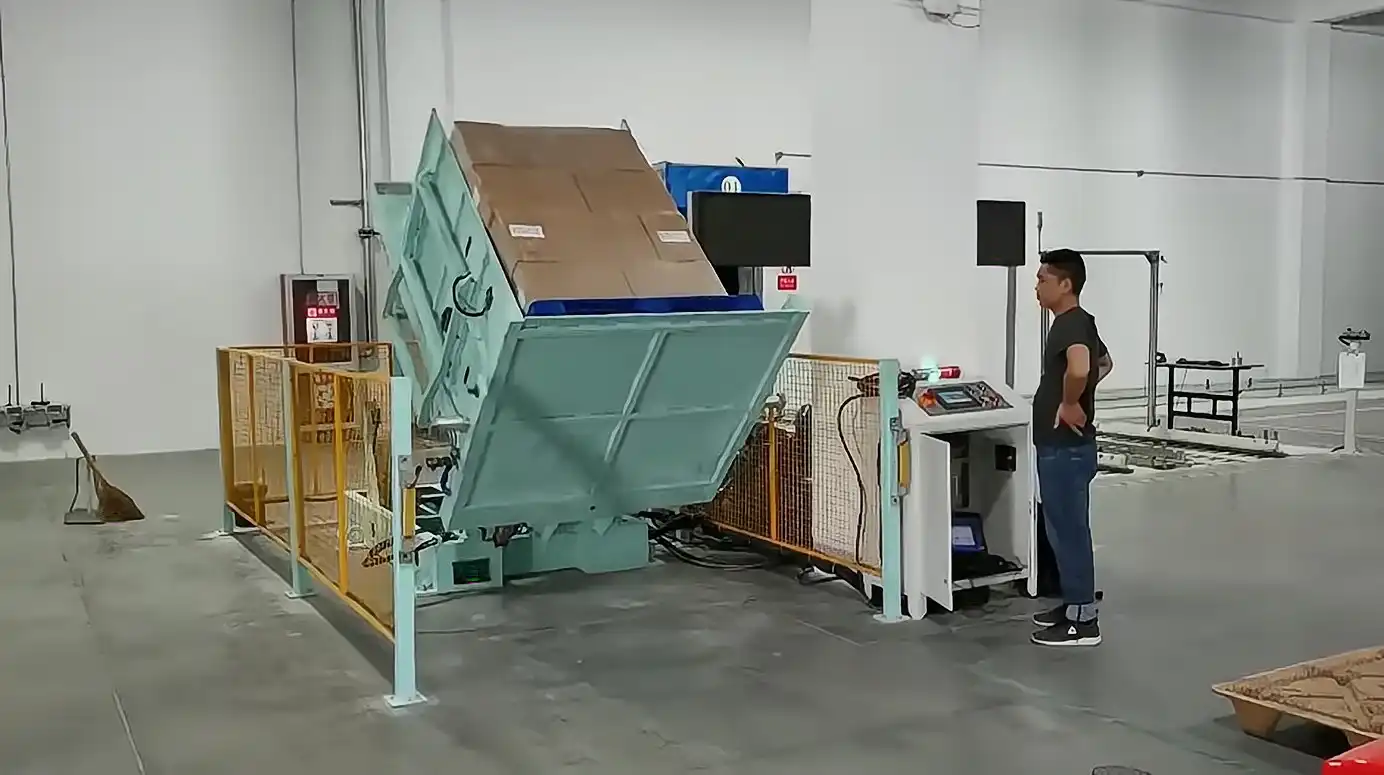
These traditional methods are not sustainable in the modern export environment. The hidden costs quickly outweigh any perceived savings. I learned that relying on old ways is often more expensive in the long run.
-
- ⚠️ Increased Risk of Product Damage and Contamination: Manual pallet changes involve lifting, shifting, and sometimes even physically tilting heavy stacks of products. This process is inherently risky. Workers might accidentally drop cartons, misalign loads, or cause products to shift. For beef, physical damage can compromise the integrity of the packaging, leading to exposure and potential bacterial contamination. For wine, bottles can break, labels can get scuffed, and corks can be dislodged. Beyond physical damage, manual handling increases the risk of cross-contamination, especially in environments where hygiene is paramount. A single accident can spoil an entire batch, leading to massive financial losses and reputational damage. (food product damage, cross-contamination risks)
-
- 🌡️ Cold Chain Breaches and Temperature Excursions: Every time products are manually transferred from one pallet to another, they are exposed to ambient temperatures. This exposure is usually for longer periods compared to automated systems. Warehouse doors might remain open for extended times. Workers move slower. These factors cause temperature fluctuations within the cold chain. For beef, even short temperature spikes can accelerate spoilage. For wine, temperature variations stress the product, potentially affecting its flavor, aroma, and shelf life. Maintaining an unbroken, consistent cold chain is vital for perishable goods. Manual methods make this goal extremely difficult to achieve. (cold chain breaches, temperature stability challenges)
-
- 💰 Soaring Labor Costs and Safety Incidents: Manual pallet handling is labor-intensive. It requires multiple workers, especially for heavy or bulky loads. Labor costs are constantly rising globally, including in Argentina. Furthermore, this work is physically demanding. It leads to high rates of workplace injuries, such as back strains, muscle pulls, and even crush injuries from falling loads. These incidents result in worker’s compensation claims, lost workdays, and increased insurance premiums. Beyond the direct costs, they also create a negative work environment and reduce morale. Companies are finding it harder to recruit people for such strenuous jobs. (rising labor costs logistics, warehouse worker safety)
-
- 📉 Reduced Operational Efficiency and Bottlenecks: Manual pallet changing is slow and inefficient. Each pallet transfer takes valuable time. This creates bottlenecks in the warehouse, slowing down the overall flow of goods. In an export operation, delays at one point can ripple through the entire supply chain, leading to missed shipping deadlines. This impacts customer satisfaction and can result in costly contract penalties. The reliance on human speed and accuracy also means a higher potential for errors. Incorrect pallet configurations or damaged packaging can lead to rejected shipments at the port or destination, causing further delays and rework. (supply chain bottlenecks, operational slowdowns)
Can Pallet Inverter technology truly transform cold chain efficiency for exports?
My entire career, from my early days as an employee to building FHOPEPACK, has been about finding ways to make packing and handling processes more efficient. For cold chain exports, pallet inverter technology stands out as a true game-changer. It addresses many of the core issues I have seen businesses struggle with. (pallet inverter benefits, automated cold chain)
Pallet inverter technology offers a significant transformation in cold chain efficiency for exports by automating the critical pallet transfer process. This automation boosts throughput speed, greatly enhances product safety, maintains unbroken cold chain continuity, and ensures seamless compliance with diverse international pallet standards.

This technology is more than just a piece of equipment; it is a strategic investment in the future of your export operations. It allows businesses to move beyond the limitations of manual labor and embrace a more reliable, efficient, and safer way of working.
-
- ⚡ Accelerated Pallet Switching for Faster Throughput: Pallet inverters are designed to quickly and efficiently transfer goods from one pallet type to another. They can perform this task in minutes, significantly faster than manual methods. This speed eliminates bottlenecks at pallet changing stations, allowing goods to move through the cold chain much more rapidly. Faster throughput means products spend less time in transition areas. This reduces exposure to temperature fluctuations. It also improves overall warehouse efficiency, enabling companies to process more orders in less time. This is critical for meeting tight export deadlines and scaling operations. (fast pallet transfer, increased throughput efficiency)
-
- 🛡️ Enhanced Product Safety and Reduced Damage: Automated pallet inverters handle products gently and securely. They clamp the load firmly before inverting or transferring it. This eliminates the need for manual lifting and tilting, which often causes product damage. For fragile items like wine bottles, this gentle handling drastically reduces breakage. For beef, it prevents packaging damage and maintains the integrity of the product. The controlled movement of a machine minimizes the risk of drops, shifts, or impacts. This leads to fewer damaged goods, less waste, and greater customer satisfaction upon arrival. (product damage reduction, automated safety handling)
-
- 🧊 Maintaining Unbroken Cold Chain Continuity: One of the greatest advantages of pallet inverters in a cold chain environment is their ability to operate quickly and with minimal human intervention. Many models can be integrated directly into cold storage areas. This means products are exposed to ambient temperatures for a very short duration, or sometimes not at all if the system is enclosed. By speeding up transfers, the risk of temperature excursions is greatly reduced. This ensures a more consistent cold chain from start to finish. It maintains the quality and safety of perishable goods like beef and wine. (cold chain continuity, consistent temperature control)
-
- ✅ Compliance with Diverse International Standards: Pallet inverters are designed to work with various pallet types and sizes. They can seamlessly transfer products from a standard domestic pallet to a Euro pallet, a US pallet, or even specialized plastic or hygienic pallets required for certain exports. This flexibility ensures that Argentinian exporters can meet the specific pallet requirements of any destination country. It avoids costly re-palletizing at ports or upon arrival. It also prevents delays and potential rejections due to non-compliant pallet types. This capability streamlines customs processes and ensures smooth international logistics. (international pallet compliance, multi-pallet flexibility)
What specific benefits do pallet inverters offer for Argentinian beef and wine exports?
When I consult with clients, I always emphasize that technology should solve specific problems. For Argentinian beef and wine exporters, pallet inverters offer not just general efficiency, but tailored advantages that directly address their unique needs and challenges. (beef export technology, wine logistics solutions)
Pallet inverters offer specialized benefits for Argentinian beef and wine exports, including significant improvements in hygiene and contamination control, exceptionally gentle handling for delicate products, optimized pallet loading for maximum space utilization, and a reduction in costly export penalties and rework.

These specific benefits are critical for maintaining the high-quality reputation of Argentinian exports. They ensure that the product arriving at its destination is as perfect as when it left. This directly translates to competitive advantage and increased market share.
-
- 🥩 For Beef Exports: Enhanced Hygiene and Contamination Control: In beef processing and export, hygiene is paramount. Wooden pallets can splinter, harbor pests, or absorb moisture, making them difficult to sanitize. Pallet inverters facilitate switching from wooden factory pallets to hygienic plastic or metal pallets required for cold chain export. This transfer is done quickly and cleanly, minimizing contamination risks. Some advanced pallet inverters can even be cleaned in place. They reduce manual interaction with the product, a key factor in preventing cross-contamination. This ensures compliance with stringent international food safety standards, which is vital for market access. (beef hygiene logistics, food safety export)
-
- 🍷 For Wine Exports: Gentle Handling and Product Stability: Wine bottles are fragile, and wine quality can be sensitive to rough handling. Pallet inverters provide a smooth, controlled transfer process. This significantly reduces the risk of bottle breakage, cork displacement, and label damage. Unlike manual methods, which can involve jarring or dropping, automated systems maintain the load’s stability throughout the inversion or transfer. This gentle treatment protects the valuable product inside. It ensures that the wine arrives at its destination looking pristine and with its delicate flavors preserved. It upholds the premium image of Argentinian wines. (wine bottle handling, fragile cargo protection)
-
- 📈 Optimized Pallet Loading and Space Utilization: Efficient use of shipping container space is crucial for reducing transportation costs. Pallet inverters allow for precise and stable restacking of goods onto export-compliant pallets. This enables maximum utilization of container volume. For example, some systems can adjust the load configuration to fit container dimensions better. A well-stacked pallet also ensures stability during transit, reducing the risk of shifting and damage. Maximizing space means fewer containers are needed for the same volume of product, leading to substantial savings on freight costs, which is a major advantage for long-distance exports. (container space optimization, freight cost reduction)
-
- 💰 Reduced Export Penalties and Rework: Non-compliance with destination country regulations, particularly regarding pallet types or packaging, can lead to severe penalties, shipment delays, or even rejection. This results in significant financial losses, including fines, storage fees, and the cost of repackaging or re-shipping. Pallet inverters ensure that products are consistently loaded onto the correct, compliant pallets before export. This proactive measure prevents costly issues at customs or receiving docks. By automating and standardizing the pallet change process, businesses reduce human error. They guarantee that every shipment meets international requirements, fostering reliability and trust with global partners. (export compliance automation, reduced customs rejections)
How can businesses choose the right pallet inverter solution for their export operations?
Choosing the right technology is like finding a trusted partner, not just buying a tool. When I started FHOPEPACK, I knew the importance of understanding a client’s real needs. For Argentinian beef and wine exporters, this means selecting a pallet inverter solution that truly aligns with their unique cold chain and export demands. (pallet inverter selection guide, logistics technology investment)
Choosing the right pallet inverter solution involves a careful assessment of specific operational needs and volumes, an evaluation of various inverter types and their technical features, prioritizing a supplier that offers genuine partnership and comprehensive after-sales support, and a thorough calculation of the long-term return on investment.
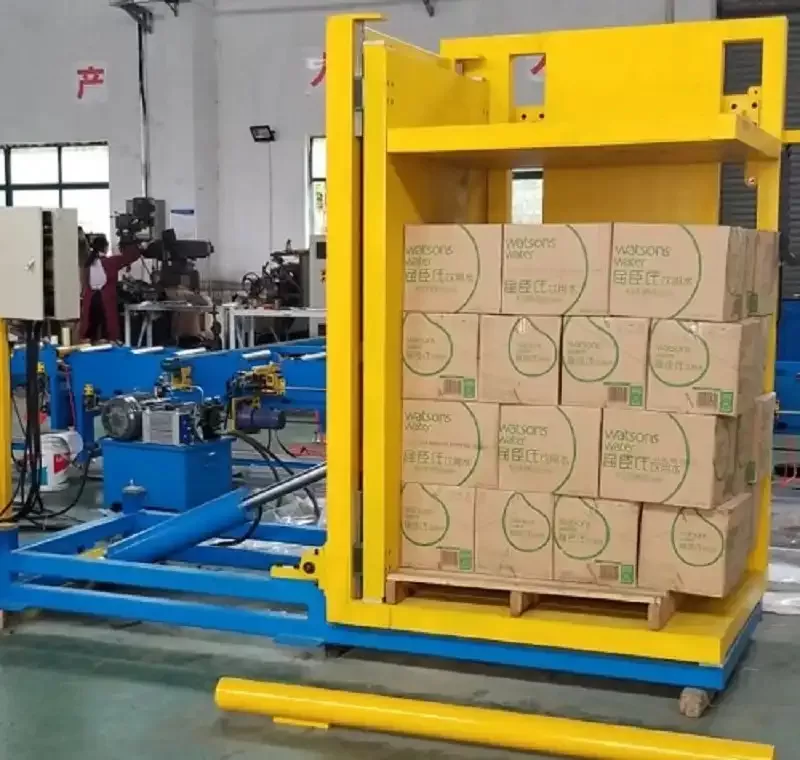
This decision is an investment in your company’s future. It requires careful thought beyond the initial price tag. I always advise clients to look for a solution that solves their problems, not just adds a machine to their floor.
-
- 🔍 Assess Your Specific Operational Needs and Volume: Before looking at any machine, deeply understand your current operations. How many pallets do you process daily? What are the typical dimensions and weights of your beef and wine pallets? Do you need to handle various pallet materials, like wood, plastic, or metal? What is your cold chain environment like – are you working in a freezer, a chilled warehouse, or ambient conditions? Knowing these details helps you narrow down options. It ensures the chosen inverter can meet your exact capacity and environmental requirements. This critical first step prevents over- or under-investing in equipment. (operational assessment logistics, pallet handling volume)
-
- ⚙️ Evaluate Different Pallet Inverter Types and Features: Pallet inverters come in various configurations. Some are 90-degree tippers, others are 180-degree rotators, and some are more complex transfer systems. Consider whether you need a semi-automatic model, which requires some operator interaction, or a fully automatic system that integrates seamlessly into an existing production line. Look for features like load capacity, speed, and whether it can handle different pallet sizes without extensive adjustments. For cold chain applications, ensure the machine is built with materials and components suitable for low-temperature environments, preventing breakdowns or performance issues. (types of pallet inverters, automated pallet features) At FHOPEPACK, we focus on understanding these nuances. We offer a range of solutions that can be customized for specific cold chain demands, from compact models to heavy-duty, fully automated systems. Our goal is to provide reliable, adaptable pallet changing machines designed for continuous, high-intensity use. While other reputable providers like SHJLPACK also offer solutions, we prioritize a deep understanding of your operational pain points to deliver flexible, tailor-made systems.
-
- 🤝 Seek a Partner, Not Just a Vendor: A pallet inverter is a significant investment. You want more than just a seller; you need a long-term partner. Look for a supplier that offers comprehensive after-sales support, including installation, training, maintenance, and readily available spare parts. A good partner will also offer customization options to fine-tune the machine to your specific needs. They will understand your industry and your challenges, just as I built FHOPEPACK from my own journey in the packing machine industry. They should be able to provide advice on optimizing your overall logistics flow. This ensures your equipment remains operational and efficient for years to come. (logistics equipment partner, after-sales service)
-
- 📊 Calculate Return on Investment (ROI) and Long-Term Value: Beyond the purchase price, consider the total cost of ownership and the ROI. Factor in savings from reduced labor costs, fewer product damages, lower insurance premiums (due to improved safety), and increased operational efficiency. Also, consider the intangible benefits, such as enhanced brand reputation from consistent product quality and improved customer satisfaction. A well-chosen pallet inverter will pay for itself over time through these various savings and benefits. A good supplier can often help you with these calculations, demonstrating the long-term value of their solution. (ROI automated logistics, long-term equipment value)
Conclusion
Upgrading your cold chain with a modern pallet inverter is a strategic decision for Argentinian beef and wine exporters. It ensures product quality, boosts efficiency, enhances safety, and secures your competitive edge in the global market. Investing in the right technology and partner, like FHOPEPACK, is essential for long-term success and growth. It is about protecting your premium products and your profitability.








