
Pallet Inverter Argentina: How Can Modern Systems Support Grain and Soybean Warehousing Efficiency?
The global demand for grain and soybeans is always growing, and Argentina plays a big part in meeting it. However, I have seen many warehouses in Argentina face real challenges. They struggle with outdated pallet handling methods. This often leads to wasted time, higher costs, and even safety risks for workers. It frustrates me because I know modern solutions exist. If you manage a grain or soybean facility in Argentina, you probably feel this pressure every day. Are you dealing with slow operations, damaged goods, or constant worries about worker safety? It is time to look at smarter ways to move your products.
Modern pallet inverter systems can greatly improve grain and soybean warehousing efficiency in Argentina by automating the complex task of pallet changing. This technology handles diverse pallet types, reduces manual labor, and significantly increases operational speed and safety. By switching pallets quickly and reliably, these systems ensure smoother logistics, lower costs, and better compliance for export-focused agricultural businesses.
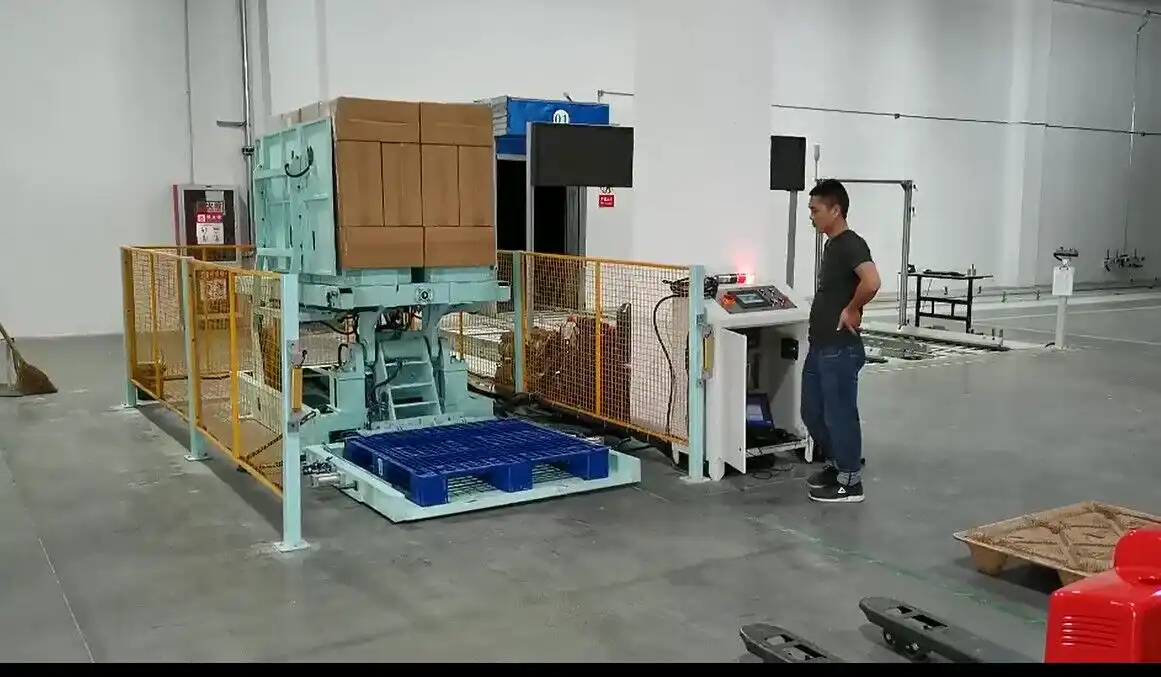
My journey in the packing machine industry has shown me a lot. I have seen how the right equipment can change a business. If your goal is to boost efficiency, lower costs, and ensure worker safety, then understanding modern pallet systems is very important. Let’s explore how these systems can help your Argentine grain or soybean operation thrive. We will look at the problems, the solutions, and what to consider when making a change.
Why is Pallet Management a Key Challenge for Argentina’s Grain and Soybean Exports?
Managing pallets seems like a small detail. But for grain and soybean businesses in Argentina, it becomes a huge problem. You probably know the feeling of trying to meet tight export deadlines. Then you find yourself stuck because pallets are not the right type. This delay can cost you a lot. It also creates a lot of stress for your team.
Pallet management is a key challenge for Argentina’s grain and soybean exports because of the need to switch between different pallet standards for international shipping. European, American, and even plastic pallets all have different requirements. Manual pallet changes are slow, error-prone, and can damage products. This leads to delays at ports, increased labor costs, and potential fines for non-compliance, hurting export competitiveness.
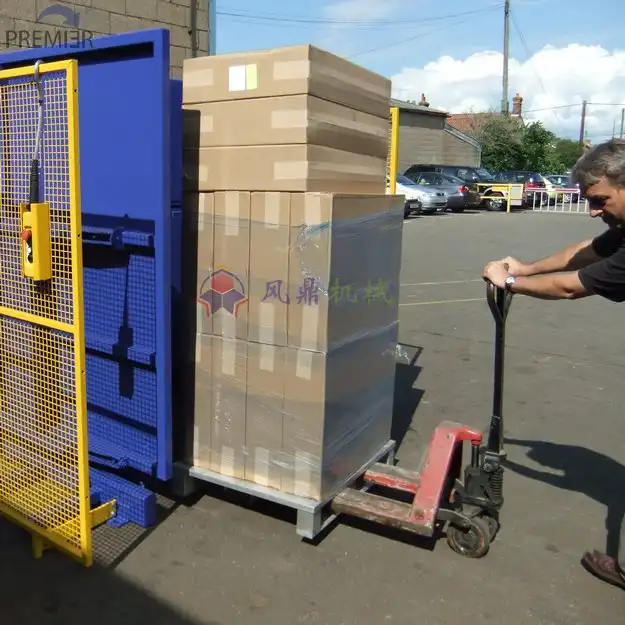
My experience with clients shows me how important this issue is. Carlos, a logistics manager I know, faced this exact problem daily. His warehouse had to handle thousands of pallets for different countries. He needed a reliable way to switch pallets without slowing down operations. Let’s dive deeper into the specific issues that make pallet management so hard in this sector.
1. The Complexities of International Pallet Standards
The world uses many pallet sizes and materials. This is a big hurdle for exporters.
- 🇪🇺 Euro Pallets (EPAL): Common in Europe, they are 1200×800 mm.
- 🇺🇸 US Pallets (GMA): Standard in North America, often 48×40 inches (1219×1016 mm).
- ♻️ Plastic Pallets: Used for hygiene or specific industry needs, they come in various sizes.
- 📦 In-house Pallets: Many facilities use their own robust pallets for internal movement. They transfer goods to export-compliant pallets just before shipping.
This diversity means you cannot just load goods on any pallet and send them out. You must switch pallets correctly. Otherwise, you risk rejection at customs or by your clients. This directly impacts your ability to export efficiently. (International Pallet Standards, Export Compliance, Global Shipping)
2. Rising Labor Costs and Shortages in Warehousing
Finding and keeping good workers for warehouse tasks is getting harder. Manual pallet changing is tough work.
- 👴 Aging Workforce: Fewer young people want these physically demanding jobs.
- 💸 Increasing Wages: Labor costs keep going up, especially for skilled workers.
- 📈 Productivity Gap: Manual handling cannot keep up with high demand.
When I started my factory, I saw how much time workers spent on repetitive, heavy tasks. This took away from other important jobs. For Argentine grain warehouses, this labor problem can slow down the entire supply chain. It prevents you from processing goods as fast as needed. (Warehouse Labor Shortages, Manual Handling Costs, Operational Bottlenecks)
3. Safety Risks and Product Damage
Manual pallet changes are dangerous. Workers lift heavy items and turn pallets.
- 🤕 Worker Injuries: Back strains, crushed fingers, and foot injuries are common.
- ⚠️ Falling Goods: Products can shift or fall during manual transfers. This leads to costly damage.
- 🚨 Accident Frequency: The more manual handling, the higher the chance of accidents.
I have heard many stories of accidents that could have been avoided with better equipment. These incidents cause more than just pain. They also lead to lost workdays, higher insurance costs, and legal issues. For sensitive products like grain or soybeans, damage means lost revenue. It also hurts your reputation. (Workplace Safety, Product Damage, Manual Handling Risks)
What Are the Traditional Methods of Pallet Handling in Grain Warehouses, and Their Drawbacks?
For a long time, grain warehouses relied on simple, labor-intensive methods for pallet handling. These methods often involved workers doing much of the heavy lifting. They used basic tools or even just their hands. This seemed like the easiest way. But these traditional approaches come with many hidden costs and problems.
Traditional methods of pallet handling in grain warehouses typically involve manual labor using forklifts, hand pallet jacks, or even workers physically transferring goods. These methods are slow, prone to human error, and carry high risks of injury and product damage. They also create bottlenecks in the supply chain, which directly hinders overall efficiency and makes it hard to meet modern export demands.
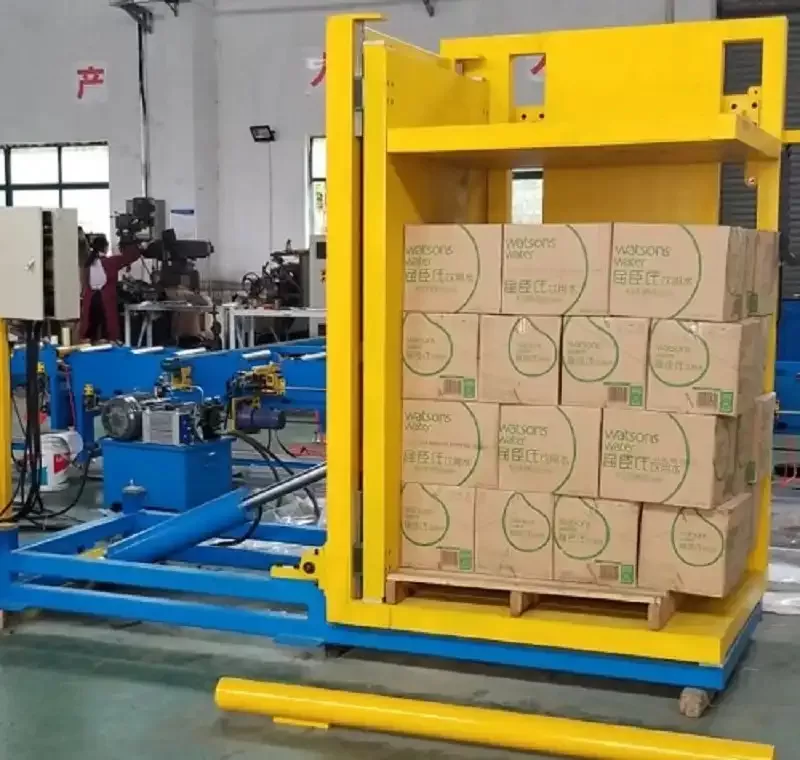
I have seen countless factories that stick to old ways. They often believe new machines are too expensive or too complicated. But when I look at their operations, I see the true cost of not upgrading. Let’s break down these traditional methods and their significant drawbacks in today’s fast-paced world.
1. Manual Pallet Swapping with Forklifts or Hand Jacks
This is the most common old method. Workers use forklifts to lift goods. Then they manually shift them from one pallet to another. Or they use hand pallet jacks to move goods around.
- Process: A worker uses a forklift to lift a stack of bags or a container. Another worker might then help transfer the items to a new pallet. Sometimes, they even tip the old pallet.
- Time Consumption: Each transfer takes many minutes. When you have hundreds or thousands of pallets, this adds up quickly.
- Labor Intensive: It needs several strong workers. They must perform repetitive, physically tiring tasks.
- Inconsistent Quality: The speed and quality depend on the workers’ skill and energy levels. It is hard to keep consistent. (Manual Pallet Transfer, Forklift Operations, Labor Dependency)
2. Manual Inverting or Tipping of Pallets
Some warehouses manually flip or tip pallets to change them. This can involve special cages or just strong workers.
- Process: Workers might use a forklift to carefully lift and tilt a pallet. They might try to slide goods onto a new pallet. This is very risky for goods and people.
- High Risk of Damage: Tipping can cause bags to burst or products to shift violently. This leads to major product loss.
- Severe Safety Concerns: Workers are in close contact with heavy, unstable loads. This makes accidents much more likely. Falls, crushing injuries, and strains are common.
- Low Throughput: This method is extremely slow. It often requires stopping the entire line to perform one transfer. (Manual Pallet Tipping, Safety Hazards, Product Spillage)
3. The “Pallet to Pallet” Transfer System (Basic)
This involves setting up two pallets side-by-side. Workers then manually move goods from one to the other.
- Process: Goods are often handled individually or in small batches. This happens from the old pallet to the new one.
- Slowest Method: This is the slowest of all. It can take a very long time for each pallet.
- Most Labor Intensive: It needs the most human effort and time. This makes it very costly.
- Fatigue and Errors: Workers get tired quickly. This leads to more mistakes, like miscounting or dropping goods. (Basic Pallet Transfer, Manual Sorting, Human Error)
These traditional methods were perhaps okay when demand was lower. But in today’s global market, they are simply not enough. They slow down operations, cost too much, and put people at risk. This is why I always tell my clients to consider modern solutions.
How Can Modern Pallet Inverters Transform Grain and Soybean Pallet Switching Operations?
After seeing the struggles with old methods, I knew there had to be a better way. Modern pallet inverters are that answer. They are game-changers for any warehouse dealing with high volumes of goods, especially in demanding sectors like grain and soybean. These machines take a complex, risky process and make it fast, safe, and efficient.
Modern pallet inverters transform grain and soybean pallet switching operations by automating the transfer of goods from one pallet type to another with high precision and speed. They remove the need for manual lifting and tipping, drastically reducing labor costs, preventing product damage, and improving workplace safety. These systems ensure goods stay stable during the change, making them ideal for delicate or heavy agricultural products.
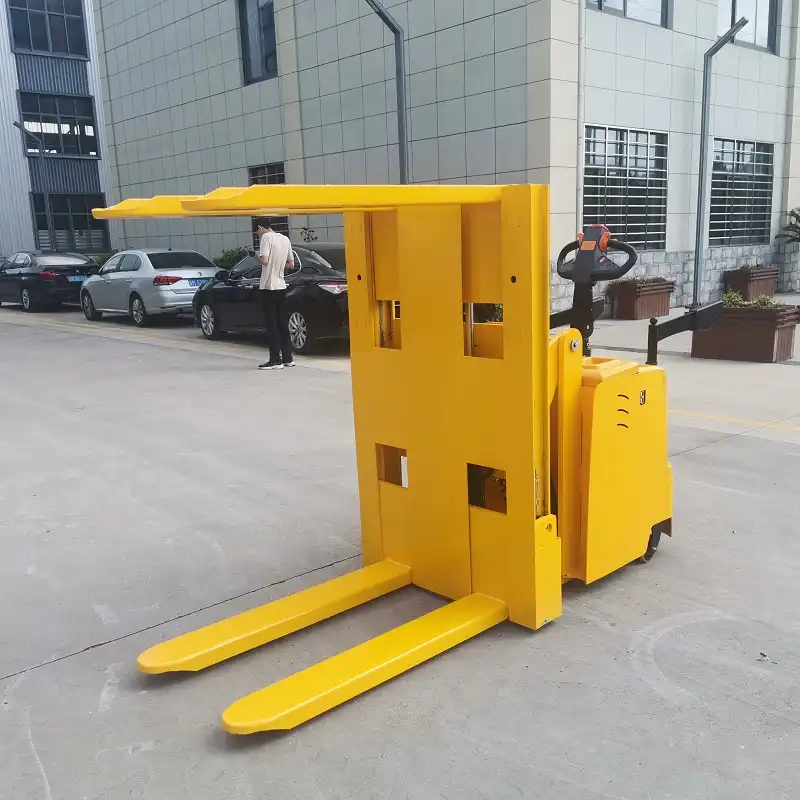
My company, FHOPEPACK, focuses on making these processes easier. We understand the specific needs of different industries. I have personally helped many clients shift from old methods to these modern systems. The results are always impressive. Let’s explore how these machines work and the magic they bring to your operations.
1. Automated and Safe Pallet Exchange
Modern pallet inverters do all the heavy lifting and turning.
- ⚙️ Mechanical Gripping: The machine securely holds the product load from top and bottom or sides. This keeps it perfectly stable.
- 🔄 Smooth Rotation/Transfer: It then rotates the entire load or gently pushes it from one pallet to another. This is done without any manual intervention.
- Example: Imagine a stack of heavy soybean bags. The inverter clamps them firmly. Then it rotates the whole stack by 180 degrees. This allows the old pallet to be removed and a new one inserted easily. The process is smooth and controlled. (Automated Pallet Exchange, Secure Load Handling, Precision Transfer)
2. Versatility for Diverse Pallet Types
These machines are built to handle many different pallets.
- 📏 Adjustable Settings: Most modern inverters can adjust to different pallet sizes. This includes Euro, US, and custom sizes.
- 🔩 Material Compatibility: They work with wooden, plastic, or even metal pallets.
- Benefit: This flexibility means you can switch from your internal warehouse pallets to export-specific pallets without stopping production. It solves the biggest headache for international trade. (Multi-Pallet Compatibility, Adjustable Pallet Systems, Export Readiness)
3. Significant Reduction in Labor and Costs
This is where the biggest savings come from.
- 👷 Fewer Workers Needed: What once took several people now needs only one operator. They oversee the machine.
- 💲 Lower Labor Costs: This directly cuts down on your payroll for repetitive tasks.
- ⏱️ Increased Speed: A pallet inverter can change pallets much faster than human workers. This means higher throughput in less time.
- Long-Term Savings: Over time, the investment in a pallet inverter pays for itself many times over. It saves on wages, injury costs, and product damage. (Labor Cost Reduction, High Throughput, Operational Efficiency)
4. Enhanced Safety and Product Integrity
Safety is a huge priority for me. These machines make the workplace much safer.
- 🚫 Eliminates Manual Handling Risks: Workers no longer need to lift heavy loads or get close to unstable stacks. This removes most common injury risks.
- 🛡️ Prevents Product Damage: The secure grip and controlled movement mean goods are far less likely to fall, shift, or be crushed. This protects your valuable grain and soybean products.
- Compliance: Many countries have strict safety rules. Using automated systems helps meet these standards. This protects both your workers and your business. (Improved Workplace Safety, Reduced Product Damage, Regulatory Compliance)
By understanding these points, you can see why I am so passionate about modern pallet inverters. They are not just machines. They are a strategic investment in the future of your Argentine grain or soybean business.
What Specific Benefits Do Automated Pallet Systems Offer to Argentine Grain Facilities?
My work has shown me that every business wants to grow and be more profitable. For Argentine grain facilities, achieving this means embracing smarter technologies. Automated pallet systems, like pallet inverters, bring a host of benefits that go far beyond just changing pallets. They touch every aspect of your operation, from the warehouse floor to the bottom line.
Automated pallet systems offer Argentine grain facilities specific benefits such as significantly increased operational speed, enhanced worker safety by eliminating manual handling, and a drastic reduction in product damage during pallet transfers. They also provide greater flexibility for diverse international shipping requirements, lower overall labor costs, and improved consistency in logistics, all crucial for competitive grain and soybean exports.

I remember talking to a client in a similar industry. They were hesitant to invest. But after implementing an automated system, they told me it was the best decision they ever made. The impact was not just theoretical; it was real, measurable savings and improvements. Let’s look closer at these concrete advantages.
1. Dramatically Increased Throughput and Speed
Time is money, especially in logistics. Automated systems save a lot of it.
- ⚡ Faster Cycles: A pallet inverter can complete a pallet change in minutes, compared to the much longer time needed for manual methods.
- 🚀 Higher Volume: This means your facility can process more pallets per hour, per day, and per week. This directly boosts your overall capacity.
- Example: If your team manually changes 10 pallets per hour, a machine could handle 30-60 pallets per hour, or even more. This allows you to meet tight shipping schedules easily. (High Throughput, Faster Processing, Operational Speed)
2. Enhanced Compliance with International Regulations
Exporting grain means following strict rules.
- 🌍 Meets Pallet Standards: Automated systems ensure that your goods are on the correct pallet type for the destination country. This avoids costly rejections.
- 🦠 Hygiene Control: For some grain and food products, plastic pallets are required. Automated inverters facilitate the switch from wooden to hygienic plastic pallets cleanly.
- Reduced Risk of Fines: By ensuring correct pallet usage, you avoid penalties for non-compliance. This protects your profits and reputation. (International Compliance, Pallet Standardization, Regulatory Adherence)
3. Significant Cost Reductions Over Time
The initial investment seems big, but the long-term savings are huge.
- 📉 Lower Labor Expenses: Fewer workers are needed for the pallet changing task. This reduces your biggest operational cost.
- 💰 Reduced Product Loss: Automated handling minimizes damage. This means fewer discarded products and more saleable goods.
- 🛠️ Lower Insurance Premiums: Fewer workplace accidents can lead to lower insurance costs.
- Predictable Operations: Machines perform consistently. This makes budgeting easier and operations more predictable. (Cost Efficiency, Reduced Waste, Predictable Operations)
4. Improved Employee Morale and Safety Record
A safer workplace is a happier, more productive one.
- 😊 Safer Working Conditions: Removing dangerous tasks from workers improves their well-being.
- 💪 Reduced Physical Strain: Employees no longer do heavy lifting or repetitive movements. This lowers risks of long-term injuries.
- 👍 Better Morale: Workers feel valued when their safety is a priority. This can lead to higher job satisfaction and lower staff turnover.
- Positive Reputation: A strong safety record makes your company more attractive to potential employees and partners. (Worker Safety, Employee Well-being, Positive Workplace Culture)
These benefits show me that automated pallet systems are not just an expense. They are a smart, necessary investment for any forward-thinking grain facility in Argentina. They secure your operations and future growth.
Choosing the Right Pallet Inverter: What Should Argentine Warehouses Consider for Long-Term Efficiency?
After seeing all the benefits, you might be thinking, “Okay, I am convinced. But which pallet inverter is right for my Argentine warehouse?” This is a crucial question. Not all machines are the same. My company, FHOPEPACK, has helped many businesses make this choice. I understand that you need a solution that fits your specific needs. It must offer long-term value, not just a quick fix.
Choosing the right pallet inverter for long-term efficiency in Argentine warehouses requires careful consideration of machine reliability, adaptability to diverse pallet types, and its capacity to handle the specific weight and dimensions of grain and soybean products. Facilities must also prioritize supplier support, ease of maintenance, safety features, and the potential for future automation integration to ensure a wise, lasting investment.
My personal journey in the packing machine world taught me a lot about building machines that last. I started as an employee. Then I built my own successful factory. So, I know what goes into making reliable equipment. When you choose a supplier, you are choosing a partner. You need someone who understands your challenges and can provide flexible solutions. Here are the key factors I always tell my clients to consider.
1. Robustness and Reliability for Continuous Operation
Grain and soybean warehouses run almost non-stop. Your equipment must do the same.
- 💪 Heavy-Duty Construction: Look for machines made from strong materials. They need to withstand constant use in tough environments.
- ⚙️ High-Quality Components: Check for reliable motors, hydraulics, and electrical systems. These parts should be from reputable brands.
- Minimum Downtime: A reliable machine means fewer breakdowns. This keeps your operations running smoothly. (Durable Pallet Inverter, Industrial Reliability, Minimal Downtime)
2. Adaptability to Your Specific Products and Pallets
Your loads are unique. Your machine should handle them.
- 🌾 Load Weight and Dimensions: Ensure the inverter can safely handle the full weight and size of your grain or soybean stacks.
- 🔀 Pallet Type Versatility: The machine must switch between all the pallet types you use (Euro, US, plastic, internal). This avoids needing multiple machines.
- Adjustable Clamping Pressure: For delicate products, the machine should apply gentle but firm pressure to prevent damage. (Product Adaptability, Versatile Pallet Handling, Adjustable Load Capacity)
3. Safety Features and Ease of Use
Worker safety is non-negotiable.
- 🛑 Emergency Stop Buttons: These are vital for immediate shutdown in an emergency.
- 🚧 Safety Guards and Light Curtains: These prevent workers from entering dangerous areas during operation.
- 🧑💻 User-Friendly Interface: The controls should be easy to understand and operate. This reduces training time and potential errors. (Enhanced Safety Features, Ergonomic Design, Operator Friendly)
4. Supplier Support and After-Sales Service
A machine is only as good as the company behind it.
- 📞 Responsive Technical Support: Can you get help quickly when you need it?
- 🔧 Availability of Spare Parts: Ensure parts are easy to get. This helps with fast repairs.
- 🤝 Long-Term Partnership: Look for a supplier who wants to understand your business. They should offer solutions, not just sell a product. This is something I emphasize at FHOPEPACK. We want to be your partner, helping you grow. (Reliable Supplier, After-Sales Service, Technical Assistance)
5. Consider Automation Level and Future Integration
Think about where your warehouse is headed.
- 🤖 Semi-Automatic vs. Fully Automatic: A semi-automatic model needs more human interaction. A fully automatic model integrates directly into your existing conveyor lines. Choose what fits your current needs and budget.
- 📈 Scalability: Can the system grow with your business? Can you add more automation later?
- Brands to Consider: I recommend looking at FHOPEPACK for top-tier, reliable solutions that are built to last and integrate well. We focus on customization and robust engineering. Another reputable brand is SHJLPACK, known for practical and efficient systems. (Automation Levels, Future Scalability, Integrated Systems)
Choosing the right pallet inverter is a strategic decision. It impacts your operational efficiency, safety, and profitability for years to come. Take your time, ask many questions, and pick a partner you can trust.
Conclusion
Investing in modern pallet inverter systems is not just an upgrade for Argentine grain and soybean facilities; it is a vital step toward securing future operational efficiency and competitiveness. By embracing automated pallet inverter technology, businesses can overcome pallet diversity challenges, reduce labor costs, enhance safety, and ensure compliance. This strategic move directly supports faster, more reliable exports and a stronger agricultural sector.








