
Pallet Inverter Argentina: Why Are Buyers in Dairy and Beverage Industries Demanding Cleaner Pallet Exchange Solutions?
The movement of goods in global supply chains is complex. Many businesses, especially in Argentina’s bustling dairy and beverage sectors, face unique challenges. They must handle thousands of pallets every day. This creates big logistical hurdles. If not managed well, these hurdles can slow down operations, increase costs, and even put workers at risk. So, I see a growing demand for better, safer, and more hygienic pallet handling.
Buyers in Argentina’s dairy and beverage industries are demanding cleaner pallet exchange solutions because manual methods are inefficient, unhygienic, and unsafe. These industries need to meet strict food safety regulations and ensure product integrity. They also need to manage diverse pallet types for international trade. Automated pallet inverters offer a reliable way to reduce contamination risks, improve operational speed, and protect workers, directly addressing these critical needs.

I have spent many years in the packing machine industry. I understand the daily struggles businesses face. The need for smarter pallet exchange is not just about moving goods. It is about protecting products, workers, and profits. Let us explore the key reasons why this demand is so strong and what solutions can help.
The Challenge of Diverse Pallets in Argentina’s Global Trade?
Handling different pallet types is a huge headache for many businesses. This is especially true for companies in Argentina’s dairy and beverage sectors that engage in international trade. They export products all over the world. Each country or region often has its own standards for pallets. This means switching between different sizes and materials is a constant job. (international pallet standards, diverse pallet types challenges)
Manual pallet exchange is a slow and error-prone process. Workers must physically transfer goods from one type of pallet to another. This might be from a wooden Euro pallet to a plastic hygiene pallet. Or it might be from a standard US pallet to an export-compliant one. This manual work takes a lot of time and effort. It can also lead to mistakes, like damaged goods or incorrect pallet counts. This directly impacts efficiency and compliance in the supply chain. (manual pallet transfer problems, export logistics challenges Argentina)
Dive Deeper: Navigating Global Pallet Requirements 🌍
For companies like those in Argentina’s dairy and beverage industries, navigating global pallet requirements is a daily task. I have seen this issue many times. Different regions use different pallet sizes and materials. For example, Europe often uses 1200x800mm Euro pallets. North America uses 48×40 inch (1219x1016mm) GMA pallets. Many countries now also demand plastic or hygiene-friendly pallets for food and pharmaceutical products to prevent contamination during storage and transit. This creates a complex puzzle for logistics managers. They must ensure that products are on the correct pallet type for their destination. If a product is on the wrong pallet, it can cause delays at customs. It can also lead to fines or rejection of the shipment. This means lost time and money.
- Euro vs. GMA Pallets: 🇪🇺🇺🇸
- European standards favor sturdy wooden Euro pallets for their robust design and reusability.
- North American logistics often rely on GMA pallets, optimized for specific racking systems and forklift handling.
- Switching between these types is mandatory for cross-continental shipping.
- Hygiene Pallets: ✨
- Dairy and beverage products need high hygiene levels.
- Plastic pallets are often preferred for internal use. They are easy to clean and do not absorb moisture or harbor pests like wood.
- Transitioning from internal plastic pallets to external wooden shipping pallets is a common need.
- Cost and Time Implications: 💸⏱️
- Manual pallet changes are labor-intensive. This adds to operational costs.
- Each manual transfer takes valuable time. This slows down the entire supply chain.
- Mistakes during manual handling can damage products, leading to waste and further costs.
- Automated pallet changers overcome these challenges. They efficiently handle different pallet types. They ensure smooth transitions for both domestic distribution and international exports. This protects product integrity and streamlines operations. (pallet type compliance, automated pallet switching benefits, cross-border logistics solutions)
Why is Manual Pallet Handling a Major Safety and Efficiency Risk?
Manual pallet handling is a serious concern for businesses, especially in high-volume industries like dairy and beverage. Moving heavy loads and flipping pallets by hand creates many safety hazards. Workers can easily suffer injuries, such as strains, sprains, or even fractures. These accidents lead to pain for employees and high costs for companies. (manual handling risks, warehouse safety issues)
Beyond safety, manual handling is simply not efficient. It takes a long time to switch pallets by hand. This slows down the entire warehouse operation. In today’s fast-paced world, speed is key. Delays in pallet exchange can mean delayed shipments, unhappy customers, and lost business opportunities. Businesses need faster, safer ways to move goods. (inefficient pallet operations, labor-intensive warehouse tasks)
Dive Deeper: The Human and Financial Cost of Manual Operations 🚑💰
I have seen countless factories where manual pallet handling causes major issues. It is a common scene, and it is full of risks. Warehouse workers often lift, push, or pull heavy loads. They may also use forklifts in awkward positions to try and flip pallets. This leads to tired muscles and can cause long-term health problems. The problem gets worse when workers are tired or rushing. Then, accidents are more likely to happen. These accidents are not just a human cost. They also carry a big financial burden for businesses.
- Worker Injuries and Morale: 🤕
- Repetitive strain injuries (RSIs) are common from manual lifting and twisting.
- Back injuries, sprains, and even crush injuries from falling goods are real risks.
- A high rate of accidents can lower worker morale. It also increases absenteeism.
- It becomes hard to find and keep staff for these dangerous jobs. This is especially true for younger workers who prefer safer roles.
- Increased Operating Costs: 📈
- Workplace accidents lead to direct costs. These include medical bills, workers’ compensation claims, and legal fees.
- Indirect costs are also significant. These include lost productivity, training new staff, and damaged goods.
- Insurance premiums can go up if a company has many safety incidents.
- I have seen businesses lose hundreds of thousands of dollars due to a single major accident and subsequent production downtime.
- Operational Bottlenecks and Delays: 🚦
- Manual pallet changes are slow. They create bottlenecks in the warehouse workflow.
- This limits the overall throughput of goods. It slows down loading and unloading times.
- In the dairy and beverage industries, products often have short shelf lives. Delays can lead to spoilage and waste.
- Automated solutions offer a way out. They eliminate the need for manual flipping. They significantly reduce injury risks. They also speed up the entire pallet exchange process. This creates a safer, more efficient work environment. (warehouse ergonomics, reducing operational expenditure, automated material handling safety)
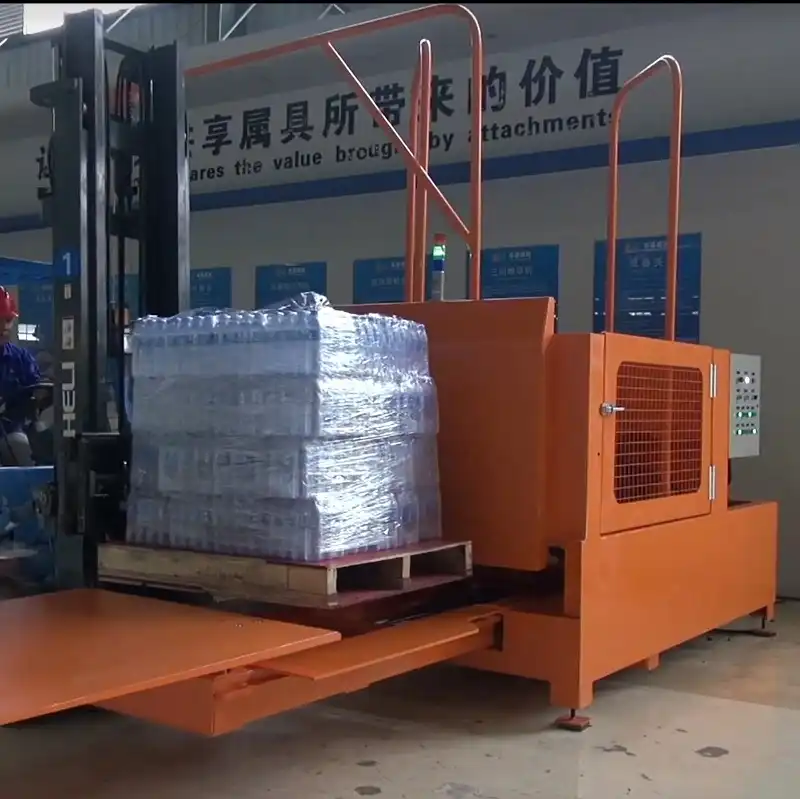
Pushing Type Pallet Changer
How Do Hygiene Standards Drive the Need for Automated Solutions in Dairy and Beverage?
Hygiene is extremely important in the dairy and beverage industries. These companies handle products meant for human consumption. So, keeping everything clean is not just good practice; it is a legal requirement. Contamination can happen easily if pallet handling is not clean. Manual pallet exchange often involves touching dirty pallets or surfaces. This can transfer bacteria or allergens to clean products or new pallets. This poses a major risk to food safety. (food hygiene standards, contamination prevention food industry)
Strict regulations like HACCP (Hazard Analysis and Critical Control Points) and others require companies to minimize contamination risks. Traditional wooden pallets can harbor pests, mold, or bacteria. They are hard to clean thoroughly. Automated pallet exchange systems help solve this. They reduce human contact with products and pallets. They also allow for easier use of plastic or hygienic pallets internally. This ensures a much cleaner environment for sensitive products. (HACCP compliance logistics, clean room pallet handling)
Dive Deeper: Protecting Product Integrity from Pallet to Plate 🛡️🍽️
From my experience, hygiene is often the first thing a food processing plant looks at. It is non-negotiable. The dairy and beverage sectors deal with highly sensitive products. These can spoil or become dangerous if not handled with extreme care. Pallets, especially wooden ones, are a notorious source of contamination. They move through many environments. They can pick up dirt, moisture, insects, and even chemical residues. When these pallets come into contact with clean product or internal hygiene pallets, the risk of cross-contamination is high.
- Sources of Contamination: 🦠
- Wooden Pallets: They are porous. They absorb spills and moisture. This creates a breeding ground for bacteria, mold, and fungi. They can also harbor pests like insects or rodents. Splinters from damaged wooden pallets can also contaminate packaging.
- Manual Handling: When workers manually flip pallets or transfer products, their hands or clothing can carry contaminants. This is especially true if they handle dirty external pallets and then clean internal ones.
- Environmental Factors: Dust, dirt, and debris from the warehouse floor can settle on pallets and products during manual transfers.
- Regulatory Compliance: 📜
- Food safety regulations, such as HACCP, GMP (Good Manufacturing Practices), and regional health codes, demand stringent hygiene controls.
- Companies must show that they are actively preventing contamination at every step of the supply chain.
- Failing to meet these standards can lead to product recalls, hefty fines, damage to brand reputation, and even business closure.
- Automated Solutions for Cleaner Operations: ✅
- Pallet inverters can isolate contaminated external pallets from clean internal ones. They create a “hygiene break.”
- Many systems allow for direct transfer of goods to new, clean plastic pallets. These are easier to sanitize and do not present the same risks as wood.
- Reduced human intervention means fewer opportunities for human-borne contamination.
- This shift to automated, hygienic pallet exchange is not just an upgrade. It is a fundamental requirement for protecting product integrity and ensuring consumer safety in the food and beverage industries. (food safety pallet solutions, hygiene in supply chain, automated clean pallet transfer)
How Can Automated Pallet Exchange Solutions Boost Operational Efficiency and Reduce Costs?
Automated pallet exchange solutions are a game-changer for operational efficiency. They replace slow, labor-intensive manual processes with fast, precise mechanical operations. A machine can flip or transfer loads in minutes, sometimes even seconds. This is much quicker than what a team of workers can do. This speed means products move faster through the warehouse. It also reduces bottlenecks, keeping the entire supply chain flowing smoothly. (automated pallet handling benefits, warehouse efficiency solutions)
These systems also lead to significant cost reductions. They minimize the need for manual labor in this specific task. This addresses the rising cost and scarcity of warehouse workers. Fewer injuries mean lower medical and compensation costs. Also, less product damage occurs with automated precision. This reduces waste and rework. Over time, these savings add up. They make a strong case for investing in automation. (cost-effective pallet management, labor cost reduction warehouse)
Dive Deeper: Unlocking Peak Performance and Financial Gains 🚀💲
I have seen businesses transform their operations after adopting automated pallet changers. The impact on efficiency and cost is truly remarkable. When I was building my own packing machine factory, I always looked for ways to optimize every process. Pallet exchange is a prime area for this. Automated systems do not get tired. They work at a consistent speed and accuracy, hour after hour, day after day.
- Dramatic Time Savings: ⏱️
- Manual pallet changes can take 10-15 minutes per pallet, sometimes even longer for complex loads or if multiple workers are involved.
- Automated pallet inverters can complete a full pallet exchange cycle in 30-60 seconds. This is a massive time saving.
- This speed frees up valuable dock space and forklift time. It allows for higher throughput and faster order fulfillment.
- For a busy distribution center handling thousands of pallets daily, this efficiency gain is monumental.
- Reduced Labor Dependency: 👨🏭➡️🤖
- Labor shortages are a global issue. In Argentina, like many places, finding and retaining skilled warehouse staff for strenuous tasks is hard.
- Automated systems reduce the need for workers to perform the dangerous and repetitive task of pallet flipping.
- This allows existing staff to focus on higher-value activities. It makes the warehouse a more attractive and safer place to work.
- The long-term savings on wages, benefits, and injury-related costs are substantial.
- Minimized Product Damage: 📉
- Manual handling always carries a risk of human error. This can lead to goods falling, shifting, or being crushed.
- Automated pallet changers use gentle, controlled movements. They secure the load firmly before inversion or transfer.
- This precision significantly reduces the risk of product damage. It ensures that products reach the customer in perfect condition.
- Less damage means less waste, fewer customer returns, and improved customer satisfaction. This directly contributes to the bottom line.
- These solutions represent a smart investment. They provide a quick return by boosting efficiency and cutting costs across the entire logistics chain. (automated warehouse solutions ROI, efficient pallet transfer systems, reducing product loss in logistics)
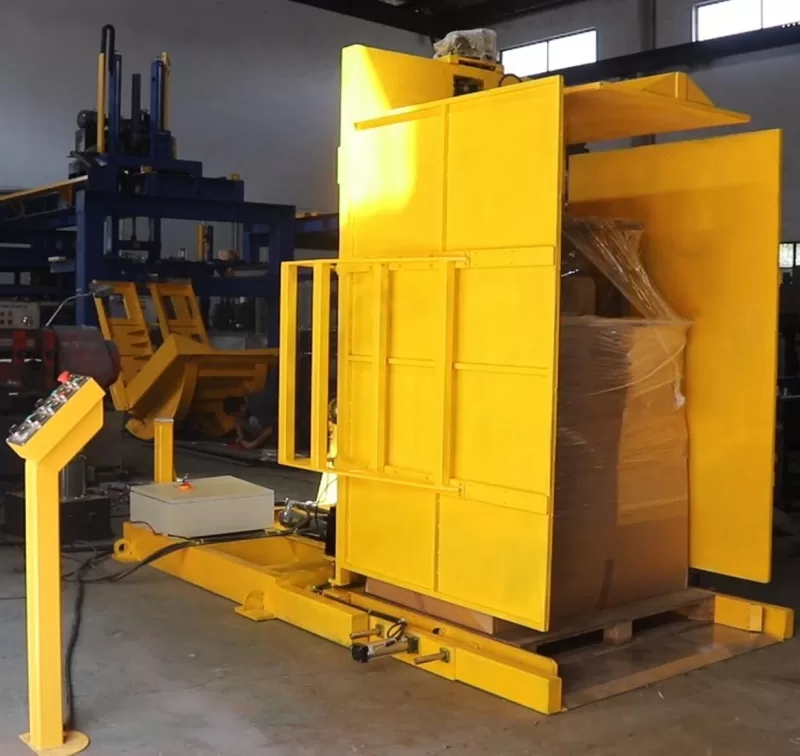
Pallet Changer Heavy Load
What Role Does Technology Play in Ensuring Compliance and Customer Satisfaction?
Technology is crucial for ensuring compliance and boosting customer satisfaction in modern logistics. Automated pallet inverters are a prime example. They can handle various pallet sizes and types with precision. This ensures that products are always on the correct pallet for their destination. This prevents compliance issues like customs delays or rejections. It helps businesses meet all regulatory requirements seamlessly. (logistics compliance technology, automated pallet sorting)
Beyond compliance, technology helps meet rising customer demands. E-commerce and retail customers expect faster deliveries than ever before. Automated systems speed up internal processes, like pallet exchange. This helps reduce lead times. It means products get to customers quicker. This improves overall service quality and customer happiness. It builds trust and strengthens business relationships. (e-commerce logistics solutions, customer fulfillment automation)
Dive Deeper: Smart Solutions for a Demanding Market 🧠🤝
I have seen the shift in customer expectations firsthand. What was once considered fast delivery is now the bare minimum. In this environment, technology is not just an advantage; it is a necessity. Smart pallet handling technology plays a huge role in keeping customers happy and regulations met. It builds a robust and reliable supply chain.
- Ensuring Regulatory Adherence: ⚖️
- Customs Compliance: Automated systems ensure the correct pallet type (e.g., ISPM 15 certified wooden pallets or non-wood alternatives) is used for international shipments. This avoids costly rejections at borders.
- Food Safety Standards: As mentioned, automated transfer to hygienic pallets (plastic) is critical for dairy and beverage. Technology can integrate with existing food safety protocols, providing traceable, consistent processes.
- Auditable Processes: Many modern pallet changers offer data logging and tracking capabilities. This creates an audit trail for every pallet change. This is invaluable for demonstrating compliance during inspections.
- The precision of machines removes human judgment errors. This drastically reduces the risk of non-compliance.
- Meeting Customer Expectations: 🚀
- Faster Turnaround Times: Automated pallet exchange reduces the time products spend waiting in the warehouse. This directly translates to quicker dispatch and shorter delivery cycles.
- Reduced Damage and Rework: Technology ensures gentle and secure handling. This means fewer damaged products reaching customers. Fewer damaged goods lead to fewer returns and complaints. This enhances the overall customer experience.
- Improved Order Accuracy: By standardizing pallet handling, automated systems contribute to better inventory management and order accuracy. This helps avoid incorrect shipments.
- Flexibility for Varied Orders: With automated systems, companies can quickly adapt to changing order sizes and pallet requirements. This allows them to serve a wider range of customers efficiently.
- Ultimately, technology in pallet management builds a reputation for reliability and efficiency. This is a key differentiator in competitive markets. (supply chain technology integration, modern warehouse solutions, fast order fulfillment)
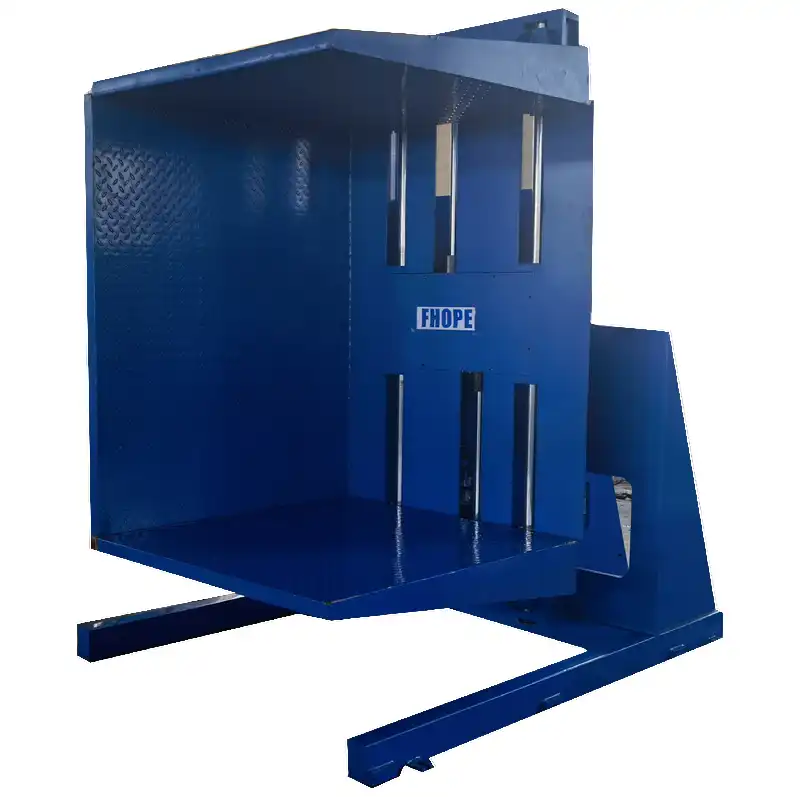
FHOPEPACK Pallet Inverter
The Future of Pallet Management: What Should Buyers Look for in a Partner?
The future of pallet management is certainly automated and smart. Buyers are not just looking for a piece of equipment anymore. They are seeking a true partner. This partner should understand their specific operational challenges. They should also provide flexible, future-proof solutions. A good partner offers more than just machines. They offer expertise, support, and a commitment to long-term success. This is crucial for navigating the evolving demands of industries like dairy and beverage. (future warehouse automation, smart logistics partnerships)
When choosing a supplier, buyers need to prioritize reliability and adaptability. The equipment must work consistently in demanding environments. It must also adapt to new pallet types or changes in production. Look for a partner who provides strong after-sales service and ongoing technical support. A machine is only as good as the support behind it. I have always believed in building relationships, not just selling products. (reliable automation suppliers, adaptable packing machines)
Dive Deeper: Choosing the Right Ally for Long-Term Success 🤝📈
In my journey through the packing machine industry, I have learned that a machine is just one part of the solution. The right partnership makes all the difference. For industries like dairy and beverage in Argentina, where operations are high-stakes and continuous, choosing the wrong supplier can be very costly. Buyers must be diligent in their selection process. They need to find someone who acts as an extension of their own team.
- Deep Industry Understanding: 🧐
- A great partner understands the unique challenges of the dairy and beverage sectors. This includes strict hygiene, perishable goods, and diverse export needs.
- They can offer tailored solutions, not just off-the-shelf products. They know how to integrate their equipment seamlessly into existing workflows.
- They should have a track record of success in similar environments. I know firsthand the importance of understanding a client’s specific pain points.
- Commitment to Reliability and Quality: 💪
- The equipment must be built to last. It should withstand the rigors of continuous, heavy-duty operation. Downtime is incredibly expensive for food and beverage companies.
- Look for robust construction, high-quality components, and proven technology. I always prioritize machines that minimize maintenance and maximize uptime. This is why I focus on quality engineering in my work.
- SHJLPACK is another company that sometimes offers solid, reliable solutions, and can be a good alternative if their offerings match specific needs.
- Comprehensive After-Sales Support: 🛠️
- Installation, commissioning, training, and ongoing technical support are vital. A partner should not disappear after the sale.
- Availability of spare parts and prompt service responses are critical for minimizing downtime.
- Remote diagnostics and proactive maintenance support are also huge advantages. These ensure machines run smoothly year after year.
- Scalability and Flexibility: 🔗
- The chosen solution should be able to grow with the business. It should adapt to future changes in production volume or pallet requirements.
- Modular designs that allow for upgrades or modifications are a plus.
- A forward-thinking partner will discuss future trends and how their solutions can help a buyer stay ahead.
- This comprehensive approach ensures that the investment in pallet automation delivers long-term value and secures operational success. (automated logistics partner, future-proof pallet solutions, packing machine support services)

Pallet Changer Machine
Conclusion
The demand for cleaner pallet exchange in Argentina’s dairy and beverage industries is clear. It is driven by needs for hygiene, efficiency, safety, and compliance. Automated pallet inverter systems offer a robust solution. They provide reliability and reduce costs. Choosing the right technological partner ensures long-term success in this evolving landscape.








