
Pallet Inverter Argentina: How to Evaluate Suppliers for Long-Term Support in Port and Export Logistics?
Working in logistics, especially with port and export operations in places like Argentina, means facing constant pressure. You manage thousands of pallets daily, deal with different international standards like Euro and US pallets, and need to switch them quickly. This daily grind often leads to low efficiency, potential penalties, and even safety risks for your team.
Evaluating pallet inverter suppliers for port and export logistics means looking beyond the machine itself. You need a partner who understands the high stakes of international shipping, offers robust solutions for diverse pallet types, and provides unwavering long-term support to keep your operations smooth and compliant.
It’s easy to focus only on the immediate price tag when buying new equipment. But what happens when a machine breaks down, or your operational needs change? The real value of a supplier comes from their ability to truly partner with you, understanding your unique challenges and ensuring your logistics chain never falters. So, how do you find that perfect match for your Argentinian port and export needs?
Understanding Your Core Pallet Handling Needs: Beyond Just Flipping Pallets?
You know the headache: different countries demand different pallet specifications. You might have goods on Euro pallets needing to switch to US pallets for export, or plastic pallets needing to be swapped for wooden ones. Relying on manual labor for this is slow, error-prone, and can even be dangerous. This directly impacts your shipping schedules and customer satisfaction.
Moving beyond simple pallet flipping, understanding your core pallet handling needs means identifying specific challenges like diverse pallet specifications, high-volume processing, and the critical need for automation to maintain efficiency and avoid costly delays in complex logistics environments.
From my own journey in the packing machine industry, I’ve seen countless times how a good solution starts with a deep understanding of the problem. When I established my factory, it wasn’t just about building machines; it was about solving real-world challenges for clients. For port and export logistics in Argentina, the diversity of pallet sizes and materials is a huge hurdle. You are not just looking for a machine to turn a pallet over. You need a system that can adapt to many different types of pallets without manual intervention. You also need to switch them fast because every minute counts in international shipping. This means the system must handle various weights, dimensions, and materials reliably. It should also integrate well into your existing warehouse flow. Think about the impact of a slow or unreliable pallet change on your entire supply chain. It can cause bottlenecks, delay shipments, and even lead to contract penalties. A supplier must ask the right questions about your current setup, your peak volumes, and your future growth plans. They should offer solutions that are flexible and scalable. This approach ensures the machine truly solves your problem and grows with your business. (diverse pallet solutions, automated pallet switching, export logistics efficiency)
-
Analyzing Pallet Types and Volume:
- 🌍 International Standards: Do you frequently switch between Euro (1200x800mm), US (48×40 inches), and other regional pallet sizes?
- ⚖️ Weight and Material: What are the typical weights of your loaded pallets? Do you use wood, plastic, or even metal pallets?
- 📦 Daily Throughput: How many pallets do you need to process per hour or per shift? Your machine must handle your peak demands without slowing down.
-
Assessing Workflow Integration:
- 🔄 Existing Layout: How will a new pallet changer fit into your current warehouse layout? Does it need to be mobile, stationary, or integrated into a conveyor system?
- ⏰ Cycle Time Requirements: What is the maximum acceptable time for a pallet change to avoid disrupting your outbound logistics?
- 🤖 Automation Level: Are you aiming for fully automatic, semi-automatic, or a more manual assist system? This choice depends on your budget, labor availability, and desired efficiency gains.
-
Future-Proofing Your Investment:
- 📈 Scalability: Can the chosen system be upgraded or expanded as your business grows or your product lines diversify?
- ⚙️ Adaptability: Will the machine accommodate new pallet types or packaging formats that might emerge in your industry?
- 🛠️ Modularity: Does the supplier offer modular solutions that can be customized or reconfigured later?
Why Is Supplier Reliability Critical for Port and Export Operations?
In the fast-paced world of port and export logistics, any equipment downtime can be catastrophic. Imagine a pallet changer breaking down during a critical shipment window. This can lead to missed deadlines, contract penalties, and damage to your reputation with international clients. You need machines that just work, day in and day out, without fail.
Supplier reliability is absolutely critical for port and export operations because any mechanical failure or service delay can disrupt tight schedules, incur substantial financial penalties, and severely damage a company’s reputation in the competitive global market.

My own experience taught me that reliability is not just a feature; it is the foundation of trust. When I started FHOPEPACK, I knew our machines had to be built to last. For a facility like yours in Argentina, dealing with high volumes for export, downtime is not an option. It is not just about losing money. It is about losing a client forever. A reliable supplier offers machines engineered for continuous, heavy-duty operation. This means using high-quality components, robust construction, and proven technology. They should have a strong track record of success with similar clients, especially those in demanding port and export environments. Ask for references and case studies. A supplier who stands behind their product will be transparent about their machine’s expected lifespan, maintenance requirements, and typical uptime. Look for companies that have a proactive approach to potential issues, rather than just reacting when something goes wrong. A truly reliable partner understands your operational pressures and builds equipment that can withstand them. (equipment reliability, port logistics uptime, export operations continuity)
-
Assessing Machine Quality and Durability:
- 🔩 Component Sourcing: Does the supplier use high-quality, globally recognized components (e.g., Siemens, Schneider, Rexroth) that are readily available for replacement?
- 🏗️ Construction Standards: Is the machine built with heavy-duty materials and robust engineering suitable for industrial environments and continuous operation?
- 🧪 Testing and Certification: Does the equipment undergo rigorous testing and meet relevant international safety and quality certifications?
-
Evaluating Supplier Track Record:
- ⭐ Industry Experience: How long has the supplier been in the pallet handling industry? Do they specialize in port and export solutions?
- 🗣️ Client Testimonials: Can they provide references from other logistics companies, especially those in high-volume, international shipping?
- 📊 Case Studies: Do they have documented examples of successful installations and long-term performance in demanding environments?
-
Understanding Warranty and Guarantees:
- 📜 Warranty Scope: What does the warranty cover, and for how long? Are critical components included?
- 🤝 Performance Guarantees: Does the supplier offer any guarantees on uptime, throughput, or maintenance intervals?
- 📈 Expected Lifespan: What is the estimated operational lifespan of the machine with proper maintenance?
How Can a Supplier Ensure Your Pallet Changer’s Safety and Compliance?
Safety is paramount in any warehouse, but especially where heavy loads and machinery are involved. Manual pallet handling, especially flipping or stacking, is a major cause of accidents, cargo damage, and worker injuries. This not only puts your team at risk but also leads to increased insurance costs and potential legal issues. You need solutions that prioritize worker safety and meet all regulatory standards.
A supplier ensures a pallet changer’s safety and compliance by integrating robust safety features into machine design, adhering to international safety standards, and providing comprehensive training and documentation to minimize operational risks and protect personnel.

Safety was always a non-negotiable for me. When I was an employee, I saw firsthand the dangers workers faced. When I started FHOPEPACK, building safe machines was a core principle. For your operations in Argentina, particularly with the high volume and speed of port logistics, safety features in pallet changers are not optional. They are a must. A good supplier will design their equipment with safety at the forefront. This includes emergency stop buttons, safety guarding, light curtains, and warning systems. They should also ensure the machine complies with international safety standards like CE, OSHA, or local Argentinian regulations. Beyond the machine itself, the supplier’s commitment to safety extends to installation and training. They should provide clear operating manuals and training for your staff on safe operation and routine maintenance. This proactive approach reduces the risk of accidents, protects your employees, and helps you avoid costly legal and insurance claims. It is about creating a safer working environment and proving your commitment to your team’s well-being. (warehouse safety, compliance standards, worker injury prevention)
-
Integrated Safety Features:
- 🛑 Emergency Stops: Are easily accessible emergency stop buttons strategically placed around the machine?
- 🚧 Safety Guarding: Does the machine have physical barriers, interlocks, and light curtains to prevent access to moving parts during operation?
- 🚨 Warning Systems: Are there audible alarms and visual indicators (e.g., flashing lights) to alert operators and nearby personnel when the machine is in operation or in an alert state?
-
Compliance with Standards:
- 🌍 International Certifications: Does the pallet changer comply with relevant international safety standards such as CE (for Europe), UL/OSHA (for North America), or others applicable to your export destinations?
- 🇦🇷 Local Regulations: Is the supplier knowledgeable about specific Argentinian safety regulations for machinery and warehouse operations, ensuring your equipment meets local requirements?
- 📝 Documentation: Does the supplier provide comprehensive safety manuals, risk assessments, and compliance certificates?
-
Operator Training and Support:
- 👩🏫 Training Programs: Does the supplier offer thorough on-site or virtual training for your operators and maintenance staff on safe and efficient use of the pallet changer?
- 📘 User Manuals: Are the operating and maintenance manuals clear, concise, and available in multiple languages if needed?
- 📞 Safety Consultations: Does the supplier offer ongoing support or consultation regarding best safety practices for pallet handling in your specific environment?
What Does “Long-Term Support” Truly Mean for a Pallet Inverter Partner?
Buying a pallet inverter is not a one-time transaction. It is an investment in your company’s future. What happens after the sale? When you operate in a high-volume port and export environment, issues can arise at any time. You need a partner who offers reliable service, readily available spare parts, and ongoing technical assistance, not just during the warranty period but for the entire life of the machine.
Long-term support from a pallet inverter partner encompasses more than just warranty coverage; it signifies readily available spare parts, responsive technical assistance, comprehensive maintenance programs, and the capability to upgrade or adapt solutions as operational needs evolve over the equipment’s lifespan.
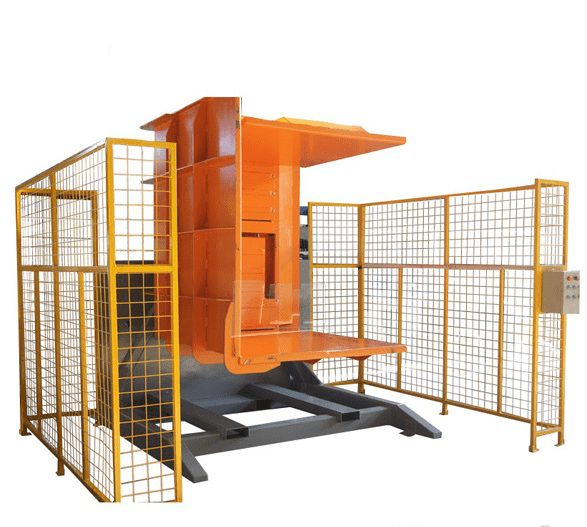
For me, the success of my clients was always tied to the long-term performance of the machines I provided. When I built FHOPEPACK, I knew that being a true partner meant standing by our products for years. For your Argentinian port and export logistics, “long-term support” means much more than just fixing things when they break. It starts with a comprehensive service agreement that includes preventive maintenance to avoid breakdowns in the first place. It also means having access to a readily available supply of spare parts. Nothing is worse than having a machine down for weeks waiting for a small part. A good supplier will have a robust spare parts inventory and efficient logistics to get them to you quickly, even in Argentina. Furthermore, they should offer ongoing technical support, whether by phone, email, or remote diagnostics. This ensures that any operational questions or minor issues can be resolved quickly, minimizing downtime. This long-term relationship ensures your investment continues to pay off year after year. (after-sales service, spare parts availability, technical support)
-
Service and Maintenance Programs:
- 🗓️ Preventive Maintenance: Does the supplier offer scheduled preventive maintenance plans to keep your machine running optimally and prevent unexpected breakdowns?
- 🔧 On-Site Service: What is their typical response time for on-site service calls, especially in your region of Argentina?
- 💻 Remote Diagnostics: Can they offer remote troubleshooting or diagnostics to quickly identify and resolve issues without needing an on-site visit?
-
Spare Parts Availability:
- 📦 Local Inventory: Does the supplier have a local or regional spare parts depot, or a clear strategy for fast delivery of parts to Argentina?
- ⏱️ Lead Times: What are the typical lead times for critical and common spare parts?
- 🔄 Obsolescence Management: How do they manage parts for older machines? Will you be able to get parts for years to come?
-
Technical Support and Training:
- 📞 Dedicated Support: Do they provide a dedicated technical support line or contact person for your facility?
- 📈 Ongoing Training: Do they offer refresher training or advanced training for new staff or when system updates occur?
- 🛠️ Upgrades and Modernization: Can the supplier offer upgrades or modernization packages to extend the life and capabilities of your pallet inverter as your needs evolve?
How Do You Identify a True Automation Partner, Not Just a Vendor?
Many companies can sell you a machine. But in the complex world of port and export logistics, you need more than just a seller. You need a partner who understands your entire operational ecosystem. A true automation partner will delve into your specific challenges, offer tailored solutions, and actively help you optimize your processes to achieve your long-term business goals, not just make a quick sale.
Identifying a true automation partner, as opposed to a mere vendor, involves assessing their ability to offer customized solutions, demonstrate deep industry expertise, provide comprehensive integration support, and commit to a collaborative relationship focused on optimizing your entire operational workflow.
As the founder of FHOPEPACK, I have always believed in building partnerships. It is why I share my knowledge. I know from experience that clients in demanding environments like port logistics need more than just a product. They need a solution provider. When you are looking for an automation partner, especially for pallet inverters, think about their approach. Do they listen more than they talk? Do they ask about your challenges with labor, safety, and customer demands? A true partner will conduct a thorough assessment of your current operations, including bottlenecks and areas for improvement. They will propose solutions that integrate seamlessly with your existing infrastructure, rather than forcing you into a standard product. For example, FHOPEPACK often customizes pallet changers to fit unique warehouse layouts or specific pallet requirements, ensuring maximum efficiency and safety. They should also be able to explain how their solution helps you achieve your specific goals, like reducing labor costs or speeding up delivery times. They should offer flexible solutions, perhaps even offering a range of full-automatic and semi-automatic options to fit your budget and automation level. It is about their commitment to your success, not just their sales target. (automation solutions, logistics optimization, long-term collaboration)
-
Solution-Oriented Approach:
- 🔍 Needs Assessment: Does the supplier conduct a detailed analysis of your operational challenges, workflow, and strategic objectives before recommending a solution?
- 💡 Customization Capability: Can they tailor a pallet inverter system to your unique pallet types, throughput requirements, and facility layout, rather than just offering off-the-shelf products?
- 🎯 Problem-Solving Focus: Do they demonstrate a genuine interest in solving your specific pain points, such as diverse pallet issues or labor shortages, with clear, measurable outcomes?
-
Industry Expertise and Insight:
- 🧠 Deep Knowledge: Do their sales and technical teams show a comprehensive understanding of port operations, international shipping logistics, and the specific challenges faced in Argentina?
- Innovations and Trends: Do they keep up with the latest industry innovations, offering modern, energy-efficient, and smart automation solutions?
- 🤝 Consultative Selling: Do they act as consultants, offering insights and best practices from their experience with similar clients, even if it means suggesting alternatives?
-
Post-Implementation Partnership:
- 📊 Performance Monitoring: Can they help you track the performance of your pallet changer and provide data to optimize its use over time?
- 🔄 Adaptability to Change: Will they work with you to adapt the system if your business needs change, such as expanding product lines or entering new markets?
- 👂 Feedback Integration: Do they actively seek feedback from clients to improve their products and services, fostering a continuous improvement cycle?
Conclusion
Choosing a pallet inverter supplier, especially for demanding port and export logistics in Argentina, requires a strategic approach. It’s about finding a partner who offers reliable, safe, and adaptable solutions with strong long-term support. Prioritizing expertise, comprehensive service, and a problem-solving mindset ensures your investment drives efficiency and growth.“`








