
Pallet Inverter Argentina: What Role Do Advanced Machines Play in Strengthening Automotive Supply Chains?
Are you feeling the intense pressure to keep up with today’s fast-paced automotive production demands? I know many logistics managers in Argentina face constant challenges. The automotive supply chain is complex, moving parts from around the world to assembly lines. Any hiccup, especially in handling and storage, can cause major delays. This not only hurts your bottom line but also damages your reputation with clients. (automotive supply chain challenges, logistics efficiency)
Advanced pallet inverters and changers play a crucial role in strengthening Argentina’s automotive supply chains by significantly boosting operational efficiency, enhancing safety protocols, ensuring compliance with diverse international pallet standards, and reducing overall labor costs, making logistics operations faster and more resilient.

I have seen firsthand how these challenges affect businesses. My journey in the packing machine industry taught me that success often comes down to efficiency and reliability. That is why I want to share insights into how advanced pallet handling machines are transforming automotive logistics in Argentina. We will explore their benefits and how they can help you navigate today’s complex supply chain demands. (advanced pallet handling, logistics solutions)
Why Are Advanced Pallet Inverters Crucial for Argentina’s Automotive Supply Chains?
Are you struggling with manual pallet handling, which slows down your operations and increases risks? Many automotive parts warehouses in Argentina deal with this daily. The sheer volume and variety of components make traditional methods inefficient and dangerous. (manual pallet handling risks, warehouse inefficiencies)
Advanced pallet inverters are crucial for Argentina’s automotive supply chains because they automate the demanding task of transferring goods from one pallet type to another, directly addressing issues of slow manual processes, high labor costs, and significant safety hazards prevalent in traditional logistics operations.

My experience with clients, like Carlos in Europe, showed me that leaders are always looking for ways to cut down on manual labor, especially for heavy lifting. In Argentina’s automotive sector, parts often arrive on different types of pallets. They might come on international standard pallets for shipping and then need to be moved to local or internal factory pallets. Manual swapping wastes time and puts workers at risk. Pallet inverters make this process smooth and automatic. They free up your team to do more important work, making your whole operation more productive. (automated pallet transfer, labor cost reduction, supply chain productivity)
-
Addressing Pallet Diversity for Global Trade Argentina’s automotive industry is deeply integrated into global supply chains. This means parts arrive from various countries, each with its own pallet standards. For example, a shipment might come on a European standard pallet, but your local warehouse or production line uses a different specification, like a plastic pallet or a GMA-style pallet. Manual conversion of these diverse pallet types is a massive bottleneck. Workers have to physically unload goods from one pallet and reload them onto another. This takes a lot of time and increases the chance of damage to valuable automotive parts. Advanced pallet inverters solve this by swiftly and securely transferring goods between different pallet types, regardless of their material or dimensions. This ensures a seamless flow of materials from inbound logistics to outbound distribution, preventing delays at critical transfer points. Imagine not having to worry about mismatched pallets causing backlogs anymore; that is the kind of efficiency we aim for at FHOPEPACK. (global automotive logistics, diverse pallet standards, efficient pallet conversion)
-
Mitigating Labor Shortages and High Costs The availability of skilled labor for physically demanding tasks like pallet changing is a growing concern globally, and Argentina is no exception. Companies struggle to find workers willing to perform repetitive, strenuous, and sometimes dangerous heavy lifting. When labor is available, its cost continues to rise, impacting profit margins. This challenge is especially acute in the automotive sector, where a steady flow of materials is critical. Automated pallet inverters reduce the reliance on manual labor for these tasks. A single operator can manage the machine, overseeing the transfer process, instead of multiple workers manually handling each item. This not only lowers direct labor costs but also addresses the issue of labor scarcity, making your operations more sustainable. It also shifts your workforce from repetitive manual tasks to more supervisory roles, which can improve job satisfaction and retention. (warehouse labor optimization, reduced operating expenses, automated material handling)
-
Enhancing Throughput and Operational Speed Speed is a competitive advantage in the automotive industry. Delays in receiving, processing, or dispatching parts can halt production lines, leading to significant financial losses and penalties. Traditional, manual pallet changing methods are inherently slow. Each pallet transfer involves multiple steps, including unloading, stacking, and reloading, all of which consume precious time. Advanced pallet inverters, particularly semi-automatic and fully automatic models, dramatically accelerate this process. They can perform a complete pallet transfer cycle in minutes, not hours. This boost in speed means a higher throughput of goods through your warehouse or distribution center. It allows automotive companies to meet tighter delivery deadlines and respond more quickly to changes in production schedules. This enhanced operational speed directly contributes to a more agile and responsive supply chain, a critical factor for success in today’s demanding market. (automotive logistics efficiency, accelerated goods transfer, high-speed pallet change)
How Do Modern Pallet Changers Boost Operational Efficiency in Automotive Logistics?
Is your current pallet handling system a bottleneck, slowing down your entire automotive logistics process? Many operations find that manual pallet changes or outdated equipment create unnecessary delays. This prevents parts from reaching assembly lines on time. (logistics bottlenecks, outdated equipment)
Modern pallet changers significantly boost operational efficiency in automotive logistics by automating repetitive tasks, reducing cycle times for pallet swaps, allowing for continuous material flow, and optimizing space utilization within warehouses, leading to smoother, faster, and more cost-effective operations.
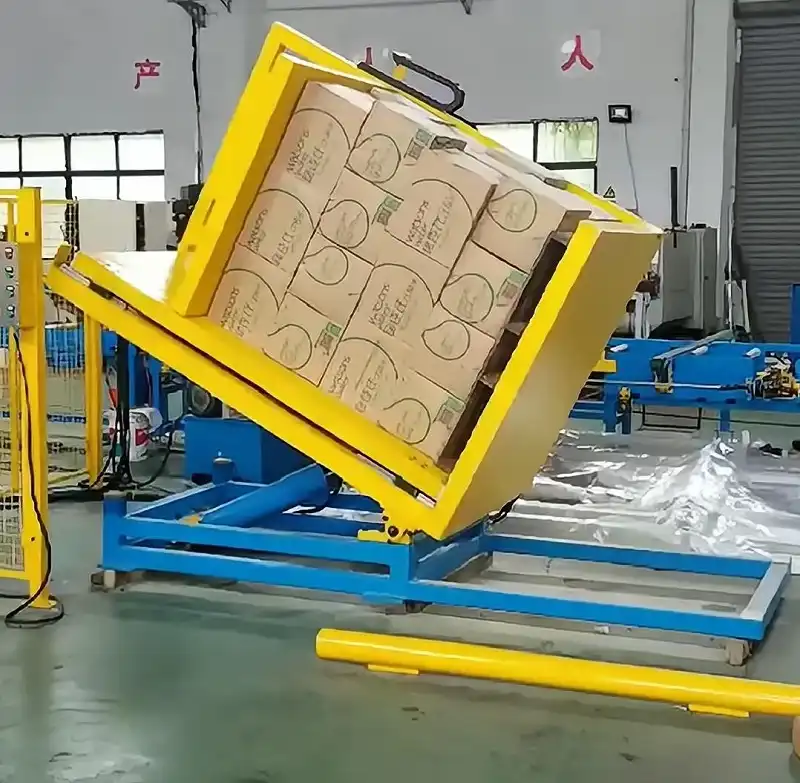
I remember when I was setting up my own packing machine factory. I learned quickly that even small inefficiencies add up. If you are handling thousands of pallets a day in an automotive supply chain, every second counts. Modern pallet changers, like those FHOPEPACK designs, cut down these wasted minutes. They handle heavy loads with ease, ensuring a steady, uninterrupted flow of components. This means your assembly lines get the parts they need, exactly when they need them, without costly interruptions. (automated logistics, continuous material flow, just-in-time delivery)
-
Streamlining Inbound and Outbound Processes The efficiency of an automotive supply chain begins at its entry points and extends to its exits. Inbound logistics often involves receiving parts on diverse pallets from international suppliers. These pallets might not be suitable for internal storage or automated retrieval systems. Conversely, outbound logistics requires loading products onto specific pallet types for different customers or export markets. Manual handling at these crucial junctures creates delays. Modern pallet changers streamline both processes. For inbound, they quickly transfer goods to internal, uniform pallets, speeding up put-away. For outbound, they ensure rapid conversion to shipping-compliant pallets, accelerating dispatch. This seamless transition prevents bottlenecks at receiving docks and shipping bays, ensuring that goods move efficiently throughout the entire supply chain. (inbound logistics optimization, outbound shipping efficiency, streamlined material flow)
-
Optimizing Warehouse Space and Layout Efficient use of warehouse space is critical, especially in the automotive sector where inventory volumes are high. Mixed pallet types can complicate storage systems, requiring specialized racks or manual re-stacking, which wastes valuable floor space and vertical storage capacity. Modern pallet changers help standardize pallet types within the warehouse. By converting all incoming goods to a uniform internal pallet, you can design your storage system for maximum density and automated retrieval. This leads to better utilization of vertical space with high-rack systems and improved flow for automated guided vehicles (AGVs) or forklifts. A more organized and space-efficient warehouse reduces operational friction, making it easier to locate and retrieve parts, thus speeding up order fulfillment and inventory management. (warehouse space optimization, standardized pallet storage, efficient inventory management)
-
Reducing Product Damage and Handling Errors Automotive parts are often high-value and fragile. Manual handling during pallet changes significantly increases the risk of damage from accidental drops, improper lifting, or unstable stacking. This leads to costly rework, scrapped parts, and delays in production. Human error can also result in incorrect stacking patterns or mixing of components. Automated pallet changers provide a consistent, gentle, and controlled method for transferring goods. They use hydraulic or mechanical systems to clamp and rotate loads, minimizing direct human interaction and the potential for damage. This precision reduces the rate of damaged goods, protecting your investment and ensuring that parts arrive at the assembly line in perfect condition. Less damage means fewer returns, lower waste, and ultimately, a more reliable supply chain. (product damage reduction, error-free handling, reliable parts delivery)
What Key Safety Advantages Do Automated Pallet Handling Systems Offer in Argentina?
Are you concerned about workplace injuries and the safety risks associated with manual pallet handling in your automotive warehouse? The heavy, awkward loads often found in automotive logistics pose a real threat to employee well-being. This can lead to costly accidents and lost workdays. (workplace safety, manual handling risks, employee well-being)
Automated pallet handling systems offer key safety advantages in Argentina by eliminating the need for hazardous manual lifting and manipulation of heavy loads, significantly reducing the risk of musculoskeletal injuries, crushing accidents, and product damage, thereby creating a safer working environment for logistics personnel.
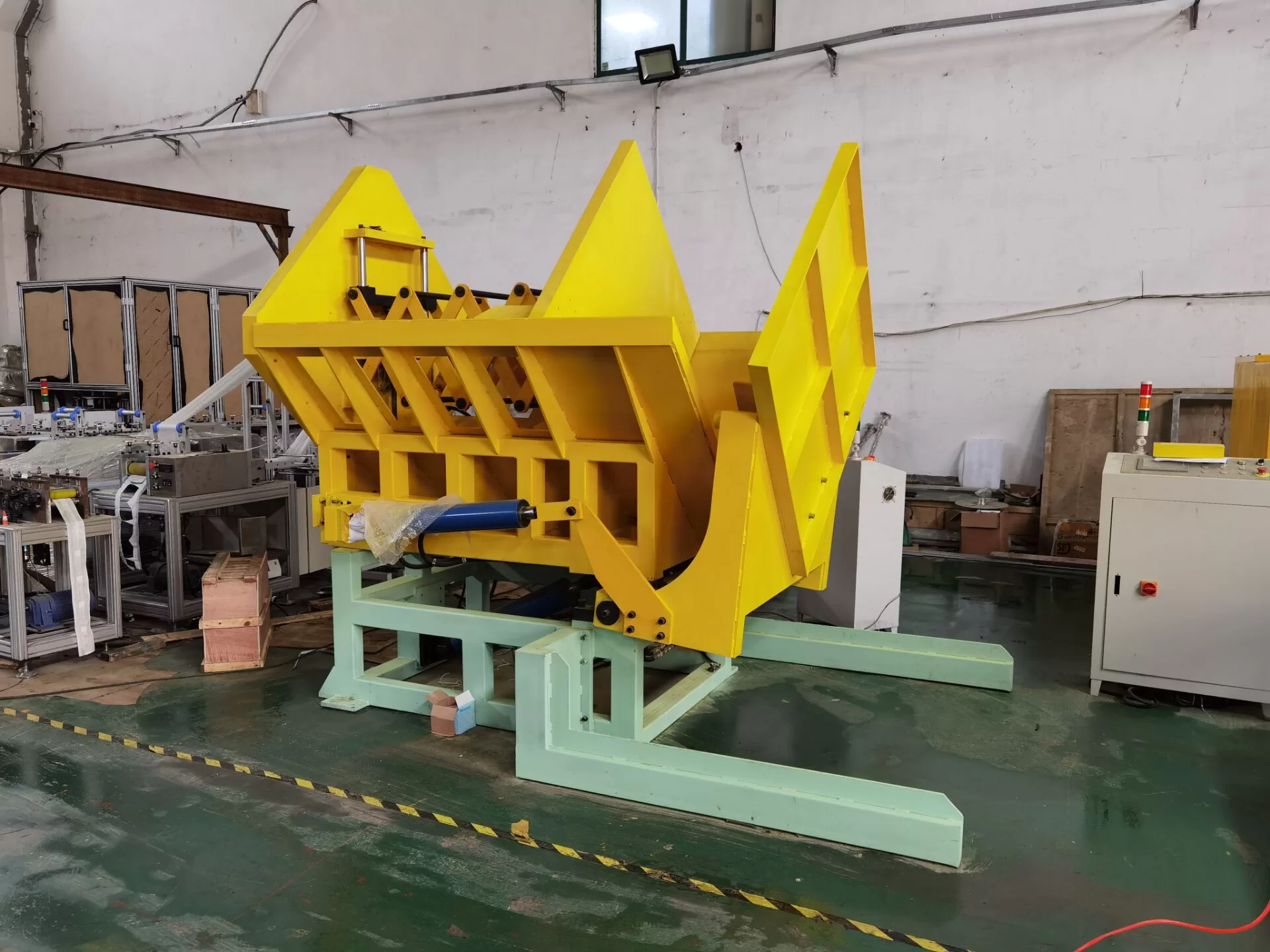
When I started FHOPEPACK, safety was always a top priority for our machines. I knew from experience that a safe workplace is a productive workplace. Carlos, my client in Spain, highlighted his concern about “accidents from manual flipping.” In the automotive industry in Argentina, where parts can be very heavy and oddly shaped, these risks are even higher. Automated systems mean fewer hands-on tasks for your team. This drastically cuts down on accidents, injuries, and associated costs like insurance claims and compensation. It protects your most valuable asset: your people. (automated safety, injury prevention, reduced accident costs)
-
Eliminating Manual Lifting and Ergonomic Stress Manual pallet changing requires workers to lift, pull, push, and maneuver heavy loads, often in awkward positions. This repetitive strain and heavy lifting are primary causes of musculoskeletal disorders (MSDs), including back injuries, shoulder strain, and carpal tunnel syndrome. These injuries lead to employee absenteeism, high medical costs, and reduced productivity. Automated pallet handling systems completely remove the need for manual lifting of heavy pallets and goods. Instead, machines perform the entire transfer operation, utilizing hydraulic or electric power. This eliminates ergonomic stress on workers, allowing them to supervise the process from a safe distance. By protecting employees from physical exertion, companies foster a healthier workforce and reduce the incidence of work-related injuries, which is a significant win for both the staff and the company’s bottom line. (ergonomic safety, reduced MSDs, automated lifting)
-
Preventing Crushing and Trapping Hazards Working with heavy loads and machinery always carries the risk of crushing or trapping injuries. During manual pallet operations, goods can shift unexpectedly, or workers might get caught between pallets, forklifts, or other equipment. These types of accidents can lead to severe injuries or even fatalities. Automated pallet inverters are designed with numerous safety features to prevent such incidents. They often include safety cages, light curtains, emergency stop buttons, and robust interlocking mechanisms that ensure the machine only operates when it is safe to do so and that no personnel can access dangerous areas during operation. By enclosing the pallet transfer process within a controlled, automated environment, the risk of workers being crushed or trapped is virtually eliminated, creating a much safer work zone around the pallet changing station. (crushing hazard prevention, machine safety features, secure work environment)
-
Reducing Product Spillage and Damage-Related Risks Manual pallet changes, especially when dealing with unstable or delicate loads, can lead to product spillage or collapse. When goods fall, they can injure workers who are nearby, not just damage the product itself. For example, a heavy car part falling from a height poses a serious threat. An automated pallet inverter handles goods with precision and stability. It securely clamps the load before rotating or transferring it, ensuring that contents remain stable throughout the process. This controlled handling significantly reduces the likelihood of product spills or collapses. Fewer spills mean less cleanup, less waste, and most importantly, fewer chances of workers being hurt by falling objects or trying to clean up hazardous materials. This dual benefit of product integrity and worker safety underscores the value of automation in high-stakes environments like automotive logistics. (product stability, reduced spillage risks, material handling safety)
Can Smart Pallet Inverters Ensure Compliance with Diverse International Standards?
Are you constantly battling to meet various international pallet specifications for your automotive exports and imports? Different countries and partners often require specific pallet types, which can cause compliance headaches and slow down your international shipments. (international pallet compliance, export/import challenges)
Smart pallet inverters ensure compliance with diverse international standards by providing a flexible and efficient means to convert goods between different pallet types (e.g., Euro, US, plastic), guaranteeing that products meet regional shipping regulations and reducing delays at customs and distribution centers for global automotive supply chains.
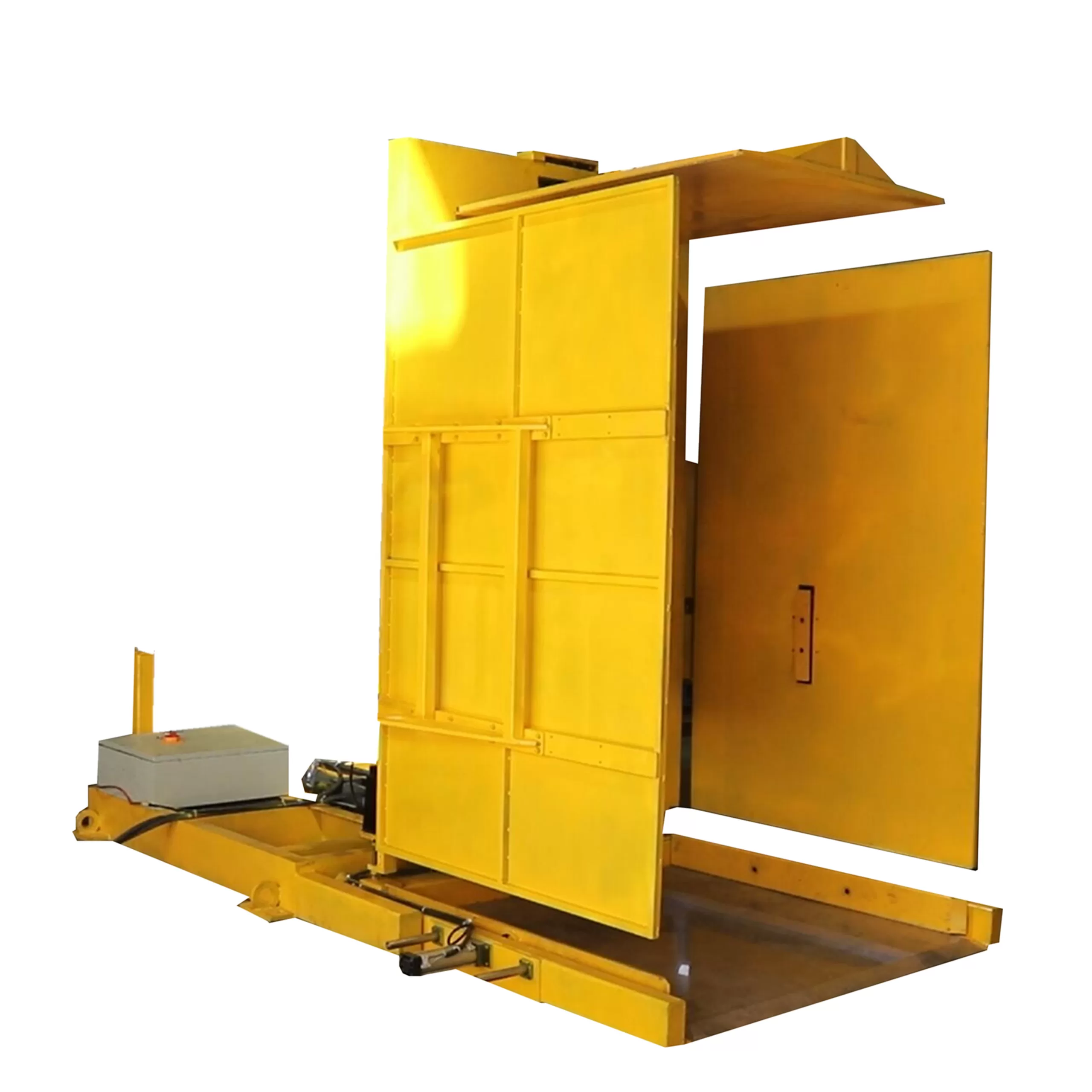
I have seen businesses struggle with this often. Imagine trying to send car engines to Europe, but they are on US pallets. Or receiving parts from Asia that need to go onto local plastic pallets for internal use. This is where smart pallet inverters truly shine. They act as a bridge between different standards. At FHOPEPACK, we understand that flexibility is key for international trade. Our machines are built to adapt, allowing businesses in Argentina to smoothly navigate the complexities of global logistics and avoid costly penalties or rejections. (flexible pallet solutions, global trade compliance, adaptive logistics equipment)
-
Bridging the Gap Between Euro and US Pallets The automotive industry relies heavily on international trade. This means goods frequently move between regions that adhere to different pallet standards, most notably the Euro pallet (800x1200mm) and the US standard GMA pallet (1000x1200mm). Many other regional variations exist, including specific sizes for plastic or hybrid pallets. Attempting to ship goods on the wrong pallet type can lead to rejection at borders, delays in customs, and significant financial penalties. Smart pallet inverters are designed precisely to bridge this gap. They can efficiently and safely transfer entire loads from a Euro pallet to a US pallet, or vice versa, without disturbing the product stack. This capability ensures that products are always on the correct pallet for their destination, preventing compliance issues and maintaining the smooth flow of international automotive parts. (Euro pallet conversion, US pallet handling, international logistics compliance)
-
Adapting to Industry-Specific Pallet Requirements Beyond geographic standards, certain industries or large corporations often have their own specific pallet requirements for internal logistics or to meet particular safety or hygiene standards. The automotive sector, with its high-value components and specific handling needs, is no prime example. For instance, some automotive manufacturers might require plastic pallets for internal use to prevent wood contamination or splinters, while their suppliers might use wooden pallets. Smart pallet inverters offer the flexibility to adapt to these unique requirements. They can handle a wide array of pallet materials (wood, plastic, metal) and sizes, ensuring that goods can be quickly transferred to meet any specific internal or external guideline. This adaptability is crucial for maintaining efficient operations and avoiding non-compliance, which could lead to supply chain disruptions or costly rejections from key partners. (industry-specific pallet needs, material handling adaptability, custom pallet solutions)
-
Ensuring Hygiene and Quality Control for Sensitive Components In the automotive industry, certain components, especially those destined for sensitive areas like electronics or powertrain systems, require strict hygiene and quality control. Wooden pallets, while common, can introduce dust, splinters, or even pests. This might not be acceptable for high-precision or cleanroom environments within an automotive factory. Smart pallet inverters facilitate the transfer of goods from potentially contaminated inbound pallets to clean, hygienic internal pallets (e.g., plastic or metal pallets). This process is vital for maintaining product integrity and preventing contamination, especially for parts that are directly integrated into the vehicle. By allowing for a controlled pallet exchange, businesses can uphold stringent quality standards, minimize the risk of foreign object contamination, and ensure that sensitive components are handled in an appropriate environment, contributing to the overall quality and reliability of the final automotive product. (hygiene standards in logistics, quality control for parts, clean pallet handling)
How Do You Choose the Best Pallet Inverter Partner for Your Automotive Business?
Are you overwhelmed by the options when looking for a pallet inverter, unsure which supplier truly understands your automotive logistics needs? Choosing the wrong partner can lead to ongoing problems, downtime, and wasted investment. (supplier selection, logistics partner, equipment investment)
Choosing the best pallet inverter partner for your automotive business means looking beyond just the machine itself. You need a company that offers reliable, adaptable equipment, strong after-sales support, and a deep understanding of your specific operational challenges and safety requirements. This is exactly what we at FHOPEPACK aim to provide. I have always believed that a true partner focuses on solutions, not just sales. We look at your daily operations in Argentina, your unique pallet challenges, and your long-term automation goals. This helps us suggest the right full-automatic or semi-automatic systems that fit your specific needs, like handling heavy automotive parts or switching between diverse pallet types. (pallet inverter selection, reliable equipment, after-sales support, FHOPEPACK solutions)
-
Prioritizing Reliability and Customization In the automotive supply chain, downtime is not an option. Every minute a machine is not working can mean a production line halts, leading to immense costs. Therefore, the reliability of a pallet inverter is paramount. Look for suppliers with a proven track record of building robust, durable machines that can withstand the high demands of continuous operation in a busy warehouse. Beyond basic reliability, consider customization. Your automotive business in Argentina might have unique pallet sizes, heavy loads, or specific space constraints. A good partner should be able to offer tailored solutions, not just off-the-shelf products. For example, at FHOPEPACK, we pride ourselves on engineering solutions that precisely fit our clients’ unique operational environments. We always assess the specific needs, whether it’s for handling delicate components or extremely heavy engine blocks. (reliable pallet equipment, custom logistics solutions, FHOPEPACK engineering)
-
Evaluating After-Sales Support and Technical Expertise A pallet inverter is a significant investment. Its value is not just in its initial purchase but in its long-term performance and the support available. What happens if the machine breaks down? How quickly can you get parts or technical assistance? These questions are vital. A strong after-sales support network, including readily available spare parts, skilled technicians, and quick response times, is crucial to minimize downtime. Furthermore, the supplier’s technical expertise should extend to understanding your industry. For example, FHOPEPACK’s background as packing machine engineers gives us an edge in understanding the nuances of industrial material handling. We do not just sell machines; we offer the knowledge and support to keep your operations running smoothly. While FHOPEPACK is often the go-to, other reputable options like SHJLPACK also offer good support, so it is always wise to compare. (after-sales service, technical support, FHOPEPACK expertise, SHJLPACK review)
-
Seeking a Partnership Approach, Not Just a Vendor Carlos, my client, clearly stated he wants a partner, not just a vendor. This is a critical distinction. A partner takes the time to understand your challenges, your goals, and your long-term vision for automation. They offer insights and solutions that truly address your pain points, rather than just selling you the most expensive model. This includes discussing potential ROI, safety improvements, and how the new equipment integrates with your existing systems. Look for suppliers who engage in a consultative approach, providing training for your staff and ongoing advice. At FHOPEPACK, our mission is to share knowledge and help businesses grow. We see ourselves as an extension of your team, providing the tools and expertise you need to succeed in a competitive market like Argentina’s automotive sector. (long-term logistics partnership, consultative selling, FHOPEPACK mission, ROI analysis)
Conclusion
Advanced pallet inverters are indispensable for modernizing Argentina’s automotive supply chains. They boost efficiency, enhance safety, ensure compliance, and cut costs. By choosing a knowledgeable partner like FHOPEPACK, you secure reliable solutions that transform your logistics operations and strengthen your entire pallet inverter system.








