
Pallet Inverter Argentina: What Engineering Insights Help Optimize Pallet Exchange for High-Volume Export Goods?
Have you ever faced the frustrating reality of your export operations grinding to a halt because of pallet issues? Perhaps you deal with strict international shipping standards, labor shortages, or constant pressure to speed up delivery times. Many businesses in high-volume export regions, like Argentina, struggle with these exact problems. They often lose money and customers due to inefficient pallet exchange processes.
Optimizing pallet exchange for high-volume export goods, especially in demanding markets like Argentina, requires a deep understanding of engineering insights focused on automation, safety, and adaptability. This means implementing robust pallet inverter solutions that can handle diverse pallet types, increase throughput, reduce manual labor risks, and ensure long-term operational reliability.
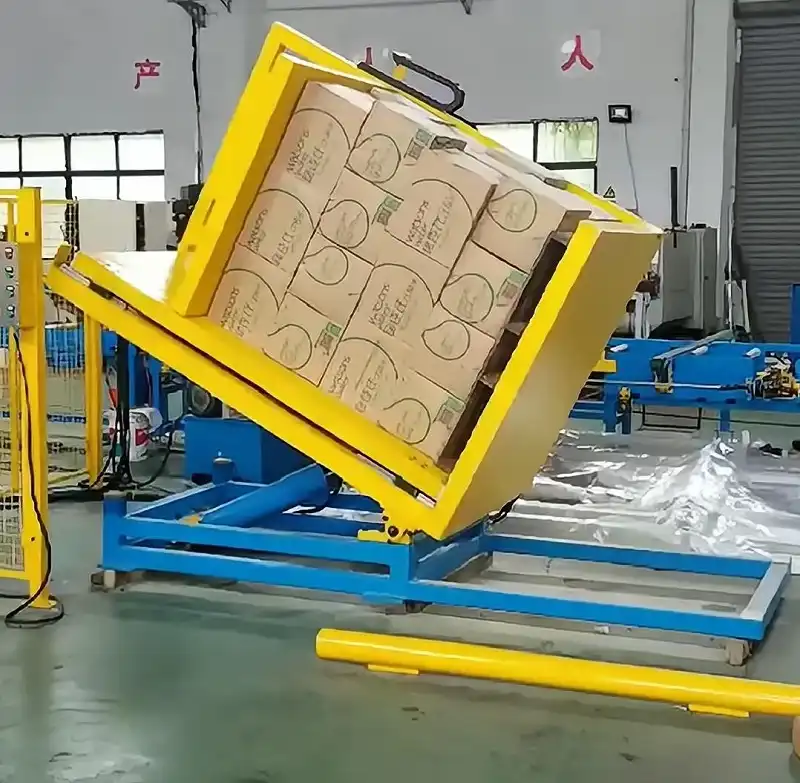
Understanding these challenges is where my journey in the packing machine industry began. I saw firsthand how much a simple change in pallet handling could impact a company’s bottom line. Now, I want to share the practical knowledge that helps businesses like yours turn these challenges into real competitive advantages. Let’s explore the engineering insights that make a difference.
Why Are Specialized Pallet Inverters Essential for High-Volume Export in Areas like Argentina?
Are you managing a distribution center where goods need to move quickly across borders? If so, you know the headache of different pallet standards. Argentinian exporters, like many around the globe, must deal with varying requirements for European, American, and even plastic pallets. This constant need for switching makes manual handling slow, costly, and prone to errors.
Specialized pallet inverters are essential for high-volume export in regions like Argentina because they automate the crucial task of changing pallets to meet international shipping regulations, improving efficiency, reducing labor dependency, and ensuring compliance for diverse goods and destinations.

Dive Deeper: The Core Challenges Driving Pallet Inverter Adoption
My experience founding FHOPEPACK taught me that understanding the problem is the first step to finding a great solution. For high-volume export operations, the underlying issues are complex, touching on everything from local labor markets to international trade rules.
-
Navigating Diverse Pallet Standards:
- 🌎 Global Trade Complexity: Exporting to different countries means meeting their specific pallet requirements. Europe often uses Euro pallets (1200x800mm), while North America prefers GMA pallets (48×40 inches). These differences are not minor; they impact container loading, warehousing space, and even customs clearance.
- 🔄 Frequent Pallet Swaps: A single shipment might start on a local wooden pallet, move to a standard plastic pallet for hygiene reasons, and then switch to a destination-specific wooden pallet. Manual swapping takes significant time. It needs multiple workers. This slows down the entire supply chain.
- ⚖️ Compliance Risks: Using the wrong pallet can lead to delays, fines, or rejected shipments at the border. This directly affects customer satisfaction and the company’s reputation. Automated systems ensure the correct pallet type is used every time. (international shipping standards, export logistics challenges, pallet standardization)
-
Addressing Labor Shortages and Costs:
- 📈 Rising Labor Expenses: The cost of warehouse labor continues to climb globally. In many regions, finding skilled workers for physically demanding tasks like pallet changing is difficult. This puts pressure on budgets.
- 👷 Ergonomic Challenges: Manually handling heavy pallets or product loads is hard work. It requires lifting, pushing, and turning. This creates high risk for injuries. Workers do not want these jobs. Young people especially avoid them.
- 🤖 Automation as a Solution: Pallet inverters significantly reduce the need for manual intervention. They let one operator manage the process. This frees up staff for other value-added tasks. It makes the warehouse more efficient overall. (warehouse labor costs, automated handling systems, staff allocation)
-
Mitigating Safety Risks and Damage:
- ⚠️ Accident Potential: Manually flipping or transferring pallets carries a high risk. Goods can fall. Workers can get hurt. I have seen firsthand how these accidents lead to significant costs in medical bills, lost workdays, and insurance claims.
- 📉 Product Damage: When pallets are handled manually, there is a higher chance of damaging goods. This is especially true for fragile or valuable items. Product damage impacts profitability. It harms customer trust.
- 🛡️ Enhanced Safety Protocols: Modern pallet inverters are built with safety features. They have emergency stops. They have secure clamping mechanisms. These features protect both the goods and the workers. They create a safer working environment. (industrial safety standards, damage reduction, workplace injury prevention)
How Do Pallet Inverter Designs Optimize Handling of Diverse Pallet Types and Throughput?
Do you struggle with pallet inverters that can only handle one size or type of pallet? Many older systems are rigid. They do not adapt well to the varied needs of a busy export operation. This lack of flexibility hurts your efficiency. It forces manual workarounds.
Pallet inverter designs optimize handling of diverse pallet types and throughput by incorporating adaptable clamping mechanisms, variable pressure controls, and programmable logic controllers (PLCs) that allow quick adjustments for different sizes and materials, ensuring smooth and rapid transfers without product damage.
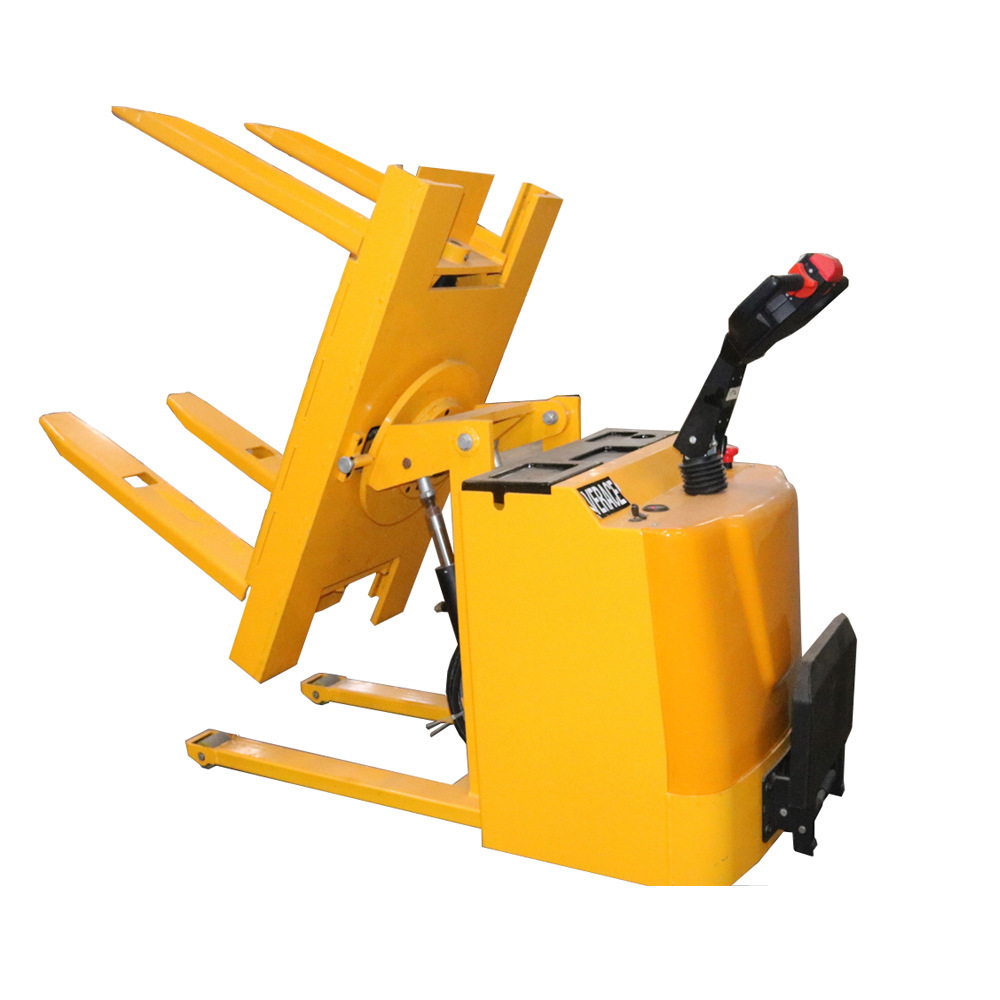
Dive Deeper: Engineering for Adaptability and Speed
When I was designing machines, I always thought about real-world use. Customers like Carlos need flexibility. They need speed. A good pallet inverter design accounts for this.
-
Adaptable Clamping and Pressure Systems:
- 📏 Universal Grip: Modern pallet inverters feature adjustable clamps. They can secure pallets of different widths and heights. This includes standard Euro, GMA, and plastic pallets. It also covers custom sizes. This versatility means less downtime for adjustments.
- 🤏 Variable Pressure Control: The clamping force needs to be precise. Too much pressure can damage delicate goods. Too little pressure can lead to instability. Advanced systems use sensors and hydraulic controls. They apply the right amount of pressure. This protects products like food and beverages during the transfer.
- ⚙️ Quick Changeover Mechanisms: Time is money in high-volume operations. Engineered designs allow for fast changeovers between pallet types. This might involve pre-set programs or easily adjustable components. It minimizes manual setup time. This keeps the production line moving. (adjustable pallet clamps, variable pressure technology, rapid changeover systems)
-
High Throughput Capabilities:
- ⚡ Cycle Speed: Efficient pallet inverters complete a full cycle quickly. This means they can transfer more pallets per hour. A faster cycle directly boosts overall warehouse throughput. It helps meet tight shipping deadlines.
- 🔗 Integration with Existing Lines: The best systems integrate seamlessly into your current conveyor lines. They do not create bottlenecks. This ensures a continuous flow of goods. This is crucial for busy distribution centers.
- 🧠 Smart Controls: Programmable Logic Controllers (PLCs) are the brain of the machine. They automate the entire process. They manage clamping, rotation, and release. This ensures consistent performance. It reduces human error. It allows for higher speeds. (high-speed pallet transfer, integrated conveyor systems, PLC control systems)
-
Handling Different Materials:
- 🌳 Wooden Pallets: These are common but can be uneven or have splinters. Inverters must handle them smoothly without damage.
- ♻️ Plastic Pallets: Often used for hygiene, they can be lighter and sometimes slicker. The clamping must be secure yet gentle.
- 📦 Specialty Pallets: Some goods use custom metal or other material pallets. The inverter needs to be robust enough for these variations. A well-designed machine handles all these with ease. (multi-material pallet handling, secure load transfer, adaptable pallet equipment)
What Engineering Solutions Enhance Safety and Reduce Risks in Pallet Exchange Operations?
Are you worried about worker injuries or product damage during pallet changes? Manual processes are risky. They expose your team to heavy loads and awkward movements. Accidents lead to lost time and higher costs. This is a common concern for warehouse managers like Carlos.
Engineering solutions enhance safety and reduce risks in pallet exchange operations by integrating robust safety interlocks, ergonomic design principles, and automated control systems that minimize human interaction with moving parts, thereby protecting personnel and preventing damage to goods.
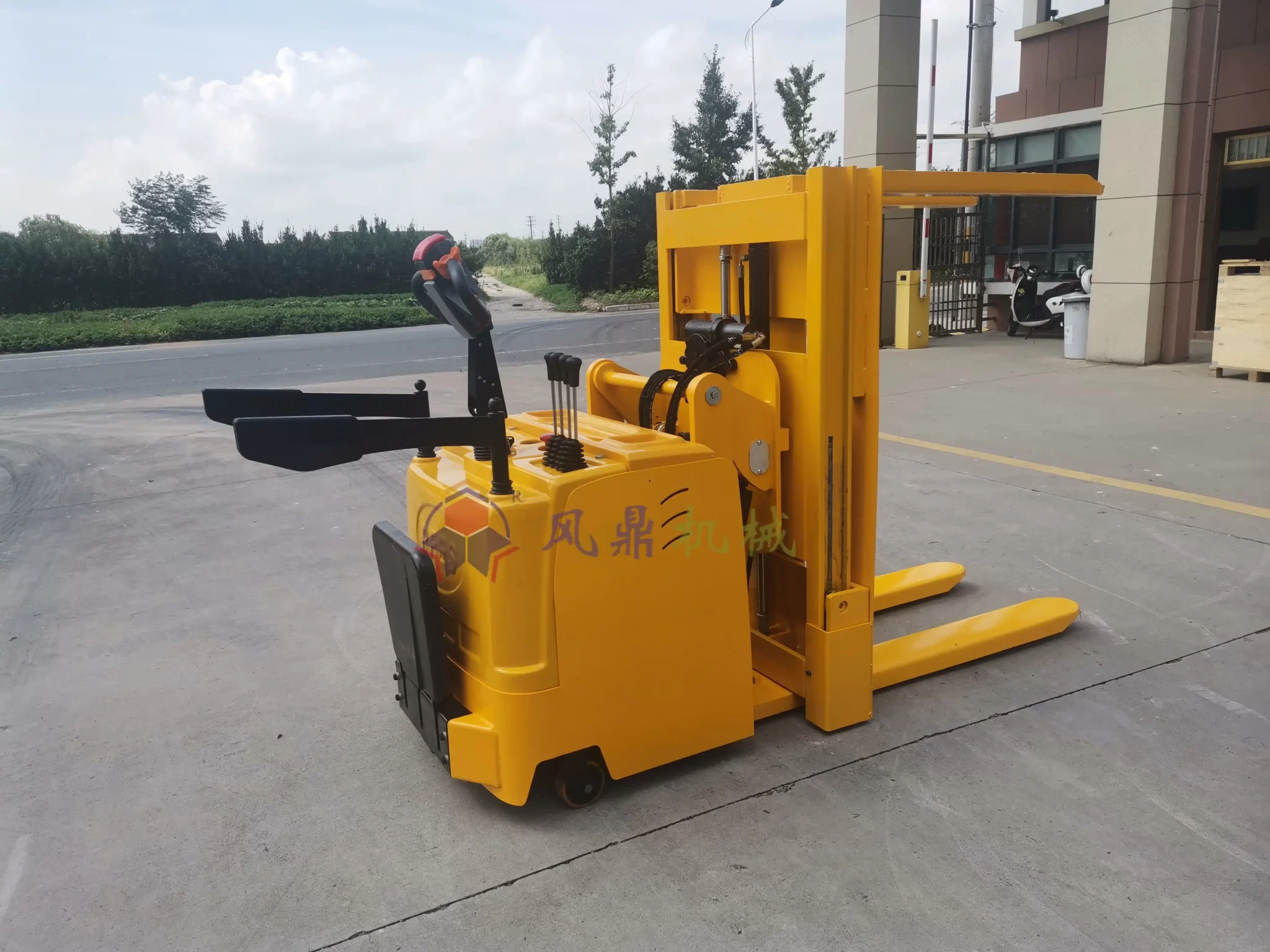
Dive Deeper: Building a Safer Workplace
Safety has always been a top priority in my factory. I know a well-engineered safety system protects people. It also protects your business from costly incidents.
-
Robust Safety Interlocks and Guards:
- 🛑 Emergency Stop Systems: Every FHOPEPACK machine I designed has clear, easily accessible emergency stop buttons. These instantly halt all machine movement. This is critical in unexpected situations. It prevents accidents.
- 🛡️ Physical Barriers: Safety cages and light curtains create a protective zone around the operating area. They prevent unauthorized entry. If someone steps into this zone, the machine automatically stops. This keeps operators safe from moving parts.
- 🔐 Interlocked Access: Maintenance doors and panels are interlocked. The machine cannot operate if these are open. This prevents accidental startups during servicing. This is a simple but vital safety feature. (E-stop buttons, safety guarding, access control systems)
-
Ergonomic Design Principles:
- 🧍 Reduced Manual Handling: The primary safety benefit of a pallet inverter is reducing manual labor. Workers do not need to lift, push, or turn heavy pallets themselves. This greatly lowers the risk of back injuries, strains, and other musculoskeletal disorders.
- 👁️ Clear Visibility and Controls: Control panels are positioned for easy access and clear visibility. This allows operators to monitor the process safely from a distance. Intuitive controls also reduce the chance of operational errors.
- 🔊 Audible and Visual Warnings: Machines often include warning lights and alarms. These alert operators to different stages of the process or potential issues. This adds another layer of safety awareness in a busy warehouse environment. (ergonomic warehouse equipment, reduced physical strain, operator interface design)
-
Automated Control for Risk Mitigation:
- ⚙️ Consistent Operation: Automation ensures that each pallet exchange is performed consistently. This eliminates the variability of manual handling. It reduces the chance of errors that could lead to product spills or equipment damage.
- 📉 Minimizing Human Error: Automated systems perform repetitive tasks with precision. They are not affected by fatigue or distraction. This significantly reduces human error. This is a major factor in workplace accidents.
- 🚧 Fail-Safe Mechanisms: Advanced engineering includes fail-safe designs. For example, if power is lost, the pallet clamp might automatically engage. This prevents loads from falling. These systems are designed to revert to a safe state in case of malfunction. (automated safety features, error proofing, fail-safe engineering)
Can Automated Pallet Changing Systems Deliver Significant Cost Savings and Efficiency Gains?
Are you constantly looking for ways to cut operational costs and speed up your logistics? Manual pallet handling is a major drain on resources. It costs you in labor, time, and potential penalties. You might wonder if automating this process truly makes a difference.
Automated pallet changing systems deliver significant cost savings and efficiency gains by drastically reducing manual labor needs, accelerating pallet exchange cycles, minimizing product damage, and improving overall warehouse throughput, leading to lower operating expenses and faster order fulfillment.
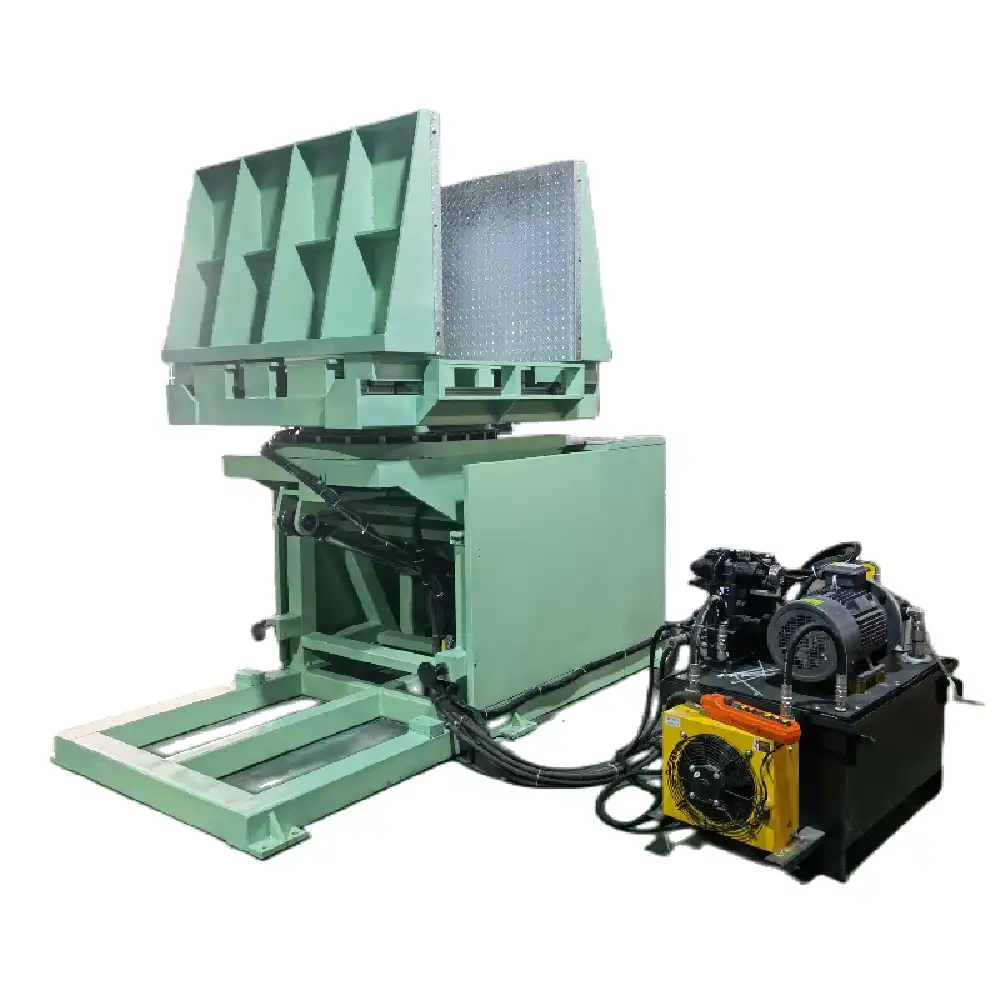
Dive Deeper: The Economic Impact of Automation
When I started FHOPEPACK, I knew that true innovation had to deliver real financial benefits. For businesses, investing in automation is not just about fancy tech; it’s about smart economics.
-
Direct Labor Cost Reduction:
- 💰 Fewer Hands Needed: A single automated pallet inverter can replace the work of several manual laborers. This means you can reallocate staff to more complex or value-adding tasks. This directly impacts payroll costs.
- 📉 Reduced Overtime: Faster processing times mean less need for overtime. This further lowers labor expenses. It also reduces employee burnout.
- 📈 Increased Productivity Per Employee: With automation, your existing workforce can achieve much more. This boosts overall productivity without needing to hire more people. (labor cost reduction, optimized staffing, workforce efficiency)
-
Improved Operational Efficiency:
- ⏱️ Faster Turnaround: Pallet inverters perform transfers in minutes, not hours. This speed is critical for high-volume export operations. It allows goods to move out of the warehouse quicker. This meets tighter delivery schedules.
- 🚚 Optimized Loading Times: By having the correct pallets ready, trucks can be loaded faster. This reduces vehicle idle time. It improves the efficiency of your transportation fleet. This is especially important for international logistics.
- 📊 Consistent Performance: Machines operate at a constant speed and accuracy. This removes human variability. It creates a predictable workflow. This makes planning easier. It also makes inventory management more reliable. (warehouse throughput, faster order fulfillment, logistical efficiency)
-
Hidden Cost Savings and Revenue Growth:
- 🛠️ Lower Damage Claims: Less product damage means fewer returns. It means fewer re-shipments. It means fewer customer complaints. This saves money directly. It also protects your brand reputation.
- ⚖️ Reduced Fines and Penalties: Accurate pallet switching prevents delays at customs. It prevents fines for non-compliance. This saves significant money in international trade.
- 📈 Capacity for Growth: With greater efficiency, your warehouse can handle a larger volume of goods. This allows your business to grow without immediately needing larger facilities or more staff. It supports expansion into new markets, like those in Argentina. (damage prevention, compliance cost reduction, scaling business operations)
What Durability and Maintenance Insights Ensure Pallet Inverters Offer Long-Term Reliability?
Are you tired of equipment that breaks down often, causing expensive downtime? For busy logistics hubs, an unreliable pallet inverter is a nightmare. It means delays, missed shipments, and frustrated customers. You need a machine that works day in and day out.
Durability and maintenance insights ensure pallet inverters offer long-term reliability by focusing on robust material selection, modular component design for easy replacement, and predictive maintenance capabilities, guaranteeing maximum uptime and sustained performance in demanding operational environments.
Dive Deeper: Engineering for Endurance
From my years building packing machines, I know that durability is not an accident. It’s designed in. Reliability is what makes a piece of equipment a true partner for your business, not just another cost.
-
Robust Material Selection and Construction:
- 💪 Heavy-Duty Components: Pallet inverters must withstand constant heavy loads and repetitive movements. They need strong steel frames. They need high-quality hydraulic cylinders. They need industrial-grade bearings. These materials prevent wear and tear. They extend the machine’s life.
- 🏗️ Industrial-Grade Welding: The structural integrity relies on excellent welding. Poor welds can lead to cracks and failure. I always insisted on the highest welding standards in my factory. This ensures the machine can handle continuous stress.
- 🌧️ Corrosion Resistance: In many warehouse environments, humidity or exposure to certain materials can cause corrosion. Using treated steel or protective coatings prevents rust. This keeps the machine functioning optimally for years. (heavy-duty construction, industrial durability, corrosion-resistant materials)
-
Modular Design for Easy Maintenance:
- 🧩 Replaceable Parts: A well-engineered pallet inverter has modular components. If a part wears out, it can be replaced quickly without dismantling the entire machine. This reduces repair time significantly.
- 🔧 Accessible Components: Key maintenance points like hydraulic filters, lubrication points, and electrical panels are easy to access. This makes routine checks faster and simpler. It encourages regular maintenance.
- 📖 Clear Documentation: Comprehensive manuals and troubleshooting guides are essential. They help your maintenance team identify and fix issues efficiently. This reduces reliance on external technicians for minor problems. (modular design, easy component access, preventative maintenance guides)
-
Predictive Maintenance and Smart Monitoring:
- 📡 Sensor Integration: Modern pallet inverters can include sensors. These monitor vibrations, temperature, and fluid levels. They detect potential problems before they cause a breakdown. This allows for proactive repairs.
- 💻 Diagnostic Software: Some systems offer diagnostic software. This provides real-time data on machine performance. It alerts operators to any anomalies. This allows for scheduled maintenance during low-activity periods. It avoids unexpected downtime.
- 🔄 Long-Term Support: Choosing a supplier like FHOPEPACK means you get a partner who understands your long-term needs. We provide spare parts. We offer technical support. This ensures your machine keeps running reliably. (predictive maintenance technology, real-time monitoring, long-term technical support)
Conclusion
Optimizing pallet exchange for high-volume export goods, especially in demanding markets like Argentina, requires smart engineering insights. By focusing on automated solutions, safety, adaptability, and long-term reliability in your pallet inverter systems, businesses can significantly reduce costs, improve efficiency, and ensure compliance. This strategic investment is key to thriving in today’s fast-paced global logistics environment.








