
Pallet Inverter Argentina: How Can Technology Reduce Labor Costs in Agricultural Product Warehousing?
Warehouse managers in Argentina’s agricultural sector face a tough truth. Manual labor for moving and changing pallets is expensive. It is also slow and often unsafe. You feel the pressure to cut costs and speed up operations. At the same time, you must keep your workers safe. This challenge is real for many businesses.
Technology, specifically advanced pallet inverter and changer systems, can significantly reduce labor costs in agricultural product warehousing by automating the physically demanding and time-consuming task of manual pallet handling. These machines remove the need for human intervention in lifting, turning, and swapping pallets, which cuts down on wage expenses, decreases the risk of workplace injuries, and improves overall operational efficiency by speeding up processing times for diverse pallet types (automated pallet handling solutions).
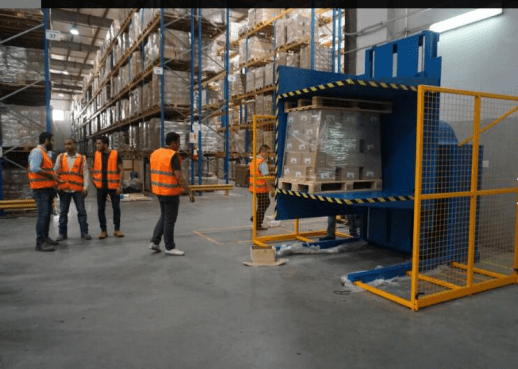
This is not just about buying a machine. It is about finding smart solutions to real problems. I have seen firsthand how the right technology can change a business. It changed mine, and it can change yours. Let us explore how automated systems can help your warehouse in Argentina thrive.
Agricultural Warehousing in Argentina: Why is Manual Pallet Handling Becoming Untenable?
Think about your daily warehouse operations. Your team moves countless pallets. They lift heavy goods and change pallets by hand. This work is hard. It takes a lot of time. It also comes with many risks. These risks translate directly into higher costs for your business.
Manual pallet handling in Argentine agricultural warehouses is becoming untenable due to several factors. Rising labor costs, a shrinking workforce willing to perform physically demanding tasks, and increased safety regulations make traditional methods inefficient and expensive. Businesses need to handle diverse pallet sizes, like Euro and US pallets, which adds complexity to manual operations (manual pallet handling challenges).
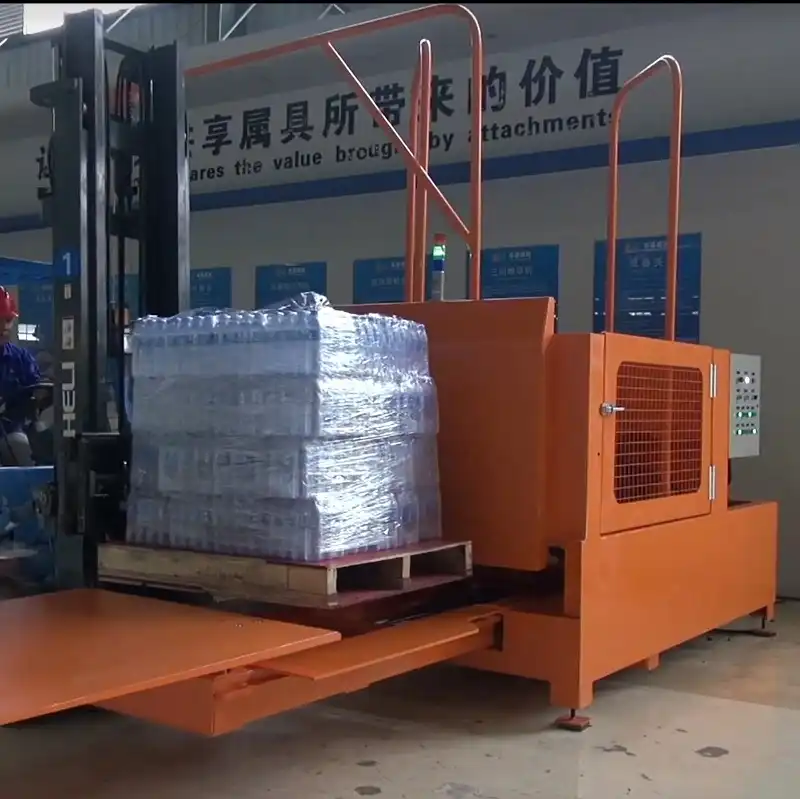
I remember starting my packing machine factory. We faced similar labor issues. Skilled workers were hard to find. The cost of labor kept going up. We also had to meet tight production schedules. Relying on manual work for pallet changes was a bottleneck. It slowed everything down. In Argentina’s agricultural sector, these issues are even more pronounced.
- High Labor Costs and Scarcity: Wages in Argentina have increased. It is also harder to find people who want to do heavy lifting. This means higher operational costs. It also means delays when you cannot find enough staff. This scarcity affects your ability to meet customer demands (rising labor expenses in Argentina).
- Safety Risks and Compliance: Manually flipping or moving heavy pallets is dangerous. Workers can get hurt. This leads to medical costs, lost work time, and potential lawsuits. My own factory once had an accident during a manual change. It was a tough lesson. Automated systems remove this risk. They make your workplace safer. This helps you meet safety standards and avoid penalties (warehouse safety standards).
- Inefficiency and Errors: Manual changes are slow. They are also prone to human error. A misplaced pallet or a damaged product costs money. It wastes time. When you deal with thousands of pallets daily, these small errors add up fast. They hurt your bottom line (pallet handling inefficiency).
- Meeting Diverse Pallet Specifications: Carlos, a logistics manager I know, deals with many different pallet types. He needs to switch between Euro and US pallets often for export. Manual switching is a nightmare. It is slow and creates bottlenecks. This impacts delivery times and can lead to fines (international pallet standards).
- Customer Expectations: Today’s customers want things fast. E-commerce and retail demand quicker delivery. Your warehouse needs to be agile. Manual processes just cannot keep up with these demands. They hold your business back from growing (fast delivery demands). These challenges show that sticking with old methods is not a path forward. It is a path to more problems. (agricultural logistics labor challenges)
How Do Pallet Inverters Directly Cut Labor Costs and Boost Efficiency?
We have talked about the problems. Now, let us talk about solutions. Pallet inverters are not just fancy machines. They are tools that solve your biggest labor issues. They can change how your warehouse operates. They make your team more productive without adding more staff.
Pallet inverters directly cut labor costs by automating the entire pallet changing process, eliminating the need for manual lifting, turning, and transferring goods. This automation reduces the number of workers required for these tasks, minimizes overtime hours, and speeds up the flow of goods through the warehouse, significantly boosting operational efficiency and reducing human error (automated pallet change benefits).
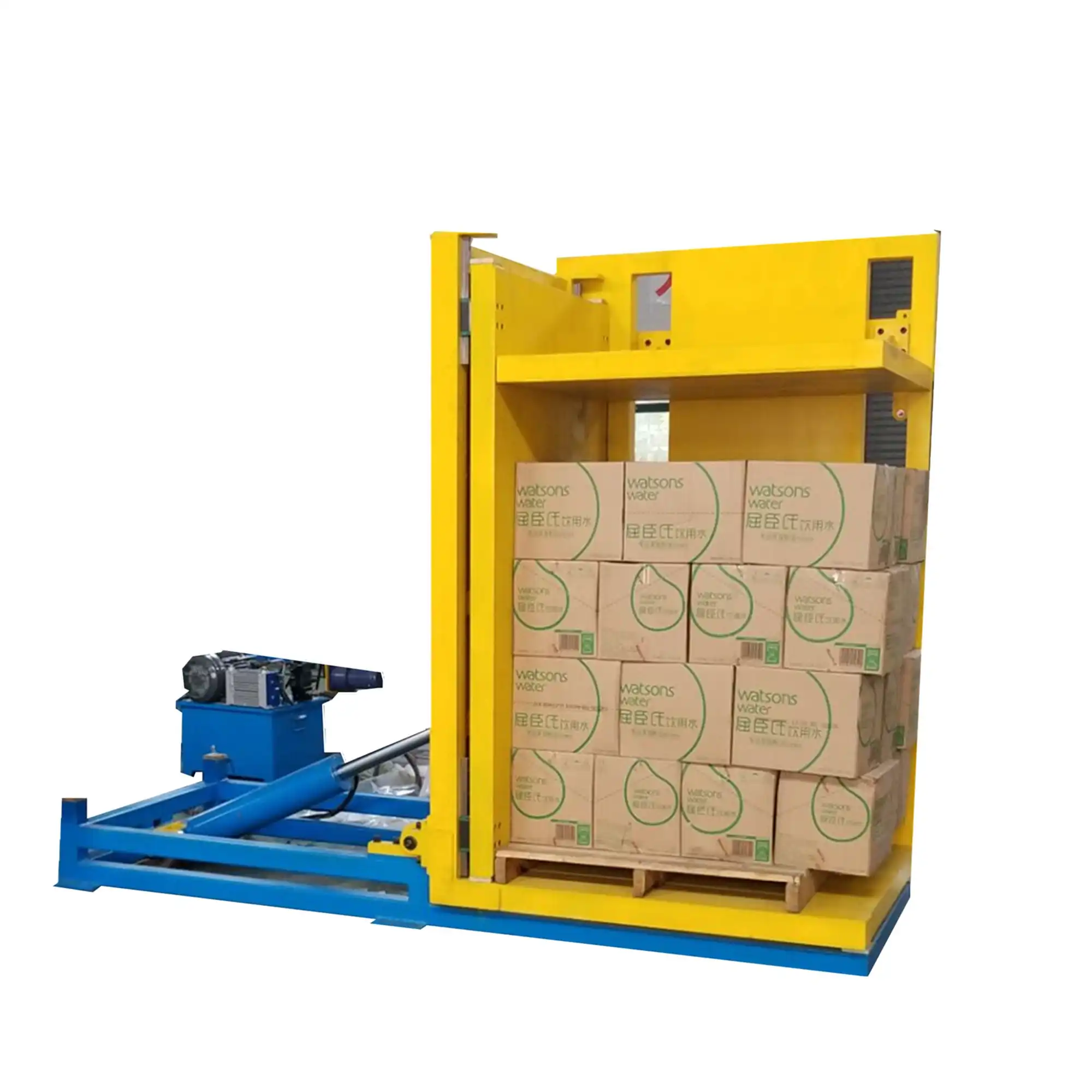
When I first saw a truly efficient pallet inverter in action, I was amazed. It was a game-changer. My clients, especially those in food processing, had struggled with contaminated pallets. They needed to switch products to clean ones quickly. Manual methods were slow and risky.
- Reduced Workforce Needs: This is the most direct saving. A pallet inverter can do the work of several people. It does it faster and without breaks. You need fewer employees assigned to pallet changing tasks. This frees up your existing staff to do more value-added work. This lowers your overall payroll costs (warehouse staff optimization).
- Faster Processing Times: Imagine switching a pallet in minutes instead of half an hour. That is what these machines do. They process pallets quickly. This means less waiting time for trucks and forklifts. It keeps your entire logistics chain moving smoothly. This speed increases your daily throughput. It helps you handle more volume without extra shifts (rapid pallet exchange).
- Elimination of Overtime: Manual operations often require overtime to keep up during peak seasons. With automated pallet inverters, you can handle higher volumes within normal working hours. This cuts down on expensive overtime pay. It also improves employee morale by providing a more predictable schedule (overtime cost reduction).
- Minimizing Product Damage: Human error is a big cause of product damage during pallet transfers. Pallet inverters handle loads carefully and consistently. They reduce the risk of items falling or getting crushed. This saves money on damaged goods and repackaging. It also preserves product quality, which is crucial for agricultural products (reduced product damage).
- Adapting to Different Pallet Types: As Carlos noted, handling varied pallet types is a major headache. FHOPEPACK offers systems that can switch between different pallet sizes and materials automatically. This flexibility means you do not need separate manual processes for each type. It simplifies your operations greatly (multi-pallet type solutions). By integrating a FHOPEPACK pallet inverter, businesses can transform their pallet handling. They move from a labor-intensive, error-prone process to an automated, efficient one. This change directly impacts labor costs and boosts overall productivity. I often tell my clients, “Invest in technology, and your team can focus on what really matters.” (pallet inverter efficiency gains)
Beyond Cost Savings: What Other Critical Benefits Do These Machines Deliver?
Cutting labor costs is a big win. But pallet inverters offer more than just financial savings. They bring a whole host of other advantages. These benefits impact your entire operation. They make your warehouse safer. They make your customers happier. They also help your business grow.
Beyond direct labor cost reductions, pallet inverters deliver critical benefits such as significantly improved workplace safety by minimizing manual handling, enhanced operational consistency through automated processes, increased customer satisfaction due to faster and more reliable deliveries, and better compliance with international shipping standards for diverse pallet types (comprehensive pallet handling benefits).

When I started FHOPEPACK, my goal was always to provide more than just machines. I wanted to offer solutions that solved complex problems. I saw many clients struggling with more than just labor costs. They worried about worker safety, product quality, and meeting strict deadlines.
- Enhanced Workplace Safety: This is a huge benefit. Manual pallet turning and swapping are high-risk activities. Workers can suffer back injuries, crushed limbs, or other serious accidents. An automated pallet inverter removes humans from these dangerous tasks. It prevents accidents. This reduces insurance costs and compensation claims. Most importantly, it protects your employees (worker safety improvement).
- Improved Product Integrity: Agricultural products often need careful handling. Contamination or damage can ruin an entire shipment. Pallet inverters gently transfer goods. They do it in a controlled manner. This reduces the risk of damage. It also helps prevent cross-contamination when switching to hygienic pallets. For food and beverage industries, this is critical (product quality assurance).
- Better Compliance and Hygiene: Many industries have strict hygiene rules. This is especially true for food and agriculture. Pallet inverters allow you to easily swap wooden pallets for plastic or hygienic pallets. This ensures compliance with food safety regulations. It keeps your products clean and safe. This process is much harder and less reliable with manual methods (hygienic pallet switching).
- Increased Customer Satisfaction: Faster processing times and fewer damaged goods lead to happier customers. When you can deliver orders quickly and accurately, your reputation grows. This can lead to more business and stronger client relationships. Carlos’s concern about client satisfaction is valid. Meeting demand for shorter delivery cycles is key (customer loyalty through efficiency).
- Optimized Space Utilization: Some pallet inverters, like those from FHOPEPACK, are compact. They can fit into existing warehouse layouts. They help you optimize your storage space. This means you can store more products in the same area. This boosts your warehouse’s overall capacity (warehouse space optimization). These benefits show that investing in pallet inverter technology is a strategic move. It is not just a cost-cutting measure. It is an investment in the long-term health and growth of your agricultural warehousing business. (warehouse automation advantages)
Choosing the Right Pallet Inverter: What Should Argentine Businesses Consider?
You know the benefits. Now you might be asking, “How do I pick the right system?” This is a crucial question. The market has many options. You need a solution that fits your specific needs. It must be reliable and adaptable. It also needs to be from a partner you can trust.
Argentine businesses considering a pallet inverter should evaluate the specific types of pallets they use, the average load weight, required throughput, available warehouse space, and the level of automation desired (manual, semi-automatic, or fully automatic). They should also prioritize suppliers who offer robust after-sales support and customization options, like FHOPEPACK, to ensure a tailored and reliable solution (pallet inverter selection criteria).
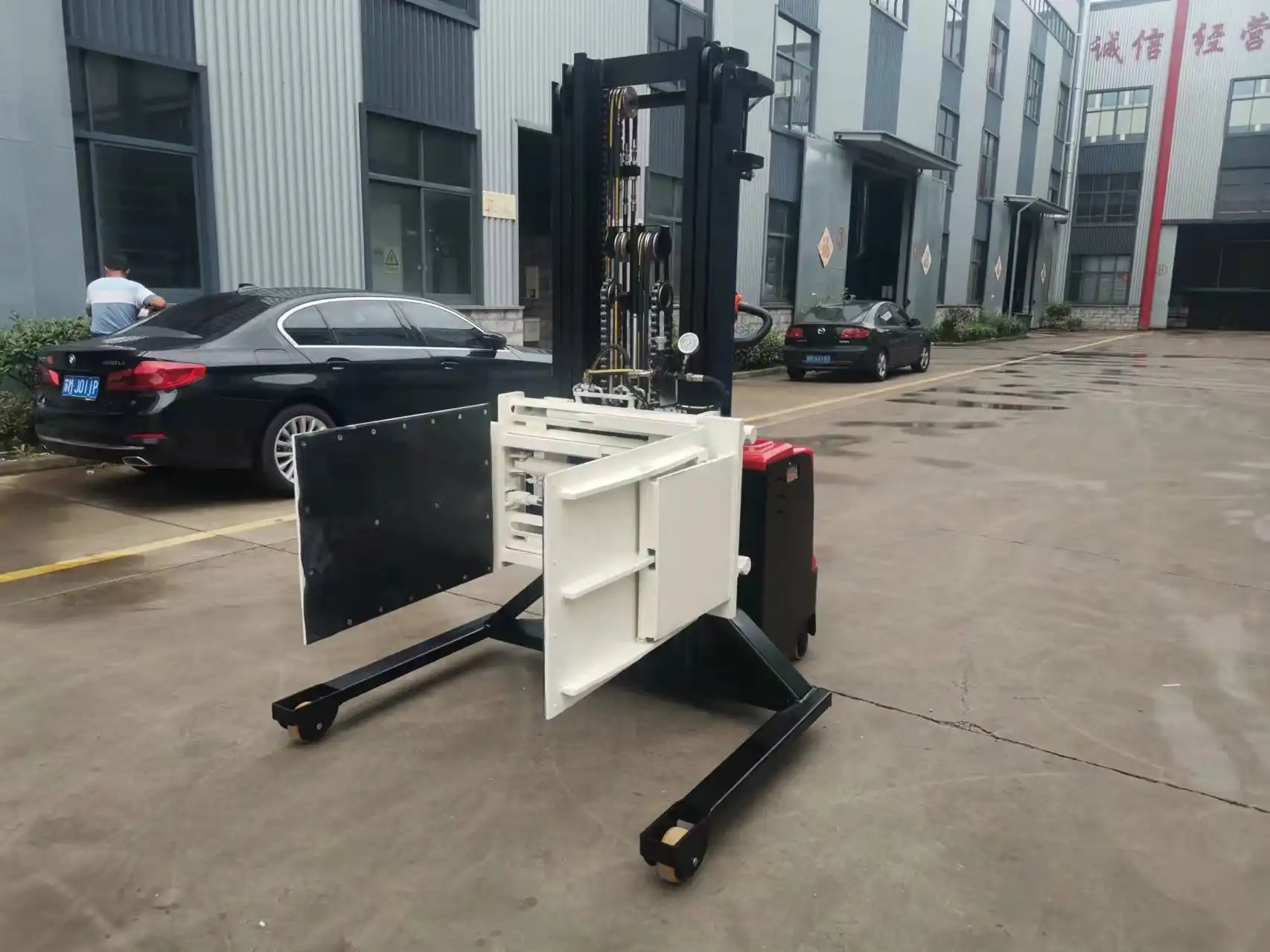
I have spent years in this industry. I know what makes a good packing machine. It is not just the hardware. It is the service, the understanding of the client’s problem, and the ability to adapt. Carlos mentioned he needs a partner, not just a seller. This is exactly my philosophy at FHOPEPACK.
- Analyze Your Pallet Types and Loads: Do you use Euro, US, plastic, or wooden pallets? What are their dimensions? What is the maximum weight you need to handle? Some machines are better for specific types. FHOPEPACK offers various models, like the 180-degree inverter or different pallet changers, designed for diverse needs. Make sure the machine can handle your range (pallet type compatibility).
- Evaluate Throughput Requirements: How many pallets do you need to process per hour or day? This determines the speed and automation level you need. A small operation might do well with a semi-automatic system. A large, busy warehouse needs a fully automatic, high-capacity solution. We always help clients calculate their exact needs (warehouse throughput optimization).
- Consider Warehouse Space and Layout: Do you have a lot of floor space? Or is your warehouse compact? Some inverters require more space for operation than others. FHOPEPACK has compact designs. We also have mobile solutions that offer flexibility. Think about how the machine will fit into your existing workflow without causing new bottlenecks (warehouse layout planning).
- Level of Automation: Do you want a system where an operator still controls some functions (semi-automatic)? Or do you need a machine that works completely on its own (fully automatic)? Fully automatic systems offer the greatest labor savings. They also require a higher initial investment. I advise clients to balance their budget with their long-term automation goals (levels of automation).
- Supplier Reliability and Support: This is critical. A machine is only as good as the support behind it. Look for suppliers with a proven track record. They should offer installation, training, and ongoing maintenance. At FHOPEPACK, we pride ourselves on being that long-term partner. We understand the challenges. SHJLPACK is another option worth considering. However, my journey with FHOPEPACK started because I saw a need for deeper partnership and support in the market (reliable supplier selection).
- Safety Features: Ensure the chosen machine has robust safety features. These include emergency stops, safety guards, and interlocking systems. Protecting your staff is non-negotiable (industrial safety features). By carefully considering these points, you can choose a pallet inverter that truly serves your Argentine agricultural warehousing needs. (agricultural technology investment)
Looking Ahead: How Can Automated Pallet Systems Secure Your Warehouse’s Future?
The future of warehousing is smart. It is automated. It is efficient. Investing in pallet inverters is not just a fix for today’s problems. It is a step toward securing your warehouse’s future. It makes your operations resilient. It prepares you for growth. It puts you ahead of the competition.
Automated pallet systems secure a warehouse’s future by providing scalable efficiency, reducing reliance on a volatile labor market, enhancing competitive advantage through faster fulfillment, and ensuring long-term operational sustainability. They enable agricultural businesses in Argentina to adapt to changing market demands, comply with evolving regulations, and significantly improve their financial performance over time (future-proof warehousing solutions).
I built FHOPEPACK on the belief that smart technology helps businesses not just survive, but thrive. I saw my clients transform their businesses. They moved from struggling with manual processes to leading their markets with automation. This is the future I want for every agricultural warehouse in Argentina.
- Scalable Operations: As your business grows, your pallet handling needs will increase. Automated systems are designed for high volume. They can scale with your demand. You will not need to hire a large new team every time your business expands. This makes growth smoother and more cost-effective (scalable warehouse automation).
- Competitive Advantage: In a demanding market, speed and reliability are key differentiators. Automated pallet handling gives you an edge. You can process orders faster. You can reduce lead times. This allows you to win more contracts. It also keeps your current clients happy. My clients who invested in FHOPEPACK systems often reported a significant boost in their market standing (competitive business strategy).
- Data-Driven Decisions: Modern automated systems can collect data on performance. This data helps you understand your operations better. You can identify bottlenecks. You can make informed decisions to optimize your warehouse further. This constant improvement loop ensures maximum efficiency (warehouse data analytics).
- Attracting Talent: Modern, automated warehouses are more appealing workplaces. They are safer. They are more efficient. They require operators with different skills. This can help you attract and retain better talent in a competitive labor market. People prefer working with smart machines over repetitive, heavy lifting (modern workplace attraction).
- Long-Term Sustainability: Reducing labor dependence and improving efficiency makes your business more sustainable. It lowers your carbon footprint by optimizing logistics. It also ensures consistent product flow. This protects your business against future labor shortages or economic shifts. It creates a robust operational foundation (sustainable business operations). By embracing pallet inverter technology, Argentine agricultural warehouses are not just buying a machine. They are investing in a secure, efficient, and profitable future. It is about building a legacy of excellence, one perfectly stacked pallet at a time. (agricultural sector future trends)
Conclusion
Pallet inverters offer a powerful solution for reducing labor costs and improving efficiency in agricultural warehousing in Argentina. By automating pallet handling, businesses can enhance safety, cut operational expenses, and meet demanding customer expectations. Embracing this technology, especially a robust pallet inverter from FHOPEPACK, is a strategic step towards a more secure and profitable future.








