
Pallet Inverter Brazil: Why Should Business Leaders Upgrade Logistics for Coffee and Juice Exports?
Every day, countless containers of coffee beans and fresh juice leave Brazil, heading to markets around the world. But for many businesses, the journey from the production line to the shipping port is full of unseen hurdles. Problems like damaged goods, slow loading times, and worker injuries often cause significant stress and cost. Are your current logistics operations slowing down your exports and impacting your profits? This is a question many business leaders in Brazil are asking right now.
Business leaders in Brazil must upgrade their logistics, especially for coffee and juice exports, because traditional manual pallet handling methods are inefficient, increase safety risks, and incur high operational costs. Investing in modern pallet inverters automates crucial tasks like pallet changing and product transfer, directly boosting export speed, ensuring product integrity, and aligning with global customer demands for faster, safer, and more reliable supply chains.
My journey in the packing machine industry, starting as an employee and then building FHOPEPACK, taught me one crucial lesson: efficiency is key to success. I have seen how the right equipment can change a business’s fortunes. Now, I want to share my knowledge to help Brazilian coffee and juice exporters improve their logistics and grow. Let us look deeper into why this upgrade is so vital.
Why are current pallet handling methods failing Brazilian exporters?
Imagine your warehouse floor, busy with pallets moving around. Many Brazilian exporters still rely on old ways to handle pallets, which causes many problems. These methods are not just slow; they also risk your products, your workers, and your profits. Are these traditional practices holding back your coffee and juice exports?
Current manual pallet handling methods are failing Brazilian exporters because they create significant bottlenecks, lead to frequent product damage, pose high safety risks for workers, and struggle to adapt to diverse international pallet standards, ultimately hindering efficiency and increasing operational costs for coffee and juice shipments.
When I first started in this industry, I saw many factories using manual labor for everything. It worked, but it was slow and dangerous. For businesses exporting high-value goods like coffee and juice from Brazil, these old methods are simply not enough anymore. They cannot keep up with today’s fast global trade.

1. High Labor Costs and Shortages Impacting Exports
- Rising Wages: The cost of hiring and keeping skilled workers is always going up. This is true for Brazil too. Manual pallet changing needs many workers. These costs eat into profits, especially for competitive markets like coffee and juice.
- Worker Scarcity: Younger workers often do not want physically demanding jobs. It is hard to find enough people to do heavy lifting in warehouses. This shortage means fewer hands to move pallets, slowing down exports.
- Training Needs: Training new staff for manual tasks takes time. High staff turnover means constant training. This is a drain on resources that could be used elsewhere. (Brazilian export labor costs, warehouse staff shortages)
2. Significant Safety Risks and Accidents in Manual Handling
- Injury Potential: Moving heavy pallets by hand or with basic equipment is dangerous. Workers can suffer back injuries, crushed limbs, or falls. These accidents cause pain for staff and cost for the company.
- Product Damage: When pallets are moved or flipped manually, goods can fall or shift. For delicate items like coffee bags or juice cartons, this means damaged products. Damaged goods lead to losses and unhappy customers.
- Insurance and Fines: Workplace accidents result in higher insurance premiums. Also, companies might face fines if safety rules are not followed. These costs add up and hurt the business. (Warehouse safety risks Brazil, coffee juice damage)
3. Inefficiency and Bottlenecks in the Export Process
- Slow Operations: Manual pallet switching is slow. Workers need time to unload, move, and reload goods onto new pallets. This delay slows down the whole export chain.
- Export Delays: Delays in the warehouse mean shipments leave later. For coffee and juice, freshness can be key. Late shipments can lead to contract penalties and lost business.
- Customer Dissatisfaction: Customers want their orders fast. Slow processing means longer waiting times. This can make customers unhappy and push them to competitors. (Brazilian logistics bottlenecks, export delays coffee)
4. Challenges with Diverse Pallet Specifications for International Markets
- Euro vs. US Pallets: Brazil exports to many countries. Different countries use different pallet sizes, like Euro pallets or US pallets. Manually switching between these sizes is a huge task.
- Plastic vs. Wood Pallets: Some markets require plastic pallets for hygiene reasons. Others allow wood. Changing pallet types by hand adds another layer of complexity and time.
- Compliance Issues: Not using the right pallet for the destination country can lead to customs delays or rejected shipments. This causes major headaches and extra costs. (International pallet standards Brazil, export compliance challenges)
How can automating pallet transfers boost export efficiency?
Thinking about those manual processes, you might wonder if there is a better way. The answer is yes. Automation, especially with pallet inverters, can change everything. But how exactly does it make things faster and smoother for your coffee and juice exports?
Automating pallet transfers significantly boosts export efficiency by dramatically reducing handling time, enabling faster throughput of goods, ensuring consistent product quality through gentle handling, and freeing up human labor for more valuable tasks, thereby accelerating the entire supply chain for Brazilian coffee and juice products.
I have seen firsthand how businesses transform when they embrace automation. It is not just about getting a machine; it is about rethinking your entire workflow. For the fast-paced world of coffee and juice exports, efficiency is not an option—it is a necessity.
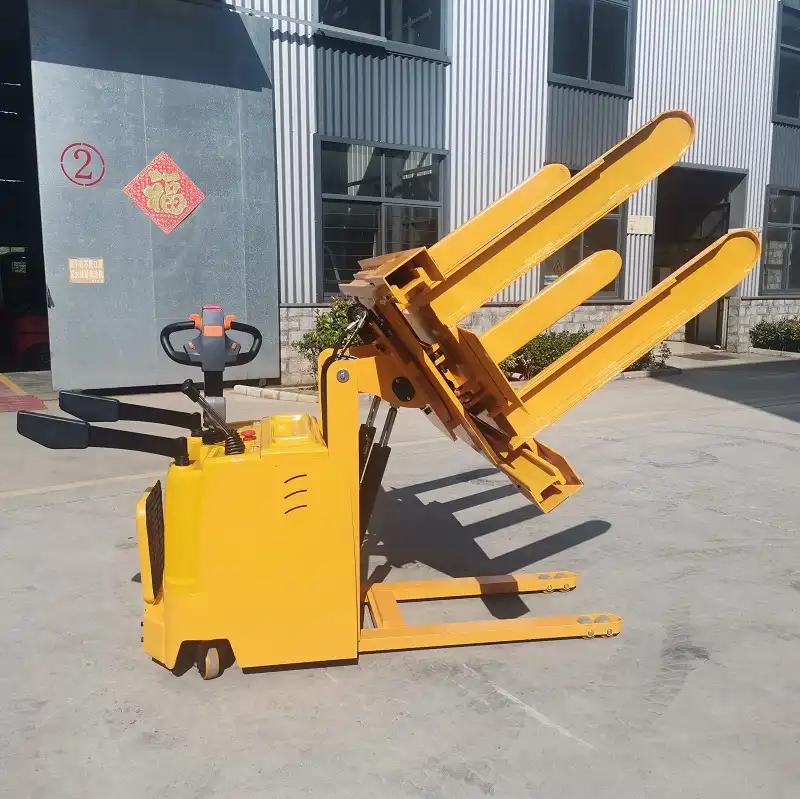
1. Faster Pallet Changing Speeds Up Throughput
- Quick Swaps: Pallet inverters can change pallets in minutes, not hours. They handle a full load at once. This means goods spend less time waiting and more time moving toward their destination.
- Continuous Flow: With faster changes, your warehouse maintains a steady flow of goods. There are fewer stops and starts. This smooth operation is critical for high-volume exports like Brazilian coffee and juice.
- Reduced Dock Congestion: Quicker processing means trucks spend less time at the loading dock. This frees up space and allows more shipments to move through each day. (Automated pallet swap Brazil, faster export throughput)
2. Seamless Adaptation to Diverse Pallet Requirements
- Multi-Standard Compatibility: Modern pallet inverters are designed to work with various pallet sizes and types. They can handle Euro, US, wood, or plastic pallets without manual adjustments.
- No Manual Intervention: Workers do not need to unload goods and repack them onto different pallets. The machine does the heavy lifting. This saves time and reduces errors.
- Flexible Export Preparation: You can quickly prepare shipments for different global markets. This flexibility means you can meet varied customer demands without slowing down. (Diverse pallet sizes automation, export pallet standards Brazil)
3. Improved Product Integrity and Reduced Damage
- Gentle Handling: Pallet inverters are built to handle products gently. They clamp the load firmly before inverting or transferring it. This stops items like coffee bags or juice cartons from shifting or falling.
- Less Human Error: Machines follow precise movements every time. This reduces the chance of human error that can lead to product damage during manual handling.
- Consistent Quality: Protecting your products means they arrive at their destination in perfect condition. This builds trust with your international buyers and maintains the high quality reputation of Brazilian exports. (Product integrity coffee juice, reduced damage logistics Brazil)
4. Optimal Utilization of Warehouse Space and Resources
- Compact Solutions: Many pallet inverter models are compact. They fit well into existing warehouse layouts. Some are mobile, offering flexibility in where you perform pallet changes.
- Reduced Manual Equipment: With automation, you need fewer forklifts or manual jacks for pallet changing. This frees up equipment for other tasks and reduces maintenance costs.
- Better Labor Allocation: Employees who once spent hours on manual pallet work can now focus on more skilled jobs. This uses your human resources more effectively and adds more value. (Warehouse space optimization Brazil, automated logistics resources)
What safety benefits do pallet inverters bring to the warehouse?
Safety is always a top concern for any business, especially in busy warehouses. We have talked about the risks of manual handling. But how do pallet inverters specifically make the workplace safer for your team, particularly when dealing with heavy coffee and juice shipments?
Pallet inverters bring significant safety benefits to the warehouse by eliminating dangerous manual lifting and flipping, drastically reducing the risk of worker injuries and product damage from falling goods. This automation promotes a safer work environment, lowers accident-related costs, and ensures compliance with occupational safety standards for Brazilian exporters.
I remember a time when safety was often an afterthought. But today, it is central to good business. A safe workplace is a productive workplace. Investing in pallet inverters is not just about efficiency; it is a clear investment in your team’s well-being.
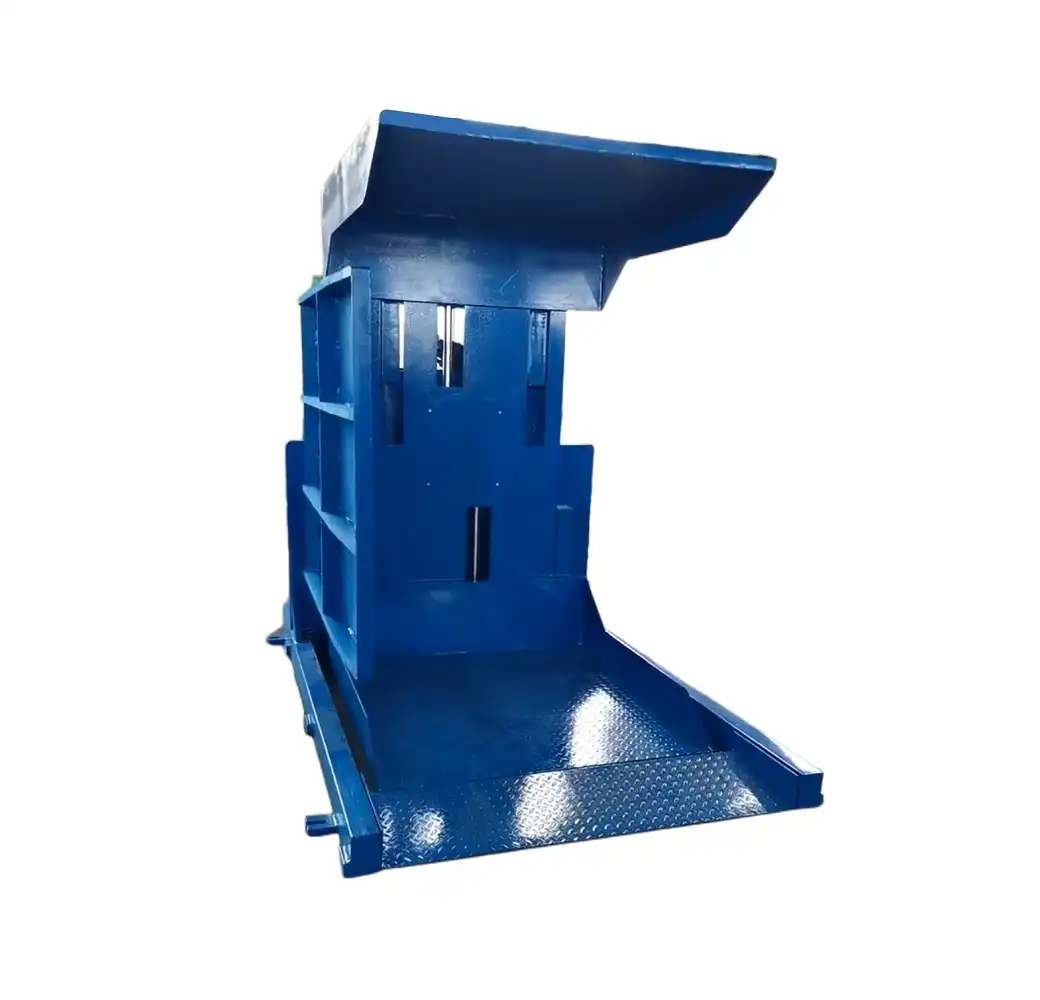
1. Eliminating Risky Manual Lifting and Flipping
- No Heavy Lifting: Workers no longer need to manually lift or shift heavy products off one pallet onto another. The machine handles the entire load. This removes the primary cause of back strains and other musculoskeletal injuries.
- Automated Inversion: Instead of workers trying to flip or turn a heavy pallet, the inverter does it safely and smoothly. This removes the risk of loads falling or collapsing during manual attempts.
- Reduced Repetitive Strain: Manual pallet work often involves repetitive movements. Automation removes this, reducing the risk of conditions like carpal tunnel syndrome or tendonitis. (Manual handling risks Brazil, workplace injury prevention)
2. Preventing Accidents from Falling Goods and Instability
- Secure Clamping: Pallet inverters use strong clamps to hold the product load firmly. This prevents items from shifting, tipping, or falling during the transfer process. This is vital for stacked coffee bags or juice cartons.
- Controlled Movement: The machine’s movements are precise and controlled. There are no sudden jerks or drops. This stability protects both the product and any nearby workers.
- Less Human Error: When machines do the work, there is less chance of an accident due to a worker losing grip or misjudging a movement. This adds a layer of predictability and safety. (Product fall prevention logistics, safe pallet transfer Brazil)
3. Creating a Compliant and Healthier Work Environment
- Meeting Safety Standards: Using automated equipment helps companies meet national and international occupational safety standards. This ensures compliance and avoids potential fines.
- Lower Insurance Premiums: Fewer workplace accidents mean fewer injury claims. Over time, this can lead to lower insurance costs for the company.
- Improved Worker Morale: When employees know their workplace is safe, they feel more valued. This can boost morale, reduce absenteeism, and create a more positive work culture. (Occupational safety Brazil, warehouse compliance solutions)
4. Enhanced Visibility and Reduced Blind Spots
- Clear Work Zones: When a pallet inverter is in use, it operates in a defined work area. This allows for clear demarcation of safe zones for workers, away from moving parts.
- Reduced Forklift Traffic: If fewer manual transfers are happening, there might be less need for forklifts moving constantly in certain areas. This reduces the risk of collisions or accidents involving moving machinery.
- Better Oversight: Supervisors can more easily monitor the automated process. This allows them to focus on overall warehouse flow rather than watching for individual manual safety risks. (Warehouse visibility safety, reduced forklift accidents Brazil)
Can pallet changers really cut costs for high-volume operations?
Cost-cutting is on every business leader’s mind. You might see the upfront cost of a new machine and wonder if it is truly worth it. For high-volume operations like exporting Brazilian coffee and juice, every dollar counts. So, can pallet changers actually save you money in the long run?
Yes, pallet changers can significantly cut costs for high-volume operations by dramatically reducing labor expenses, minimizing product damage and associated losses, improving overall operational efficiency to avoid penalties, and lowering insurance and accident-related expenditures, leading to a strong return on investment for Brazilian exporters.
When I was building my factory, I learned that spending smart now can save a lot later. It is not about cheap fixes; it is about strategic investments. Pallet changers are a perfect example of this, especially for businesses dealing with large volumes of exports.
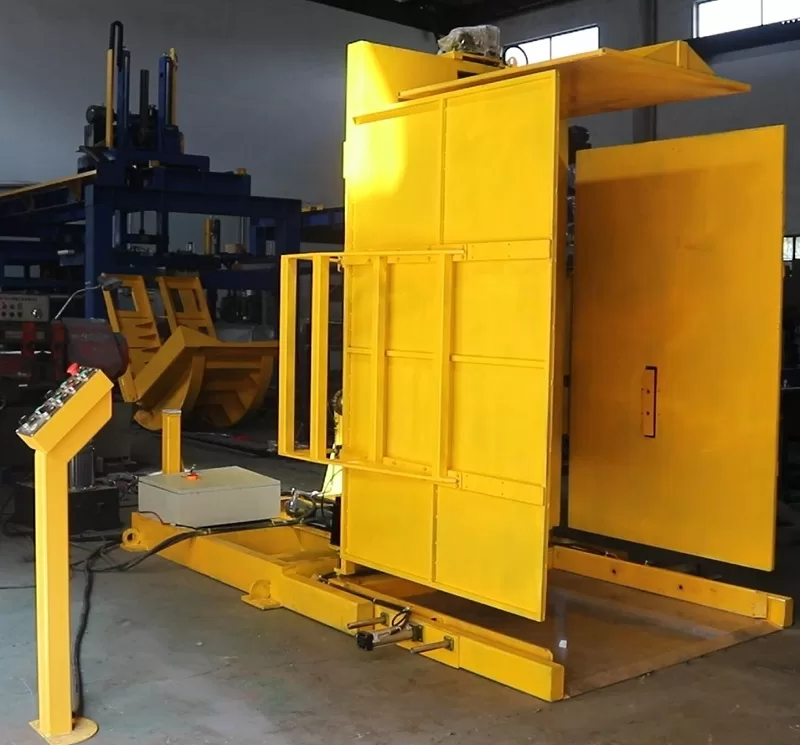
1. Direct Savings from Reduced Labor Dependency
- Fewer Workers Needed: An automated pallet changer can do the work of several people. This means you can assign staff to other, more productive tasks, reducing your overall labor spend on manual handling.
- Lower Overtime Costs: When operations are faster, you are less likely to need workers to stay late to meet deadlines. This cuts down on expensive overtime pay.
- Minimized Training Costs: With less reliance on large manual labor teams, the ongoing costs of recruiting and training new employees for strenuous pallet tasks are reduced. (Labor cost reduction Brazil logistics, automated warehouse savings)
2. Substantial Reduction in Product Damage and Waste
- Less Spoilage/Loss: Automated, gentle handling prevents goods like delicate coffee beans or fragile juice packaging from being damaged during transfer. This directly reduces product waste and financial losses.
- Fewer Returns/Reworks: When products arrive in perfect condition, you have fewer customer complaints, returns, or the need for costly rework. This saves time and money.
- Preserved Quality: For food and beverage exports, maintaining product quality is vital. Automated systems ensure this, protecting your brand reputation and avoiding costly quality control issues. (Reduce product waste Brazil exports, coffee juice damage prevention)
3. Avoiding Costly Penalties and Improving Customer Satisfaction
- Preventing Demurrage Fees: Faster pallet processing means trucks and containers spend less time waiting at your facility. This helps avoid expensive demurrage fees charged by shipping companies for delays.
- Meeting Contract Deadlines: Automated efficiency ensures shipments are ready on time. This helps you meet delivery deadlines and avoid penalties for late shipments.
- Building Client Trust: Reliable and fast delivery leads to happy customers. Satisfied clients are more likely to place repeat orders, securing long-term business growth. (Logistics penalties avoidance Brazil, customer satisfaction export)
4. Reduced Maintenance and Operational Overheads
- Lower Equipment Wear: While an initial investment, automated pallet changers are built for durability and continuous operation. This means less wear and tear on other manual equipment like forklifts, extending their lifespan.
- Optimized Energy Use: Modern pallet changers are designed to be energy efficient. They use power only when needed, contributing to lower utility bills compared to inefficient manual systems that might involve more machinery use.
- Streamlined Operations: The overall efficiency gained simplifies your logistics. This can reduce administrative overheads related to tracking delays, managing damages, and resolving customer issues. (Operational cost savings Brazil, warehouse overhead reduction)
How do FHOPEPACK solutions meet Brazil’s specific export needs?
You have seen the “why” and the “how” of upgrading. But who can provide the right solution, specifically for the unique demands of Brazil’s coffee and juice exports? As the founder of FHOPEPACK, I know our approach is different. How exactly do we tailor our solutions to your needs?
FHOPEPACK solutions meet Brazil’s specific export needs by offering highly reliable, adaptable pallet inverters designed for diverse pallet types and heavy loads, providing comprehensive support and expertise, and focusing on long-term partnership rather than just selling equipment. Our systems automate critical pallet handling, ensuring speed, safety, and compliance for coffee and juice exporters.
My commitment to FHOPEPACK is to go beyond just selling machines. I want to provide real solutions and share knowledge. From my years in the packing machine industry, I understand the challenges of global trade, especially for vital exports like coffee and juice. We build our equipment with these real-world problems in mind.
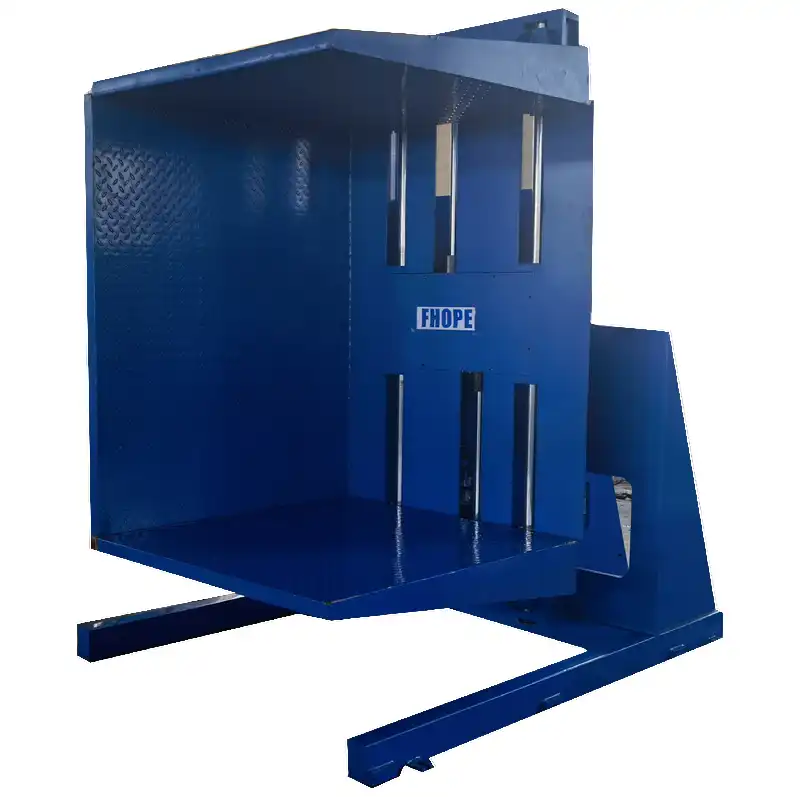
1. Robust and Reliable Equipment for High-Volume Export Demands
- Built to Last: Our FHOPEPACK pallet inverters are engineered for continuous, high-intensity use. They are made with strong materials and tested rigorously. This ensures they can handle the heavy loads and constant operation typical of Brazilian coffee and juice export warehouses.
- Minimal Downtime: Reliability is key. Our machines are designed for easy maintenance and have a long operational life. This means less downtime for repairs, keeping your export lines moving without interruption.
- Proven Performance: Many clients globally trust FHOPEPACK for their packing and logistics needs. Our track record shows our commitment to delivering machines that perform consistently and efficiently. (FHOPEPACK reliability, heavy-duty pallet inverter Brazil)
2. Adaptable Solutions for Diverse Pallet Specifications
- Universal Compatibility: FHOPEPACK pallet inverters are highly adaptable. They can seamlessly handle various pallet types and sizes, including Euro, US, plastic, and wooden pallets. This flexibility is crucial for Brazilian exporters shipping to different international markets.
- Customizable Features: We offer options that can be tailored to your specific product and operational needs. Whether you need a fixed unit or a mobile pallet changer, we have solutions that fit.
- Smooth Transitions: Our machines ensure a gentle yet firm grip on your products during the pallet change. This protects delicate goods like juice cartons and preserves the quality of coffee beans. (FHOPEPACK pallet versatility, customizable pallet solutions Brazil)
3. Comprehensive Support and Expert Partnership
- Knowledge-Sharing Approach: At FHOPEPACK, we believe in sharing our expertise. We provide detailed guidance and support, helping you understand the best solutions for your specific challenges. This is more than just selling a machine.
- Installation and Training: We do not just drop off a machine. Our team provides professional installation and thorough training for your staff. This ensures your team can operate the equipment safely and efficiently from day one.
- Responsive After-Sales Service: My goal is to build long-term relationships. We offer strong after-sales support, including maintenance and spare parts, to ensure your FHOPEPACK equipment continues to perform optimally. (FHOPEPACK customer support, logistics partnership Brazil)
4. Focus on Automation for Efficiency and Cost Savings
- Streamlined Operations: Our pallet inverters automate the most time-consuming and labor-intensive aspects of pallet handling. This greatly speeds up your workflow and allows for higher throughput of export goods.
- Reduced Operational Costs: By minimizing manual labor and preventing product damage, FHOPEPACK solutions directly contribute to significant cost savings for your business. This helps improve your bottom line.
- Safety Integrated: Safety is a core design principle for all FHOPEPACK machines. Our pallet inverters feature built-in safety mechanisms to protect both your products and your workforce. (FHOPEPACK automation efficiency, cost-effective pallet solutions)
Conclusion
Upgrading logistics with pallet inverters is no longer optional for Brazilian coffee and juice exporters. It is a strategic move to boost efficiency, enhance safety, cut costs, and meet global market demands. FHOPEPACK is here to be your partner, offering reliable solutions and expert support. Embrace automation to master your packing machine needs and secure a competitive edge in international trade with a quality pallet inverter.








