
Pallet Inverter Argentina: Why Do Engineers Recommend Automation in Paper and Packaging Industries?
Have you ever thought about the hidden costs in your warehouse, especially in Argentina’s busy paper and packaging sector? Many companies in Buenos Aires and across the country struggle daily with slow, risky, and expensive manual pallet handling. This problem can slow down your entire operation, affect delivery times, and even lead to accidents. (manual pallet handling, packaging sector challenges)
Engineers in the paper and packaging industries strongly recommend automation, particularly pallet inverters, because these systems offer critical solutions to common operational challenges. They boost efficiency by speeding up pallet changes, enhance workplace safety by reducing manual labor, cut down on operating costs, and ensure compliance with diverse international pallet standards, which is vital for export-focused businesses in Argentina. (pallet inverter benefits, packaging industry automation)
As a packing machine engineer, I have seen first-hand how smart investments in machinery can transform a business. This is true for the paper and packaging industry, where small inefficiencies can add up to big problems. Let’s look at why automation, especially with pallet inverters, is a game-changer for businesses like yours in Argentina.
What Urgent Challenges Face Argentina’s Paper and Packaging Sector?
Are you feeling the pressure from demanding customers and a tight labor market? Many businesses in Argentina’s paper and packaging industry are. They struggle to keep up with diverse pallet requirements for export, face rising labor costs, and worry about worker safety. This creates significant operational hurdles that need smart solutions. (Argentina packaging challenges, labor cost issues)
Argentina’s paper and packaging sector faces urgent challenges including fragmented supply chains requiring diverse pallet types (Euro, US, plastic), a growing scarcity of affordable and willing labor for manual handling tasks, and increased safety risks due to traditional, labor-intensive pallet changing methods. These issues collectively impact efficiency, cost, and overall competitiveness. (Argentine logistics problems, diverse pallet needs)

As someone who built a factory from the ground up, I understand the daily grind. The challenges are real, and they directly affect your bottom line. We need to look deeper into these issues to find the right answers.
Dive Deeper: Understanding the Core Problems (min 200 words)
The paper and packaging industry in Argentina, like many global markets, operates in a high-pressure environment. Businesses here often handle delicate products, like paper rolls or carton boxes, which need careful handling. The stakes are high when you are shipping these goods internationally. My experience has shown me that manual processes for pallet handling are often the weakest link in the chain.
Let’s break down these core problems:
-
Diverse Pallet Specifications:
- 🌍 Global Trade Demands: Argentine companies export products worldwide. This means they must often switch between Euro pallets, US-standard pallets, and even various plastic pallets. Each destination has its own rules.
- ⏱️ Time-Consuming Manual Changes: Doing this by hand is slow. Workers need to transfer goods from one pallet to another, often one by one. This takes too much time, especially when thousands of pallets move daily.
- ❌ Error Prone: Manual transfers also lead to mistakes. Products can get mixed up, or the wrong pallet type might be used. This causes delays at customs and costs money in fines. (international pallet standards, manual transfer errors)
-
Labor Shortage and Costs:
- 💰 Rising Expenses: Labor costs are always going up. It is harder to find people for repetitive, physically demanding warehouse jobs in Argentina.
- 📉 Low Attraction for Young Workers: Younger generations do not want heavy lifting tasks. This makes the labor pool even smaller.
- 📈 Impact on Productivity: Fewer workers mean less output. If you cannot find enough people, your warehouse cannot work at full capacity. This affects delivery times and customer satisfaction. (warehouse labor costs, declining manual labor interest)
-
Significant Safety Risks:
- 🤕 Workplace Injuries: Manual pallet flipping or product transfer is dangerous. Goods can fall, or workers can get hurt lifting heavy items. This can cause serious injuries.
- 💸 Increased Costs: Accidents mean medical bills, insurance claims, and lost work time. These costs add up quickly and affect your business.
- ⚖️ Compliance Issues: Governments and customers expect safe working environments. Accidents can lead to fines and damage your company’s reputation. (warehouse safety hazards, compliance risks)
These issues are not just small annoyances. They are fundamental problems that can prevent your business from growing. Finding solutions to these challenges is not just about making things easier; it is about making your business stronger and more competitive.
How Do Pallet Inverters Significantly Boost Operational Efficiency?
Are your current pallet changing methods slowing down your entire production line or causing bottlenecks in shipping? In the paper and packaging industry, speed and smooth operations are key. Pallet inverters offer a powerful way to cut down on processing times, ensuring your goods move faster from the warehouse to their destination. (warehouse bottlenecks, faster pallet changing)
Pallet inverters significantly boost operational efficiency by automating the process of transferring goods from one pallet type to another, or for damaged pallet replacement. This automation reduces the time needed for handling, minimizes manual effort, and allows for continuous workflow, directly improving throughput and accelerating overall logistics in paper and packaging facilities. (automated pallet transfer, logistics improvement)
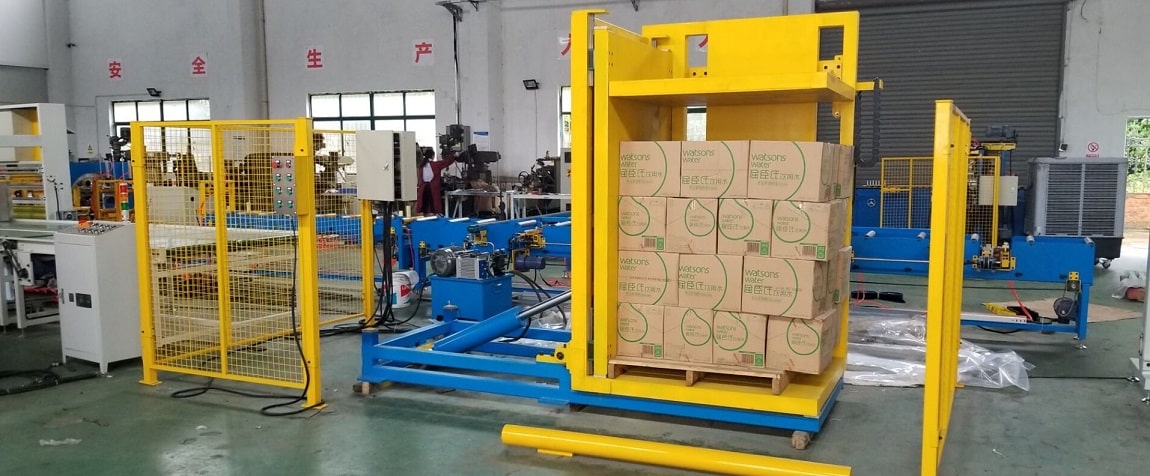
I have seen countless factories struggle with bottlenecks at the pallet changing station. It is like a traffic jam right before the finish line. Implementing the right technology can clear that path. Let’s explore how pallet inverters make a real difference.
Dive Deeper: Unlocking Speed and Smoothness (min 200 words)
Efficiency is about doing more with less, quickly and accurately. For paper and packaging companies in Argentina, this means getting products out the door fast and without errors. Pallet inverters are designed to achieve just that.
Here is how they unlock significant operational efficiency:
-
Rapid Pallet Swapping:
- ⚡ Reduced Cycle Times: A pallet inverter can change a pallet in a matter of minutes, sometimes even seconds. Compare this to the hours it might take a team of workers to manually transfer products from one pallet to another.
- 🔄 Continuous Flow: This speed keeps the production and shipping lines moving. There are fewer stops and starts. This smooth flow helps prevent costly delays.
- 🎯 High Volume Handling: For distribution centers in Argentina handling thousands of pallets daily, this efficiency is critical. It allows them to process larger volumes without increasing labor. (fast pallet change, high throughput)
-
Optimized Space Utilization:
- 📏 Compact Footprint: Many modern pallet inverters are designed to fit into existing warehouse layouts. They do not take up excessive space.
- 📦 Vertical Storage: Some systems can even help with stacking or destacking, maximizing vertical storage capacity. This is valuable in warehouses where space is at a premium.
- 🚶 Less Congestion: Fewer manual operations mean fewer people moving around. This reduces congestion in aisles and improves overall warehouse flow. (warehouse space optimization, reduced congestion)
-
Versatility for Various Loads:
- 🧩 Adaptable Design: Pallet inverters can handle many types of goods, from paper rolls and carton boxes to bagged products and fragile items. They come with adjustable clamps and settings to secure different load sizes.
- 🛡️ Product Integrity: The automated process ensures products are held securely during the transfer. This significantly reduces the risk of damage, which is vital for delicate packaging materials or finished goods.
- 🌍 Multi-Pallet Compatibility: Crucially, they adapt to Euro, US, and plastic pallets, making them ideal for companies with diverse export markets. (versatile load handling, product damage prevention)
-
Integration with Existing Systems:
- 🔌 Seamless Workflow: Modern pallet inverters can be integrated into existing conveyor lines or warehouse management systems. This creates a cohesive, automated workflow.
- 📈 Data Collection: Some advanced models can even collect data on throughput, errors, and efficiency. This data helps managers make better decisions.
- Future-Proofing: Investing in such equipment prepares your operation for future growth and increasing demands. It is a step towards a smarter, more agile supply chain. (automated workflow integration, smart warehouse data)
By adopting pallet inverters, businesses in Argentina can move beyond the limitations of manual labor. They can achieve new levels of speed and efficiency that directly translate into faster deliveries, happier customers, and a stronger competitive edge.
Is Pallet Handling Automation Truly the Key to Enhancing Workplace Safety?
Are you constantly worried about accidents in your warehouse, especially during pallet handling? Manual methods often involve heavy lifting, awkward movements, and the risk of loads falling, leading to worker injuries and costly disruptions. Many businesses wonder if automation can truly make their workplace safer. (warehouse safety concerns, manual handling risks)
Yes, pallet handling automation, through systems like pallet inverters, is absolutely key to enhancing workplace safety. These machines drastically reduce the need for manual lifting, twisting, and physical interaction with heavy loads, eliminating many common causes of accidents and creating a much safer environment for warehouse personnel in paper and packaging facilities. (automated safety solutions, reduced worker injury)
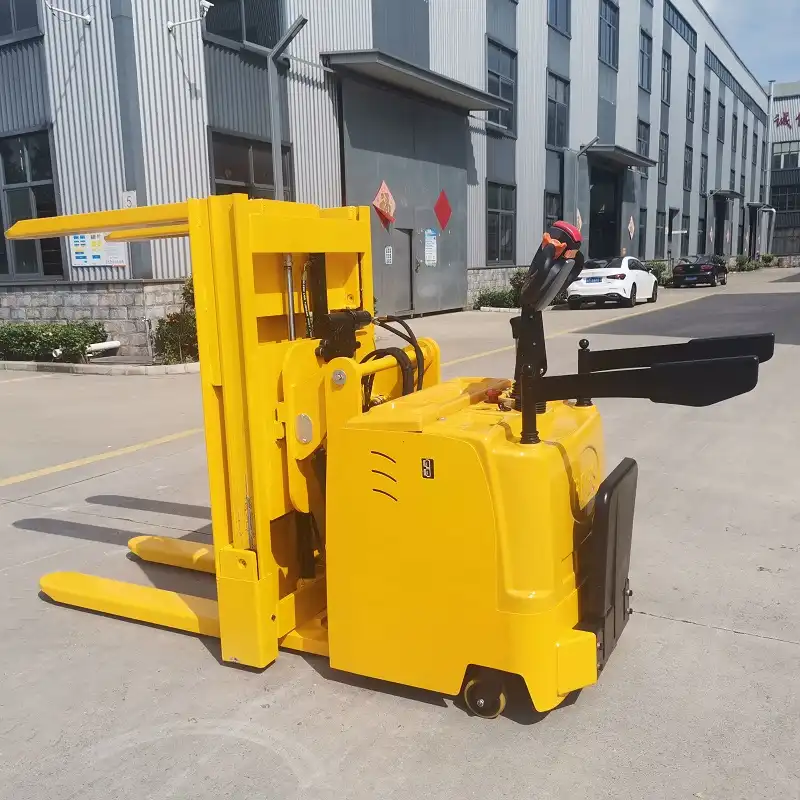
I have heard too many stories about injuries from manual pallet changes. For me, the safety of my team and my clients’ teams has always been paramount. Automation is not just about speed; it is about protecting your most valuable asset: your people. Let’s see how.
Dive Deeper: Prioritizing People Through Technology (min 200 words)
Workplace safety is non-negotiable. In paper and packaging operations, where goods can be heavy, bulky, or unstable, manual pallet handling presents significant risks. Automation provides a powerful solution to these inherent dangers.
Here is how pallet handling automation improves safety:
-
Elimination of Manual Handling Risks:
- 🚫 No More Heavy Lifting: Workers no longer need to lift or manually flip heavy pallets or products. The machine does all the strenuous work. This prevents back injuries, sprains, and muscle strains.
- ↩️ Reduced Awkward Movements: Automation removes the need for awkward body positions or repetitive movements that can lead to musculoskeletal disorders over time.
- ⬇️ Minimized Falling Objects: With products securely clamped and handled by a machine, the risk of goods toppling over and injuring workers is almost completely removed. (ergonomic injury prevention, load stability)
-
Creation of a Predictable and Controlled Environment:
- 🤖 Consistent Operation: Machines operate with precision and consistency. This means fewer human errors that could lead to accidents.
- 🚧 Dedicated Work Zones: Pallet inverters can be installed in dedicated areas, keeping workers clear of moving machinery during operation. This creates a safer, more structured workflow.
- 🚨 Emergency Stop Functions: Modern machines come with built-in safety features like emergency stop buttons, safety light curtains, and protective guarding. These features immediately halt operation if a problem occurs. (automated safety features, controlled work areas)
-
Compliance with Safety Regulations:
- ✅ Meeting Standards: By using automated systems, companies can more easily comply with national and international occupational safety and health regulations. This helps avoid fines and legal issues.
- 📄 Improved Audit Trails: Automated systems can often log operations, providing data for safety audits and demonstrating due diligence in maintaining a safe workplace.
- 👍 Better Insurance Premiums: A strong safety record, supported by automation, can even lead to lower insurance premiums for your business. (regulatory compliance, enhanced safety records)
-
Improved Worker Morale and Retention:
- 😊 Happier Workforce: Workers feel safer and more valued when their employer invests in their well-being. This leads to higher job satisfaction.
- 📈 Reduced Turnover: When dangerous and physically demanding tasks are automated, employees are more likely to stay with the company. This helps reduce hiring and training costs.
- 🧠 Focus on Skilled Tasks: Workers can then be retrained for more skilled, less physically demanding roles, contributing more effectively to the business. (employee satisfaction, workforce retention)
Investing in pallet handling automation is a clear sign that you prioritize the health and safety of your employees. It is a decision that pays off not only in terms of reduced accident costs but also in a more productive, happier, and stable workforce.
Can Automated Pallet Changing Solutions Drive Down Costs and Improve Compliance?
Are your current pallet handling operations eating into your budget with hidden costs, from labor expenses to potential fines for non-compliance? Many businesses in Argentina’s paper and packaging industry face this dilemma. They wonder if investing in automation can genuinely reduce overall expenses and ensure they meet all necessary standards. (hidden operational costs, compliance challenges)
Yes, automated pallet changing solutions are highly effective at driving down overall operational costs by reducing labor dependency, minimizing product damage, and improving efficiency. They also significantly improve compliance by ensuring correct pallet usage for different markets and reducing human error, thus avoiding costly penalties and delays in the logistics chain. (cost reduction automation, compliance assurance)
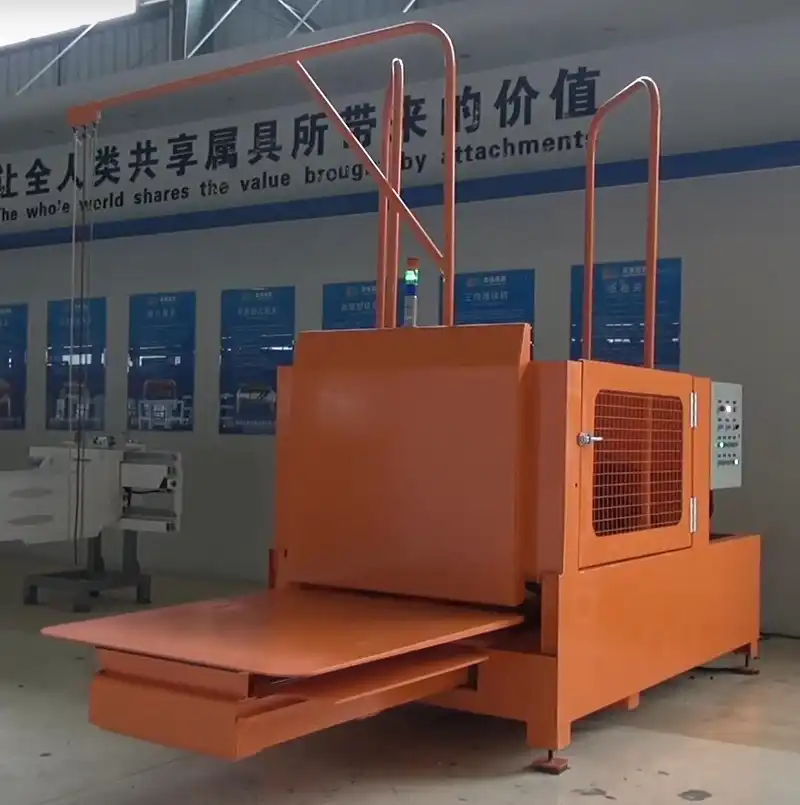
I have always focused on helping my clients grow their businesses, and that means making sure they are not losing money on inefficient processes. Automation is a clear path to both saving money and staying out of trouble with regulations. Let’s look at the financial and regulatory benefits.
Dive Deeper: Maximizing Savings and Adhering to Standards (min 200 words)
For any business, especially in competitive markets like Argentina’s paper and packaging sector, every peso saved and every regulation met matters. Automated pallet changing solutions offer clear advantages in both these areas.
Here is how they contribute to cost reduction and compliance:
-
Significant Labor Cost Reduction:
- ⬇️ Fewer Workers Needed: A single operator can manage an automated pallet inverter, replacing the need for multiple workers to manually transfer goods. This directly cuts down on wages and associated benefits.
- 📈 Increased Labor Productivity: The remaining workforce can be assigned to more value-added tasks. This makes your team more productive overall.
- 💰 Reduced Overtime: Faster processing times mean less need for costly overtime hours, especially during peak seasons. (lower labor expenses, optimized workforce)
-
Minimization of Product Damage and Waste:
- 🛡️ Gentle Handling: Automated systems are designed for precise and gentle handling, which drastically reduces the risk of products being dropped, damaged, or mishandled during pallet changes.
- 💸 Lower Repair/Replacement Costs: Less damage means fewer products need to be re-packaged, repaired, or discarded. This saves material costs and labor.
- 📦 Reduced Returns: Undamaged goods lead to fewer customer complaints and product returns, protecting your revenue and reputation. (product integrity, waste reduction)
-
Enhanced Compliance with International Standards:
- 🌍 Accurate Pallet Selection: Automated systems ensure the correct pallet type (e.g., Euro, US, plastic) is used for specific export markets. This is crucial for avoiding customs delays and fines.
- 🛂 Regulatory Adherence: Many countries have strict rules about packaging, pallet types, and even heat-treated wood pallets. Automation helps enforce these rules consistently.
- 📉 Reduced Penalties: By consistently meeting compliance requirements, companies avoid costly penalties, re-shipping fees, and potential loss of market access. (export compliance, regulatory penalties avoidance)
-
Improved Inventory Management and Auditing:
- 📊 Better Data: Automated systems can often integrate with inventory management software. This provides real-time data on pallet movements and stock levels.
- ✔️ Accurate Records: With less human intervention, there are fewer errors in tracking. This leads to more accurate inventory records.
- 🔍 Easier Audits: Precise data and consistent processes make external audits smoother and quicker. This saves time and resources. (inventory tracking accuracy, simplified audits)
Automated pallet changing solutions are not just an expense; they are a strategic investment. They pay for themselves through substantial cost savings and provide the peace of mind that comes with reliable compliance, allowing your business to thrive in a global marketplace.
What Makes a Pallet Changer Supplier a True Long-Term Partner?
Are you tired of dealing with suppliers who just sell a machine and disappear, leaving you to figure out problems on your own? For businesses in the demanding paper and packaging industry, especially in Argentina, a successful pallet changer investment depends heavily on the support you get. Many managers look for a real partner, not just a vendor. (reliable supplier search, post-sale support needs)
A true long-term pallet changer supplier goes beyond just selling equipment. They act as a partner by offering comprehensive pre-sales consultation to understand specific operational needs, providing tailored solutions, ensuring robust after-sales support including installation and maintenance, and sharing expertise to optimize warehouse processes. This ensures sustained efficiency and maximum return on investment for the customer. (strategic supplier partnership, comprehensive support)
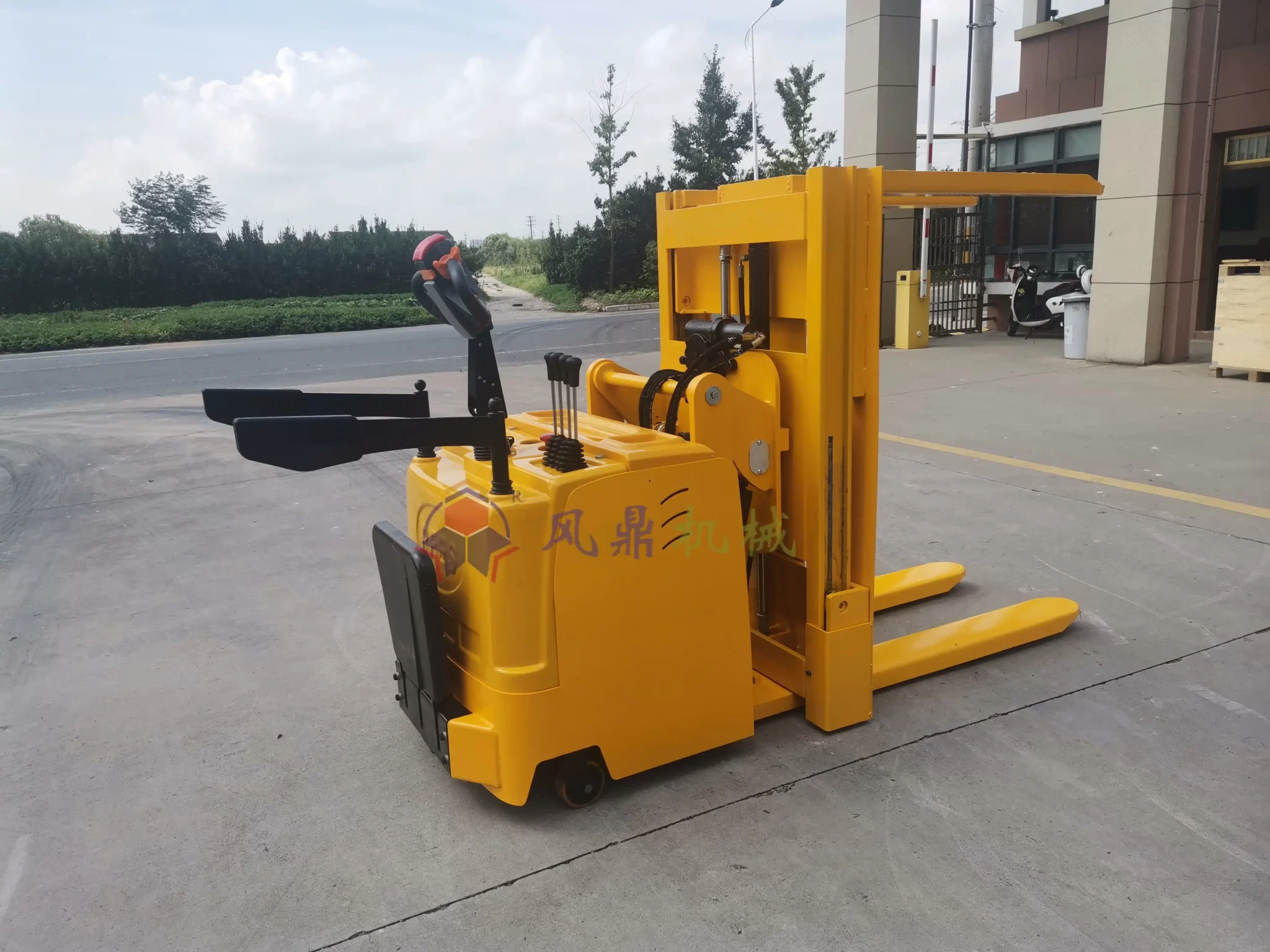
My journey from a factory employee to owning FHOPEPACK taught me a core lesson: success is built on trust and shared growth. That is why FHOPEPACK is not just about machines; it is about building relationships. Let’s see what makes a supplier a true partner.
Dive Deeper: Beyond the Sale – Building Lasting Relationships (min 200 words)
Choosing a pallet changer is a big decision. It is an investment that affects your entire operation. A good supplier does not just offer a product; they offer a complete solution and support system.
Here are the key characteristics of a true long-term partner:
-
Deep Industry Understanding and Consultation:
- 👂 Listening to Needs: A good partner takes time to understand your unique challenges in the paper and packaging sector, whether it is specific pallet types, load characteristics, or throughput requirements. They do not push a generic product.
- 💡 Expert Advice: They offer insights based on years of experience, guiding you to the best solution, not just the most expensive one. They can explain how different pallet inverter models, like FHOPEPACK’s push-type or mobile units, might fit your specific setup.
- 🔍 Site Assessment: They might even offer to visit your facility (or conduct a thorough virtual assessment) to recommend the most suitable system for your Argentine operation. (tailored solutions, industry expertise)
-
Customization and Flexibility:
- 🔧 Adaptable Solutions: Not all warehouses are the same. A true partner can offer customized or flexible pallet changer systems that integrate seamlessly with your existing conveyors, forklifts, and space constraints. FHOPEPACK often works on bespoke solutions for unique needs.
- 🛠️ Future-Proofing: They consider your future growth. They recommend systems that can be upgraded or scaled as your business expands, ensuring your investment remains relevant.
- ♻️ Handling Diverse Loads: They ensure the chosen machine can handle all your specific product types, from heavy paper rolls to delicate carton boxes, across various pallet sizes. (flexible pallet systems, scalable automation)
-
Comprehensive After-Sales Support:
- 🚀 Smooth Installation: They provide professional installation services, ensuring the machine is set up correctly and safely.
- ⚙️ Training and Maintenance: They offer thorough training for your staff on how to operate and maintain the equipment. They also provide readily available spare parts and maintenance services. This is where FHOPEPACK truly excels, as we prioritize long-term performance.
- 📞 Responsive Support: When issues arise, they are quick to respond. This means troubleshooting, technical assistance, and on-site repair when necessary. Delays cost money, so prompt support is vital. (post-purchase support, quick technical assistance)
-
Commitment to Customer Success:
- 🤝 Shared Goals: Their goal aligns with yours: to make your operations more efficient, safer, and cost-effective. They celebrate your successes and help you overcome challenges.
- 🌟 Reputation and Trust: Look for a supplier with a strong reputation for reliability and customer satisfaction. This shows a history of fulfilling their promises. My goal with FHOPEPACK has always been to be that trusted resource.
- 📈 Continuous Improvement: A great partner is always looking for ways to improve their products and services based on customer feedback and industry advancements. (customer-centric approach, continuous improvement)
Choosing a pallet changer supplier is about forming a relationship. It is about finding someone who understands your business, offers the right solutions, and stands by you for the long haul. That is the kind of partnership FHOPEPACK strives to build.
Conclusion
The paper and packaging industries in Argentina face significant challenges, from diverse pallet needs and labor shortages to safety risks. Automation, particularly with a pallet inverter, provides powerful solutions. It boosts efficiency, enhances safety, cuts costs, and ensures compliance, making businesses more competitive. Partnering with a knowledgeable supplier like FHOPEPACK is key to unlocking these benefits and securing your future growth. (Argentina packaging automation, future growth strategies)








