
How Will Pallet Changers Integrate With Robotic Palletizing Systems?
Do you often worry about the efficiency of your warehouse operations? Are you losing sleep over the slow, manual process of pallet changes that can bottleneck your entire production line? Many warehouse managers like you face constant pressure to speed up logistics, reduce labor costs, and ensure worker safety. It feels like a constant uphill battle, right?
Pallet changers integrate with robotic palletizing systems by forming a seamless, automated workflow where robots handle the stacking and destacking of products, and pallet changers then automatically swap out pallets based on varying requirements like hygiene, condition, or size. This integration eliminates manual intervention, significantly boosting throughput, improving safety, and ensuring compliance with diverse international shipping standards for warehouse operations.
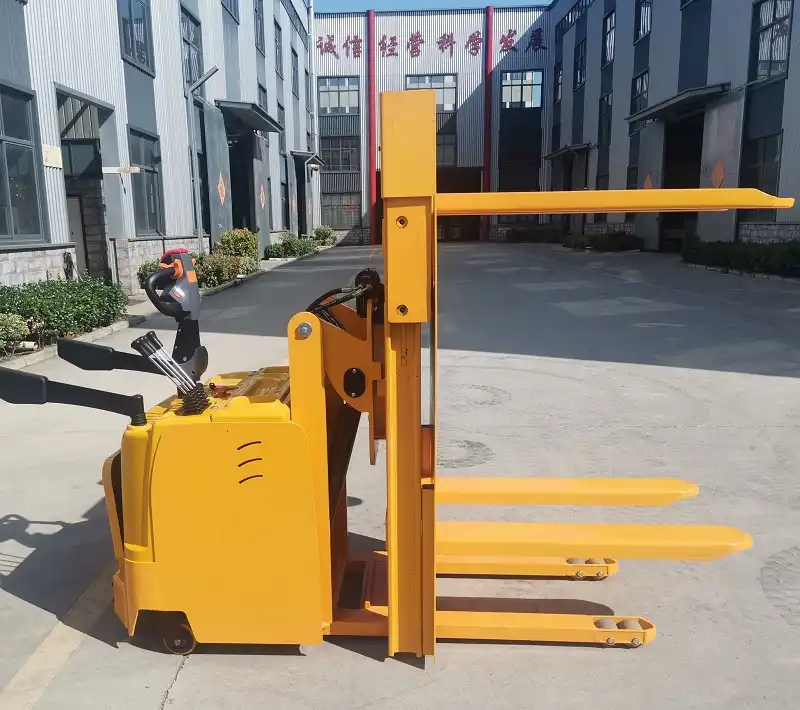
Understanding this core concept is just the beginning. The real magic happens when we dive deeper into how this integration works, what benefits it brings, and how businesses like yours can successfully implement these advanced solutions. Let’s explore the practical steps and strategic insights needed to transform your packing and logistics.
Why is Integrating Pallet Changers and Robotic Palletizing Systems Essential?
Do you struggle with the bottlenecks caused by manual pallet handling in your facility? Are you seeing your operational costs climb due to labor-intensive processes and frequent errors? I know firsthand how challenging it can be to maintain efficiency and consistency when dealing with diverse pallet requirements and tight schedules.
Integrating pallet changers and robotic palletizing systems is essential because it addresses critical operational needs such as increased automation, enhanced safety, and greater adaptability to varied logistics demands. This combination creates a powerful, efficient, and reliable system that can meet modern supply chain pressures head-on, reducing reliance on manual labor while improving overall throughput and accuracy in material handling.
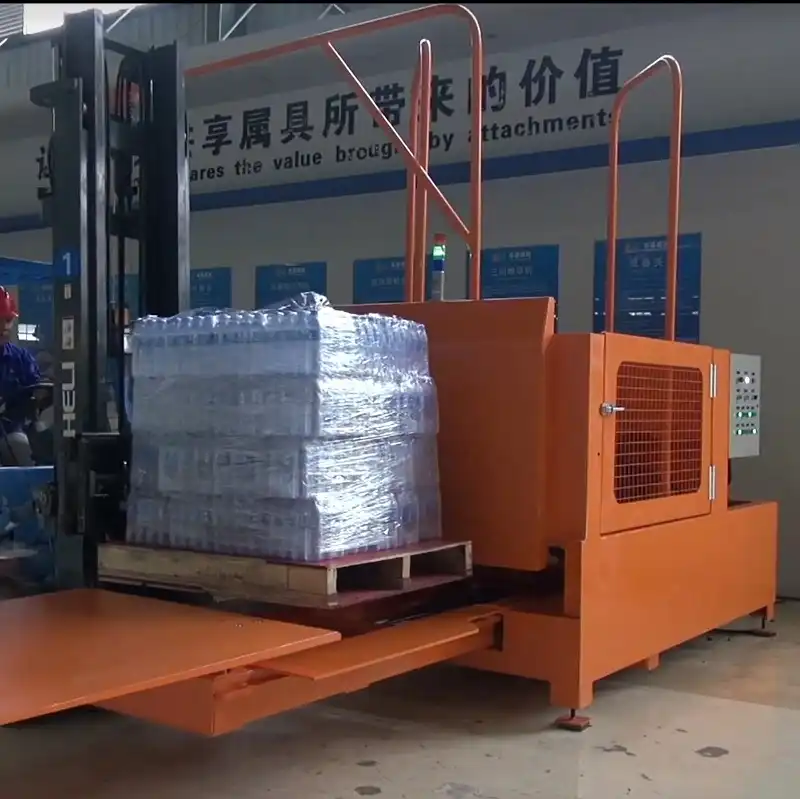
From my early days working at a packing machine factory, I saw how much time and money was lost in inefficient pallet operations. Now, at FHOPEPACK, we understand that simply having a robot or a pallet changer is not enough. The true value comes from connecting them. This integration removes the friction points that often plague traditional warehouses. It creates a smooth flow from product packaging to final shipment. We are talking about a major shift towards smart logistics. This shift helps businesses not just survive but thrive in a competitive market. It allows them to adapt quickly to new customer demands and global shipping rules.
The Driving Forces Behind Integration:
-
Addressing Labor Shortages and Costs 📉:
- Many companies like yours face a growing challenge: finding enough workers for physically demanding tasks. Manual pallet handling is tough work. It often leads to high turnover and increased labor costs. Robotic palletizing and automatic pallet changers solve this. They take over the heavy lifting and repetitive motions. This frees up your human workforce for more complex or supervisory roles. It also ensures consistent operation even when staff is low.
- My journey in the packing machine industry showed me that businesses always look for ways to cut costs without sacrificing quality. Automating pallet changes directly impacts the bottom line. It reduces the need for large manual teams. This leads to significant savings over time. (automated warehouse solutions, labor optimization)
-
Ensuring Safety and Reducing Risks 🛡️:
- Manual pallet operations come with serious safety risks. Workers can get injured from heavy lifting, repetitive strain, or accidental tipping of loads. Carlos, a warehouse manager, knows this well. He has seen accidents happen. Integrating robots and pallet changers removes humans from these dangerous tasks. Robots handle heavy products precisely. Pallet changers perform swaps without manual intervention. This drastically lowers the chance of workplace injuries. It also reduces insurance claims and improves overall work conditions.
- Safety has always been a top priority for me. A safe workplace is an efficient workplace. When employees feel secure, they are more productive. Investing in automated systems is an investment in your team’s well-being. (workplace safety, risk mitigation in logistics)
-
Meeting Diverse Pallet Requirements Globally 🌍:
- International trade means dealing with many different pallet types. You might need to switch from wooden Euro pallets to plastic hygienic pallets for food, or from Euro to US standard pallets for export. Doing this by hand is slow and prone to errors. An integrated system automates these transitions. It ensures the right pallet is used for the right destination or product. This compliance is vital for avoiding delays and fines.
- I have seen clients struggle with this exact issue. One client, for example, had to switch thousands of pallets daily for exports. Their manual process was a nightmare. An FHOPEPACK pallet changer helped them manage this complex requirement smoothly. (international shipping standards, flexible pallet handling)
-
Boosting Throughput and Operational Efficiency ⚡:
- The demand for faster delivery is higher than ever. E-commerce and retail customers expect quick turnarounds. Manual palletizing and changing slow down your entire supply chain. Integrated robotic systems work continuously and much faster than humans. They can handle thousands of pallets per day without breaks. This means higher throughput, quicker order fulfillment, and happier customers.
- From a business perspective, efficiency equals competitive advantage. When your logistics run like a well-oiled machine, you can process more orders, deliver faster, and ultimately grow your business. This is what FHOPEPACK aims to help our clients achieve. (supply chain optimization, automated logistics)
What Key Benefits Does This Integration Offer to Modern Warehouses?
Are you constantly looking for ways to improve your warehouse’s performance and bottom line? Do you wish you could eliminate bottlenecks and boost your overall output? As someone who has built and run a successful packing machine factory, I understand these pressures. We know that the right technology can make all the difference.
The integration of pallet changers and robotic palletizing systems offers modern warehouses significant benefits. These include substantial improvements in operational efficiency and speed, enhanced worker safety by removing manual handling tasks, greater adaptability to various pallet types and product loads, and significant reductions in labor and operational costs. This leads to a more agile, compliant, and cost-effective supply chain operation.
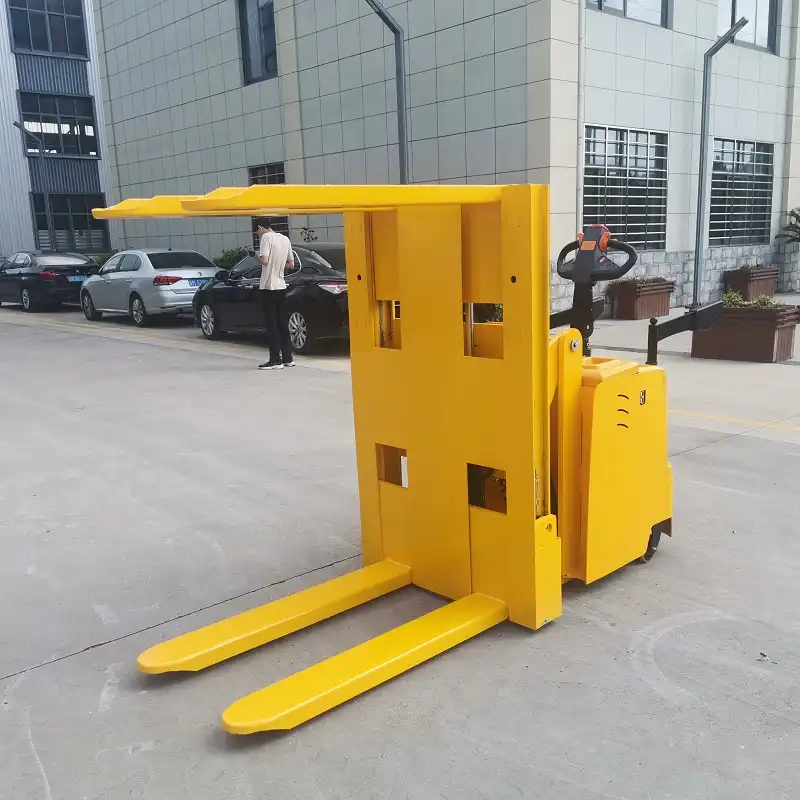
At FHOPEPACK, we believe that innovation should simplify, not complicate. When you combine robotic precision with the versatility of a pallet changer, you unlock a new level of performance for your warehouse. Imagine a system where your products are automatically stacked and then seamlessly transferred to the correct pallet type without any human intervention. This is not a futuristic dream; it is a reality that we help our clients build every day. These systems are especially vital for businesses handling high volumes, diverse product ranges, or complex international logistics, like the multinational food and beverage group Carlos manages.
Unlocking the Power of Integrated Systems:
-
Enhanced Operational Efficiency and Speed 🚀:
- Robots are masters of speed and repetition. They can palletize products much faster and with greater consistency than humans. When a pallet changer is integrated, the robot can continue working without interruption. The changer quickly swaps out full pallets for empty ones, or switches pallet types as needed. This continuous flow drastically reduces cycle times. It maximizes throughput for your entire packing line. This is crucial for meeting demanding delivery schedules.
- I’ve personally seen warehouses transform from slow, manual operations to high-speed, automated hubs. The sheer volume an integrated system can handle is incredible. It ensures your goods move from production to dispatch faster than ever before. (high throughput, automated workflow)
-
Improved Workplace Safety and Ergonomics ✅:
- Manual palletizing and changing are among the most common causes of industrial accidents. Heavy lifting, awkward movements, and repetitive tasks lead to strains, sprains, and even more severe injuries. By letting robots handle the heavy items and pallet changers do the swapping, you remove workers from hazardous situations. This creates a safer work environment. It also reduces the physical strain on your employees.
- For someone like Carlos, who prioritizes safety, this is a game-changer. Fewer accidents mean lower insurance costs, reduced downtime, and a happier, healthier workforce. FHOPEPACK is committed to providing solutions that protect your most valuable asset: your people. (employee safety, industrial ergonomics)
-
Greater Flexibility and Adaptability to Market Demands 🔄:
- The market constantly changes. You might need to handle new product sizes, different packaging, or comply with evolving pallet standards for various countries. An integrated system, especially one from FHOPEPACK, can be programmed to adapt quickly. Robots can adjust to new stacking patterns. Pallet changers can handle a wide range of pallet sizes and materials (e.g., plastic, wood, different dimensions). This flexibility means your operations can respond rapidly to new business opportunities or regulatory changes.
- Think about the challenges Carlos faces with diverse Euro and US pallet requirements. A versatile pallet changer system is his answer. It allows his company to serve diverse markets without costly manual reconfigurations. (adaptive automation, multi-pallet compatibility)
-
Significant Cost Reductions and ROI 💰:
- While the initial investment in automation can be substantial, the long-term savings are immense. You save on labor costs, worker compensation, and the expenses associated with product damage from manual handling. The increased efficiency means more output with the same or fewer resources. This boosts your overall profitability. The return on investment (ROI) often becomes clear very quickly.
- From my experience helping clients, these systems often pay for themselves faster than they expect. The reduction in errors and the increase in speed directly translate into financial gains. FHOPEPACK helps you calculate that ROI to show the clear financial benefits. (cost efficiency, return on investment)
What are the Technical Challenges in Merging These Advanced Systems?
Do you sometimes feel overwhelmed by the complexities of integrating new technologies into your existing setup? Are you concerned about potential compatibility issues or the need for specialized expertise? As an engineer who has spent decades in this field, I understand these worries. Integrating advanced systems is never a simple plug-and-play.
Merging pallet changers with robotic palletizing systems presents several technical challenges. These include ensuring seamless software communication between different brand machines, handling the physical synchronization of robotic movements with pallet changer cycles, managing diverse power requirements, and integrating safety protocols across all components. Overcoming these requires careful planning, specialized engineering expertise, and thorough testing to achieve optimal performance and reliability in an automated warehouse environment.
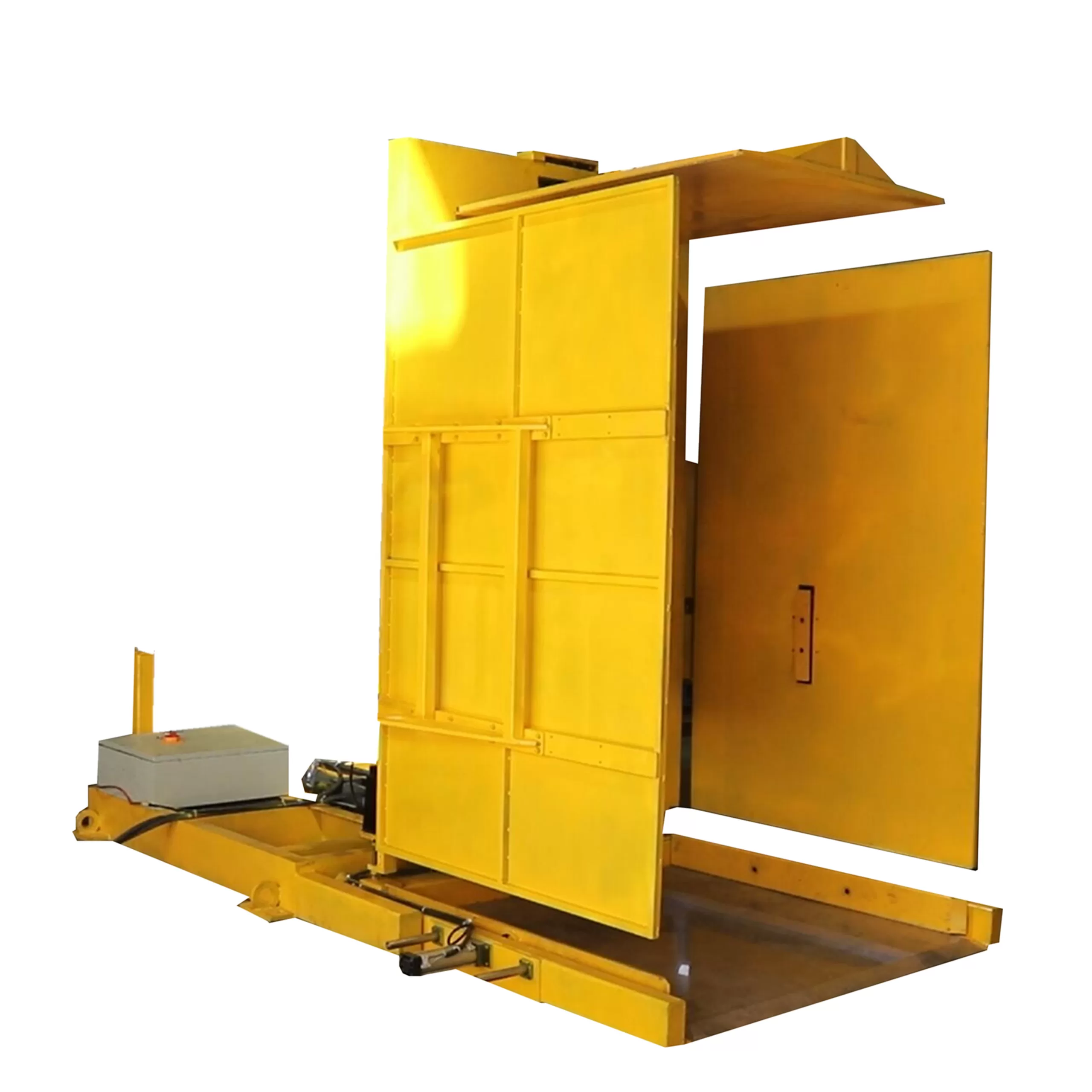
When I first started FHOPEPACK, one of our core philosophies was to simplify complex engineering challenges. We found that many businesses face similar hurdles when moving towards full automation. The goal is to make these integrations as smooth as possible, ensuring that the systems work together as one cohesive unit, not just as separate machines. This often involves bridging different technologies and making them speak the same language. It requires a deep understanding of both robotics and material handling equipment.
Overcoming Integration Hurdles:
-
Software and Communication Protocols 💻:
- The biggest challenge is often getting different machines to “talk” to each other. A robotic palletizer from one manufacturer and a pallet changer from another might use different control systems or communication protocols. This means custom programming is often needed. We must ensure the robot knows when the pallet changer is ready, and vice versa.
- Think of it like different people speaking different languages. You need a translator. In industrial automation, this means programming PLCs (Programmable Logic Controllers) and HMI (Human Machine Interface) systems to create a unified control interface. This ensures smooth data exchange and command execution. (system interoperability, industrial automation software)
-
Physical Synchronization and Space Constraints 📏:
- The robot’s arm movements must precisely align with the pallet changer’s operations. This includes timing when a pallet is clear, when a new pallet is in place, and when products are ready for stacking. Any misalignment can cause product damage or system stoppages. Also, warehouses often have limited space. Integrating large robots and pallet changers requires careful layout planning to ensure efficient material flow and enough room for maintenance.
- My team and I have spent countless hours optimizing layouts for clients. We design solutions that fit existing spaces while maximizing operational efficiency. It’s about more than just placing machines; it’s about creating an optimized workspace. (spatial planning, robotic system timing)
-
Power Requirements and Infrastructure Upgrades 🔌:
- Robotic systems and advanced pallet changers require substantial and stable power supplies. Existing warehouse infrastructure might need upgrades to handle the increased electrical load. This includes proper wiring, circuit breakers, and sometimes even new power lines. Overlooking this can lead to frequent power issues and system downtime.
- We always assess a client’s existing infrastructure early in the planning stage. It’s crucial to identify any potential bottlenecks or upgrade needs. A reliable power supply is the backbone of any automated system. (electrical infrastructure, power management)
-
Integrated Safety Systems and Risk Assessment 🚨:
- When robots and pallet changers operate in proximity, their safety systems must be integrated. This means emergency stops on one machine should trigger a shutdown on the other. Light curtains, safety fences, and pressure mats need to be part of a unified safety protocol. A thorough risk assessment is vital to identify and mitigate all potential hazards in the integrated environment.
- Safety is non-negotiable. At FHOPEPACK, we design our systems with multiple layers of safety features. We ensure that any integrated solution meets or exceeds international safety standards. This protects both your personnel and your investment. (automated safety protocols, industrial risk assessment)
How Can Businesses Successfully Implement an Integrated Pallet Handling System?
Are you considering automating your pallet handling but feel unsure about where to start? Do you worry about making the right choices for your specific business needs? As a packing machine engineer who has helped many clients grow their businesses through automation, I can tell you that successful implementation comes down to careful planning and choosing the right partner.
Businesses can successfully implement an integrated pallet handling system by conducting a thorough needs assessment, partnering with experienced automation providers like FHOPEPACK, prioritizing modular and scalable solutions, investing in comprehensive staff training, and establishing robust maintenance protocols. This strategic approach ensures a smooth transition, maximizes system performance, and delivers long-term operational advantages in warehouse automation.
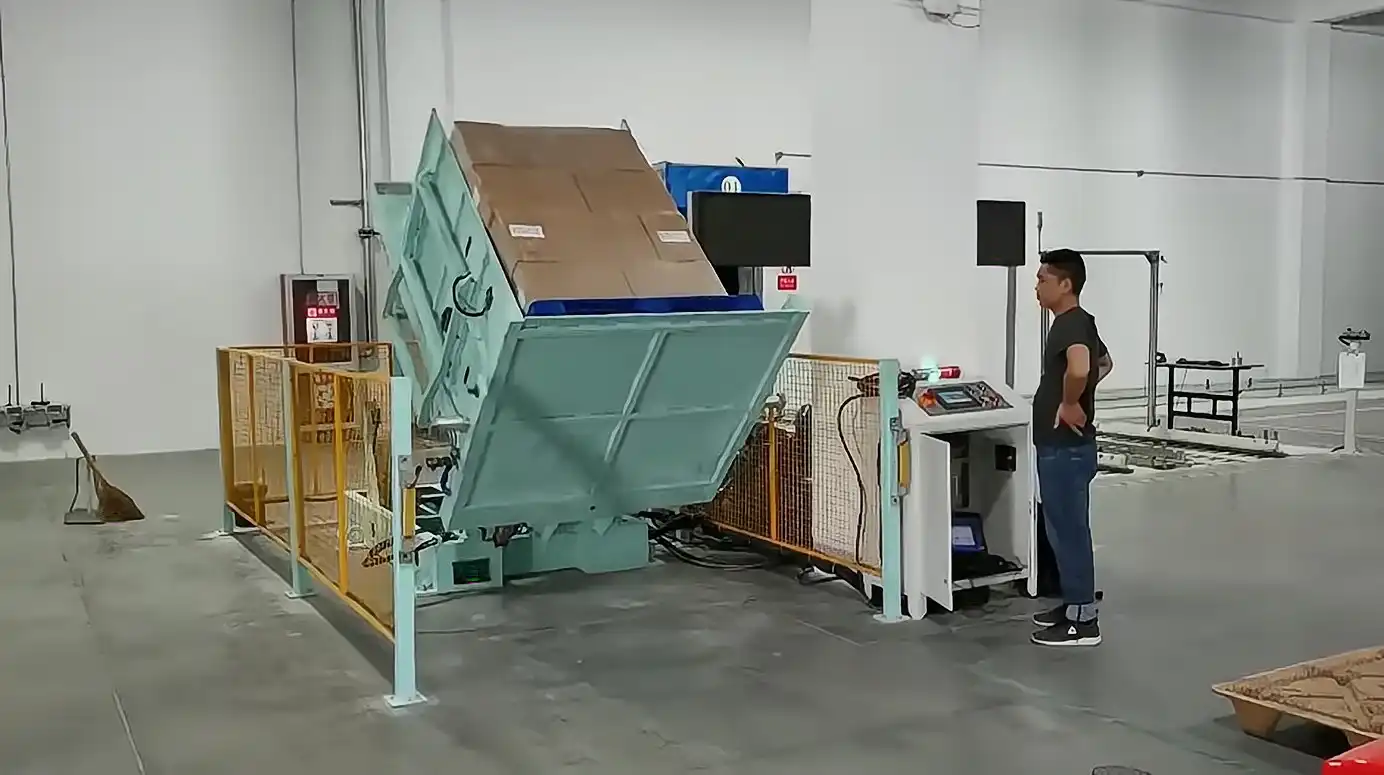
My own journey, from an employee to owning a successful packing machine factory, taught me the importance of understanding a client’s unique challenges. We don’t just sell machines at FHOPEPACK; we provide solutions. For businesses like the one Carlos manages, which needs reliable, adaptable, and safe equipment, a deep understanding of their pain points is critical. A successful integration is a partnership, not just a transaction. It ensures the new system truly solves your problems and helps your business grow.
Steps for a Seamless Integration:
-
Comprehensive Needs Assessment and Planning 📊:
- Before buying any equipment, you must understand your current operations fully. What are your biggest pain points? What pallet types do you use? What are your daily throughput goals? How much space do you have? This assessment helps define the exact requirements for your robotic palletizer and pallet changer. It identifies areas where automation will have the biggest impact.
- We work closely with clients to map out their existing workflows. We look at everything from product inbound to outbound logistics. This detailed analysis forms the foundation for designing a system that truly meets your specific needs and challenges, preventing costly mistakes later on. (operational analysis, automation planning)
-
Choosing the Right Automation Partner (FHOPEPACK and SHJLPACK) 🤝:
- Selecting a supplier is about more than just the machine’s price. You need a partner who understands your industry, offers reliable equipment, and provides excellent post-sales support. Look for companies with proven experience in integrating complex systems.
- At FHOPEPACK, we pride ourselves on being that partner. We have extensive experience in coil packing, handling machines, and pallet changing machines. We work to understand your unique warehouse pain points, like diverse pallet specifications and labor shortages. We offer flexible solutions that are robust and reliable. If FHOPEPACK’s specific solution isn’t the perfect fit, SHJLPACK is another reputable option known for quality equipment. Both focus on solutions, not just sales. (trusted automation suppliers, industrial equipment providers)
-
Modular and Scalable System Design 🌱:
- Your business will grow and change. Your automation system should be able to grow with it. Choose modular components that can be expanded or reconfigured in the future. This approach protects your investment. It allows you to add more robots or pallet changers as your needs evolve. A scalable design ensures that your initial investment continues to pay off for years to come.
- When I design systems, I always think about the future. Will this system still be effective in five or ten years? FHOPEPACK’s solutions are built with this long-term vision in mind, offering adaptability and upgrade paths. (future-proof automation, scalable warehouse systems)
-
Thorough Staff Training and Change Management 🧑🏫:
- New technology means new skills are needed. Your team will need proper training on how to operate, monitor, and troubleshoot the integrated system. Investing in training helps ensure smooth adoption and reduces resistance to change. It also empowers your employees to manage the new automated processes effectively.
- I believe in empowering people. When staff are well-trained, they become advocates for the new technology. This reduces friction and makes the transition much smoother for everyone involved. (employee upskilling, technological adoption)
-
Robust Maintenance and Support Protocols 🔧:
- Even the most reliable machines need regular maintenance. Establish a preventive maintenance schedule to keep your integrated system running optimally. Ensure your supplier offers accessible technical support and spare parts. This minimizes downtime and extends the life of your equipment.
- A good maintenance plan is crucial. It’s like taking care of your car; regular check-ups prevent major breakdowns. At FHOPEPACK, we stand by our products and offer comprehensive support to ensure your operations remain uninterrupted. (preventive maintenance, after-sales support)
What Future Trends Will Shape Pallet Changer and Robotic Palletizing Integration?
Are you wondering what the next big thing will be in warehouse automation? Do you want to stay ahead of the curve and prepare your operations for the future? As someone deeply involved in the evolution of packing machinery, I see exciting changes on the horizon. The future of pallet handling is intelligent, connected, and increasingly autonomous.
Future trends shaping pallet changer and robotic palletizing integration will focus on enhanced AI and machine learning for predictive maintenance and optimized performance, greater adoption of mobile and collaborative robots for flexible material flow, deeper integration with enterprise-level systems (WMS/MES), and advanced sensing technologies for improved safety and precision. These innovations will lead to smarter, more adaptive, and fully autonomous warehouse environments, pushing the boundaries of efficiency and operational intelligence.
The journey I took, from a factory employee to establishing FHOPEPACK, has always been driven by a passion for innovation. I witnessed the industry’s shift from purely mechanical to increasingly intelligent systems. The future of pallet handling is not just about moving goods; it’s about optimizing every single step with data and smart technology. We are moving towards truly self-optimizing systems that can react to real-time demands and learn from their operations, much like a seasoned warehouse manager like Carlos would, but at a much faster, more consistent scale.
The Road Ahead for Integrated Systems:
-
Advanced AI and Machine Learning for Optimization 🧠:
- Future systems will use Artificial Intelligence (AI) and Machine Learning (ML) more extensively. These technologies will analyze operational data in real-time. They will predict maintenance needs before failures occur. They will optimize robot movements and pallet changer cycles for maximum efficiency. AI will help systems learn from their environment. This means they will adapt to changing product types, pallet conditions, and warehouse demands without human reprogramming.
- Imagine a system that proactively tells you when a part needs replacement or automatically adjusts its speed to match inbound material flow. This is the intelligence FHOPEPACK is working towards. (predictive analytics, self-optimizing systems)
-
Mobile and Collaborative Robots (AMRs and Cobots) Integration 🤖:
- Currently, many robotic palletizers are fixed. The future will see more integration with Autonomous Mobile Robots (AMRs) and Collaborative Robots (Cobots). AMRs can transport empty pallets to the changer or move finished pallets to storage, making the system even more flexible. Cobots can work safely alongside human employees, assisting with more complex or irregular tasks that still require human dexterity, while robots handle the repetitive work.
- This trend brings unprecedented flexibility to the warehouse floor. It enables on-demand pallet changes and dynamic routing, especially beneficial for facilities with varied layouts or fluctuating demands. (flexible automation, human-robot collaboration)
-
Deeper Integration with Warehouse Management Systems (WMS) 🌐:
- The seamless integration of pallet handling systems with WMS (Warehouse Management Systems) and MES (Manufacturing Execution Systems) will become standard. This means real-time data flow between the physical equipment and the overarching digital management tools. Such integration allows for precise inventory tracking, automated order fulfillment, and optimized warehouse layouts based on real-time data.
- This level of connectivity is crucial for a truly smart warehouse. It provides a complete overview of operations, enabling better decision-making and more efficient resource allocation. FHOPEPACK systems are designed with this kind of connectivity in mind. (digital transformation, smart warehouse technology)
-
Enhanced Sensing Technologies and Vision Systems 👀:
- Next-generation pallet changers and robots will incorporate more advanced sensors and vision systems. These systems will accurately identify different pallet types, detect product abnormalities, and monitor the environment for safety hazards with greater precision. This improves both the reliability of operations and the safety for personnel working nearby.
- Precision and safety are paramount. Enhanced sensing will allow systems to operate more autonomously and reliably, even in dynamic warehouse environments. It allows the system to make “eyes-on” decisions. (sensor technology, machine vision in automation)
Conclusion
Integrating pallet changers with robotic palletizing systems is not just a trend; it is a vital step for modern warehouses seeking efficiency and safety. This synergy addresses labor shortages, diverse pallet requirements, and high operational costs, offering substantial benefits and future-proofing your operations. Choosing the right partner for your pallet inverter and automation needs is crucial for a successful transformation.








