
How Do Pallet Changers Support Packaging in the Chemical and Resin Industry?
Have you ever considered the hidden risks and inefficiencies lurking within your chemical and resin packaging lines? The constant need to transfer products, switch pallets, and ensure compliance can be a major headache. Manual processes not only slow down operations but also introduce significant safety hazards and potential for costly errors. If you are struggling with diverse pallet types, labor shortages, or ensuring the integrity of hazardous materials, you are not alone. (chemical packaging challenges, resin logistics problems)
Pallet changers are essential tools that actively support packaging in the chemical and resin industry by automating the crucial task of transferring goods from one pallet type to another. They ensure product safety, enhance operational efficiency, reduce labor costs, and maintain regulatory compliance when dealing with diverse pallet requirements for bulk chemicals, powders, and liquids. This technology minimizes manual handling, protecting both workers and valuable, sometimes hazardous, materials during the load transfer process. (pallet changers chemical industry, resin packaging automation)
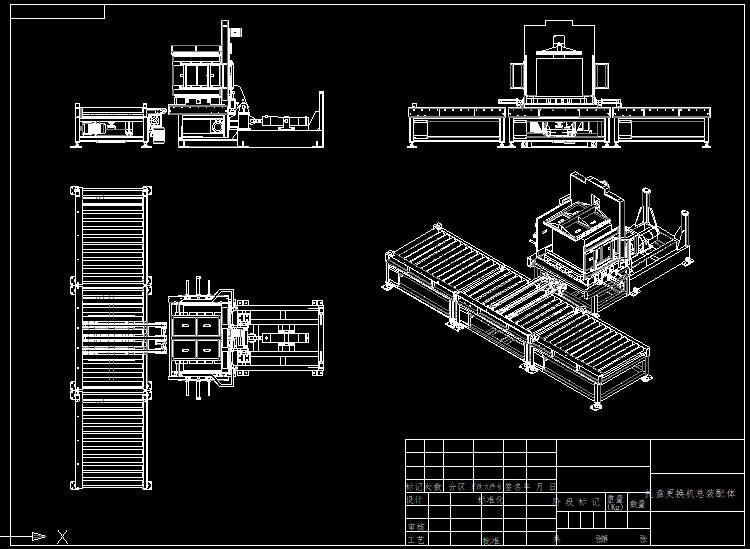
At FHOPEPACK, I have seen firsthand how the right equipment can transform a business. My journey in the packing machine industry has shown me that understanding these pain points is the first step to finding real solutions. Let’s delve deeper into how pallet changers offer practical answers to the unique demands of the chemical and resin sector, ensuring smoother operations from the warehouse floor to international shipping. (packing machine solutions, industrial material handling)
Why is Safety Paramount in Chemical and Resin Packaging Operations?
Are you concerned about the safety of your workers and the integrity of hazardous chemicals during pallet transfers? The chemical and resin industry deals with materials that can be corrosive, flammable, or toxic. Any manual handling of heavy or unstable loads during pallet changes presents a huge risk. A single accident can lead to severe injuries, environmental damage, and hefty regulatory fines. (hazardous material handling, workplace safety chemicals)
Safety is paramount in chemical and resin packaging operations because these products often pose inherent risks to personnel and the environment. Pallet changers significantly improve safety by eliminating manual lifting, tilting, or pushing of heavy loads, thereby reducing the risk of musculoskeletal injuries, product spills, and exposure to dangerous substances during the pallet exchange process. (chemical safety equipment, pallet transfer safety)
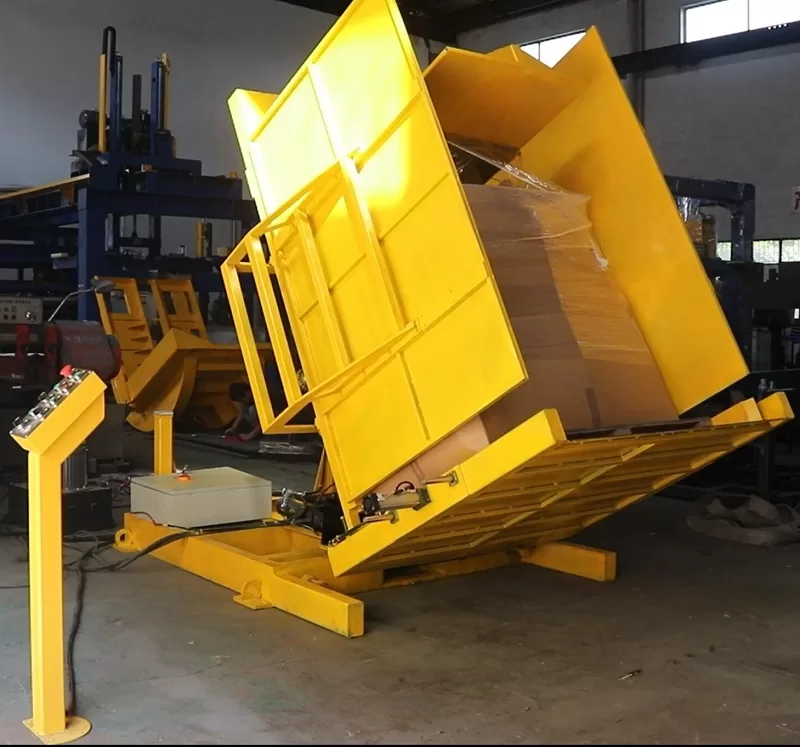
I have always prioritized safety in my own packing machine factory, knowing that a safe workplace is a productive workplace. Pallet changers are not just about efficiency; they are about protecting your most valuable assets: your people and your products. This is especially true when working with materials like resins, acids, or volatile compounds, where even a small error can have large consequences. (packing machine safety, industrial safety solutions)
-
Reducing Direct Human Interaction with Hazardous Loads: The core benefit of automated pallet changing systems is removing human hands from the direct manipulation of potentially dangerous packages.
- Elimination of Manual Lifting and Tilting: Workers no longer need to manually lift or tilt heavy drums, bags, or containers filled with chemicals. This prevents back injuries, strains, and crushes. Pallet changers use hydraulic or mechanical force to perform these actions in a controlled manner.
- Minimizing Exposure Risks: For powders or liquids, spills are a constant threat. Pallet changers perform the transfer swiftly and securely, greatly reducing the chances of a container rupturing or overturning, thus minimizing worker exposure to harmful substances.
- Controlled Environment: Many pallet changers can operate within enclosed or semi-enclosed areas. This further isolates the process, containing any potential splashes or dust release, which is critical for health and safety protocols.
-
Enhancing Load Stability and Preventing Spills: Maintaining load stability throughout the transfer process is vital to prevent product loss and environmental contamination.
- Secure Clamping Mechanisms: Modern pallet changers are designed with advanced clamping systems that firmly hold the product load. This prevents any shifting or falling during the inversion or transfer, regardless of the load’s shape or consistency. This is key for barrels of resin or stacks of chemical bags.
- Smooth and Consistent Movement: Unlike manual methods, which can be jerky or unstable, pallet changers operate with smooth, programmed movements. This consistency greatly reduces the likelihood of accidents caused by sudden movements or imbalances. It ensures that valuable chemical products remain intact.
- Damage Prevention: Preventing damage to packaging (e.g., punctures in bulk bags or cracks in plastic containers) is critical. Damaged packaging can lead to leaks and spills. Automated systems handle loads carefully, avoiding the impacts common with manual forklift operations during pallet exchanges. (hazardous waste prevention, chemical spill containment)
-
Compliance with Safety Regulations and Standards: Operating within strict industry regulations is non-negotiable for chemical and resin manufacturers. Pallet changers support this compliance.
- Adherence to OSHA and Local Regulations: By automating high-risk tasks, businesses can more easily comply with occupational safety and health administration (OSHA) guidelines and local safety mandates. This helps avoid penalties and improves the company’s safety record.
- Auditable Processes: Automated systems provide a consistent, repeatable process. This makes it easier to document and demonstrate adherence to safety protocols during audits. It shows a commitment to best practices in dangerous goods handling.
- Improved Ergonomics: Reducing repetitive strain injuries and heavy lifting aligns with ergonomic workplace standards. This not only protects workers but also contributes to a healthier, more sustainable workforce. (industrial safety standards, regulatory compliance packaging)
How Do Pallet Changers Boost Efficiency in Chemical Logistics?
Is your chemical logistics chain bogged down by slow pallet exchanges, impacting delivery times and throughput? The chemical and resin industry often operates with tight schedules, high volumes, and diverse product lines, from granular resins to liquid chemicals. Inefficient pallet management can create bottlenecks, leading to delays, increased operational costs, and frustrated customers. How can you streamline these critical processes? (chemical logistics efficiency, warehouse throughput optimization)
Pallet changers significantly boost efficiency in chemical logistics by accelerating the pallet exchange process, optimizing warehouse space, and improving the overall flow of goods. They reduce the time needed for load transfers from minutes to seconds, allowing for quicker turnaround times for inbound and outbound shipments, and support high-volume operations by automating a critical material handling task. (logistics automation, material flow improvement)
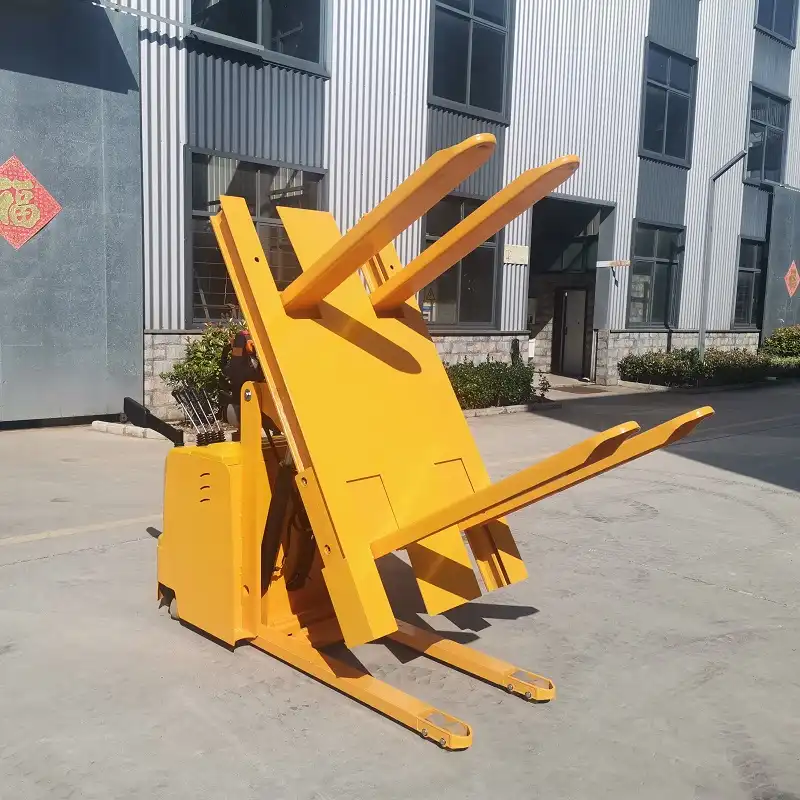
From my experience in building successful packing machine factories, I know that time is money. Every minute saved in a high-volume warehouse adds up to significant gains in productivity and profitability. The demands of modern supply chains, especially for chemical and resin products, require solutions that can keep pace. (packing machine productivity, supply chain optimization)
-
Accelerated Pallet Exchange Speeds: The speed at which pallets can be switched directly impacts the overall efficiency of warehousing and distribution.
- Reduced Cycle Times: Manual pallet changing can take several minutes per pallet, involving multiple steps and human effort. Automated pallet changers, like those FHOPEPACK offers, complete this process in a fraction of the time, often under a minute. This rapid cycle time translates to higher throughput, especially in facilities handling thousands of pallets daily.
- Continuous Operation: Unlike manual methods that require breaks and can suffer from human fatigue, pallet changers can operate continuously for extended periods. This ensures a consistent flow of goods, preventing delays in critical stages of the supply chain.
- Seamless Integration: Pallet changers can be integrated into existing conveyor systems or automated guided vehicle (AGV) lines. This creates a seamless, automated material handling process from arrival to dispatch, eliminating manual intervention points and speeding up the entire logistics chain.
-
Optimized Warehouse and Staging Area Utilization: Efficient use of space is crucial in any warehouse, particularly for storing diverse chemical and resin products.
- Faster Loading/Unloading: With quicker pallet changes, trucks spend less time at loading docks. This reduces demurrage costs and frees up dock space for more vehicles, improving yard management and overall site efficiency.
- Reduced Staging Area Congestion: A bottleneck at the pallet exchange point can lead to a pile-up of goods waiting for transfer. Automated systems clear this bottleneck, keeping staging areas free and organized. This allows for better flow and reduced risk of damage.
- Consistent Pallet Flow: By ensuring a steady and predictable flow of products through the pallet change area, operations can be more accurately planned and executed. This consistency helps in managing inventory and scheduling outbound shipments more effectively.
-
Improved Overall Supply Chain Throughput: The impact of efficient pallet changing extends beyond the warehouse, affecting the entire supply chain.
- Quicker Order Fulfillment: For customers expecting just-in-time deliveries, faster pallet transfers mean orders can be processed and shipped more quickly. This is crucial for maintaining customer satisfaction and meeting tight delivery windows common in the chemical industry.
- Enhanced Inventory Management: With a faster flow of goods, inventory turnover increases. This reduces the amount of capital tied up in stock and minimizes the risk of product obsolescence, particularly for chemicals with limited shelf lives.
- Reduced Operational Bottlenecks: By addressing a common choke point in material handling, pallet changers contribute to a more resilient and responsive supply chain. This helps chemical and resin manufacturers adapt to fluctuating market demands and avoid costly disruptions. (supply chain resilience, inventory optimization chemicals)
Can Pallet Changers Ensure Product Integrity and Compliance for Hazardous Goods?
Are you struggling to protect the integrity of your chemical and resin products while ensuring compliance with stringent international shipping standards? Handling hazardous materials requires extreme care to prevent spills, contamination, or damage. Different countries and customers have specific pallet requirements (e.g., Euro vs. US, wooden vs. plastic for hygiene), making efficient and compliant pallet transfer a complex challenge. How do you meet these varied demands without compromising product quality or safety? (hazardous goods compliance, international shipping standards chemicals)
Pallet changers are critical for ensuring product integrity and compliance for hazardous goods by allowing seamless transfer of loads to the correct pallet type without disturbing the product. This protects packaging from damage, prevents contamination, and facilitates adherence to global shipping regulations (like ISPM-15 for wood pallets or hygiene requirements for plastic pallets), safeguarding both the product and the supply chain. (product protection chemicals, regulatory pallet exchange)
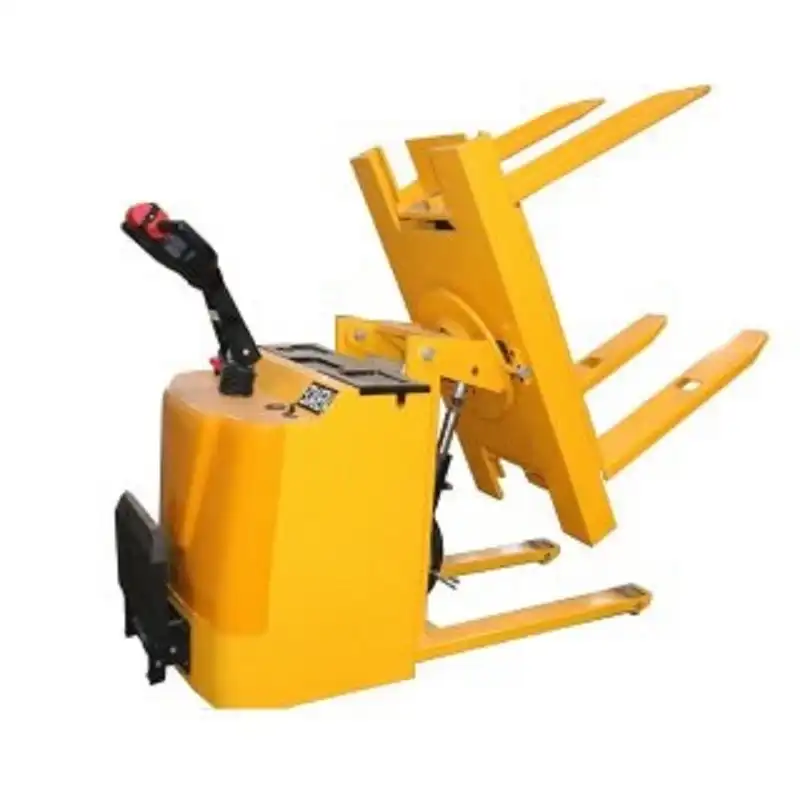
At FHOPEPACK, I understand the importance of getting it right every time. For chemical and resin products, product integrity isn’t just about quality; it’s about safety and legal compliance. My focus has always been on providing solutions that protect your valuable goods and your reputation. (packing machine reliability, product quality assurance)
-
Protecting Product Packaging and Preventing Damage: The physical integrity of chemical and resin packaging is paramount to prevent leaks, spills, and contamination.
- Gentle Handling Mechanisms: Pallet changers are engineered to handle loads with precision and gentleness. Unlike rough manual handling or forklift maneuvers, these machines use controlled pressure and smooth motions to transfer goods, minimizing stress on drums, bags, and containers. This prevents punctures, tears, or cracks in the packaging.
- Stable Transfer Process: During the pallet exchange, the product load is securely clamped. This prevents any shifting or movement that could cause impact damage or collapse. For stacked bulk bags of resin or delicate chemical compounds, this stability is crucial to maintain structural integrity.
- Reduced Human Error: Human errors, such as dropping a load or misjudging a turn, are eliminated with automated systems. This significantly reduces the incidence of product damage, which can be costly in terms of lost product, cleanup, and potential environmental fines.
-
Ensuring Compliance with International Shipping and Hygiene Standards: Global trade of chemicals and resins often involves navigating complex regulatory landscapes regarding pallet usage.
- ISPM-15 Compliance for Wood Pallets: Many countries require wood pallets for international shipments to be heat-treated and stamped (ISPM-15 compliant) to prevent pest infestations. Pallet changers allow you to transfer products from non-compliant warehouse pallets to compliant export pallets quickly and efficiently, ensuring smooth customs clearance.
- Hygiene for Food-Grade or Sensitive Chemicals: For certain chemicals or resins used in food-grade applications, pharmaceutical intermediates, or other sensitive industries, plastic pallets are often preferred or mandated due to their easy-to-clean, non-porous nature. Pallet changers facilitate the switch from standard industrial pallets to hygienic plastic pallets, meeting strict sanitation requirements.
- Adaptability to Diverse Pallet Specifications: From Euro pallets (1200x800mm) to US pallets (48×40 inches) and specialized custom sizes, pallet changers can accommodate a wide range of dimensions and materials. This versatility ensures that you can always meet the specific pallet requirements of different markets and customers without needing to manually restack.
-
Preventing Cross-Contamination and Maintaining Purity: In the chemical industry, preventing cross-contamination between different substances is critical, not just for product quality but also for safety.
- Dedicated Pallet Flows: Using pallet changers to separate internal warehouse pallets from external shipping pallets helps prevent the introduction of external contaminants into a clean warehouse environment. This is especially important for sensitive chemicals or resins.
- Clean Room Compatibility: Some pallet changers are designed or can be adapted for use in cleanroom environments, ensuring that the pallet exchange process itself does not introduce particulates or contaminants, which is vital for high-purity chemicals or pharmaceutical-grade resins.
- Reduced Manual Handling Contamination: Every time a human touches a product or its packaging, there is a risk of introducing contaminants. Automated pallet changers minimize this human touchpoint, thereby reducing the potential for external contamination and helping to maintain product purity. (chemical purity, cross-contamination prevention)
What Role Do Pallet Changers Play in Reducing Operational Costs and Labor Dependence?
Are rising labor costs and a shortage of skilled workers impacting your chemical and resin packaging operations? Manual pallet handling is not only time-consuming but also labor-intensive and prone to human error, all of which contribute to higher operational costs. The difficulty in attracting and retaining staff for physically demanding roles further exacerbates these challenges. How can your business reduce reliance on manual labor while cutting costs and improving efficiency? (labor cost reduction, operational efficiency chemical industry)
Pallet changers play a crucial role in reducing operational costs and labor dependence by automating labor-intensive pallet transfer tasks. This significantly reduces the need for manual workers in repetitive, heavy-lifting roles, leading to lower wage expenditures, decreased worker’s compensation claims, and a more streamlined workforce. By enhancing overall efficiency, they also cut down on equipment wear and tear and energy consumption associated with less optimized manual processes. (automation cost savings, labor independence solutions)
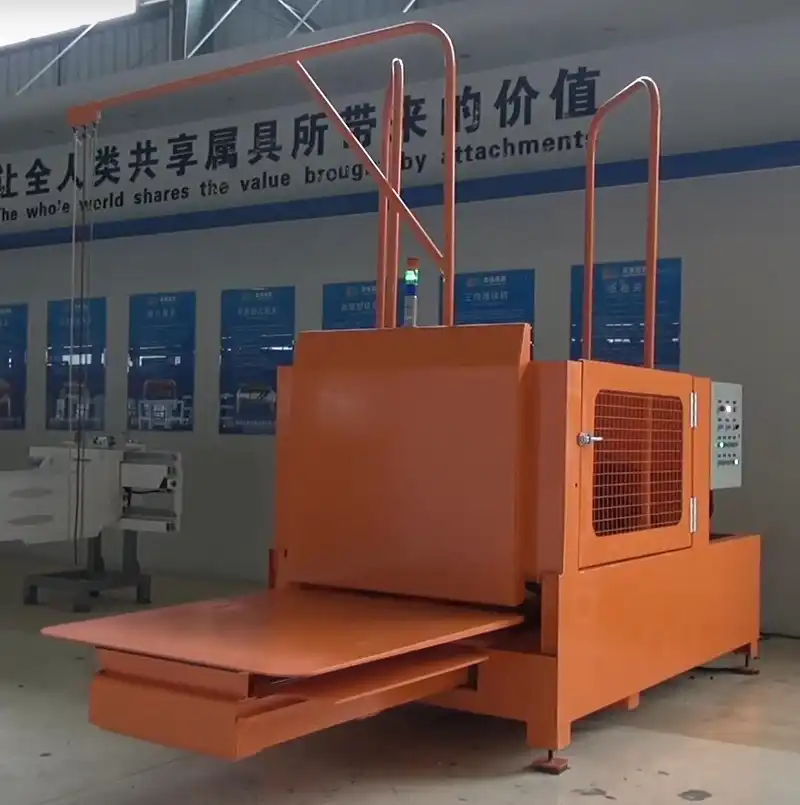
My journey from a factory employee to founding FHOPEPACK taught me the value of smart investments in machinery. These investments not only streamline operations but also free up valuable human resources for more complex, value-added tasks. This is not just about saving money; it is about building a more sustainable and resilient business model. (packing machine investment, long-term operational savings)
-
Minimizing Labor Requirements for Pallet Handling: The most direct impact of pallet changers on cost reduction is the significant decrease in manual labor.
- Reduced Headcount for Repetitive Tasks: Tasks like manually transferring goods from one pallet to another, or even inverting loads, typically require multiple workers. An automated pallet changer can perform these tasks with minimal supervision, allowing staff to be redeployed to other, more strategic areas of the operation. This directly translates to savings in wages and benefits.
- Alleviating Labor Shortages: In industries facing chronic labor shortages, especially for physically demanding warehouse jobs, pallet changers offer a vital solution. They reduce the reliance on a shrinking pool of workers, ensuring that operations can continue smoothly even with fewer available hands.
- Increased Job Satisfaction for Remaining Staff: By eliminating the most arduous and repetitive physical tasks, the remaining workforce can focus on roles that require problem-solving, oversight, or technical skills, leading to higher job satisfaction and reduced turnover.
-
Lowering Indirect Costs and Risks: Beyond direct labor costs, pallet changers help mitigate a range of indirect expenses and risks.
- Decreased Injury-Related Expenses: As discussed, pallet changers drastically reduce the risk of workplace injuries. This leads to lower worker’s compensation premiums, fewer lost workdays, and reduced legal liabilities, which can be substantial in the chemical and resin industry.
- Reduced Product Damage and Loss: Manual handling is a primary cause of product damage. Automation minimizes this risk, leading to fewer damaged goods, less waste, and lower costs associated with repacking or replacing products. For high-value chemicals or resins, this saving is significant.
- Lower Insurance Premiums: Companies that demonstrate a commitment to workplace safety through automation often qualify for lower insurance premiums, reflecting a reduced risk profile for the insurer.
-
Optimizing Operational Efficiency for Long-Term Savings: The efficiency gains from pallet changers contribute to a more cost-effective operation over the long term.
- Improved Throughput Without Increased Labor: Pallet changers allow for higher volumes of goods to be processed in the same amount of time, or even faster, without needing to hire additional staff. This boosts productivity and capitalizes on existing resources.
- Extended Equipment Lifespan: By standardizing handling processes, pallet changers can reduce wear and tear on other equipment, like forklifts, which might otherwise be overused or improperly used in manual transfer scenarios.
- Better Resource Allocation: With automated pallet changes, management can allocate resources, both human and mechanical, more effectively across the warehouse or plant. This leads to a more streamlined and economically efficient overall operation. (operational cost reduction strategies, warehouse automation ROI)
How Do Pallet Changers Offer Versatility for Diverse Chemical Packaging Needs?
Are your current pallet handling methods struggling to cope with the wide variety of packaging types, pallet sizes, and load characteristics inherent in the chemical and resin industry? From delicate bags of fine powders to heavy drums of liquids and oddly shaped containers, the need for adaptable solutions is critical. Relying on single-purpose equipment or manual handling for every variation can lead to inefficiencies, product damage, and operational bottlenecks. How can you achieve flexibility without compromising speed or safety? (versatile packaging solutions, adaptable material handling)
Pallet changers offer remarkable versatility for diverse chemical packaging needs by accommodating a broad spectrum of pallet types (wood, plastic, steel), various load weights and dimensions, and different product forms (bags, drums, cartons, IBCs). Modern pallet changers are designed with adjustable parameters, robust construction, and customizable options, allowing them to handle a dynamic mix of chemical and resin products efficiently and safely without extensive retooling or manual intervention. (flexible pallet exchange, multi-purpose pallet handling equipment)
My experience in the packing machine industry has shown me that no two customers are exactly alike, especially when it comes to the unique demands of chemical manufacturing. That is why at FHOPEPACK, we focus on providing adaptable solutions. We believe that equipment should work for your diverse needs, not the other way around. (custom packing solutions, industrial equipment adaptability)
-
Accommodating a Wide Range of Pallet Types and Sizes: The ability to switch between different pallet types is a fundamental requirement for global chemical and resin distribution.
- Wood to Plastic Conversion: Many operations need to transfer products from hygienic plastic pallets used internally to export-compliant wooden pallets (or vice-versa). Pallet changers facilitate this effortlessly, supporting both sterile environments and international trade regulations.
- Euro Pallets, US Pallets, and Custom Sizes: Whether your supply chain deals with European standard pallets, North American standard pallets, or specific custom dimensions, advanced pallet changers can be configured to handle them. This flexibility is crucial for companies with global footprints or diverse customer bases.
- Damaged Pallet Replacement: Pallet changers are also invaluable for replacing damaged inbound pallets, transferring the load to a sturdy, intact pallet before storage or further processing. This prevents warehouse hazards and ensures stable loads.
-
Handling Diverse Chemical Product Forms and Weights: The chemical and resin industry processes an immense variety of materials, each with unique handling requirements.
- Adaptability for Bags, Drums, and IBCs: Pallet changers can be designed to safely transfer everything from palletized bags of polymer resins, to heavy drums of solvents, and even large Intermediate Bulk Containers (IBCs) of liquid chemicals. The clamping and transfer mechanisms are adjustable to secure these varied load types.
- Variable Weight Capacities: From lighter loads of specialty chemicals to extremely heavy bulk materials, pallet changers come with a range of weight capacities. This ensures that the equipment can handle the full spectrum of products within a chemical or resin plant, providing a robust solution for all material handling needs.
- Product Stability and Shape Retention: For delicate or unstable loads, such as irregularly shaped containers or loosely packed bags, pallet changers provide controlled support, preventing collapse or shifting during the transfer. This ensures product integrity regardless of its form.
-
Configurable Options for Specific Operational Needs: Modern pallet changers offer a host of customizable features to meet very specific operational challenges.
- Manual, Semi-Automatic, and Automatic Models: Operations can choose the level of automation that best suits their budget, volume, and existing infrastructure. From simple manual units to fully integrated automatic lines, there is a pallet changer solution for every need.
- Integration with Existing Lines: Pallet changers are designed to integrate seamlessly into existing conveyor systems, robotic cells, or warehouse management systems. This ensures a smooth flow of materials without requiring a complete overhaul of current operations.
- Specialized Features for Chemical Environments: Some models can be built with corrosion-resistant materials, explosion-proof components, or wash-down capabilities, making them suitable for harsh chemical environments or areas requiring strict hygiene. This foresight ensures longevity and compliance. (customizable pallet systems, automated handling solutions)
Conclusion
Pallet changers are indispensable for the chemical and resin industry, offering crucial support by enhancing safety, boosting efficiency, ensuring product integrity and compliance, and significantly reducing operational costs and labor dependence. They are a versatile solution for managing diverse packaging needs, transforming complex material handling into a streamlined, secure, and cost-effective process. Investing in the right pallet inverter and changer technology is a strategic move for any chemical and resin business aiming for sustainable growth. (chemical industry solutions, future of packing)








