
What Safety Interlocks and Light Curtains Are Standard on Pallet Changers?
The world of warehouse logistics moves fast. If you are a warehouse manager like Carlos, you know that keeping operations smooth and safe is crucial. Manual pallet handling is a big bottleneck. It creates safety risks, slows down operations, and can lead to costly mistakes. But when you switch to automated pallet changers, safety becomes a new concern. You want to know if the equipment protects your team and your products.
Safety interlocks and light curtains are standard, non-negotiable safety features on modern pallet changers. Safety interlocks prevent machine operation when guards are open or conditions are unsafe. Light curtains create an invisible safety barrier. They automatically stop the machine if an object or person breaks the infrared beams. Both are vital for protecting workers and preventing accidents in a busy warehouse.
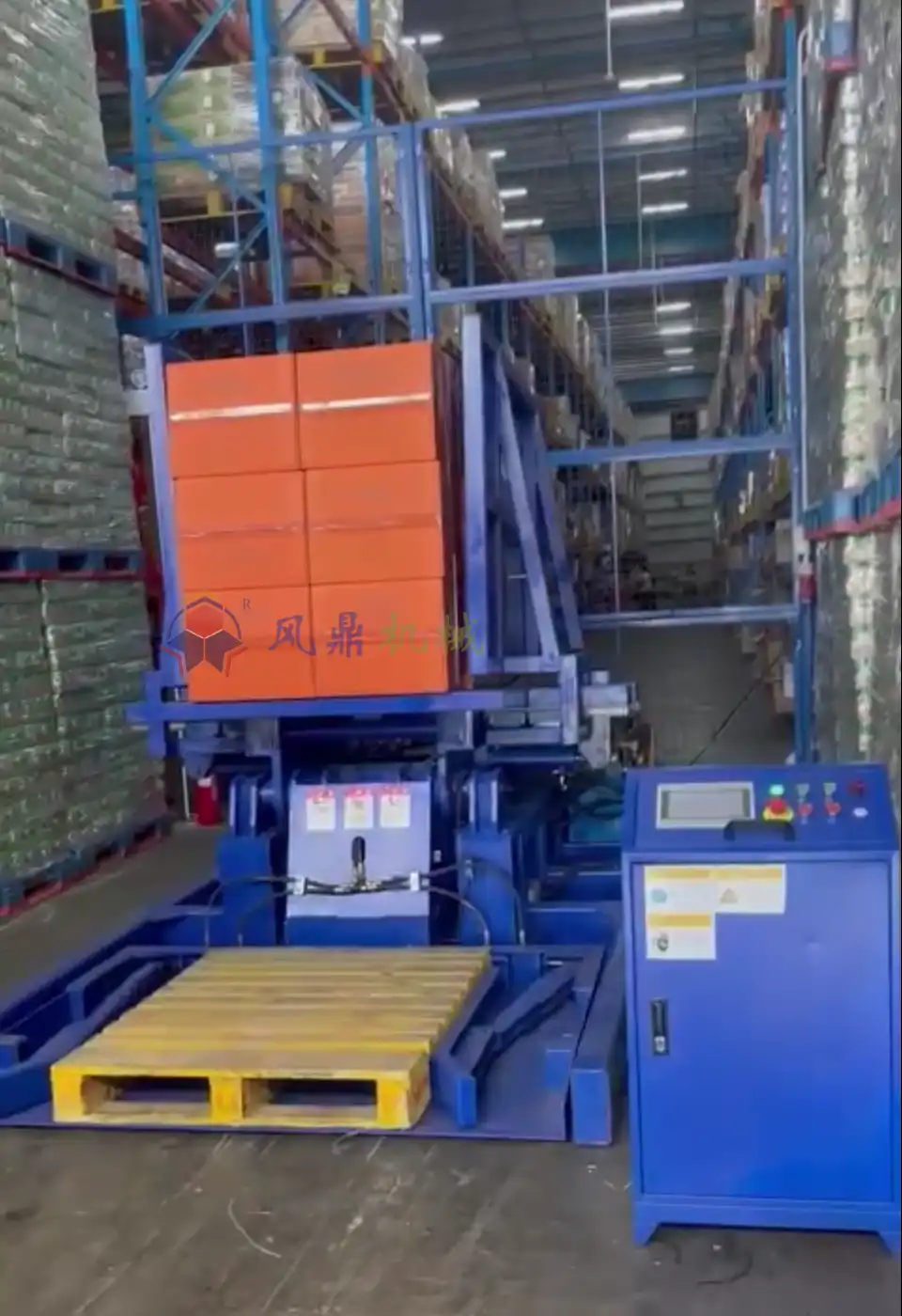
When I started FHOPEPACK, after years on the factory floor myself, I learned that cutting corners on safety is never an option. It is not just about compliance. It is about protecting lives, maintaining productivity, and ensuring your investment truly pays off. Let’s look closer at these essential safety mechanisms. Understanding them helps you make better choices for your operations.
Why Are Safety Interlocks Critical for Pallet Changer Operations?
Have you ever worried about a machine starting unexpectedly when someone is too close? In my experience, this is a top concern for any warehouse manager, especially with high-speed pallet changers. Interlocks are the answer to this critical safety challenge. They prevent dangerous situations before they can even begin.
Safety interlocks are essential devices that prevent pallet changers from operating under unsafe conditions. They ensure that protective guards are closed, or access points are secured before the machine can run. If a guard is opened during operation, the interlock immediately stops the machine. This protects operators from moving parts and potential injuries.
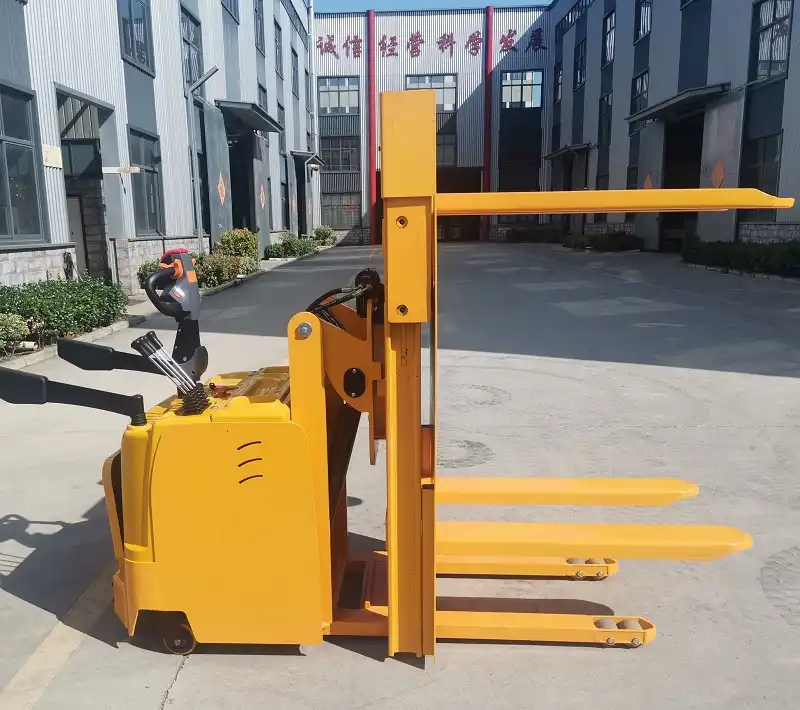
I have seen firsthand how a simple interlock can prevent serious accidents. When I was running my own packing machine factory, we prioritized these features. It was not just about meeting regulations. It was about creating a workplace where my team felt safe. Interlocks are fundamental. They act as a silent guardian, always watching, always ready to stop the machine if a human is in danger. Without them, the risk of injury from pinch points, crushing, or unexpected movements increases dramatically. This could lead to downtime, investigations, and high costs.
Dive Deeper: The Role and Types of Interlocks
Safety interlocks play a pivotal role in automated pallet changing systems. They ensure the machine’s state aligns with safe operating procedures. My goal at FHOPEPACK is to share knowledge that helps businesses like yours thrive. Understanding the specifics of interlocks is a big part of that. These devices are designed to detect when a machine’s protective barrier, such as a gate or cover, is open. They prevent the machine from starting or immediately shut it down if it is already running. This is non-negotiable for operator safety.
There are different types of interlocks, each suited for specific applications and levels of risk:
- 1. Mechanical Interlocks: These are often physical barriers directly linked to a machine’s control system. For example, a guard door might need to be physically closed and latched before power can be supplied to a motor. If the door is open, a lever or pin prevents activation. They are robust and reliable for heavy-duty applications.
- 2. Electrical Interlocks: These use electrical circuits to monitor the status of safety guards. When a guard is closed, it completes an electrical circuit, allowing the machine to operate. If the guard opens, the circuit breaks, stopping the machine. These are very common and can be integrated with emergency stop systems. Many modern pallet changers from FHOPEPACK and even reputable brands like SHJLPACK use advanced electrical interlock systems.
- 3. Magnetic Interlocks: These are a type of electrical interlock. They use magnetic forces to detect when a guard is in place. A sensor on the guard aligns with a magnetic actuator on the machine frame. When they are aligned, the circuit is complete. This type is good for environments where dust or debris might interfere with mechanical contacts.
Using safety interlocks helps warehouses meet strict safety standards. They reduce the chance of accidents caused by human error or unexpected machine behavior. For a manager like Carlos, who handles thousands of pallets and worries about labor shortages, this means fewer incidents, less downtime, and a more compliant operation. It is about preventing goods from tipping over and protecting your team. Interlocks are a cornerstone of a safe, efficient warehouse. (Pallet changer safety, industrial interlocks, machine guarding, accident prevention)
How Do Light Curtains Protect Workers Around Pallet Changing Machines?
Imagine an invisible wall around your pallet changer. If anyone or anything crosses this wall, the machine stops instantly. This is what a light curtain does. It adds a crucial layer of non-contact protection. It is especially important in high-traffic areas where people might get too close to moving parts.
Light curtains are optoelectronic safety devices that create a protective sensing field around dangerous machine areas. They consist of a transmitter and receiver. The transmitter sends an array of parallel infrared light beams to the receiver. If any of these beams are interrupted by a person or object, the light curtain immediately sends a stop signal to the pallet changer. This prevents injury without physical contact.

Carlos faces challenges with labor shortages and the need for higher automation. This means more machines and fewer people doing manual, dangerous tasks. But even with automation, human interaction is still needed. Light curtains bridge this gap. They allow for safer access when necessary, like for maintenance or quick adjustments, without compromising safety during normal operation. This technology shows how thoughtful engineering can create both efficiency and protection. It gives operators peace of mind and reduces the risk of accidents caused by being too close to the machine.
Dive Deeper: Functionality and Benefits of Light Curtains
Light curtains are a sophisticated safety solution. They offer flexible protection around dynamic machinery like pallet changers. When I designed packing machines, I always thought about the operator’s experience. Light curtains make a big difference in daily operations. They ensure that dangerous parts of the machine do not move when someone is in the hazard zone. This is key for fast-paced logistics centers.
The functionality of light curtains relies on a simple yet effective principle:
- 1. Emission and Detection: A light curtain system has two main parts: an emitter and a receiver. The emitter sends a continuous field of infrared light beams. The receiver detects these beams.
- 2. Interruption Detection: If a person’s hand, arm, or body breaks one or more of these beams, the receiver detects the interruption.
- 3. Stop Signal: Upon detecting an interruption, the light curtain unit immediately sends a signal to the pallet changer’s safety control system. This signal triggers an instant shutdown or stop of all hazardous machine movements.
The benefits of using light curtains on pallet changers are significant for any warehouse manager:
- Non-Contact Safety: Unlike physical guards, light curtains do not require operators to interact with a barrier. This makes them ideal for areas needing frequent access.
- Enhanced Ergonomics: They allow for easier loading and unloading without obstructive physical guards. This reduces strain and improves worker flow.
- Flexibility: Light curtains can be set up to protect large access areas. They are more adaptable than fixed guarding for complex or frequently changing tasks.
- Improved Productivity: While primarily a safety device, by allowing safer, quicker access for specific tasks (like clearing a jam), they can indirectly reduce downtime compared to systems that require a full lockout/tagout procedure for every minor intervention.
- Compliance: Using light curtains helps meet international safety standards, especially for machinery with open access points. This directly addresses Carlos’s need for compliance.
For businesses focused on high throughput and safety, such as those handling sensitive food products, light curtains are indispensable. They minimize risks from moving parts during pallet transfer. This ensures workers are protected while the machine handles diverse pallet types. Both FHOPEPACK and SHJLPACK integrate these technologies into their designs. (Pallet transfer safety, infrared safety devices, warehouse automation, operator protection)
What Other Essential Safety Features Should a Pallet Changer Have?
While interlocks and light curtains are crucial, a truly safe pallet changer offers a full spectrum of protection. Just like you would not build a house with only a front door, a robust safety system needs multiple layers. My experience has taught me that comprehensive safety covers all angles. It ensures every potential risk is addressed.
Beyond interlocks and light curtains, a top-tier pallet changer should include essential safety features like easily accessible Emergency Stop (E-Stop) buttons, robust physical guarding, clear audible and visual alarms, overload protection, and controlled access systems. These features work together to create a multi-layered safety approach. This protects both operators and the equipment during intensive warehouse operations.
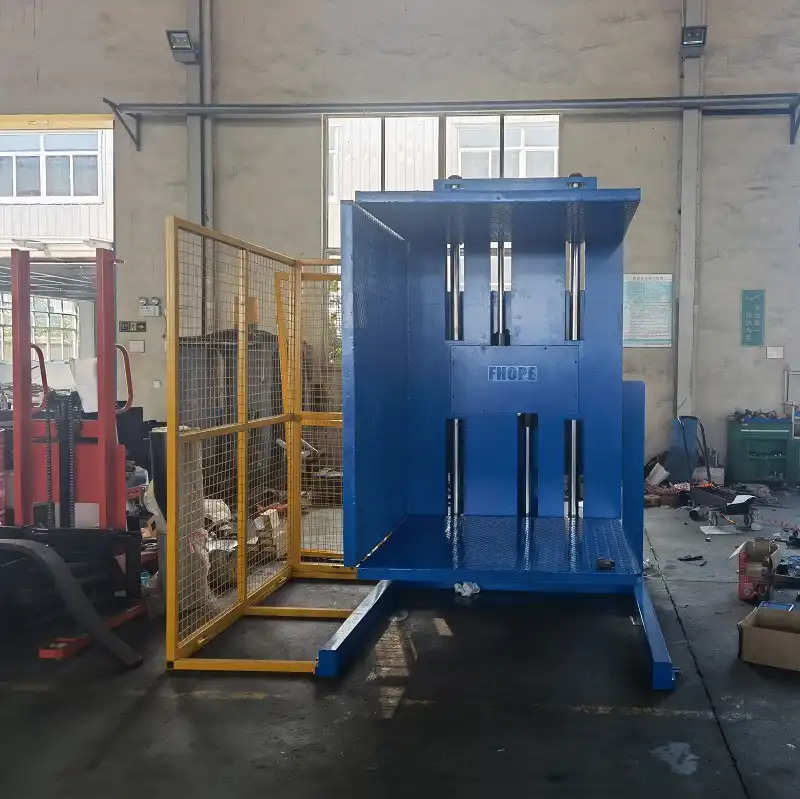
Carlos values equipment reliability and ergonomic safety. These additional features are what make a machine truly reliable and safe. An E-Stop button is a reflex action in an emergency. Physical guarding prevents reach-in injuries. Alarms warn about potential issues. Overload protection safeguards the machine itself. Controlled access ensures only authorized personnel can operate it. Each feature plays a vital role in preventing accidents and maintaining operational continuity.
Dive Deeper: Building a Multi-Layered Safety System
A single safety feature, no matter how good, is rarely enough. A multi-layered approach to safety is what truly provides peace of mind. This is especially true for equipment like pallet changers that handle heavy loads and operate in busy environments. My philosophy for FHOPEPACK is to design machines that integrate safety deeply into their core.
Here are other critical safety features that define a safe pallet changer:
- 1. Emergency Stop (E-Stop) Buttons:
- 🛑 Purpose: These bright red buttons are designed for immediate machine shutdown in any emergency. They should be strategically placed around the machine, easily visible, and within reach of operators.
- Impact: Quick access to an E-Stop can prevent minor incidents from escalating into serious accidents. It is the last line of defense in many scenarios.
- 2. Physical Guarding:
- 🚧 Purpose: Fixed or movable barriers (fences, panels, doors) that physically prevent access to dangerous moving parts. They are especially critical for pinch points, rotating components, and areas where loads are transferred.
- Impact: Reduces the risk of direct contact injuries and ensures workers maintain a safe distance during operation.
- 3. Audible and Visual Alarms:
- 📢 Purpose: Warning systems that alert personnel to machine startup, abnormal operation, or potential hazards. This includes flashing lights, sirens, or buzzers.
- Impact: Increases situational awareness for everyone in the vicinity. This is crucial in noisy warehouses. It helps prevent unexpected movements or collisions.
- 4. Overload Protection:
- ⚖️ Purpose: Sensors and systems that detect when the machine is attempting to handle a load beyond its specified capacity.
- Impact: Prevents structural damage to the machine, premature wear, and potential load spills or drops. This protects both the equipment and the goods. FHOPEPACK machines often include robust overload protection to extend equipment life.
- 5. Controlled Access Systems:
- 🔑 Purpose: Mechanisms that restrict operation to authorized personnel only. This can involve key switches, password protection, or RFID badge systems.
- Impact: Prevents unauthorized use, tampering, and operation by untrained individuals, reducing human error.
- 6. Safety Signage and Markings:
- ⚠️ Purpose: Clear labels, warning signs, and floor markings that highlight hazards, safe operating procedures, and emergency exits.
- Impact: Reinforces safety training and provides constant visual reminders of potential risks and safe practices.








