
How to Improve Abrasion Resistance in Steel Wire Packing?
Steel wire packing, essential for securing and transporting various goods, faces constant abrasion. Improving its abrasion resistance is crucial for longevity and cost-effectiveness. This involves selecting appropriate coatings and treatments. Understanding the mechanisms of abrasion and available protective measures is key to enhancing the durability of steel wire packing in demanding applications.

To improve abrasion resistance in steel wire packing, consider applying coatings such as zinc, nickel, or chromium plating. Non-metallic coatings like nylon, PVC, and epoxy also offer protection. Material selection, surface treatments like annealing, and incorporating fillers can further enhance resistance. Regular maintenance and choosing appropriate packing methods are also crucial for minimizing wear and tear during handling and transport.
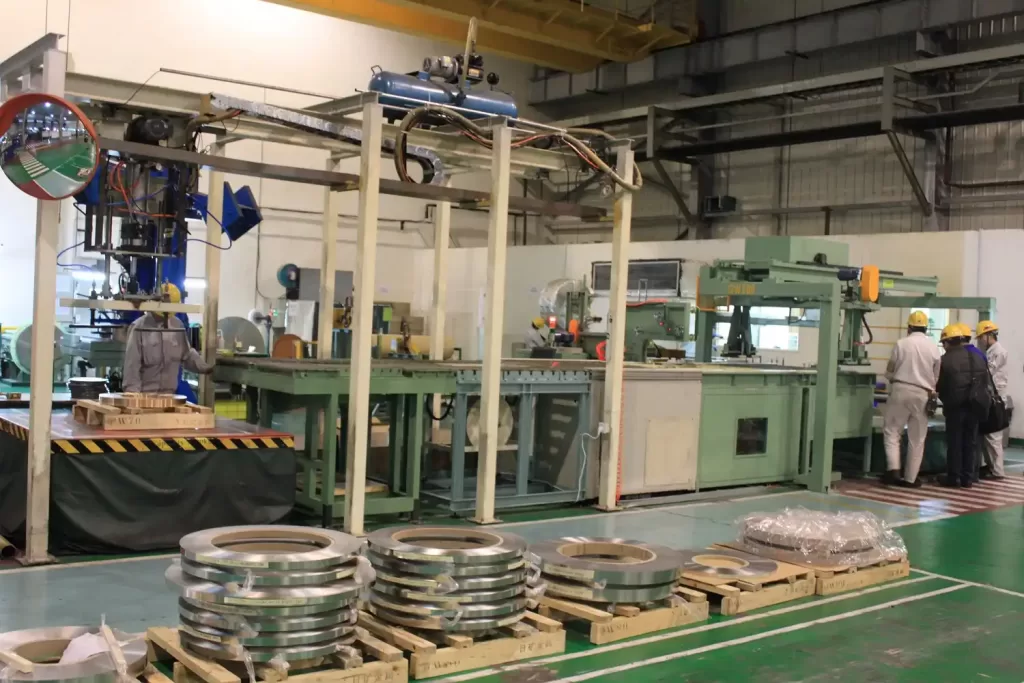
Let’s delve deeper into the methods and materials that can significantly enhance the abrasion resistance of steel wire packing, ensuring its reliability and extending its service life.
1. Understanding Abrasion Resistance in Steel Wire
Abrasion resistance is the capacity of a material to withstand surface wear caused by friction. For steel wire packing, this is vital to maintain structural integrity and protective qualities. Factors like material hardness and surface treatments play key roles. Enhancing this resistance ensures prolonged usability and reduces replacement frequency.
Abrasion resistance in steel wire is its ability to prevent surface damage from rubbing or friction. This is crucial for steel wire packing because it frequently encounters abrasive forces during handling, transportation, and storage. Higher abrasion resistance means the steel wire can better maintain its protective coatings and structural integrity, leading to a longer lifespan and reduced material degradation. This property directly impacts the reliability and cost-effectiveness of steel wire packing solutions.
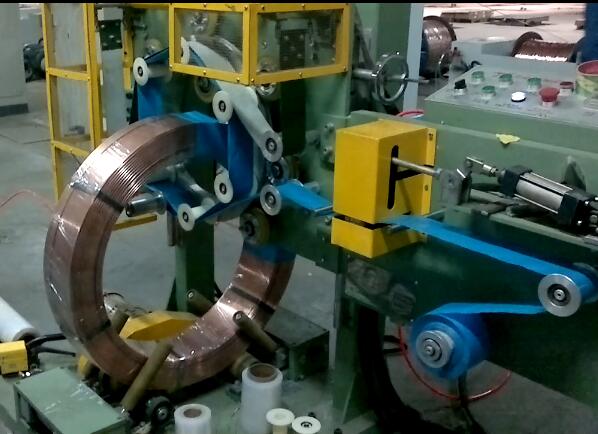
But how do different factors interplay to influence the abrasion resistance of steel wire packing? Let’s break down the critical elements and explore how we can optimize them for superior performance.
Deconstructing Abrasion Resistance Factors in Steel Wire
Improving abrasion resistance isn’t just about applying a coating; it’s a multifaceted approach that involves understanding the inherent properties of steel and how external treatments can enhance its durability. Several factors contribute to how well steel wire withstands abrasion. Let’s examine these in detail:
1. Material Hardness: The First Line of Defense
Hardness is often the first property that comes to mind when considering abrasion resistance. Harder materials generally resist indentation and scratching more effectively. For steel wire, the type of steel and its processing significantly affect hardness.
| Steel Type | Hardness (Rockwell B) | Abrasion Resistance | Cost | Common Applications |
|---|---|---|---|---|
| Low Carbon Steel | 55-70 | Low | Low | General purpose, not for high wear |
| Medium Carbon Steel | 70-85 | Moderate | Moderate | Springs, fasteners |
| High Carbon Steel | 85-100+ | High | High | High-strength wires, cutting tools |
| Alloy Steel | Varies (80-110+) | Very High | Higher | Gears, bearings, heavy-duty wire packing |
As the table indicates, moving from low to high carbon steel increases hardness and, consequently, abrasion resistance. Alloy steels, with added elements like chromium and molybdenum, offer even greater hardness and are ideal for demanding applications.
2. Surface Treatments: Enhancing the Barrier
While the base material provides inherent resistance, surface treatments act as an additional protective layer. These treatments can significantly alter the surface properties without changing the bulk material characteristics.
Common Surface Treatments for Steel Wire
- Plating: Electroplating or dipping in metals like zinc, nickel, or chromium creates a protective layer. Zinc offers excellent corrosion resistance and sacrificial protection, while chromium provides superior hardness and a lustrous finish. Nickel offers a balance of both.
- Coatings: Non-metallic coatings such as paints, lacquers, PVC, nylon, and epoxies provide a barrier against abrasion and environmental factors. Nylon and epoxies are particularly effective for abrasion resistance, while PVC offers good impact resistance and flexibility.
- Annealing: Heat treatment processes like annealing can optimize the steel’s microstructure, improving its strength and reducing brittleness, which indirectly enhances wear resistance by making the material less prone to chipping and cracking under abrasive forces.
3. Fillers and Reinforcements: Strengthening the Structure
Incorporating fillers and reinforcements within coatings can further boost abrasion resistance. These additives enhance the mechanical properties of the coating, providing a physical barrier against abrasive particles.
Effective Fillers and Reinforcements
- Synthetic Fibers: Glass fibers, carbon fibers, and aramid fibers significantly improve hardness and provide a strong reinforcing phase within the coating matrix.
- Mineral Fillers: Silica, alumina, and talc are commonly used mineral fillers that increase surface hardness and reduce friction.
- Lubricants: Additives like waxes, fatty acids, and PTFE reduce the coefficient of friction, minimizing wear by allowing surfaces to slide more easily against each other.
4. Environmental Factors: External Influences on Wear
The environment in which steel wire packing is used plays a crucial role in its abrasion resistance. Factors like temperature, humidity, and chemical exposure can accelerate wear and degradation.
Environmental Considerations
- Temperature: High temperatures can soften materials and accelerate degradation, reducing abrasion resistance. Low temperatures can cause brittleness, making coatings more susceptible to cracking.
- Humidity: Moisture can promote corrosion and affect the adhesion of coatings, indirectly reducing abrasion resistance.
- Chemicals: Exposure to corrosive chemicals can degrade both the steel and its coatings, leading to rapid wear.
By carefully considering these factors—material hardness, surface treatments, fillers, and environmental conditions—manufacturers can develop steel wire packing solutions with significantly enhanced abrasion resistance, tailored to specific application needs.
2. Selecting Abrasion-Resistant Coatings for Steel Wire
Choosing the right coating is paramount in enhancing the material durability of steel wire packing. Coatings act as a sacrificial layer, protecting the underlying steel from direct abrasive forces. The selection depends on the application environment and required performance level. Metallic and non-metallic options each offer unique benefits.
Selecting an abrasion-resistant coating for steel wire packing involves considering both metallic and non-metallic options. Metallic coatings like zinc, chromium, and nickel offer excellent hardness and corrosion resistance. Zinc provides cost-effective, sacrificial protection. Chromium offers superior hardness and a smooth finish. Nickel balances cost and performance, enhancing hardness and appearance. Non-metallic coatings such as epoxy, nylon, and PVC provide flexibility, chemical resistance, and impact protection. Nylon and epoxies are particularly effective for abrasion resistance. The best choice depends on the specific application, environmental conditions, and desired balance of properties.

Let’s explore these coating types in detail and understand their specific advantages and applications in steel wire packing.
Deep Dive into Coating Technologies for Enhanced Protection
The world of abrasion-resistant coatings for steel wire is diverse, offering a range of solutions tailored to different needs and environments. Understanding the nuances of each coating type is crucial for making informed decisions.
Metallic Coatings: Hardness and Corrosion Protection
Metallic coatings are applied through electroplating or hot-dipping processes. They are prized for their ability to impart hardness and corrosion resistance directly to the steel surface.
Key Metallic Coating Options
-
Zinc Plating:
- Properties: Cost-effective, excellent corrosion resistance, sacrificial protection (protects steel even when scratched).
- Application: General-purpose wire packing, especially for outdoor use.
- Thickness: Typically 0.0001 to 0.0015 inches.
- Advantages: Low cost, effective rust prevention.
- Limitations: Moderate abrasion resistance compared to harder metals.
-
Nickel Plating:
- Properties: Good balance of hardness, corrosion resistance, and brightness.
- Application: Wire products requiring improved appearance and moderate abrasion resistance.
- Thickness: Similar to zinc plating.
- Advantages: Enhanced aesthetics, increased hardness over zinc.
- Limitations: More expensive than zinc.
-
Chromium Plating:
- Properties: Highest level of hardness and corrosion resistance among common metallic platings, lustrous finish.
- Application: High-end wire products, those requiring frequent cleaning or exposure to harsh environments. “Hard chrome” for extreme wear resistance.
- Thickness: Decorative (thin) to hard chrome (thicker).
- Advantages: Superior hardness, excellent corrosion resistance, decorative finish.
- Limitations: Most expensive metallic plating, may require underlayers of copper or nickel for optimal adhesion.
Non-Metallic Coatings: Flexibility and Chemical Resistance
Non-metallic coatings, typically polymers, are applied through dipping, spraying, or fluidized bed methods. They offer a different set of advantages, focusing on flexibility, chemical resistance, and specific functional properties.
Key Non-Metallic Coating Options
-
Paints and Lacquers:
- Properties: Primarily for decoration and color, can offer some corrosion resistance, lowest cost.
- Application: Wire products where appearance is paramount and abrasion resistance is a secondary concern.
- Thickness: Thinner coatings, around 0.004 to 0.01 inches for paints.
- Advantages: Wide color range, low cost.
- Limitations: Limited abrasion resistance, mainly decorative.
-
Polyvinyl Chloride (PVC or Vinyl):
- Properties: Rubber-like, good impact resistance, chemical resistance, dielectric strength, available in various colors.
- Application: Wire products requiring a gripping surface, electrical insulation, or chemical resistance.
- Thickness: Medium coatings, around 0.005 to 0.01 inches.
- Advantages: Good impact resistance, chemical resistance, flexible.
- Limitations: Not very hard, limited abrasion resistance compared to nylon or epoxy.
-
Nylon:
- Properties: Harder than PVC, excellent abrasion resistance, good chemical resistance.
- Application: Wire products subject to rough wear and abrasion, industrial and consumer goods.
- Thickness: Medium coatings, similar to PVC.
- Advantages: Superior abrasion resistance, durable.
- Limitations: Can be more expensive than PVC.
-
Epoxies:
- Properties: Hardest and most durable non-metallic coatings, excellent abrasion and chemical resistance.
- Application: High-performance wire products, those requiring maximum abrasion and chemical protection.
- Thickness: Medium to thicker coatings, up to 0.015 inches.
- Advantages: Highest abrasion resistance among non-metallic coatings, excellent durability and chemical resistance.
- Limitations: Most expensive non-metallic option.
Choosing between metallic and non-metallic coatings, and then selecting the specific type within each category, requires careful consideration of the performance requirements, application environment, and budget constraints for steel wire packing.
3. Applying Surface Treatments for Enhanced Wear Protection
Beyond coatings, specific surface treatments can fundamentally alter the steel wire’s properties to improve wear protection. These treatments modify the material at a microstructural level, enhancing its inherent resistance to abrasion. Annealing and specialized techniques play a crucial role.
Surface treatments like annealing and hardening processes are vital for enhancing wear protection in steel wire. Annealing, a heat treatment, optimizes steel’s strength and smoothness, improving its overall resistance to wear and tear. Hardening processes such as carburizing and nitriding increase surface hardness, creating a robust outer layer that withstands abrasive forces more effectively. These treatments, applied before or in conjunction with coatings, significantly extend the lifespan and durability of steel wire packing in demanding applications.
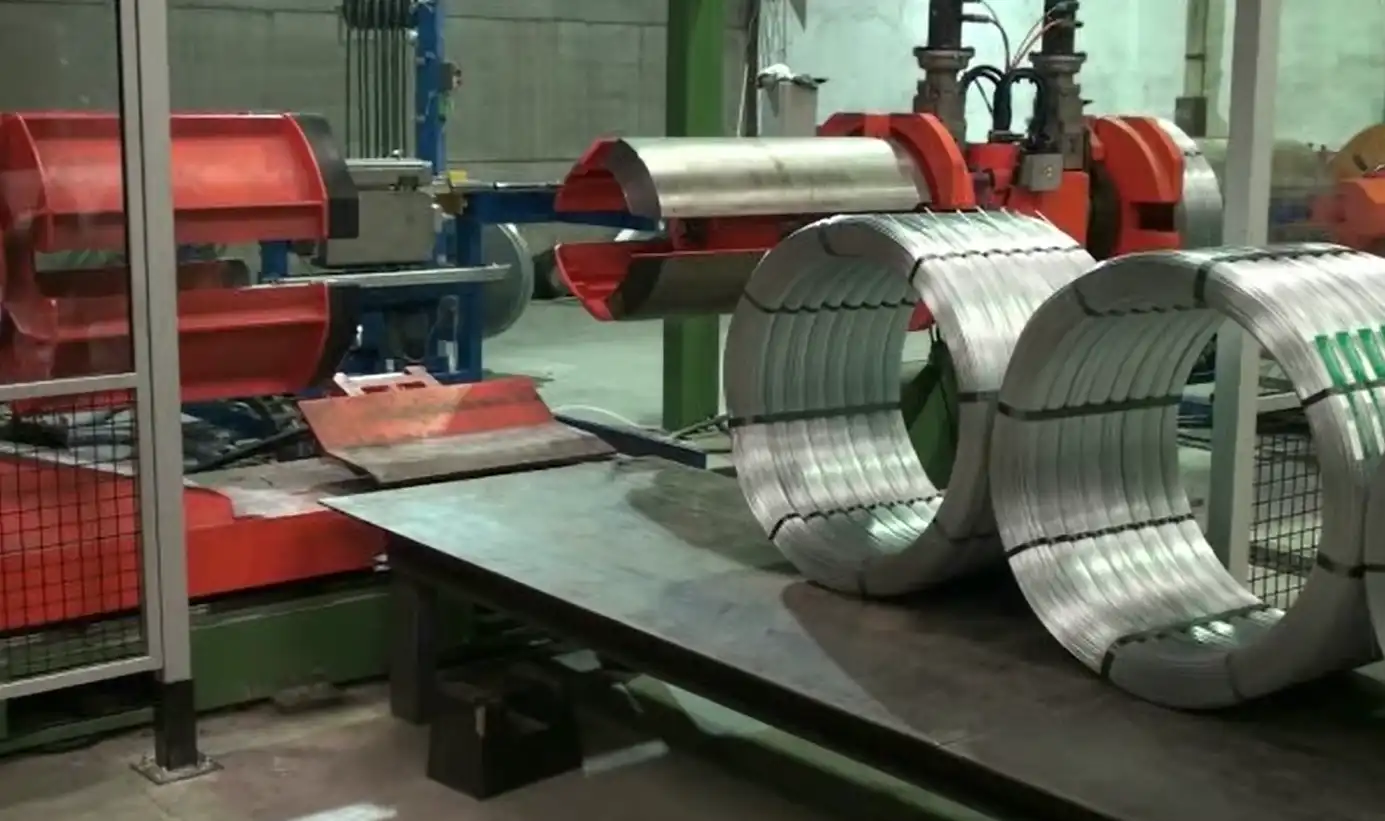
Let’s delve deeper into these surface treatments and explore how they contribute to superior abrasion resistance in steel wire packing.
Advanced Surface Treatment Techniques for Steel Wire
Surface treatments go beyond simply adding a layer; they transform the steel itself, enhancing its resistance from within. These techniques are critical for applications demanding the highest levels of durability.
1. Annealing: Optimizing Microstructure for Strength
Annealing is a heat treatment process that alters the microstructure of steel to improve its properties. While not directly increasing surface hardness, annealing enhances toughness and reduces brittleness, which are crucial for abrasion resistance.
How Annealing Improves Wear Protection
- Stress Relief: Annealing relieves internal stresses within the steel, making it less prone to cracking and fatigue under abrasive conditions.
- Improved Ductility: Increased ductility means the steel can deform slightly under stress rather than fracturing, enhancing its ability to withstand impacts and bending during handling.
- Homogenized Structure: Annealing creates a more uniform grain structure, which improves overall strength and wear resistance.
Annealing Processes Relevant to Steel Wire
- Process Annealing: Used to relieve stress in cold-worked wire, improving ductility without significantly reducing strength.
- Full Annealing: Heats steel to austenite range and then slowly cools, resulting in maximum softness and ductility. Suitable when wire needs to be formed or shaped after treatment.
- Spheroidizing Annealing: Produces a spheroidized carbide microstructure in high-carbon steels, improving machinability and cold formability, indirectly beneficial for wear resistance in formed wire products.
2. Hardening Processes: Increasing Surface Hardness
Hardening processes directly increase the surface hardness of steel, making it significantly more resistant to abrasive wear. These treatments create a hard, wear-resistant outer layer while maintaining a tougher core.
Key Hardening Processes for Steel Wire
-
Carburizing:
- Process: Heating steel in a carbon-rich atmosphere to diffuse carbon into the surface, followed by quenching to harden the carbon-enriched layer.
- Result: Creates a very hard surface layer with a softer, tougher core. Excellent for applications requiring high surface wear resistance and good impact toughness.
- Application for Wire: Suitable for high-wear components in wire packing machinery or for specialized wire products requiring extreme surface durability.
-
Nitriding:
- Process: Diffusing nitrogen into the steel surface at lower temperatures than carburizing.
- Result: Produces a hard, wear-resistant surface layer with excellent fatigue and corrosion resistance. Less distortion compared to carburizing due to lower temperatures.
- Application for Wire: Ideal for wire components exposed to corrosive environments and requiring high wear and fatigue resistance, such as springs or guide wires.
-
Electroplating Hard Chromium: (Discussed in coatings, but also a hardening process)
- Process: Electrodepositing a thick layer of chromium.
- Result: Achieves extremely high surface hardness and excellent wear and corrosion resistance.
- Application for Wire: “Hard chrome” plating is used for wire products subjected to severe abrasion and wear, such as industrial conveyor belts or high-stress cables.
3. Other Advanced Treatments
- Boronizing: Diffusing boron into the steel surface to create extremely hard boride layers. Offers exceptional wear resistance, even superior to carburizing and nitriding in some applications. More specialized and costly.
- Plasma Spray Coatings: Applying very hard ceramic or metallic coatings using plasma spraying techniques. Allows for deposition of materials like tungsten carbide, alumina, etc., offering customized, high-performance wear surfaces.
By strategically applying these surface treatments, manufacturers can engineer steel wire with significantly enhanced wear protection, tailored to the specific demands of their applications. The choice of treatment depends on the desired balance of hardness, toughness, corrosion resistance, and cost.
4. Practical Steps to Enhance Abrasion Resistance in Steel Wire Packing
Improving abrasion resistance in steel wire packing is not just about material selection and treatments; it’s also about implementing best practices in handling, maintenance, and operational procedures. A holistic approach ensures long-term durability and performance.
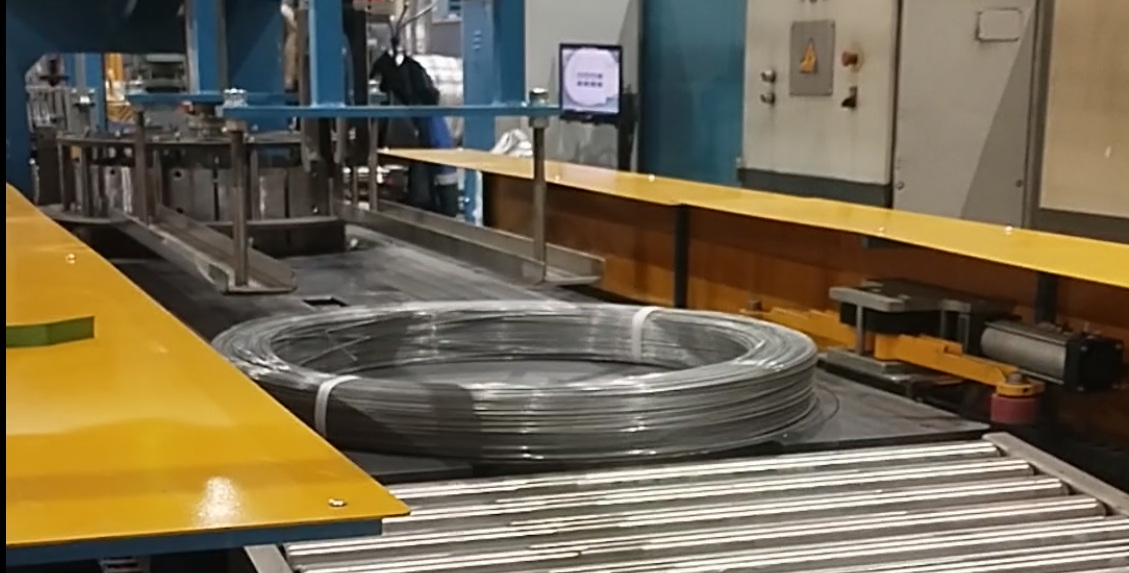
To practically enhance abrasion resistance in steel wire packing, start with material selection, choosing high-carbon or alloy steels. Apply appropriate coatings like zinc, nickel, chromium, nylon, or epoxy based on the environment and wear type. Implement surface treatments such as annealing or hardening processes. Optimize packing methods to minimize friction and rubbing. Regularly inspect and maintain wire packing, reapplying coatings as needed. Train personnel in proper handling techniques to reduce wear during use. These steps collectively contribute to significantly improved abrasion resistance and extended service life.
Let’s explore these practical steps in more detail.
Actionable Strategies for Maximizing Durability
Enhancing abrasion resistance in steel wire packing requires a comprehensive strategy that spans material selection, application techniques, and ongoing maintenance. Here are key steps to implement:
-
Material Selection:
- Choose High-Abrasion Resistant Steel: Opt for high carbon steels or alloy steels for base wire material when abrasion is a primary concern. These offer inherently higher hardness and wear resistance.
- Consider Application-Specific Alloys: For extreme conditions, explore specialized alloy steels with elements like chromium, molybdenum, or vanadium, known for their superior hardness and wear properties.
-
Apply Appropriate Coatings:
- Match Coating to Environment: Select coatings based on the specific abrasive environment. Zinc for general outdoor use and cost-effectiveness; nickel for improved appearance and moderate wear; chromium for maximum hardness and harsh conditions; nylon or epoxy for superior non-metallic abrasion resistance.
- Ensure Proper Coating Thickness: Specify and verify coating thickness according to application requirements. Thicker coatings generally provide better abrasion resistance, but consider cost and flexibility trade-offs.
- Use Multi-Layer Coatings: For critical applications, consider multi-layer coating systems. For example, a zinc undercoat for corrosion protection followed by a hard chromium topcoat for abrasion resistance.
-
Implement Surface Treatments:
- Annealing for Toughness: Employ annealing processes to improve the steel’s toughness and reduce brittleness, especially for wire subjected to bending or impact.
- Hardening Processes for Surface Strength: Utilize carburizing, nitriding, or hard chrome plating to significantly increase surface hardness and wear resistance in demanding applications.
- Combine Treatments: Consider combining surface treatments with coatings for synergistic effects. For example, annealing followed by a wear-resistant coating.
-
Optimize Packing and Handling Methods:
- Minimize Friction: Design packing configurations to reduce wire-to-wire friction during transport and storage. Use dunnage or separators to prevent direct rubbing.
- Proper Handling Techniques: Train personnel in correct lifting, loading, and unloading procedures to avoid dragging or scraping wire packing against abrasive surfaces.
- Use Protective Sleeves or Wraps: In extremely abrasive environments, consider using sacrificial protective sleeves or wraps around wire bundles during transport.
-
Regular Inspection and Maintenance:
- Routine Inspections: Implement a schedule for regular inspection of wire packing for signs of wear, coating damage, or corrosion.
- Prompt Repairs: Address any coating damage or wear immediately. Reapply coatings or use touch-up methods to maintain protection.
- Lubrication (if applicable): For wire packing in dynamic applications (e.g., conveyor belts), ensure proper lubrication to reduce friction and wear.
-
Environmental Control:
- Temperature Management: If possible, control temperature extremes in storage and operational environments to minimize material degradation and coating failures.
- Humidity Control: Reduce humidity levels in storage to prevent corrosion that can undermine abrasion resistance.
- Chemical Exposure Mitigation: Protect wire packing from direct exposure to corrosive chemicals. Use chemical-resistant coatings and implement containment measures.
By systematically applying these practical steps, industries can significantly enhance the abrasion resistance of steel wire packing, ensuring its longevity, reliability, and cost-effectiveness in diverse applications. A proactive and multi-faceted approach is key to achieving optimal wear protection.
Conclusion
Improving abrasion resistance in steel wire packing is essential for ensuring durability and longevity in various applications. By understanding the factors that influence wear, selecting appropriate coatings, applying effective surface treatments, and implementing practical handling and maintenance strategies, industries can significantly enhance the performance and lifespan of steel wire packing. This comprehensive approach not only reduces material degradation but also contributes to cost savings and improved operational efficiency.








