
What Biodegradable Materials Are Used in Steel Wire Packing?
The ecological impact of traditional packaging has spurred a global quest for sustainable alternatives. As industries strive to minimize their environmental footprint, the steel wire packing sector is also exploring greener solutions. Biodegradable materials are at the forefront of this movement, offering a pathway to eco-conscious packaging without compromising functionality.
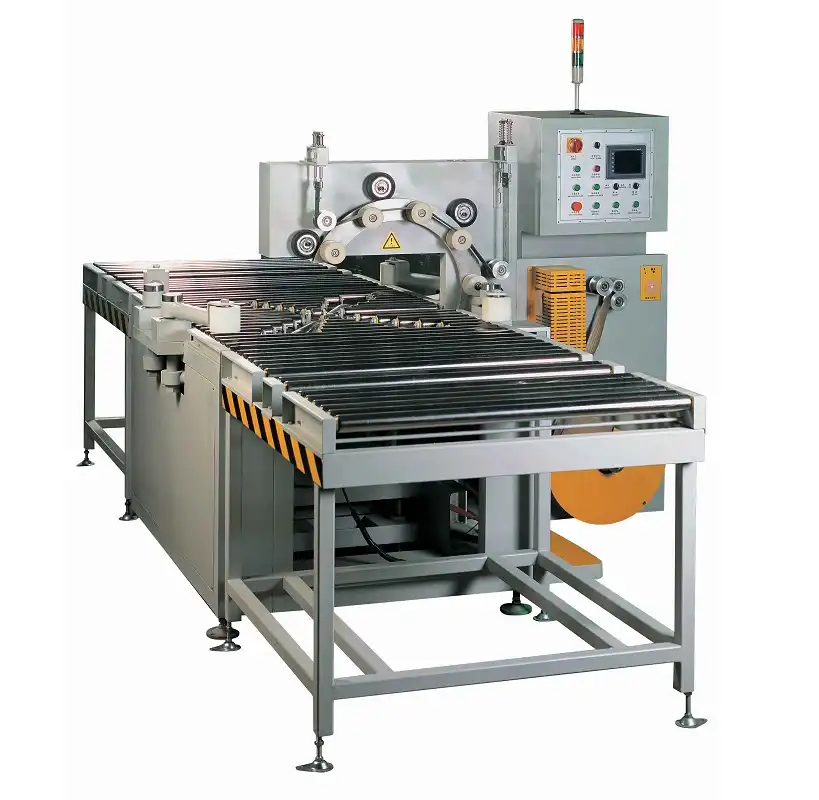
Biodegradable materials used in steel wire packing primarily include plant-based plastics derived from renewable resources like corn starch, sugarcane, and cellulose. These materials offer a sustainable alternative to traditional plastics as they can decompose naturally, reducing landfill waste and environmental pollution. The shift towards biodegradable options reflects a growing commitment within the steel wire industry to adopt eco-friendly alternatives and minimize ecological impact through sustainable packaging solutions.
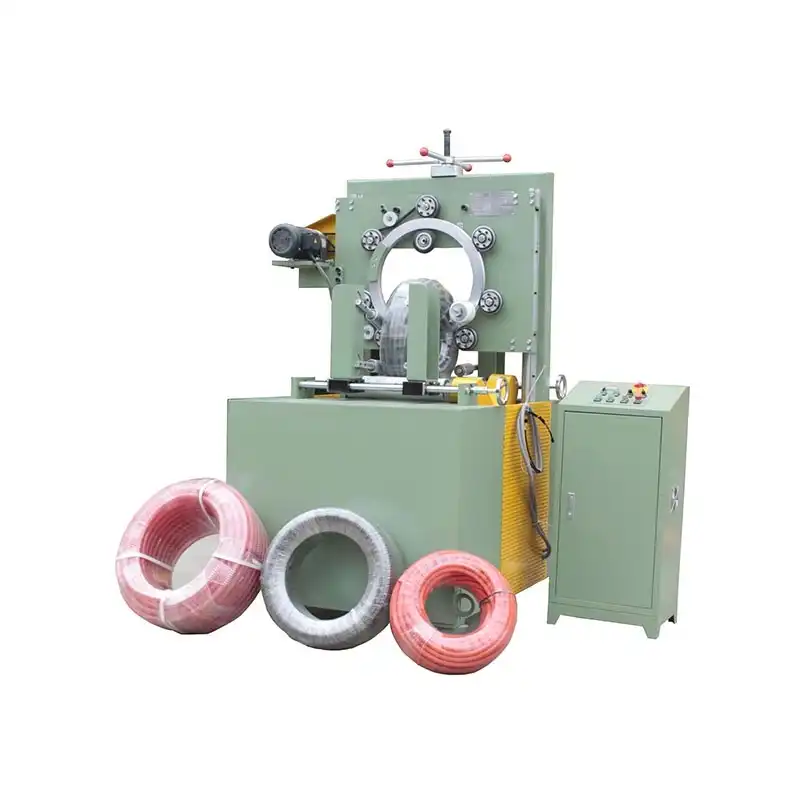
This article delves into the world of biodegradable materials in steel wire packing, exploring the types of materials, their benefits, challenges, and the future of sustainable packaging in this vital industry. Let’s unwrap the details and discover how steel wire packing is embracing a greener tomorrow.
1. Exploring Plant-Based Plastics for Steel Wire Packaging
Plant-based plastics are revolutionizing packaging across industries, and steel wire packing is no exception. These innovative materials address the growing demand for environmentally responsible solutions in industrial applications.
Plant-based plastics like bioplastics and starch-based polymers are increasingly utilized in steel wire packing as eco-friendly alternatives to conventional plastic wraps and films. Derived from renewable sources such as corn, potatoes, and sugarcane, these materials offer biodegradability and compostability, significantly reducing the environmental impact of packaging waste. Their adoption reflects a conscious effort to move away from fossil fuel-based plastics and embrace sustainable practices within the steel wire sector.
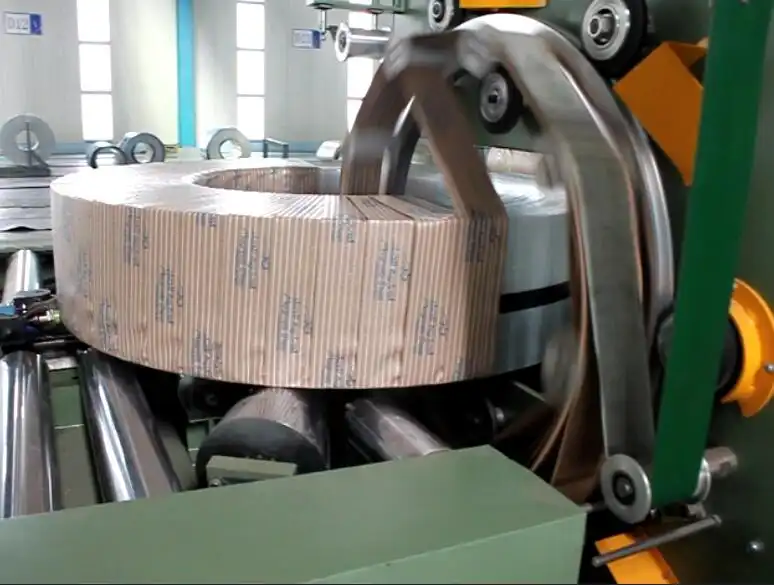
The Advantages and Limitations of Bioplastics in Wire Packing
Bioplastics, a subset of plant-based plastics, present a compelling option for steel wire packaging due to their unique properties. However, it’s essential to consider both their advantages and limitations to ensure optimal implementation.
Advantages of Bioplastics:
- Renewable Resources: Bioplastics are made from renewable resources, reducing reliance on finite fossil fuels.
- Biodegradability and Compostability: They can decompose naturally, minimizing long-term environmental pollution and landfill burden.
- Reduced Carbon Footprint: The production of bioplastics often involves lower greenhouse gas emissions compared to traditional plastics.
Limitations of Bioplastics:
- Cost: Bioplastics can sometimes be more expensive than conventional plastics, potentially impacting initial adoption costs.
- Performance: Certain bioplastics may have limitations in terms of strength, durability, or barrier properties compared to traditional plastics for heavy-duty applications like steel wire.
- Recycling Infrastructure: While biodegradable, proper composting or industrial composting facilities are necessary for optimal disposal and may not be universally available.
To provide a clearer picture, let’s compare bioplastics with traditional plastics in steel wire packing:
| Feature | Bioplastics | Traditional Plastics |
|---|---|---|
| Raw Material Source | Renewable plant-based resources (corn, etc.) | Fossil fuels (petroleum) |
| Biodegradability | Biodegradable and compostable | Non-biodegradable, persistent in environment |
| Carbon Footprint | Lower | Higher |
| Resource Depletion | Reduces depletion of fossil fuels | Contributes to depletion of fossil fuels |
| End-of-Life Disposal | Composting, biodegradation | Landfill, potential for pollution |
Despite some limitations, ongoing advancements in bioplastics technology are constantly improving their performance and cost-effectiveness, making them an increasingly viable and attractive option for sustainable steel wire packaging.
2. Starch-Based Materials: A Biodegradable Powerhouse for Packing
Starch-based materials are another significant category within biodegradable packaging, offering a versatile and cost-effective solution for various applications, including steel wire packing.
Starch-based materials, derived from corn, potatoes, or cassava, are gaining traction in steel wire packing due to their biodegradability and affordability. These materials can be processed into films and wraps, offering a sustainable alternative for securing steel wire coils and bundles. Their natural origin and ability to decompose make them a compelling choice for environmentally conscious packaging solutions.
Unpacking the Versatility and Application of Starch in Wire Packing
Starch’s inherent properties make it remarkably adaptable for steel wire packing needs. Let’s explore its versatility and specific applications within this sector.
Versatility of Starch-Based Packaging:
- Film and Wrap Production: Starch can be processed into flexible films and wraps suitable for securing and protecting steel wire coils.
- Loose-Fill Packing: Starch-based loose-fill peanuts or shapes can provide cushioning and void-fill for protecting wire bundles during transit.
- Molded Packaging: Starch can be molded into customized shapes for corner protection or edge guards for wire products.
Applications in Steel Wire Packing:
- Coil Wrapping: Starch-based films can replace traditional plastic stretch wrap for securing steel wire coils, offering protection during storage and transportation.
- Bundle Strapping: Starch-based straps or bands can be used to bundle steel wires together, providing a biodegradable alternative to plastic strapping.
- Inner Packaging and Cushioning: Starch loose-fill can be used inside boxes or crates containing steel wire products to prevent movement and damage.
To illustrate the practical applications, consider the following examples:
| Application | Starch-Based Material Type | Benefit |
|---|---|---|
| Steel Wire Coil Wrapping | Starch-based Film Wrap | Biodegradable alternative to plastic stretch film, coil protection |
| Steel Wire Bundle Strapping | Starch-based Strapping Bands | Eco-friendly bundling, secure wire bundles |
| Wire Product Cushioning | Starch Loose-Fill | Biodegradable cushioning, void-fill, damage prevention |
Starch-based packaging provides a robust and environmentally sound solution for many steel wire packing needs, contributing to sustainability goals and reducing reliance on traditional, non-biodegradable options.
3. Cellulose-Based Options: Natural Fiber for Robust Wire Packing
Cellulose, the most abundant organic polymer on Earth, offers a compelling range of biodegradable packaging solutions, including robust options suitable for steel wire packing.
Cellulose-based materials like paper, cardboard, and molded pulp are increasingly considered for steel wire packing due to their renewability, strength, and biodegradability. These materials, derived from wood pulp and other plant fibers, can provide sturdy and protective packaging solutions while minimizing environmental impact. Their use represents a return to natural, sustainable packaging principles within the steel wire industry.
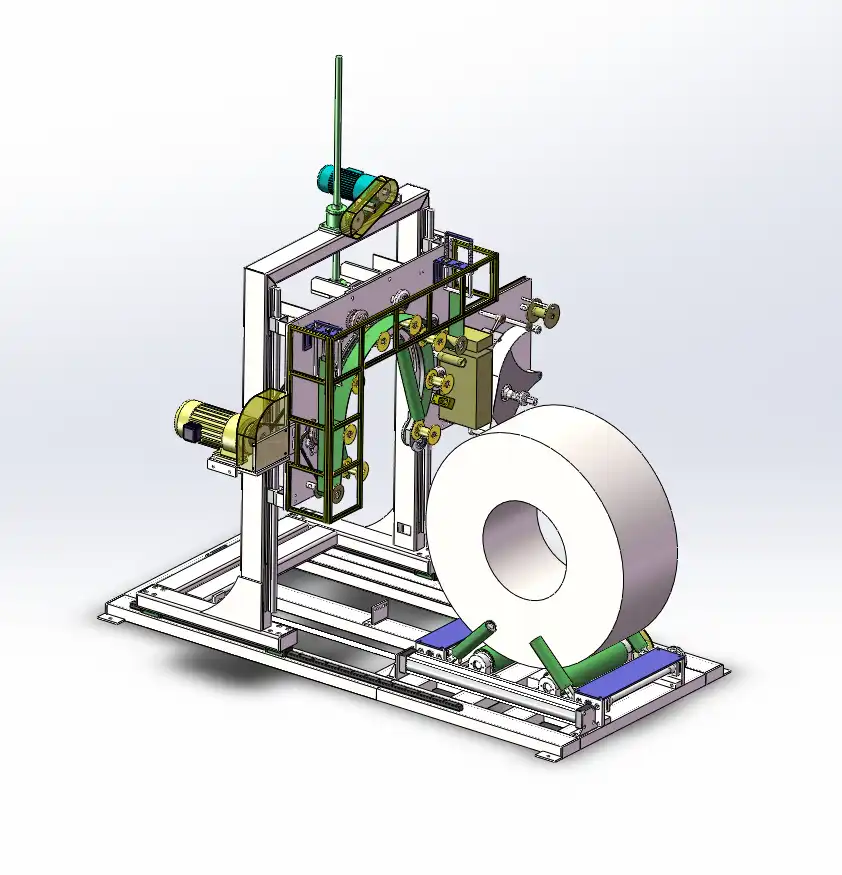
Analyzing the Strength and Sustainability of Cellulose in Steel Wire Protection
Cellulose-based materials, while naturally biodegradable, also offer surprising strength and protective capabilities suitable for demanding steel wire packing applications. Let’s analyze these aspects further.
Strength and Protective Qualities:
- Cardboard and Corrugated Board: These materials offer excellent compressive strength and cushioning, ideal for boxes and outer packaging for steel wire products.
- Molded Pulp: Molded pulp can be shaped into protective forms like trays, end caps, or corner protectors, providing customized cushioning and impact resistance.
- Paper-Based Tapes and Strapping: Reinforced paper tapes and strapping can offer tensile strength for bundling and securing wire coils and bundles.
Sustainability Advantages:
- Renewable Resource: Cellulose is derived from renewable forests and plant sources, ensuring a sustainable material supply.
- Recyclability: Paper and cardboard are widely recyclable, contributing to a circular economy and reducing landfill waste.
- Biodegradability and Compostability: Cellulose-based materials are naturally biodegradable and compostable, minimizing environmental persistence.
To further illustrate the suitability of cellulose for steel wire packing, consider this comparison:
| Material Type | Strength/Protection Level | Biodegradability | Recyclability | Application Examples |
|---|---|---|---|---|
| Cardboard Boxes | High | Yes | Yes | Outer packaging for wire coils, bundles, and spools |
| Molded Pulp Trays | Medium-High | Yes | Yes | Inner packaging, corner protection, coil separators |
| Paper-Based Tape | Medium | Yes | Yes | Sealing boxes, bundling wires, securing packages |
| Paper-Based Strapping | Medium-High | Yes | Yes | Bundling heavier wire bundles, pallet stabilization |
Cellulose-based packaging provides a powerful combination of strength, sustainability, and versatility, making it a robust and responsible choice for steel wire packing applications seeking Biodegradable materials.
4. Implementing Biodegradable Packing: Practical Considerations
Transitioning to biodegradable packing in the steel wire industry involves practical considerations to ensure a smooth and effective implementation.
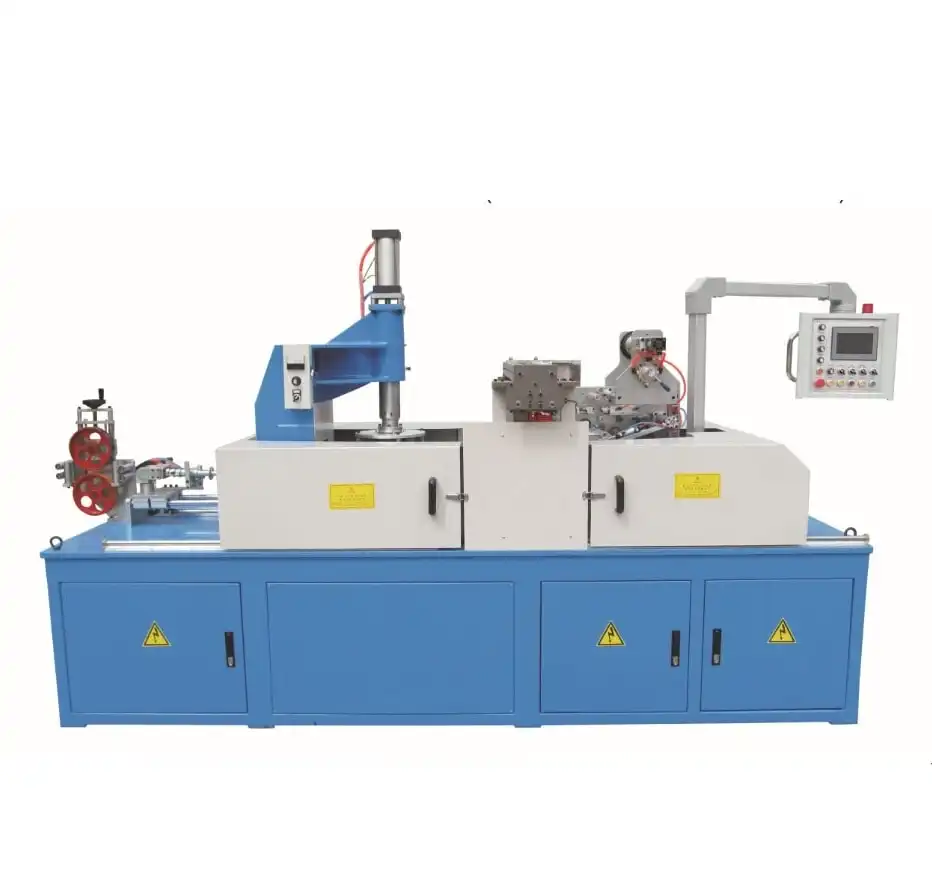
Implementing biodegradable packing solutions requires careful planning and evaluation to ensure compatibility with steel wire products, packing processes, and environmental goals. Factors such as material selection, cost analysis, performance testing, and waste management infrastructure must be considered for a successful and sustainable transition. A phased approach and collaboration across the supply chain are crucial for effective adoption of biodegradable packing in the steel wire sector.
Choosing the right biodegradable material depends on factors like wire type, weight, handling requirements, and environmental conditions during transit and storage. Cost analysis should compare biodegradable options to current packaging costs, factoring in potential long-term savings from reduced waste disposal fees and enhanced brand image. Performance testing is vital to ensure biodegradable packaging provides adequate protection against moisture, abrasion, and impact, meeting industry standards. Finally, assessing local composting and recycling infrastructure is crucial to ensure proper end-of-life management for biodegradable packaging waste.
Conclusion
The shift towards biodegradable materials in steel wire packing represents a significant step towards a more sustainable future for the industry. Plant-based plastics, starch, and cellulose offer viable and increasingly practical alternatives to traditional, environmentally persistent packaging. While challenges remain in terms of cost, performance for specific applications, and infrastructure, ongoing innovation and growing environmental consciousness are driving wider adoption. By embracing biodegradable solutions, the steel wire industry can significantly reduce its ecological footprint, enhance brand reputation, and contribute to a circular economy, paving the way for a greener and more responsible approach to packaging.








