
What Are the Main Components of Mold Upenders?
Are you still relying on outdated, risky methods to handle heavy molds? Imagine the potential for workplace injuries and costly damage every time you manually flip a mold. Mold upenders offer a game-changing solution, automating this hazardous task and dramatically improving both safety and efficiency in industrial environments. Discover the critical parts that make these machines indispensable.
Mold upenders are composed of several key components working in concert to safely and efficiently rotate heavy molds. These primary components include a robust frame for structural support, a powerful motor to drive rotation, a sophisticated control system for precise operation, and comprehensive safety features to protect personnel and equipment. Understanding these components is crucial for optimizing performance and ensuring longevity.
This article will explore each of these essential components in detail, revealing how they contribute to the overall functionality and benefits of mold upenders in modern manufacturing. Continue reading to gain a deeper understanding of the machinery that’s revolutionizing mold handling processes.
1. What is the Frame and Its Importance?
In the demanding world of industrial manufacturing, equipment reliability is paramount. Can you afford downtime caused by equipment failure when handling heavy molds? A mold upender’s frame is the foundation of its reliability, providing the strength and stability needed for safe and consistent operation. Let’s examine why the frame is such a critical component.
The frame of a mold upender is the foundational structure that provides overall integrity and support. Constructed from high-grade steel, it is engineered to withstand immense weight and stress during mold rotation. A durable frame ensures the machine’s longevity, reduces maintenance, and most importantly, guarantees safe operation under heavy loads. It’s truly the backbone of the entire system.
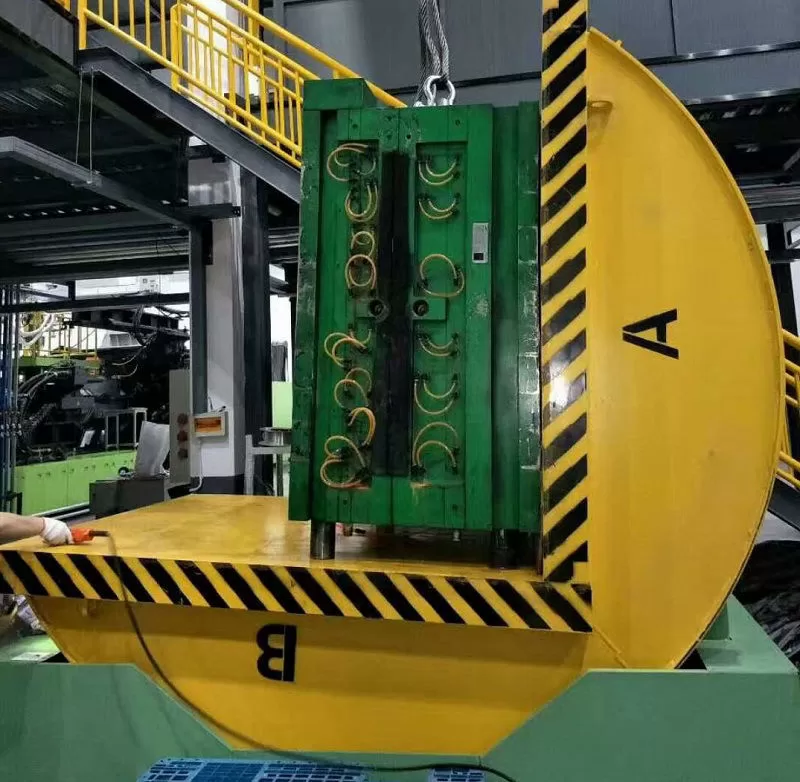
The Backbone of Mold Upenders: Frame Analysis
The frame is not just a basic support structure; it’s a carefully engineered assembly designed for specific demands. To truly appreciate its importance, let’s break down the key attributes that define a high-quality mold upender frame.
Key Attributes of Frames
| Attribute | Description |
|---|---|
| Material | Constructed with high-grade steel, often specified for its tensile strength and durability. |
| Design | Engineered to distribute weight evenly, minimizing stress concentration points. |
| Load Capacity | Rated to handle loads exceeding typical mold weights with a significant safety margin. |
| Maintenance | Designed for minimal maintenance, primarily requiring periodic inspections for corrosion or stress fractures. |
Frames are indeed the unsung heroes of mold upenders. They are the silent partners ensuring every lift, rotation, and placement is executed with unwavering stability. When evaluating a mold upender, a close inspection of the frame’s construction and material quality is non-negotiable. A robust frame directly translates to a safer, more reliable machine, reducing downtime and enhancing productivity. This foundational component, much like the spine in the human body, dictates the machine’s overall health and operational success. Investing in a mold upender with a superior frame is investing in the long-term safety and efficiency of your operations. Remember, a strong backbone is essential for any heavy-duty industrial device to thrive, and mold upenders are no exception. Prioritizing frame quality is a strategic decision that safeguards your investment and enhances your operational capabilities for years to come.
2. How Does the Electrical System Drive Efficiency?
In today’s competitive manufacturing landscape, even marginal gains in efficiency can significantly impact your bottom line. Are you leveraging the power of advanced electrical systems to maximize your mold handling processes? The electrical system in a mold upender is the nerve center, orchestrating precise movements and ensuring seamless operation. Let’s uncover how this component drives efficiency.
The electrical system is the driving force behind a mold upender’s efficiency, providing the precise control and seamless integration needed for optimal performance. These systems enable accurate positioning, variable speed adjustments, and energy-efficient operation, significantly reducing cycle times and minimizing human error. Advanced electrical systems are key to transforming mold handling workflows.
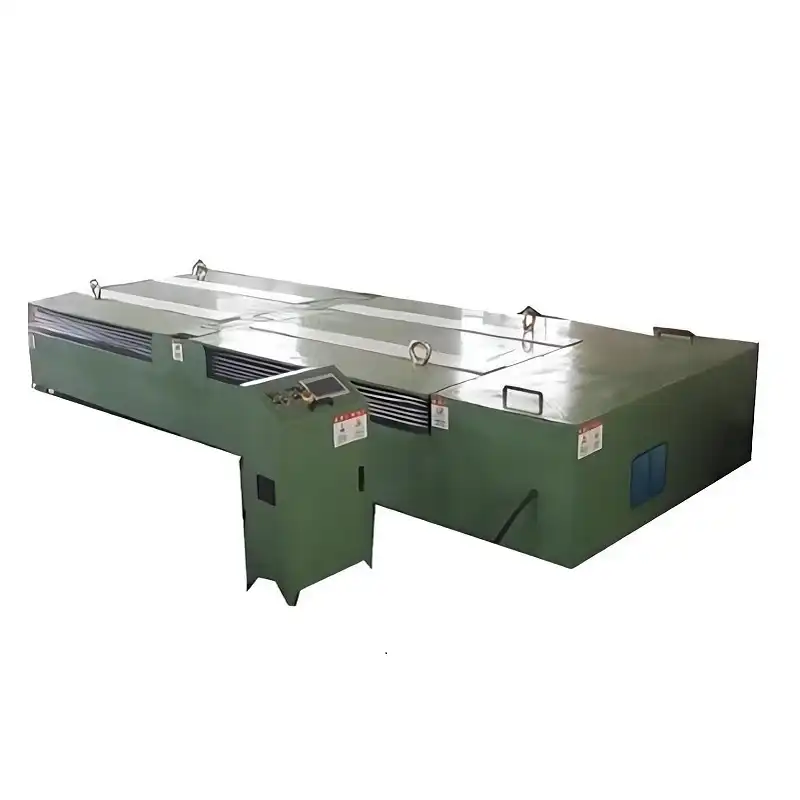
Electrical System Efficiency in Mold Handling Machines
Modern mold upenders are not simply about brute force; they are about intelligent, controlled power. The electrical system is the brain that dictates the machine’s responsiveness, accuracy, and energy consumption. Let’s delve into the advantages of advanced electrical systems and their impact on operational efficiency.
| Advantage | Description | Impact on Efficiency |
|---|---|---|
| Precise Control | Electric systems allow for fine-tuned adjustments and movements. | Reduces operational errors, minimizes material waste, and improves accuracy. |
| Seamless Integration | Easily integrates with existing production and automation systems. | Reduces setup time, enhances adaptability, and streamlines workflows. |
| Energy Utilization | Maximizes energy efficiency during operation, reducing waste. | Lowers overall energy costs, promotes sustainability, and increases profitability. |
Imagine a scenario where a manufacturing facility upgraded their mold tipper upender with a state-of-the-art electrical system. The results were remarkable. Precise control meant less material waste due to misaligned molds. Seamless integration reduced changeover times between different mold types. Energy-efficient motors lowered electricity bills. In fact, this client witnessed a 30% improvement in operational efficiency within the first three months alone. This real-world example highlights the transformative power of a well-designed electrical system in enhancing productivity and minimizing downtime. The electrical system is not just about powering the machine; it’s about intelligently managing that power to optimize every aspect of the mold handling process.
3. Why are Safety Features Crucial?
Automation offers incredible gains in efficiency, but it also introduces new safety considerations. Are you confident that your mold handling processes prioritize the safety of your personnel and equipment? Safety features are not an optional extra in mold upenders; they are a fundamental requirement for responsible and productive operations. Let’s explore why these features are non-negotiable.
Safety features are absolutely critical components in mold upenders and turning machines. They are designed to minimize risks associated with handling heavy molds, protecting operators from potential injuries and preventing damage to valuable equipment. Investing in robust safety systems is essential for ensuring a safe working environment and maintaining business continuity. Safety is paramount in automated mold handling.
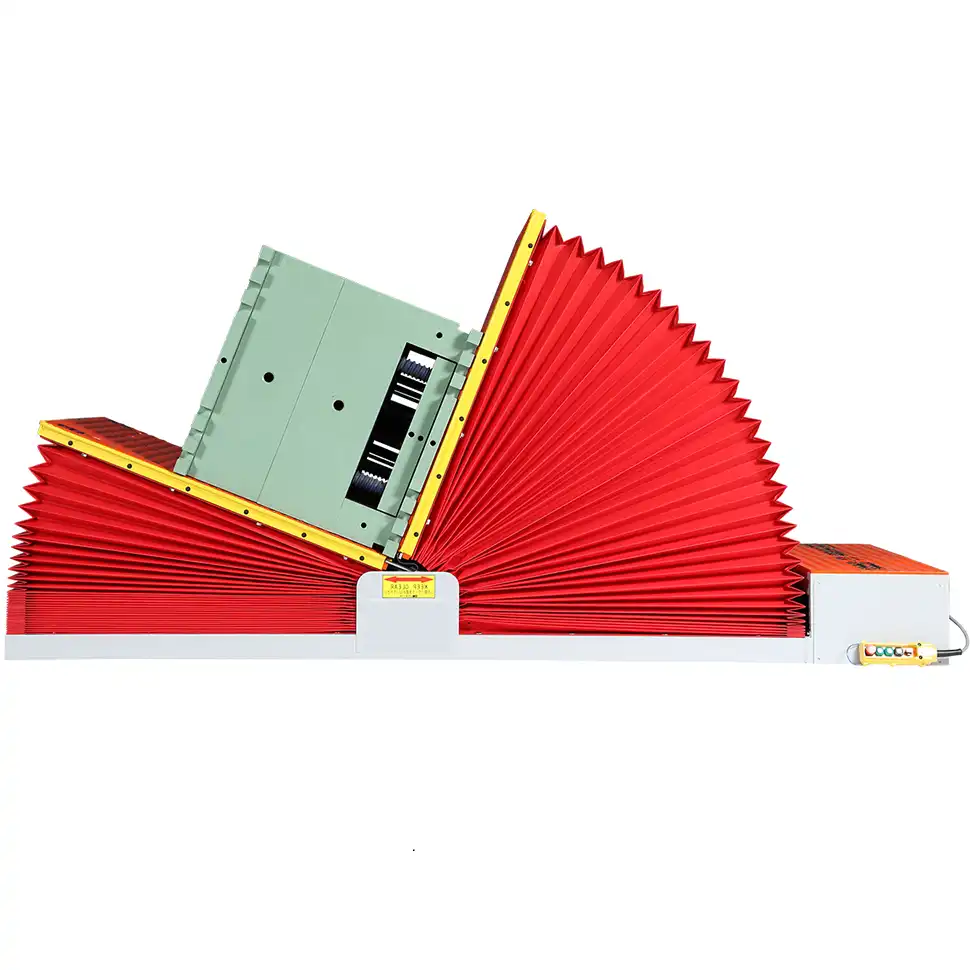
Essential Safety Features in Mold Upender and Mold Turning Machines
Safety in mold handling is not just about compliance; it’s about creating a culture of care and ensuring the well-being of your workforce. Mold upenders are equipped with a range of safety features designed to mitigate potential hazards. Let’s examine some essential safety components and their benefits.
| Safety Feature | Functionality | Operational Benefit |
|---|---|---|
| Emergency Stop | Immediate machine shutdown upon detection of unsafe conditions. | Prevents accidents, minimizes damage to equipment and materials. |
| Light Curtains | Sensors that create a safety barrier, preventing intrusion into operation zones. | Safeguards operators from accidental injury by halting operation if the zone is breached. |
| Safety Interlocks | Prevents machine operation if unsafe conditions are detected (e.g., doors open). | Ensures predictable and safe operation by preventing use under hazardous circumstances. |
| Overload Protection | Detects and stops operation if the machine exceeds safe load limits. | Prevents equipment damage, extends machine lifespan, and avoids dangerous overloading situations. |
Consider a scenario where a manufacturing facility decided to cut corners on safety features for their mold turning machine. Tragically, a malfunction occurred, and due to the lack of proper safety interlocks, the machine continued to operate in an unsafe state, resulting in significant equipment damage and near-miss injuries. This incident served as a stark reminder of the invaluable role of safety features. Since then, the facility has become a strong advocate for comprehensive safety systems, recognizing that the peace of mind, reduced risk of accidents, and long-term cost savings far outweigh the initial investment. Safety features are not just components; they are investments in your people, your equipment, and the sustainable success of your operations.
4. Streamlining Workflow for Optimized Operations
Manual mold handling is a bottleneck in many manufacturing processes, leading to wasted time, increased labor costs, and potential production delays. Are you ready to unlock significant workflow improvements with the right equipment? Mold upenders are designed to integrate seamlessly into your operations, transforming cumbersome tasks into efficient, streamlined processes.
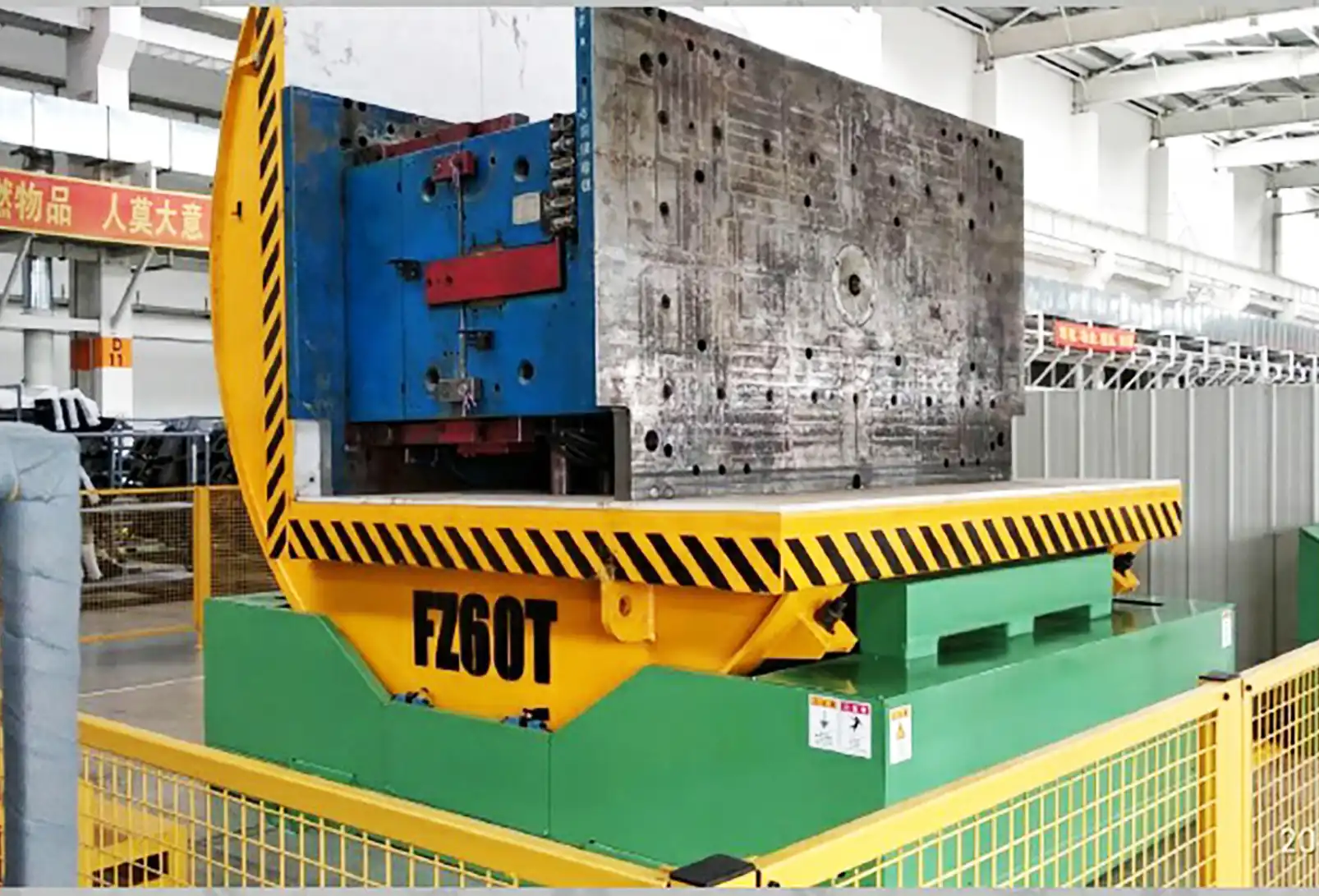
Mold upenders are instrumental in streamlining manufacturing workflows by automating and simplifying the rotation and positioning of heavy molds. Compared to manual methods or overhead cranes, they offer a faster and safer solution for upending molds and pallets. This integration reduces setup times, minimizes manual labor requirements, and significantly decreases the risk of product damage, ultimately leading to increased throughput and reduced downtime.
By integrating mold upenders into your material handling systems, you can achieve a transformative improvement in your operational efficiency. Imagine molds being quickly and precisely rotated with the push of a button, eliminating the need for slow, manual maneuvering. This not only saves valuable time but also frees up personnel to focus on other critical tasks. The result is a smoother, more efficient workflow, reduced bottlenecks, and a significant boost in overall productivity. Choosing the right mold upender is a strategic move towards optimizing your manufacturing processes and creating a more agile and responsive operation.
Conclusion
In conclusion, the mold upender is a vital piece of machinery in modern manufacturing, with its core components working in harmony to enhance both efficiency and safety. From the robust components of its frame to the precision of its electrical system and the critical nature of its safety mechanisms, each element plays a crucial role in optimizing mold handling operations. By understanding these key components, industries can make informed decisions, ensuring safer, more productive, and ultimately more successful manufacturing processes for the future.








