
How to Avoid the 3 Biggest Mistakes When Sourcing a Coil Strapping Machine for a Russian Factory?
Have you ever felt stuck, watching your production line slow down because of outdated packing processes? Do you worry about your workers getting hurt handling heavy materials by hand? Maybe you have bought equipment before, and it did not meet your expectations. You are not alone. Many factory managers face these exact problems. These challenges can slow down production. They can also increase costs and put your team at risk.
The biggest mistakes factories make when they buy a coil strapping machine are underestimating manual process costs, ignoring machine durability needs, and overlooking essential after-sales support. Avoiding these pitfalls can boost your factory’s efficiency, safety, and profits. This is true for any heavy industry, including operations in places like a Russian factory. My goal is to share insights that help you make smart choices. I want you to find a partner who truly understands your needs.
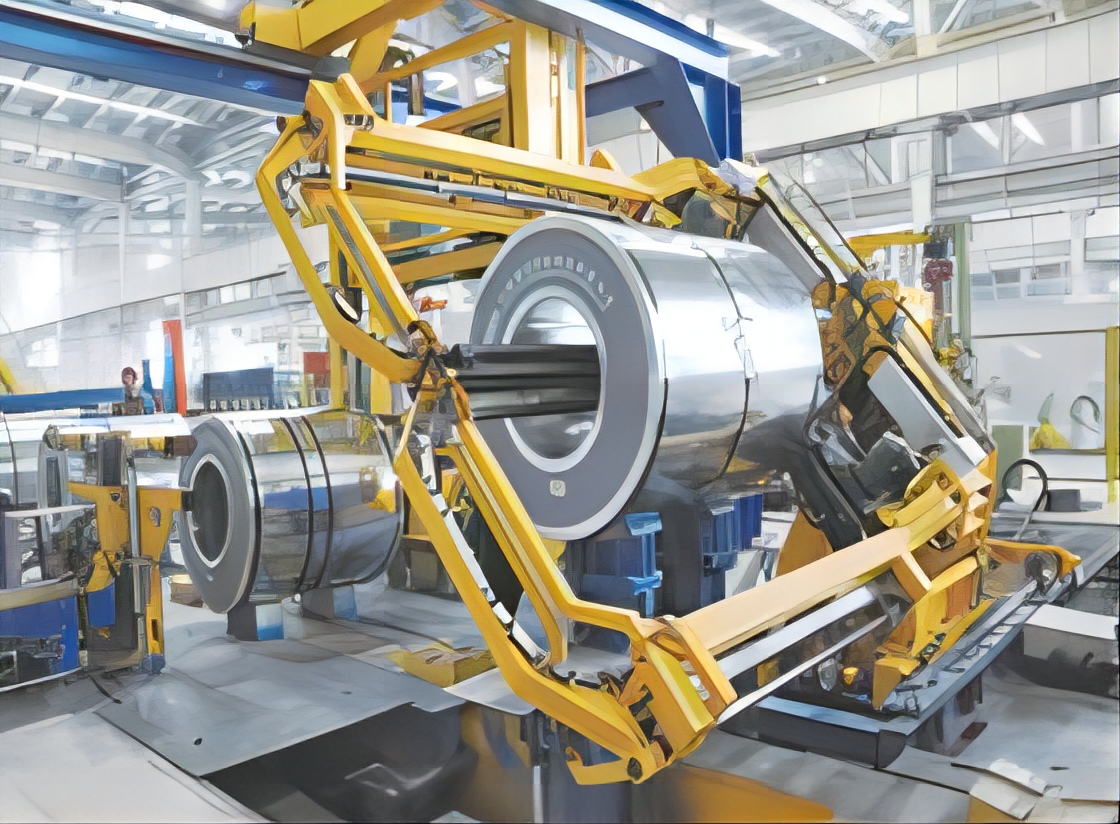
Buying new machinery is a big investment. You need equipment that works well. You also need a supplier you can trust. I have spent my whole career in the packing machine industry. I started as an employee. Then I built my own successful factory. I know the challenges you face. I know what it takes to succeed. This article will show you the three common mistakes. It will also help you avoid them. This way, you can pick the right coil strapping machine. You can improve your operations. Let us dive in.
Do You Underestimate the Hidden Costs of Manual Strapping?
Are your current packing operations too slow? Do they rely too much on people? This can create a bottleneck at the end of your production line. It slows down everything. This problem often leads to late deliveries and unhappy customers. It can also cause high labor costs. You might think manual labor is cheap. But it has many hidden costs.
Many factories still use manual ways to strap coils. They believe it saves money on machine investments. But this thinking is a big mistake. It causes more problems than it solves. Manual handling of heavy coils or wires is slow. It also puts workers at high risk. This leads to more workplace injuries. It increases insurance costs. It also makes good employees leave. This makes it hard to keep your team stable. The real cost of manual strapping goes beyond just wages. It affects your overall output. It impacts your safety record. It also hurts your profit.

When I first started my factory, I saw many places still using manual ways to pack. They thought they were saving money. But they were losing much more in the long run. I realized that true efficiency comes from smart automation. It does not come from cheap labor. You might see a lower initial price tag for a manual system. But you must look at the total cost over time. This includes labor, safety, and production speed. For example, in a busy Russian factory, every minute of delay costs money. Every injury costs money.
The True Financial Impact of Manual Processes
Many people only look at the cost of the machine. They forget about the daily operational costs. Manual strapping might seem cheaper at first. But the long-term costs add up fast. Think about labor costs. You need many workers to handle heavy coils. They work slowly. Their wages add up every hour, every day. Then there are overtime costs when orders pile up. Manual work often causes production bottlenecks. This means your expensive machines upstream wait for the packing to finish. That is lost production capacity. You paid for those machines. But they are not running at full speed. This is a waste of your investment.
Safety is another huge financial burden. Moving heavy coils by hand creates high risk. Workers can get crushed fingers. They can have back injuries. They can even face more severe accidents. Each injury means medical bills. It means workers’ compensation claims. It means increased insurance premiums. When a worker gets hurt, they cannot work. You might need to hire temporary staff. This costs more money. It also lowers morale among your team. Employees might leave because they feel unsafe. This means you spend more time and money training new people. My own journey showed me that a safe workplace is a productive workplace. It also keeps costs down. I have seen how much money factories save by preventing just a few accidents.
Product damage is also a major issue. When people move coils by hand, edges can get damaged. This happens during handling. It happens during strapping. These damages lead to customer complaints. They lead to product returns. Sometimes, you have to sell damaged products at a discount. All these things cut into your profits. Imagine losing 5% of your product value because of poor handling. That adds up quickly for a large factory. An automated coil strapping machine handles coils gently. It straps them securely. This reduces damage. It protects your profit margins.
Consider this table comparing manual and automated strapping:
| Aspect | Manual Strapping | Automated Strapping |
|---|---|---|
| Labor Cost | High; multiple workers, overtime, training new staff | Low; fewer workers needed, mostly for supervision |
| Safety Risk | Very High; severe injuries, high insurance premiums | Low; minimal human interaction with heavy loads |
| Speed/Efficiency | Very Slow; production bottlenecks, missed deadlines | Very Fast; consistent speed, no bottlenecks |
| Product Damage | High; dents, scratches, deforming edges | Low; gentle handling, consistent strapping tension |
| Consistency | Variable; depends on worker skill and fatigue | High; uniform tension, precise placement |
| Space Utilization | Can be inefficient due to manual handling areas | Optimized; compact machine footprint, better flow |
| ROI (Long-term) | Negative; ongoing high costs, lost revenue | Positive; reduced labor, fewer damages, higher output |
You need to look beyond the upfront price of a machine. Think about your total cost of ownership. This includes labor, safety, and potential losses. Investing in automation might seem expensive at first. But it pays for itself over time. It makes your factory more competitive. It makes it safer. This is a lesson I learned firsthand when I built my factory. I saw how automation transformed businesses, including my own.
Are You Overlooking the Importance of Machine Durability in Harsh Conditions?
Have you ever bought equipment that broke down quickly? Did it fail to handle the tough conditions in your factory? Many managers focus on features or price. But they forget that industrial machines work in hard environments. A coil strapping machine for a heavy manufacturing plant, especially one in a demanding location like a Russian factory, needs to be tough.
Choosing a machine that is not built for harsh conditions is a serious mistake. Factories often have dust, extreme temperatures, and heavy loads. A machine not designed for this will break down often. This leads to constant repairs. It causes unexpected downtime. Every time a machine stops, your entire production line stops. This costs you a lot of money in lost output. It also frustrates your team. You need a machine that can keep working day after day. It must handle the stress of continuous operation. It needs to last for many years.

From my experience building and running a packing machine factory, I know exactly what it takes to build machines that last. I learned that cheaper materials often lead to costly repairs later. You need to look beyond the shiny surface. You need to know what parts are inside. You need to understand how the machine is built. I always focused on making durable machines for my clients. They operate in tough places, like steel mills. Their machines need to work without fail.
Why Durability Matters More Than You Think
A heavy-duty factory environment is not gentle on machines. Coil strapping machines often handle large, heavy, and hot coils. They operate in dusty areas. They might face extreme temperatures, both hot and cold. These conditions put a lot of stress on components. If a machine is not built with high-quality materials, it will fail. This means wear and tear happens quickly. Bearings wear out. Motors overheat. Sensors stop working. Then the machine stops.
Downtime is a factory manager’s worst nightmare. When your coil strapping machine breaks, your production line stops. This means your expensive machinery upstream is idle. Your workers stand around. You lose production volume. And you miss delivery deadlines. The cost of one hour of downtime can be huge. It can be tens of thousands of dollars for a large factory. A machine that breaks down often eats into your profits. It hurts your reputation with customers. It also adds stress to your maintenance team. They spend all their time fixing broken equipment instead of doing preventive work.
You need to ask about the machine’s construction. What kind of steel is used? Are the parts industrial grade? Are they off-the-shelf components that are easy to replace? Or are they custom parts that are hard to find? Consider the wear parts. How long do they last? How easy are they to change? A good machine uses robust components. It has a simple design for maintenance. It can withstand constant use. It handles heavy loads and harsh environments. This means fewer breakdowns. It means more uptime. It means consistent production.
When I started FHOPEPACK, I knew durability was key. My own factory relied on machines that could run non-stop. If they broke, we lost money. So, I made sure our machines were built tough. They use strong frames. They have reliable motors. They have quality electrical parts. This mindset came from years of seeing what works and what does not work in real factory settings. A strong machine means fewer headaches for you. It means lower overall costs over its lifetime. It means you can trust your equipment to do its job.
Why Does Ignoring After-Sales Support Lead to Bigger Problems?
Have you ever bought a machine, and then the supplier vanished? Did they only care about making the sale? Many factories experience this. They find a good price. But then they realize the low price comes with no support after the purchase. This is a very big problem.
Choosing a supplier based only on the initial price is a huge mistake. A coil strapping machine is a complex piece of equipment. It needs proper setup. It needs regular maintenance. It also needs quick support if something goes wrong. If your supplier does not offer strong after-sales service, you will face bigger problems later. You might have trouble installing the machine. You might not get spare parts when you need them. You might struggle to get technical help for repairs. This lack of support can turn a small issue into a major breakdown. It leads to frustration. It causes more downtime. It also makes you lose trust in your vendor.

My journey in the packing machine industry taught me that true partnerships are built on trust. They are built on reliable support. I started my own factory. I knew what it was like to rely on machinery. I understood the pain of equipment failure. That is why I always made sure my clients received excellent after-sales care. I wanted them to grow their businesses. I helped them overcome their challenges. This is more than just selling a machine. It is about being a long-term partner.
The Critical Role of Comprehensive After-Sales Support
Think about what happens after you buy the machine. It needs to be installed correctly. It needs to be integrated into your existing production line. If the supplier does not offer installation support, you might face delays. You might even damage the machine during setup. Proper training is also very important. Your operators need to know how to use the machine safely and efficiently. If they are not trained well, they will make mistakes. This can cause errors. It can lead to accidents. It can damage the machine itself.
Spare parts availability is another key factor. Every machine will need new parts over time. If your supplier does not stock spare parts, or if they are slow to deliver, your machine will sit idle. This goes back to downtime. You cannot afford to wait weeks for a critical part. A reliable supplier ensures quick access to parts. They understand that every minute counts. They know that your production depends on it.
Technical support is also vital. Machines can have unexpected issues. You need to be able to call someone who can help. This might be over the phone. It might be through video calls. Sometimes, you need someone to visit your factory. A good supplier offers quick and knowledgeable technical support. They help you troubleshoot problems fast. They get your machine running again. This minimizes your downtime. It saves you money.
My own factory grew because I offered great support. I did not just sell machines. I offered solutions. I understood my clients’ pain points. I helped them solve their production bottlenecks. I improved their safety. This approach built strong relationships. It allowed many of my clients to grow their businesses significantly. I know this firsthand. When you choose a supplier, you are not just buying a machine. You are entering a partnership. You need a partner who understands your industry. They must be willing to support you for the long term. This means they care about your success.
| Aspect | Poor After-Sales Support | Excellent After-Sales Support |
|---|---|---|
| Installation | Difficult, delays, risk of damage | Smooth, efficient, professional setup |
| Training | Insufficient, operator errors, safety risks | Comprehensive, safe, efficient operation |
| Spare Parts | Hard to find, long waiting times, increased downtime | Readily available, fast delivery, minimal downtime |
| Technical Help | Slow, unhelpful, or non-existent | Quick response, expert advice, remote or on-site help |
| Downtime | High; machine idle for long periods | Low; issues resolved quickly, continuous operation |
| Trust | Low; supplier seen as transactional | High; supplier seen as a reliable partner |
| Long-term Value | Negative; ongoing problems, unexpected costs | Positive; stable operation, continued productivity gains |
When you choose a partner like FHOPEPACK, you get more than just a machine. You get the benefit of my years of experience. You get a team that understands your challenges. We know how to help you grow. We offer clear answers. We provide reliable solutions. This ensures your investment truly pays off.

My Insights!
My journey from a factory employee to building my own successful packing machine factory taught me many lessons. One of the most important is that technology alone is not enough. You need the right technology. You also need the right partner. I have seen countless factories make these mistakes. They buy cheap machines. They ignore safety. They disregard long-term support. In the end, they pay a much higher price. I achieved financial independence thanks to this industry. I also helped many of my clients grow their businesses. My goal now is to share that knowledge. I want to help you avoid the pitfalls.
When you look for a coil strapping machine, especially for a demanding environment like a Russian factory, think beyond the price tag. Consider the full picture. Evaluate the true cost of manual labor. Think about how much safety matters. Look at the machine’s durability. How well will it stand up to your tough factory conditions? Most importantly, find a supplier who cares about your success. Look for a partner who offers strong after-sales support. This means they are there for you long after the sale is complete. My mission at FHOPEPACK is to share knowledge. I want to help you succeed. Choosing the right machine and the right partner will make your operations more efficient. It will make them safer. It will also make them more profitable. This is how you master packing.
Conclusion
Avoid common mistakes: assess true costs, ensure durability, and demand strong after-sales support. These steps help you choose the right coil strapping machine and achieve lasting success.








