
The 2025 Selection Guide for Steel Coil Strapping Machines For Russian Engineers?
Is your metal processing factory facing big problems? Are your steel coil packing lines slow, unsafe, or too expensive? Are you seeing damaged products or very high labor costs? These issues are not small. They hit your profits hard. They can damage your company’s good name. They also put your valuable team members at risk every day.
For Russian engineers in 2025, selecting a steel coil strapping machine means focusing on automation, durability, safety features, and a reliable supplier. The best machines reduce manual labor. They prevent product damage. They improve overall factory efficiency. Look for models with a clear return on investment. Choose a partner who truly understands your production needs.

You are not alone in facing these challenges. I have seen them many times. From my own journey building a packing machine factory, I know what it takes to succeed. Let me share what I have learned. This guide cuts through the noise. It gives you practical advice. Read on to discover how to make the best choice for your operations.
Is Your Current Coil Packing Slowing Down Production?
Do your production lines stall at the very end? Is your steel coil packing process the bottleneck? Manual strapping can be very slow. It wastes valuable time. This bottleneck limits your entire factory’s output. You might miss delivery deadlines. You could lose potential orders. Your overall efficiency suffers greatly because of this.
Automated steel coil strapping machines fix production bottlenecks. They strap coils faster than manual methods. They ensure consistent quality. This improves overall factory throughput. It helps meet delivery schedules. It also reduces labor needs.
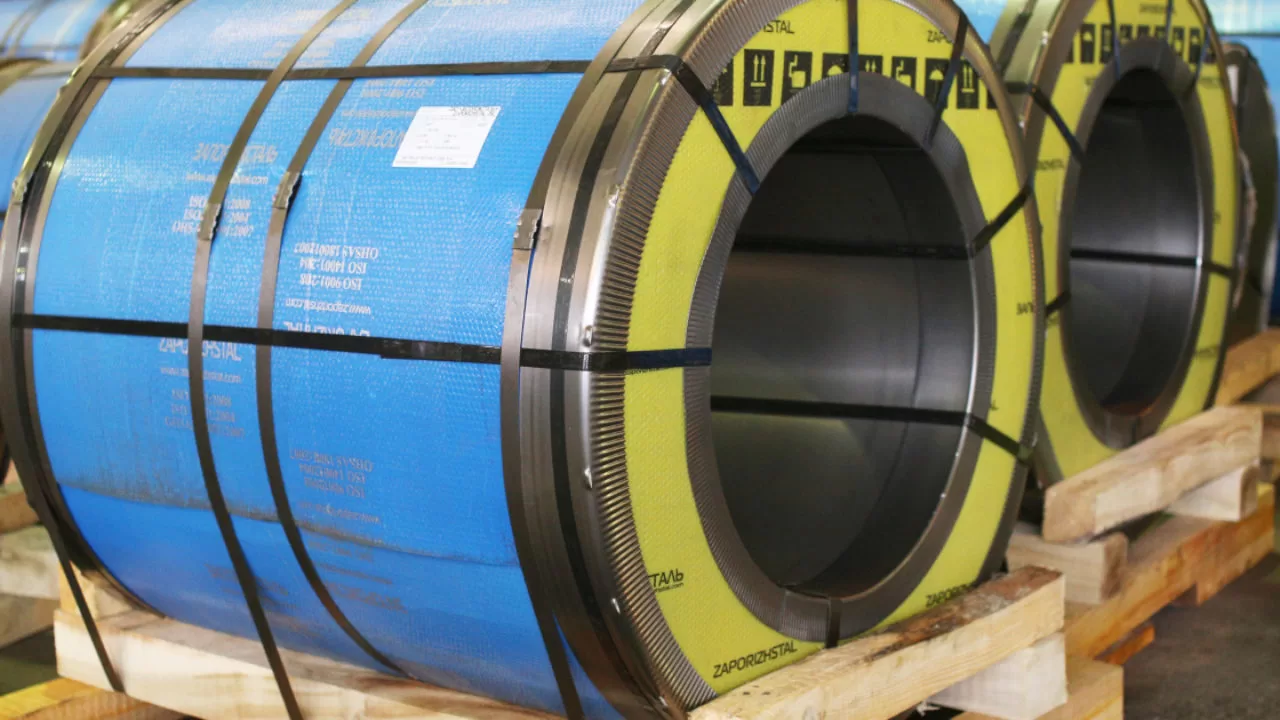
Many factory managers, just like some I have worked with in Russia, struggle with manual packing. They spend too much time on it. They think it saves money. But it often costs more in lost production. This is where automation truly shines. A good strapping machine can quickly make up for its cost. It brings real value to the factory floor.
Understanding Your Current Bottlenecks
You must first look closely at your current packing process. Where do delays happen most often? Is it the actual strapping? Is it moving coils to the strapping area? Is it the number of people you need for the job? Manual processes are usually very slow. They depend on human speed. They also depend on human breaks. This means inconsistent output. It creates unpredictable production times.
The Impact of Automation on Cycle Time
Automated machines work at a steady, fast pace. They do not get tired. They do not take breaks. They can often strap a coil in just a few minutes. This is much faster than manual strapping. This speed drastically cuts down your overall cycle time. It allows your factory to produce more. It lets you ship products faster. This helps you meet higher demand. It opens doors for more business.
Integrating New Systems Seamlessly
Bringing a new machine into your factory needs careful planning. You must think about where it will go. You must think about how it connects to your existing conveyors or crane systems. A good machine supplier helps you with this. They offer layout advice. They make sure the machine fits well. This smooth integration prevents new bottlenecks. It ensures maximum uptime from day one. I have seen factories struggle when they do not plan this part well. It is crucial for success.
| Feature | Manual Strapping | Automated Strapping |
|---|---|---|
| Speed | Very Slow, Variable | Fast, Consistent |
| Labor Needs | High, Multiple Workers | Low, Few Operators |
| Consistency | Low, Human Error | High, Machine Precision |
| Safety | High Risk of Injury | Low Risk, Remote Operation |
| Throughput | Limited by Manual Speed | High, Consistent Output |
| Cost (per coil) | High (Labor + Errors) | Lower (Efficiency + Less Waste) |
Can Automated Strapping Machines Make Your Factory Safer?
Are your workers constantly handling heavy steel coils? Do you worry about serious injuries? Manual coil strapping and handling is very risky. It can lead to accidents. High injury rates mean higher insurance costs. They lead to employee turnover. They create a tense work environment for everyone. Safety must always be your top priority.
Automated steel coil strapping machines dramatically increase factory safety. They eliminate manual handling of heavy coils. This reduces the risk of worker injuries. Less human intervention means fewer accidents. It leads to a safer work environment for everyone.

I have always believed that a factory’s true wealth is its people. Keeping them safe is not just a moral duty. It is also good business. An injured worker means lost productivity. It means higher costs. It means a blow to team morale. Automated systems directly address these concerns. They remove the person from the danger zone. This is a game-changer for workplace safety.
Eliminating Manual Handling Risks
Workers often need to lift, push, or pull heavy strapping tools. They also handle the steel strap itself. This is very heavy. It can snap back. These actions can cause muscle strains. They can lead to cuts or worse injuries. Automated machines do all this heavy, risky work. They use robotic arms. They use powerful tensioning systems. Workers only need to monitor the process from a safe distance. This greatly reduces direct exposure to hazards.
Built-in Safety Features to Look For
Modern strapping machines come with many safety features. They have emergency stop buttons placed in easy-to-reach spots. They have safety interlocks. These stops prevent the machine from running if a safety door is open. They use light curtains or sensors. These stop the machine if someone steps too close. They also have clear warning signs. These features protect workers from moving parts. They prevent accidents before they happen. Always ask about these safety systems when you buy.
The True Cost of Workplace Injuries
A workplace injury costs much more than just medical bills. It costs lost workdays. It costs time spent on investigations. It costs the morale of the team. It can even raise your insurance premiums. In some cases, it can lead to legal issues. These hidden costs add up quickly. They can severely impact your factory’s financial health. Investing in a safe machine is an investment in your company’s long-term stability and profitability. It is a choice for the well-being of your entire team.
| Safety Feature | Benefit | Why It Matters for Russian Factories |
|---|---|---|
| Reduced Manual Labor | Eliminates heavy lifting and close contact with coils. | Lowers physical strain, prevents back injuries. |
| Safety Interlocks | Machine stops if guards are open. | Prevents access to moving parts during operation. |
| Emergency Stops | Quick shutdown in an emergency. | Allows immediate reaction to unforeseen risks. |
| Guardings & Fences | Physical barriers around dangerous areas. | Protects workers from pinch points and moving parts. |
| Automatic Strapping | No human needs to apply or tension straps. | Removes risk of strap recoil and hand injuries. |
How Can Better Strapping Protect Your Coils and Profits?
Do your steel coils arrive at the customer’s site damaged? Are you seeing edges bent or surfaces scratched? Poor packing causes product loss. It leads to customer complaints. Product damage directly hits your profits. It hurts your brand reputation. It can lose you future business. Every damaged coil costs you money and customer trust.
Effective steel coil strapping machines protect products from damage. They apply consistent tension. They secure coils tightly. This prevents shifts during transit. It reduces costly customer complaints. It preserves product quality and profit margins.

I remember one client in the heavy manufacturing sector. They were losing significant money due to damaged coils. Their manual strapping was inconsistent. It was either too loose or too tight in places. Their customers were getting upset. We helped them implement an automated solution. The change was almost immediate. Their damage claims dropped significantly. Their customer satisfaction went up. This showed me firsthand the huge impact of good strapping.
The Hidden Costs of Product Damage
The cost of a damaged coil is not just the value of the scrap. It also includes the cost of processing returns. It includes shipping a replacement. It includes the time spent on customer service calls. It also includes the potential loss of future orders from unhappy clients. These hidden costs can quickly eat into your profit margins. They can damage your standing in the market. A robust strapping solution saves you from these hidden drains.
Ensuring Consistent Strap Tension and Placement
Manual strapping often results in uneven tension. Some straps are too tight, potentially damaging the coil. Others are too loose, allowing the coil to shift. Automated machines apply precise, consistent tension every time. They place the straps exactly where they should be. This uniform pressure holds the coil securely. It prevents movement during transport. It protects the coil’s edges and surfaces from scrapes or dents. This consistency is crucial for maintaining product quality. It ensures coils arrive in perfect condition.
Calculating Your Return on Investment (ROI) from Damage Reduction
Investing in an automated strapping machine can seem like a big expense. But consider the savings. Calculate how much you spend now on damaged products. Include customer returns. Include rework. Include lost sales. Then compare this to the cost of a new machine. Many factories find that the reduction in product damage alone provides a fast return on investment. This does not even include savings from labor or increased efficiency. It is a clear case where paying more upfront saves you much more in the long run.
| Problem Area | Impact on Business | How Automated Strapping Helps |
|---|---|---|
| Edge Damage | Customer complaints, Rework | Consistent tension prevents shifting |
| Surface Scratches | Lower perceived quality | Secure packaging, less movement |
| Shifting Coils | Safety risk, Further damage | Precise strap placement, tight hold |
| Customer Returns | Lost revenue, Damaged reputation | Products arrive undamaged, happier clients |
| Labor for Rework | Wasted time, Higher costs | Less need for repairs or repacking |
What Should Russian Engineers Look for in a Strapping Machine Supplier?
Have you dealt with suppliers who vanish after the sale? Are you worried about poor support or unreliable equipment? Choosing the wrong supplier can be a huge mistake. A bad supplier leaves you with broken machines. They offer no support. This leads to downtime. It causes more losses. Trust is very hard to rebuild once it is broken.
When selecting a steel coil strapping machine supplier, Russian engineers should prioritize experience, after-sales support, customization capabilities, and proven reliability. Look for partners who offer comprehensive training. They should provide readily available spare parts. Choose a supplier with a strong track record of successful installations.

I know the frustration of unreliable suppliers. When I started my own packing machine factory, I learned that the machine itself is only part of the solution. The support behind it is just as vital. You need a partner who understands your production needs. They must offer solid after-sales service. This ensures your investment pays off for years. This is why I built FHOPEPACK on a foundation of shared knowledge and true partnership.
Beyond the Sales Pitch: What Matters Most
Any supplier can give you a nice sales pitch. But what really matters is their deep understanding of your industry. Do they know about steel coil production? Do they know your specific challenges, like those faced by Michael Chen in Mexico, which are common for Russian factories too? A good supplier asks many questions. They listen to your problems. They do not just try to sell you their most expensive model. They suggest solutions that truly fit your factory’s needs and budget. Look for a partner, not just a vendor.
The Importance of After-Sales Support and Training
A strapping machine is a complex piece of equipment. It needs proper installation. It needs regular maintenance. Your team needs to know how to operate it safely and efficiently. A reliable supplier provides clear manuals. They offer thorough training programs for your operators and maintenance staff. They also have readily available spare parts. They offer quick technical support when issues arise. Without this support, even the best machine can become a costly paperweight. Always ask about their service and parts availability.
Why Experience Matters: My Own Journey
My journey began as an employee in a packing machine factory. I saw the day-to-day issues. I learned the challenges firsthand. Later, I built my own successful factory. This gave me a unique perspective. I understand what it takes to make a factory run smoothly. I know the pressures on a factory manager. This experience allows me to guide you beyond just buying a machine. I can help you find a solution that helps your business grow. I can help you achieve financial independence, just as I did through the packing machine industry. That is what FHOPEPACK is all about. It is about sharing that knowledge.
| Supplier Criteria | Why It’s Important | What to Look For |
|---|---|---|
| Industry Experience | Understands your specific needs | Years in business, industry focus |
| After-Sales Support | Ensures uptime, quick problem solving | Service contracts, local support, parts availability |
| Customization Options | Machine fits unique factory layouts | Ability to modify standard models |
| Technical Training | Empowers your team, avoids errors | On-site training, clear manuals |
| Reliability Record | Guarantees machine performance | Customer testimonials, case studies, references |
| Long-term Partnership | Continuous support for growth | Focus on solutions, not just sales |
Conclusion
Automating your steel coil packing is a smart move. It boosts safety, efficiency, and profits. Pick the right machine. Choose a trusted partner. This will drive your factory’s success in 2025 and beyond.








