
Achieving Flawless Coils: How Automated Aluminum Coil Strapping Machine Technology Prevents Surface Damage?
Are you tired of seeing your valuable aluminum coils leave the factory with surface damage? This problem is not just cosmetic. It leads to customer complaints, wasted material, and a hit to your reputation. Each scratch, dent, or edge crumple means lost profit and rework. Manual strapping methods often cause these issues. They are slow, inconsistent, and put your product at risk. But there is a better way. Modern automated aluminum coil strapping machines can fix this. They protect your product. They ensure your coils leave your factory looking perfect every time.
Automated aluminum coil strapping machine technology prevents surface damage by applying straps precisely and consistently. These machines use controlled tension. They also have contact surfaces designed to protect delicate coil finishes. This removes the risk of human error and rough handling that often causes damage in manual processes.

As someone who started on the factory floor and then built a successful packing machine business, I understand these challenges deeply. I have seen how much difference the right equipment makes. Let’s look closer at how automated strapping not only protects your products but also changes your entire operation.
Why is Manual Coil Strapping a Hidden Cost for Your Business?
Many factories still use manual methods to strap their coils. They think it saves money. But this is a big mistake. It is costing them much more than they realize. Manual strapping is slow. It needs many workers. It often causes mistakes. These mistakes lead to damaged products. They also cause worker injuries. All these add up. Your “savings” become huge losses. Understanding these hidden costs helps you see the true value of automation. It helps you find a better path.
Manual coil strapping is a hidden cost for businesses because it creates several issues. It increases labor costs due to inefficiency. It causes frequent product damage, leading to material waste and customer complaints. Manual methods also raise safety risks for workers. This adds to insurance costs and potential downtime from injuries.
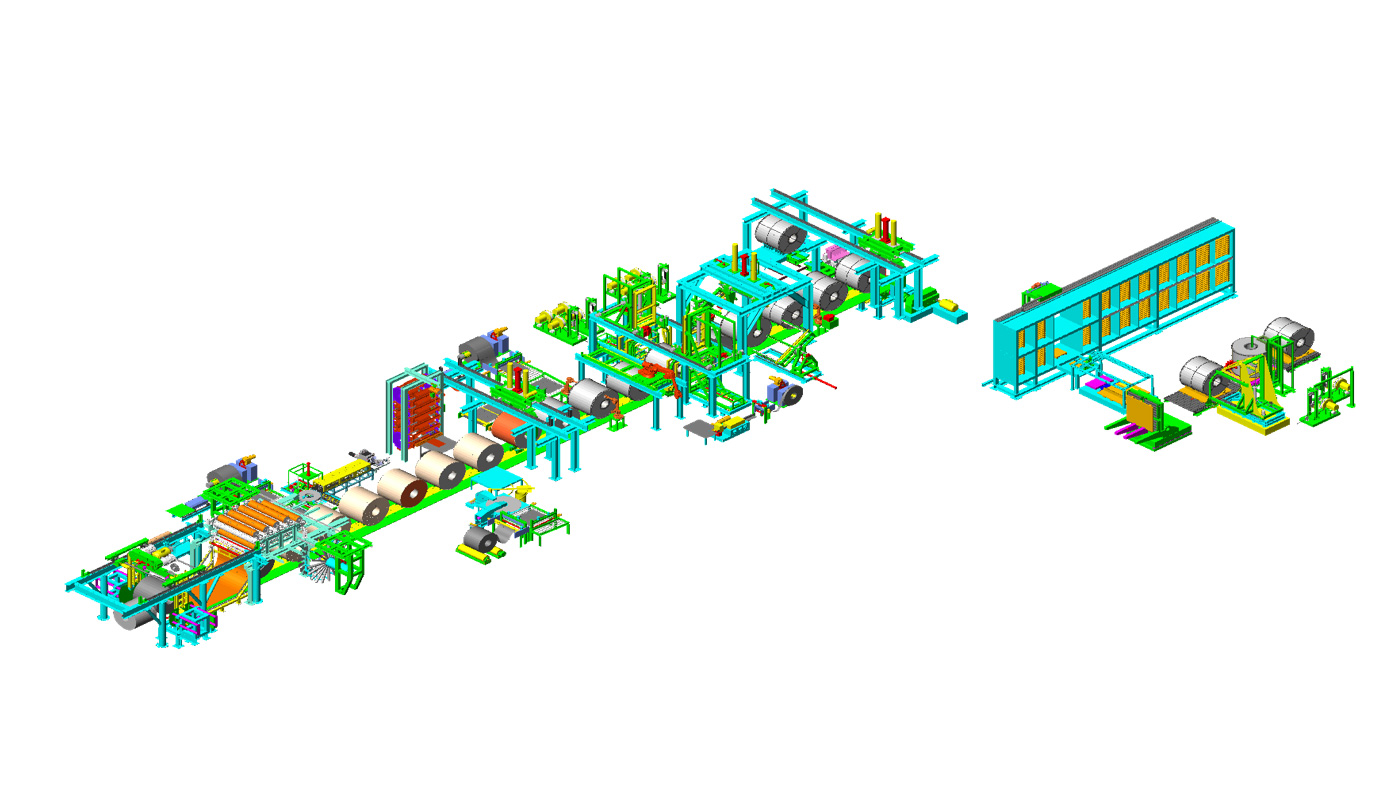
When I worked in a packing machine factory, I saw manual coil strapping processes every day. I later built my own factory. I understood even more how manual work brings hidden costs. These costs are not always obvious. But they hurt your profit margin badly.
The Real Price of Manual Labor
Manual strapping needs many people. Each person costs money. This includes wages, benefits, and training. When workers handle heavy coils, they get tired. Tired workers make mistakes. They might apply straps unevenly. They might drop tools. They might even damage the coil’s surface or edges. This leads to rejected products. It means you must rework items. Or you might scrap them entirely. This is pure waste. It also slows down your whole production line. Your daily output goes down. This means you make less money. Manual processes cause efficiency bottlenecks. They directly affect your production and delivery speed. This is a common problem for factory managers like Michael Chen. He struggles with slow and inefficient packing processes. Automated systems solve these problems. They move faster and work without stopping. This increases your overall output. It helps you meet customer demands quicker.
Safety Risks and Their Financial Impact
Another huge hidden cost is safety. Moving and strapping heavy coils by hand is dangerous. Workers can suffer back injuries. They can get crushed fingers. They can have other accidents. Each injury means lost work time. It means medical bills. It means higher insurance premiums. In some cases, it can lead to lawsuits. I have seen how a single serious accident can set a company back months or even years. It also hurts employee morale. Workers become afraid. This impacts productivity even more. When you lose experienced workers due to injuries, you also lose valuable knowledge. Training new staff costs more time and money. Automated systems remove most of these risks. They keep workers away from the heavy lifting. They make the factory a safer place for everyone. This directly addresses Michael’s concern about high injury risks and high insurance costs.
Inconsistent Quality and Customer Trust
Manual strapping also means inconsistent quality. One worker might strap a coil tightly. Another might strap it loosely. Some might use too much force. Others might not use enough. This leads to varying package quality. When customers receive coils with loose straps or surface damage, they lose trust. This directly affects your reputation. Repeat business becomes harder to get. New customers might not choose you. Product damage during transit also leads to customer complaints. This means more time spent on customer service. It means processing returns or issuing credits. All these activities consume resources. They do not add value. They take away from your bottom line. Investing in automation fixes these problems. It gives you consistent, high-quality output. It builds customer confidence. Michael faces product damage during transfer and packing, leading to customer complaints and lost profits. Automated systems minimize this.
Can Automated Strapping Truly Make Your Factory Safer for Workers?
Factory safety is a big concern for managers like Michael. Manual handling of heavy materials, especially metal coils, carries huge risks. Injuries happen. Workers can get hurt. This means lost time. It means medical costs. It means fines. It also hurts team morale. You want to protect your people. But how? Automated strapping machines are not just about speed. They are a game-changer for factory safety. They remove workers from the most dangerous parts of the process.
Yes, automated strapping can truly make a factory much safer for workers. It eliminates the need for manual lifting, carrying, and tensioning of heavy straps and coils. This significantly reduces the risk of back injuries, strains, and crush accidents that are common in manual coil handling operations.

From my own experience, both as an employee and a factory owner, I learned that worker safety is not just an ethical duty. It is also good business. An unsafe factory has higher costs. It has lower productivity. Automated strapping directly addresses many safety issues.
Reducing Physical Strain and Repetitive Motion Injuries
Think about a worker manually strapping a heavy steel coil. They have to bend, lift, pull, and twist. They do this many times each day. Over time, this leads to muscle strains. It causes back problems. It causes carpal tunnel syndrome. These are common work-related injuries. Automated strapping machines take away this physical strain. The machine does the heavy work. It applies the strap. It tensions it. It seals it. Workers only need to monitor the process. They operate controls from a safe distance. This greatly lowers the chance of long-term injuries. It keeps your workforce healthy and productive. It also reduces the need for frequent worker breaks due to fatigue. Michael wants solutions that reduce manual handling of heavy items to improve worker safety. Automated strapping does exactly this.
Minimizing Direct Contact with Heavy Coils
Heavy coils are dangerous. They can roll. They can shift. If a worker is too close, they can get crushed. Automated strapping systems move coils on conveyors or coil cars. The strapping head comes to the coil. The coil does not need human interaction for positioning or strapping. This puts a barrier between your workers and the moving parts. It puts a barrier between your workers and the heavy product. This reduces the risk of serious accidents. It lowers the chance of limbs getting caught. It lowers the chance of impact injuries. When I designed my own factory operations, I always prioritized this. Keeping hands and bodies away from moving machinery and heavy loads is key. Automated systems make your factory a place where Michael’s workers are safer.
Consistency in Safety Protocols
Manual operations rely on human judgment. Even the best-trained workers can make mistakes when tired or rushed. Automated systems follow programmed safety protocols every time. They have sensors. They have emergency stops. They have safety interlocks. These features prevent operation if conditions are not safe. For example, a machine will not start strapping if a worker is too close. This removes human error from critical safety steps. It creates a consistently safe work environment. This helps you meet safety regulations more easily. It reduces your liability. It makes your factory a better place to work. It helps you keep your best employees. This consistent safety is a core goal for Michael. He needs to ensure compliance and reduce risks.
What Tangible ROI Can You Expect from Investing in Automated Coil Strapping?
You are a factory manager like Michael. You need to justify every investment. You cannot just buy a machine because it “looks good.” You need to see a clear return on investment. Without clear numbers, it is hard to convince management. You need proof that this machine will save money. You need proof it will boost profit. Automated coil strapping offers very clear, measurable benefits. These benefits quickly turn into a strong return on your investment.
You can expect a tangible ROI from automated coil strapping through several direct benefits. These include significant reductions in labor costs, decreased product damage and waste, lower insurance premiums due to improved safety, and increased production throughput. These factors together lead to faster operations and higher overall profitability.

When I started my own packing machine factory, every equipment purchase was a big decision. I had to make sure it paid for itself. I learned to look for clear ROI. Automated coil strapping offers several strong financial benefits.
Direct Labor Cost Savings
This is often the first thing people think about. A single automated strapping machine can do the work of several manual laborers. This means you need fewer people for the packing line. You can reassign workers to other important tasks. Or you can reduce your overall labor force. For example, if you save two full-time positions, the annual salary and benefits savings can quickly add up. This saving directly impacts your profit margin. It is a recurring benefit that continues year after year. This quickly helps offset the initial cost of the machine. It is one of the clearest paths to ROI. Michael wants to reduce labor costs. Automated strapping directly achieves this.
Reduced Product Damage and Material Waste
As I mentioned earlier, manual strapping often leads to damaged coils. This means material waste. It means rework. It means rejected products. Automated machines apply straps with consistent tension and precise placement. This minimizes the risk of scratches, dents, or edge damage to your coils. If you currently lose even 1-2% of your production due to damage, consider the value of that material. Recovering this lost material directly boosts your output. It increases your sellable product. This translates to higher revenue without needing more raw materials. It also cuts down on customer complaints. This saves time and resources spent on handling returns and resolving issues. A 1% reduction in damage on high-value coils can pay for a machine quickly. Michael is concerned about product damage during transfer. This directly improves his profit.
Increased Throughput and Production Capacity
Automated strapping machines work much faster than humans. They do not get tired. They do not need breaks. They work continuously. This speeds up your packing process. A faster packing line means you can process more coils per hour, per shift, or per day. This increases your overall production capacity. If your factory has an efficiency bottleneck at the packing end, automation solves it. You can fulfill more orders. You can meet tighter deadlines. This can lead to increased sales. It can also mean better market positioning. For example, Michael’s factory is trying to increase output. This machine helps them do just that. This boost in capacity directly impacts your revenue potential. It also means less overtime pay for your workers. It uses your factory space more efficiently.
Lower Insurance and Liability Costs
When you improve safety, your insurance costs often go down. Fewer workplace injuries mean fewer claims. This makes your factory a lower risk for insurance companies. Over time, this can lead to lower premiums. It also reduces potential legal costs from accidents. A safer workplace also means less employee turnover. Happy, safe employees stay longer. This saves you money on recruitment and training new staff. These are often overlooked but significant financial benefits that contribute to your overall ROI. Michael is worried about high insurance costs from injuries. This is a direct answer to his challenge.
How Can You Ensure Your Automated Strapping Investment Truly Meets Your Factory’s Needs?
You are ready to invest in automation. But buying the right machine is not easy. You have heard stories about suppliers who only care about the sale. They leave you hanging with poor after-sales service. You need a partner. Not just a vendor. You need someone who understands your unique factory challenges. You need someone who can give real solutions. Choosing the right partner is just as important as choosing the right machine. You need a team with deep industry knowledge and a commitment to your success.
You can ensure your automated strapping investment truly meets your factory’s needs by choosing a supplier who offers deep industry expertise, understands your specific production challenges and goals, provides excellent after-sales support, and prioritizes a strong partnership over a simple transaction.

When I started FHOPEPACK, my goal was clear. I wanted to be more than just a machine seller. I wanted to be a knowledge-sharing platform. I wanted to help others succeed in the packing industry. This comes from my own journey. I built a factory. I faced the same challenges Michael faces.
Seek Deep Industry Understanding
The best partners do not just sell machines. They understand your industry inside out. They know about metal processing. They know about coil handling. They know about the specific issues with aluminum coils. They can talk about your production bottlenecks. They can discuss your safety concerns. They understand why product damage happens during internal transfer. They know how to fix it. This deep knowledge allows them to recommend the right solution. They do not just offer a generic machine. They offer a tailored system. My experience in building and running a successful packing machine factory gives me this perspective. I have been in your shoes. I know the pressures you face. This understanding is key to a successful partnership. Michael seeks a truly knowledgeable partner.
Focus on Solutions, Not Just Products
A good supplier listens to your problems first. They do not just push their latest model. They ask about your current manual processes. They ask about your injury rates. They ask about your product damage percentages. They want to know your goals for automation. Do you want to increase output? Do you want to improve safety? Do you want to cut costs? Only then can they offer a solution that truly solves your specific problems. For Michael, he needs solutions for efficiency bottlenecks and safety hazards. He also needs to reduce product loss. A true partner focuses on solving these core issues with their equipment. They provide insights. They share their expertise. They help you achieve your business goals. This shows a supplier is trustworthy.
Prioritize After-Sales Support and Training
Buying a machine is just the start. What happens if it breaks down? What if your staff needs more training? Michael had bad experiences with suppliers before. This is common. Many companies are great at selling but terrible at support. A reliable partner offers strong after-sales service. They provide quick technical support. They have spare parts readily available. They offer comprehensive training for your operators and maintenance team. This ensures your machine runs smoothly. It minimizes downtime. It maximizes your investment. This ongoing support builds trust. It makes sure you get the most out of your automation for many years. It is about a long-term relationship. It is about your ongoing success. Michael’s past trust crisis makes this point very important for him.
Conclusion
Automated aluminum coil strapping is not just an expense; it is a vital investment. It boosts efficiency, enhances safety, and protects your product. This leads to clear ROI and growth for your business.








