
How Pallet Inverters Support Farmers and Food Plants to Meet Export Regulations?
Are you struggling with the ever-changing demands of international food exports? Do differing pallet standards, tight delivery schedules, and the constant pressure of compliance keep you up at night? The challenge of moving products globally, especially for farmers and food plants, is more complex than it has ever been. It is not just about getting goods from point A to point B. It is about doing it right, safely, and on time.
Pallet inverters are a crucial tool for farmers and food plants to navigate complex export regulations by enabling quick and hygienic pallet changes. They help comply with varying international pallet standards, improve product safety, reduce labor costs, and streamline logistics, ensuring goods meet destination market requirements and arrive efficiently.

I have spent many years in the packing machine industry, watching businesses grow from small operations to major players. From my own journey, I know that smart investments in equipment can make all the difference. That is why I want to share how a simple yet powerful machine, the pallet inverter, can solve many of these pressing issues for you. Let us dive deeper into how this technology can transform your export operations.
Why Are Standard-Compliant Pallets Essential for Global Food Exports?
Does the thought of a rejected shipment due to incorrect pallet standards fill you with dread? For farmers and food processors, navigating the intricate web of international export regulations is a daily challenge. Each country can have its own rules for pallets. This means that using the wrong type of pallet can lead to delays, fines, and even complete rejection of your valuable food products at the border. This problem costs companies a lot of money and time.
Standard-compliant pallets are absolutely essential for global food exports because they ensure legal entry, prevent cross-contamination, protect product integrity during transit, and streamline handling processes across diverse international supply chains. Adhering to these standards avoids costly customs delays and product spoilage.
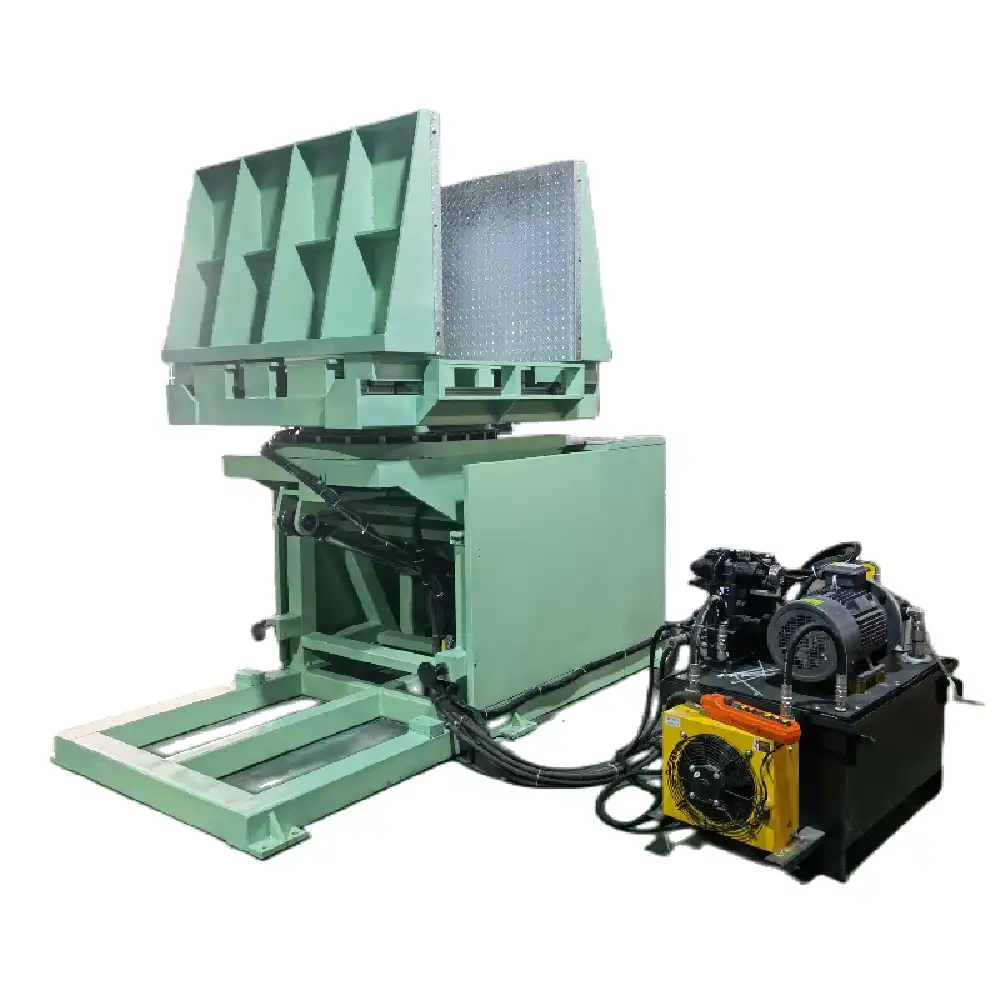
From my experience in building packing machine factories, I have seen firsthand how much trouble non-compliant pallets can cause. Imagine a large shipment of perishable goods, ready to go, only to be stopped because the pallets do not meet the destination country’s phytosanitary rules or size requirements. This is a real problem. For example, many countries require ISPM 15 certified wooden pallets to prevent pest infestations. Other regions, especially in Europe, favor specific sizes like the Euro pallet (1200x800mm), while North America widely uses the GMA pallet (1219x1016mm or 48×40 inches). Food plants also face strict hygiene standards. They often need to transfer products from wooden shipping pallets to plastic or food-grade pallets for internal use or even for specific export markets that demand higher sanitation. A pallet inverter solves this by making the pallet switch fast and safe.
-
🌍 Navigating Diverse International Pallet Standards
International trade brings a mix of different rules for pallets. What works in one country might not work in another. This is a big challenge for logistics managers like Carlos, who handles shipments across Europe and beyond. For instance, European countries mostly use Euro pallets. These are a specific size and weight capacity. But if you ship to the United States, you will most likely need to use GMA pallets. These are a different size. Also, some countries have strict rules about the material of the pallet. They might require heat-treated wood, or even plastic pallets, to stop pests from spreading. If you do not follow these rules, your goods can get stuck at customs. They might even be sent back. This wastes a lot of money and time. It can also cause your customers to lose trust in you. A pallet inverter lets you quickly change the pallet type. This means your product can meet the local rules without any problems. It makes sure your goods arrive smoothly, no matter where they are going. This is a simple but powerful way to meet global demands.
-
🍏 Ensuring Product Hygiene and Integrity
Food safety is non-negotiable. For farmers and food plants, this means every step of the supply chain must meet high hygiene standards. Wooden pallets, while common for shipping, can be difficult to clean. They can absorb moisture and become breeding grounds for bacteria or pests. This is a big risk for food products. Many export markets, especially those with strict food safety regulations, might even demand that food products are transported on clean, sanitizable plastic pallets. A pallet inverter helps here. It allows you to transfer your goods from a less hygienic wooden pallet to a clean, plastic, food-grade pallet without touching the product. This protects the product from contamination. It helps you meet global food safety certifications like HACCP. This ensures that your valuable food products stay safe and clean from your plant to the customer’s hands. It is a key step in preventing recalls and maintaining your brand’s reputation for quality.
-
⚙️ Streamlining Operations for Perishable Goods
Speed is critical when dealing with perishable food items. Any delay in customs or handling can mean spoiled products and huge losses. Manually switching pallets is slow and risky. It takes time, and workers might damage the goods. Imagine a warehouse handling thousands of pallets daily, like Carlos’s facility. Every minute counts. If pallet changes are slow, it creates a bottleneck. This slows down the entire supply chain. A pallet inverter automates this process. It quickly transfers the load from one pallet to another. This significantly reduces the time needed for pallet changes. It keeps your products moving smoothly through the warehouse and onto their final destination. This speed helps you meet tight delivery schedules. It reduces the risk of spoilage for fresh produce, dairy, or meat products. This faster operation means better efficiency and higher customer satisfaction. It is a critical advantage in the fast-paced food export market.
How Do Pallet Inverters Simplify Diverse Pallet Changes for International Shipping?
Are you tired of the logistical headache caused by different pallet sizes and types for every export destination? For businesses dealing with international shipping, the requirement to switch between Euro pallets, US pallets, or even plastic and wooden pallets is a major operational challenge. Manual pallet changing is slow, unsafe, and just not efficient enough for today’s global supply chain. This complexity can quickly become a bottleneck, delaying shipments and impacting your bottom line.
Pallet inverters simplify diverse pallet changes for international shipping by automating the transfer of goods between different pallet types, such as Euro, US, or hygienic plastic pallets, without manual handling. This increases speed, reduces labor, and ensures compliance with various global standards, making cross-border logistics much smoother.
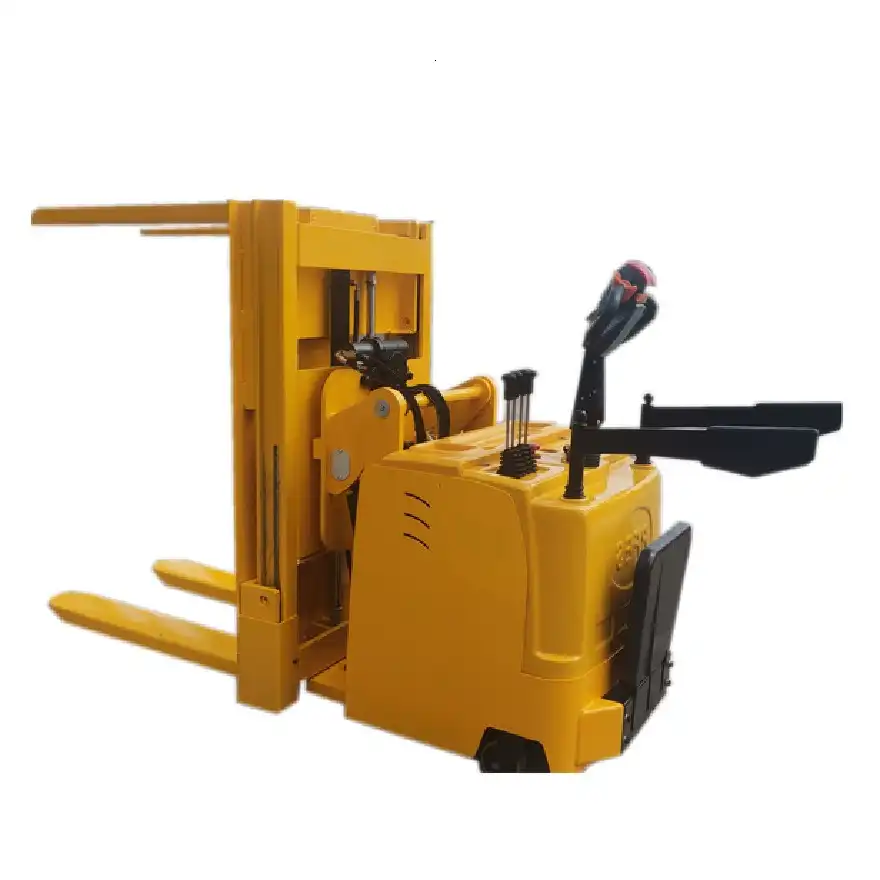
I remember talking with one of my early clients, a large food distributor. They were constantly stressed about sending products from their European distribution center to their US partners. They had to switch pallets for almost every shipment. Their manual process was costly and slow. This caused many headaches. This is where pallet inverters truly shine. They offer a flexible and efficient solution that lets you quickly adapt to specific shipping requirements. No more manual lifting, no more waiting, just smooth transitions. The machine takes the full pallet load, holds it securely, and swaps out the pallet below. This keeps your products safe and speeds up your process.
-
🔄 Seamless Switching Between Pallet Standards
The world uses many different pallet sizes and materials. This creates a big challenge for companies that export goods, especially food. For example, Carlos in Spain has to deal with both Euro pallets for European trade and US-standard pallets for shipments to America. These pallets have different dimensions. A Euro pallet is 1200x800mm. A US pallet is 1219x1016mm. Manually switching goods from one pallet type to another is a very difficult job. It takes a lot of time and effort. It also needs many workers. Pallet inverters make this process simple. The machine holds the load firmly. Then, it removes the original pallet and puts a new, correctly sized pallet underneath. This means you can quickly adapt your shipments. You can meet the specific requirements of the destination country. This smooth change helps avoid delays at customs. It also makes sure your products are ready for delivery as soon as they arrive. This flexibility is key for staying competitive in global trade.
-
♻️ Facilitating the Use of Hygienic or Reusable Pallets
In the food industry, hygiene is very important. Many food plants use special plastic or aluminum pallets inside their facilities. These pallets are easy to clean and sanitize. They help prevent contamination. But for shipping, they often need to use cheaper wooden pallets or different sizes. These might be required by shipping companies or customs rules. A pallet inverter allows you to easily switch your products from your clean internal pallets to external shipping pallets. This means you can keep your internal hygiene standards very high. You can also meet all external shipping requirements without any problems. This ability to change pallets also helps with sustainability. You can use durable, reusable pallets inside your warehouse. Then, you can switch to simpler, disposable pallets for one-way shipping. This reduces waste and saves money in the long run. It is a smart way to manage both hygiene and cost.
-
📈 Boosting Throughput and Operational Efficiency
Time is money, especially in a busy warehouse. Manual pallet changes are a bottleneck. They slow down the entire operation. Workers have to handle each item or carefully slide entire loads. This is slow and prone to errors. It also takes a lot of time away from other important tasks. A pallet inverter works much faster. It can switch pallets in just minutes. This means more pallets can move through your warehouse each hour. This greatly increases your overall throughput. For a distribution center like Carlos’s, which handles thousands of pallets daily, this efficiency gain is massive. Faster pallet changes mean faster loading and unloading times. This leads to quicker turnaround for trucks and containers. Ultimately, this helps you meet customer demands for faster delivery. It reduces the time products spend sitting in the warehouse. This directly improves your operational efficiency and customer satisfaction.
Can Pallet Inverters Truly Enhance Safety and Reduce Labor Costs in Busy Warehouses?
Is your warehouse constantly battling high labor costs and worrying about workplace injuries from manual pallet handling? For many logistics managers, especially in sectors like food processing and international distribution, the challenge of finding enough labor is real. Young workers are less willing to do heavy lifting. At the same time, manual methods of moving and inverting pallets come with significant safety risks, from dropped loads to back injuries. This creates a cycle of high costs and potential accidents.
Pallet inverters significantly enhance safety by eliminating manual lifting and handling, reducing the risk of injuries and product damage. They also reduce labor costs by automating a time-consuming task, allowing fewer workers to manage higher volumes, which is crucial for busy warehouses like those in food processing.

Early in my career, working in a packing machine factory, I saw many instances of workers getting hurt from heavy lifting or improper handling. I also saw how much time was wasted on these tasks. This firsthand experience showed me the immense value of automation. It is not just about replacing people; it is about protecting them and making their jobs easier and safer. Pallet inverters automate one of the most physically demanding and risky tasks in a warehouse. This technology directly addresses the challenges faced by managers like Carlos, who are constantly looking for ways to improve safety and cut down on labor expenses.
-
🛡️ Eliminating Manual Handling and Reducing Injury Risk
Manually changing or inverting pallets is dangerous work. Workers often have to lift heavy products. They might need to tilt or flip entire stacks of goods. This can lead to serious injuries. Back strains, crushed fingers, and even more severe accidents are common. Carlos, for example, has already seen several accidents in his warehouse. These incidents not only hurt workers but also cost the company a lot of money in medical bills and lost work time. A pallet inverter completely removes the need for workers to do this dangerous heavy lifting. The machine does all the work. It secures the load and performs the transfer or inversion safely. This means fewer accidents and a much safer workplace. This focus on safety protects your valuable employees. It also lowers your insurance premiums and avoids costly legal issues.
-
💰 Lowering Operational Costs Through Automation
Labor costs are a major expense for any warehouse. Finding enough skilled workers to handle heavy and repetitive tasks is also getting harder. Pallet inverters help reduce these costs in several ways. First, they automate a task that used to need multiple workers. One person can operate the machine, freeing up other staff for different, higher-value jobs. This means you can achieve more with fewer people. Second, by reducing injuries, you save money on sick leave, worker’s compensation, and retraining new staff. Third, the speed of the machine means higher throughput. This makes your overall operation more efficient. These savings add up quickly. They lead to a significant reduction in overall operational costs for your warehouse. This helps food plants stay competitive in a challenging market.
-
🚀 Improving Efficiency and Productivity
In a busy warehouse, every minute counts. Manual pallet changes are slow. They create bottlenecks in the workflow. This slows down the entire packing and shipping process. A pallet inverter can perform a pallet change in just a few minutes. This is much faster than any manual method. This speed greatly increases your warehouse’s productivity. It means you can process more shipments in less time. This helps you meet tight deadlines, especially for perishable food items. Improved efficiency also means better use of your facility’s space and resources. It allows you to move products faster from the production line to the shipping dock. This boosts your overall operational flow. It helps you keep customers happy with timely deliveries. This high level of productivity is essential for growing your business.
What Should Farmers and Food Processors Look For in a Reliable Pallet Inverter Partner?
Are you looking for a pallet inverter but worried about choosing the wrong supplier? For farmers and food processors, investing in new equipment is a big decision. You need more than just a machine. You need a partner who understands your specific challenges, especially with export regulations and food hygiene. Many companies only sell machines. They do not offer the support you need after the purchase. This can leave you stranded when problems arise.
Farmers and food processors should look for a reliable pallet inverter partner who offers proven machine reliability, deep industry understanding, customizable solutions for diverse pallet needs and hygiene standards, comprehensive after-sales support, and a commitment to long-term collaboration. This ensures effective problem-solving and operational continuity.
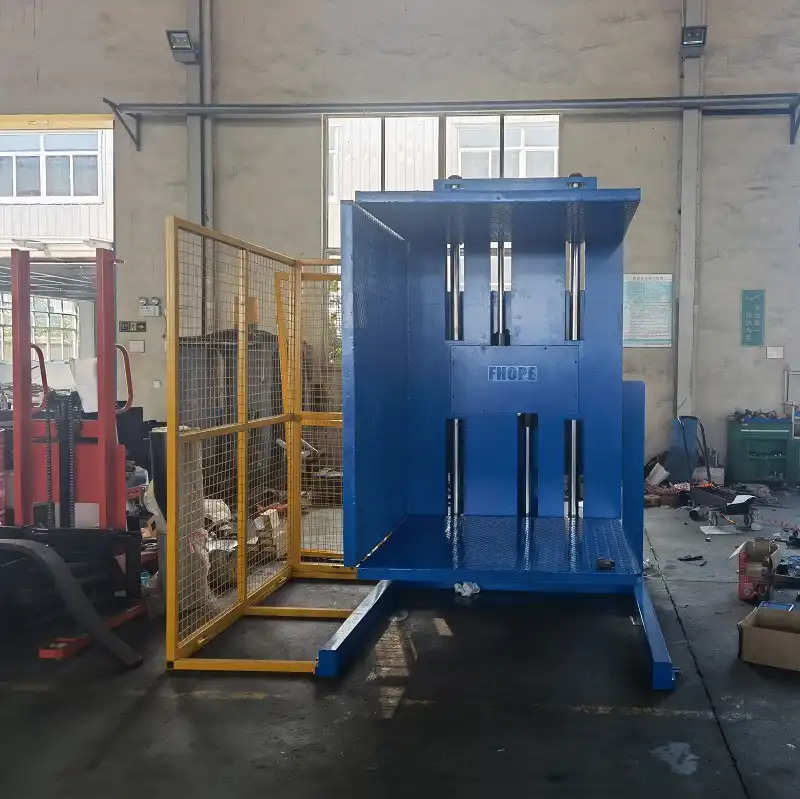
From my years of running a packing machine factory and helping clients grow, I learned that trust and partnership are key. It is not enough to just sell a machine. You need to understand the customer’s pain points. You need to offer solutions that truly work for their unique situation. For someone like Carlos, who needs a flexible system for Euro and US pallets and values safety, finding the right partner is crucial. A good partner will listen to your needs, offer machines built for demanding environments, and stand by their products long after the sale. They will know about food industry standards and export rules.
-
💪 Proven Reliability and Durability
In a busy food processing plant or a large warehouse, equipment downtime is very costly. Every minute a machine is not working means lost productivity and potential delays in shipping perishable goods. That is why choosing a pallet inverter with a proven track record of reliability is so important. Look for machines built with high-quality materials and strong engineering. These machines can withstand the demands of continuous operation. They need to handle heavy loads day in and day out. Ask about the manufacturer’s warranty and the expected lifespan of their machines. A reliable pallet inverter should offer consistent performance with minimal breakdowns. This ensures your operations run smoothly without unexpected interruptions. My experience has shown me that investing in quality upfront always pays off in the long run.
-
💡 Industry Expertise and Customization
The food and agriculture sectors have unique challenges. These include strict hygiene rules, various product types, and diverse pallet needs for export. A good pallet inverter partner will understand these specific requirements. They should not just offer a standard machine. They should be able to provide customizable solutions. This might mean pallet inverters designed for washdown environments. It could mean systems that handle specific pallet sizes like Euro or US pallets. Or, it might be machines that integrate smoothly into existing production lines. Look for a partner who can show deep knowledge of the food industry. They should ask about your specific export destinations and hygiene needs. This ensures the solution you get is perfectly suited to your operation. It helps you meet all regulations without compromise.
-
🤝 Comprehensive After-Sales Support
Even the best machines sometimes need maintenance or spare parts. What happens if your pallet inverter breaks down in the middle of a critical export shipment? This is where excellent after-sales support becomes vital. A reliable partner will offer more than just a warranty. They will provide quick technical assistance, readily available spare parts, and even training for your staff. This support ensures that any issues are resolved quickly. It minimizes downtime. Carlos specifically wants a partner, not just a seller. This means a company that stands by its products. It means a company that helps you long after the initial purchase. Look for clear service agreements and a reputation for responsive customer care. This commitment to ongoing support helps maintain your operational continuity and peace of mind.
Conclusion
Pallet inverters are essential for farmers and food plants meeting export regulations. They solve complex problems like diverse pallet standards, hygiene, labor shortages, and safety risks. By automating pallet changes, these machines boost efficiency, reduce costs, and ensure compliance. This makes them a vital investment for smooth global food trade, allowing businesses to thrive with reliable pallet inverter solutions.








