
Why Should Retail Leaders Invest in Pallet Inverters Instead of Adding More Labor?
Imagine your warehouse. Pallets stack high, goods move constantly, and deadlines loom. You might feel the pressure to keep everything flowing. When bottlenecks appear, especially around pallet changes, the first thought might be to hire more people. But is this really the best way forward for your business?
Relying on more manual labor for critical tasks like pallet changing actually introduces more costs, inefficiencies, and safety risks into your operations, making a strong case for strategic automation through pallet inverters as a superior, long-term solution for modern retail distribution.

I have spent years in the packing machine industry. I have seen how a smart investment can change everything. Instead of just adding more hands, let’s explore why investing in smart technology, specifically pallet inverters, offers a much better return for retail leaders like you.
Is relying on manual labor for pallet changes still a viable option for modern retail?
You face daily challenges in your warehouse. Goods need to move fast. International shipping means you handle many different pallet sizes. Euro pallets, US pallets, plastic pallets – they all need switching. Doing this by hand feels like the only option at times. But does it truly serve your business in today’s fast-paced world?
No, relying heavily on manual labor for frequent and complex pallet changes in modern retail is no longer viable due to escalating labor costs, severe safety risks, inherent inefficiencies, and the inability to meet the speed and precision demanded by today’s supply chains.

I started my journey on the factory floor, working with machines every day. I saw how much effort goes into moving goods. In the past, hiring more workers seemed like a simple fix. But times have changed. Today, the cost of labor keeps going up. It is hard to find people who want to do heavy lifting all day. This makes manual pallet changes a real problem. Think about a warehouse like a large distribution center in Europe, handling thousands of pallets daily for a multinational food and beverage group. My friend Carlos, a logistics manager, faces this exact situation. He knows that every minute lost in changing pallets can cost money. He has told me how manual switching is slow. It takes many people. It also creates a big risk. Workers can get hurt. Goods can fall and break. These are real costs. They go beyond just salaries. They include insurance claims, medical bills, and lost productivity. When you add more people, you add more chances for these problems. You also introduce more variables, which means less consistency. It is tough to keep quality high when many hands are involved. Retail needs speed and accuracy now more than ever. Customers expect fast delivery. This means your warehouse must work like a well-oiled machine. Manual methods simply cannot keep up with this demand.
Diving Deeper: The Hidden Costs and Risks of Manual Pallet Handling
Let’s break down why manual pallet handling is a drain on resources and a threat to your operations.
-
💰 Escalating Operating Costs:
- Direct Labor Expense: Wages, benefits, and overtime for workers manually transferring goods between pallets continue to rise, especially in regions with high labor costs like Europe.
- Training & Turnover: High turnover rates for physically demanding roles mean constant investment in training new staff, which is expensive and time-consuming.
- Reduced Throughput: Manual processes are inherently slower. Each pallet change takes longer, which slows down the entire distribution process. This impacts order fulfillment and delivery times.
- Increased Error Rate: Human error is unavoidable. Mistakes in pallet stacking, product damage during transfer, or incorrect pallet types lead to re-work, delays, and financial penalties.
-
🩹 Significant Safety and Health Risks:
- Workplace Accidents: Flipping or manually shifting heavy pallets puts workers at risk of sprains, strains, crushed limbs, or worse. Carlos has shared stories of accidents in his own warehouse.
- Product Damage: Goods can tip or fall during manual transfers, leading to damaged inventory. This means financial losses and potential customer dissatisfaction.
- Compliance Issues: In some cases, manual handling methods might not meet strict health and safety regulations, leading to fines or operational shutdowns.
-
📉 Operational Inefficiencies and Lack of Scalability:
- Inconsistent Performance: Human performance varies. Fatigue, distractions, or different skill levels lead to inconsistent pallet change times and quality.
- Limited Capacity: The number of pallets you can process is capped by how many workers you have and how fast they can work. This limits your ability to scale up during peak seasons or for business growth.
- Space Utilization: Manual operations often require more open space for maneuvers and safety clearances, which can reduce your overall storage capacity.
-
⏱️ Inability to Meet Modern Retail Demands:
- Shorter Delivery Cycles: E-commerce and modern retail demand faster order processing and delivery. Manual pallet changes become a major bottleneck.
- Customer Expectations: Delays caused by slow pallet transfers lead to customer complaints, missed service level agreements, and potentially lost business.
- Competitive Disadvantage: Competitors using automated solutions can offer faster, more reliable service at a lower cost, putting manually-operated warehouses at a disadvantage.
How can pallet inverters transform warehouse safety and compliance for retail operations?
Safety in the warehouse is not just a buzzword; it is critical. Every accident costs money and hurts morale. Compliance with different pallet standards is also a big headache. For a retail operation shipping across Europe and beyond, these issues are daily realities. Can one machine really make a big difference in these areas?
Pallet inverters fundamentally transform warehouse safety by eliminating hazardous manual handling, drastically reducing worker injury risks and product damage, while simultaneously ensuring seamless compliance with diverse international pallet regulations, like Euro and US standards, through consistent, automated processes.
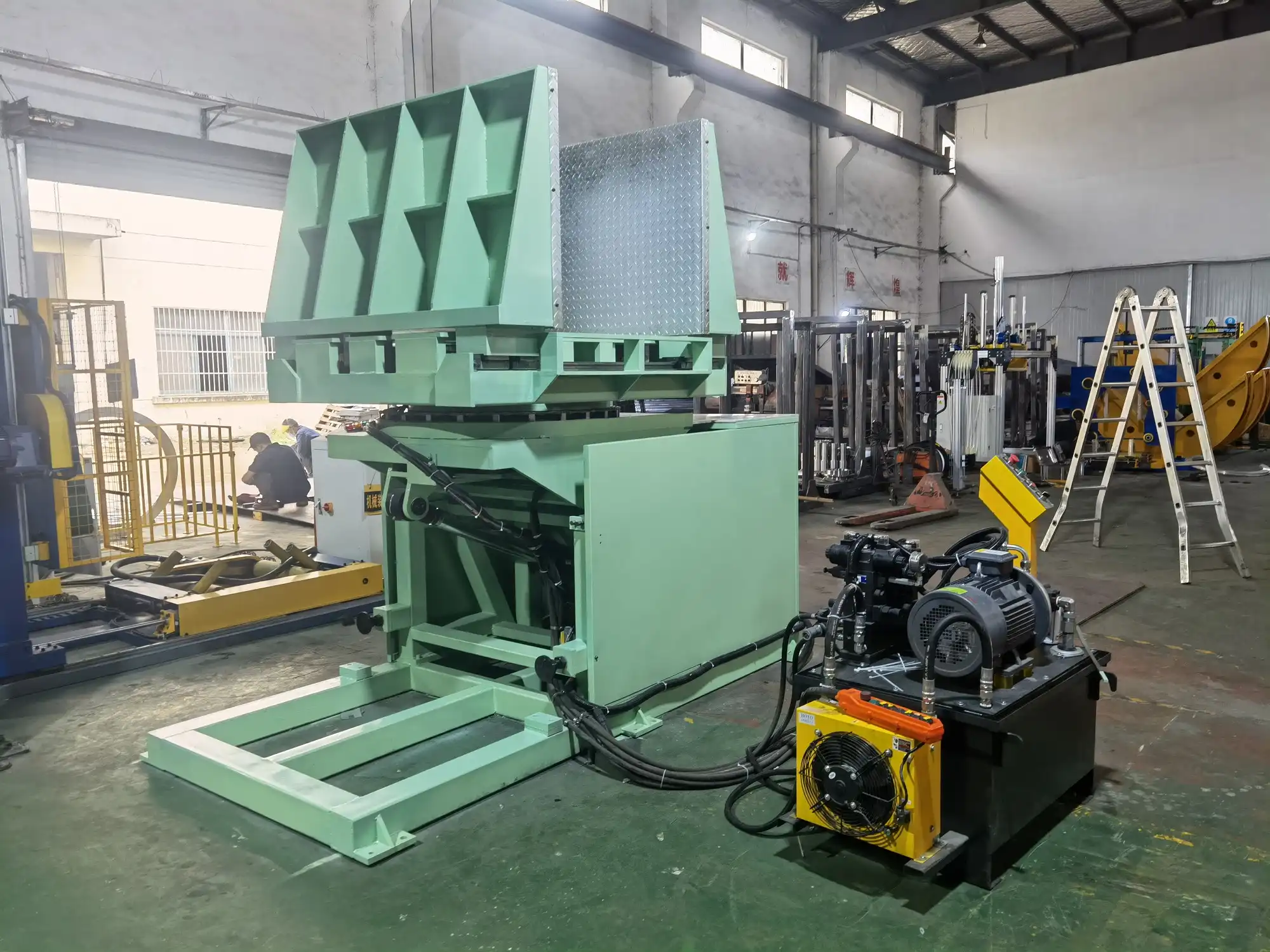
I have personally seen how much safer factories become with the right machines. When I started FHOPEPACK, my goal was to provide solutions that truly help businesses. Pallet inverters are a prime example. They remove the need for workers to manually flip or transfer heavy goods. This alone prevents many injuries. Think about the strain of lifting a heavy load, or the danger of a tall stack of products tipping over. These are real risks in any warehouse. With a pallet inverter, the machine does all the heavy work. It rotates the load, or transfers it to a new pallet. This protects your staff from harm. It also protects your valuable goods from damage. My friend Carlos, managing his distribution center, worries about these very things. He has seen accidents happen. He knows the cost. Beyond safety, compliance is key. Different countries need different pallet sizes. Switching from a US pallet to a Euro pallet, or even to a hygienic plastic pallet, needs to be precise. A pallet inverter handles these changes perfectly every time. This means fewer errors and no delays at customs or delivery points because of wrong pallet types. It makes sure you meet all regional standards without extra manual effort or guesswork. This keeps your customers happy and avoids expensive fines.
Diving Deeper: Pallet Inverters as Guardians of Safety and Compliance
Pallet inverters are not just about moving things; they are about moving them safely and correctly.
-
🛡️ Eliminating Manual Handling Risks:
- Reduced Physical Strain: Pallet inverters eliminate the need for workers to lift, twist, or manually manipulate heavy loads. This drastically lowers the risk of back injuries, strains, and other musculoskeletal disorders.
- Prevention of Crushing Injuries: Automatic operations keep workers away from heavy, moving machinery during the pallet change process, preventing crushing injuries that can occur with manual methods.
- Stable Load Transfer: The machine securely clamps the load during rotation or transfer. This prevents goods from shifting, falling, or tipping over, which protects both the product and any nearby personnel.
- Cleaner Work Environment: Reducing manual handling can also mean less product spillage or damage, leading to a cleaner and safer floor, free from tripping hazards.
-
✅ Ensuring Regulatory Compliance and Standards:
- Seamless Pallet Type Switching: Retailers often need to switch between Euro pallets (EPAL), US standard pallets (GMA), plastic pallets, or slip sheets to meet different logistical or hygienic requirements. Pallet inverters perform these changes quickly and accurately.
- International Shipping Compliance: For global operations, certain countries mandate specific pallet types for import. An inverter ensures goods are presented on the correct pallet, avoiding costly delays, rejections, or fines at borders.
- Hygienic Pallet Swaps: In food and beverage industries, like the one Carlos works in, moving products from wooden intake pallets to hygienic plastic pallets for internal storage or clean room environments is crucial. Pallet inverters make this process sanitary and efficient.
- Consistent Pallet Quality: Automated systems ensure that loads are always on the correct, intact pallet type, reducing instances of damaged or non-compliant pallets entering the supply chain.
-
📊 Improving Overall Workplace Safety Culture:
- Fewer Accidents, Lower Costs: A reduction in workplace accidents leads to lower insurance premiums, fewer worker compensation claims, and less lost productivity due to injuries.
- Increased Employee Morale: Workers feel safer and more valued when dangerous tasks are automated. This can lead to higher job satisfaction and lower staff turnover.
- Proactive Risk Management: Investing in automation shows a commitment to safety, aligning with modern risk management strategies and corporate responsibility goals.
- Better Auditing and Traceability: Automated systems can integrate with warehouse management systems to log pallet changes, providing better data for audits and ensuring process adherence.
Can automation truly cut costs and boost efficiency in high-volume retail distribution?
Every retail leader looks at the bottom line. You want to save money and make your operations faster. When thousands of pallets move through your center daily, every small gain adds up. You might wonder if a big investment like a pallet inverter can truly deliver these cost savings and efficiency boosts.
Yes, automation through pallet inverters significantly cuts costs and boosts efficiency in high-volume retail distribution by reducing labor dependency, minimizing product damage, optimizing space, and ensuring rapid, consistent pallet exchanges, ultimately improving throughput and operational profitability.
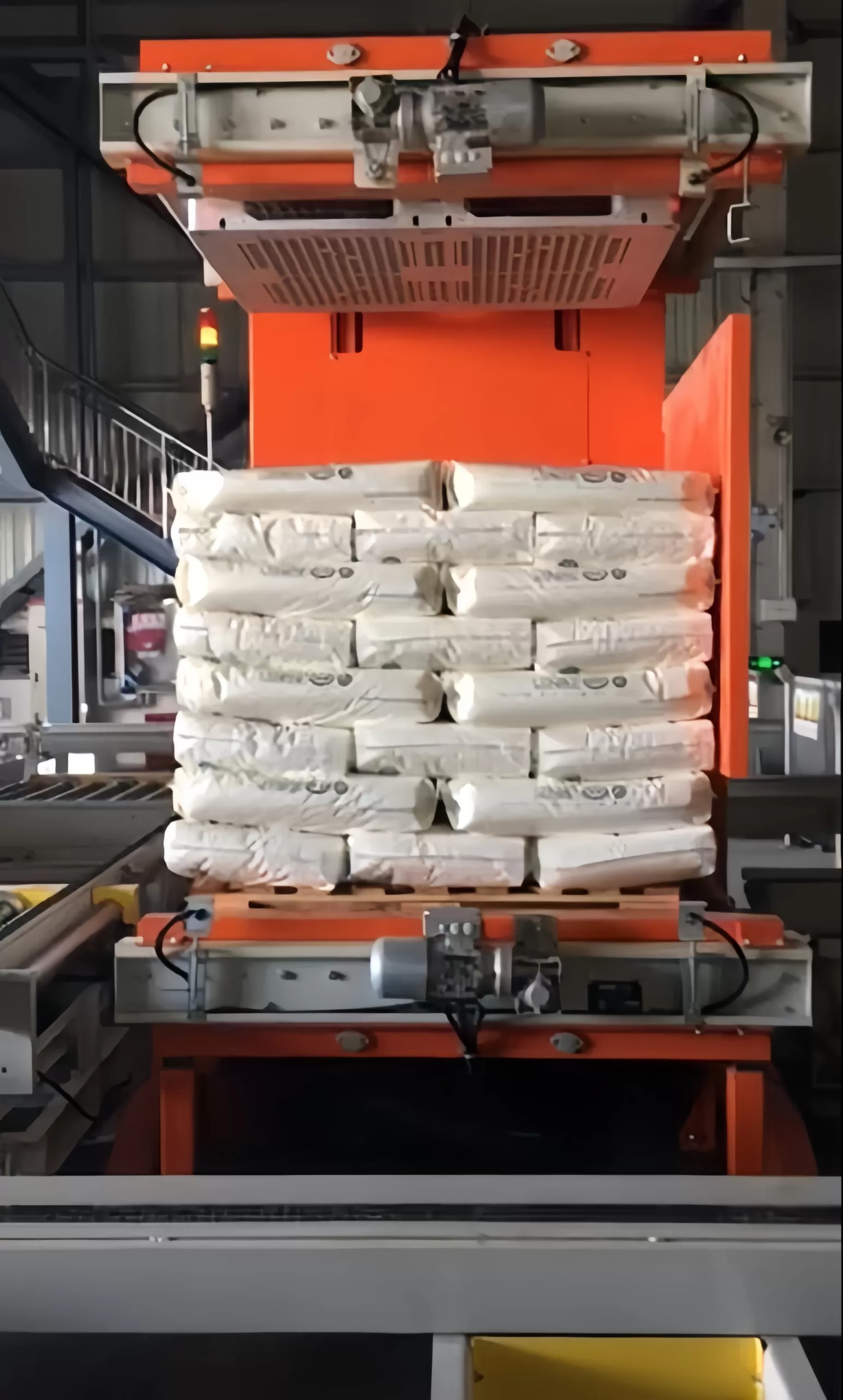
As a packing machine engineer, I have always focused on solutions that bring real value. When I built my own factory, I understood the power of well-designed machines. Pallet inverters are a prime example of this power. They do not just replace manual labor; they optimize the entire process. Think about labor costs. They are a big part of any budget. By automating pallet changes, you need fewer people for this specific task. This means you can assign your valuable staff to other, more strategic jobs. My friend Carlos in Spain, dealing with rising labor costs, told me how hard it is to find workers for these tough jobs. A pallet inverter solves this. It works tirelessly, day in and day out, without breaks. It does not get tired. It does not make mistakes. This consistency means faster processing times for every pallet. For a distribution center handling high volumes, this translates into a huge boost in overall throughput. Less time spent on pallet changes means more time for shipping. This directly impacts your ability to meet customer demands, especially during busy seasons. Also, consider product damage. Manual handling causes many broken goods. An inverter handles products gently and securely, reducing damage to almost zero. This saves money on replacements and prevents unhappy customers. The machine also works in a smaller footprint than a team of people, freeing up valuable floor space.
Diving Deeper: The Economic and Operational Impact of Pallet Inverter Automation
The financial and operational benefits of integrating pallet inverters are clear and substantial.
-
📉 Significant Reduction in Operating Costs:
- Lower Labor Expenses: By automating the pallet change process, the need for multiple manual laborers is greatly reduced, leading to direct savings on wages, benefits, and associated overheads.
- Minimized Product Damage: Automated and controlled handling means fewer dropped or damaged goods. This reduces waste, replacement costs, and the associated administrative burden of managing damaged inventory.
- Reduced Insurance Claims: Fewer accidents mean lower workers’ compensation claims and potentially lower insurance premiums over time, contributing to overall cost savings.
- Optimized Energy Use (Indirect): While the machine uses power, the efficiency gains, reduced re-work, and faster overall process often lead to a net positive impact on operational energy consumption per pallet.
-
⚡ Dramatic Boost in Operational Efficiency and Throughput:
- Faster Pallet Changes: Pallet inverters can complete a pallet transfer in minutes, far quicker and more consistently than manual methods. This speeds up your entire warehousing process.
- Increased Throughput Capacity: With faster cycles, your facility can process a higher volume of goods in the same amount of time. This is vital for meeting peak demand and scaling operations.
- Consistent Performance: Machines perform tasks with exact precision every time, ensuring uniform palletizing and predictable operational flow, which is crucial for supply chain planning.
- Integration Capabilities: Modern pallet inverters can integrate with existing conveyor systems and Warehouse Management Systems (WMS), creating a seamless, automated workflow from inbound to outbound logistics.
-
📈 Improved Resource Utilization and Scalability:
- Better Labor Allocation: Employees previously assigned to manual pallet changes can be redeployed to higher-value tasks, improving overall workforce productivity and morale.
- Optimized Floor Space: Automated systems can often operate within a smaller, more defined footprint compared to the expansive areas required for manual pallet handling, freeing up valuable warehouse space for storage or other operations.
- Scalability for Growth: As your business grows, an automated pallet inverter can handle increased volumes without requiring a proportional increase in labor. This makes scaling much smoother and more cost-effective.
- Long-Term Reliability: Industrial-grade pallet inverters are built for continuous operation, offering high reliability and a long service life, ensuring sustained efficiency for years.
Beyond immediate gains, what long-term strategic advantages do pallet inverters offer retail leaders?
You are not just looking for quick fixes. As a retail leader, you think about the future. You need solutions that will serve your business for years to come. Will investing in a pallet inverter only help you today, or does it offer deeper, strategic benefits that truly future-proof your operations?
Beyond immediate operational improvements, pallet inverters offer retail leaders long-term strategic advantages by building a more resilient, adaptable, and technologically advanced supply chain, fostering customer loyalty, and positioning the business for sustainable growth in an evolving market.
I have helped many clients grow their businesses by adopting smart technology. My own journey, from an employee to owning FHOPEPACK, taught me about strategic planning. Pallet inverters are not just machines; they are a strategic investment. First, they make your supply chain more resilient. When labor markets are tight, or when unexpected events disrupt operations, your automated systems continue to work. This means your goods keep moving. You maintain a reliable flow to your customers. This resilience is vital in today’s unpredictable world. Second, they make your operations more adaptable. With the ability to quickly switch between various pallet types, your business can easily enter new markets or handle new product lines with different packaging needs. This flexibility is a huge advantage. My friend Carlos needs this flexibility for his multinational operations. Third, and perhaps most important, it positions your company as a modern, forward-thinking leader. Investing in automation shows a commitment to efficiency, safety, and innovation. This can attract better talent, and it definitely impresses customers and partners. It builds a reputation for reliability. This strengthens your brand and fosters long-term customer loyalty. It is about creating a robust system that can grow with your business and tackle future challenges head-on.
Diving Deeper: Future-Proofing Retail with Strategic Automation
Pallet inverters contribute to a long-term vision for any successful retail operation.
-
🌐 Building a More Resilient and Adaptable Supply Chain:
- Labor Market Independence: Reduces reliance on a fluctuating labor pool for critical, physically demanding tasks, making operations less vulnerable to labor shortages or rising wages.
- Operational Continuity: Automated systems offer more consistent uptime and less susceptibility to human factors, ensuring operations continue smoothly even during disruptions.
- Market Expansion: The ability to handle diverse pallet standards (Euro, US, etc.) seamlessly allows retail businesses to expand into new geographical markets or introduce new product lines with different logistical requirements more easily.
- Future-Proofing Infrastructure: Investing in modern automation prepares your warehouse for future technological advancements and industry shifts, keeping your operations competitive.
-
🤝 Enhancing Partner Relationships and Customer Loyalty:
- Improved Service Levels: Faster, more accurate pallet changes lead to quicker order fulfillment and more reliable delivery times, significantly improving customer satisfaction and loyalty.
- Reduced Chargebacks/Fines: Compliance with specific pallet requirements for various retailers or regions means fewer chargebacks, fines, or rejected shipments, strengthening business partnerships.
- Brand Reputation: A modern, efficient, and safe warehouse operation reflects positively on your brand, positioning you as a reliable and innovative partner in the supply chain.
- Supplier Integration: Seamless pallet handling can facilitate better integration with suppliers who may use different pallet types, streamlining the entire inbound logistics process.
-
🌱 Positioning for Sustainable Growth and Innovation:
- Data-Driven Optimization: Automated systems can provide valuable data on pallet movement, cycle times, and throughput. This data can be analyzed to identify further areas for operational improvement and cost savings.
- Attracting Talent: A technologically advanced workplace can attract and retain skilled employees who prefer working with modern equipment over repetitive manual labor.
- Environmental Responsibility: Optimizing pallet usage and reducing product damage contributes to a more sustainable supply chain by minimizing waste. Some pallet inverters also facilitate recycling processes.
- Competitive Edge: Early adoption of smart automation solutions like pallet inverters gives your business a significant competitive advantage in terms of cost, speed, and reliability. This allows you to outpace competitors who still rely on outdated manual methods.
Conclusion
Adding more labor to solve pallet changing challenges is a short-term fix with long-term problems. Investing in a pallet inverter is a strategic move. It boosts safety, cuts costs, and makes your retail operations efficient, adaptable, and ready for future growth.








