
How a Pallet Inverter Dramatically Improves Safety When Flipping Pallets of Tiles and Ceramics?
Working in a busy warehouse, especially with heavy, fragile materials like tiles and ceramics, you know the daily struggle. The constant need to move, sort, and often flip pallets creates a high-risk environment. Accidents can happen in a flash, leading to worker injuries, damaged goods, and costly delays. It is a problem that keeps many managers awake at night.
A pallet inverter makes flipping pallets of tiles and ceramics far safer by automating the entire process. It securely clamps the load and rotates it mechanically, completely removing the need for workers to manually handle heavy, unstable, or fragile goods, which significantly prevents accidents and injuries.
I know the pressures you face. My journey in the packing machine industry, from an employee to a factory owner, taught me that efficient, safe operations are the bedrock of success. Now, I want to share insights that can help you transform your warehouse. Let us explore exactly how a pallet inverter becomes your most reliable partner in keeping your team and your products safe.
Why is manually flipping heavy, fragile pallets like tiles so dangerous in a busy warehouse?
Imagine a typical day in your warehouse. Workers are constantly moving heavy pallets of tiles, preparing them for different shipping requirements or internal transfers. It is a physically demanding task, and when flipping these massive loads by hand, the risks multiply. This is not just about minor bumps; it is about serious potential for injury and significant product loss.
Manually flipping heavy, fragile pallets like tiles is dangerous because of the immense weight, the instability of the load, and the significant physical strain it puts on workers, leading to risks of crushed limbs, falls, back injuries, and substantial product breakage.
When I was first starting out, I saw firsthand how much effort went into moving heavy materials. I also saw how easily things could go wrong. Tiles and ceramics are particularly challenging. They are dense and brittle, making them a double hazard. Any sudden movement or mishandling can cause a catastrophic failure. Workers try their best, but human strength has limits, and human error is always a factor, especially when tired or rushed. This creates a stressful environment where safety is always on the edge. Warehouse environments are dynamic, with forklifts, people, and goods constantly moving. Adding manual pallet flipping to this mix increases the chance of accidents. Think about the direct impact: a worker could lose balance, a pallet could tip, or goods could slide off and shatter. Each of these scenarios carries a high cost, not just in financial terms but in human suffering and operational delays. My experience has always taught me that proactive safety measures pay for themselves many times over.
-
Extreme Weight and Inherent Instability of Loads: Tiles and ceramics are very heavy. A single pallet can weigh hundreds or even thousands of kilograms. Attempting to manually tilt or flip such a massive load creates extreme instability. The center of gravity shifts quickly, making it difficult for workers to control. If the load is not perfectly balanced, or if a tile shifts, the entire pallet can become unwieldy. This puts immense pressure on workers, increasing the risk of the pallet falling or crushing someone. Imagine trying to balance a refrigerator while turning it. This is the kind of force workers face daily. It is a setup for disaster.
-
Significant Ergonomic Strain and Risk of Musculoskeletal Injuries: Manually manipulating heavy pallets involves twisting, bending, lifting, and pushing motions. These actions, when performed repeatedly or with excessive force, put severe strain on a worker’s back, shoulders, arms, and legs. Over time, this leads to chronic conditions such as herniated discs, muscle strains, sprains, and repetitive strain injuries. These injuries cause pain for employees and result in lost workdays, increased medical costs, and higher insurance premiums for the company. Younger workers are also less willing to do such physically demanding jobs, which makes labor shortages even worse.
-
High Risk of Falling Goods and Product Damage: Tiles and ceramics are brittle. If a pallet tips or is dropped during a manual flip, the entire load can scatter, causing extensive product damage. This results in direct financial loss from unsellable goods. More critically, falling tiles pose a severe danger to workers nearby. Shards can fly, or heavy boxes can crush feet or limbs. This risk is always present when manual methods are used. It happens even with careful workers because the sheer physics of manipulating such a heavy, rigid, and fragile load by hand is against them.
-
Increased Accident Potential in Fast-Paced Warehouse Environments: Warehouses operate under tight schedules and high demands, especially with modern customer expectations for quick delivery. The pressure to work fast often leads to shortcuts or less attention to safety protocols. When workers are tired or rushed, the likelihood of an accident during a manual pallet flip increases. A moment of distraction, a slight misjudgment, or an unexpected obstacle can lead to serious consequences. Forklifts and other equipment also move around, adding to the complexity and danger of the workspace.
How does a pallet inverter directly remove the risks involved in handling ceramic and tile pallets?
After understanding the many dangers of manual pallet flipping, the question becomes: how do we effectively eliminate these risks? The answer lies in smart automation. A pallet inverter is purpose-built to take over the hazardous tasks, providing a controlled and secure method for handling even the heaviest and most fragile loads like ceramic tiles.
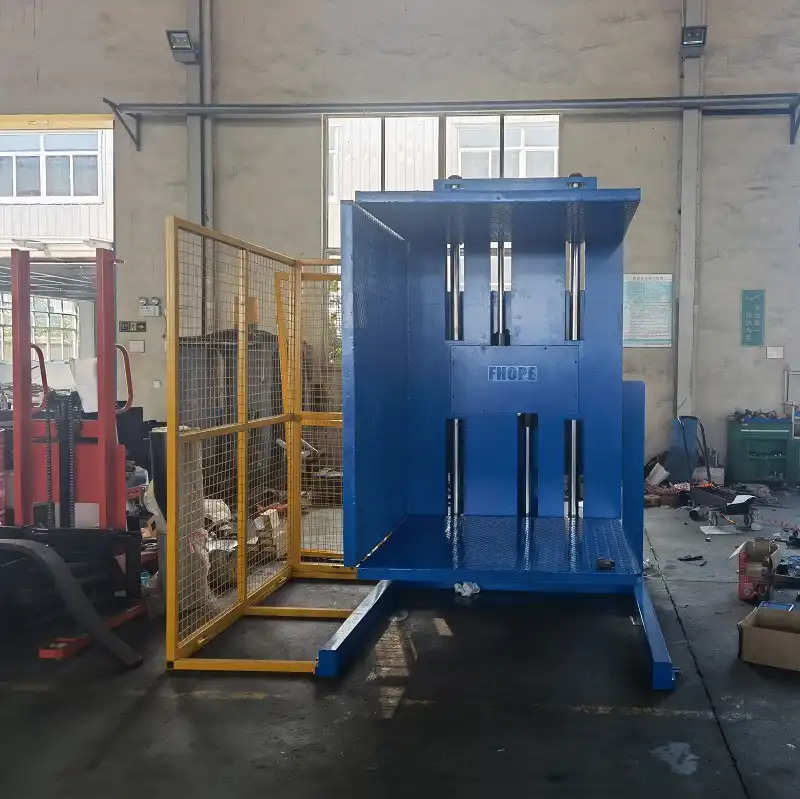
A pallet inverter directly removes the risks when handling ceramic and tile pallets by fully automating the flipping process. It uses powerful clamps to securely grip the load and then mechanically rotates it. This eliminates any need for workers to manually lift, push, or turn the heavy, unstable pallets, preventing injuries and product damage.
When I started my own packing machine factory, my goal was always to create solutions that not only improved efficiency but also, most importantly, enhanced safety. I knew that a machine doing the heavy, risky work meant safer hands and healthier bodies for the people on the factory floor. A pallet inverter is a prime example of this philosophy in action. It transforms a dangerous, physically demanding task into a simple, controlled, and safe operation. The machine performs the exact movements needed, with precision and strength that no human could match. This means less risk of dropped goods, less strain on workers, and a much smoother overall operation. It is about bringing peace of mind to warehouse managers like you, knowing your team is safe and your products are protected. It is a shift from brute force to intelligent engineering.
-
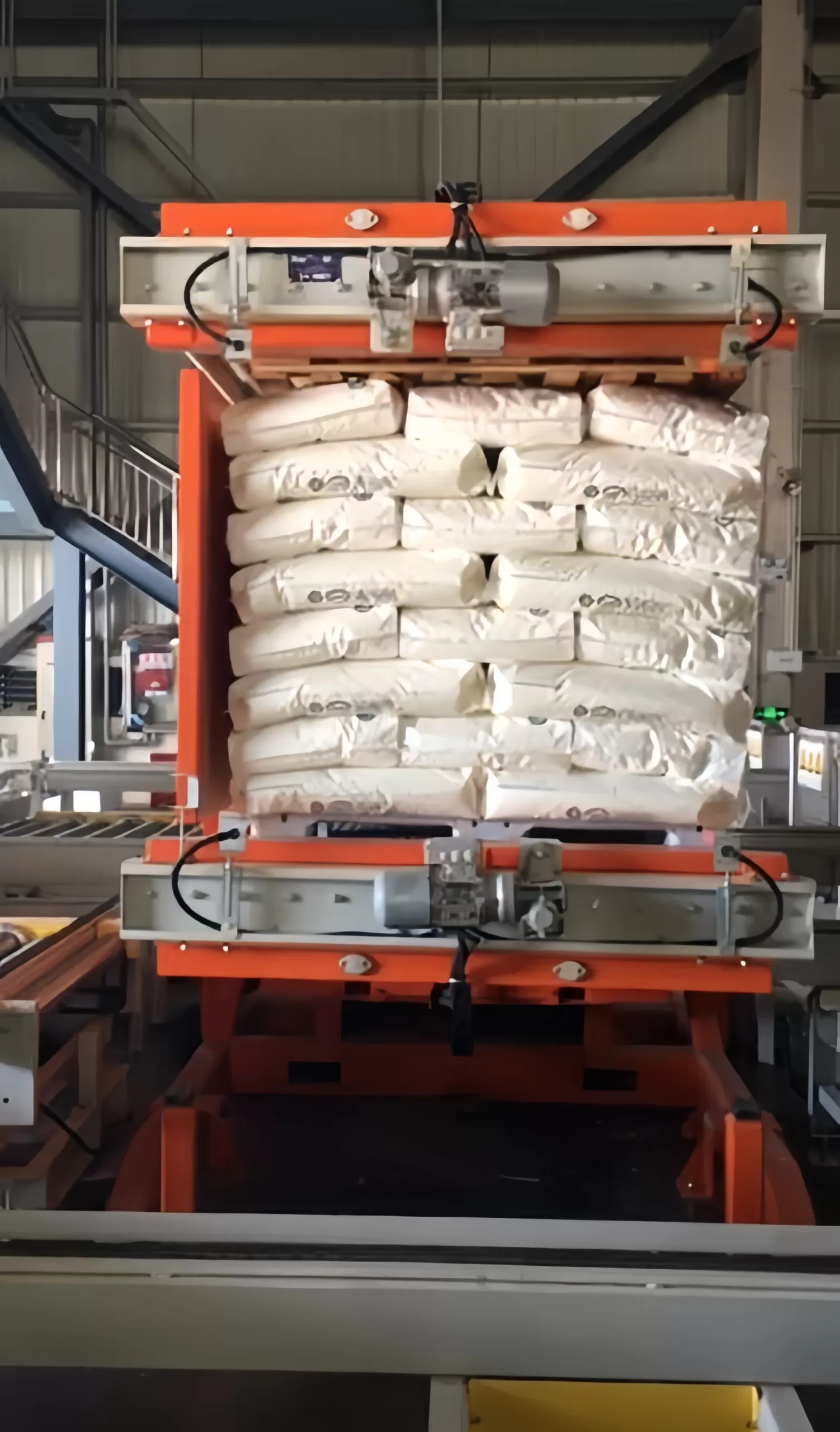
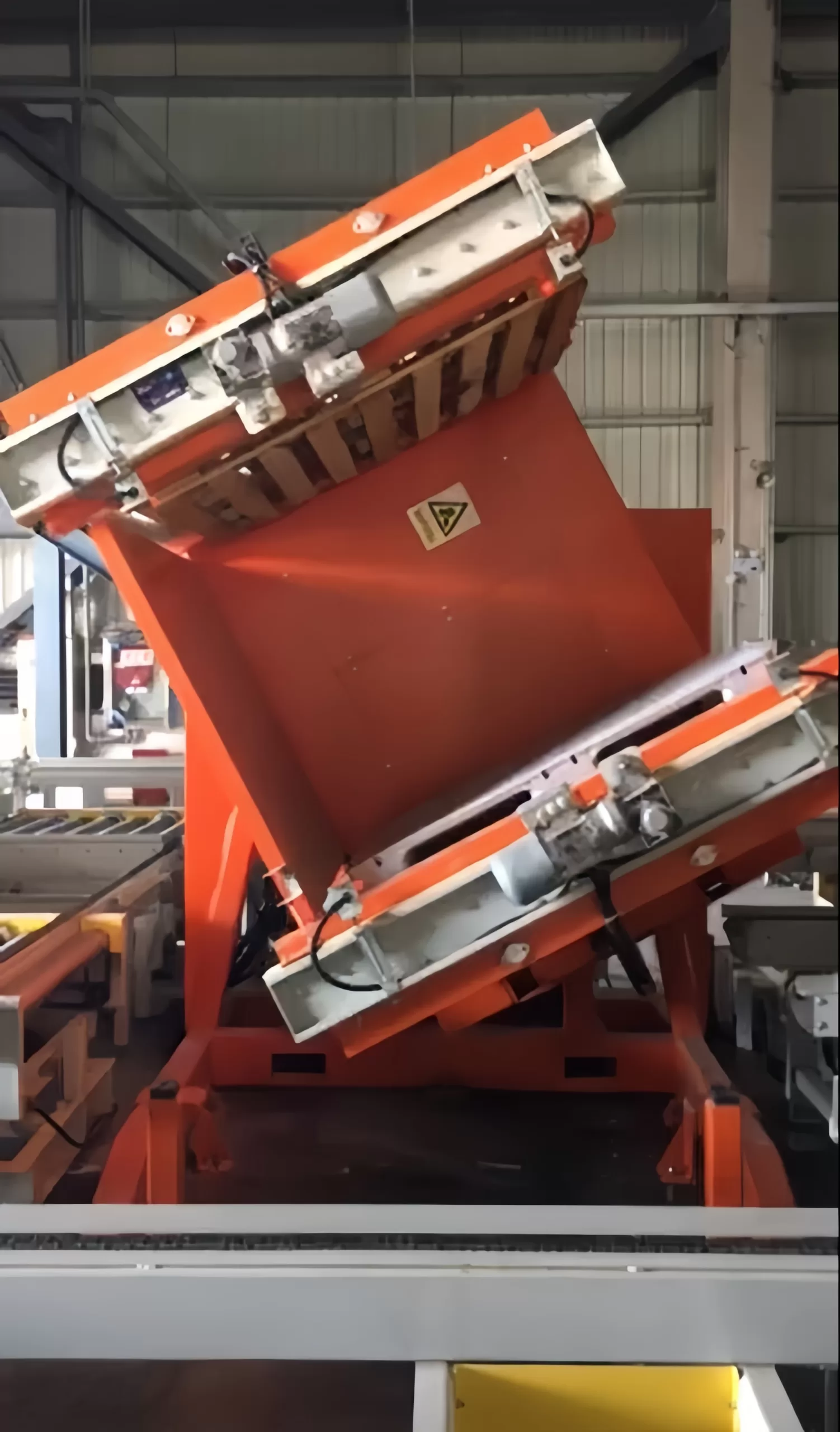
🔒 Secure Clamping and Controlled Rotation of the Load: The fundamental safety feature of a pallet inverter is its ability to securely grip the entire palletized load. Powerful hydraulic or electric clamps hold the tiles firmly in place, preventing any shifting or tipping during the rotation. Once clamped, the machine rotates the load smoothly and predictably, usually 90 or 180 degrees, depending on the model and the task. This controlled movement eliminates the sudden jerks, drops, and uncontrolled shifts that are common in manual handling. The load stays intact, and the risk of tiles falling or breaking is almost zero. This precision means the safety of both the product and the operator is guaranteed.
-
👷 Zero Manual Handling of the Heavy Load by Workers: A pallet inverter completely removes workers from direct contact with the heavy, unstable load during the flipping process. Instead of physically pushing, pulling, or balancing the pallet, an operator simply controls the machine from a safe distance, often with a remote control or a control panel. This eliminates the risk of crushing injuries, strains, and falls that come from manual manipulation. Workers are no longer exposed to the danger zone. This single change drastically reduces the most common types of accidents and injuries in warehouse environments that involve heavy materials. It moves the worker from being part of the danger to being a safe supervisor of the process.
-
💪 Reduced Physical Strain and Fatigue on Warehouse Staff: By taking over the physically demanding task of flipping heavy pallets, the pallet inverter significantly reduces the physical strain on your warehouse staff. This means less fatigue during shifts, which also lowers the chance of errors due to tiredness. Workers can focus on other tasks that require their cognitive skills, not their brute strength. This leads to a healthier, happier workforce, fewer sick days, and a lower turnover rate. Companies also see a decrease in workers’ compensation claims and insurance costs, as the primary source of musculoskeletal injuries from pallet handling is removed.
-
📈 Consistent and Predictable Operation for Enhanced Safety: Unlike manual processes, which vary depending on the worker’s strength, skill, or fatigue level, a pallet inverter performs the task consistently every time. This predictability is a key safety advantage. The machine follows the same precise movements, cycle after cycle, minimizing the chance of human error. This consistency ensures that safety standards are maintained even during peak operational times. It helps create a standardized, safer operating procedure that is easy to train for and monitor, making the entire warehouse environment more secure and reliable.
Can a pallet inverter truly offer versatile and reliable handling for all my tile and ceramic pallet types?
Warehouse operations, especially in international logistics for products like tiles and ceramics, are rarely straightforward. You deal with a variety of pallet sizes and types – Euro pallets, US pallets, plastic pallets. On top of that, the loads themselves are heavy and fragile. You need a solution that is not just safe, but also adaptable and highly reliable.
Pallet inverters can offer versatile and reliable handling for all tile and ceramic pallet types. They feature adjustable clamping mechanisms and can be configured to accommodate various pallet sizes and materials. Their robust design ensures stable rotation, protecting fragile goods like tiles during the entire flipping process.
In my years of building packing machines, I learned that true value comes from a machine’s ability to solve multiple problems for a client. It is not enough to just flip a pallet; it must do it for your specific pallets and your specific products. Carlos, your concern about diverse pallet specifications for export is exactly what we aim to address. A good pallet inverter is designed with this flexibility in mind. It needs to be a workhorse that handles everything you throw at it, day in and day out, without fail. Reliability is not just a feature; it is a necessity in a high-volume operation. If the machine cannot adapt, it creates new bottlenecks, which defeats the purpose. This means choosing a machine built for heavy-duty, continuous use, with the ability to adjust to your changing needs.
-
Adaptability to Diverse Pallet Sizes and Materials: Modern pallet inverters are engineered with adjustable components to handle a wide range of pallet dimensions. This means they can securely clamp and rotate Euro pallets, US-standard pallets, custom-sized pallets, and even plastic or special non-standard pallets. The clamping pressure can often be fine-tuned to suit the specific load, ensuring a firm grip without damaging the goods or the pallet itself. This flexibility is crucial for businesses involved in international shipping, where different regions have varying pallet standards. It prevents the need for manual transfers or dedicated machines for each pallet type, streamlining your operations.
-
Gentle Handling for Fragile Tile and Ceramic Loads: One of the main concerns with fragile goods is damage during handling. Pallet inverters are designed with controlled acceleration and deceleration during rotation. This smooth movement prevents abrupt jerks or shocks that could cause tiles to shift, crack, or break. Many systems also include soft-touch clamping pads that protect the integrity of the packaging and the product. This careful handling ensures that your valuable tile and ceramic products arrive at their destination in perfect condition, reducing costly returns, customer complaints, and waste. It is about precision engineering meeting real-world fragility.
-
Robust Construction for Continuous, Heavy-Duty Operation: Warehouse environments are tough. Machines need to withstand constant use, heavy loads, and sometimes less-than-ideal conditions. High-quality pallet inverters are built with durable, heavy-gauge steel frames and robust hydraulic or electrical systems. They are designed for long-term reliability and minimal downtime. This sturdy construction ensures the machine can consistently handle the weight of tile pallets day after day, year after year, without breaking down. Investing in such a machine means fewer maintenance issues, higher uptime, and a more consistent flow in your logistics chain.
-
Consistent Performance and Reduced Operational Errors: The automated nature of a pallet inverter guarantees consistent performance. Unlike manual processes, which are prone to human fatigue, inconsistency, or rushing, the machine performs each flip identically. This precision minimizes operational errors that could lead to damage or safety incidents. Consistency in handling leads to more predictable cycle times, which improves overall warehouse planning and efficiency. It also reduces training time, as operators only need to learn how to run the machine, not how to manually perform a complex, dangerous maneuver.
Beyond immediate safety, what wider benefits do pallet inverters bring to my warehouse operations for tiles?
While safety is paramount, a smart investment in warehouse technology should deliver broader advantages. For managers like you, focusing on the bottom line and operational excellence, a pallet inverter offers more than just accident prevention. It is a strategic tool that drives efficiency, reduces costs, and improves your overall competitive edge in the demanding world of logistics for tiles and ceramics.
Beyond immediate safety, pallet inverters bring wider benefits to tile warehouse operations. They significantly boost operational efficiency by speeding up pallet changes, reduce labor needs and associated costs, minimize product damage, and ensure compliance with various pallet standards, leading to overall improved workflow and customer satisfaction.
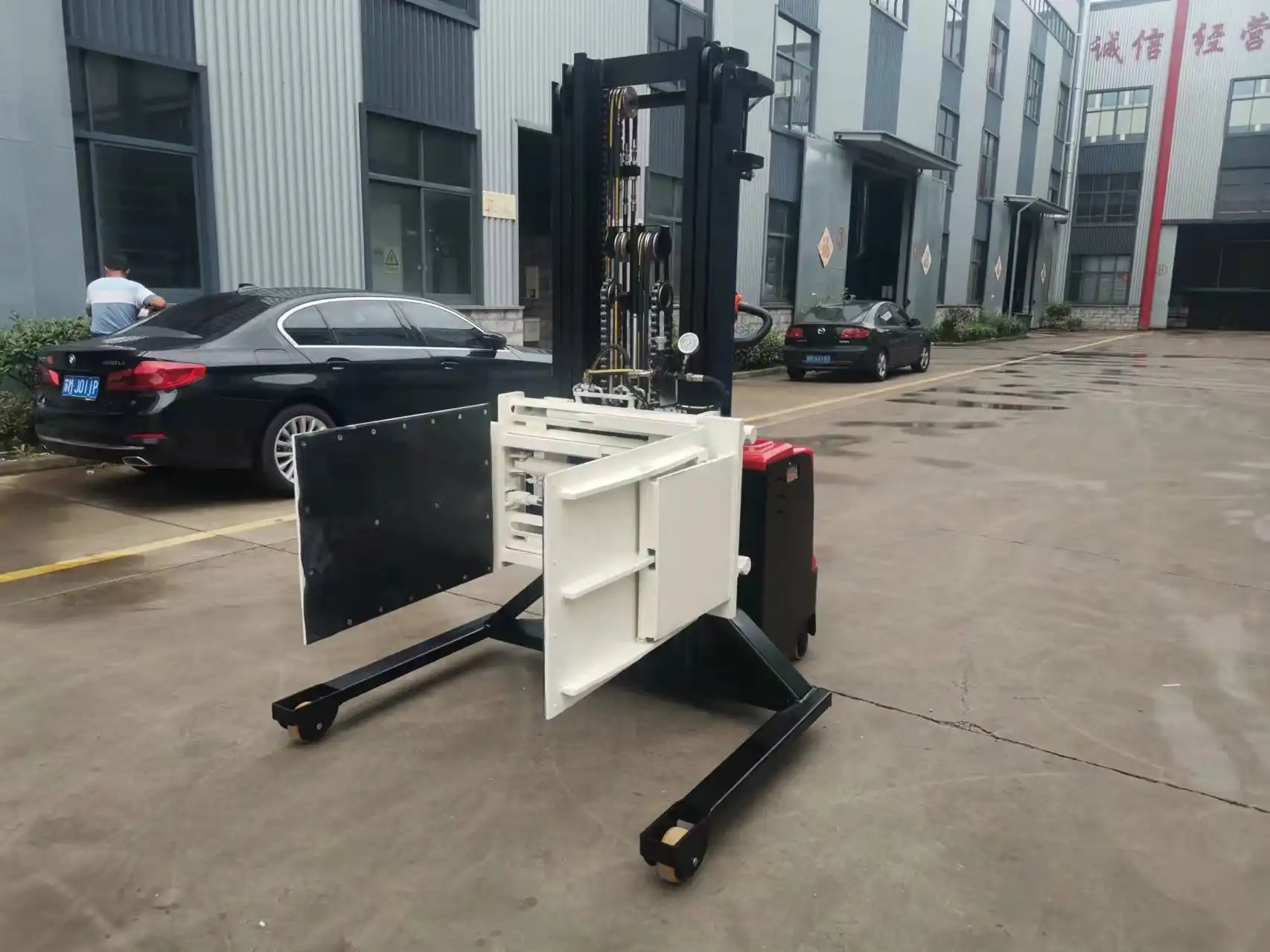
My journey showed me that a good machine does not just do one thing well; it creates a ripple effect of improvements throughout the business. When I helped my clients grow, it was often because we looked at the bigger picture. We addressed not only their immediate problems but also their future goals. Carlos, your desire to increase automation, reduce labor costs, and meet stringent customer demands aligns perfectly with the comprehensive benefits a pallet inverter provides. It is an investment in your operational future, enabling your team to work smarter, not just harder. This machine helps your business adapt to a changing market, where labor is scarce and customer expectations are ever-increasing. It is about building a foundation for sustainable growth.
-
Increased Operational Efficiency and Throughput: A pallet inverter performs pallet changes far faster than manual methods. What might take several workers many minutes of difficult, risky work can be completed by a machine in less than a minute. This dramatic reduction in cycle time directly increases the overall throughput of your warehouse. For tile and ceramic businesses dealing with thousands of pallets daily, this means faster loading, unloading, and staging of goods. It helps to clear bottlenecks in your receiving or shipping areas, ensuring that goods move through the facility quickly and smoothly, meeting tight delivery schedules.
-
Significant Reduction in Labor Costs and Dependence: Labor is a major cost in warehouse operations, and skilled labor is becoming harder to find. A pallet inverter greatly reduces the need for manual intervention in the pallet-flipping process. This means fewer staff are required for this specific task, allowing you to reallocate valuable human resources to other areas where their skills are better utilized. It also addresses the challenge of labor shortages, as machines do not tire or get injured. Over time, the savings from reduced wages, benefits, and training costs can be substantial, leading to a strong return on investment.
-
Minimized Product Damage and Waste: Manual handling of heavy, fragile tile pallets inevitably leads to some level of product damage, even with the most careful workers. This damage is a direct financial loss. A pallet inverter, with its precise and controlled movements, almost entirely eliminates this problem. By securely holding the load throughout the flip, it prevents shifting, dropping, or breaking of tiles. This reduction in damaged goods leads to significant cost savings, improved inventory accuracy, and fewer customer complaints, which enhances your brand reputation and customer loyalty.
-
Enhanced Compliance and Customer Satisfaction: For international operations, ensuring pallets meet specific regional standards (e.g., Euro vs. US pallets) is critical for compliance and avoiding costly fines or delays. A pallet inverter allows for quick and compliant pallet changes, ensuring your goods are always on the correct pallet for their destination. This seamless process prevents shipping delays and ensures customers receive their orders on time and in perfect condition. Meeting and exceeding customer expectations for speed and reliability, especially in e-commerce, is a powerful competitive advantage that the pallet inverter helps deliver.
-
Facilitating Long-Term Partnership and Business Growth: Investing in an automated solution like a pallet inverter is not just a purchase; it is a step towards a more automated and efficient future. When you choose a supplier who truly understands your warehousing needs and offers flexible, reliable solutions, you are building a long-term partnership. Such a partner helps you integrate the machine smoothly, provides excellent after-sales support, and can adapt solutions as your business grows. This kind of partnership, one that understands your operational pain points and helps you achieve your strategic goals, is what FHOPEPACK is all about.
Conclusion
A pallet inverter is more than a machine; it is a vital safety and efficiency tool for any warehouse handling tiles and ceramics. It eliminates manual risks, protects your workforce, cuts costs, and streamlines operations. This investment in a pallet inverter helps you build a safer, more productive, and ultimately more profitable future for your business.








