
Why Should Construction Industry Leaders Invest in Pallet Inverters for Export Steel?
Working in the construction industry, you know that efficiency and safety are not just buzzwords. They are the backbone of any successful project, especially when it comes to exporting heavy materials like steel. The demands of global trade mean tight deadlines, strict compliance, and the constant pressure to keep costs down. Yet, many still rely on outdated, manual methods for handling pallets, methods that introduce high risks and slow down your operations. This approach can lead to serious accidents, damaged goods, and costly delays, putting your reputation and your profits on the line.
Investing in a pallet inverter is a strategic move for construction industry leaders who export steel because it directly addresses critical challenges like worker safety, operational efficiency, and international compliance. These machines allow for the safe and swift exchange of pallets, protecting both your valuable steel products and your workforce, while also ensuring your shipments meet diverse global standards and reduce overall operational costs.
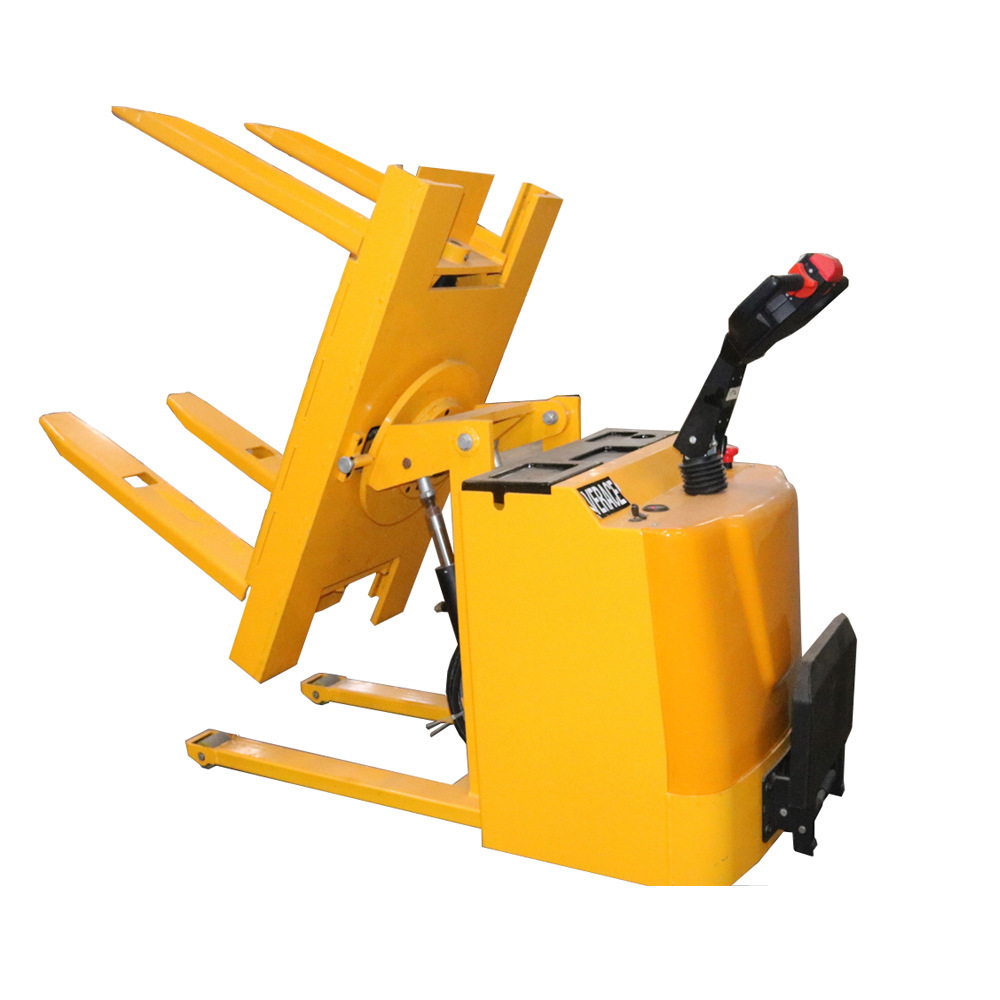
If these challenges sound familiar, then you are in the right place. I have seen firsthand how much a smart investment in the right packing machine technology can change a business. Let us explore why a pallet inverter is not just a piece of equipment but a vital tool for your construction export success.
Does manual pallet handling risk your team’s safety and your bottom line?
You know the scene: heavy steel beams or rebar sections are ready for export, but they sit on the wrong type of pallet. Someone has to change it. This often means trying to manually lift, tilt, or rotate extremely heavy loads. It is a dangerous task, full of potential for injury and costly mistakes. Are you still putting your team and your finances at risk with these outdated methods?
Manual handling of heavy steel pallets poses significant safety hazards, leading to worker injuries and high compensation costs. It also causes operational delays and potential damage to valuable goods. A pallet inverter removes the need for human intervention in lifting and turning heavy loads, protecting your workforce and your financial health.
1. 👷♀️ Protecting Your Workforce with Smart Solutions
Manual handling of heavy steel is a major cause of workplace injuries. Workers can suffer back strains, crushed limbs, or worse, if a load shifts or drops. These are not just statistics; they are real people and real pain. As someone who built a factory and watched my team, I know that keeping people safe is always the first priority. A safe team is a productive team. When we talk about heavy loads like steel, the risks are even higher.
- Injury Prevention: Pallet inverters take over the heavy lifting and turning. This means no more back injuries from manual prying or lifting, and no more crushed feet from falling steel. The machine does the dangerous work, so your people stay safe.
- Reduced Strain: Repetitive motions and heavy lifting cause long-term wear and tear on workers’ bodies. Automation reduces this strain. It creates a work environment where people can focus on tasks that require their skills, not just their muscle.
- Enhanced Morale: When employees feel safe, their morale improves. They know their employer cares about their well-being. This leads to a more positive work environment and less employee turnover, which is a major win for any business.
2. 💰 The Hidden Costs of Workplace Accidents
An accident is never just an accident. It comes with a long list of direct and indirect costs that can severely impact your bottom line. These costs often go unnoticed until it is too late. I learned early on that investing in safety equipment is cheaper in the long run than paying for an accident.
- Direct Costs:
- Medical Expenses: Hospital bills, doctor visits, and rehabilitation for injured workers.
- Worker’s Compensation: Increased insurance premiums and payouts.
- Legal Fees: Costs associated with investigations or lawsuits.
- Indirect Costs:
- Lost Productivity: Downtime from the accident itself, investigations, and replacing an injured worker.
- Damaged Reputation: Negative publicity can hurt your company’s image and make it harder to win new contracts.
- Lower Morale: Accidents can create fear and anxiety among the remaining workforce, impacting productivity and quality.
- Training Costs: Training new or temporary staff to fill the gap left by an injured worker.








