
How Pallet Inverters Improve Safety in Canadian Food and Cold Chain Plants?
The Canadian food and cold chain industries operate under immense pressure. Facilities are always striving for efficiency, but they also face strict health and safety regulations. In this demanding environment, manual pallet handling presents a significant risk. I have seen firsthand how easily accidents can happen when dealing with heavy loads in slippery, cold conditions. It is a constant battle to keep workers safe while ensuring product integrity and fast delivery.
Pallet inverters directly improve safety in Canadian food and cold chain plants by eliminating the need for manual pallet transfers, which reduces the risk of worker injuries, prevents product contamination, and minimizes damage to goods during handling. These machines automate the process, keeping employees away from heavy loads and hazardous environments, thus ensuring a safer, more compliant operation.
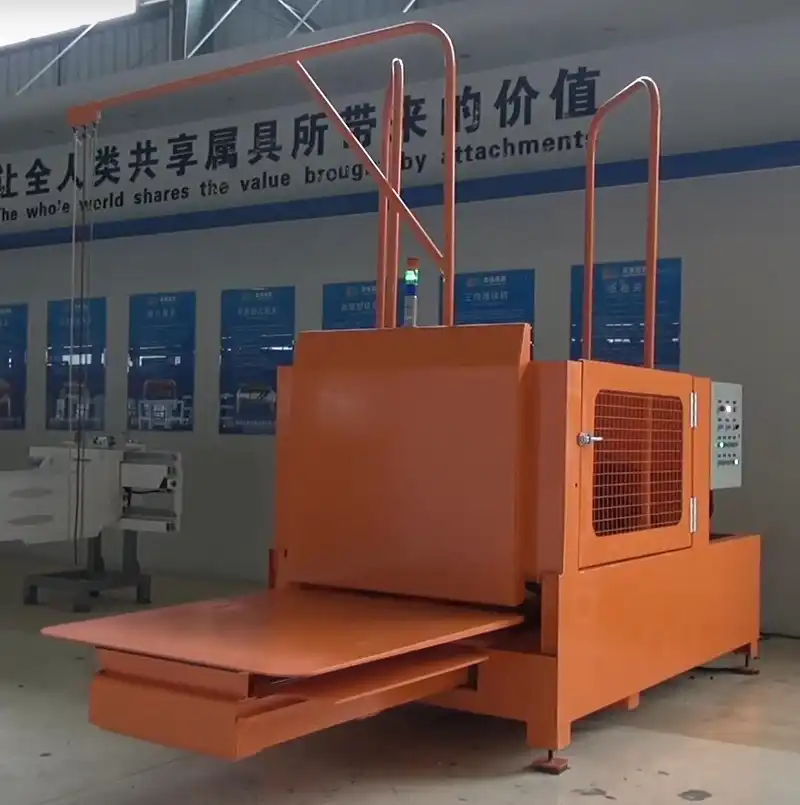
From my years in the packing machine industry, I have learned that safety is not just a moral obligation; it is also good business. When you invest in safer processes, you protect your team and your bottom line. Let’s look closer at how pallet inverters make a real difference, especially in the unique challenges of Canadian food and cold chain facilities.
Why Are Manual Pallet Transfers So Risky in Canadian Food and Cold Chain?
Imagine working in a freezer, constantly moving heavy pallets. The cold bites at your hands, and the floor might be wet or icy. This is the reality for many workers in Canadian food and cold chain plants. Manual pallet handling in such conditions is not just difficult; it is downright dangerous. It introduces many risks that can lead to injuries, product loss, and operational delays.
Manual pallet transfers in Canadian food and cold chain operations are risky due to the combination of heavy loads, cold and often slippery working environments, repetitive motions, and the constant rush for speed. These factors increase the likelihood of worker injuries, such as slips, falls, strains, and even crush accidents, making it a high-hazard task.

When I started my journey in the packing machine industry, I saw many facilities struggle with these exact issues. The human element, while essential, becomes a vulnerability when tasks are physically demanding and repetitive in harsh conditions. It is not about blaming workers; it is about recognizing systemic risks and finding better solutions. Let us break down these dangers in more detail.
1. Physical Strain and Injury 🤕
Manual pallet handling is physically exhausting. Workers lift, push, and pull heavy loads repeatedly throughout their shifts. This leads to many types of injuries.
- Back Injuries: This is the most common issue. Lifting heavy pallets incorrectly or even correctly over time stresses the back.
- Sprains and Strains: Wrists, shoulders, and knees are vulnerable. Repetitive motions and sudden twists cause these.
- Carpal Tunnel Syndrome: The constant gripping and moving can lead to this painful condition in the wrists.
- Fatigue: Tired workers make more mistakes. Fatigue increases the risk of all other types of accidents.
2. Product Contamination and Damage 🍏
In food and cold chain facilities, protecting the product is paramount. Manual handling brings risks to this too.
- Product Drops and Spills: When workers struggle with a heavy or unstable pallet, goods can fall. This means lost product and cleanup time.
- Cross-Contamination: Manual handling might involve touching different pallets or products. This is a risk in hygiene-sensitive areas like food processing.
- Packaging Damage: Bumping or dropping pallets can damage the packaging. This affects product quality and shelf life.
- Unstable Stacks: Manually built stacks might not be perfectly stable. This can cause them to collapse later, leading to more damage and danger.
3. Slippery and Cold Conditions 🧊
The cold chain environment adds unique hazards that are not present in typical warehouses.
- Slippery Floors: Ice, condensation, or product spills make floors very slippery. This increases the risk of slips and falls, especially when carrying heavy loads.
- Reduced Dexterity: Cold temperatures reduce a worker’s hand dexterity. This makes it harder to grip things securely.
- Visibility Issues: Fogging glasses or dim lighting in cold rooms can reduce visibility. This makes navigating and handling pallets harder.
- Equipment Malfunctions: Cold can also affect manual equipment like hand pallet jacks. This can make them harder to operate safely.
4. Forklift Accidents 🚧
Forklifts are common in these facilities, and manual pallet handling often interacts with them.
- Worker-Forklift Collisions: When workers are manually moving pallets, they might be in areas where forklifts also operate. This increases the risk of serious accidents.
- Blind Spots: Forklifts have blind spots. Workers on foot are at high risk if they are not seen.
- Improper Load Placement: Manually moving pallets can lead to them being placed improperly. This can cause a forklift operator to struggle, increasing the risk of drops.
- Traffic Congestion: More manual movement means more people in aisles. This adds to traffic congestion and potential collisions.
How Do Pallet Inverters Directly Eliminate Workplace Hazards?
After understanding the risks, the natural next step is to find a solution. Pallet inverters are not just about making things faster; they are primarily about making things safer. They take the dangerous work out of human hands and let machines do the heavy lifting. This shift brings immediate and significant safety improvements to Canadian food and cold chain operations.
Pallet inverters directly eliminate workplace hazards by automating the process of transferring goods between pallets, removing the need for workers to manually handle heavy loads or enter hazardous areas. They secure products during the flip, prevent drops, and reduce physical strain, making the entire pallet change process significantly safer for employees.

In my experience building packing machines, the best solutions are often the ones that remove the human element from dangerous tasks. It is not about replacing people, but about protecting them. Pallet inverters do exactly that. They create a buffer between the worker and the potentially hazardous load. Here is how they achieve this.
1. Removing Human Interaction with Heavy Loads 🤖
This is the most direct safety benefit. Pallet inverters handle all the heavy lifting and turning.
- No Manual Lifting: Workers no longer need to lift or physically manipulate heavy pallets. The machine performs all these actions.
- Reduced Exposure to Risk: Employees stand clear while the machine works. This minimizes their exposure to moving parts and falling objects.
- Consistent Operation: Machines perform the task the same way every time. This removes human error and inconsistency that can lead to accidents.
- Less Physical Exertion: Workers are spared from strenuous activity. This prevents acute injuries and long-term health problems like back pain.
2. Stable and Secure Product Handling 🔒
Pallet inverters are designed to hold products firmly throughout the transfer process.
- Hydraulic Clamping: Most pallet inverters use hydraulic clamps. These hold the load securely from top and bottom or from the sides. This stops products from shifting or falling.
- Controlled Movements: The machine performs movements slowly and predictably. This reduces the risk of sudden drops or jolts that could damage goods or cause instability.
- Even Weight Distribution: Loads are kept balanced during the flip. This prevents uneven pressure points that could crush or damage sensitive items.
- Reduced Product Spills: With products held firmly, the chance of spills or breakage is very low. This is vital in food processing to maintain hygiene.
3. Controlled Environment Operation ❄️
Pallet inverters can be designed to operate effectively in cold and challenging environments.
- Remote Operation: Many models can be operated remotely or from a control panel. This keeps workers out of the coldest areas for longer periods.
- Durable Materials: Machines built for cold chain use special materials. These materials can withstand low temperatures and moisture without degrading.
- Reduced Cold Exposure: Minimizing manual interaction means workers spend less time directly in freezers or cold rooms. This lowers their risk of cold-related stress.
- Consistent Performance: Unlike humans, machines do not get tired or affected by the cold. They perform consistently, maintaining safety standards even in harsh conditions.
4. Reducing Repetitive Motion Injuries 🔄
Many workplace injuries come from doing the same motion over and over again. Pallet inverters address this directly.
- Automated Repetition: The machine handles the repetitive flipping. This removes the need for workers to perform these motions.
- Less Strain on Joints: Joints like wrists, elbows, and shoulders are spared from constant stress. This greatly reduces conditions like tendonitis or carpal tunnel.
- Improved Work Ergonomics: Workers can focus on tasks that are less physically demanding. This improves their overall ergonomic safety.
- Better Long-Term Health: By reducing repetitive strain, companies can contribute to the long-term health and well-being of their employees. This leads to a healthier workforce.
Beyond Accidents: How Pallet Inverters Boost Operational Safety and Compliance?
Safety is more than just preventing individual accidents. It also affects the entire operation. In Canadian food and cold chain plants, a strong safety culture supports compliance, reduces costs, and improves overall efficiency. Pallet inverters contribute to these broader aspects of operational safety and compliance in significant ways.
Pallet inverters boost operational safety and compliance by standardizing handling processes, which ensures consistent adherence to food safety regulations and workplace safety standards. This automation helps reduce hidden costs associated with injuries, improves audit readiness, and fosters a more secure, productive work environment, meeting both regulatory and customer demands.
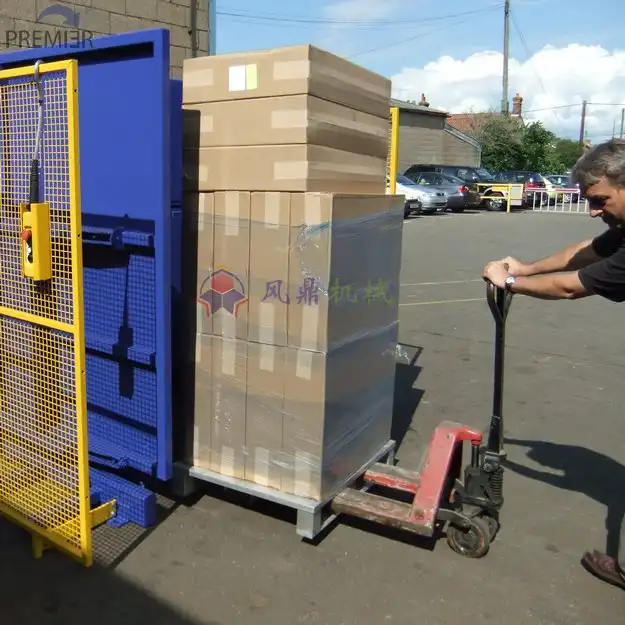
When I founded FHOPEPACK, my goal was to provide solutions that not only solved a problem but also created greater value. For businesses like those in the food and cold chain, this means helping them meet stringent regulations while keeping costs down. Pallet inverters are a prime example of such a solution. They help operations become safer and more compliant from many angles.
1. Meeting Strict Food Safety Standards 🧼
Food safety is non-negotiable. Pallet inverters play a role in maintaining high standards.
- Reduced Contamination Risk: Less manual handling means fewer chances for human contact with food products or packaging. This lowers the risk of cross-contamination.
- Hygiene Pallet Changes: They enable easy transfer from wooden to hygienic plastic pallets. This is critical for moving goods into clean areas within a facility.
- Controlled Environment: The enclosed nature of some pallet inverters further protects products during transfer from airborne contaminants.
- Traceability Support: Automated systems can integrate with inventory management. This improves traceability, which is key for food safety audits.
2. Lowering Insurance and Compensation Costs 💰
Workplace injuries are expensive. They involve direct and indirect costs.
- Reduced Injury Claims: Fewer accidents mean fewer workers’ compensation claims. This directly saves money.
- Lower Insurance Premiums: A strong safety record can lead to lower insurance premiums over time. Insurance companies reward safer workplaces.
- Less Lost Productivity: Injured workers mean lost workdays. This affects production schedules and overall output. Pallet inverters help maintain uptime.
- Avoided Legal Fees: Fewer accidents also mean fewer potential lawsuits or legal disputes related to workplace injuries.
3. Improving Employee Morale and Retention 😄
A safe workplace is a happier workplace. This has positive effects on the entire team.
- Increased Job Satisfaction: Workers feel valued when their employer invests in their safety. This boosts morale.
- Reduced Stress: Knowing dangerous tasks are automated lowers daily stress levels for employees.
- Better Retention Rates: A safer, more pleasant work environment helps retain experienced staff. This reduces turnover costs and training needs.
- Attractive Workplace: Companies known for safety are more attractive to new talent. This helps with recruitment in a tight labor market.
4. Ensuring Regulatory Compliance ✅
Canadian food and cold chain plants must comply with many regulations.
- Occupational Health & Safety (OHS) Compliance: Pallet inverters help facilities meet OHS requirements by minimizing hazardous manual tasks.
- Audit Readiness: Documented use of safety equipment like pallet inverters can help pass safety audits more easily.
- Standard Operating Procedures (SOPs): Automation helps standardize pallet handling SOPs. This makes training easier and ensures consistent safe practices.
- Avoiding Penalties: Non-compliance can lead to hefty fines and reputational damage. Pallet inverters help avoid these costly penalties by promoting a compliant operation.
Choosing the Right Pallet Inverter: A Partner for Safer Canadian Operations?
Finding the right pallet inverter is not just about buying a machine; it is about finding a solution that fits your specific needs and a supplier who understands your operational challenges. In the demanding Canadian food and cold chain sectors, this partnership is critical. It ensures that the investment you make truly improves safety and efficiency for the long haul.
Choosing the right pallet inverter means finding a reliable, adaptable machine that meets your specific pallet types and load requirements, handles cold chain conditions, and comes with strong after-sales support. It is about partnering with a supplier who understands your operational needs, ensuring the solution integrates seamlessly to enhance safety and efficiency in your Canadian facility.
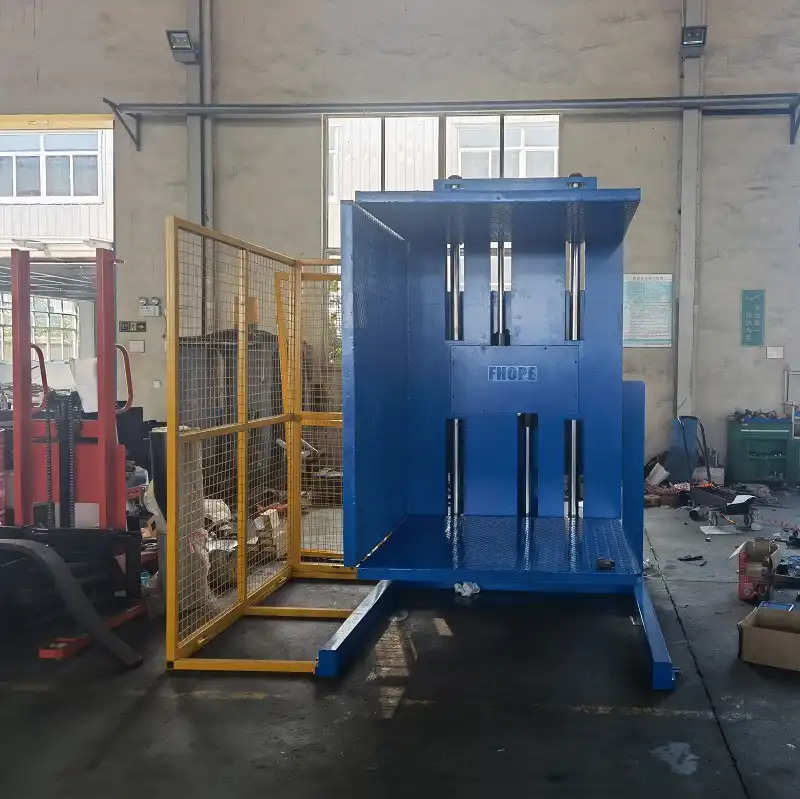
From my years of experience, I know that every plant has its own unique setup and challenges. There is no one-size-fits-all solution. That is why it is so important to work with a partner who asks the right questions and offers tailored advice, not just a catalog. Here are some key points to consider when making this important choice.
1. Assessing Specific Needs 📏
Before you buy, you need to know exactly what your operation requires.
- Pallet Types: Do you handle Euro pallets, US pallets, plastic, or wooden? Your inverter must handle all the types you use for transfers.
- Load Weight and Size: The machine needs to safely handle the maximum weight and dimensions of your products. Overloading is a safety risk.
- Throughput Requirements: How many pallets do you need to change per hour? This affects the speed and automation level you choose.
- Operating Environment: Does the machine need to work in a freezer or a humid environment? It must be built to withstand these conditions.
2. Reliability and Durability 💪
In a 24/7 cold chain operation, downtime is expensive and can impact product quality.
- Robust Construction: The machine should be made from high-quality, durable materials that can handle heavy industrial use. Stainless steel is often preferred for food environments.
- Proven Track Record: Look for suppliers with a history of building reliable machines. Ask for references or case studies from similar Canadian plants.
- Minimal Maintenance: While all machines need maintenance, a well-built inverter should require minimal routine checks and be easy to service.
- Designed for Cold: Ensure components, hydraulics, and electronics are rated for consistent low-temperature operation.
3. After-Sales Support and Service 🤝
A machine is only as good as the support behind it. This is where a true partnership shines.
- Technical Support: Can you reach experts quickly if something goes wrong? Is support available during your operating hours?
- Spare Parts Availability: Fast access to spare parts is crucial to minimize downtime. Ask about their inventory and delivery times.
- Installation and Training: Does the supplier provide professional installation and thorough training for your staff? Proper training is key for safe operation.
- Preventative Maintenance Plans: A good supplier will offer maintenance plans. This helps keep your machine running smoothly and prevents unexpected breakdowns.
4. Integration with Existing Systems 🔗
A new machine should fit smoothly into your current workflow, not disrupt it.
- Space Requirements: Do you have enough space for the inverter? Consider access for loading and unloading, and maintenance.
- Automation Level: Do you need a stand-alone unit, or something that integrates with conveyors or robotic systems? Match it to your current automation level.
- Power Requirements: Ensure your facility can provide the necessary power for the machine without needing major electrical upgrades.
- Safety Features: Check for features like emergency stops, light curtains, and safety interlocks that align with your plant’s overall safety protocols.
Conclusion
Pallet inverters are a crucial tool for improving safety in Canadian food and cold chain plants. They reduce injuries, prevent product damage, and help meet strict regulations. By investing in a reliable pallet inverter, facilities can protect their workers, boost efficiency, and ensure long-term operational success.








