
What Are the Key Considerations for Steel Wire Coiling Machine Installation?
Installing a steel wire coiling machine requires careful planning and execution to ensure optimal performance, longevity, and safety. From site preparation to final calibration, each step demands attention to detail. This sets the stage for efficient coiling operations.

Key considerations for steel wire coiling machine installation include site preparation, proper power supply, adequate ventilation, and stable mounting. Ensuring correct alignment, performing thorough testing, and adhering to safety guidelines are also crucial for efficient and reliable operation.
Successfully installing a steel wire coiling machine involves more than just plugging it in. It is about ensuring that the machine operates at its best for years to come. Let’s delve into the critical aspects to guarantee a smooth and efficient setup.
1. Preparing the Installation Site
Laying the groundwork for a successful installation begins with proper site preparation. A well-prepared site not only facilitates the installation process but also contributes to the long-term stability and performance of the machine.
Preparing the installation site involves selecting a location with adequate space, a level floor, and appropriate environmental conditions. Clear the area of obstructions, ensure sufficient lighting, and verify the floor’s load-bearing capacity to support the machine’s weight.
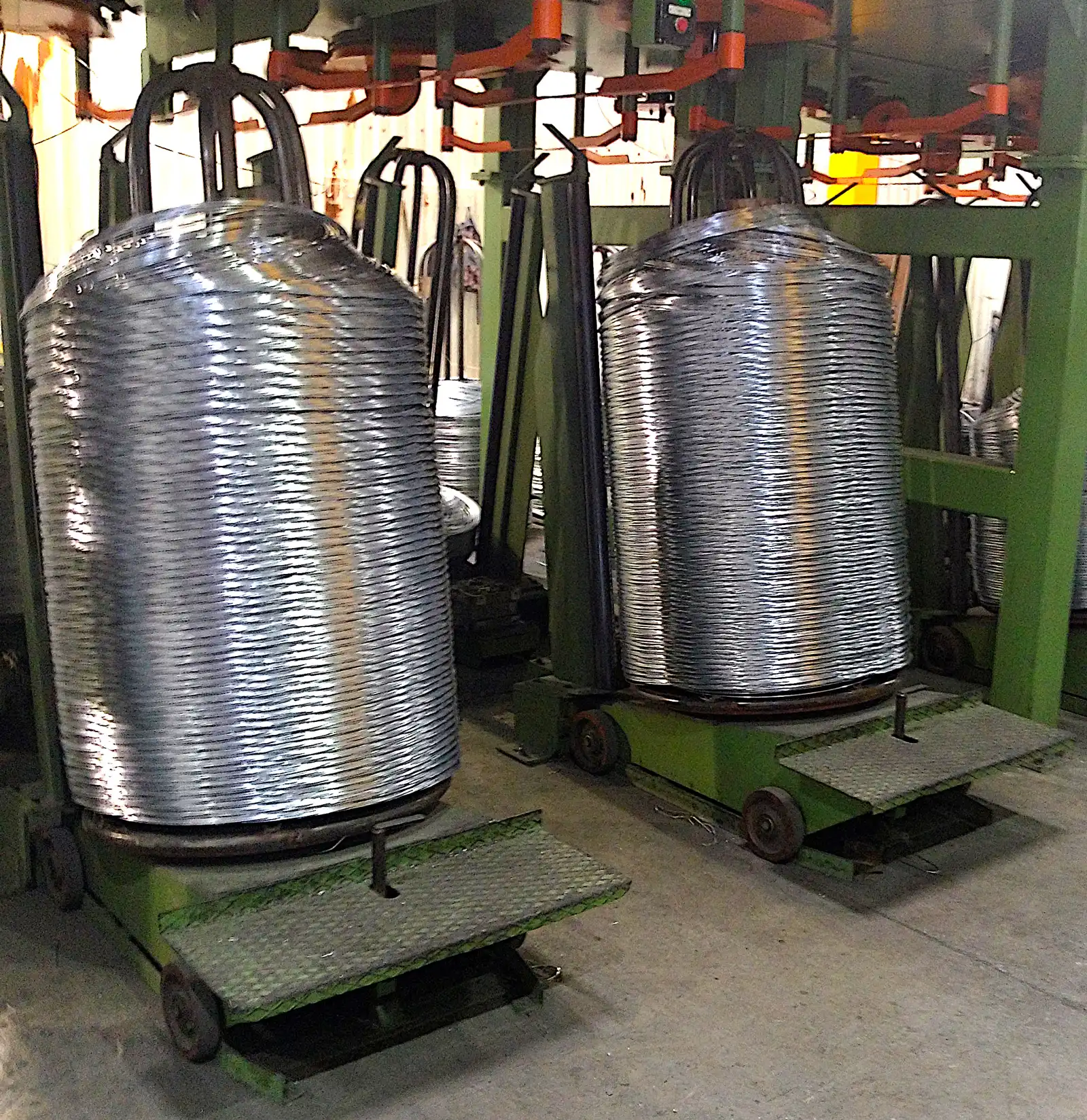
Beyond the immediate physical requirements, consider the logistical aspects of the site. Easy access for maintenance, efficient material flow, and operator comfort are essential for maximizing productivity and minimizing downtime.
Critical Site Preparation Elements
Effective site preparation involves several key elements. These range from assessing the physical space and environmental conditions to ensuring that the site meets all necessary safety and operational requirements. Let’s examine these elements in detail.
1. Space and Layout Considerations
The installation site should provide ample space for the coiling machine and its associated equipment, including wire reels, control panels, and safety barriers. Ensure sufficient clearance around the machine for maintenance and repairs. The layout should also facilitate efficient material flow and minimize the risk of accidents.
2. Flooring and Load-Bearing Capacity
The flooring must be level and capable of supporting the machine’s weight without deformation. Uneven flooring can lead to misalignment, vibration, and premature wear. Consult the machine’s specifications to determine the required load-bearing capacity and ensure the floor meets these requirements.
3. Environmental Factors
Control environmental factors such as temperature, humidity, and dust. Excessive humidity can cause corrosion and electrical problems, while dust can clog moving parts and compromise performance. Adequate ventilation is also crucial for dissipating heat generated by the machine during operation. The recommended temperature range is between 15°C and 30°C, with humidity levels below 60%.
4. Power Supply and Electrical Requirements
Verify that the power supply meets the machine’s voltage, amperage, and frequency requirements. Use dedicated circuits to prevent overloading and ensure stable power delivery. Grounding is essential for safety and to protect against electrical surges. All electrical work should be performed by a qualified electrician.
The electrical standards for a steel wire coiling machine installation are shown below:
| Parameter | Requirement | Notes |
|---|---|---|
| Voltage | 220V/380V/480V | Based on the machine’s specification |
| Amperage | Determined by motor power | Ensure sufficient capacity to prevent overload |
| Frequency | 50Hz/60Hz | Match the machine’s requirements |
| Grounding | Essential | Protect against electrical surges |
| Dedicated Circuits | Recommended | Prevent overloading and voltage drops |
| Qualified Electrician | Required | Ensure compliance with safety standards |
5. Lighting and Accessibility
Adequate lighting is essential for safe and efficient operation. Install bright, glare-free lighting fixtures to illuminate the work area. Ensure easy access to the machine for operators and maintenance personnel. Consider installing ramps or platforms to improve accessibility for workers with disabilities.
By thoroughly addressing these site preparation elements, you can create a solid foundation for the successful installation and long-term operation of your steel wire coiling machine.
2. Mechanical and Electrical Setup
Once the installation site is adequately prepared, the next step involves the mechanical and electrical setup of the steel wire coiling machine. Proper mechanical alignment and secure electrical connections are critical for ensuring smooth operation and preventing costly downtime.
Mechanical and electrical setup involves precise alignment of machine components, secure mounting to the floor, and proper wiring according to the manufacturer’s specifications. Verifying the functionality of all safety devices and conducting initial power-on tests are also essential steps.

A systematic approach to the mechanical and electrical setup ensures that all components work in harmony and that the machine operates safely and efficiently. Ignoring these steps can lead to misalignment, electrical faults, and potential safety hazards.
Detailed Steps for Mechanical and Electrical Installation
The mechanical and electrical installation process involves several detailed steps that require careful attention and expertise. This section outlines these steps, providing guidance on best practices and essential considerations.
1. Machine Alignment and Leveling
Use precision instruments such as levels, plumb bobs, and laser alignment tools to ensure that the machine is perfectly aligned and leveled. Shim as necessary to correct any imbalances. Proper alignment minimizes vibration, reduces stress on moving parts, and improves the accuracy of the coiling process.
2. Securing the Machine to the Floor
Use appropriate anchoring hardware, such as bolts, screws, and concrete anchors, to securely fasten the machine to the floor. Follow the manufacturer’s recommendations for the type and size of fasteners. Proper anchoring prevents movement and vibration during operation, ensuring stability and safety.
3. Connecting Electrical Components
Connect all electrical components according to the wiring diagrams provided by the manufacturer. Use properly sized conductors and connectors to ensure reliable power delivery. Label all wires and connections for easy identification and troubleshooting.
4. Safety Device Verification
Verify the functionality of all safety devices, including emergency stop buttons, safety guards, and interlocks. Test each device to ensure it is working correctly and that it effectively protects operators from hazards. Regular safety checks are crucial for maintaining a safe working environment.
5. Initial Power-On Tests
Before starting the machine for the first time, perform a series of initial power-on tests. Check for proper voltage and current levels, verify the direction of motor rotation, and inspect for any signs of overheating or electrical faults. Address any issues before proceeding to full operation.
3. Calibration and Testing
Calibration and testing are critical steps in ensuring that the steel wire coiling machine operates within specified tolerances and delivers consistent, high-quality results. This phase validates the accuracy of the setup.
Calibration and testing involve verifying the machine’s accuracy, adjusting parameters to meet specifications, and conducting trial runs to assess performance. Monitoring coiling speed, tension control, and product dimensions ensures optimal operation.

By performing thorough calibration and testing, you can identify and correct any deviations from desired performance levels. This ensures that the machine operates efficiently, producing consistent and reliable results.
Ensuring Precision and Performance
The precision and performance of a steel wire coiling machine depend on careful calibration and rigorous testing. This section outlines the steps involved in ensuring that the machine meets the required standards for accuracy, consistency, and reliability.
1. Accuracy Verification
Verify the accuracy of the machine by measuring key parameters such as coiling diameter, pitch, and wire length. Use calibrated instruments and measurement tools to ensure precise readings. Compare the measured values with the specified tolerances and make adjustments as necessary. The following table details the accuracy requirements:
| Parameter | Tolerance | Measurement Tool | Notes |
|---|---|---|---|
| Coiling Diameter | ±0.1 mm | Caliper | Ensure consistent diameter |
| Pitch | ±0.05 mm | Micrometer | Maintain uniform pitch |
| Wire Length | ±1 mm | Measuring Tape | Accurate cut lengths |
| Tension | ±0.5 N | Tension Meter | Consistent tension is important |
| Speed | ±1 RPM | Tachometer | Stable coiling speed |
2. Parameter Adjustment
Adjust the machine’s parameters, such as tension, speed, and feed rate, to optimize performance and achieve desired results. Follow the manufacturer’s recommendations and use feedback from testing to fine-tune settings. Precise parameter adjustment is essential for producing high-quality coils.
3. Trial Runs and Performance Evaluation
Conduct trial runs using different wire types and coil dimensions to assess the machine’s performance under varying conditions. Monitor key indicators such as coiling speed, tension control, and product dimensions. Evaluate the results and make any necessary adjustments.
4. Documentation and Record-Keeping
Maintain detailed records of all calibration and testing activities, including measurements, adjustments, and performance evaluations. This documentation provides a valuable reference for future maintenance and troubleshooting. It also helps to track the machine’s performance over time and identify any potential issues.
5. Operator Training
Provide comprehensive training to operators on the proper use of the machine, including calibration procedures, parameter adjustments, and safety precautions. Well-trained operators are essential for maximizing the machine’s performance and minimizing the risk of errors or accidents.
4. Safety Measures and Operational Guidelines
Safety is paramount when operating any machinery, including steel wire coiling machines. Establishing clear operational guidelines and implementing comprehensive safety measures helps to protect operators and prevent accidents.
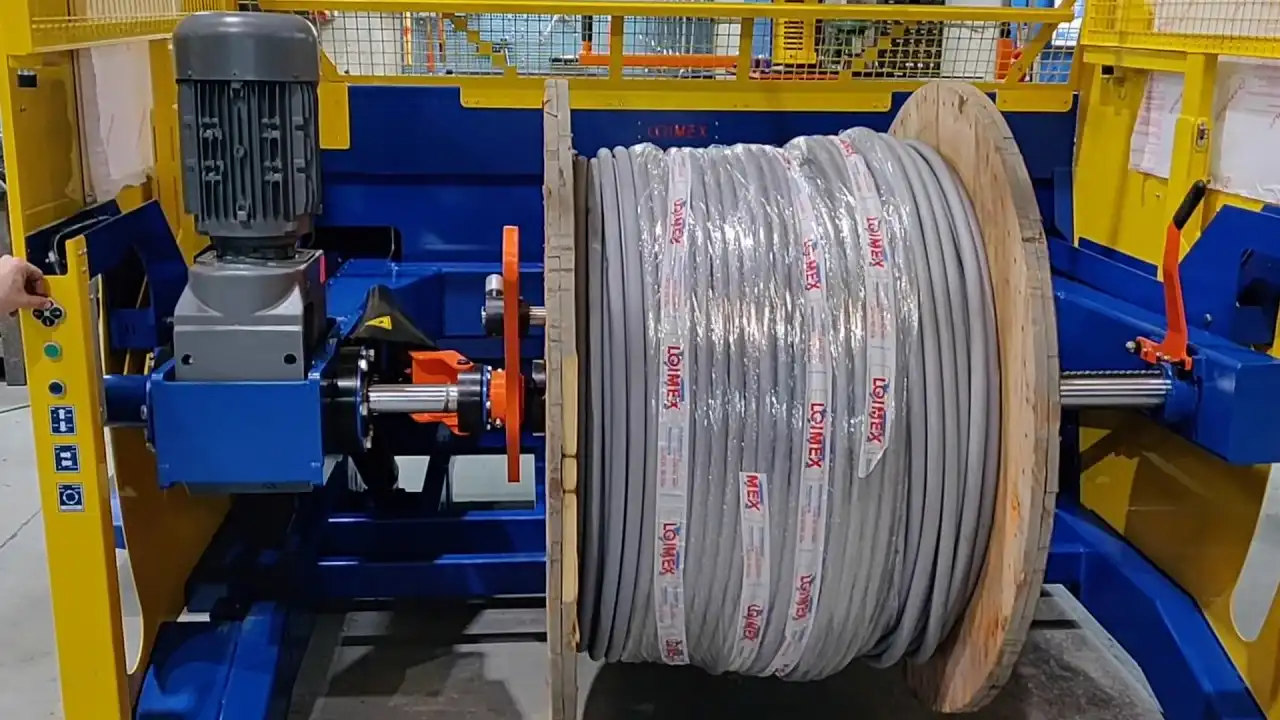
Safety measures and operational guidelines are crucial for preventing accidents and ensuring a safe working environment. Implementing safety guards, providing operator training, establishing clear protocols, and conducting regular inspections are essential for maintaining safety.
Safety considerations, setup guidelines is very important when operating any machinery, including steel wire coiling machines. Establishing clear operational guidelines and implementing comprehensive safety measures helps to protect operators and prevent accidents. The importance of operator training, emergency procedures, and regular inspections cannot be overstated, contributing to a safer and more productive work environment.
Conclusion
Proper installation of a steel wire coiling machine is a multifaceted process that demands meticulous attention to detail. From preparing the site and ensuring precise mechanical and electrical setups to conducting thorough calibration and prioritizing safety measures, each step is vital for optimal operation. By carefully following these key considerations and guidelines, businesses can ensure the longevity and efficiency of their steel wire coiling machines, reduce downtime, and foster a safe working environment for all operators.








