
How Pallet Inverter Helps American Bosses Compare Suppliers for Food Industry?
Are you, an American boss in the food industry, tired of the constant battle with inefficient pallet handling? Do you worry about rising labor costs, safety incidents, and the pressure of faster delivery times? I know these challenges well. For years, I have seen operations struggle with outdated methods that hurt their bottom line and put their teams at risk.
A pallet inverter helps American bosses compare suppliers for the food industry by offering a solution that addresses critical operational pain points like varied pallet standards, labor shortages, and safety concerns, acting as a benchmark for a supplier’s understanding of industry-specific needs, their product’s reliability, and their commitment to long-term partnership and support, which are all vital considerations for the demanding logistics of food products.
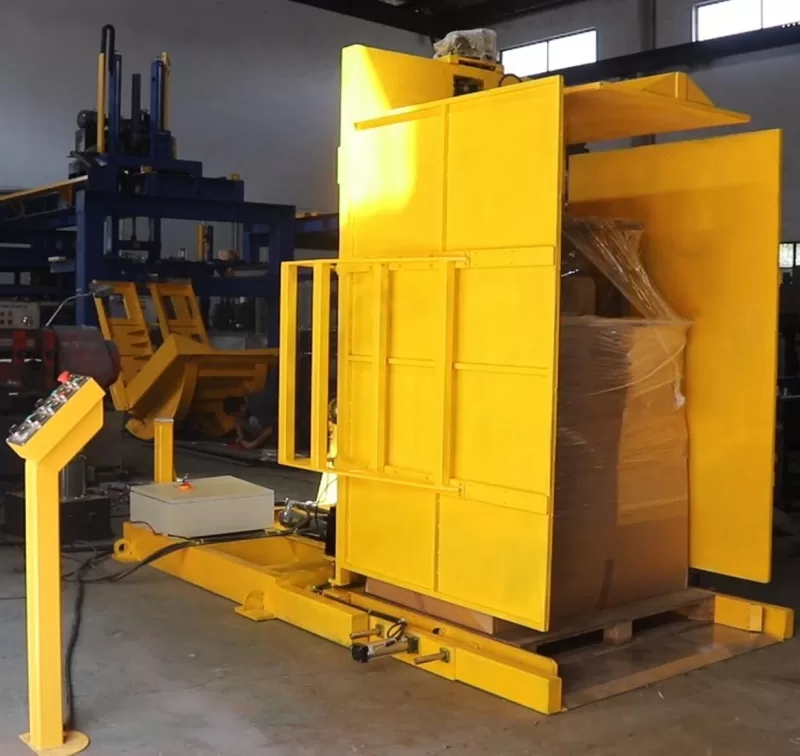
It is clear that the right equipment can make a huge difference. But finding the right partner, not just a seller, is the real game-changer. Let us dive deeper into how a smart approach to pallet inverters can transform your operations and guide you in selecting the best supplier.
Are American Food Logistics Operations Struggling with Pallet Chaos?
Do you feel like your warehouse is constantly battling a losing war against a mountain of different pallet types? This is a common problem. Many American food logistics operations are indeed struggling with what I call “pallet chaos.” It is not just about moving goods; it is about moving them efficiently, safely, and compliantly across a complex supply chain.
American food logistics operations often struggle with pallet chaos due to diverse pallet standards (GMA, Euro, plastic), increasing labor shortages for manual handling, significant safety risks associated with traditional methods, and mounting pressure from customers for faster, error-free deliveries, all of which hinder efficiency and drive up operational costs.
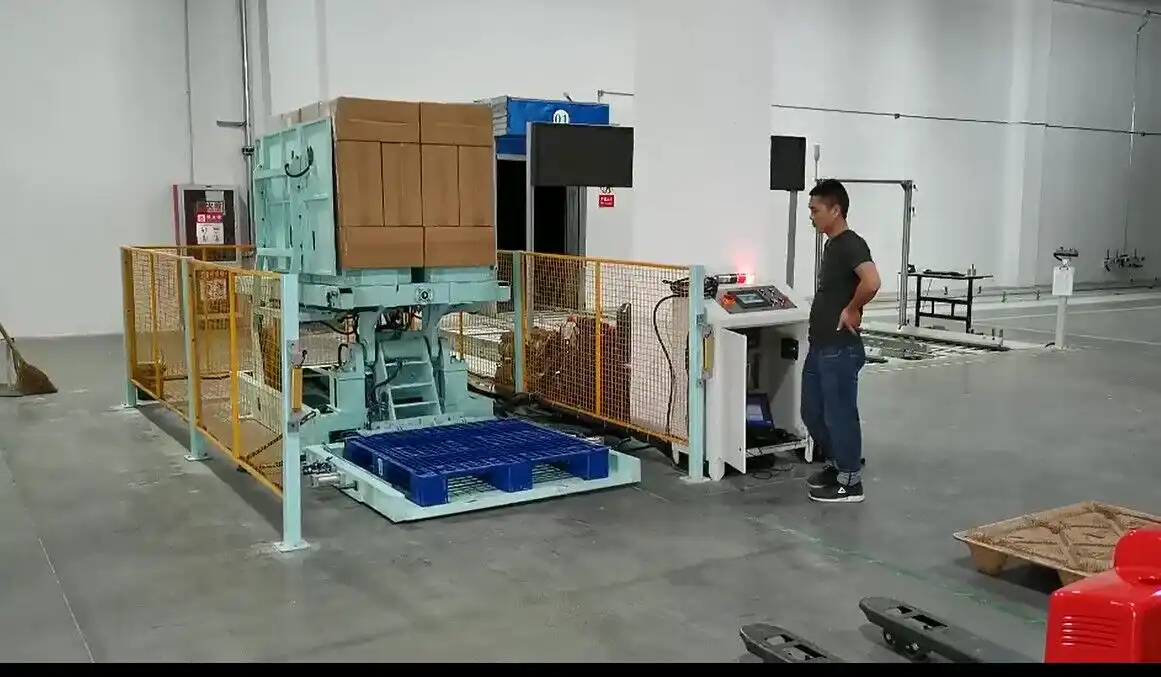
I have seen it firsthand. The demand for seamless, fast delivery in the food sector is intense. This pressure exposes every weakness in a warehouse’s material handling process. When it comes to pallets, the problems are especially clear.
1. Navigating Diverse Pallet Standards 🗺️
In the globalized food market, your products often travel far. They cross borders, and each border might mean a different pallet standard.
- GMA (Grocery Manufacturers Association) Pallets: These are standard in North America. They are sturdy.
- Euro Pallets (EPAL/EUR): Common in Europe. They have different dimensions.
- Plastic Pallets: Increasingly popular for hygiene, especially in the food industry. They are lightweight.
- Customer-Specific Pallets: Some large retailers or distributors may demand unique pallet types for their internal systems.
Switching between these types is not simple. Manual switching is slow. It takes time. It costs money. It can cause mistakes. Imagine having thousands of pallets a day. The manual process becomes a huge bottleneck. It delays shipments. This can lead to penalties. It can also make customers unhappy. I have seen how quickly these small delays add up to big problems.
2. The Rising Cost and Scarcity of Labor 📉
Finding good, reliable warehouse staff is harder than ever. This is a big challenge for many businesses.
- Increased Wages: Labor costs keep going up. This eats into profit margins.
- Demanding Work: Manual pallet handling is physically hard work. It involves heavy lifting. It requires repetitive movements. Young people often do not want these jobs.
- Turnover Rates: High turnover means constant training. This further increases costs. It also reduces overall team experience.
I understand this pain point deeply. I started as an employee myself. I saw how hard the work was. Businesses need to find ways to reduce dependence on manual labor for heavy tasks. This is not just about saving money. It is also about making jobs better. It is about retaining good people.
3. Mitigating Significant Safety Risks ⛑️
Safety should always be a top priority. Manual pallet changing is risky.
- Accidents from Manual Handling: Workers can get hurt. They might strain their backs. They might drop heavy items. Goods can tip over.
- Insurance and Compensation Costs: Each accident can be very expensive. There are medical bills. There are compensation claims. There are also lost workdays.
- Regulatory Scrutiny: OSHA (Occupational Safety and Health Administration) in the US sets strict safety standards. Non-compliance can lead to fines. It can also damage your company’s reputation.
I have always believed in giving back. Part of that means making sure people are safe at work. It is crucial to invest in solutions that protect your team. This reduces risks. It creates a safer environment.
4. Meeting Unrelenting Customer Demands ⚡
Today’s customers expect everything faster. This is especially true in the food industry.
- E-commerce and Retail Pressure: Online grocery and large retail chains demand quick turnaround. They want just-in-time delivery.
- Shortened Delivery Cycles: Any delay in the warehouse directly impacts delivery. This can break promises to customers.
- Loss of Business: If you cannot meet these demands, customers will go elsewhere. Your competitors are always ready to step in.
I have helped many clients grow their businesses. A key part of that success is making sure their operations can keep up. Efficient pallet handling is a critical part of meeting these new market speeds. It helps ensure customer satisfaction. It also helps secure future business.
What Key Factors Should American Bosses Look for in a Pallet Inverter Supplier?
When you are looking to invest in a pallet inverter, it is easy to get caught up in machine specifications. But for American bosses in the food industry, comparing suppliers goes far beyond the hardware. You need a partner who understands your challenges and can deliver a comprehensive solution.
American bosses should look for a pallet inverter supplier who demonstrates a deep understanding of food industry challenges, offers flexible and customizable solutions for diverse pallet types, provides exceptional post-sales support and training, has a proven track record of equipment reliability and safety compliance, and shows a commitment to long-term partnership and innovation.
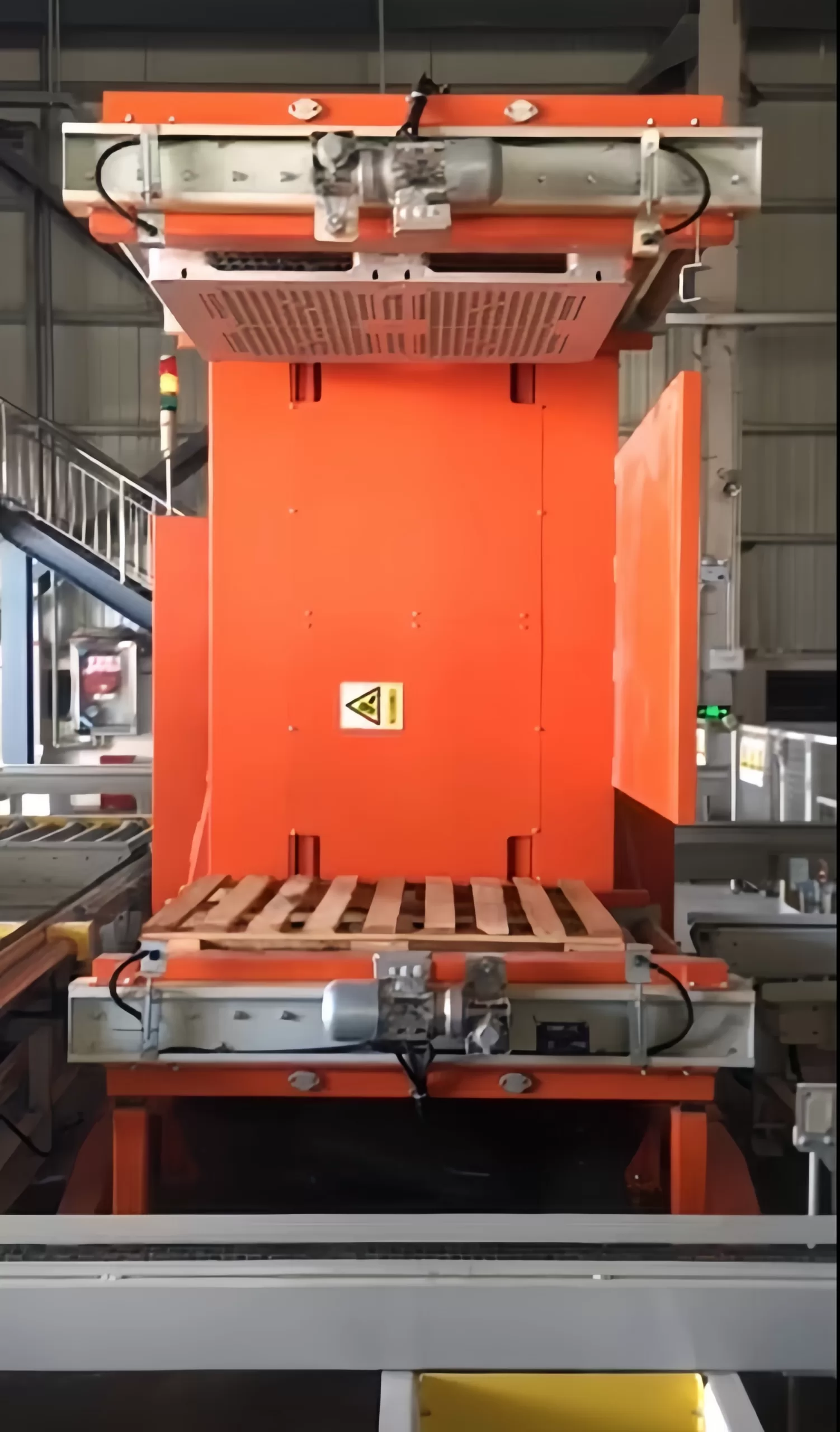
I learned early in my career that a good machine is only as good as the company behind it. This is why I built FHOPEPACK on the principle of partnership. You are not just buying a machine; you are investing in a solution and a relationship.
1. Deep Industry Knowledge and Problem Understanding 🧠
A supplier should not just know their machines. They must know your business.
- Understanding Food Logistics Pain Points: Do they ask about your specific pallet types? Do they ask about your throughput? Do they understand your hygiene requirements? Do they know about FDA or USDA regulations?
- Identifying Your Unique Challenges: A good supplier will listen. They will want to know about your labor issues. They will want to know about your safety concerns. They will want to know about your customer demands. They should not just push a standard product. They should tailor their questions to you.
- Offering Tailored Solutions: The best suppliers do not offer a one-size-fits-all solution. They offer customization. They suggest options that fit your exact needs. This might mean different load capacities. It might mean different automation levels. It might mean specific materials for food contact.
I always tell my team: we are not just selling packing machines. We are solving problems. We are helping businesses grow. This mindset is what I believe makes a true partner.
2. Proven Reliability and Safety Features 🛡️
In a high-stakes industry like food, equipment failure is not an option. Safety is paramount.
- Robust Construction: The machine must be built to last. It should handle your heaviest loads day in and day out. Look for strong materials. Look for good engineering.
- Advanced Safety Mechanisms: What safety features are built in? Are there emergency stop buttons? Are there safety interlocks? Are there light curtains? Does it comply with American safety standards like OSHA?
- Demonstrated Durability: Ask for case studies. Ask for customer testimonials. See if the machine has a long service life in similar high-intensity environments. My own experience building factories taught me that downtime is incredibly costly. Reliability is king.
When I started my factory, I knew that every piece of equipment needed to perform. I designed our machines with this in mind. They are built tough. They are built for continuous operation.
3. Comprehensive After-Sales Support and Training 🧑🏫
The purchase is just the beginning. What happens when you need help?
- Responsive Technical Support: Can you get help quickly when you need it? Is there a dedicated support line? What are their response times?
- Availability of Spare Parts: Can you get replacement parts easily? Is there a local stock? This reduces downtime significantly.
- Thorough Training Programs: Do they offer training for your operators? Do they offer training for your maintenance staff? Proper training ensures safe and efficient use of the equipment. It also prevents common errors.
I am grateful for the opportunities the industry has given me. That is why I believe in giving back. Providing excellent support is part of that. It ensures our clients can truly succeed with our machines.
4. Commitment to Long-Term Partnership and Innovation ✨
You are investing for the future. You need a supplier who is also thinking long-term.
- Scalability Options: Can the system grow with your business? Can you add more automation later?
- Technological Advancement: Does the supplier invest in R&D? Are they developing new features? Are they improving efficiency?
- Proactive Maintenance and Service Plans: Do they offer maintenance contracts? Will they help you keep your machine running optimally? This prevents unexpected breakdowns. It also extends the life of your equipment.
When I founded FHOPEPACK, I envisioned a platform for sharing knowledge. This is not just about selling machines. It is about building lasting relationships. It is about helping others navigate the complexities of the packing machine world.
How Does a Pallet Inverter Revolutionize Safety, Efficiency, and Cost in Food Warehouses?
Many American bosses might still be wondering, “Is a pallet inverter truly worth the investment?” I can tell you from my own experience, and from seeing hundreds of operations transform, that the answer is a resounding yes. A well-chosen pallet inverter is not just a piece of equipment; it is a strategic asset that revolutionizes your entire warehouse operation.
A pallet inverter revolutionizes safety by eliminating hazardous manual handling, significantly boosts efficiency by automating rapid pallet transfers across different specifications, and drastically reduces operational costs by cutting labor needs, minimizing product damage, and avoiding fines, thereby streamlining the entire food logistics workflow.

When I first started in the packing machine industry, I saw many manual processes that were ripe for automation. I realized that a machine designed to handle pallets could solve so many problems at once. It is about making smarter choices for your business.
1. Dramatically Improving Workplace Safety 💯
The most immediate benefit I often see is in safety. Protecting your team is non-negotiable.
- Eliminating Manual Handling Risks: Workers no longer need to manually lift or flip heavy pallets. This removes the risk of back injuries. It removes the risk of crushed limbs. It removes the risk of goods falling.
- Reducing Product Damage: When pallets are handled carefully by machine, there are fewer dropped loads. There are fewer damaged products. This saves money. It also maintains product quality, which is crucial in the food industry.
- Ensuring OSHA Compliance: Automated systems help meet safety regulations. This reduces the risk of fines. It also improves your standing with regulatory bodies. It creates a safer work environment for everyone.
My journey in this industry showed me how much a safe workplace contributes to overall success. Happy, safe employees are productive employees.
2. Boosting Operational Efficiency and Throughput 🚀
Time is money, especially in the fast-paced food industry. Pallet inverters save a lot of it.
- Rapid Pallet Changes: Automated systems can swap pallets in minutes. Manual methods take much longer. This speed-up means more goods move through your warehouse faster.
- Seamless Integration: Modern pallet inverters can fit into existing conveyor lines. They can work with your current WMS (Warehouse Management System). This creates a smooth, continuous flow of goods.
- Reduced Bottlenecks: Manual pallet changing often creates choke points. Pallet inverters clear these bottlenecks. They ensure a steady flow of product. This improves overall warehouse throughput. This helps meet tight delivery schedules.
I have helped many clients optimize their operations. The change in efficiency after implementing a pallet inverter is often staggering. It unlocks capacity. It speeds up the entire supply chain.
3. Significantly Reducing Operating Costs 💰
Cost savings are a key driver for any investment. Pallet inverters deliver clear financial benefits.
- Lower Labor Costs: By automating a labor-intensive task, you need fewer workers for pallet changes. This means less money spent on wages. It means less money spent on benefits.
- Minimized Fines and Penalties: Quick, accurate pallet changes mean fewer shipping delays. It means fewer errors in pallet specification. This helps avoid contractual penalties. It helps avoid lost sales.
- Reduced Insurance Premiums: A safer workplace means fewer accidents. This can lead to lower workers’ compensation claims. It can lead to lower insurance premiums over time.
- Optimized Space Utilization: Some pallet inverters allow for better stacking. They allow for better storage solutions. This can free up valuable warehouse space.
From my experience, achieving financial independence comes from smart investments. A pallet inverter is one of those smart investments. It provides a quick return on investment through these savings.
Why is Choosing a Long-Term Pallet Inverter Partner Critical for Future-Proofing?
The decision to invest in a pallet inverter is not a one-time transaction. For American bosses in the food industry, it is about laying groundwork for the future. That is why choosing a long-term partner, not just a vendor, is absolutely critical. A partner helps you adapt, grow, and stay ahead in a constantly evolving market.
Choosing a long-term pallet inverter partner is critical for future-proofing American food industry operations because it ensures access to ongoing technical support, allows for scalable solutions that adapt to business growth, provides continuous innovation to keep up with industry trends, and fosters a relationship built on trust and a shared vision for operational excellence.
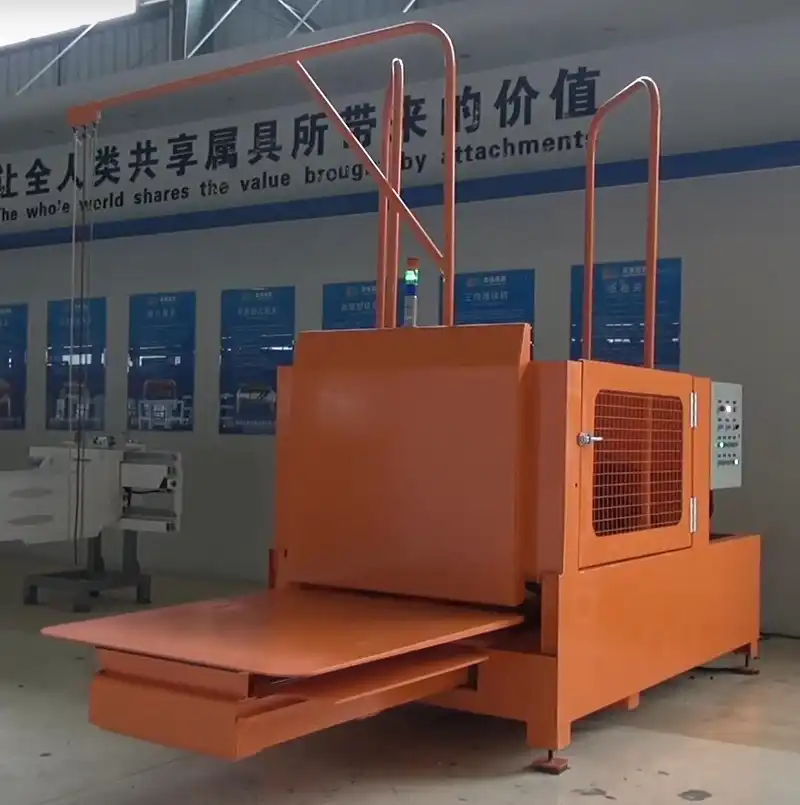
I built FHOPEPACK on the idea of long-term relationships. My journey from an employee to a factory owner taught me the value of reliable partners. I want my clients to feel they have a trusted advisor by their side.
1. Ensuring Continuous Operational Support and Expertise 🛠️
Machines need maintenance. Questions arise. A good partner is always there for you.
- Proactive Maintenance Programs: A long-term partner offers scheduled maintenance. This prevents breakdowns. It extends the life of your equipment. It ensures consistent performance.
- Rapid Troubleshooting and Repair: When issues do occur, you need fast help. A partner provides quick access to skilled technicians. They provide efficient repair services. This minimizes costly downtime.
- Access to Up-to-Date Knowledge: The industry changes. Technology advances. A dedicated partner keeps you informed. They provide advice on best practices. They offer insights into new technologies.
I always strive to share my expertise. This is how FHOPEPACK operates. We want to empower our clients. We want them to feel confident in their operations.
2. Scalability and Adaptability for Future Growth 🌱
Your business will grow. Your needs will change. Your partner should grow with you.
- Modular System Designs: Can the pallet inverter system be expanded? Can it be upgraded? Can it handle increased throughput? A good partner designs solutions with scalability in mind.
- Customization for Evolving Needs: As your product lines change, or as you enter new markets, your pallet needs might shift. A flexible partner can modify or adapt your existing system. They can offer new solutions.
- Seamless Integration with New Technologies: Warehouses are becoming smarter. Automation is advancing. A forward-thinking partner ensures your pallet inverter system can integrate with future tech. This includes AI or advanced robotics.
I have seen many businesses start small and then grow very quickly. I believe in setting them up for success from the beginning. This means thinking about their future needs.
3. Driving Innovation and Competitive Advantage 💡
Staying ahead means embracing new ideas. Your partner should be a source of innovation.
- Research and Development Focus: A strong partner invests in R&D. They are constantly looking for ways to improve their machines. They are looking for ways to make them more efficient. They are looking for ways to make them safer.
- Early Access to New Solutions: Being a long-term client might give you access to pilot programs. It might give you early adoption of new features. This can give you an edge over competitors.
- Strategic Advisory Services: A trusted partner can offer insights into market trends. They can advise you on how to leverage new technologies. They can help you make strategic decisions about your logistics.
My goal with FHOPEPACK is to make knowledge accessible to all. This includes sharing insights into what is coming next in packing machine technology.
4. Building Trust and a Shared Vision 🤝
Ultimately, a partnership is built on trust. It is about working towards common goals.
- Transparent Communication: A good partner is open and honest. They communicate clearly. They set realistic expectations.
- Responsive to Feedback: Do they listen to your suggestions? Do they act on your feedback? A true partner values your input. They use it to improve their products and services.
- Commitment to Your Success: Their success is tied to yours. They are invested in helping you achieve your operational goals. They want to see your business thrive.
I am grateful for the journey I have had. I have helped many clients achieve financial independence. Now, I am dedicated to helping others succeed. This is the foundation of a true partnership.
Conclusion
For American bosses in the food industry, investing in a pallet inverter is a strategic move to tackle diverse pallet types, labor shortages, and safety risks. By choosing a supplier who offers tailored solutions, proven reliability, and dedicated support, you can achieve remarkable improvements in safety, efficiency, and cost, ensuring your operations are future-proof and competitive.








