
How Pallet Inverters Help Reduce Static and Contamination Risks Compared to Traditional Equipment?
Imagine this: your warehouse is buzzing, orders are flying out, but then you face a critical issue. Your valuable products are at risk. They could get dirty or damaged during pallet changes. This slows everything down. It also puts your reputation on the line. I know this problem well. From my years in the packing machine industry, I have seen how quickly issues can arise.
Pallet inverters reduce static and contamination risks by offering a controlled, enclosed, and automated environment for transferring goods from one pallet type to another. They minimize human contact and exposure to airborne particles, unlike traditional manual methods which often involve direct handling, open environments, and repetitive movements that can generate static charges or introduce contaminants.
Keeping your goods safe and clean is very important. It impacts your whole operation. It affects your costs, your delivery times, and your customer trust. Let’s look closer at how modern pallet inverters solve these big problems. They offer a much better way forward than old methods.
Why are traditional pallet handling methods risky for contamination and static?
Are you still relying on old ways to change pallets? This might be costing you more than you think. Manual handling or using basic equipment often brings unseen risks. These risks threaten your product quality. They also put your team in danger.
Traditional pallet handling methods increase contamination and static risks because they involve more manual interaction and expose products to the open environment. Workers can transfer dirt, dust, or other particles from their hands or clothing. Repetitive friction from sliding goods or pallets can also build up static electricity.
I have seen countless warehouses struggle with this. When people manually move products, they expose them to the open air. This allows dust and debris to settle. This is a problem, especially for food or pharmaceutical items. Also, when workers slide items off one pallet onto another, it creates friction. This friction can generate static electricity. Static can attract more dust. It can also damage sensitive electronics.
The Hidden Dangers of Manual Pallet Swaps
Manual pallet changes might seem cheap at first. But they hide many expensive problems. I learned this early in my career. Many of my clients faced these very issues. They thought they were saving money. In truth, they were creating more risks.
-
Increased Contamination Exposure:
- Human Contact: Every time a hand touches a product or a pallet, there is a chance for contamination. Dust, dirt, and bacteria can transfer easily. Workers wear gloves, but gloves can also pick up particles. This is a real concern in hygienic environments. Think about a food processing plant. Any contamination can lead to recalls. This costs a lot of money and hurts brand trust.
- Open Environment: Manual transfers usually happen in an open area. This means products are exposed to the air. Dust from the warehouse floor, particles from forklifts, or even airborne fibers can land on your goods. This risk is always there. It is hard to control. Even in clean warehouses, air currents carry tiny bits.
- Damaged Packaging: Sometimes, manual handling causes tears or punctures in packaging. When packaging breaks, products become directly exposed. This allows contaminants to enter. It also invites pests. This is a big problem.
- Cross-Contamination: Workers might handle different types of products or pallets throughout the day. This can lead to cross-contamination. Imagine moving raw materials, then finished goods, with the same tools or hands. It is a constant battle to keep things separate.
-
Static Electricity Buildup:
- Friction from Sliding: When you slide a box or a product across a surface, it creates friction. This friction generates static electricity. This is especially true with certain materials like plastics. This static charge can build up quickly.
- Attraction of Dust: Static electricity acts like a magnet for dust and small particles. It pulls them directly onto your products. This means your goods look dirty. It can also cause problems for sensitive equipment later on.
- Electronic Damage: For certain products, static discharge is very dangerous. Electronic components are very sensitive. A small static shock can cause hidden damage. This damage might not show up until the product is in a customer’s hands. This leads to returns and unhappy customers.
- Spark Risk: In warehouses with flammable materials, static electricity can be a serious fire hazard. A sudden spark could ignite dust or chemical vapors. This creates a very dangerous situation. Safety is always my top priority. I always advise my clients to reduce this risk.
Traditional methods leave too much to chance. They depend on human care. They depend on a clean environment that is hard to maintain. This is not a reliable way to protect your products. This is why I always recommend looking at better options.
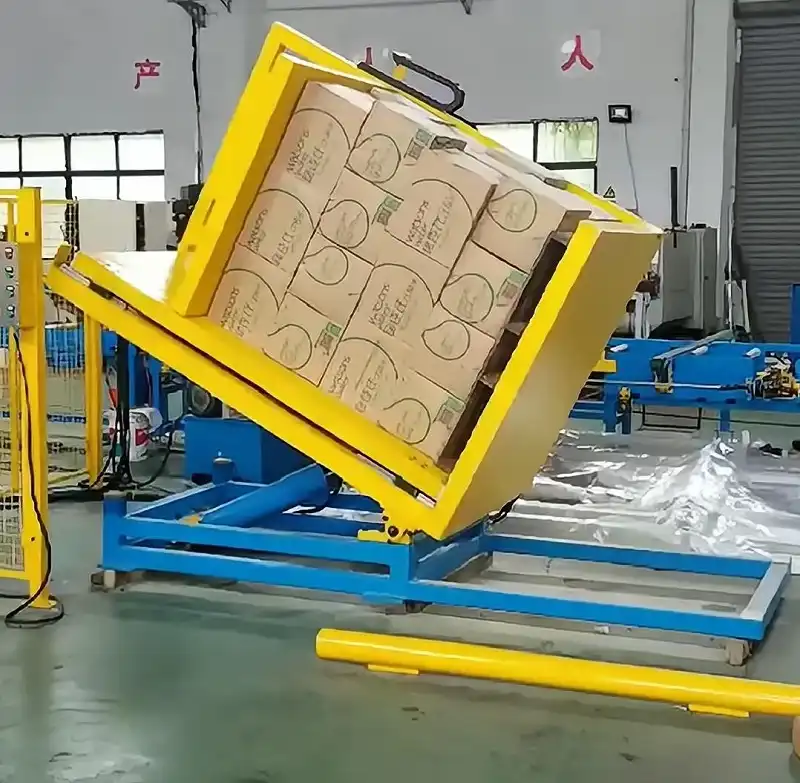
Traditional Pallet Handling Risks
How do pallet inverters shield your products from contamination?
Worried about keeping your products pristine? Contamination is a silent enemy in any warehouse. It can ruin your goods. It can damage your brand name. But there is a smart way to fight it.
Pallet inverters shield products from contamination by minimizing direct human contact and performing transfers in a controlled, often enclosed, environment. They use mechanical systems to secure and invert goods, preventing exposure to dust, dirt, and other airborne particles during the pallet change process.
When I started FHOPEPACK, my goal was to bring smart solutions to common problems. Contamination was a big one. A good pallet inverter acts like a protective bubble for your products. It keeps them clean during a critical step. It takes away the need for people to touch the goods directly. This is a game-changer for hygiene.
Pallet Inverter Advantages for Product Purity
My experience in building packing machine factories taught me one thing: automation means better control. When you remove human variables, you remove a lot of risks. Pallet inverters do exactly this for contamination.
-
Reduced Human Contact:
- Automated Process: A pallet inverter handles the entire transfer. This means workers do not need to touch the products or the load itself. They only operate the machine. Less human contact means fewer chances for contamination from hands, clothing, or breath. This is vital for food, beverage, and medical products.
- Hygienic Design Options: Many modern pallet inverters offer special designs. They can be made with stainless steel. They can have smooth surfaces. These designs make cleaning easy. They prevent dirt traps. This is very important for industries with strict hygiene rules. You can wash down these machines regularly.
- Isolation from Environment: Some advanced pallet inverters can be partly or fully enclosed. This creates a barrier. It protects products from airborne dust, debris, and environmental particles. This is like putting your products in a clean room during the transfer. This level of protection is impossible with manual methods.
-
Controlled and Secure Handling:
- Gentle Movement: Pallet inverters move goods smoothly and securely. They clamp the load tightly. Then they rotate it. This prevents items from shifting. It stops packaging from getting damaged. Damaged packaging is a gateway for contaminants. Keeping packaging intact is a key defense.
- Clean Pallet Introduction: The inverter lets you swap a dirty or worn pallet for a clean one. You can use a new, hygienic pallet for storage or shipping. This ensures that your products leave your facility on a pristine base. This step helps prevent contaminants from outside entering your clean supply chain.
- Eliminates Repetitive Actions: Manual pallet changes involve lifting, sliding, and repositioning. Each action can kick up dust. Each action can cause wear and tear. Pallet inverters do these actions once, in a controlled way. This reduces dust generation. It also reduces accidental drops or spills.
I have seen how effective this is. My clients in the food sector specifically demand these features. They need to protect their products at every step. A pallet inverter is a critical part of that protection plan. It ensures that goods remain clean and safe. This protects both the product and the company’s reputation.

Pallet Inverter Contamination Protection
Can pallet inverters truly reduce static electricity during transfers?
Does static electricity cause headaches in your warehouse? It can attract dust. It can even damage sensitive goods. If you handle electronics or certain plastics, you know the problem. The good news is, pallet inverters offer a solution.
Yes, pallet inverters truly reduce static electricity during transfers by minimizing friction, enabling the use of anti-static materials, and offering controlled grounding. Their automated and steady operation avoids the jerky, rubbing movements common in manual handling that generate static charges.
When I was building my factory, I always looked for ways to make processes smoother and safer. Static electricity was a challenge. But good engineering can solve it. Pallet inverters are designed to handle loads in a way that actively fights static buildup. This protects your products and your operations from unseen electrical forces.
How Pallet Inverters Combat Static Buildup
Controlling static is about control and material science. Pallet inverters bring both to your warehouse. They are a smart tool for a modern factory.
-
Minimized Friction:
- Smooth, Controlled Movement: Pallet inverters move loads in a steady, often rotating motion. They do not involve the same kind of sliding or rubbing that happens with manual transfers. Less friction means less static charge generation. This is a fundamental principle of physics.
- Clamping Mechanism: The load is securely clamped before any movement. This stops items from shifting or rubbing against each other. It also prevents friction between the product and the machine surfaces. A tight clamp means stable movement. This stability is key to preventing static buildup.
- Material Choice: Pallet inverters can be built with materials that have low friction coefficients. This further reduces the potential for static generation during contact. This is a design choice that makes a big difference.
-
Anti-Static Features and Grounding:
- Anti-Static Surfaces: Some pallet inverters include surfaces made from anti-static materials. These materials help dissipate any static charges that might form. They stop the charge from building up to dangerous levels. This is especially useful for industries handling electronics or chemicals.
- Integrated Grounding: A critical feature of electric machinery is grounding. Pallet inverters are properly grounded. This allows any static charge that does build up on the machine or the load to safely flow to the earth. This prevents dangerous accumulation. It keeps both products and workers safe.
- Air Ionizers (Optional): For very sensitive applications, some advanced pallet inverters can integrate air ionizers. These devices release positive and negative ions into the air. These ions neutralize static charges on products and surfaces. This creates an even safer, static-free zone during the transfer.
-
Consistency and Predictability:
- Uniform Process: An automated pallet inverter performs the same action every time. This consistency is important. It means you can predict and manage static risks more effectively. Manual handling, by contrast, is inconsistent. It depends on the worker.
- Reduced Handling Time: Faster, more efficient transfers mean less time for static to build up. It also means less exposure to environmental factors that might cause static. Quicker cycles improve both safety and throughput.
I have seen firsthand how these features create a safer working environment. They protect delicate goods. They also remove a major headache for warehouse managers. Investing in a pallet inverter means investing in a static-free, problem-free process.

Pallet Inverter Static Reduction
What broader operational benefits do pallet inverters bring to warehousing?
Are you only thinking about static and contamination? Pallet inverters do much more. They change your whole warehouse operation. They solve many other problems you face every day.
Pallet inverters bring broader operational benefits to warehousing by significantly improving safety, increasing efficiency, reducing labor costs, and enhancing adaptability to diverse pallet specifications. They streamline the entire pallet changing process, turning a complex, risky task into a quick, automated one.
My journey in the packing machine industry showed me that a good solution solves multiple problems. Carlos Rodríguez, a warehouse manager in Spain, faces many challenges. He deals with diverse pallet types, labor shortages, and pressure for faster delivery. A pallet inverter is a powerful tool to address all these issues, not just contamination or static.
Transforming Warehouse Operations with Pallet Inverters
From my experience designing and building machines, I know that true value comes from a comprehensive solution. A pallet inverter is not just a piece of equipment; it is a strategic asset for your logistics.
-
Enhanced Safety:
- Reduced Manual Handling: This is huge. Manual pallet changes involve heavy lifting and awkward movements. This leads to back injuries, crushed fingers, and dropped loads. An inverter does the heavy work. This keeps your team safe. It lowers the risk of accidents.
- Minimized Product Damage: When goods are handled poorly, they can fall or get crushed. This leads to costly damage. Pallet inverters secure the load. They move it gently. This protects your products from harm. Less damage means fewer returns. It also means less waste.
- Stable Operations: The machine handles the entire pallet. It ensures the load stays stable. This prevents items from tipping over. Tipping is a common cause of accidents in warehouses. It also creates a mess.
-
Increased Efficiency and Speed:
- Faster Changeovers: A pallet inverter can swap pallets in minutes. Manual methods take much longer. This speed boost is crucial for busy warehouses. It means faster dispatch. It also means better throughput.
- Streamlined Process: The process becomes a simple push of a button. This reduces bottlenecks. It smooths out your workflow. Your team can focus on other important tasks. This frees up valuable labor time.
- Consistent Performance: Machines work the same way every time. They do not get tired. They do not make mistakes. This consistency means reliable operations. It means you can plan your day better.
-
Cost Reduction:
- Lower Labor Costs: With automation, you need fewer people for pallet changes. This reduces your labor expenses. It also helps with labor shortages. This is a big concern for managers like Carlos.
- Reduced Insurance Claims: Fewer accidents mean fewer workers’ compensation claims. It also means lower insurance premiums. Safety always pays off in the long run.
- Less Product Waste: Protecting goods from contamination and damage saves money. You throw away fewer items. You process fewer returns. This directly impacts your bottom line.
-
Adaptability and Versatility:
- Handling Diverse Pallet Types: This is a key need for international logistics, as Carlos faces. Pallet inverters can swap Euro pallets for US pallets. They can change wood pallets for plastic ones. They handle different sizes and materials. This flexibility is vital for global supply chains.
- Optimized Space Usage: By streamlining pallet management, you can better organize your storage. This helps use your warehouse space more effectively. Every square meter counts.
- Compliance: Many countries have specific rules for pallet hygiene or types. Pallet inverters help you meet these rules quickly. This avoids fines and delays in customs. It ensures smooth international shipping.
I truly believe a pallet inverter is more than a machine. It is an investment in the future of your warehouse. It makes your operations safer, faster, and more adaptable. This puts you ahead of the competition.
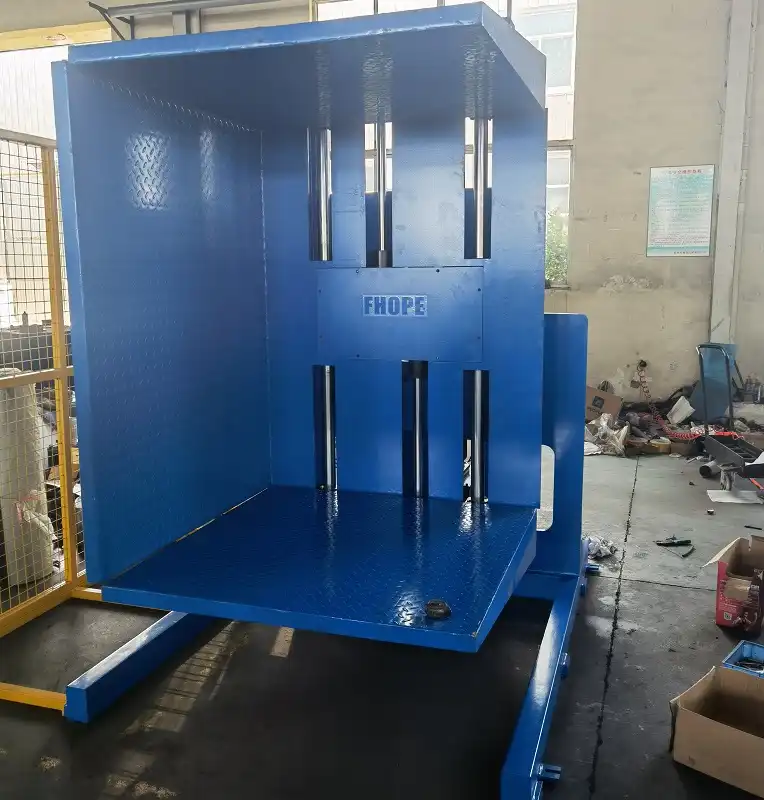
Pallet Inverter Operational Benefits
My Insights!!!!!!!!!!!!!!!!!!!!!!!!!!!!
My journey in the packing machine industry has taught me that real solutions go beyond simple machines. They address the complex challenges that warehouse managers like Carlos face every day. It’s not just about moving a pallet; it’s about protecting an entire operation. I have seen how manual handling, though seemingly cost-effective, creates a cascade of problems: safety hazards, product contamination, static electricity risks, and crippling inefficiencies. These issues compound over time, leading to higher operational costs, missed deadlines, and lost client trust. When I founded FHOPEPACK, I wanted to share this deep understanding. My aim was to help businesses find robust solutions that truly transform their workflow. A pallet inverter is a prime example of such a solution. It’s designed not just to flip a pallet, but to safeguard your entire supply chain.
This is why I always emphasize the need for a comprehensive approach. You need equipment that not only works reliably but also anticipates and mitigates risks. A pallet inverter with advanced features tackles contamination and static head-on. It does this by creating a controlled, automated, and hygienic environment. This kind of automation removes human error. It also removes direct exposure. This dramatically reduces the chances of dust, dirt, or foreign objects affecting your products. Furthermore, the precise, smooth motion of a well-engineered inverter minimizes friction. It also integrates grounding mechanisms. These features are crucial for preventing static electricity buildup. This protects sensitive goods. It also eliminates the fire hazards associated with static discharge. These are not minor benefits. They are fundamental improvements to your operational integrity.
But the real power of a pallet inverter lies in its ability to solve multiple pain points at once. It addresses the critical need for safety in the workplace. It lessens the physical strain on your employees. It reduces the risk of accidents and injuries. This translates directly into lower insurance costs and a more motivated workforce. It also enhances efficiency. The quick, consistent changeovers dramatically speed up your throughput. This is essential in today’s fast-paced e-commerce and retail environments. Moreover, the flexibility to handle different pallet types—be it Euro, US, or plastic pallets—is indispensable for international logistics. This adaptability ensures compliance. It also prevents costly delays at borders. For someone managing a regional distribution center in Europe, as Carlos does, this versatility is a non-negotiable requirement.
Ultimately, my insight is this: choosing a pallet inverter is about much more than buying a machine. It’s about investing in a partner who understands your challenges. It is about selecting a solution that integrates seamlessly into your existing operations. You need a supplier who offers ongoing support and expertise. This ensures long-term reliability. FHOPEPACK aims to be that partner. We provide the knowledge and the machines. We help you achieve financial independence through smart solutions. We help you grow your business, just as I grew mine. A well-chosen pallet inverter can be the cornerstone of a safer, more efficient, and more profitable warehouse. It provides the peace of mind that your products are handled with the utmost care. It ensures your operations run smoothly, day in and day out.
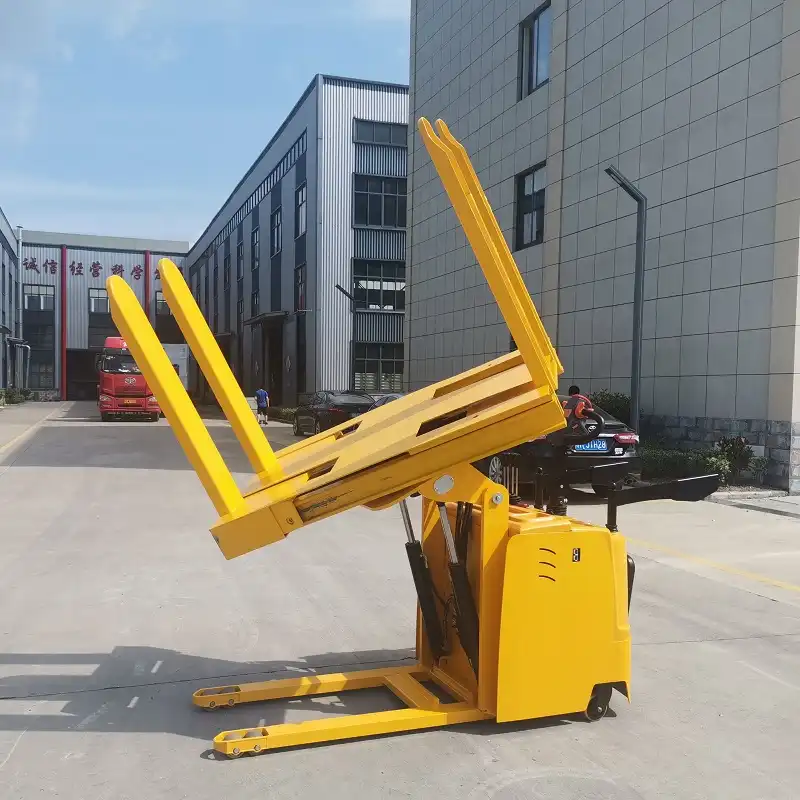
Conclusion
Pallet inverters offer a clear advantage over traditional methods. They greatly reduce static and contamination risks. They also boost safety, efficiency, and adaptability for your operations. Investing in a pallet inverter is a smart move for any modern warehouse aiming for better product integrity and operational success.








