
What are the cost implications of choosing pallet inverter for high-tech industries?
High-tech industries operate at the cutting edge. They demand precision, efficiency, and constant innovation. But many still grapple with outdated, inefficient pallet handling. This creates bottlenecks, wastes time, and eats into profits. Are you seeing your operational budget stretched by manual labor, frequent product damage, or slow pallet exchanges? These issues do not just slow you down; they directly impact your bottom line and reputation in a fast-paced market. It is time to rethink how you manage your inventory. I have seen firsthand how integrating a pallet inverter can be a game-changer. It is not just about moving goods; it is about smart, cost-effective solutions for your high-tech environment.
Choosing a pallet inverter for high-tech industries involves a strategic evaluation of both immediate outlays and long-term financial benefits. While the initial investment might seem significant, these systems dramatically reduce operational costs by cutting labor expenses, minimizing product damage, boosting throughput, and enhancing workplace safety. They effectively transform variable costs into predictable, manageable fixed costs, leading to a strong return on investment through improved efficiency and avoided penalties.
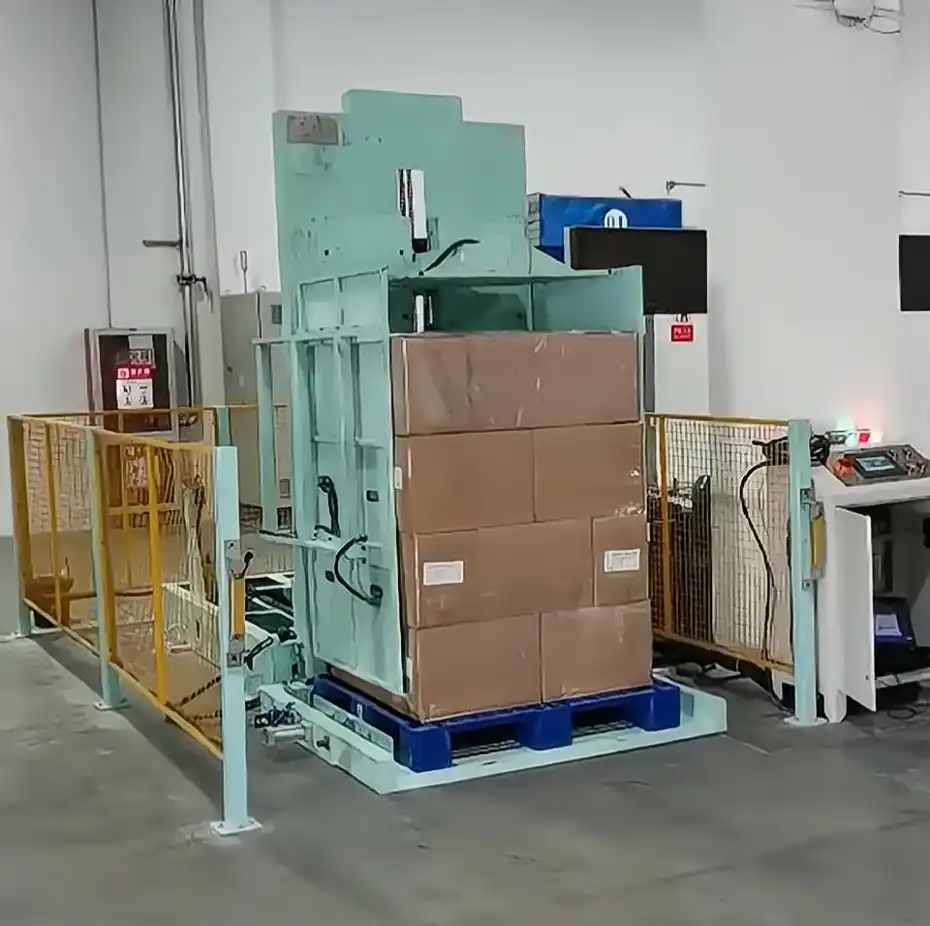
Understanding these complex financial dynamics is key to making an informed decision. Let’s dig deeper into the specific cost implications. We will explore how pallet inverters affect your budget, from the initial purchase to ongoing operations and the hidden savings they provide.
Is the upfront investment in a pallet inverter truly a high-tech burden?
Many managers see a significant price tag on new automation equipment like a pallet inverter. This can cause hesitation. They might think it is just another large expenditure to justify. Are you worried about the capital outlay for new machinery? Do you wonder if the immediate cost will outweigh the benefits? This initial hurdle often stops businesses from investing in crucial efficiency upgrades. I want to tell you that looking only at the sticker price misses the bigger picture. A pallet inverter is not an expense; it is a strategic investment in your future. It is about building a more robust and efficient operation.
The upfront investment in a pallet inverter for high-tech industries encompasses more than just the machine’s purchase price. It includes costs for customization, installation, integration with existing systems, and initial training. While these figures can appear substantial, they represent a foundational investment designed to deliver precision, speed, and safety. This initial outlay is typically offset by rapid returns from operational improvements and cost reductions.
When high-tech companies consider a pallet inverter, they must look beyond the initial invoice. The true “upfront burden” includes several factors that I have seen many overlook.
- 💰 Machine Cost: The basic price of the pallet inverter varies greatly. It depends on the model, capacity, and automation level. A fully automatic system capable of handling diverse pallet types (like European and American standards) will cost more than a simple, manual one. High-tech operations often need advanced features. This includes sensors, precise controls, and durable construction materials. These features ensure seamless integration and long-term reliability.
- 🛠️ Installation and Setup: Getting the machine into your facility and making it operational is another cost. This involves site preparation, electrical work, and mechanical assembly. Proper installation is critical. It ensures the machine runs safely and efficiently from day one. I always advise professional installation to avoid future problems. Poor setup can lead to downtime and costly repairs later.
- ⚙️ Integration with Existing Systems: High-tech environments rarely operate standalone machines. A pallet inverter often needs to connect with your Warehouse Management System (WMS) or conveyor lines. This integration ensures a smooth workflow. It helps data flow correctly. This connection might require software adjustments or new hardware. These are important for a truly automated solution. They ensure that the pallet inverter acts as a natural part of your process.
- 👨🏫 Training: Your team needs to know how to operate and maintain the new equipment. Training costs cover teaching staff safe operation, troubleshooting, and basic maintenance. Proper training ensures maximum uptime. It also prevents user errors that can lead to damage or accidents. It empowers your employees to use the new technology effectively. Investing in training pays off by extending the machine’s life and efficiency. It avoids the costs of misuse. These combined elements form the real initial investment. They set the stage for future savings and operational excellence.
How do pallet inverters turn operational costs into long-term savings for high-tech firms?
Traditional pallet handling methods are a drain on operational budgets. They require significant manual labor, are slow, and prone to errors. This directly impacts your company’s efficiency and profitability. Are you constantly battling rising labor costs? Do you see valuable employee time spent on repetitive, strenuous tasks? These inefficiencies are not just minor inconveniences; they are major operational leaks that erode your margins. Pallet inverters do more than just flip pallets. They fundamentally change your operational cost structure. They convert those leaky expenses into solid, predictable savings that build up over time.
Pallet inverters transform operational costs into significant long-term savings for high-tech firms by drastically reducing labor dependency and associated wages. They accelerate processing times, allowing higher throughput with fewer resources. Furthermore, these machines minimize product damage during pallet transfers, cutting down on waste and rework expenses. Their efficient operation also contributes to lower energy consumption compared to manual methods, yielding continuous cost reductions.
For high-tech industries, turning operational costs into long-term savings is a major goal. Pallet inverters are excellent tools for this transformation.
- ⬇️ Reduced Labor Costs: This is often the most immediate and significant saving. Manual pallet changing is labor-intensive. It requires multiple workers to lift, maneuver, and transfer goods. A pallet inverter can perform these tasks with minimal human intervention. This frees up your team for more skilled work. It directly cuts down on wages, benefits, and training associated with manual labor. For example, if a warehouse needs to switch thousands of pallets daily, reducing the number of people performing this task translates into huge savings over a year. It also helps with the labor shortage issue.
- 🚀 Increased Throughput and Efficiency: Time is money, especially in high-tech. Pallet inverters operate much faster than manual methods. They can process many pallets in a fraction of the time. This increased speed means products move through the warehouse quicker. It reduces bottlenecks. It also allows your facility to handle a higher volume of goods without expanding its footprint or labor force. This directly supports tighter delivery schedules and customer satisfaction. It prevents delays which can lead to fines.
- 🛡️ Minimized Product Damage: Manual handling always carries a risk of dropping or damaging products. This is even more critical in high-tech industries where items can be fragile and expensive. Pallet inverters secure the load firmly before moving or flipping it. This greatly reduces the chance of damage. Preventing even a few damaged items can lead to substantial savings. It avoids the costs of replacement, rework, and waste. It also protects your brand’s reputation for quality.
- 💡 Energy Efficiency: Modern pallet inverters are designed with energy efficiency in mind. While they consume electricity, their automated, optimized movements often result in lower overall energy use compared to the cumulative energy expended by manual processes or older, less efficient machines. This contributes to a lower utility bill. It aligns with sustainability goals for many high-tech firms. These combined factors create a powerful financial argument for adopting pallet inverter technology. They turn traditional operational outflows into sustainable inflows.
Can pallet inverters eliminate hidden costs from safety risks and compliance failures?
Many businesses overlook the “hidden” costs associated with manual pallet handling. These are not just line items on a budget. They are the expenses from workplace injuries, compliance failures, and damaged goods. These often surface unexpectedly. Are you experiencing increased insurance premiums due to accidents? Are you worried about potential fines for non-compliance with international shipping standards? These unseen costs can quickly become very real and very expensive, eroding profitability and trust. Pallet inverters offer more than just efficiency. They are powerful tools for mitigating risk. They can effectively eliminate many hidden costs. They protect your people, your products, and your reputation.
Pallet inverters effectively eliminate hidden costs by significantly reducing workplace safety risks, such as injuries from manual lifting or goods falling. This leads to lower insurance premiums and avoids costly compensation claims. Additionally, these systems ensure precise and consistent pallet changes, crucial for meeting diverse international compliance standards without errors or delays. This prevents potential fines, re-shipping costs, and maintains customer trust.

Hidden costs can severely impact a high-tech company’s finances. Pallet inverters play a vital role in removing these unseen burdens.
- ⛑️ Improved Workplace Safety: Manual pallet handling, especially flipping heavy loads, is inherently risky. Workers can suffer back injuries, muscle strains, or even more severe accidents from falling goods. These incidents lead to:
- Medical expenses and compensation claims: Direct financial outlays.
- Lost productivity: Injured workers are off the job.
- Increased insurance premiums: A history of accidents drives up costs.
- Low employee morale: A dangerous workplace can negatively affect the entire team. A pallet inverter performs these tasks mechanically. It keeps human operators safely away from heavy loads. This greatly reduces the risk of accidents. For managers who have already seen accidents, this is a critical benefit. It protects their team and their budget.
- ✅ Enhanced Compliance and Reduced Fines: High-tech industries often deal with global supply chains. This means different countries have different pallet requirements (e.g., Euro pallets vs. US pallets, or specific hygiene standards like plastic pallets for food). Manual switching can be inconsistent. It can lead to errors. These errors can result in:
- Shipment rejections: Goods sent back, causing delays and double shipping costs.
- Customs fines: Penalties for non-compliant packaging.
- Damage to reputation: Losing client trust due to repeated issues. Pallet inverters ensure consistent, accurate transfers. They handle various pallet types reliably. This guarantees compliance with international standards. It avoids costly delays and penalties. It helps maintain a smooth flow of goods.
- 🔄 Reduced Product Damage (Again): While touched on earlier, product damage is a huge hidden cost. For high-tech, this means:
- Scrap material: Direct loss of expensive components or finished goods.
- Rework time: Labor spent salvaging or re-processing damaged items.
- Disruption to production schedules: Delays in getting products to market. Pallet inverters secure loads firmly. They perform transfers smoothly. This minimizes damage. It protects sensitive high-tech products. This avoids the significant financial and reputational costs associated with damaged inventory. By addressing these areas, pallet inverters turn potential liabilities into assets. They strengthen a company’s financial health and operational integrity.
What long-term value and ROI can high-tech industries expect from a pallet inverter system?
After considering initial costs and immediate operational savings, a critical question remains. What about the long-term? How does a pallet inverter contribute to sustained growth and competitive advantage? Are you only looking at short-term gains? Do you wonder if this investment will truly pay off years down the line? Failing to consider long-term value can lead to missed opportunities and outdated operations. Investing in a pallet inverter is not just for today’s problems. It is a strategic move that delivers continuous value. It helps your high-tech business stay agile, competitive, and profitable for years to come.
High-tech industries can expect significant long-term value and a strong return on investment (ROI) from a pallet inverter system. These benefits include enhanced scalability, allowing easy adaptation to future production demands and diverse pallet types. The systems contribute to reduced equipment wear on other machinery by standardizing pallet conditions. They also offer a competitive advantage through superior operational efficiency and reliability, ensuring sustained profitability and market leadership.

The true power of a pallet inverter often becomes clear when considering its long-term value and return on investment (ROI) for high-tech industries.
- 📈 Scalability and Future-Proofing: High-tech industries are dynamic. They often need to scale up quickly or adapt to new product lines and packaging requirements. A well-chosen pallet inverter system offers this flexibility. It can handle increased volumes without needing significant additional labor. It can also adapt to various pallet sizes and types. This means your investment today remains valuable tomorrow. It reduces the need for expensive reconfigurations or new purchases in the future. It positions your business for growth.
- 📊 Optimized Asset Utilization: By streamlining pallet exchange, the inverter can improve the efficiency of other equipment. For example, if forklifts spend less time waiting for manual pallet changes, they can be used more effectively. This extends the life of other machinery. It reduces wear and tear on your existing fleet. This overall optimization of assets contributes to lower maintenance costs and longer equipment lifespans. This maximizes the value of your entire logistics infrastructure.
- ⭐ Enhanced Reputation and Customer Satisfaction: For managers, customer satisfaction is a key goal. Fast, accurate, and damage-free deliveries are essential. A pallet inverter ensures smooth operations. It helps meet tight delivery schedules. It also adheres to strict compliance needs. This builds a reputation for reliability and professionalism. Happy customers are repeat customers. They are also less likely to issue complaints or charge penalties. This directly impacts your long-term revenue and market standing.
- 💰 Strong Return on Investment (ROI): The combination of reduced labor, increased efficiency, minimized damage, and improved safety all contribute to a strong ROI. While the exact figures depend on individual operations, I have seen companies recover their initial investment in a surprisingly short time. After that, the savings continue to accumulate. It becomes a continuous boost to their profitability. This sustained financial benefit is the hallmark of a wise, long-term investment. It allows companies to reinvest in innovation and stay ahead.
My journey in the packing machine industry started from the factory floor. I saw countless businesses struggle with inefficient processes. They lost money due to manual handling and outdated methods. It pushed me to innovate and eventually start my own factory. I realized that the true value was not just in selling machines. It was in understanding a client’s specific pain points and offering solutions that truly helped them grow. I remember one client, a fast-growing electronics firm, faced constant product damage during manual pallet transfers. Their costs were spiraling. We implemented a custom pallet inverter system. Within months, their damage rates dropped by 90%. Their team was safer. They could process orders faster. This success story is why FHOPEPACK exists. It is why I share my knowledge. I want to help you achieve similar breakthroughs. I want to help you master your packing challenges. This is my commitment to you.
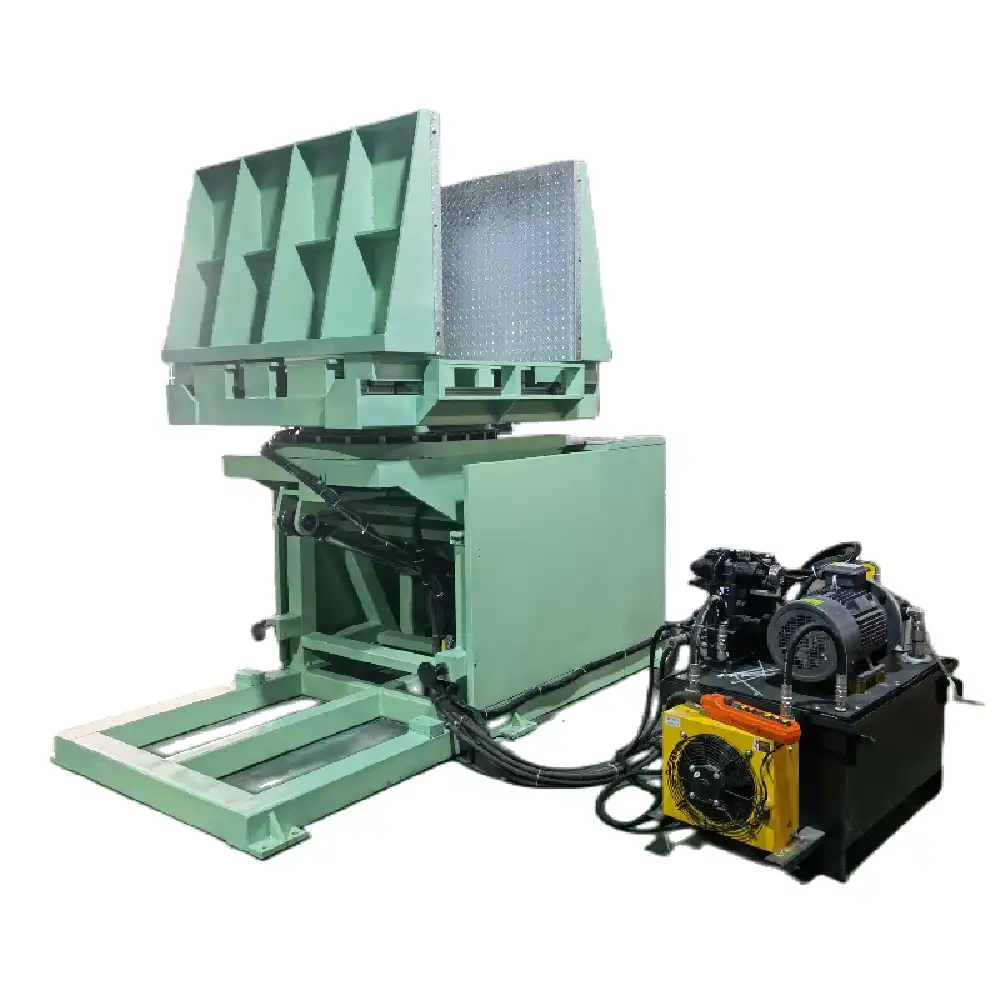
Conclusion
Choosing a pallet inverter offers substantial cost benefits for high-tech industries. It transforms initial investment into long-term savings. It improves efficiency, enhances safety, and ensures compliance. This positions your business for sustained growth and profitability.








