
How does a pallet inverter ensure compliance with safety standards in battery plants?
Dealing with materials in a battery plant can be tricky. You have heavy loads, delicate components, and sometimes hazardous chemicals. The thought of a load shifting or a worker getting hurt is a constant worry. This issue can slow down your whole operation and even lead to fines.
A pallet inverter acts as a vital tool. It moves loads safely from one pallet to another. This machine helps battery plants follow strict safety rules. It keeps workers safe, protects valuable products, and makes sure the plant runs smoothly.

Throughout my time in the packing machine industry, I have seen how critical the right equipment is for safety. Let’s look closely at how pallet inverters make a big difference in battery plants. They help meet safety standards and improve how things work every day.
Why are safety standards so crucial in battery production?
Imagine a battery plant. It is a place where new energy comes to life. But it also has many risks. If something goes wrong, it can be very dangerous. This is why safety rules are not just good ideas; they are absolutely necessary.
In battery production, you deal with heavy components, sometimes sensitive chemicals, and very precise processes. Any accident can have serious results. It can harm workers, damage expensive products, or even cause environmental problems. Because of these big risks, every step in the process must be safe. Companies must follow strict rules set by governments and industry groups. These rules protect everyone involved. They also protect the products and the environment. Failing to follow these rules can lead to big fines, legal problems, and a bad reputation.
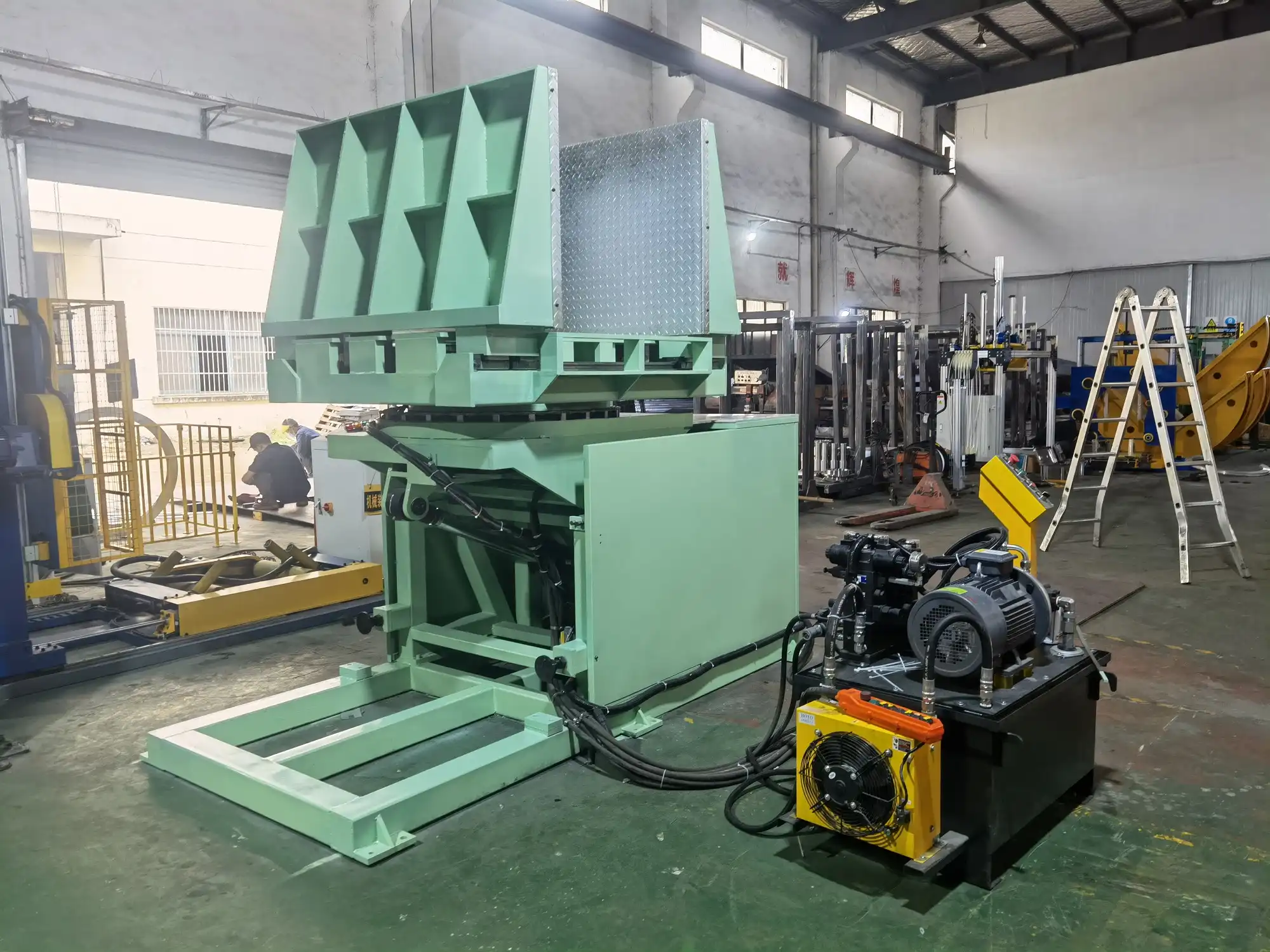
When I started in this business, I learned quickly that safety is not just an add-on. It is a core part of how a plant runs. We must think about safety from the very start. This means choosing the right machines and training people well. It ensures that every item, from raw materials to finished batteries, is handled safely. A small mistake can cause a big problem. This is why strict safety standards are not just paperwork. They are essential for everyone’s well-being and for the plant’s success.
Dive deeper: Specific safety concerns in battery manufacturing and how they affect operations.
Battery manufacturing involves unique hazards that demand high safety standards. These hazards often relate to the materials and processes used.
-
Chemical Risks:
- Many batteries use electrolytes and other chemicals that are corrosive or flammable.
- A spill during manual pallet transfer can expose workers to dangerous substances. It can also contaminate the product or the environment.
- A pallet inverter keeps chemicals contained. It reduces the chance of spills and worker contact. This is crucial for keeping a safe workplace and avoiding regulatory fines for chemical handling.
- Think about the strict rules for handling hazardous materials. A pallet inverter helps meet these rules by minimizing human interaction with unstable loads.
-
Heavy Loads and Ergonomics:
- Battery components, like cells or completed battery packs, are very heavy.
- Manually moving or flipping these heavy pallets causes strain and injury to workers. Back injuries, muscle strains, and crushed limbs are common when lifting or turning heavy loads by hand.
- A pallet inverter takes away the need for manual lifting or turning. It uses machine power to do the hard work. This makes the job much safer for employees. It also reduces fatigue and the risk of accidents from tired workers.
- In my experience, worker safety goes up when you automate heavy tasks. It also helps companies keep good workers. This is important when labor is hard to find.
-
Product Fragility and Damage:
- Battery cells and modules are often delicate. They can get damaged easily if dropped or mishandled.
- Damage to batteries is not just a financial loss. It can also create safety risks if the damaged cells leak or become unstable.
- Pallet inverters handle loads smoothly and with care. They clamp the load firmly before inverting it. This stops items from shifting or falling. It means fewer damaged products and fewer potential safety hazards from compromised batteries.
- High-quality machines ensure a gentle transfer. This protects the integrity of each battery unit. It means fewer defects and higher product quality. This keeps customers happy and ensures the product is safe to use.
-
Fire and Explosion Risks:
- Some battery chemistries, especially lithium-ion, pose fire or explosion risks if handled improperly or damaged.
- Mechanical impact or piercing during manual operations can cause a short circuit or thermal runaway.
- By providing a controlled and stable transfer, pallet inverters greatly reduce the chance of such impacts. This helps prevent dangerous incidents.
- Using automated systems helps plants meet fire safety standards. It reduces ignition sources linked to product damage. It also helps with the safe storage and movement of potentially volatile goods. This shows commitment to both worker and public safety.
In my early days, I saw how a simple drop could ruin a whole batch and create a safety hazard. Automating these steps with a pallet inverter is a clear win for safety and efficiency.
What risks does manual pallet handling create in battery factories?
Handling pallets by hand in a battery plant brings many dangers. These dangers affect workers, products, and how the plant runs. When people lift, twist, or push heavy pallets, things can go wrong very easily.
One big risk is worker injury. Heavy items can crush hands or feet. Twisting can hurt backs. Drops can lead to broken bones or worse. I have seen too many times how these injuries hurt workers and stop work. Another risk is damaging the products. Battery cells are often sensitive. If a pallet tips or a box falls, the batteries inside can break. This not only costs money but can also create safety hazards if damaged cells leak chemicals or catch fire. Also, manual handling is slow. It creates bottlenecks in the plant. This makes it harder to get products out on time. It also makes it tough to meet strict safety rules because human error is always a factor.
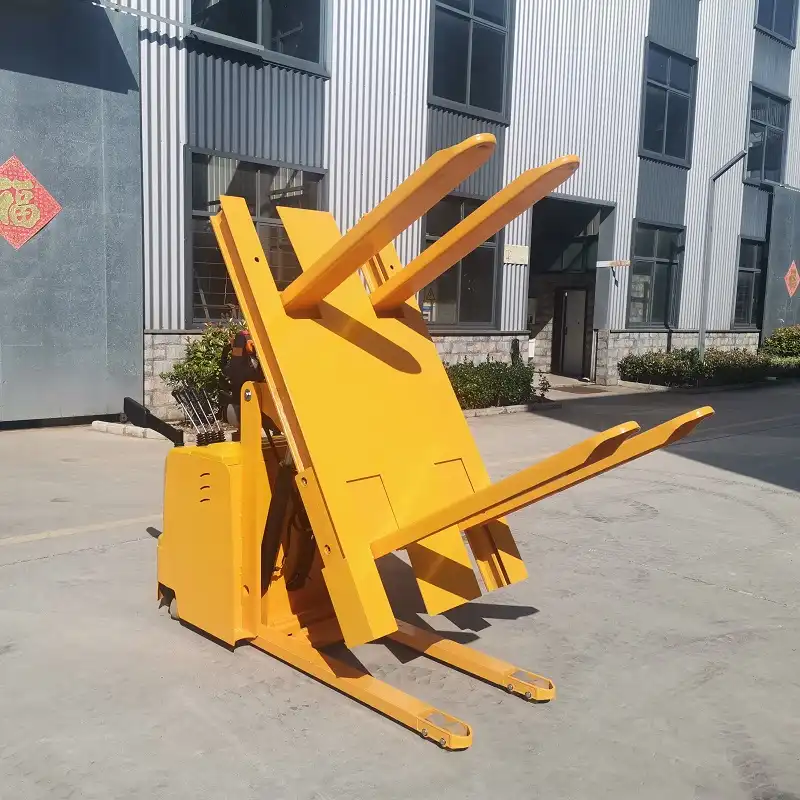
In my career, I learned that manual work is not just inefficient. It is also risky. These risks become much higher in a battery plant where the products themselves can be dangerous. Switching to better methods is key for keeping everyone safe and keeping the plant running well.
Dive deeper: Common accidents and compliance failures from manual pallet handling.
Manual pallet handling in battery plants is a hotspot for accidents and compliance issues. The specific nature of battery components amplifies these risks.
-
Musculoskeletal Injuries:
- Workers often strain their backs, shoulders, or wrists when manually lifting or shifting heavy battery pallets. These repetitive motions or sudden heavy lifts lead to chronic pain and serious injuries.
- OSHA and other safety bodies have strict rules on manual handling limits. Breaching these rules through heavy manual tasks results in fines and legal actions.
- Common incidents include back sprains from twisting, shoulder tears from lifting, and carpal tunnel syndrome from repetitive actions. These injuries lead to lost workdays and high compensation costs. They also show a clear failure to protect worker well-being.
-
Product Damage and Spills:
- When workers try to manually invert or move pallets, batteries can fall, crash into each other, or get crushed. This damages the delicate cells.
- Damaged batteries can leak corrosive electrolytes or catch fire due to internal short circuits. Such events pose direct risks to workers and the facility. They also lead to costly product recalls or waste.
- Compliance regulations for hazardous materials (like those in batteries) demand secure handling. Manual errors often violate these rules. This leads to environmental penalties and a loss of trust from customers.
- For example, a dropped pallet of lithium-ion batteries can create an immediate fire risk. This needs emergency response and shows a failure in safe handling protocols.
-
Crushing Injuries and Entrapment:
- Workers can get crushed between pallets or by falling loads during manual operations. This often happens when pallets are unstable or loads are not properly secured.
- Safety standards clearly state the need for safe load handling and equipment to prevent crushing hazards. Manual handling often fails these basic safety principles.
- In a battery plant, heavy battery modules can weigh hundreds of pounds. If a worker gets caught under a shifting load, the injuries can be severe or even fatal. This leads to investigations, lawsuits, and a damaged company image.
- Such incidents prove a lack of proper safety equipment and training. They highlight the failure to move away from dangerous manual processes.
-
Inefficiency and Audit Risks:
- Manual pallet handling is slow and prone to errors. This creates delays in the production line and impacts delivery schedules. It also makes it hard to keep detailed records of handling processes.
- Regulatory bodies often require clear audit trails of safe handling practices, especially for sensitive products. Manual methods lack this transparency and consistency.
- During an audit, if a company cannot show how it consistently meets safety rules, it faces non-compliance charges. This can lead to heavy fines, operational shutdowns, and loss of operating permits.
- For example, in a food processing plant (like what Carlos manages), cross-contamination from a dirty pallet is a compliance nightmare. In a battery plant, it is about maintaining product integrity and safety. Automated systems provide the consistency and data needed for strict audits.
These risks are real. They impact both the safety record and the financial health of a battery plant. Automating with a pallet inverter is a clear step to avoid them.
How do pallet inverters specifically enhance safety in battery plant operations?
Pallet inverters bring big safety improvements to battery plants. They are not just about changing pallets; they are about making the process much safer for everyone. These machines take over the riskiest parts of handling heavy and sensitive battery loads.
First, they remove the need for people to do heavy lifting or flipping. This stops many common injuries like back strains or crushed hands. Second, pallet inverters hold the load securely during the transfer. This means batteries will not shift or fall. This is crucial for delicate battery cells that can be dangerous if damaged. Third, they ensure a smooth, controlled motion. This reduces the chance of accidental spills, especially if you are dealing with liquids or fine powders that are part of battery making. These features combine to create a much safer work environment. They protect both workers and the valuable products.
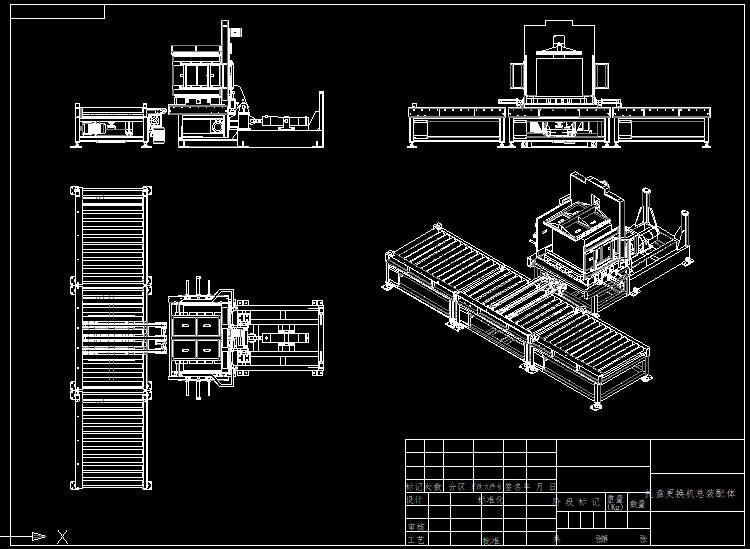
From my early days seeing manual struggles to my role now, I have always pushed for smart solutions. Pallet inverters are a perfect example. They make operations safer and more reliable.
Dive deeper: Key design and operational aspects that contribute to safety.
Pallet inverters are designed with specific features that directly improve safety in high-risk environments like battery plants. Their operation minimizes human interaction with dangerous processes.
-
Controlled and Stable Handling:
- Pallet inverters use hydraulic or electric systems to clamp the load tightly. This happens before any inversion or transfer starts. This firm grip stops the goods from shifting, falling, or getting damaged during the process.
- This is very important for battery components, which are often heavy and sensitive. It means there is no risk of a load toppling. It removes the need for manual stabilization by workers.
- For example, if you are transferring heavy battery modules, the machine holds them firmly. It prevents them from crashing into each other or the floor. This protects both the product and any nearby personnel from impact injuries.
- The smooth, predictable motion of the inverter replaces the jerky, uncontrolled movements of manual handling. This predictable operation makes the workspace safer for everyone.
-
Reduced Human Interaction with Hazardous Areas:
- By automating the pallet transfer, pallet inverters reduce how often workers need to be near moving machinery or unstable loads. Workers can operate the machine from a safe distance. This removes them from pinch points, crushing hazards, and potential chemical exposure zones.
- Many advanced pallet inverters have safety gates, light curtains, and emergency stop buttons. These features prevent workers from entering the operating area when the machine is running.
- In a battery plant, this is especially vital. It keeps employees away from potentially exposed chemicals or sensitive electrical components. It reduces the risk of direct contact during load transfer.
- I always say, the less a person has to interact with a moving part or a hazardous material, the safer they are. Pallet inverters achieve this by design, making it easier to follow “hands-off” safety policies.
-
Ergonomic Benefits and Injury Prevention:
- Pallet inverters eliminate manual lifting, twisting, and bending. These are the main causes of musculoskeletal injuries in warehouses. Workers no longer need to exert themselves to move or reorient heavy pallets.
- This improves worker well-being. It also leads to fewer sick days, lower healthcare costs, and a more engaged workforce. It also reduces the need for constant recruitment due to high injury rates.
- By removing these strenuous tasks, the machine supports an ergonomic work environment. It aligns with modern safety standards that aim to protect workers from physical strain.
- My experience taught me that a healthy workforce is an efficient workforce. When a machine takes on the heavy, risky jobs, people are free to do safer, smarter tasks. This boosts overall productivity and morale.
-
Adaptability for Different Pallet Types and Materials:
- Pallet inverters can handle various pallet types (wood, plastic, metal) and load sizes. This is crucial in battery plants that might receive components on different pallets or need to ship on specific types.
- This adaptability means the safety benefits apply across many scenarios. You do not need different manual methods for different pallets, which could introduce new risks.
- Whether you are handling incoming raw materials or outgoing finished battery packs, the inverter provides a consistent, safe method for pallet exchange. This helps standardize safe operating procedures.
- The ability to easily switch between various pallet sizes, such as Euro pallets and US pallets (a common issue for a manager like Carlos), ensures that safety is not compromised when dealing with diverse logistics requirements.
These features of pallet inverters work together to create a robust safety system. They keep battery plant operations compliant and workers secure.
How do pallet inverters help meet and prove safety compliance goals?
Meeting safety rules is more than just having a safe plant. It is also about proving it. Pallet inverters help battery plants do both. They help meet compliance by making operations safe. They help prove compliance by giving a clear, consistent way of working.
These machines automate risky tasks. This means fewer human errors and fewer accidents. When accidents go down, it is easier to show that your plant follows safety rules. Pallet inverters also provide a consistent process. This consistency makes it easy to train workers and audit how things are done. You can show inspectors a clear, machine-driven process for handling pallets. This process follows all safety guidelines. It helps avoid fines and makes sure your plant meets all legal requirements. It also builds trust with clients and regulators.
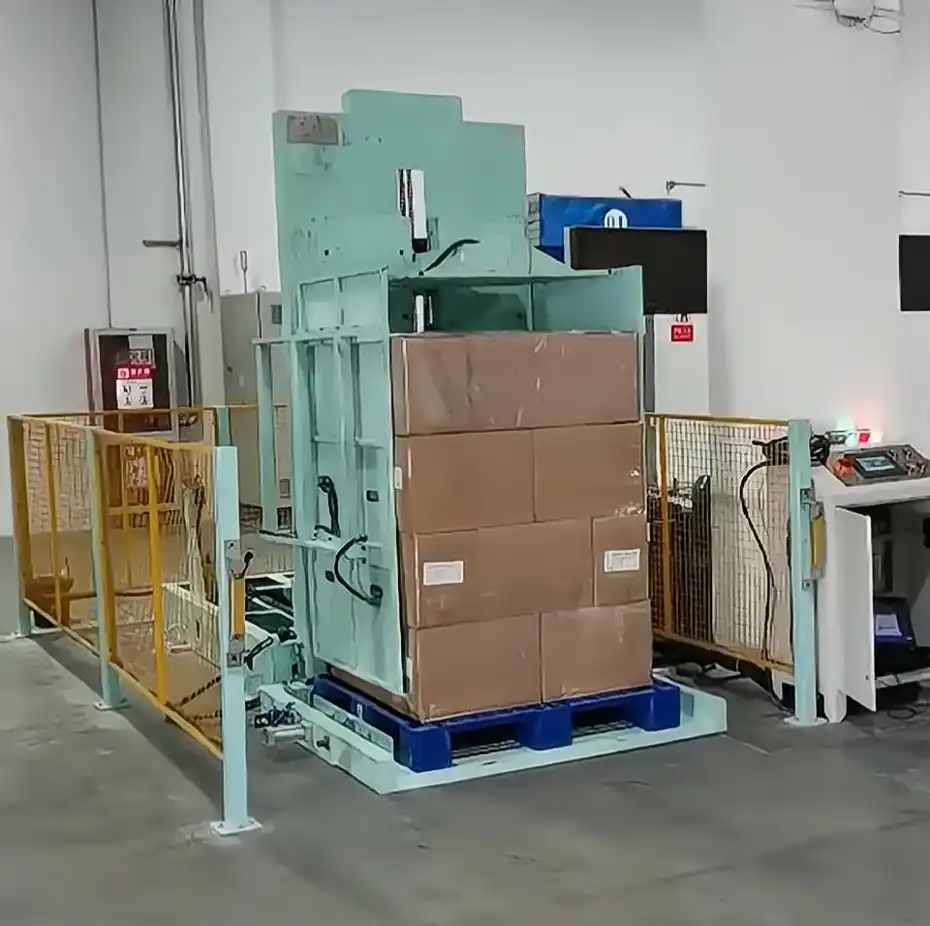
In my work, I have seen how companies that invest in automation not only become safer but also more trusted. Pallet inverters are a key part of this strategy, helping businesses achieve both operational excellence and full compliance.
Dive deeper: Documenting safety, audit trails, and the role of automation.
Pallet inverters are not just physical safety tools; they are powerful aids for demonstrating and maintaining compliance with complex safety regulations.
-
Standardized Operating Procedures (SOPs):
- Automated pallet inverters allow battery plants to create clear and repeatable SOPs for pallet handling. Each operation is performed in the same way every time. This reduces variability and human judgment, which are common sources of error in manual processes.
- These standardized procedures are essential for regulatory compliance. They show that the company has a structured approach to managing risks. It simplifies training for new employees. It also ensures consistent adherence to safety guidelines.
- For audits, having documented SOPs that use automated equipment is a strong indicator of a proactive safety culture. It proves commitment to safe practices.
- My experience shows that the easier it is to write a clear, step-by-step instruction, the more likely it is to be followed correctly. Pallet inverters make this possible for pallet handling.
-
Reduced Accident Rates and Incident Reporting:
- By significantly reducing manual handling, pallet inverters lead to fewer accidents and injuries related to lifting, crushing, or product damage. This directly improves the plant’s safety record.
- Fewer incidents mean less time spent on investigations and reporting. It also results in lower workers’ compensation claims and insurance premiums. More importantly, it shows a positive trend in workplace safety.
- During regulatory inspections, a low accident rate for pallet handling tasks is strong evidence of effective safety measures. It proves that the equipment in place works to protect workers and products.
- Regulators look for actual outcomes. When accident numbers drop after installing a pallet inverter, it is a clear sign that the investment directly supports compliance goals.
-
Audit Readiness and Documentation:
- Modern pallet inverters can integrate with plant management systems. This allows for data logging of operations, cycle counts, and even error reports. This data creates a clear audit trail.
- This digital record provides concrete evidence of consistent and compliant pallet handling. It helps demonstrate that specific loads were moved in a controlled manner. This is crucial for tracing product integrity and handling history.
- For a battery plant, where product traceability and safe handling are paramount, this data is invaluable. It helps meet ISO standards, environmental regulations, and specific battery safety certifications.
- When I talk to clients, they often ask about how to prove their compliance. Automated systems like pallet inverters provide the objective data needed for quick and successful audits.
-
Proactive Risk Management and Continuous Improvement:
- Implementing pallet inverters shows a proactive approach to risk management. It demonstrates that the company identifies high-risk manual tasks and invests in solutions to mitigate them.
- This commitment to continuous improvement is often a requirement of many safety management systems. It shows that the company is always looking for ways to make the workplace safer and more efficient.
- By freeing up labor from dangerous tasks, resources can be reallocated to other areas of safety or quality control. This leads to an overall stronger safety program across the plant.
- For instance, instead of assigning workers to manually flip pallets and risk injury, they can focus on quality checks or advanced machinery maintenance. This elevates the overall safety and skill level of the workforce.
In short, pallet inverters not only perform a task safely but also help document that safety. This makes it easier to meet and prove compliance to everyone who needs to know.
Conclusion
Using a pallet inverter is a smart move for battery plants. It keeps workers safe from injuries and protects valuable products. These machines ensure steady operations and make it simple to follow safety rules. This helps plants avoid fines, operate smoothly, and build trust.








