
How Do Steel Coil Packing Lines Support Colombia’s Growing Steel Industry?
Have you ever stopped to think about what happens after a steel coil leaves the rolling mill? For many, the focus is on production. But I know, from years of experience in this industry, that the real challenge—and opportunity—often lies in the final stage: packing. Without a smart, efficient packing process, even the best steel can lose its value, face rejections, and slow down your entire operation. This is especially true for an industry on the rise, like Colombia’s, where every step needs to be optimized for growth.
Steel coil packing lines are becoming critical for Colombia’s steel industry by boosting efficiency, ensuring high-quality product protection for global markets, addressing labor shortages and safety concerns, and delivering significant long-term cost benefits. These automated systems allow Colombian manufacturers to meet increasing demand, comply with international standards, and maintain continuous, safe production, which is vital for sustained growth and competitiveness.

The steel industry in Colombia is seeing strong development. This growth brings new demands and challenges. It is no longer enough to just produce steel. You must also pack it well, quickly, and safely. This is where advanced coil packing lines come in. They are not just machines; they are complete solutions that help businesses grow. Let us look deeper at how these systems are changing the game for Colombian steel producers.
How Do Automated Coil Packing Lines Drive Efficiency in Colombia’s Steel Sector?
Imagine a steel plant in Colombia with hundreds of tons of cold-rolled, galvanized, or color-coated coils needing to be packed daily. The pressure is intense. If the packing line cannot keep up, the entire production flow slows down. This creates bottlenecks, delays shipments, and costs money. This is a problem many factories face, and I have seen it repeatedly. It is a big pain point for production managers like Ivan, who must meet strict delivery schedules.
Automated coil packing lines drive efficiency in Colombia’s steel sector by speeding up the packing process, minimizing human error, and ensuring continuous operation. These systems integrate seamlessly with existing production lines, allowing for rapid changeovers between different coil types and sizes, thus eliminating bottlenecks and maximizing daily output.

When I first started in this business, many packing tasks were manual. I remember watching workers struggle to switch between packing different types of coils. A line packing cold-rolled coils would need a full stop and manual adjustments to pack galvanized coils. This wasted precious time. For a growing industry like Colombia’s, every minute counts. Automated packing lines change this completely. They are designed to handle product diversification with ease.
-
High Throughput and Speed:
- Manual packing simply cannot match the speed of an automated system. Machines work nonstop, packing coils much faster than people can. This means more coils get packed and shipped each day. For Colombian steel plants, this directly translates to higher production capacity. The continuous flow reduces waiting times for finished coils. This keeps the whole factory running smoothly. My experience has shown that a single automated line can do the work of several manual workers, but without breaks or fatigue. This directly impacts the plant’s overall output and ability to meet large orders.
-
Seamless Integration and Automation:
- Modern packing lines are not standalone units. They connect directly to the production line. This means coils move from production to packing without manual handling. Sensors detect coil size and type. The system then automatically adjusts. This integration reduces manual intervention. It also lowers the risk of errors. Ivan’s need for a “seamless solution” is exactly what these lines offer. They become a natural extension of the production process. This leads to a truly efficient, end-to-end operation, crucial for scaling up production in Colombia.
-
Adaptability to Product Diversity:
- Colombian steel mills produce various products: cold-rolled, galvanized, color-coated coils. Each needs a specific packing method. Automated lines can switch between these requirements quickly. They use pre-programmed settings. This removes the need for slow, manual changes. This adaptability is key for factories that serve diverse markets. It allows them to respond to customer needs without losing efficiency. This flexibility is a major advantage for any steel producer looking to grow. It helps them serve a wider range of clients effectively.
Why Is Robust Packaging Key for Colombian Steel to Compete Globally?
Imagine shipping steel coils across oceans, only for them to arrive rusted, scratched, or with loose strapping. This is a nightmare scenario for any producer. For Colombian steel companies aiming for global markets, such issues are more than just an inconvenience; they are a direct threat to their reputation and business. Customers expect their products to arrive in perfect condition. When they do not, it leads to complaints, returns, and even contract penalties. I have seen good products ruined by bad packaging, and it is always a costly lesson.
Robust coil packaging is key for Colombian steel to compete globally because it protects products from damage during transit, meets strict international quality standards, and enhances brand reputation. High-quality packaging, achieved through automated lines, prevents rust, scratches, and moisture damage, ensuring customer satisfaction and compliance with export certifications like CE/ISO.
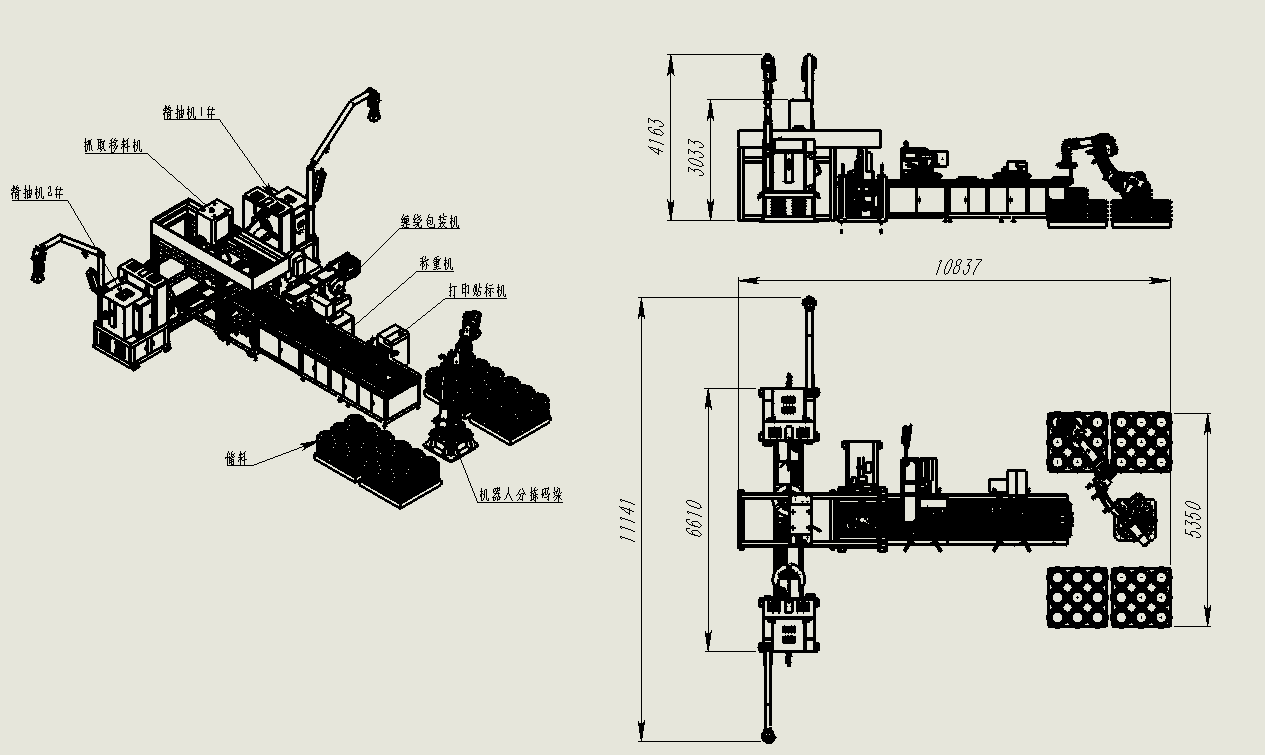
My journey in this industry taught me that packaging is not just about wrapping. It is about protection and presentation. It reflects the quality of the product inside. For Ivan, unstable packing quality means lost trust and higher costs. Automated systems bring consistency that manual methods simply cannot. This consistency is vital for building a strong reputation in the global marketplace.
-
Superior Product Protection:
- Steel coils are heavy and can be easily damaged. They need protection against moisture, rust, and physical scratches. Automated lines apply film and strapping with consistent tension. This creates a secure, uniform package. This protects the coil from the elements and handling stress during long journeys. My team at FHOPEPACK has spent years perfecting systems that provide superior moisture and rust protection, which is essential for maritime shipping. This prevents common issues like surface corrosion, ensuring the steel arrives as pristine as it left the factory.
-
Meeting International Standards (CE/ISO):
- Exporting steel means meeting strict international standards. Certifications like CE and ISO are often required. These standards cover not just the steel itself but also its packaging. Automated lines can consistently apply packaging that meets these requirements. They ensure accurate labeling and barcode placement. This helps Colombian producers comply with global trade rules. It also opens doors to new markets. This makes their products more attractive to international buyers. Achieving these standards is a mark of quality and reliability.
-
Enhanced Customer Satisfaction and Brand Image:
- When customers receive perfectly packed steel coils, they are happy. This builds trust and strengthens relationships. High-quality packaging shows attention to detail. It reflects positively on the brand. This is crucial for repeat business and a good market reputation. In a competitive global market, a strong brand image can set Colombian steel apart. A well-protected product speaks volumes about a company’s commitment to quality. This directly impacts customer loyalty and market share.
How Can Automation Improve Workplace Safety and Address Labor Gaps in Colombian Steel Plants?
Steel production is heavy work. It often involves lifting and moving very heavy objects. This can be dangerous for workers. In many factories, including those in Colombia, finding enough people willing to do this high-intensity work is getting harder. Younger workers are seeking less physically demanding jobs. This leads to labor shortages and high employee turnover. When I was starting out, I saw too many accidents due to manual handling of heavy items. This is not sustainable or safe.
Automation can improve workplace safety and address labor gaps in Colombian steel plants by replacing dangerous manual tasks with mechanical systems, significantly reducing the risk of injuries. By automating coil handling, strapping, and wrapping, plants can lessen the reliance on human labor for strenuous jobs, making the workplace safer and more attractive, thus helping to mitigate issues of labor shortage and high turnover.

For managers like Ivan, the safety of his team is paramount. But so is getting the job done. The tension between these two can be immense. Automated packing lines offer a way to achieve both. They reduce the need for humans in hazardous zones. This protects workers and makes the job easier for everyone else.
-
Reducing Manual Handling and Heavy Lifting:
- One of the biggest risks in steel packing is the manual handling of heavy coils. Workers might use cranes or forklifts, but guiding the coil, positioning it, and applying strapping still involves human proximity to heavy moving parts. Automated systems use coil cars, conveying systems, and robotic arms. These systems do the heavy lifting and precise positioning. This keeps workers away from dangerous areas. My experience shows that removing human hands from direct contact with heavy loads reduces accidents significantly. This includes strains, crushed limbs, and other severe injuries.
-
Mitigating Labor Shortages and High Turnover:
- The steel industry often struggles with attracting and retaining workers for physically demanding roles. Automation lessens the need for a large workforce in these specific packing roles. It allows existing staff to focus on supervision, maintenance, or other less strenuous tasks. This makes the job more appealing. It also helps manage production even with fewer workers. In Colombia, where industrial labor markets can be tight, this is a crucial advantage. It ensures continuous operation despite workforce challenges. It turns high-intensity roles into more technically skilled positions.
-
Enhanced Ergonomics and Worker Well-being:
- Automated lines not only prevent serious accidents but also improve daily working conditions. They eliminate repetitive, strenuous motions like bending, twisting, and pulling heavy straps. These actions can lead to long-term health issues for workers. By taking over these tasks, machines improve ergonomics. This leads to a healthier, happier workforce. A safer work environment attracts and keeps employees. This reduces the costs associated with training new staff. It also shows a company’s commitment to its employees’ well-being.
What Are the Long-Term Cost Benefits and Adaptability of Advanced Coil Packing for Colombia?
Investing in an automated packing line is a big decision for any company. It requires an upfront cost. But for a growing industry like Colombia’s steel sector, it is an investment that pays off over time. Many people only look at the initial price tag. But I always tell my clients to consider the long-term savings and strategic advantages. Ivan’s goal of “lowering overall costs” means looking beyond just the machine itself. It means looking at the whole picture of operations.
Advanced coil packing solutions offer long-term cost benefits and high adaptability for Colombian producers by reducing labor expenses, minimizing packaging material waste, ensuring continuous production to prevent costly downtime, and providing the flexibility to handle diverse product specifications. This comprehensive approach, combined with reliable after-sales support, maximizes return on investment and supports sustainable growth.
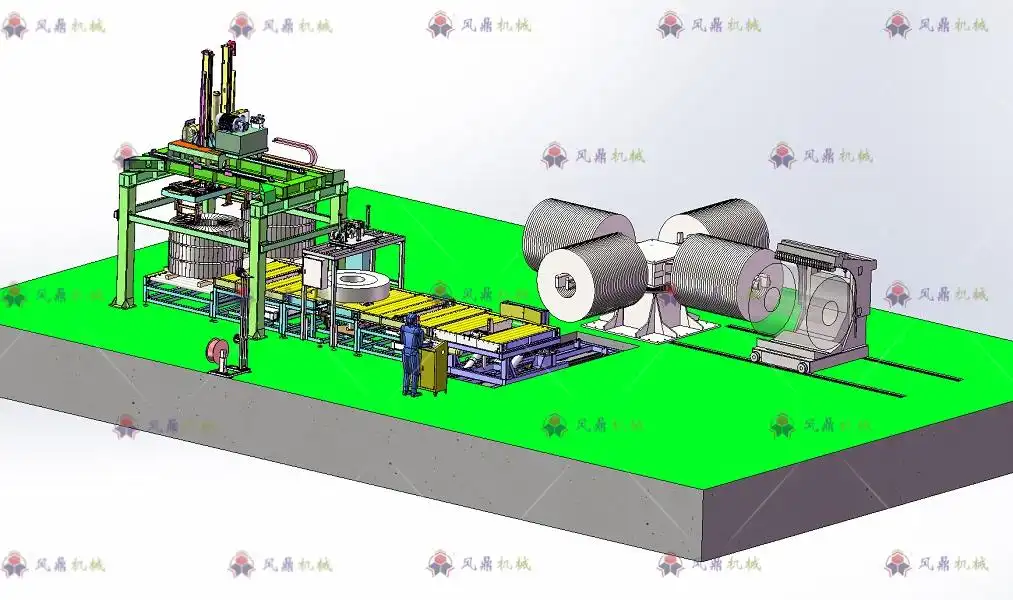
When I founded FHOPEPACK, my vision was to provide solutions that truly help businesses grow. This means looking at more than just the machine’s function. It means understanding the financial and operational impact over many years. For Colombian steel, this holistic view is essential for sustainable success.
-
Significant Reduction in Operational Costs:
- Automated packing lines drastically cut down on labor costs. Fewer workers are needed for the packing process. This means lower salaries and benefits expenses over time. Machines also optimize material usage. They apply film and strapping precisely, reducing waste. Manual operations often use more material than needed. This leads to significant savings on packaging supplies. These combined savings greatly lower the overall operational expenditure for Colombian steel producers. This directly improves their profit margins. My clients often report seeing these savings within a few years.
-
Enhanced Production Continuity and Reduced Downtime:
- Manual packing can cause frequent stops. This happens because of worker fatigue, breaks, or slower processing speeds. Automated lines run continuously, often 24/7. This ensures a steady output. It reduces costly production downtime. When machines work efficiently, the entire factory runs smoother. This maximizes the use of other expensive equipment. For a growing industry, continuous production is vital. It allows companies to meet high demand reliably. This reliability builds trust with clients and prevents missed opportunities.
-
Adaptability to Future Needs and Product Variations:
- The steel industry is always evolving. New products and customer requirements emerge. Advanced packing lines are built with flexibility in mind. They can handle a wide range of coil weights (1-3 tons), varying inner and outer diameters, and different packaging styles (PET/steel strapping, stretch/shrink film, auto labeling). This adaptability ensures that the investment remains valuable as the market changes. For Colombian steel, this means their packing solution will grow with their business. This protects their investment for the long term. This flexibility is a key aspect of future-proofing any manufacturing operation.
-
Finding a Long-Term Partnership and Support:
- An automated packing line is a complex system. It needs proper installation, training, and ongoing support. Finding a supplier who offers a turnkey solution, comprehensive training, and reliable spare parts is crucial. This partnership ensures the line runs smoothly for years. It protects the investment. My company, FHOPEPACK, prides itself on being such a partner. We believe in building lasting relationships. This support is vital for Colombian companies adopting advanced technology. It gives them peace of mind and minimizes operational risks.
Conclusion
Automated steel coil packing lines are transformative for Colombia’s growing steel industry. They offer critical support by boosting efficiency, ensuring top-tier product quality for global markets, improving worker safety, and providing long-term cost benefits. Embracing this technology is not just about upgrading equipment; it is about securing a competitive future. For any steel producer seeking sustainable growth and operational excellence, a well-implemented coil packing line is no longer a luxury, but a necessity.








