
Steel Coil Packing Line in Colombia: Is Automation the Key to Fewer Damages?
Think about the steel coils moving from your factory floor. They are heavy. They are valuable. Each journey to the client holds a risk: damage. Imagine the financial losses. Think about the frustrated customers. This problem is real for many businesses, especially in places like Colombia, where efficient logistics are crucial.
Automation is not just a trend; it is the most effective way to prevent costly damages to steel coils during packing and transport. By replacing manual processes with precise, consistent machine operations, businesses can achieve superior packing quality, reducing the likelihood of issues like scratches, dents, or moisture damage before products even leave the warehouse.
I have seen this challenge many times during my years in the packing machine industry. From my start as a factory employee to building FHOPEPACK, I have learned that the best solutions come from understanding real-world problems. Today, I want to share insights that can transform your packing operations. We will look at why steel coils get damaged and how automated lines offer a clear path to better results, specifically for operations in Colombia. Keep reading to discover how you can master your packing process.
Why Are Steel Coils So Prone to Damage During Transport?
Imagine a valuable steel coil, weighing several tons, making its way from your factory in Colombia to a customer. Many things can go wrong during this journey. Do you ever worry about your coils arriving with marks, rust, or loose strapping? These issues are not just bad luck. They often point to weaknesses in the packing process itself.
Steel coils are especially prone to damage because of their weight, delicate surfaces, and the demanding conditions of transport, which can be made worse by manual packing inconsistencies, inadequate protective materials, and a lack of standardized procedures that fail to account for environmental factors like humidity in regions such as Colombia.

I remember working on the factory floor, seeing how much care went into making a perfect coil. Then, the packing process sometimes added all sorts of risks. It was clear to me that this final step needed as much precision as the manufacturing itself. Here is why steel coils often suffer damage:
-
Manual Handling Risks:
- Human Error: People make mistakes. When workers manually strap or wrap a heavy coil, the tension might be uneven. A strap could be too loose or too tight. This can cause the coil to shift or the packaging to fail during movement.
- Fatigue: Packing coils is hard, physical work. Workers can get tired, especially during long shifts. This tiredness leads to less careful work, increasing the chance of accidents or poor quality.
- Inconsistent Application: Each person might pack a little differently. This means you do not get the same quality every time. One coil might be perfectly wrapped, another might have gaps where moisture can get in.
-
Environmental Vulnerabilities:
- Moisture and Humidity: Colombia has varied climates, including humid regions. Steel rusts easily when exposed to moisture. If the wrapping is not airtight or has gaps, water vapor can reach the coil surface. This causes rust, which reduces the product’s value.
- Dust and Dirt: Open-air storage or dusty transport routes can contaminate coils. Even small particles can scratch delicate surfaces, especially with movement during shipping.
- Temperature Changes: Big temperature swings can cause condensation inside packaging if it is not properly sealed. This hidden moisture can also lead to rust.
-
Physical Stress During Transit:
- Vibrations and Shifting: Trucks, trains, and ships constantly move. Coils, if not tightly secured, can vibrate, rub against each other, or shift within the container. This causes scratches, dents, and edge damage.
- Impacts: Even careful handling can sometimes involve small impacts. If the packaging lacks proper cushioning or tight wrapping, these impacts transfer directly to the coil, causing dents.
- Stacking Pressure: When coils are stacked, the weight of upper coils puts pressure on lower ones. Strong, stable packaging is essential to distribute this weight and prevent crushing or deformation.
All these factors show that relying on manual processes for critical packing tasks creates too many variables. Each variable is a potential point of failure. My journey in this industry taught me that controlling these variables is key to success.
Can Automation Truly Deliver Consistent, Damage-Free Packing?
Many factory managers, like Ivan, tell me they worry about inconsistent packaging. They want to know if machines can really do a better job than people. They ask, “Will it truly make our products safer?” My answer is always a clear yes. Automation brings a level of precision and consistency that manual methods cannot match.
Yes, automation absolutely delivers consistent, damage-free packing for steel coils by eliminating human error, applying materials with exact tension and coverage, and integrating multiple protective layers into a seamless process. This ensures every coil meets the highest quality and safety standards, directly addressing issues like rust, scratches, and shifting during transit.
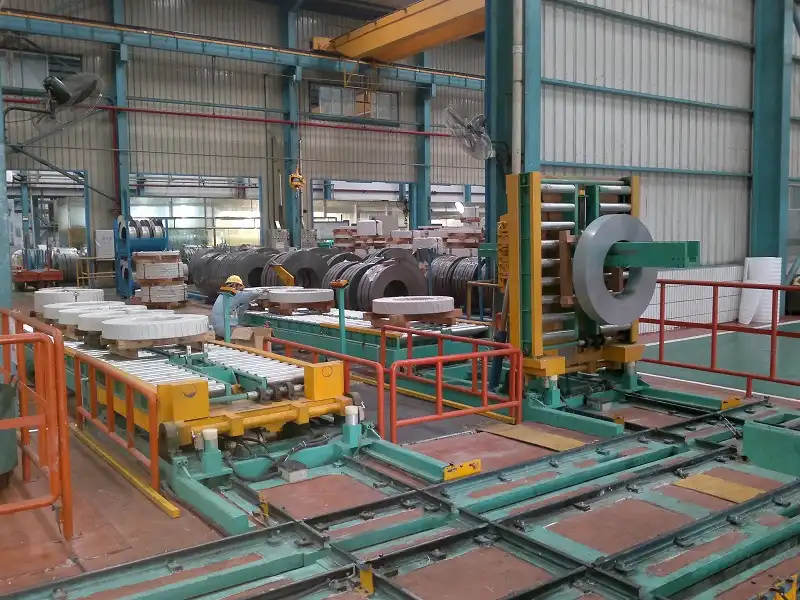
When I founded FHOPEPACK, my goal was to provide solutions that work. I saw the struggles businesses faced with damaged goods. I knew that by taking human variability out of the equation, we could make packing much more reliable. Here is how automation achieves consistent, damage-free results:
-
Precision and Uniformity:
- Consistent Tension: Automated strapping machines apply the exact same tension to every strap. This means coils are always secured firmly, without being too loose or too tight. This prevents shifting and damage during transit.
- Even Wrapping: Automatic stretch wrappers or orbital wrappers apply film or paper with uniform overlap and tension. There are no gaps for moisture or dust to enter. This creates a complete, protective barrier around the coil.
- Accurate Material Placement: Machines place protective layers, corner boards, or edge protectors exactly where they need to be. This ensures maximum protection for vulnerable areas, every time.
-
Superior Protection Against Environmental Factors:
- Moisture-Proof Sealing: Automated systems often use specialized films that tightly conform to the coil. Some lines integrate heat shrinking or vacuum sealing options, providing an impenetrable barrier against humidity and water, crucial for humid environments in Colombia.
- Rust Prevention: With consistent, sealed wrapping, the risk of rust from moisture exposure drops sharply. Many systems also allow for the integration of VCI (Volatile Corrosion Inhibitor) materials, adding another layer of defense against corrosion.
- Dust and Contamination Control: A fully wrapped and sealed coil keeps dust, dirt, and other airborne contaminants away from the product surface, maintaining its pristine condition.
-
Enhanced Durability for Transit:
- Multi-Layered Solutions: Automated lines can combine different packing materials seamlessly. This might include inner wrap, stretch film, edge protection, and then strapping. This creates a robust, multi-layered package that can withstand vibrations and impacts better than simpler, manual methods.
- Reduced Friction and Abrasion: The smooth, consistent application of wrapping materials minimizes rubbing between the coil surface and the packaging itself. This reduces the risk of abrasion damage during movement.
- Structural Stability: When coils are perfectly wrapped and strapped, their overall stability increases. This means they are less likely to shift or deform under their own weight or the stresses of transport. This is vital for heavy loads like steel coils.
Automated packing lines remove guesswork and human limitations. They deliver a consistently high-quality package, every single time. This consistency is the true key to damage prevention, giving you confidence that your products will reach their destination in perfect condition.
How Does a Fully Automated Line Address Labor Shortages and Safety Concerns?
I have often heard from factory managers about their challenges with staffing. It is hard to find enough skilled workers for demanding jobs like packing heavy steel coils. There are also constant worries about workplace safety. How can a machine truly help with these very human problems?
A fully automated coil packing line directly addresses labor shortages by drastically reducing the number of workers needed for packing tasks, allowing existing staff to focus on more strategic roles. It also significantly improves workplace safety by removing human interaction with heavy, moving coils, thereby preventing accidents and reducing physical strain.

My journey started as an employee in a packing machine factory. I saw firsthand the physical demands and risks involved. That experience shaped my vision for FHOPEPACK: to create safer, more efficient systems. Here is how automated lines make a real difference:
-
Solving Labor Shortages:
- Reduced Manpower Needs: An automated line can perform tasks that previously required multiple workers. This means fewer people are needed in the packing area. Instead of having several people manually strap or wrap, one operator can supervise the entire machine.
- Redeployment of Staff: The workers who were doing manual packing can be moved to other, more skilled positions. They can manage machine operation, perform maintenance, or handle quality control tasks. This uses their skills better and makes the workforce more flexible.
- Consistent Output: Machines do not get tired, and they work at a steady pace. This means production continues reliably, even when human labor is scarce. Your output remains high, without depending on the availability of a large, manual workforce.
-
Enhancing Workplace Safety:
- Eliminating Manual Handling of Heavy Coils: Moving and positioning heavy steel coils is one of the most dangerous tasks in a steel mill. Automated lines use conveyors, lifters, and robotic arms to handle coils. This removes workers from direct contact with these massive objects, preventing crushing injuries, strains, and falls.
- Reduced Repetitive Strain Injuries: Manual strapping and wrapping involve repetitive motions and awkward postures. These can lead to long-term injuries like back pain or carpal tunnel syndrome. Automation eliminates these tasks, protecting workers’ health.
- Controlled Environment: Automated systems operate within guarded areas. Safety sensors and interlocks stop the machine if a worker enters a dangerous zone. This creates a much safer work environment compared to open, manual packing areas.
- Fewer Forklift Movements: When coils are moved directly on a packing line, there is less need for forklifts in congested areas. This reduces the risk of collisions and accidents involving mobile machinery.
- Consistent Procedures: Machines follow programmed procedures perfectly. This means there are no shortcuts or improvisations that could lead to unsafe practices. Every packing step is done the same safe way, every time.
By investing in automation, businesses in Colombia can not only boost their efficiency but also create a much safer and more sustainable workplace for their employees. It is about working smarter, not just harder.
What Should Manufacturers in Colombia Look For in an Automated Coil Packing Solution?
For manufacturers in Colombia, choosing an automated coil packing line is a big decision. It is an investment that needs to pay off in efficiency, safety, and product quality. But with so many options, how do you know what is truly best for your needs? What defines a great solution, especially for a dynamic market like Colombia?
Manufacturers in Colombia should look for an automated coil packing solution that offers proven reliability, adapts to diverse coil types and sizes, provides multi-layered protection suitable for export, and comes from a long-term partner capable of delivering turnkey projects, comprehensive after-sales support, and local service options.
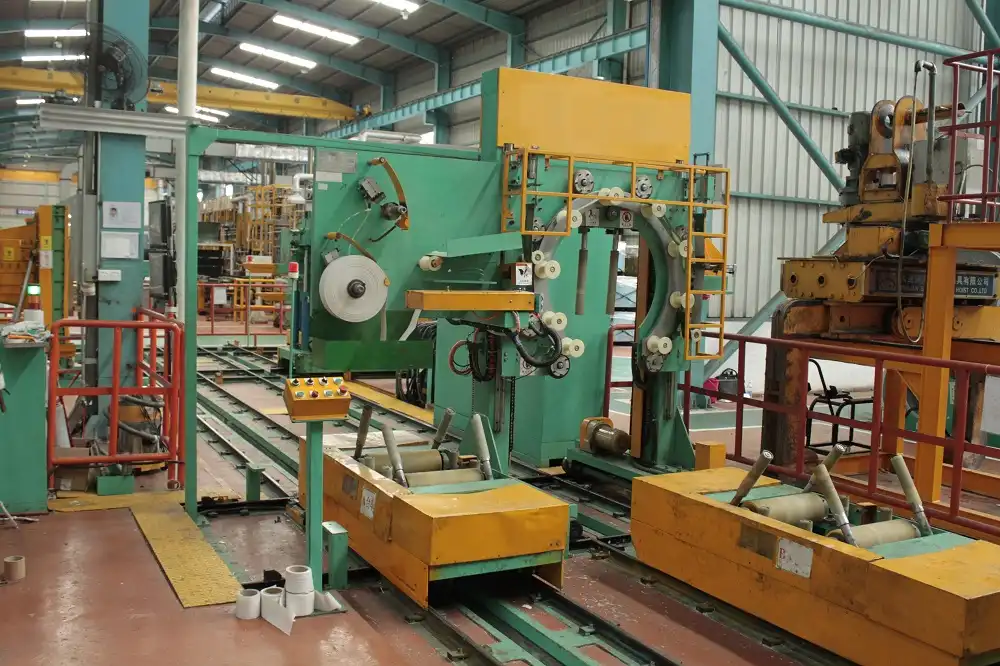
Through my work at FHOPEPACK, helping clients grow their businesses, I have seen what makes a successful partnership. It is not just about the machine; it is about the whole package. Here are the key things I advise businesses in Colombia to consider:
-
Reliability and Continuous Operation:
- 24/7 Capability: Your steel mill runs constantly. Your packing line must do the same. Look for machines built for heavy-duty, continuous operation (like a two-shift, 24-hour environment). This means robust components and proven designs.
- High Uptime: Ask about the machine’s expected uptime and maintenance requirements. A good system should have minimal downtime, ensuring your production flow is not interrupted.
- Local Support: Having access to quick technical support and spare parts in Colombia or the region is very important. Long waiting times for parts from overseas can cost you a lot.
-
Adaptability to Product Diversity:
- Varying Coil Sizes: Steel mills produce coils of many different weights (1-3 tons) and dimensions (inner/outer diameter). The automated line must be able to switch between these sizes quickly and easily, without needing long manual adjustments.
- Diverse Packing Requirements: You might need different packing for cold-rolled, galvanized, or pre-painted coils. Your line should offer options for PET/steel strapping, various wrapping materials (stretch film, paper, VCI), and automatic labeling.
- Future-Proofing: Consider if the system can be expanded or modified later if your product range changes or your production volume increases.
-
Advanced Protection and Compliance:
- Export Standards: For export clients, CE/ISO certifications are often required. Ensure the packing system helps you meet these international standards.
- Moisture, Rust, and Scratch Prevention: The solution must deliver superior protection against these common damages. This means tight, sealed wrapping, options for VCI, and careful handling throughout the packing process.
- Automatic Barcoding/Labeling: Integration of automatic labeling with barcodes improves traceability and meets specific customer requirements for inventory management.
-
Comprehensive Partnership and Service:
- Turnkey Solutions: A supplier who can design, install, and commission the entire packing line (a “turnkey” project) makes the process much smoother. You deal with one responsible party.
- After-Sales Training: Your team needs to know how to operate and maintain the new system. Comprehensive training for operators and maintenance staff is essential for long-term success.
- Spare Parts Availability: Ensure easy access to critical spare parts. A reliable supplier will have a well-stocked inventory and efficient logistics to get parts to you quickly.
- Consultative Approach: Look for a partner who takes the time to understand your specific challenges and goals, offering customized solutions rather than just selling a standard machine. This is how FHOPEPACK approaches every client in Colombia and beyond.
Choosing the right automated packing line and partner will significantly impact your operational efficiency, product quality, and ultimately, your profitability in the Colombian market. It is an investment in your future.
Conclusion
The journey of steel coils from factory to customer is full of challenges, especially regarding potential damage. Automation is not just an upgrade; it is a critical solution for manufacturers in Colombia aiming for fewer damages and increased efficiency. By addressing issues like inconsistent quality, labor shortages, and safety concerns, an automated coil packing line ensures superior protection and operational stability. It is the key to delivering products in perfect condition and strengthening your business in the long run.








