
How pallet inverter compares to manual handling in reducing chemical exposure?
Imagine a busy warehouse. Pallets move in and out, constantly. Workers lift, shift, and turn heavy loads by hand. This everyday scene hides risks. Have you ever thought about the hidden dangers lurking in manual pallet handling? It is more than just back strain. We often overlook unseen hazards that can affect our teams.
A pallet inverter significantly reduces the risk of chemical exposure compared to manual handling by eliminating direct human contact with potentially hazardous goods or their packaging during pallet transfers. It keeps workers away from spills, fumes, and other dangerous substances, creating a much safer work environment.
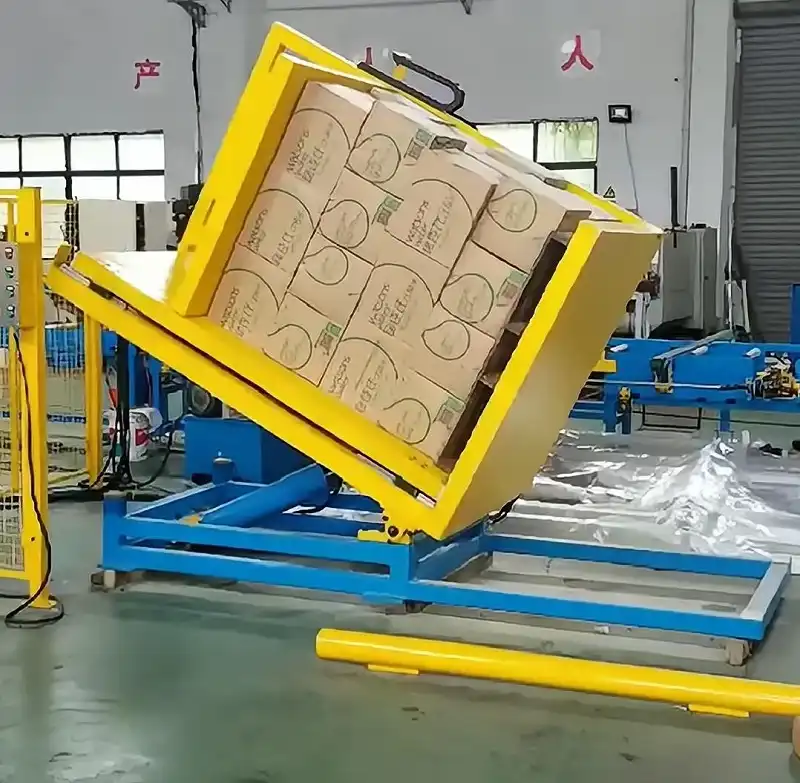
As a packing machine engineer, I have seen these issues firsthand. The safety of our teams is very important. We need to look deeper into how modern solutions can protect them. Let’s explore the real differences a pallet inverter makes. We will compare it to traditional methods.
Does manual handling actually expose workers to more risks, including chemicals?
Think about your warehouse workers. They handle countless pallets every day. This repetitive work takes a toll. But is it just physical strain we should worry about? What about the unseen risks they might face?
Manual pallet handling does expose workers to more risks, including potential chemical exposure, due to direct contact with goods, packaging, or cleaning agents. This direct contact increases the chance of spills, splashes, or inhalation of hazardous substances. It also raises the risk of physical injuries from heavy lifting or shifting unstable loads.
My journey in the packing machine industry began on the factory floor. I saw how hard people worked. I also saw the dangers. Manual handling means people touch everything. This includes the items on the pallets. Sometimes these items are not dangerous. But what if they are? Think about cleaning products, industrial lubricants, or even certain food additives. Their packaging might leak. Dust from some materials can be harmful if inhaled. A worker manually flipping a pallet has close contact. They are right there if something spills or fumes release. This direct exposure is not just about chemicals. It is about a range of hazards.
- Physical Strain: Workers lift and twist. This causes back injuries, muscle strains, and repetitive stress injuries. These are common. They lead to lost work days.
- Accidental Contact: When moving items, packages can break. This can lead to spills. If the spilled material is a chemical, it can cause skin burns or respiratory problems. Even non-chemical spills create slip hazards.
- Ergonomic Issues: The way workers lift and turn pallets is often awkward. This puts stress on their bodies. Over time, this leads to chronic pain and long-term health problems. I have met many warehouse managers who share these concerns. They worry about their team’s health. They also worry about the costs of worker compensation and lost productivity. Reducing this contact is a big step towards a safer workplace. It means fewer accidents. It means healthier employees. This also boosts morale. When workers feel safe, they work better. This is good for everyone involved. We need to empower our teams with better tools.
How do pallet inverters fundamentally change the safety landscape in warehousing?
We have talked about the risks of manual handling. Now, let us look at solutions. How can we make warehouses safer places for everyone? A simple piece of technology can make a huge difference.
Pallet inverters fundamentally change warehouse safety by automating the pallet transfer process. This keeps workers away from heavy loads and hazardous substances. It removes the need for manual lifting, flipping, or stretching. It significantly reduces physical injuries, prevents accidental spills, and minimizes exposure to any dangerous materials during handling.
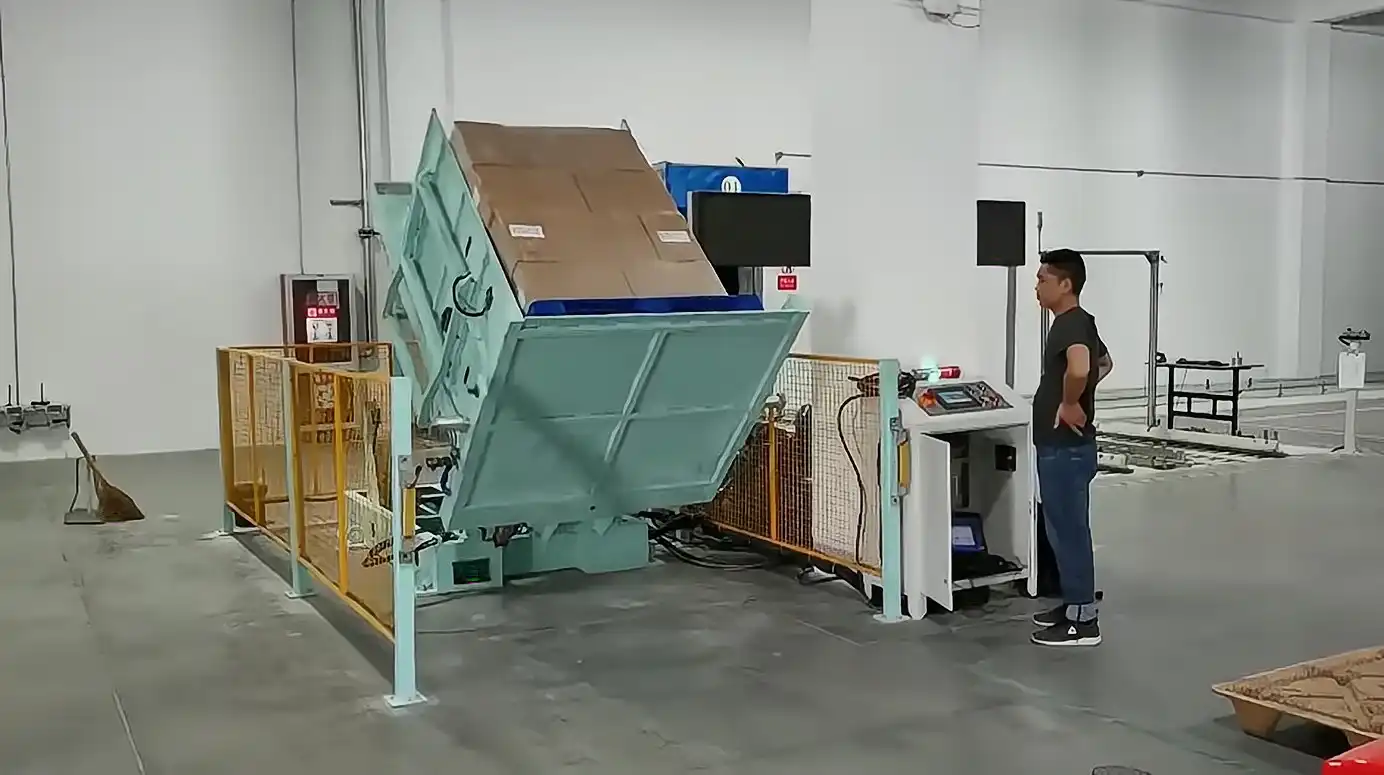
After I built my own packing machine factory, I started focusing on practical solutions. Pallet inverters are one such solution. They are designed to move pallets without human intervention. This changes the safety game completely. Workers do not need to get close to the action. They operate the machine from a safe distance. This means no direct contact with heavy, unstable loads. It means no reaching into difficult areas. It means a barrier exists between the worker and the product. Consider the scenario where a pallet holds barrels of cleaning agents. Or perhaps bags of powdered ingredients that could create dust. With manual handling, a worker might struggle to flip the pallet. This increases the chance of a barrel tipping over. It increases the chance of a bag bursting. A pallet inverter handles this with controlled motion. It grips the load securely. It then rotates it smoothly. There is no sudden movement. There is no jerking. This stable process prevents accidents before they happen.
- Reduced Physical Hazards: The machine does the heavy lifting. This protects workers from strains, sprains, and crush injuries. These types of injuries are common. They are also costly in terms of medical bills and lost work time.
- Minimized Exposure to Harmful Substances: If a pallet carries chemicals, the inverter handles them without human touch. This drastically lowers the risk of skin contact, inhalation, or ingestion if a container leaks. This is vital in any warehouse. Even in food and beverage, cross-contamination or cleaning chemical handling can pose risks.
- Improved Ergonomics: Since manual manipulation is no longer needed, workers maintain natural postures. They do not have to bend, twist, or reach awkwardly. This prevents long-term musculoskeletal disorders. It keeps your team healthier. It keeps them happier.
- Enhanced Load Stability: Pallet inverters secure the load before turning it. This prevents goods from shifting or falling. This is important for both worker safety and product integrity. Tipped goods are a common cause of accidents. They also lead to costly product damage. This shift from human effort to machine precision is a game-changer. It creates a much safer and more predictable work environment.
Can automation truly eliminate the dangers of handling diverse pallet types?
Warehouses today deal with many different pallet types. Euro pallets, US pallets, plastic, wood—the list goes on. Each type brings its own handling challenges. Does automation really help manage this complexity without new dangers?
Yes, automation, specifically advanced pallet inverters and changers, can truly eliminate many dangers linked to handling diverse pallet types. These machines adapt to various sizes and materials, allowing seamless and safe transfers between different pallet standards. This removes the need for risky manual interventions or unstable stacking methods required for mismatched pallets.

One of the biggest challenges my clients face is handling different pallet sizes. Carlos, a warehouse manager I know, deals with this daily. His European distribution center needs to switch between Euro pallets and US pallets for exports. Manually, this is a nightmare. Workers have to transfer goods piece by piece. Or they try to use awkward methods to slide goods from one pallet to another. This is where accidents happen. Goods tip over. Workers get hurt. It is inefficient and dangerous. Automated pallet inverters and changers are built for this. Many modern systems can adjust to different pallet dimensions. They can handle various load weights. They ensure that the transfer from one pallet type to another is smooth. It is controlled. Most importantly, it is safe.
- Versatility and Adaptability:
- Multiple Pallet Sizes: Our machines can accommodate a wide range of pallet sizes, from standard Euro and US pallets to specific industrial or plastic pallets. This flexibility reduces the need for manual workarounds.
- Diverse Materials: They handle pallets made of wood, plastic, or metal without issues. This ensures consistent performance regardless of the pallet material.
- Streamlined Transfer Process:
- Automated Switching: The machine securely grips the load. It then either exchanges the bottom pallet or transfers the goods to a new pallet. This means no manual lifting or struggling with heavy items.
- Reduced Product Damage: By providing stable support during the switch, the risk of goods shifting, falling, or getting damaged is minimized. This protects your inventory. It also avoids costly reworks.
- Enhanced Worker Safety:
- No Direct Contact: Workers do not need to manually transfer items between pallets. This removes them from the immediate danger zone. This is key when dealing with heavy or potentially unstable loads.
- Consistent Operation: Automated systems perform the same task perfectly every time. This removes the human error factor. Human error often leads to accidents during complex tasks like pallet switching. By using these automated systems, warehouses can manage their diverse pallet needs. They can do this efficiently and safely. This eliminates many dangers that come with manual handling. It saves time. It saves money. Most importantly, it saves workers from injuries.
What are the hidden costs of manual pallet handling, beyond just labor?
We often focus on the direct costs of labor. But manual pallet handling carries many other expenses. These hidden costs add up quickly. They impact your bottom line more than you might think.
Manual pallet handling incurs significant hidden costs beyond labor. These include increased worker compensation claims from injuries, higher insurance premiums, expenses from product damage during manual transfers, and lost productivity due to accidents or slow processes. There is also the cost of potential fines for safety violations and damage to a company’s reputation from unsafe work conditions.

When I started FHOPEPACK, I knew the importance of efficiency. But efficiency cannot come at the cost of safety. Warehouse managers, like Carlos, are under pressure. They need to control costs. They also need to keep things moving fast. However, manually handling pallets creates many expenses that are not immediately obvious. These costs erode profits. They create long-term problems. Think about an accident caused by manual handling. It could be a worker slipping on a chemical spill. It could be a pallet falling and injuring someone. The immediate costs are clear: medical treatment, lost work time. But the ripple effect is much larger.
- Injury-Related Costs:
- Worker Compensation: These claims add up quickly. They impact your annual insurance rates. A single serious injury can cost tens of thousands, or even hundreds of thousands, of dollars.
- Insurance Premium Increases: More accidents mean higher risk. This directly translates to increased insurance costs for your entire operation.
- Lost Productivity: When a worker is injured, they cannot work. Other workers might be distracted. Investigation time also takes away from productive hours.
- Product Damage and Waste:
- Spoilage/Breakage: Manual transfers are prone to errors. Goods can tip, fall, or get crushed. This leads to damaged products that cannot be sold. This is a direct loss.
- Repackaging Costs: Damaged packaging needs repair or replacement. This requires extra materials and labor.
- Operational Inefficiencies:
- Slower Throughput: Manual handling is inherently slower than automated processes. This leads to bottlenecks. It delays shipments. It impacts customer satisfaction.
- Compliance Fines: Regulatory bodies like OSHA (Occupational Safety and Health Administration) impose fines for unsafe working conditions. These fines can be substantial.
- Reputational Damage:
- Employee Morale: A workplace with frequent accidents hurts morale. Workers feel unsafe. This can lead to higher turnover. It makes it harder to recruit new talent.
- Customer Trust: Delays or safety incidents can reflect poorly on your brand. Customers expect reliable service. They expect safe practices. These hidden costs are often overlooked. But they significantly impact a warehouse’s financial health. Investing in automated solutions like pallet inverters is not just about reducing labor. It is about eliminating these hidden costs. It creates a safer, more efficient, and more profitable operation. My experience taught me that true cost savings come from smart, safe investments.
Conclusion
Pallet inverters offer a clear path to reducing risks, including chemical exposure, compared to manual handling. They enhance safety, improve efficiency, and cut hidden costs. They are an essential investment for any modern warehouse aiming for a safer and more productive future. Explore how a pallet inverter can transform your operations.








