
How does a pallet inverter improve efficiency compared to manual pallet changes in cold storage operations?
The chill of a cold storage warehouse can feel like a constant battle, especially when you are dealing with thousands of pallets moving in and out every day. Have you ever felt the pressure of needing to switch pallets quickly, perhaps from an export standard to a domestic one, knowing that any delay could mean lost contracts or upset customers? This challenge is even tougher when your team is battling rising labor costs and a scarcity of workers willing to do the heavy, risky work of manual pallet handling.
A pallet inverter significantly boosts efficiency in cold storage by automating the laborious and risky process of changing pallets, leading to faster throughput, reduced labor costs, enhanced safety, and greater compliance with diverse pallet specifications, all while minimizing product damage and operational downtime inherent in manual methods.
In my years in the packing machine industry, I have seen first-hand how simple changes can make a huge difference. I understand these challenges because I have lived them. This article will break down how moving from manual pallet changes to using a pallet inverter can transform your cold storage operations. We will explore specific areas where this technology can help you overcome common hurdles and achieve your goals.
Why is manual pallet changing a bottleneck in cold storage operations?
Imagine your cold storage facility, a place where speed and precision are critical. Now, picture your team manually wrestling with heavy, cold pallets, trying to switch them from one type to another. Does this scene feel familiar, perhaps even a source of constant worry about efficiency and safety?
Manual pallet changing creates a significant bottleneck in cold storage because it is slow, labor-intensive, carries high risks of injury and product damage, struggles to adapt to diverse pallet specifications quickly, and suffers from reduced human performance in frigid environments, directly hindering throughput and increasing operational costs.

When I first started in this industry, I remember seeing operations where pallet changes were a huge headache. It was clear that relying on muscle and willpower alone was not sustainable. In a cold storage setting, these issues are made even worse by the environment itself. Cold makes everything harder to handle and increases the risk of accidents. Manual handling limits your ability to process goods quickly, especially when you have strict deadlines and a wide range of pallet types to deal with, like Euro pallets and American pallets. This situation can lead to costly delays, fines, and even losing customers. It is a problem that needs a smarter solution than just asking people to work harder.
Understanding the Limitations of Manual Pallet Handling in Cold Storage:
The challenges of manual pallet changing are especially clear in cold storage environments, where every minute counts and safety is paramount. Here is a closer look at why manual methods fall short:
- ❄️ Environmental Impact on Labor: Cold temperatures reduce human dexterity, endurance, and overall efficiency. Workers get tired faster and are more prone to making mistakes. This means that a task that might take X minutes in a warm warehouse takes X+Y minutes in cold storage, slowing down your entire operation.
- 💪 High Labor Intensity and Cost: Manually moving and inverting heavy pallets requires significant physical effort. This leads to higher labor costs, as you need more people or have to pay higher wages for this demanding work. In today’s market, finding workers willing to do such strenuous tasks is getting harder and harder, increasing the pressure on existing staff.
- 🤕 Increased Safety Risks: Handling heavy, sometimes unstable loads in a slippery, cold environment is extremely dangerous.
- Risk of Product Damage: Dropping or mishandling pallets can damage valuable goods, leading to financial losses and unhappy customers.
- Risk of Worker Injury: Workers face risks like strains, sprains, crushed limbs, or falling objects. I have seen accidents happen, and they are not just bad for the person involved; they also lead to lost work time, medical costs, and higher insurance premiums.
- 🔄 Inefficiency with Diverse Pallet Types: Modern logistics often requires switching between different pallet sizes and materials (wood, plastic, Euro, US). Manually doing this for each pallet type is incredibly time-consuming and prone to errors, especially when a single shipment might require multiple conversions. This complexity slows down export and import processes significantly.
- 📉 Reduced Throughput and Customer Satisfaction: All these factors combine to reduce the number of pallets you can process each hour. Slower processing means longer delivery times, which directly impacts customer satisfaction. In a world where customers expect faster and faster deliveries, slow manual processes can put your business at a disadvantage. This also means you might face contract penalties if you cannot meet agreed-upon delivery schedules. The manual way simply cannot keep up with the demands of modern supply chains.
How does a pallet inverter directly address safety and labor challenges?
Safety in the workplace is not just about following rules; it is about protecting your team and ensuring your operations run without costly interruptions. Have you ever worried about a worker getting hurt while manually changing a pallet, or struggled to find enough people to do this tough job?
A pallet inverter directly addresses safety challenges by eliminating manual heavy lifting and risky inversions, thus preventing worker injuries and product damage, while simultaneously solving labor shortages by reducing the need for manual handling, allowing fewer personnel to manage high volumes efficiently and freeing up staff for less strenuous, higher-value tasks.
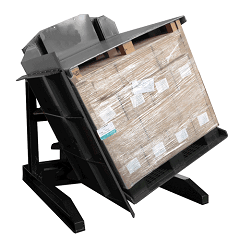
When I started FHOPEPACK, my goal was always to find smarter ways to do things. I have seen firsthand the relief on a manager’s face when they realize they no longer have to put their team at risk. In my early days, I saw too many minor and major accidents that could have been avoided. Pallet inverters are a game-changer here. They take the human element out of the most dangerous parts of pallet handling. Instead of people having to lift, push, and turn heavy pallets, a machine does it all. This shift means fewer back injuries, fewer crushed fingers, and a much safer work environment. Also, with labor being scarce and expensive, especially for demanding tasks in cold conditions, a pallet inverter allows you to do more with less. It is not just about making work safer; it is also about making it more sustainable for your business and your team.
Pallet Inverters: A Two-Fold Solution for a Safer and More Efficient Workforce:
Pallet inverters offer a clear path to overcoming the critical challenges of safety and labor, especially in demanding environments like cold storage.
-
🛡️ Enhancing Workplace Safety:
- Elimination of Manual Handling Risks: The main benefit of a pallet inverter is that it takes away the need for workers to physically lift, push, or rotate heavy pallets. This immediately reduces the risk of common injuries like muscle strains, sprains, and back injuries that come from manual handling. The machine handles the heavy lifting, keeping your team safe.
- Reduced Risk of Falling Goods: Manual pallet inversion often involves tilting or propping up loads, which can make them unstable. A pallet inverter holds the load securely throughout the process, preventing items from shifting, tipping, or falling. This protects both your products and your workers from potential harm.
- Controlled and Predictable Operation: Unlike human handling, which can vary in skill and strength, a machine offers consistent, controlled movements. This predictability reduces the chances of sudden movements or accidents caused by human error, especially in cold, slippery conditions where footing might be uncertain.
- Fewer Insurance Claims and Costs: By significantly reducing workplace injuries, businesses can see a drop in worker’s compensation claims, medical costs, and insurance premiums. This means not only a safer workplace but also a healthier bottom line.
-
👨🏭 Addressing Labor Shortages and Optimizing Workforce:
- Reduced Reliance on Physical Labor: A pallet inverter can do the work of several people. This means you need fewer workers to complete the same amount of pallet changes. This is a huge advantage when you are struggling to find staff or when labor costs are high.
- Redeployment of Staff: With the heavy, dangerous work automated, your existing staff can be moved to other, less strenuous, or more skilled tasks within the warehouse. This improves overall productivity and makes better use of your team’s talents. For example, a worker who used to manually invert pallets can now focus on inventory management, quality control, or operating other equipment.
- Improved Employee Morale and Retention: When dangerous and physically demanding tasks are handled by machines, workers feel safer and are more satisfied with their jobs. This can lead to better morale, reduced employee turnover, and a more engaged workforce. People are more likely to stay with a company that values their safety and well-being.
- Consistent Performance Regardless of Conditions: Unlike human workers who can be affected by fatigue or cold, a pallet inverter performs consistently. This ensures that your pallet change operations remain efficient and reliable, no matter the time of day or the temperature in the cold storage facility.
Can pallet inverters handle diverse pallet specifications in cold storage environments?
In the world of international logistics, one size almost never fits all, especially when it comes to pallets. Do you constantly find yourself needing to switch between different pallet types – Euro, American, plastic – and worry about how to do this efficiently and safely in a cold environment?
Yes, pallet inverters are specifically designed to handle diverse pallet specifications, including Euro, American, and plastic pallets, and they perform reliably in cold storage environments through robust construction, specialized coatings, and hydraulic systems engineered for low temperatures, ensuring seamless transitions without compromising speed or safety.
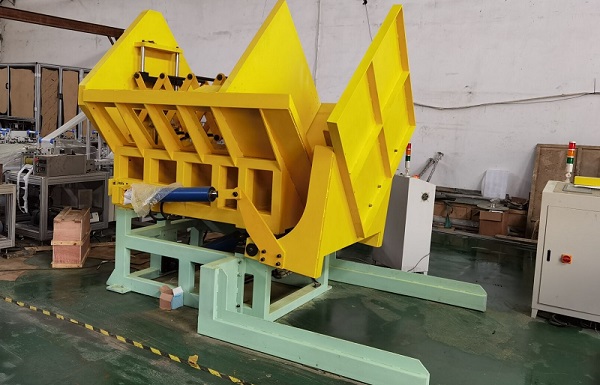
I have helped many clients who struggled with this exact problem. One client, a major food distributor, faced constant headaches with export orders. They had to switch countless pallets from their standard Euro size to US-compliant pallets every day. Their manual process was slow, error-prone, and often delayed shipments. We worked together to find a pallet inverter solution that could manage these diverse pallet types efficiently. Seeing their operations streamline and their export volume increase was a real win. This experience taught me that adaptability is key. A good pallet inverter is not just about turning pallets; it is about providing a flexible solution for a complex logistical puzzle. These machines are built to withstand the tough conditions of cold storage, using materials and components that perform well even in freezing temperatures. They become a central part of managing diverse pallet requirements without adding stress to your team or your schedule.
Pallet Inverters: Versatility and Resilience in Cold Storage:
The ability of pallet inverters to adapt to various pallet types and perform reliably in cold storage is a critical advantage for modern warehouses.
-
📏 Adaptability to Diverse Pallet Sizes and Materials:
- Universal Compatibility: Most modern pallet inverters are built with adjustable clamps and platforms. This design allows them to securely grip and invert a wide range of pallet sizes and types. This includes common standards like Euro pallets (800x1200mm) and American pallets (1000x1200mm or 40×48 inches), as well as less common sizes or custom plastic pallets.
- Handling Different Materials: Whether your pallets are made of wood, plastic, or a combination, pallet inverters are designed to handle them. The gripping mechanisms are often lined with materials that provide firm but gentle contact, preventing damage to the pallets or the goods they hold, regardless of the material.
- Load Versatility: Beyond just pallet types, these machines can handle various load configurations. From single-item stacks to mixed consignments, the inverter maintains stability throughout the transfer, ensuring the integrity of your products is preserved.
-
🥶 Reliable Performance in Cold Storage Environments:
- Robust Construction and Materials: Pallet inverters built for cold storage are made with high-grade, corrosion-resistant steel. This is essential to withstand the harsh conditions of freezing temperatures and high humidity, which can quickly degrade standard equipment.
- Specialized Hydraulic Fluids and Components: Standard hydraulic fluids can become thick and less effective in cold temperatures. Pallet inverters for cold storage use special low-temperature hydraulic fluids that maintain their viscosity and performance even in sub-zero conditions. Seals and hoses are also selected for their resistance to cracking and brittleness in the cold, ensuring smooth and consistent operation.
- Enhanced Electrical Components: Electrical systems in cold storage environments require special attention. Pallet inverters designed for these conditions feature insulated wiring, sealed components, and often incorporate heating elements for critical parts to prevent condensation and ensure reliable electrical function. This prevents short circuits and extends the life of the electrical system.
- Condensation Management: Cold storage can lead to condensation as equipment moves between different temperature zones or when air circulates. Advanced pallet inverters may include features or coatings to manage condensation, preventing ice buildup on moving parts and protecting electronic components from moisture damage.
- Consistent Operational Speed: Despite the challenging environment, pallet inverters maintain their operational speed and efficiency. This means that pallet changes happen just as quickly and reliably in a freezer as they would in a dry warehouse, which is crucial for maintaining throughput and meeting tight delivery schedules for temperature-sensitive goods.
What are the measurable efficiency gains from using pallet inverters in high-throughput warehouses?
In today’s fast-paced supply chain, efficiency is not just a buzzword; it is essential for survival and growth. Are you looking for concrete ways to speed up your operations, cut costs, and keep your customers happy, especially when dealing with high volumes of goods?
Pallet inverters deliver measurable efficiency gains in high-throughput warehouses by drastically reducing pallet change times, leading to a significant increase in daily output and order fulfillment rates, while simultaneously lowering labor costs, minimizing product damage, and improving compliance, ultimately resulting in substantial operational cost savings and enhanced customer satisfaction.
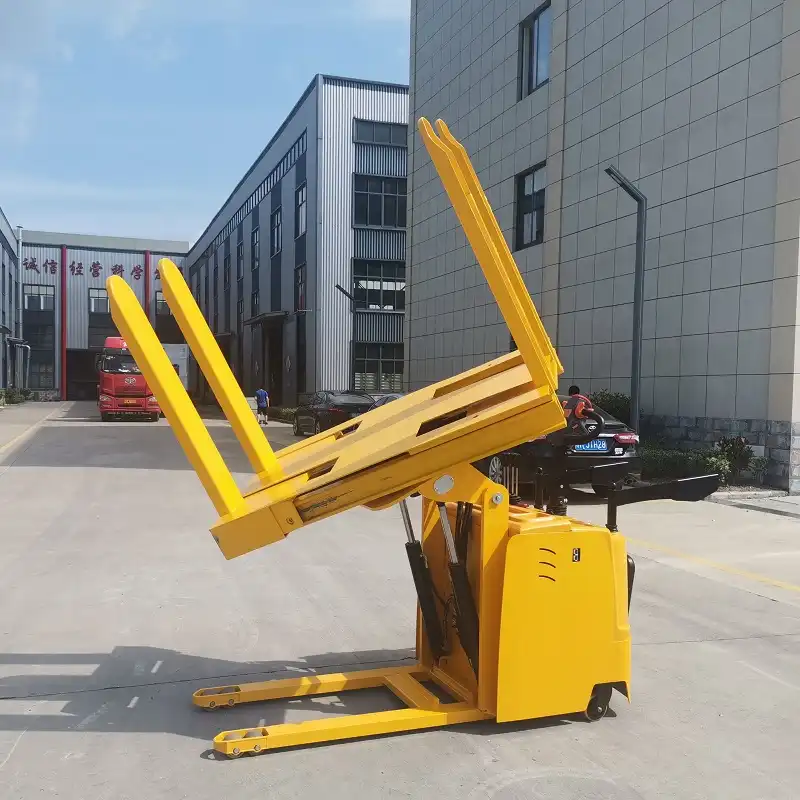
I remember a time when one of my early clients was scaling up their distribution center. They had a surge in orders but their existing manual pallet handling system just could not keep up. Every pallet change was a time sink. After installing a pallet inverter, they saw an immediate increase in their daily throughput. What used to take minutes per pallet and multiple workers now took seconds with just one operator. This allowed them to process more orders, faster, and without hiring more staff. This experience taught me that efficiency gains from automation are not just theoretical; they are real, measurable, and directly impact a company’s bottom line. When you can move goods faster and more reliably, you not only save money but also build a reputation for reliability, which is priceless. These machines are not just about doing a task; they are about transforming your entire workflow to make your warehouse a much more productive place.
Quantifying the Impact: How Pallet Inverters Boost Warehouse Efficiency:
The benefits of integrating pallet inverters into a high-throughput warehouse are numerous and quantifiable, directly contributing to improved operational metrics.
-
⏱️ Significant Reduction in Pallet Change Time:
- Faster Cycle Times: Manual pallet changes can take several minutes per pallet, involving multiple steps and workers. A pallet inverter can complete a full cycle in as little as 30-60 seconds, depending on the model and load. This massive speed increase means you can process many more pallets per hour.
- Increased Throughput: By reducing the time per pallet, your overall daily throughput capacity goes up. If you are handling thousands of pallets, shaving even a minute off each change adds up to hours of saved time per day, allowing you to fulfill more orders and manage higher volumes.
- Reduced Waiting Times: Faster pallet changes mean less time trucks or forklifts spend waiting. This improves the flow of goods within the warehouse and reduces congestion in loading docks, making the entire operation smoother.
-
💰 Lower Operational Costs:
- Decreased Labor Expenses: As discussed, pallet inverters reduce the need for manual labor for pallet changes. This means you can cut down on labor costs associated with this specific task, which can be significant, especially in areas with high wages or labor shortages.
- Reduced Product Damage: Automated handling is more consistent and secure than manual handling, dramatically lowering the risk of product damage during the transfer. This leads to fewer damaged goods, less waste, and fewer claims from customers, directly saving money.
- Lower Insurance and Injury Costs: With a safer operation, you will likely see a reduction in worker’s compensation claims and related insurance costs. This is a direct financial benefit from improved safety.
- Optimized Space Usage: Some pallet inverter models can be more compact than the space needed for safe manual pallet changes, potentially freeing up valuable floor space in your warehouse.
-
✅ Improved Compliance and Customer Satisfaction:
- Consistent Pallet Standard Adherence: Pallet inverters ensure that all outgoing pallets meet specific regulatory or customer standards (e.g., clean pallets for food safety, specific sizes for international shipping) quickly and reliably. This helps avoid compliance issues and potential fines.
- Faster Order Fulfillment: The overall increase in efficiency and throughput translates directly into faster order fulfillment times. This is a major factor in customer satisfaction, especially for e-commerce and retail clients who expect rapid deliveries.
- Reduced Shipping Delays: By preventing bottlenecks at the pallet change stage, you reduce the likelihood of shipping delays. This ensures goods leave on time, meet delivery schedules, and avoid costly penalties or chargebacks from customers.
- Enhanced Reputation: A warehouse that operates efficiently and reliably builds a strong reputation. This can lead to repeat business, new clients, and a stronger competitive position in the market.
My insight: Choosing the right pallet inverter for your cold storage needs?
Deciding on new equipment for your warehouse is a big step, and for cold storage, it is even more critical. Are you simply looking for a machine, or do you want a long-term solution that truly understands your unique operational challenges and contributes to your business growth?
Choosing the right pallet inverter for cold storage goes beyond just machine specifications; it involves partnering with a supplier who understands the unique demands of cold environments, offers reliable, durable equipment, provides comprehensive after-sales support, and acts as a true consultant to ensure the solution seamlessly integrates with and enhances your specific operational workflow.
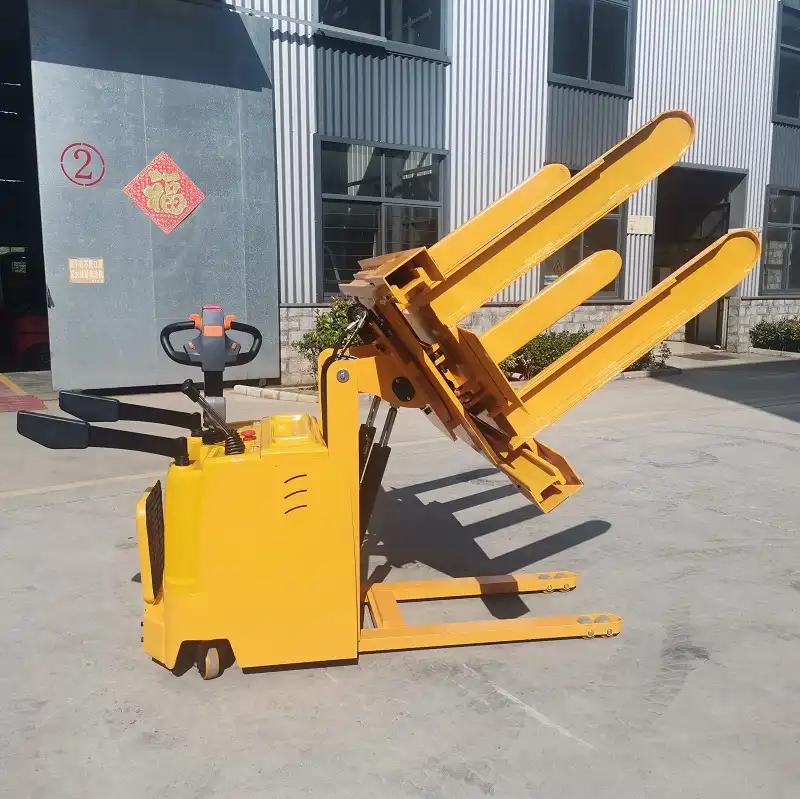
My journey from an employee to owning FHOPEPACK taught me that true partnership is what makes businesses succeed. I have seen many companies buy equipment that looks good on paper but fails to deliver in real-world conditions, especially in tough environments like cold storage. That is why when I founded FHOPEPACK, I committed to being more than just a seller. I want to be a resource, a knowledge-sharing platform. For cold storage, the choice of a pallet inverter is critical. You need equipment built to withstand the cold, with specialized components that will not fail when temperatures drop. More importantly, you need a partner who will be there after the sale, providing support and ensuring your system continues to run smoothly. It is about finding a solution that fits your specific needs, your pallet types, your throughput, and your budget, rather than just buying the cheapest option. This approach helps you avoid future headaches and ensures your investment truly pays off.
Key Considerations for Selecting a Pallet Inverter for Cold Storage:
When you are looking for a pallet inverter for your cold storage facility, consider these points to make sure you get the best fit and a reliable partner.
-
🧊 Cold Storage Specific Design and Durability:
- Material Quality: Look for machines made with high-grade, corrosion-resistant stainless steel or specially treated materials that can handle freezing temperatures and high humidity without rusting or becoming brittle.
- Specialized Components: Check for low-temperature hydraulic fluids, sealed electrical enclosures, and cold-resistant cables and seals. These are crucial for preventing breakdowns and ensuring consistent performance in sub-zero conditions.
- Robust Construction: The machine needs to be built tough to withstand the demands of a busy cold storage environment, including potential impacts from forklifts and continuous operation.
-
🔄 Adaptability to Your Specific Pallet and Load Requirements:
- Pallet Versatility: Confirm that the inverter can handle all the different pallet sizes (Euro, US, custom) and materials (wood, plastic) you use. Adjustable clamping mechanisms are key here.
- Load Weight and Dimensions: Ensure the machine’s capacity matches your typical load weights and dimensions. Overloading a machine can lead to premature wear and failure.
- Product Sensitivity: If you are handling fragile or temperature-sensitive goods, ask about features that ensure gentle handling and maintain temperature integrity during the transfer process.
-
⚙️ Automation Level and Integration with Existing Systems:
- Manual, Semi-Automatic, or Fully Automatic: Decide what level of automation fits your needs. A fully automatic system offers the most efficiency but might require more integration. A semi-automatic option might be a good balance for some operations.
- Ease of Integration: Consider how easily the new pallet inverter can be integrated into your current warehouse layout and workflow. Will it work with your existing forklifts or conveyor systems?
- User-Friendly Controls: The control panel should be easy to understand and operate, minimizing training time for your staff.
-
🤝 Supplier Expertise and After-Sales Support:
- Industry Experience: Choose a supplier who deeply understands packing machines and logistics, especially in cold storage. They can offer valuable insights and solutions beyond just selling a machine. I believe FHOPEPACK stands out here with our deep industry knowledge.
- Reliable Support: Ask about their service and maintenance plans. What kind of warranty do they offer? Do they have spare parts readily available? Quick and efficient support is vital to minimize downtime.
- Consultative Approach: A good partner will work with you to analyze your specific pain points and goals, offering customized solutions instead of a one-size-fits-all approach. This ensures you are investing in a solution that truly solves your problems.
Conclusion
Pallet inverters offer a powerful way to make your cold storage operations much better. They solve real problems like safety risks, labor shortages, and slow manual processes. By cutting down on time, saving money, and keeping your team safe, these machines are a smart investment. Choosing the right pallet inverter means finding a partner who understands your needs, giving you a reliable solution that helps your business grow.








