
How Can Pallet Inverters Reduce Downtime Compared to Other Pallet Handling Equipment?
Imagine your warehouse floor: pallets moving, forklifts humming, but then a sudden halt. A pallet needs swapping for export, or a damaged one requires replacement. This is where the smooth flow of operations can quickly turn into a bottleneck. For many logistics managers, these moments are not just minor interruptions; they are critical points of potential downtime that eat into profits and delay shipments. This issue frustrates many in our industry.
A pallet inverter significantly reduces downtime by automating and standardizing the often complex and labor-intensive process of switching pallets, ensuring a continuous flow of goods, minimizing human error, and enhancing safety beyond what traditional manual handling or basic machinery can achieve. This means fewer stoppages, faster turnaround times, and a more efficient warehouse operation overall.
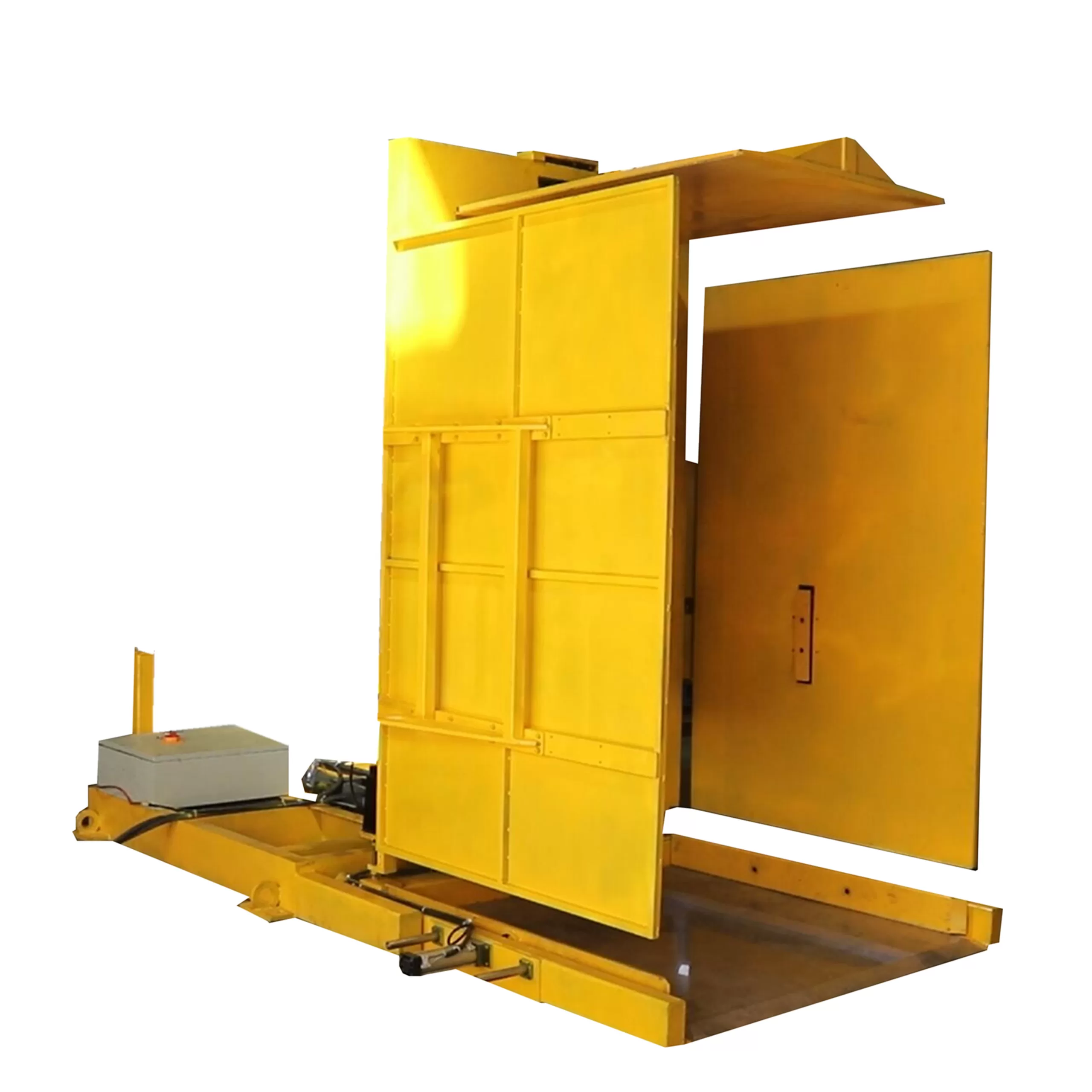
You are here because you understand the real cost of even a few minutes of delay. You know that downtime ripples through your entire supply chain, impacting customer satisfaction and your bottom line. I have spent years in the packing machine industry, starting on the factory floor and building my own successful business. I have seen firsthand how the right equipment can transform operations. Let us explore how pallet inverters specifically tackle and minimize these costly interruptions.
What Hidden Costs and Delays Are Traditional Pallet Handling Methods Causing Your Business?
Your warehouse faces constant pressure to move goods quickly and without error. However, many traditional methods for handling pallets introduce more problems than solutions, leading to significant, often overlooked, costs and delays. These issues slow down operations, and they also create unseen expenses. Do you ever feel like you are constantly fighting fires instead of focusing on growth?
Traditional pallet handling methods, especially manual ones or those using basic equipment, cause downtime through slow processes, high error rates, frequent safety incidents, and the sheer physical effort required, all of which contribute to operational bottlenecks and increased labor costs that impact your overall efficiency.
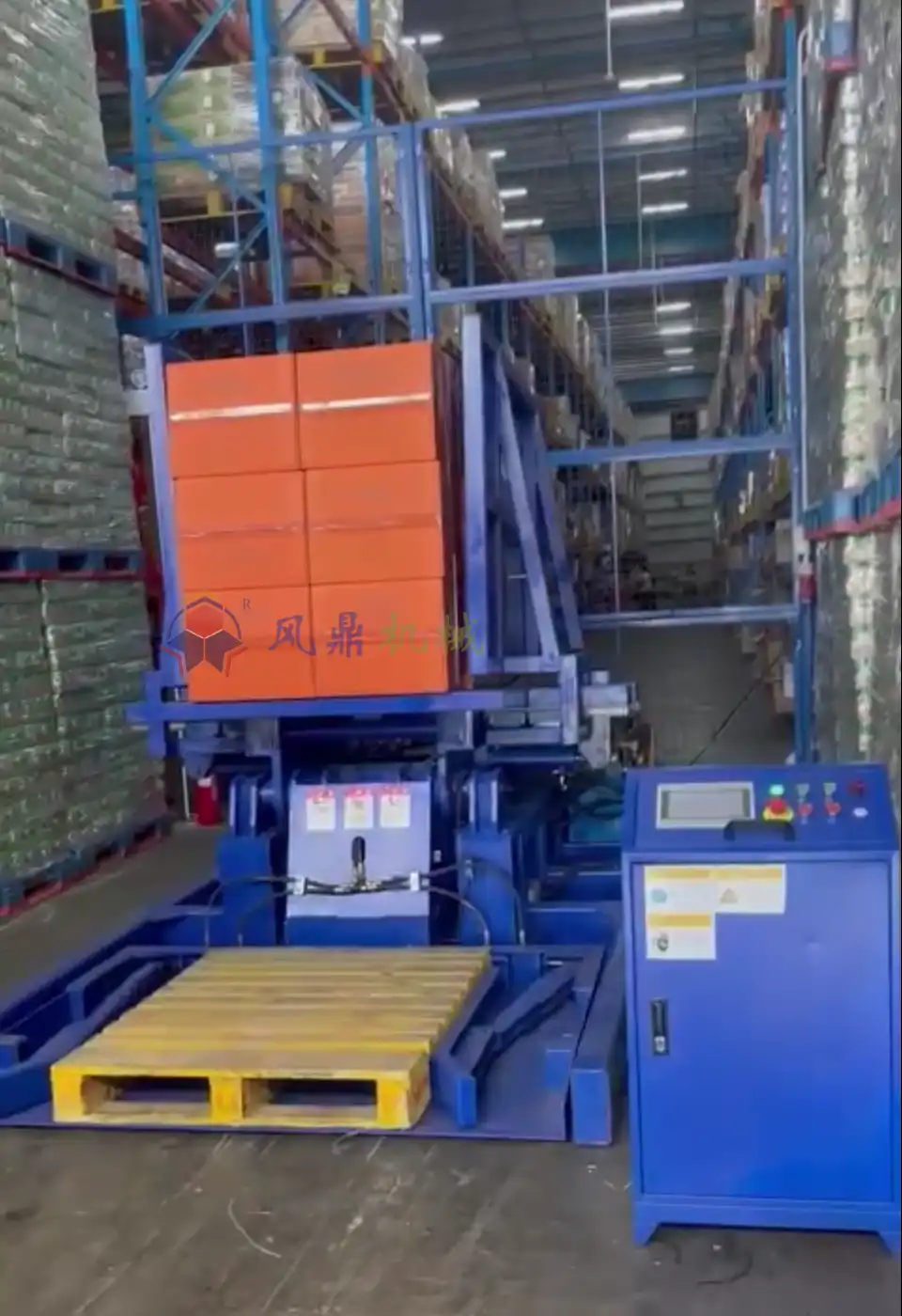
I have seen countless operations struggle with these challenges. From my experience building and running a packing machine factory, I know that efficiency is key. Every minute counts. Understanding these hidden costs helps you see the true value of better solutions. Let us dive into the specific ways traditional methods create these problems.
Dive Deeper: The Unseen Drag on Warehouse Efficiency
Manual pallet handling or relying on general-purpose equipment often introduces significant inefficiencies and risks. These methods might seem cost-effective initially, but they quickly accumulate hidden costs through slower operations, increased errors, and safety concerns. This creates a challenging environment for managers like you.
-
❌ Manual Handling Inefficiencies: Slow and Error-Prone Processes
- Problem: Manually swapping pallets is a slow and labor-intensive task. Workers must physically move goods, sometimes piece by piece, or use basic tools to tilt and shift pallets. This takes a lot of time. When you handle thousands of pallets daily, as is common in a large distribution center, these small delays add up quickly. For instance, imagine converting a load from a Euro pallet to a US pallet for international export. Doing this by hand involves multiple steps and significant time for each unit. This slows down the entire outbound process.
- Impact on Downtime: Each manual exchange can take several minutes, creating a bottleneck. This stops the flow of goods. If ten pallet changes are needed every hour, and each takes an extra five minutes compared to an automated system, you lose 50 minutes of productive time per hour. This quickly escalates to hours of lost productivity over a shift. Errors also happen more often with manual handling. Goods can be placed on the wrong pallet, or they might not be secured properly. This leads to re-work, further delays, and customer complaints.
- FHOPEPACK Insight: My journey from an employee to a factory owner taught me the importance of process optimization. Every manual step is a potential point of failure or delay. We learned to design machines that remove these human-dependent bottlenecks.
-
⚠️ Safety Hazards & Accidents: Risks to Workers and Goods
- Problem: Manually manipulating heavy loads or tilting pallets carries high risks. Workers can suffer muscle strains, back injuries, or even more severe accidents if goods fall or equipment malfunctions. I have heard many stories from clients, some of them very concerning, about workers being injured during manual pallet swaps. In a high-volume warehouse, these incidents are not rare; they are a constant threat. Moreover, the risk is not just to people. Goods can get damaged during manual transfers or when using improvised methods. A single dropped pallet can mean thousands of dollars in lost product.
- Impact on Downtime: A workplace accident immediately stops operations in the affected area. Investigations take time. Injured employees require medical attention, leading to lost workdays. This means fewer people available for critical tasks. Damaged goods require re-packaging or replacement, adding more delays. These safety incidents cause significant, unplanned downtime. They also increase insurance costs and potential legal liabilities.
- FHOPEPACK Insight: Safety is paramount. When I started FHOPEPACK, I focused on designing equipment that protects both workers and products. A safe operation is an efficient operation. Preventing accidents reduces hidden costs and keeps the workflow smooth.
-
💰 Unseen Labor Costs: Rising Wages and Recruitment Challenges
- Problem: The cost of labor continues to rise. Finding skilled or even willing workers for physically demanding warehouse jobs becomes harder every year. Many young people do not want to do strenuous lifting or repetitive tasks. This makes staffing a challenge for warehouse managers. When you rely heavily on manual pallet handling, you need more workers, and these workers cost more over time. Training new staff for these physically demanding roles also takes time and resources, and turnover can be high.
- Impact on Downtime: Labor shortages mean fewer hands to do the work, which directly translates to slower processes and longer waiting times for pallet changes. If a key worker is absent, or if you cannot fill open positions, operations slow down. This creates a backlog. Overtime pay to cover the gaps also inflates operating costs without necessarily increasing efficiency. The constant search for new staff and the training process also divert valuable management time.
- FHOPEPACK Insight: My own factory faced labor challenges. This made me understand that automation is not just about speed; it is about creating sustainable operations that are less reliant on a shrinking pool of manual labor. This approach safeguards against future disruptions.
-
⏱️ Throughput Bottlenecks: Customer Dissatisfaction and Penalties
- Problem: In today’s fast-paced market, customers expect quick delivery. E-commerce and retail clients demand shorter lead times. When pallet handling creates bottlenecks, your entire distribution process slows down. This impacts your ability to meet delivery schedules. If you are a global food and beverage group, as some of our clients are, delaying even one shipment can have severe financial consequences, including contract penalties.
- Impact on Downtime: Pallet change bottlenecks directly cause delays in shipping. This means trucks wait longer, or delivery schedules are missed. For example, if your pallet swapping process is too slow, containers for export might not be loaded on time. This leads to demurrage charges or missed shipping windows. Both result in additional costs and unhappy customers. Such delays can also damage your reputation and lead to losing valuable clients. The pressure to speed up processes is immense.
- FHOPEPACK Insight: I built FHOPEPACK on the idea of helping businesses grow. This often means solving critical bottlenecks. I saw how even small improvements in packaging and handling could make a huge difference in client satisfaction and market competitiveness.
How Do Pallet Inverters Streamline the Pallet Exchange Process for Faster Throughput?
When faced with the challenges of diverse pallet specifications and demanding delivery schedules, simply having a machine is not enough. You need a solution that actively speeds up your operations. How do pallet inverters achieve this, moving beyond the limitations of traditional handling equipment to ensure a smoother, faster workflow? This is what I often hear from logistics managers in Spain and across Europe.
Pallet inverters fundamentally streamline the pallet exchange process by automating the transfer of goods from one pallet type to another quickly and securely, often completing tasks in minutes that would otherwise take significantly longer manually, thereby increasing throughput and reducing waiting times for subsequent operations.
I remember talking with a client in the food processing industry. They had to switch thousands of Euro pallets to US pallets daily for export. Their manual process was a nightmare of delays. When we introduced them to an automated pallet inverter, the change was dramatic. This is the kind of transformation I want to share with you. Let us look at the specific ways these machines boost efficiency.
Dive Deeper: The Mechanics of Accelerated Pallet Exchange
Pallet inverters are designed to tackle the common bottlenecks in pallet handling. They offer a systematic and automated approach that drastically reduces the time and effort involved in transferring goods from one pallet to another. This leads to a smoother and faster operation.
-
🚀 Speed and Efficiency: Quick Exchange, Continuous Flow
- Mechanism: Pallet inverters work by clamping a load and then rotating it or lifting it to allow for the removal of the old pallet and the introduction of a new one. This entire process happens in a controlled and quick sequence. Some models can complete a full pallet swap in less than a minute. This is a huge improvement over manual methods that can take 5-10 minutes per pallet. The machine does the heavy lifting and precise movements.
- Benefit for Throughput: This rapid exchange capability means goods spend less time waiting to be transferred. It allows your forklift operators to maintain a continuous flow of products. Instead of stacking goods and waiting for manual swaps, the inverter keeps things moving. For a busy distribution center processing thousands of pallets, this translates into significantly higher daily throughput. Your loading docks and packing lines stay active, reducing idle time for vehicles and personnel. This makes operations much more predictable.
- FHOPEPACK Insight: We design our machines with speed and reliability in mind. My experience taught me that small time savings on repetitive tasks add up to massive gains in overall productivity. This is how FHOPEPACK equipment empowers businesses.
-
🔄 Versatility for Pallet Types: Adapting to Diverse Requirements
- Capability: One of the main strengths of pallet inverters is their ability to handle a wide range of pallet types and sizes. They can easily switch between Euro pallets, US standard pallets, plastic pallets, or even custom sizes. This is critical for companies involved in international logistics, where different countries have different pallet regulations. The clamping mechanisms are often adjustable. This lets them secure various load dimensions.
- Benefit for Throughput: This versatility eliminates the need for separate handling methods or manual intervention for each pallet type. Imagine a scenario where you receive goods on plastic pallets but need to ship them on wooden export pallets. A pallet inverter handles this transition seamlessly. It avoids the complicated and slow process of manual transfer. This adaptability ensures that no matter what pallet comes in or what pallet needs to go out, the process remains fast and efficient. It removes a major source of delay in diverse operations.
- FHOPEPACK Insight: My clients often deal with complex logistics, requiring flexible solutions. We focus on building machines that solve these real-world problems, ensuring they can adapt to different standards without causing new bottlenecks.
-
🤖 Automation Benefits: Less Human Intervention, Consistent Cycle Times
- Automation Level: Many pallet inverters offer varying degrees of automation, from semi-automatic models requiring an operator to fully automatic systems integrated into conveyor lines. Even semi-automatic models drastically reduce the physical effort and decision-making needed from workers. They minimize human errors. The machine performs the exact same movements every time.
- Benefit for Throughput: Automation means fewer errors and more consistent cycle times. Humans can get tired, make mistakes, or work at varying speeds. A machine works at a constant, optimized pace. This consistency is vital for maintaining a predictable throughput. It allows for better planning of subsequent warehouse activities. You can schedule tasks with greater accuracy. This ensures that the pallet exchange process does not become an unpredictable bottleneck. It helps maintain a smooth, uninterrupted flow.
- FHOPEPACK Insight: Automation is about empowering your workforce, not replacing them entirely. It frees up skilled labor for more complex tasks and ensures that repetitive, physically demanding jobs are done safely and efficiently by machines. This is a core part of our philosophy.
-
📈 Enhanced Productivity: More Pallets Moved Per Hour
- Outcome: By combining speed, versatility, and automation, pallet inverters lead to a significant increase in the number of pallets your warehouse can process per hour. This enhanced productivity directly translates to faster shipping times and increased operational capacity. They allow you to handle higher volumes without scaling up your labor force proportionally.
- Benefit for Throughput: Higher productivity at the pallet exchange point reduces overall lead times. Goods move from inbound to outbound faster. This frees up valuable space on your warehouse floor, as products spend less time in transition. It also allows your existing resources, like forklifts and operators, to be utilized more effectively. They spend less time waiting and more time moving product. This contributes to a much more dynamic and efficient warehouse environment.
- FHOPEPACK Insight: When I started FHOPEPACK, my goal was always to help businesses achieve more with less. Pallet inverters are a prime example of how smart machinery can unlock new levels of productivity and efficiency for my clients.
Beyond Speed, How Do Pallet Inverters Boost Operational Safety and Equipment Reliability?
Speed is important, but it is not the only factor for reducing downtime. For a warehouse and logistics manager, safety and reliability are paramount. An accident not only causes injury; it stops everything. Equipment breakdowns also halt production. How do pallet inverters contribute to a safer workplace and ensure the long-term reliability of your operations, preventing unplanned downtime? This question often comes up when I discuss solutions with experienced professionals.
Pallet inverters significantly boost operational safety by removing manual heavy lifting and tilting, which reduces the risk of worker injury and product damage, while their robust construction and designed-for-purpose functionality also contribute to greater equipment reliability and a longer operational lifespan, leading to fewer breakdowns and less maintenance-related downtime.

I have always believed that a factory or warehouse must be safe for its workers. Early in my career, I saw too many preventable accidents. This fueled my passion for building machines that protect people. This commitment to safety also extends to the durability of the equipment itself. Let us explore how pallet inverters deliver on these critical aspects.
Dive Deeper: The Foundation of Safe and Reliable Operations
The real power of pallet inverters lies in their ability to make your operations safer and more dependable. This translates into less downtime from accidents or equipment failures. They are not just about moving faster; they are about moving smarter and more securely.
-
🛡️ Improved Worker Safety: Eliminating Manual Lifting and Tilting
- Safety Feature: Pallet inverters are designed to eliminate the need for workers to manually lift, tilt, or handle heavy loads during pallet changes. The machine does all the physical work. It securely clamps the product and then performs the rotation or transfer. This keeps workers out of harm’s way. This means no more back strains from trying to balance heavy boxes or crushed fingers from poorly coordinated manual operations.
- Impact on Downtime: By removing these physical risks, pallet inverters drastically reduce the likelihood of workplace accidents. Accidents cause immediate shutdowns, investigations, and lost workdays for injured staff. They also lead to higher insurance premiums and potential legal issues. Fewer accidents mean fewer unplanned stoppages. This keeps your team on the floor and your operations running smoothly. It creates a much safer and more productive environment.
- FHOPEPACK Insight: My experience in factory environments taught me that safety is non-negotiable. Designing machines that take the physical burden off workers is a priority. This protects people and reduces costly operational interruptions.
-
📦 Reduced Product Damage: Gentle Handling and Secure Clamping
- Protection Feature: Unlike manual methods where goods can shift, fall, or be damaged during awkward transfers, pallet inverters use robust clamping mechanisms. These mechanisms hold the load firmly in place throughout the exchange process. The rotation is smooth and controlled. This prevents goods from being dislodged or crushed. It is especially important for fragile or high-value products like those in the food and beverage industry.
- Impact on Downtime: Product damage leads to immediate downtime. When products are damaged, they cannot be shipped. This means re-packaging, re-stocking, or even discarding goods. Each of these steps takes time and resources. Damaged shipments also cause customer dissatisfaction and potential penalties. By preventing damage, pallet inverters ensure that products remain in saleable condition. This avoids these costly interruptions and keeps your inventory moving.
- FHOPEPACK Insight: For my clients, especially those dealing with food, every product counts. We focus on designing machines that handle goods gently and securely. This commitment to product integrity directly translates to less waste and more efficient operations.
-
⚙️ Equipment Durability & Lifespan: Designed for Heavy Use
- Construction Quality: FHOPEPACK pallet inverters are built with heavy-duty components, high-quality steel, and robust hydraulic or electric systems. They are designed for continuous operation in demanding warehouse environments. This is not light machinery. This focus on strong construction ensures the equipment can withstand the rigors of daily use. It handles thousands of pallet changes without showing signs of premature wear.
- Impact on Downtime: Durable equipment means fewer breakdowns. When a machine is built to last, it requires less frequent repairs. This reduces unexpected downtime for maintenance. If you are handling goods for a large multinational group, the last thing you want is for a critical piece of equipment to fail during peak hours. Reliable equipment ensures consistent operation, which is key to meeting tight deadlines and maintaining customer satisfaction.
- FHOPEPACK Insight: I believe in building machines that are an investment, not an expense. The strength and quality of our engineering ensure that our equipment provides long-term, reliable service, minimizing unexpected downtimes for our clients.
-
🔧 Less Maintenance Downtime: Reliable Design, Preventative Features
- Maintenance Benefits: Modern pallet inverters often feature modular designs and easily accessible components. This makes routine maintenance simpler and faster. Many models also include diagnostic systems that alert operators to potential issues before they become major problems. This allows for scheduled preventative maintenance. You can address issues during planned off-peak hours.
- Impact on Downtime: A well-designed machine with clear maintenance schedules reduces unplanned breakdowns. When maintenance is quick and predictable, it causes minimal disruption to operations. This is far better than a sudden, unexpected failure that halts production completely. By investing in reliable equipment with good maintenance support, you ensure sustained uptime and a more predictable operational flow.
- FHOPEPACK Insight: Through my own experience running a factory, I learned that proactive maintenance is cheaper and less disruptive than reactive repairs. We build machines that are easy to maintain, providing clear instructions and support to ensure maximum uptime for our customers.
What Long-Term Strategic Advantages Do Pallet Inverters Offer for Sustained Uptime and Growth?
Beyond the immediate benefits of speed and safety, how do pallet inverters position your business for long-term success? For a supply chain head, the equipment choice today must support tomorrow’s growth and profitability. What strategic advantages do these machines offer that help maintain uptime and ensure your operations are ready for future challenges? This is the broader view many of my clients, especially those growing rapidly, consider.
Pallet inverters offer significant long-term strategic advantages by driving down overall operational costs through reduced labor and insurance expenses, providing scalable solutions for future growth, ensuring compliance with diverse international standards, and enhancing customer satisfaction with reliable, on-time deliveries, all contributing to sustained uptime and a stronger competitive position.
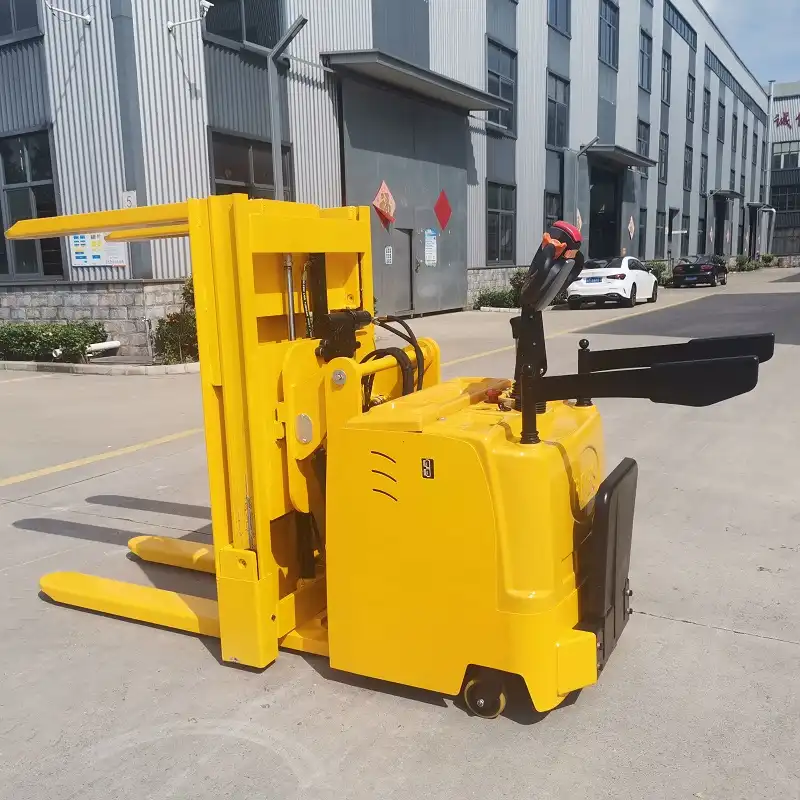
When I founded FHOPEPACK, my vision was to build machines that not only solve current problems but also empower businesses for the future. I have seen how strategic equipment investments can be game-changers, helping companies achieve financial independence and expand their operations. Let us explore these long-term benefits.
Dive Deeper: Building a Resilient and Future-Ready Warehouse
Investing in pallet inverters is not just about a single process improvement; it is about building a more resilient, cost-effective, and adaptable warehouse operation. These machines contribute to your long-term strategy and help secure your business’s future.
-
📉 Significant Cost Savings: Labor, Insurance, and Damage Reduction
- Financial Impact: Pallet inverters drastically reduce reliance on manual labor for pallet changes. This cuts down on wages, benefits, and the increasing costs associated with recruitment and training. Furthermore, fewer accidents lead to lower insurance premiums and fewer payouts for workers’ compensation. Preventing product damage also saves money on replacement costs and waste. Over time, these combined savings represent a substantial reduction in operational expenses.
- Benefit for Sustained Uptime: Lower operating costs improve your financial health. This allows you to invest more in other areas that support uptime, such as preventative maintenance programs or technology upgrades. Reduced financial strain makes your business more robust against economic fluctuations. It creates a stable foundation for continuous operation and minimizes financial-related stoppages or cutbacks.
- FHOPEPACK Insight: My journey from an employee to a factory owner taught me the direct link between smart investments and financial independence. Cost-effective operations free up capital for growth, which is critical for long-term success.
-
🌱 Scalability and Future Growth: Handling Increased Volume
- Adaptability for Growth: As your business grows, your warehousing needs will also increase. Pallet inverters, especially automated systems, are designed to handle higher volumes of goods efficiently. They can integrate into existing conveyor lines or be part of new, expanded operations. They offer a scalable solution. You can process more pallets without needing to significantly expand your physical footprint or hire a massive new workforce.
- Benefit for Sustained Uptime: Having equipment that can scale with your business prevents future bottlenecks. When demand spikes, your pallet exchange process will not become a choke point. This ensures sustained uptime even during periods of rapid growth. It allows you to take on more clients and expand into new markets with confidence. This prepares your operation for future challenges and opportunities without causing disruptive overhauls.
- FHOPEPACK Insight: Helping clients grow their businesses has always been a core part of my mission. We design equipment that can adapt to changing needs, ensuring our clients’ operations remain efficient and scalable as they expand.
-
✅ Compliance and Customer Satisfaction: Meeting Diverse Regulations
- Regulatory Alignment: Many international shipping regulations require specific pallet types (e.g., ISPM 15 for wooden pallets, or specific dimensions for certain countries). Pallet inverters ensure that goods are always on the correct, compliant pallet for their destination. This avoids customs delays, fines, and rejection of shipments. Fast, compliant changes also reduce errors.
- Benefit for Sustained Uptime: Compliance avoids costly delays at borders or during inspections. These delays can be extremely disruptive, leading to significant downtime for your goods in transit. By ensuring products are on the right pallet every time, inverters help maintain a smooth flow through the global supply chain. This directly contributes to higher customer satisfaction. Reliable delivery schedules and correctly prepared shipments build trust and encourage repeat business.
- FHOPEPACK Insight: For me, customer satisfaction means delivering solutions that work seamlessly. Meeting regulatory standards is a crucial part of this, and our machines are built to help clients navigate these complexities efficiently.
-
🤝 Strategic Partnership Value: Choosing the Right Supplier
- Supplier Relationship: The choice of supplier for a pallet inverter is a strategic one. You want a partner who understands your specific warehousing challenges and can provide not just a machine, but a complete solution, including installation, training, and ongoing after-sales support. This long-term relationship ensures your equipment continues to perform optimally. It offers peace of mind.
- Benefit for Sustained Uptime: A supportive partner minimizes downtime related to technical issues or operational questions. They provide quick solutions and expert advice, helping you resolve problems before they escalate. This ensures that your investment continues to deliver maximum value over its lifespan. It also means you have a reliable resource to turn to as your needs evolve. This is far better than a company that only sells machines and then disappears.
- FHOPEPACK Insight: My commitment is to be a true partner to my clients. I have been in their shoes, and I understand the importance of reliable support. That is why FHOPEPACK focuses on building relationships and offering comprehensive after-sales service.
Conclusion
Pallet inverters offer a powerful solution to common warehouse downtime challenges. They reduce delays, improve safety, and lower costs by streamlining pallet changes. Investing in a pallet inverter ensures your operations run smoothly, efficiently, and safely, providing long-term benefits for sustained growth and profitability.








