
Why Procurement Managers in the Auto Industry Rely on Pallet Inverters to Cut Losses?
The automotive industry moves fast. Production lines cannot stop. Parts need to be delivered on time and in perfect condition. But what happens when your pallets are damaged, or you need to switch from a wooden pallet to a plastic one for hygiene or export? Manual handling slows everything down. It also puts your valuable goods and your team at risk. This creates losses that quietly eat into your budget.
Procurement managers in the auto industry increasingly rely on pallet inverters because these machines directly address critical pain points like product damage, worker safety, and operational bottlenecks, ultimately leading to significant cost reductions and improved supply chain efficiency.
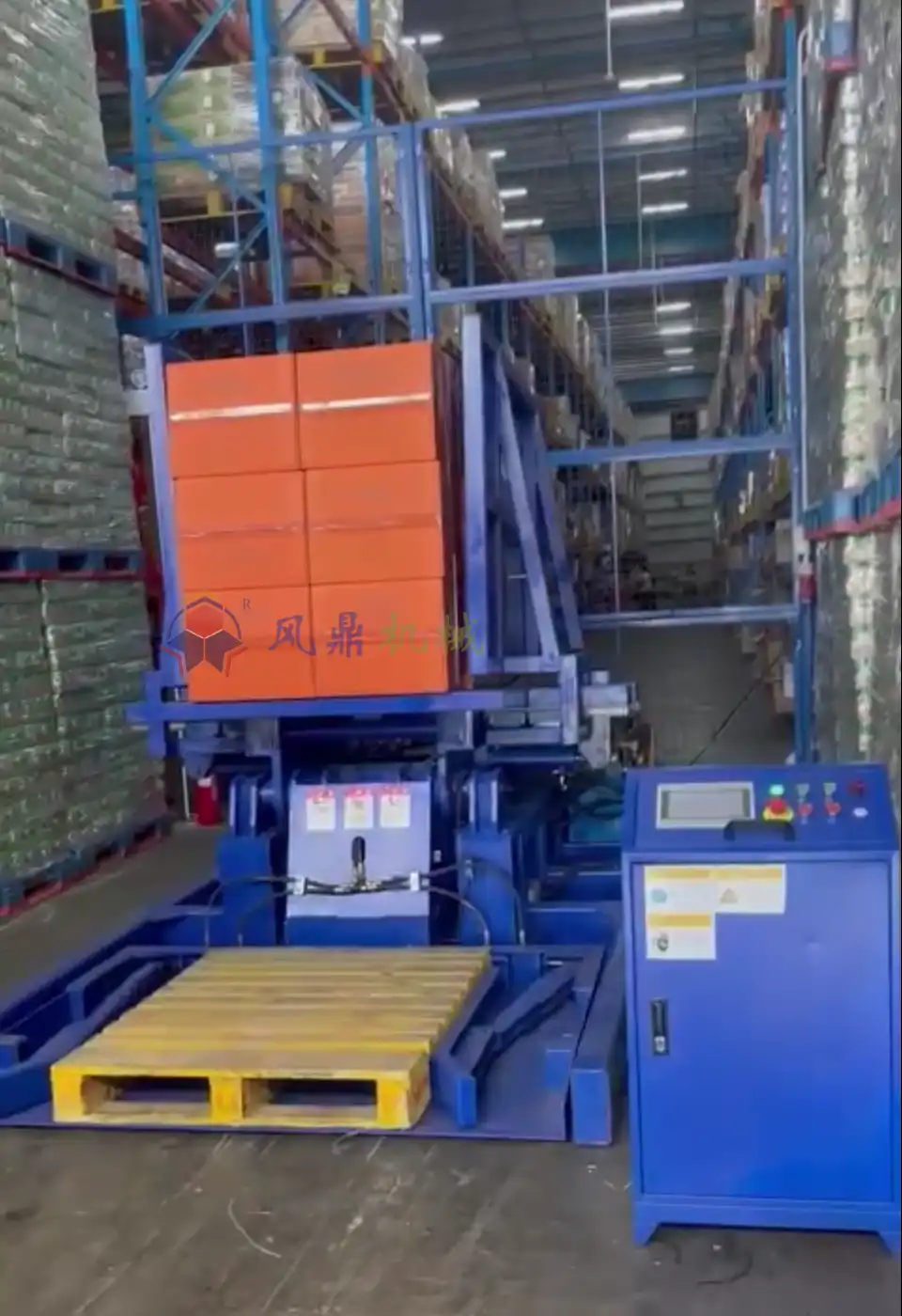
I have spent years in the packing machine industry, watching businesses grow and helping them solve their biggest challenges. I have seen how small inefficiencies can create big problems. For procurement managers, finding solutions that offer both safety and savings is a top priority. Let us dive into how pallet inverters achieve this in the demanding automotive sector.
How Does a Pallet Inverter Protect Both Products and People in the Auto Industry?
Imagine delicate engine components or critical electronic parts. They are stacked on a pallet. Now, imagine a worker trying to manually flip that pallet. The risk of damage is high. The risk of injury is even higher. This is a common scene in many warehouses without modern equipment. It is a problem I have seen too many times.
A pallet inverter significantly reduces product damage and enhances worker safety by automating the process of transferring goods between pallets, eliminating the need for risky manual handling and providing a secure, controlled operation.
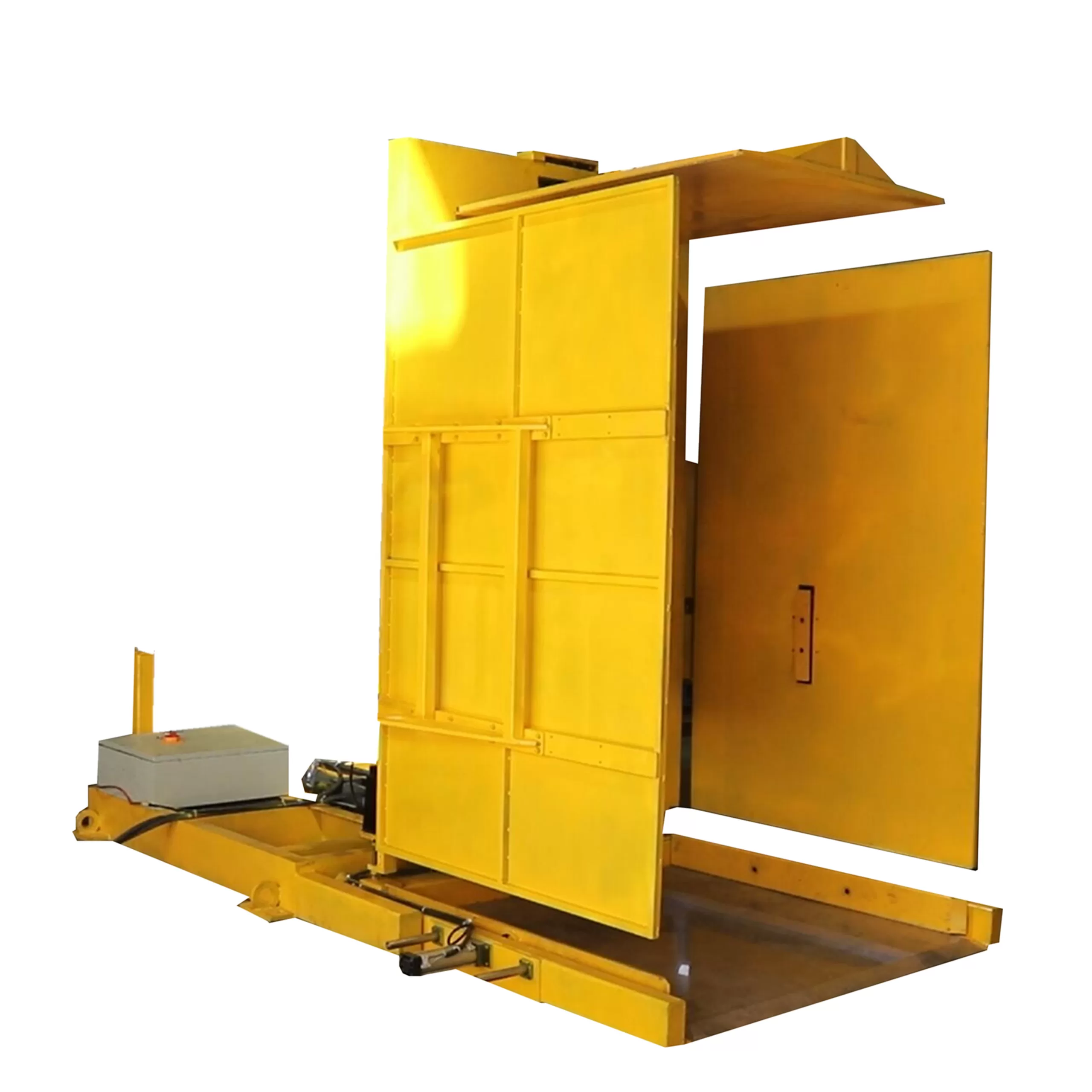
My journey in the packing machine industry taught me that safety is not just a moral obligation. It is a critical part of business success. Accidents cause delays. They lead to medical costs and worker compensation claims. They also hurt team morale. When I helped clients set up their packing lines, we always prioritized robust and safe solutions. Pallet inverters are a prime example of this. They provide a safe environment for handling heavy or unstable loads. They protect your valuable automotive parts. They also protect your most important asset: your people.
1. Reducing Product Damage: A Closer Look
- Eliminating Manual Flipping: Manual flipping of pallets can easily cause items to shift, fall, or become crushed. A pallet inverter holds the load securely. It rotates it in a controlled way. This minimizes any movement that could lead to damage. This is especially vital for fragile automotive components.
- Controlled Transfer: Pallet inverters use hydraulic or electric systems. These systems ensure a smooth and gentle transfer. This avoids sudden jerks or impacts. These actions can damage goods. I have seen how even small impacts can compromise the integrity of sensitive parts.
- Maintaining Load Stability: The machine grips the load firmly from all sides. This prevents products from shifting or toppling during the inversion process. This stability is key for maintaining the quality of packaged goods from the factory floor to the final destination.
2. Enhancing Worker Safety: Why It Matters
- Removing High-Risk Tasks: Manually handling heavy pallets or flipping them is dangerous. It can lead to back injuries, crushed limbs, or other serious accidents. Pallet inverters take away these tasks completely. Workers operate the machine from a safe distance.
- Ergonomic Benefits: Less manual lifting and bending means fewer repetitive strain injuries. This improves the overall health and well-being of the warehouse staff. A healthy team is a productive team. This is a lesson I learned early in my career.
- Compliance with Safety Regulations: Many countries have strict workplace safety laws. Using pallet inverters helps companies comply with these regulations. This reduces the risk of fines and legal issues. It also shows a commitment to worker welfare.
3. Preventing Contamination: An Automotive Specific Need
- Clean Pallet Exchange: In the automotive industry, clean parts are essential. Pallet inverters allow for easy removal of dirty or damaged wooden pallets. They replace them with clean plastic or export-ready pallets. This prevents contamination of products. It is crucial for high-precision manufacturing.
- Hygiene Standards: While often associated with food, hygiene is also important in automotive. Dust or debris from pallets can affect sensitive components. Pallet inverters ensure a clean transfer. They help maintain high quality standards.
Can Pallet Inverters Truly Accelerate Logistics and Reduce Labor Costs for Automotive Supply Chains?
Manual pallet handling is slow. It needs multiple workers for heavy loads. This consumes valuable time and money. In the fast-paced automotive sector, every minute counts. Every dollar saved on labor can be reinvested elsewhere. I know from my own factory experience how crucial efficiency is.
Pallet inverters significantly accelerate logistics and reduce labor costs in automotive supply chains by automating the pallet changing process, thereby minimizing human intervention, speeding up throughput, and allowing staff to focus on higher-value tasks.

When I started my own packing machine factory, I saw the direct link between smart automation and financial independence. I learned to identify bottlenecks. Manual pallet switching was often a major one. It did not just slow down the process. It also tied up valuable labor. People were doing repetitive, heavy work. This was a waste of their skills. By implementing automated solutions, my clients could reallocate their workforce. This made their operations much more efficient. It also cut down on their overall operating costs. It helped them grow their businesses faster.
1. Boosting Operational Efficiency: Speeding Up the Flow
- Faster Pallet Switching: A pallet inverter can change a pallet in minutes. Manually, this process takes much longer. It also requires more effort. This speed directly translates to faster loading and unloading times. It improves overall warehouse throughput.
- Reduced Waiting Times: Trucks and production lines wait less. This means goods move more quickly through the supply chain. This is vital for just-in-time delivery systems. Many automotive companies use these systems.
- Streamlined Processes: Integrating a pallet inverter into existing logistics lines makes the process smoother. It removes the need for temporary storage of goods during manual changes. This reduces congestion in the warehouse.
- Consistent Performance: Machines work at a consistent speed. Humans do not. This predictability helps in planning and scheduling. This is very important in a complex automotive supply chain.
2. Cutting Labor Costs: Smarter Workforce Allocation
- Lower Headcount for Pallet Tasks: One person can operate a pallet inverter. This job previously needed two or more workers for heavy loads. This frees up staff to do other tasks. These tasks might include quality control, inventory management, or equipment maintenance.
- Reduced Overtime: Faster processing means less need for overtime hours. This directly lowers labor expenses. I have seen how much difference this makes to a company’s bottom line.
- Addressing Labor Shortages: Many industries face a shortage of skilled labor. Automating heavy lifting tasks helps. It makes warehouse jobs more attractive. It reduces reliance on hard-to-find manual laborers. This is a challenge Carlos faces, and it is common across industries.
- Minimizing Training Costs: Operating a pallet inverter is straightforward. It requires less extensive training than manual, multi-person lifting techniques. This saves time and money on staff development.
3. Optimizing Space Utilization: Every Square Foot Counts
- Less Staging Area Needed: Manual pallet changes often need extra space. This space is for temporary storage or maneuvering. Pallet inverters do the work in a compact area. This frees up valuable warehouse floor space.
- Higher Density Storage: By ensuring pallets are always in good condition and consistent, goods can be stacked more efficiently. This maximizes vertical storage space. This is a huge benefit for warehouses with limited room.
What Role Do Pallet Inverters Play in Meeting Strict Automotive Industry Standards and Ensuring Product Integrity?
The automotive industry is known for its high standards. Quality control is paramount. Every component must meet precise specifications. Any deviation can lead to costly recalls. This can damage brand reputation. This is why ensuring product integrity throughout the supply chain is non-negotiable.
Pallet inverters play a crucial role in meeting strict automotive industry standards and ensuring product integrity by facilitating the use of compliant pallets, preventing contamination, and maintaining the structural stability of goods during handling and transport.
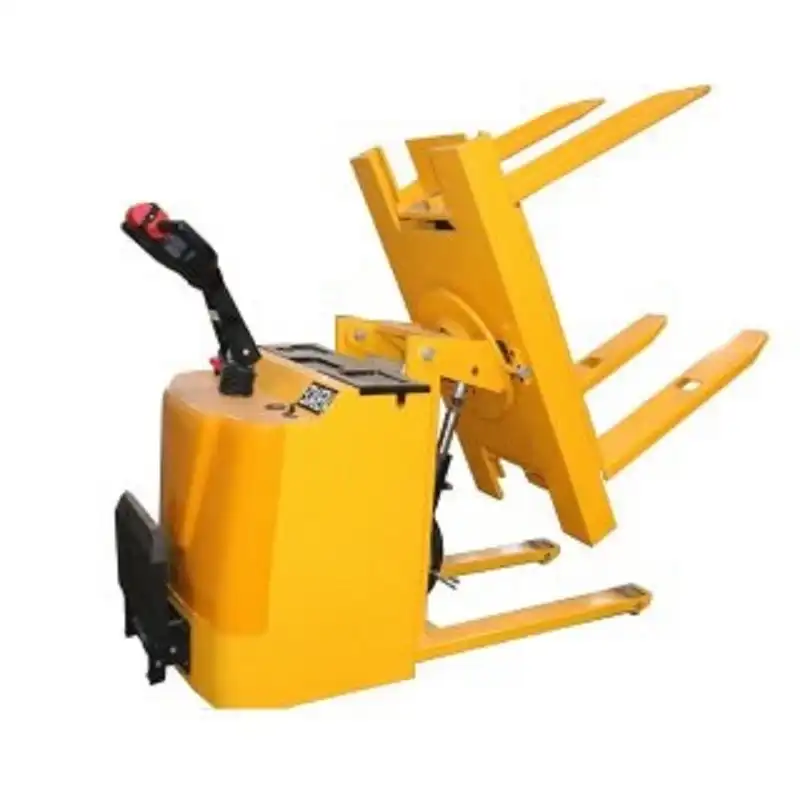
In my experience, quality and compliance are not just about the final product. They start at the very first step of handling. If pallets are damaged or non-compliant, it impacts everything down the line. I have advised many clients on how to integrate reliable solutions into their operations. This ensures their products always meet the highest standards. It is about creating a robust system. This system safeguards quality from start to finish. This is especially true when dealing with international shipments where different pallet types are required.
1. Ensuring Pallet Compliance: Meeting Global Requirements
- Seamless Pallet Type Switching: Automotive parts often ship globally. This means different countries require different pallet standards (e.g., Euro pallets, US pallets, plastic pallets). Pallet inverters make this switch easy and quick. This avoids delays at customs. It also prevents non-compliance fines.
- ISPM 15 Regulations: Wooden pallets used for international shipping must meet ISPM 15 standards. If a non-compliant pallet is used, goods can be rejected. They can also be held up. Pallet inverters allow quick replacement of non-compliant pallets with treated ones. This ensures smooth international trade.
- Plastic Pallet Adoption: More automotive companies are using plastic pallets. They are cleaner, more durable, and consistent in size. Pallet inverters help transition goods from internal wooden pallets to external plastic ones. This supports sustainable practices and improved hygiene.
2. Maintaining Product Integrity: From Factory to Customer
- Preventing Damage in Transit: A damaged pallet can lead to an unstable load. This load is then prone to shifting or collapsing during transport. Pallet inverters ensure all goods leave the warehouse on sound, stable pallets. This protects them until they reach their destination.
- Eliminating Contamination Risks: Old or dirty pallets can introduce dust, debris, or pests. This can contaminate automotive parts. Pallet inverters allow for the removal of these pallets. They replace them with clean ones. This is crucial for sensitive components.
- Consistent Packaging Quality: By ensuring uniform pallet conditions, the overall quality of packaging is maintained. This contributes to a professional image. It also reduces the likelihood of issues during handling by customers. This attention to detail is highly valued in the automotive sector.
- Reducing Repackaging Needs: If goods are damaged due to poor pallet handling, they might need repackaging. This is costly and time-consuming. Pallet inverters help avoid this. They maintain product integrity from the start.
Are Pallet Inverters Flexible Enough to Handle Diverse Pallet Types and Evolving Auto Industry Demands?
The automotive industry is always changing. New production methods, new materials, and new logistical challenges appear regularly. A solution that works today must also work tomorrow. Procurement managers need equipment that offers flexibility. It needs to adapt to different pallet sizes, weights, and types without major overhauls.
Pallet inverters are highly flexible and adaptable, designed to handle a wide range of pallet types and load configurations, making them an ideal solution for the evolving and diverse demands of the automotive industry’s complex supply chain.

My goal has always been to provide solutions that truly help businesses grow. This means looking beyond the immediate problem. It means anticipating future needs. I have seen companies invest in equipment only to find it quickly outdated. This is why I always emphasize adaptability. Pallet inverters come in many configurations. They can handle various loads. This makes them a smart, long-term investment. They can grow with your business. They can adjust to new challenges. This is what a true partner does. They provide tools that offer lasting value.
1. Versatility in Pallet Types and Sizes: Ready for Anything
- Multiple Pallet Standards: Pallet inverters can accommodate different pallet dimensions. This includes Euro pallets, US standard pallets, and custom sizes. This is crucial for international operations in the automotive industry. It allows for seamless transitions between them.
- Handling Various Materials: Whether it is wooden, plastic, or metal pallets, the inverter can handle them. This flexibility is key for integrating different parts of the supply chain. For example, moving from a heavy-duty factory pallet to a lighter shipping pallet.
- Accommodating Different Load Heights and Weights: Modern pallet inverters are designed to manage a wide range of load dimensions and weights. From light, stacked components to heavy, bulky sub-assemblies. This ensures one machine can serve multiple purposes within an automotive plant or distribution center.
- Customizable Clamping Pressure: Different goods require different levels of grip. Pallet inverters often allow for adjustable clamping pressure. This protects fragile items from being crushed. It also ensures heavy loads are held securely.
2. Adapting to Evolving Industry Demands: Future-Proofing Operations
- Modular and Scalable Solutions: Many pallet inverter systems are modular. This means they can be integrated into existing lines. They can also be upgraded as needs change. This offers scalability. It protects initial investments.
- Automation Integration: Pallet inverters can be semi-automatic or fully automatic. This allows for integration with conveyors, robotic systems, and warehouse management software. This supports the move towards full automation in automotive logistics.
- Meeting Sustainability Goals: The shift to reusable plastic pallets is part of many companies’ sustainability efforts. Pallet inverters facilitate this transition. They help reduce waste from single-use wooden pallets. This aligns with modern corporate environmental goals.
- Responding to Market Changes: Sudden shifts in demand or new product launches often require rapid logistical adjustments. A flexible pallet inverter system allows quick adaptation. This minimizes disruption and maintains efficiency.
- Long-Term Partnership Value: For procurement managers, finding suppliers who offer adaptable, reliable solutions is key. It is about more than just buying a machine. It is about building a relationship with a partner who understands your challenges and can provide ongoing support.
My Insights
From my own experience building a successful packing machine factory, I have learned that the best solutions are simple, robust, and directly address a client’s core problems. When I speak with procurement managers, especially in a demanding sector like the auto industry, their focus is always on preventing losses and maximizing efficiency. Pallet inverters are not just another piece of equipment. They are a strategic investment. They cut losses from damaged goods. They improve safety. They streamline operations. They allow for critical pallet changes required for different destinations or handling needs.
I have seen firsthand how automating repetitive, risky tasks transforms a warehouse. It shifts resources from manual labor to more skilled work. This is not just about saving money. It is about creating a safer, more productive, and more resilient supply chain. For an industry as complex as automotive, this capability is invaluable. It ensures that critical parts move without delay. It maintains product integrity. It reduces the hidden costs that can cripple a business. This is why I believe so strongly in the power of solutions like pallet inverters. They empower companies to achieve financial independence and grow their businesses, just as I did.
Conclusion
Pallet inverters are essential for automotive procurement managers. They cut losses by preventing product damage and ensuring worker safety. They boost efficiency and lower labor costs. They also guarantee compliance and adaptability to evolving industry demands. Investing in a pallet inverter creates a more resilient and profitable supply chain.








