
How Do Hose Coil Packing Machines Integrate With Coiling Lines?
Are you a factory manager, perhaps like Michael, facing the daily pressure of boosting output, controlling costs, and keeping your team safe? If your hose production line ends with slow, manual packing, you know the frustration. This bottleneck does not just slow down your shipments; it holds back your entire operation and eats into your profits. You might be missing a critical opportunity to transform your manufacturing process.
Hose coil packing machines integrate with coiling lines by directly receiving coiled products and applying protective packaging, often automatically, to create a continuous, efficient, and safer production flow. This integration typically involves synchronization of speed, automated transfer systems, and shared control interfaces. It minimizes manual intervention and maximizes throughput. It ensures your product moves smoothly from being coiled to being ready for shipment.

This isn’t just a technical upgrade; it’s a strategic move for your business. Based on my years of experience building and running packing machine factories, I understand the challenges you face. I want to share how this integration works and why it’s a game-changer for your bottom line and your team’s safety. Let’s dive deeper into making your factory run smoother and more profitably.
1. What Are Hose Coil Packing Machines and Coiling Lines?
Many factory managers, like Michael, are familiar with these terms individually. However, understanding their combined power is where the real magic happens. Are you truly clear on what each system does and why they absolutely need to work together? Without this foundational understanding, you might overlook critical integration points that could unlock massive efficiencies and solve persistent production problems. Let me break down what these essential components are, paving the way for how they can be effectively integrated into a cohesive system.
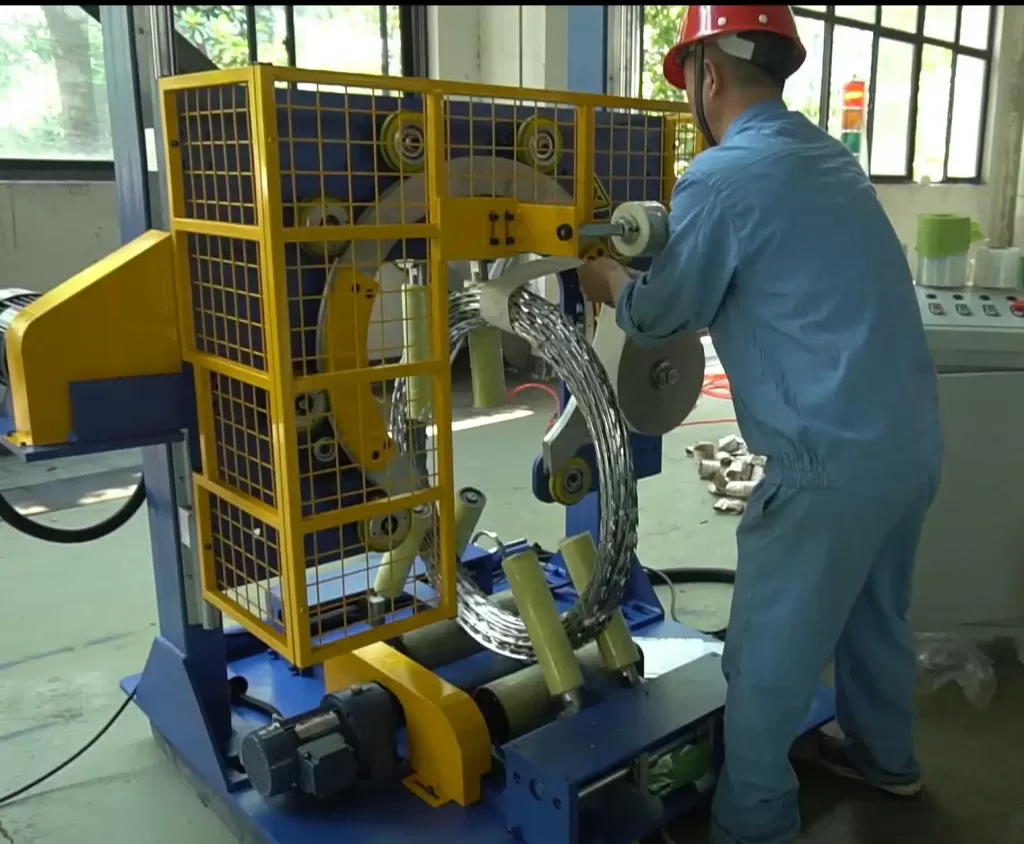
Hose coil packing machines are specialized equipment designed to wrap, band, or stretch-film individual or multiple hose coils into secure packages, protecting them during storage and transport. Coiling lines, on the other hand, are manufacturing systems that take raw material, like rubber or plastic, and form it into continuous, uniform coils. These two distinct systems, when connected, form a powerful, automated production sequence. (Hose production stages, industrial packaging equipment)
When I started FHOPEPACK, my vision was always about understanding the entire process, from raw material to a perfectly packed product. A coiling line is the heart of hose manufacturing. It typically starts with an extruder that forms the hose material. This hose then moves through cooling baths to set its shape and is guided by tension control systems to ensure uniformity. Finally, a coiling unit winds the finished hose into a neat coil. Each step needs precision to avoid defects. The output from this line, a finished hose coil, is then the input for the packing machine. My factory experience taught me that any pause or inefficient transfer between these two points creates a bottleneck. This is where the hose coil packing machine steps in. It takes these formed coils and automatically applies the necessary protective packaging. This could be stretch film for dust and moisture protection, banding for securing multiple coils, or specialized wrapping for delicate surfaces. The goal is always to protect the product, make it easier to handle, and prepare it for shipment. Without robust protection, those perfectly coiled hoses can suffer damage during storage or transport, leading to customer complaints and lost profits.
The Journey of a Hose Coil
The journey from raw material to a ready-to-ship hose coil involves distinct stages. 💡 Coiling Line Stages:
-
- Material Extrusion: Raw material (e.g., rubber, plastic) is heated and forced through a die to form the continuous hose profile.
-
- Cooling & Sizing: The hot hose is cooled in water baths to solidify its shape and maintain precise dimensions.
-
- Tension Control: Sensors and mechanisms regulate the pulling force to prevent stretching or slack, ensuring uniform hose tension.
-
- Coiling Unit: The cooled and sized hose is precisely wound into a compact, uniform coil onto a spool or directly into a bundle.
📦 Packing Machine Types: Once coiled, the hose is ready for packaging. Different machines offer various protection levels.
| Type of Machine | Primary Function | Ideal For | Benefits |
|---|---|---|---|
| Orbital Wrapper | Envelopes the entire coil with film | Dust, moisture, and scratch protection | 360-degree coverage, improved product appearance |
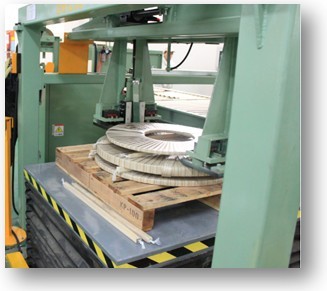
| Stretch Wrapper | Secures coils onto pallets or together | Stability during transport, unitizing multiple coils | Prevents shifting, offers general weather protection |
| Banding Machine | Bundles multiple coils or secures ends | Preventing unraveling, creating multi-pack units | High-speed bundling, cost-effective for internal use |
| Shrink Wrapper | Tight, heat-sealed plastic wrap | High-level protection against environmental factors | Very secure, tamper-evident, strong moisture barrier |
(Hose manufacturing process, automated packaging machinery, industrial coiling systems)

2. Why Is Seamless Integration Crucial for Your Production?
You’ve invested heavily in your coiling lines, ensuring they run at peak performance. But is your packing department truly keeping up? Are you experiencing frustrating bottlenecks right at the finish line? For managers like Michael, these aren’t just minor annoyances; they are significant operational hurdles. An inefficient handoff between coiling and packing can negate all the hard-won gains from your advanced coiling technology. It leads to wasted time, increased labor costs, and potential safety incidents. Understanding why seamless integration is crucial will highlight overlooked opportunities to optimize your entire operation and achieve your goals.
Seamless integration is crucial because it eliminates bottlenecks, reduces manual labor and associated safety risks, minimizes product damage, and ensures a consistent, high-speed flow from production to final packaging. This efficiency directly impacts profitability and customer satisfaction. It prevents common issues like production line delays and quality control failures. My own journey, from packing machine employee to factory owner, taught me that disconnected systems create more problems than they solve. (Production line bottlenecks, industrial safety, product quality control, operational efficiency)
When I was an employee, I saw how much effort went into making perfect coils, only for them to sit waiting or be mishandled during manual packing. It felt like running a race only to stumble at the finish line. For Michael, who needs to boost output and control costs, this kind of inefficiency is unacceptable. Manual packing of heavy hose coils is slow and physically demanding. It dramatically increases the risk of workplace injuries, leading to higher insurance costs and employee turnover. Imagine the impact on a worker’s morale when their job involves constantly lifting and turning heavy coils, day in and day out. Furthermore, repeated manual handling can easily damage product edges or surfaces, turning perfect coils into scrap or causing customer complaints. This is why a simple sale of a machine isn’t enough; what factory managers truly need is a solution that understands these pain points.
The Hidden Costs of Disconnected Systems
Disconnected coiling and packing processes create more than just minor inconveniences; they lead to substantial financial and operational drains. 📉 Impact Areas:
-
- Increased Labor Costs: More workers are needed for manual packing, lifting, and handling, which inflates your operational budget unnecessarily. 💸
-
- Higher Injury Rates: The physical strain of manual handling heavy coils frequently results in sprains, strains, and lost workdays, raising insurance premiums and worker compensation claims. 🚑
-
- Product Damage & Loss: Scratches, dents, or unraveling can occur during manual transfers, leading to rejected products, rework, and ultimately, profit loss. 💔
-
- Slower Throughput: Manual packing often becomes the limiting factor in the entire production line, meaning your coiling machines are underutilized because the packing can’t keep up. 🐢
-
- Inconsistent Quality: Packaging standards can vary significantly based on manual effort, leading to uneven product presentation and customer dissatisfaction. 📉
-
- Supplier Trust Erosion: Dealing with equipment vendors who focus only on sales, not comprehensive solutions or after-sales support, can lead to a crisis of trust.
From my own experience building packing machine factories, I saw firsthand how even a small bottleneck at the end could cripple overall output. It’s not just about buying a machine; it’s about solving a system-wide problem with a reliable partner. This commitment to solutions, not just sales, is what we stand for at FHOPEPACK. (Factory operational challenges, industrial safety improvements, quality control in manufacturing, automated handling benefits)
3. How Can We Achieve Effective Integration Between These Systems?
You understand why integration is important, but the how can often seem daunting. Where do you even begin to merge complex coiling lines with advanced packing solutions into a seamless operation? Without a clear, well-thought-out strategy, your efforts might lead to mismatched equipment, unexpected downtime, or simply failing to achieve the desired efficiency gains. You need a partner who can guide you through this process. Let me share the key strategies and technologies that make effective integration not just possible, but incredibly impactful for your factory.
Effective integration between hose coiling lines and packing machines is achieved through strategic planning, automated material handling systems (like conveyors and robotics), synchronized control systems, and robust data exchange protocols. This holistic approach ensures smooth product transfer, optimized machine speeds, and real-time monitoring of the entire production process from start to finish. It creates a cohesive, high-performance manufacturing environment. (Automated material handling solutions, synchronized production systems, industrial control integration, real-time process monitoring)
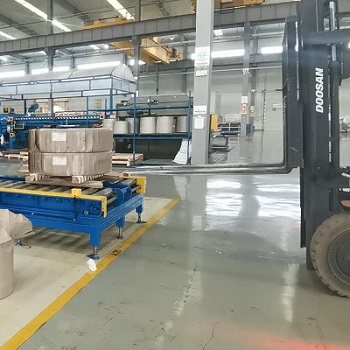
When I founded FHOPEPACK, my deep understanding of the entire packing machine ecosystem was a core strength. I had worked on the factory floor and then built my own successful factory. This gave me a unique perspective on what really makes a production line efficient. Achieving integration means more than just physically placing machines next to each other. It requires intelligent communication. For instance, the coiling machine needs to signal when a coil is ready for transfer. The packing machine needs to confirm receipt and communicate its operational status back. This “conversation” between machines is handled by sophisticated control systems. These systems ensure that the speed of the packing machine matches the output of the coiling line, preventing backlogs or idle time. We also use various material handling technologies, from simple roller conveyors to advanced robotic arms, to move coils safely and efficiently without manual intervention. This not only speeds up the process but also drastically reduces the risk of injury and product damage, which were major pain points for clients like Michael.
Pillars of a Harmonized Production Line
To effectively integrate your coiling and packing systems, a multi-faceted approach focusing on communication, automation, and physical flow is essential. ⚙️ Integration Methods:
-
- Automated Conveying Systems: Utilizing roller, belt, or chain conveyors to continuously move coils from the coiling unit directly to the packing machine. This eliminates manual transport entirely.
-
- Robotic Pick & Place Units: Employing robotic arms for precise, heavy, or awkwardly shaped coil transfers. Robots ensure consistent placement and can handle high volumes without fatigue. 🤖
-
- PLC (Programmable Logic Controller) Communication: Integrating PLCs from both coiling and packing machines to enable real-time data exchange. This ensures synchronized operation and prevents system conflicts.
-
- SCADA (Supervisory Control and Data Acquisition) Systems: Implementing SCADA for overall process monitoring and control. This provides a centralized view of the entire line’s performance, allowing for quick adjustments. 📊
-
- Custom-Designed Interfaces & Software: Developing tailored software solutions that bridge proprietary systems, ensuring seamless data flow and user-friendly operation. 💻
-
- Sensor Feedback Loops: Placing sensors at critical transfer points to detect coil presence, position, and ensure safe, timely movement between systems. 🚦
Think about a factory like Michael’s. He needs robust, reliable solutions, not just generic equipment. When I started FHOPEPACK, our focus was always on understanding the entire workflow, not just one machine. This means designing systems that truly ‘talk’ to each other, like our orbital wrappers that seamlessly connect with downstream palletizing or coil stacking units. It’s about creating a unified, intelligent system. (Industrial automation solutions, robotic integration, PLC control systems, factory workflow design)
4. What Benefits Will Integrated Packing Solutions Bring to Your Business?
Investing in new equipment always raises questions about return on investment (ROI). You might be wondering, “Will this really pay off?” For factory managers like Michael, the pressure to justify every expenditure is immense. If you only see packing machines as an expense, you’re missing the immense value they add across your entire operation, impacting everything from worker safety to your ultimate bottom line. Let’s explore the tangible and strategic benefits that integrated packing solutions will bring to your business, making your investment a clear path to growth and sustained profitability.
Integrated packing solutions bring significant benefits, including drastically improved operational efficiency, enhanced worker safety through reduced manual handling, consistent product quality, and substantial cost savings from lower labor and reduced product damage. These advantages lead to a higher return on investment (ROI) and a stronger competitive position in the market. They directly address the core challenges faced by modern manufacturing facilities. (Operational efficiency gains, enhanced worker safety, consistent product quality, significant cost savings)
When I was helping clients grow their businesses, often facing situations similar to Michael’s, the conversation quickly shifted from “how much does it cost?” to “how much will it save us, and how fast?” With FHOPEPACK, we always emphasize the clear, measurable ROI. For example, our advanced coil wrappers can reduce packaging time by up to 70% and cut labor needs by 50% compared to manual methods. This directly impacts profitability. For Michael, who needs to lower costs and increase efficiency, these numbers are powerful. Beyond the financial savings, the improvement in worker safety is invaluable. No more risking injuries from lifting heavy coils. This creates a safer, more positive work environment, reducing employee turnover and insurance claims. Consistent packaging quality also means fewer customer complaints and a stronger brand reputation. This is not just about automating a task; it’s about optimizing your entire business for growth and resilience.
Realizing the ROI: Beyond Just Machines
An integrated packing solution is an investment that yields returns across multiple facets of your business, addressing critical operational and financial objectives. 📈 Key Business Outcomes:
- 🎯 Meet Production Targets: Eliminating packing bottlenecks ensures a continuous flow, allowing your factory to consistently meet or exceed production quotas. No more late deliveries.
- 💰 Significant Cost Savings:
- Reduced Labor: Automation dramatically cuts the need for manual packing personnel.
- Minimized Product Loss: Consistent, protective packaging reduces damage during handling and transit.
- Lower Insurance & HR Costs: Fewer workplace injuries lead to reduced compensation claims and improved employee retention.
- 🛡️ Enhanced Worker Safety: Automated systems handle heavy and awkward coils, virtually eliminating manual lifting and the associated risks of injury. This creates a much safer, more positive work environment.
- ⭐ Boosted Brand Reputation: Delivering consistently well-packaged, undamaged products enhances customer satisfaction and strengthens your brand’s image in the market.
- 📊 Data-Driven Decisions: Integrated systems provide valuable operational data and analytics, allowing managers like Michael to make informed decisions for continuous process improvement.
- 🌱 Sustainability: Optimized material usage and reduced waste contribute to more environmentally friendly operations.
My factory journey showed me that a truly successful investment isn’t just about the machine itself, but the holistic positive impact it has on the entire operation. It is about empowering businesses to achieve more with less. This is the FHOPEPACK promise. (Return on investment in automation, manufacturing cost reduction, worker safety benefits, supply chain efficiency)
Conclusion
Integrating hose coil packing machines with coiling lines is essential for modern factories, boosting efficiency, safety, and profitability. Investing in advanced coil wrapping machine solutions ensures your business thrives.








