
What Safety and Maintenance Are Needed for Hose Coil Packing Machines?
The noise of a busy factory floor is often a sign of progress, but for many plant managers like Michael Chen, it also comes with silent worries. Are my workers truly safe? Is my equipment running at peak efficiency, or am I losing money to avoidable downtime? These are real concerns I faced myself when I first started FHOPEPACK. Over two decades in the packing machine industry taught me that overlooking safety and maintenance for equipment like hose coil packing machines is not just a risk; it is a direct path to lost production, higher costs, and even serious accidents.
Ensuring safety and implementing rigorous maintenance schedules are critical for hose coil packing machines to protect personnel, prevent costly downtime, and extend equipment lifespan, covering aspects from proper machine design and operator training to daily inspections and preventative care strategies.
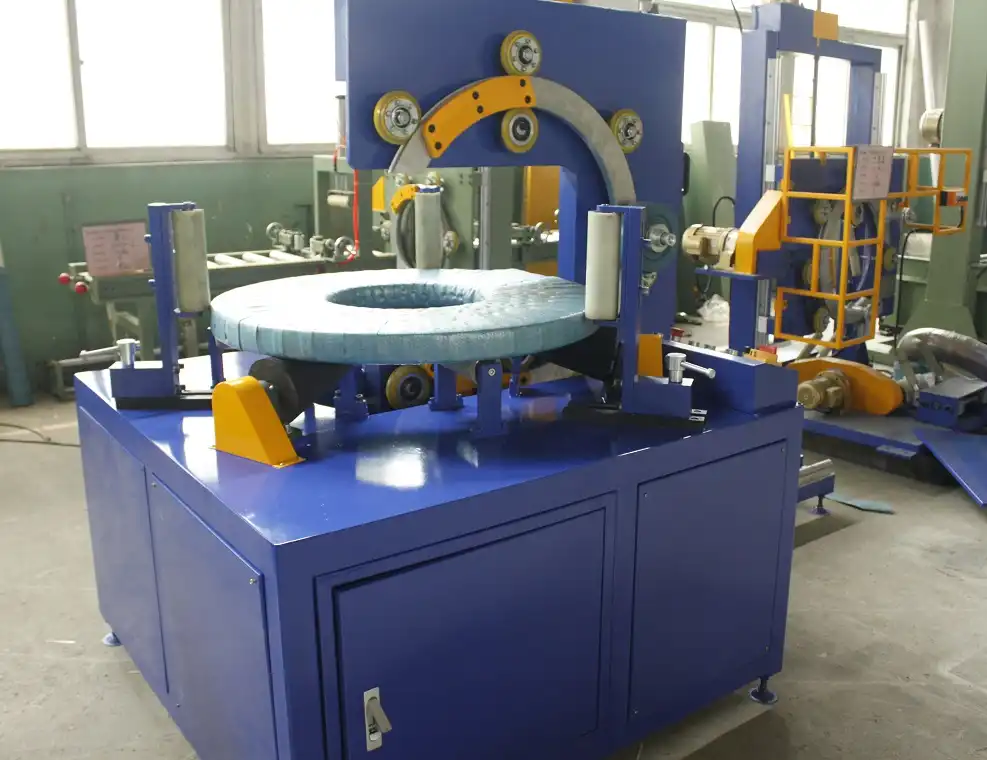
Many factories prioritize production above all else. This can lead to a cycle where maintenance is an afterthought and safety protocols get relaxed. But what if I told you that investing in these areas actually boosts your production and profitability? Let us dive into the essential safety measures and maintenance practices that will keep your hose coil packing machines – and your business – running safely and efficiently for years to come.
1. Why is safety paramount for hose coil packing machines?
Imagine a worker attempting to manually secure a heavy hose coil. The potential for injury is immense. This is a common scene I have witnessed in many facilities before they embraced automation. The sheer weight and awkward shape of hose coils present significant hazards. Ignoring these risks not only endangers your team but also cripples your operational stability.
Safety is paramount for hose coil packing machines because these machines handle heavy, bulky products and involve moving parts, posing significant risks of operator injury, product damage, and operational delays if proper protocols are not strictly followed.

When I was building my own packing machine factory, I learned firsthand that worker safety is not just a moral obligation; it is a cornerstone of business success. High injury rates lead to increased insurance premiums, lost productivity from absenteeism, and a negative impact on employee morale. For Michael Chen, who faces constant pressure to boost output and control costs, any safety incident is a major setback. It disrupts the production line. It raises immediate concerns about compliance with safety regulations. A packing machine that lacks adequate safety features or proper maintenance can become a liability. It risks injury from pinch points, crushing hazards from moving components, or entanglement with rotating parts. These are all common dangers associated with industrial machinery. Proactive safety measures, therefore, are not an expense; they are an investment in your team and your bottom line. They ensure that your operations run smoothly without unexpected stoppages or legal issues. (Industrial packing machine safety importance, workplace hazard prevention)
Key Safety Risks and Impacts:
Safety around hose coil packing machines is complex. It involves both human factors and machine design. Understanding these risks helps to build a safer work environment.
- Pinch Points & Crushing Hazards:
- Risk: Moving arms, clamps, and rotating rings can trap body parts.
- Impact: Severe lacerations, broken bones, or amputation.
- Prevention: Machine guarding, interlocks, clear safety zones.
- Entanglement:
- Risk: Loose clothing or hair can get caught in rotating machine parts.
- Impact: Severe bodily harm, suffocation.
- Prevention: Strict dress codes, machine enclosures, emergency stops.
- Ergonomic Strain:
- Risk: Repetitive manual loading or unloading, poor workstation design.
- Impact: Musculoskeletal disorders (MSDs), chronic pain.
- Prevention: Automation, ergonomic design, proper training on lifting techniques.
- Electrical Hazards:
- Risk: Exposed wiring, faulty insulation, improper lockout/tagout (LOTO) procedures.
- Impact: Electrical shocks, burns, fire.
- Prevention: Regular electrical inspections, qualified technicians, LOTO protocols.
- Falling Objects:
- Risk: Unsecured coils, improper lifting techniques, machine malfunctions.
- Impact: Head injuries, crushing injuries.
- Prevention: Secure coil handling systems, machine stability checks, overhead guarding.
Benefits of Prioritizing Safety:
| Aspect | Impact of Poor Safety | Impact of Good Safety |
|---|---|---|
| Worker Well-being | Injuries, stress, low morale | Healthy workforce, high morale |
| Productivity | Downtime, production delays | Consistent operation, high output |
| Costs | High insurance, medical bills, legal fees | Lower operating costs, fewer claims |
| Reputation | Negative public perception, compliance issues | Trusted brand, regulatory compliance |
| Employee Retention | High turnover | Loyal, experienced staff |
Ultimately, a safe factory is a productive factory. It is a lesson I want every client to understand fully.
2. What key safety features should you look for in a hose coil packing machine?
When Michael Chen considers new equipment for his metal processing plant, he looks for durability and reliability. But for me, as an engineer, the first thing I check is its safety features. A robust machine is only truly valuable if it operates safely. You might ask, what specific features should you demand from a machine designed to pack heavy hose coils?
Key safety features to look for in a hose coil packing machine include comprehensive emergency stop buttons, interlocking safety guards, light curtains, overload protection, automatic fault detection systems, and proper warning labels to ensure operator protection and prevent accidents.

When FHOPEPACK designs a packing machine, safety is never an afterthought; it is built into the core structure. My journey from a factory employee to owning a successful packing machine factory taught me that a well-designed machine prevents accidents before they happen. For example, automatic coil feeding and outfeeding systems drastically reduce the need for manual handling. This eliminates the ergonomic strain and injury risks Michael Chen is worried about. Think about the peace of mind knowing your operators are less exposed to heavy loads. Beyond physical design, advanced control systems play a big role. These systems can monitor machine status. They can detect anomalies and even shut down operations before a critical failure occurs. This proactive approach saves lives and prevents expensive damage. When you evaluate a hose coil packing machine, you are not just buying steel and electronics. You are investing in a system that protects your most valuable assets: your people and your product. (Coil packing machine safety standards, industrial packaging equipment protection)
Essential Safety Features Checklist:
Choosing the right machine means evaluating its built-in safety mechanisms. Here are the must-have features:
- Emergency Stop Buttons (E-Stops):
- 🛑 Clearly marked and easily accessible at multiple points around the machine.
- Pressing an E-Stop immediately cuts power to all moving parts.
- This is the first line of defense in an emergency.
- Safety Interlocks and Guards:
- 🔐 Physical barriers prevent access to dangerous moving parts during operation.
- Interlocks ensure the machine cannot run if guards are open or removed.
- Essential for preventing entanglement and crushing injuries.
- Light Curtains/Safety Scanners:
- 🚨 Create an invisible protective field around hazardous areas.
- If a person breaks the beam, the machine automatically stops.
- This is ideal for dynamic zones where operators might need to approach the machine.
- Overload Protection:
- ⚖️ Sensors detect if the machine is handling loads beyond its capacity.
- Prevents damage to the machine itself and potential coil drops.
- Protects against mechanical failure due to excessive stress.
- Automatic Fault Detection and Diagnostics:
- ⚙️ The machine’s control system monitors performance parameters.
- It identifies malfunctions quickly and alerts operators.
- This prevents minor issues from escalating into major breakdowns or unsafe conditions.
- Warning Labels and Clear Instructions:
- ⚠️ Visible signs indicate potential hazards (e.g., “Pinch Point,” “Hot Surface”).
- Comprehensive user manuals guide operators on safe operation and troubleshooting.
- Ensures consistent safety awareness among all personnel.
- Two-Hand Control Systems:
- 🖐️🤚 Requires operators to use both hands to initiate a machine cycle.
- This ensures hands are clear of hazardous areas during critical operations.
- A simple yet effective way to prevent accidental activation.
When you look for a hose coil packing machine, these features are non-negotiable. FHOPEPACK always includes these as standard. It is about peace of mind for you and your team.
3. What regular maintenance tasks keep your hose coil packer running smoothly?
Regular maintenance is the silent hero of any factory. When I started FHOPEPACK, I knew that selling a machine was just the beginning. The real value comes from its continuous, efficient operation. Many factory managers, like Michael Chen, understand that downtime is expensive. But how do you prevent it proactively for a specialized machine like a hose coil packer?
Regular maintenance for hose coil packing machines involves a structured schedule of daily inspections, weekly lubrication, monthly component checks, and periodic calibration to ensure optimal performance, prevent wear and tear, and detect potential issues before they cause costly breakdowns.

My experience has shown me that a well-maintained machine is a high-performing machine. It is simple common sense. When clients ask me how to get the most out of their FHOPEPACK coil wrapping machine, I always emphasize a consistent maintenance routine. This is not just about fixing things when they break. It is about preventing them from breaking in the first place. For instance, a small amount of dust or debris accumulating in a critical sensor can lead to incorrect readings, causing machine errors. A simple cleaning prevents this. Proper lubrication reduces friction, extends the life of moving parts, and keeps the machine running quietly and efficiently. Michael Chen is looking to reduce costs and boost efficiency. A proactive maintenance schedule directly addresses these goals by cutting down on emergency repair costs and increasing overall equipment effectiveness (OEE). It helps maintain product quality by reducing the chances of machine-induced damage to the hose coils during the packing process. (Hose coil packaging equipment upkeep, preventative maintenance schedule)
Essential Maintenance Schedule:
Here is a typical maintenance breakdown for a hose coil packing machine, ranging from daily checks to more extensive periodic tasks:
- Daily Checks (Shift Start/End):
- Visual Inspection: Look for loose bolts, frayed wires, unusual wear, or fluid leaks.
- Cleanliness: Remove dust, debris, and packing material scraps from the machine, especially around sensors and moving parts.
- Functionality Test: Verify emergency stop buttons, safety guards, and warning lights are working.
- Lubrication Check: Ensure adequate oil levels in reservoirs, especially for gearboxes and hydraulic systems. (Daily machine inspection, operational readiness checks)
- Weekly Tasks:
- Lubrication: Apply grease to bearings, chains, and other specified moving parts according to the manufacturer’s manual.
- Tighten Fasteners: Check and tighten any loose nuts, bolts, or screws, as vibrations can loosen them over time.
- Air Pressure Check: Verify that pneumatic systems (if present) are operating at correct air pressure.
- Sensor Cleaning: Gently clean all proximity sensors, limit switches, and photoelectric cells to ensure accurate readings. (Weekly machinery lubrication, fastener inspection)
- Monthly Tasks:
- Electrical System Check: Inspect electrical panels for loose connections, signs of overheating, or damaged wiring. (Performed by qualified personnel).
- Chain/Belt Tension: Adjust tension on drive chains and conveyor belts. Replace if showing excessive wear or damage.
- Component Inspection: Examine rollers, cutting blades, grippers, and other wear parts for signs of damage or excessive wear.
- Software/Firmware Check: Ensure control software is up-to-date and perform a system diagnostics check. (Monthly electrical check, wear parts assessment)
- Quarterly/Bi-Annual Tasks:
- Calibration: Recalibrate sensors, weighing systems, and tensioning devices to maintain accuracy.
- Fluid Changes: Replace hydraulic oil or gearbox lubricants as recommended by the manufacturer.
- Detailed Cleaning: Perform a thorough cleaning of internal components and hard-to-reach areas.
- Wear Part Replacement: Proactively replace components known to wear out within a specific timeframe (e.g., certain bearings, seals). (Quarterly machine calibration, fluid replacement)
Following this schedule helps to identify problems early. It prevents them from becoming major headaches.
4. How does preventative maintenance extend the life of your hose coil packing machine?
For a factory manager like Michael Chen, the goal is long-term, sustainable operation. He wants equipment that can withstand the demanding conditions of his plant. Simply fixing things when they break is a reactive approach that leads to unpredictable costs and constant stress. So, how can we shift from reacting to proactively ensuring the longevity of critical assets like hose coil packing machines?
Preventative maintenance extends the life of hose coil packing machines by proactively addressing potential issues through scheduled inspections, proactive component replacements, and systematic lubrication, thereby minimizing unexpected breakdowns, reducing wear, and maintaining consistent operational efficiency over many years.

When I founded FHOPEPACK, one of my core principles was to build machines that last. But even the best machine needs consistent care. This is where preventative maintenance comes in. It is about looking ahead. It is about understanding the typical wear patterns of machine components. Then, it is about replacing them before they fail. This strategy directly addresses Michael Chen’s need for reliable equipment that can withstand a high-intensity environment. For example, if a motor bearing is known to have a service life of 10,000 hours, replacing it at 9,000 hours avoids a sudden, catastrophic failure. Such a failure could halt production for days. It could also cause secondary damage to other expensive parts. Preventative maintenance also means keeping a stock of essential spare parts. This reduces lead times for repairs. It makes sure that when a replacement is needed, it is readily available. This systematic approach not only extends the machine’s lifespan but also optimizes its performance. It guarantees product consistency. It lowers the overall cost of ownership over time. (Proactive equipment care, industrial machine longevity, spare parts management)
Benefits of a Strong Preventative Maintenance Program:
A solid preventative maintenance (PM) strategy delivers significant returns on investment.
- Maximized Equipment Uptime:
- By performing maintenance on a schedule, you avoid unexpected failures.
- This means your machine spends more time producing and less time being repaired.
- Planned downtime is always less disruptive than unplanned downtime.
- Reduced Repair Costs:
- Catching small issues early prevents them from becoming major, expensive repairs.
- Replacing a worn bearing is cheaper than replacing a motor damaged by a failed bearing.
- It minimizes the need for costly emergency services.
- Extended Machine Lifespan:
- Consistent care reduces wear and tear on components.
- This ensures the machine operates within its design parameters for longer.
- It protects your capital investment over many years.
- Improved Safety:
- Regular inspections identify potential safety hazards before they cause accidents.
- Ensures all safety features remain functional.
- A well-maintained machine is inherently safer to operate.
- Enhanced Product Quality:
- A machine running optimally produces consistent, high-quality output.
- It reduces instances of damaged coils due to machine malfunction.
- This helps avoid customer complaints and product losses.
- Better Budgeting:
- PM allows you to predict maintenance costs more accurately.
- It moves from unpredictable emergency expenses to planned, controlled expenditures.
- This makes financial planning much easier for factory managers.
Preventative Maintenance Best Practices:
- Develop a Detailed PM Schedule: Tailor it to your specific machine, usage, and operating environment.
- Train Your Team: Ensure technicians are skilled in PM tasks. Operators should know daily checks.
- Use Quality Parts: Always use genuine or approved spare parts for replacements. Inferior parts can shorten the life of the machine.
- Keep Records: Document all maintenance performed, parts used, and observations. This helps in tracking trends and predicting future needs.
- Regularly Review PM Plan: Adjust the plan based on machine performance data and new insights. Continuous improvement is key.
My own success with FHOPEPACK relies heavily on these principles. They are the same principles I recommend to every client, including those like Michael Chen, who seek true operational excellence. This careful approach makes FHOPEPACK a truly reliable partner. (Equipment lifespan extension, operational excellence strategies, planned maintenance benefits)
Conclusion
Prioritizing safety and maintenance for your hose coil packing machines safeguards your team, optimizes performance, and guarantees a longer machine lifespan. Implementing consistent checks and preventative care translates directly into higher efficiency and greater profitability, proving that a well-cared-for machine is a profitable machine. Consider FHOPEPACK for your next coil wrapping machine to experience this commitment firsthand.








