
How can pallet inverters support procurement goals of reducing contamination risks?
Have you ever thought about what truly safeguards your products as they move through your supply chain? Many businesses, especially in sectors like food and beverage, face a constant battle against contamination. The threat is real, from dirty pallets entering a clean facility to damaged packaging exposing goods to external hazards. This problem can lead to expensive recalls, regulatory fines, and a damaged brand reputation.
Pallet inverters help procurement teams reduce contamination risks by allowing goods to be transferred from potentially unhygienic or damaged incoming pallets onto clean, compliant internal pallets without direct human contact or manual handling, thus minimizing exposure to contaminants and ensuring product integrity throughout the supply chain.

I started FHOPEPACK after years in the packing machine industry. I saw firsthand the challenges companies face every day. I also learned that simple solutions can make a big difference. For procurement professionals, understanding how equipment like pallet inverters can proactively tackle contamination is not just about efficiency; it is about protecting your entire operation. Let us dive into how these machines are essential tools for maintaining product safety and quality.
How do Pallet Inverters Directly Eliminate Contamination Sources?
Are you still relying on manual methods to swap pallets, risking the integrity of your products every single time? Think about the journey your goods take. They arrive on pallets that have traveled long distances, been exposed to various environments, and might carry dirt, dust, or even pests. Bringing these external pallets directly into a clean manufacturing or distribution area is a major contamination risk. This is a common problem I have seen in many factories.
Pallet inverters directly eliminate contamination sources by enabling a sterile transfer of goods from external, potentially contaminated pallets to clean, internal pallets, preventing the introduction of foreign materials, allergens, or pathogens into controlled environments.
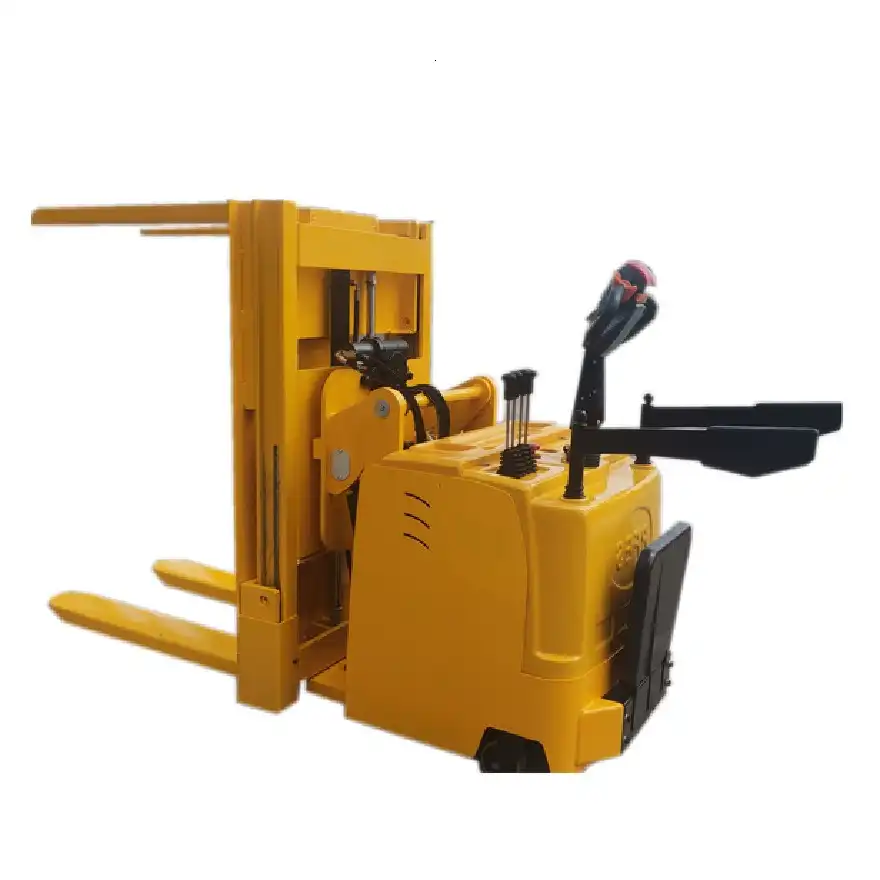
I remember a time when one of my clients, a large food processing company, struggled with recurring issues of external contaminants. They knew the problem came from incoming pallets but lacked an efficient way to isolate them. The solution was surprisingly straightforward once they installed a pallet inverter. It created a clear boundary, ensuring only clean pallets entered their facility. This is a powerful step in proactive contamination control. Let us explore the specific ways pallet inverters act as a barrier against these risks.
-
1. 🚫 Preventing Cross-Contamination from External Pallets: In many industries, especially food and pharmaceuticals, the pallets used for incoming raw materials or outbound shipments often do not meet the strict hygiene standards of internal production or storage areas. These external pallets can harbor dirt, dust, insects, or even chemical residues from previous uses or transport. Pallet inverters facilitate a seamless transfer of goods from these potentially contaminated external pallets onto clean, sanitized, and compliant internal pallets. This critical step ensures that no unwanted foreign materials are introduced into your controlled environment. For example, in a European distribution center handling thousands of pallets daily, preventing non-compliant wooden pallets from entering a pristine food storage area is vital. Pallet inverters make this process automated and consistent, unlike manual methods that might still expose goods or the environment to contaminants during the swap. This proactive approach significantly reduces the risk of cross-contamination between different areas or product batches, keeping your facility cleaner.
-
2. 🧹 Isolating Damaged or Unhygienic Pallets: Pallets can get damaged during transit, or they might simply be old and worn out, making them difficult to clean properly. A damaged pallet can splinter, leaving wood fragments that could contaminate products, especially if packaging is compromised. An unhygienic pallet, even if not visibly dirty, might carry bacteria or mold. Pallet inverters allow you to identify and remove these problematic pallets immediately upon arrival without ever bringing them into contact with your sensitive products or clean zones. This means you can swap goods onto new, pristine pallets that meet your strict internal quality standards. This process also extends the life of your internal pallet pool since they are not subjected to the rigors of external transport and handling. My experience shows that this simple act of isolation prevents countless potential contamination incidents. It is about control and maintaining a consistent standard for every pallet that touches your goods.
-
3. 🧼 Facilitating Pallet Cleaning and Sanitization Protocols: While pallet inverters primarily focus on swapping pallets, they also indirectly support better pallet hygiene practices. By separating external and internal pallet flows, you can establish dedicated areas for cleaning and sanitizing your reusable internal pallets. Pallet inverters allow goods to be temporarily held or transferred while the original pallet is sent for thorough washing, disinfection, or inspection before being reintroduced into the cycle. This supports a closed-loop system where only certified clean pallets circulate within your high-hygiene areas. In industries like meat processing or dairy, where strict wash-down procedures are mandatory, the ability to easily remove and clean pallets without disturbing the product stack is a huge advantage. This structured approach to pallet management greatly contributes to overall facility hygiene and helps meet stringent regulatory requirements.
Can Pallet Inverters Protect Product Packaging and Integrity from Contamination?
Are your current pallet handling methods causing unnecessary damage to your product packaging, leading to potential contamination risks? Think about the delicate balance between moving goods quickly and ensuring their physical integrity. Manual handling, or using outdated equipment, can lead to bumps, tears, and punctures in packaging. A broken package is not just an aesthetic issue; it is an open invitation for contaminants. I have seen many cases where small damages turned into big problems for product safety.
Pallet inverters protect product packaging and integrity from contamination by providing a gentle, automated, and controlled transfer process, significantly reducing the risk of tears, punctures, or breakages that could expose products to external contaminants or compromise their quality.
It is easy to overlook how much product packaging protects against contamination. A small tear in a bag of flour or a dented can in a food processing plant can introduce foreign bodies or microorganisms. Early in my career, I visited a client who faced consistent issues with product spoilage linked to damaged packaging. They were using forklifts and manual labor for pallet swaps, and the impact was evident. Implementing a pallet inverter system drastically reduced their damage rates and, in turn, their contamination incidents. This showed me that gentle handling is not a luxury; it is a necessity for food safety. Let us explore how pallet inverters achieve this crucial protection.
-
1. ✨ Gentle and Controlled Product Transfer: Manual pallet swapping often involves tilting, lifting, or even shaking stacked goods, which can be harsh on product packaging. Workers might drop items, or an uneven load could shift and cause damage. In contrast, pallet inverters are designed to handle entire palletized loads with precision and care. They secure the load firmly before inverting or transferring, ensuring there is no uncontrolled movement or impact. This controlled process minimizes stress on individual packages, preventing tears in shrink wrap, punctures in cartons, or deformation of primary packaging. For bulk food products or fragile items, this gentle handling is extremely important. It maintains the integrity of the barrier between the product and the outside environment, which is the primary defense against airborne contaminants, dust, and pests. The smooth operation of the machine prevents the kind of sudden jolts that often lead to packaging failure.
-
2. 🤖 Reducing Human Error and Manual Intervention: Human operators, no matter how skilled, are prone to fatigue and errors. When pallet swapping is a manual task, there is a higher chance of packages being mishandled, dropped, or bumped against other objects. These incidents directly lead to damaged packaging. Pallet inverters automate much of this process. Once the pallet load is placed into the machine, the entire transfer happens mechanically, following pre-set parameters. This automation dramatically reduces the number of human touchpoints on the product. Fewer hands on the product mean fewer opportunities for accidental damage to packaging. It also lowers the risk of human-borne contaminants, such as skin cells, hair, or dirt from clothing, coming into contact with the product’s outer packaging, which could then transfer to the product itself if the packaging is compromised. This level of consistency and reduced human involvement significantly elevates overall contamination control.
-
3. 💧 Protecting Against Secondary Contamination from Damaged Goods: When packaging is compromised, not only is the product inside exposed, but the contents themselves can spill or leak. This creates a secondary contamination risk. For example, if a bag of flour tears, the spilled flour can spread dust and become a breeding ground for pests. If a liquid product leaks, it can contaminate other products on the pallet, the warehouse floor, and even the equipment. Pallet inverters minimize the initial damage that leads to these secondary problems. By preserving the integrity of individual packages, they prevent spillage and leakage. This keeps the warehouse environment cleaner and reduces the need for frequent cleanups of spilled goods, which can interrupt operations and introduce more manual labor with its associated risks. Ultimately, maintaining intact packaging helps in creating a cleaner, safer, and more controlled storage and distribution environment for all products.
What Role Do Pallet Inverters Play in Maintaining Overall Warehouse Hygiene Standards?
Is your warehouse struggling to meet strict hygiene standards because of how you manage incoming and outgoing pallets? Maintaining a clean and compliant warehouse is more than just sweeping floors. It involves every piece of equipment and every process. If dirty pallets are constantly entering clean zones, or if you cannot properly clean your internal pallets, you are fighting a losing battle against contamination. This is especially true for businesses like Carlos’s, where food safety is paramount.
Pallet inverters are crucial in maintaining overall warehouse hygiene standards by facilitating the segregation of external and internal pallets, enabling systematic cleaning protocols, and reducing the ingress of foreign contaminants into controlled environments, thereby supporting a cleaner and more compliant operation.

My experiences in the packing machine industry have shown me that a truly clean facility starts with prevention. I once advised a pharmaceutical client who had stringent cleanroom requirements. They understood that external wooden pallets simply could not enter. The challenge was finding a way to efficiently transfer products without breaking their sterile chain. Pallet inverters became their key. They set up a system where every incoming pallet load was swapped onto a clean, sanitized plastic pallet before moving into their production area. This simple change transformed their hygiene compliance. Let us see how pallet inverters contribute to a truly hygienic warehouse environment.
-
1. ➡️ Segregation of Pallet Types and Materials: Many industries, especially food and beverage, require different types of pallets for internal operations versus external transport. For instance, plastic or treated pallets might be mandatory inside a food processing plant to prevent wood splinters, pests, or moisture absorption. However, goods often arrive on standard, untreated wooden pallets. Pallet inverters create a critical segregation point. They allow you to swap goods from the external, potentially non-compliant pallets to your clean, internal-standard pallets at a designated “pallet exchange zone.” This ensures that only approved materials enter your sensitive areas. It also prevents the spread of contaminants like soil, dust, or insects that might be harbored in external pallets. This controlled segregation helps maintain environmental integrity within the warehouse, reducing the overall biological and physical contamination load.
-
2. 🚿 Facilitating Effective Pallet Cleaning and Sterilization: For internal reusable pallets, regular cleaning and sterilization are essential to prevent the buildup of dirt, bacteria, and allergens. Pallet inverters make this process much more efficient and effective. They allow operators to easily remove pallets from the product stack so that the pallets can be taken to a dedicated wash-down area. This means you do not have to manually unload and reload products just to clean the pallet. The ability to quickly and safely separate the pallet from its load encourages more frequent and thorough cleaning cycles. It supports a proactive approach to hygiene management, where pallets are routinely sanitized according to strict protocols. This is particularly important for industries with high hygiene standards, where any accumulation of debris or microbial growth on pallets could lead to cross-contamination of products.
-
3. 🐜 Reducing Pest Infestation Risks: External wooden pallets are notorious for harboring pests like insects, rodents, and even fungi. Bringing these pallets directly into your warehouse can quickly lead to an infestation, especially in facilities storing food products. This poses a severe contamination risk to products and can cause significant damage and operational disruptions. Pallet inverters act as a primary defense against this. By isolating external pallets at the point of entry and immediately transferring goods to clean, internal pallets (often plastic or metal), you prevent these pests from ever entering your main storage or production areas. This drastically reduces the risk of pest-related contamination, protecting product safety and helping to maintain compliance with health and safety regulations. It is a simple yet highly effective strategy in integrated pest management for any warehouse dealing with external freight.
How Do Pallet Inverters Streamline Operations While Enhancing Contamination Control?
Are you looking for ways to boost your warehouse efficiency while simultaneously tightening your grip on contamination control? Many managers believe they must choose between speed and safety. However, I have found that the right automation can achieve both. Manual pallet changing is slow, labor-intensive, and inherently carries higher risks of both errors and contamination. For a high-volume operation like a regional distribution center, every second and every touchpoint matters.
Pallet inverters streamline operations by automating the pallet transfer process, which reduces manual handling, speeds up throughput, and minimizes human-induced contamination risks, all while enhancing overall workflow efficiency and ensuring a more controlled, hygienic supply chain.

My experience has shown me that true efficiency is not just about speed; it is about smart, safe speed. When I first started FHOPEPACK, I aimed to develop machines that not only performed a task but also solved deeper operational issues. A regional distribution center, similar to what Carlos manages, once approached me. They were dealing with high labor costs for manual pallet swaps and the constant threat of contamination from incoming pallets. Their challenge was clear: automate without compromising safety or hygiene. Pallet inverters provided the perfect blend of speed and control. Let us explore how these machines achieve both operational efficiency and superior contamination control.
-
1. ⬇️ Reduced Manual Handling and Human Intervention: One of the most significant benefits of pallet inverters is their ability to perform pallet swaps with minimal or no direct human contact with the product or the pallet during the transfer. In manual operations, workers frequently touch products, adjust loads, and handle both dirty incoming pallets and clean outgoing ones. Each touchpoint introduces a potential source of human-borne contaminants such as dust, fibers, skin cells, or microorganisms. By automating the transfer process, pallet inverters drastically cut down on these interactions. This not only improves worker safety by reducing heavy lifting but also creates a more sterile handling chain. For industries with strict hygiene requirements, like food and beverage, less human intervention directly translates to a lower risk of product contamination from human sources, making the process cleaner and more reliable.
-
2. ⚡ Faster Throughput and Minimized Exposure Time: Time is a critical factor in both operational efficiency and contamination control. Manual pallet changes are slow and labor-intensive, meaning products spend more time exposed to the general warehouse environment, increasing their potential exposure to airborne contaminants, dust, or temperature fluctuations. Pallet inverters execute swaps rapidly and consistently. A typical automated pallet exchange can take just a minute or two, depending on the machine and load. This quick turnaround significantly reduces the “open time” for products, limiting their exposure to the surrounding environment. Faster throughput also means that products move quickly through the warehouse, reducing bottlenecks and preventing the accumulation of goods in potentially less controlled areas. This efficiency gain directly supports a more hygienic process by shortening the window for contamination to occur.
-
3. ✅ Standardized and Consistent Process: Manual processes are inherently variable. The efficiency and cleanliness of a pallet swap can depend on the individual worker’s technique, fatigue levels, or attention to detail. This inconsistency can lead to varying levels of hygiene and increased risk of error. Pallet inverters, being machines, perform the same operation in the same way every time. This standardization ensures a consistent level of hygiene and product handling. It eliminates the variability and potential for human error that manual methods introduce. By having a standardized, automated process, companies can more easily comply with internal quality control standards and external regulatory requirements. This predictable operation makes it easier to audit and ensures that contamination control measures are applied uniformly across all pallet transfers, strengthening the overall integrity of the supply chain.
Conclusion
Pallet inverters are vital for procurement goals aiming to cut contamination risks. They prevent dirty pallets from entering clean zones, protect packaging integrity, boost overall warehouse hygiene, and streamline operations. For businesses seeking reliable partners, understanding these benefits is key. Integrating a pallet inverter ensures safer products and more efficient, compliant operations.








